MELBOURNE · PROPERTY MOULD CARE
Mould Removal
Melbourne
Mould on a wall or ceiling can be a sign of a moisture problem. We provide mould removal in Melbourne, with inspection, moisture checks and treatment for visible, accessible affected surfaces. Whether you have recurring bathroom mould or growth after a leak, the first step is to assess the extent and likely cause. Removing existing mould and addressing the source of dampness are both needed to reduce recurrence.
Visible mould assessment
Moisture and humidity checks
HEPA air filtration
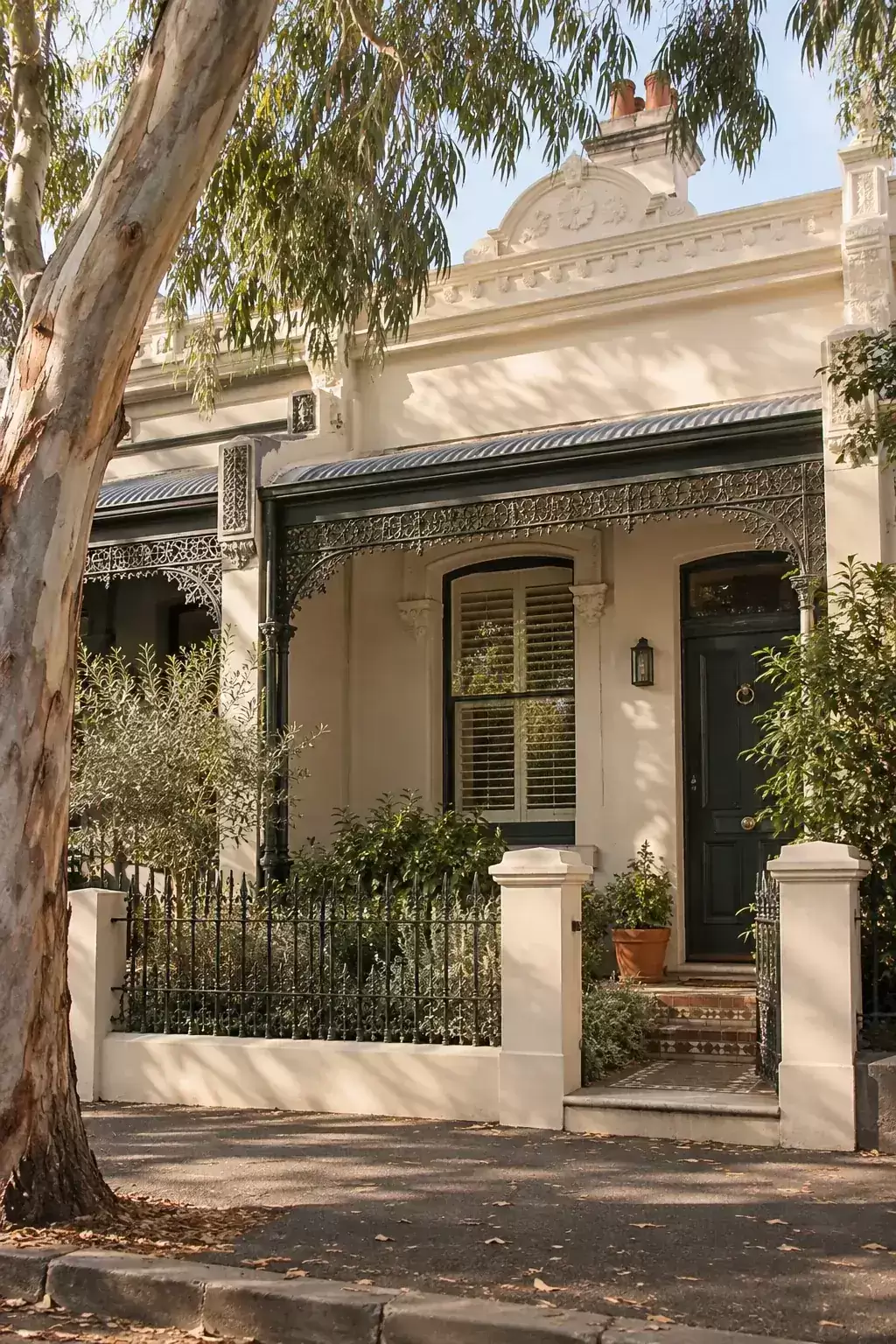
A home is more
than its surfaces.
Melbourne homes. Thoughtful care.
A considered approach
Assess the mould.
Investigate the moisture.
Start with the surface. Understand the damp conditions. Agree on a plan suited to the room.
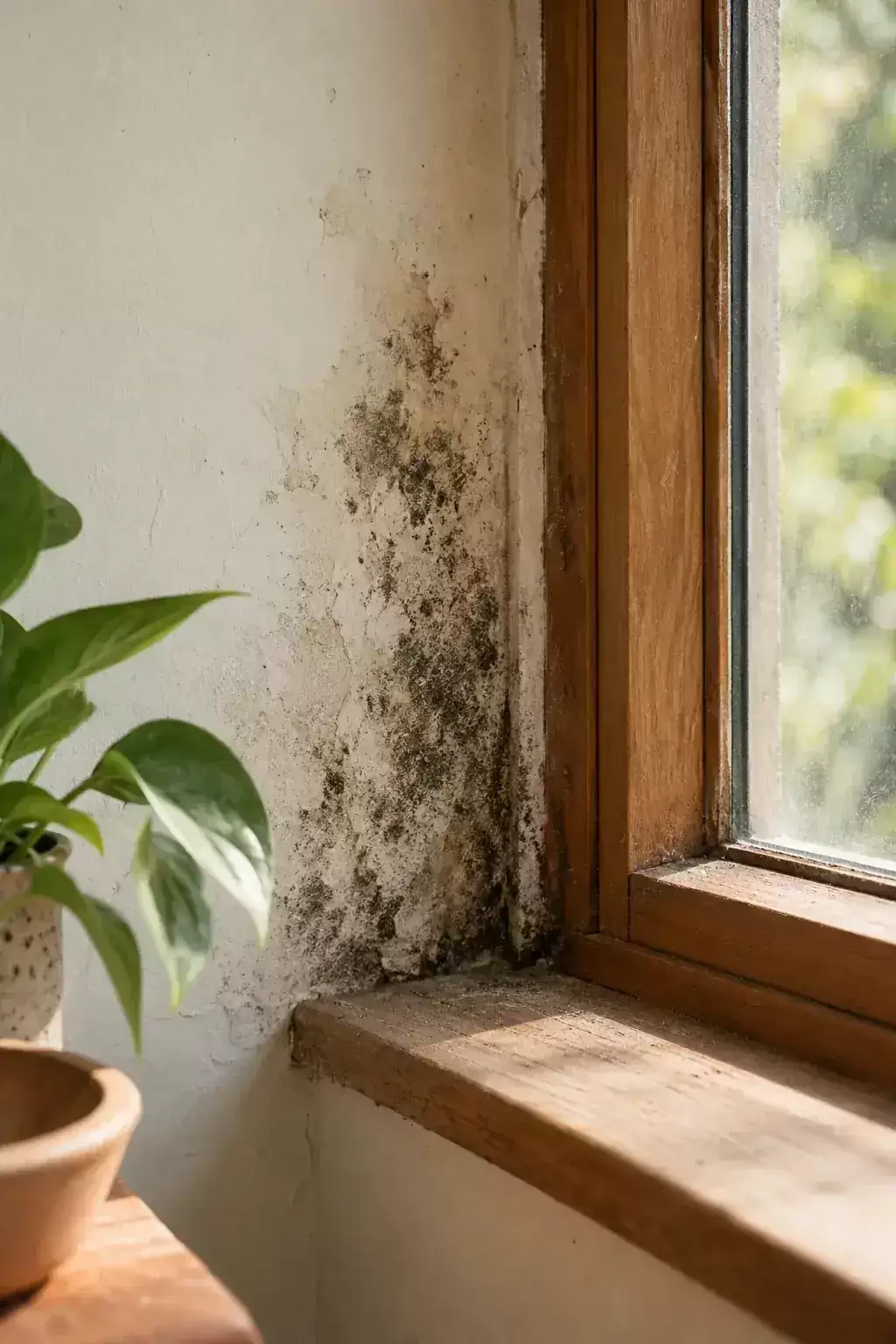
Assess affected
surfaces.
Check which walls, ceilings or floors are affected and whether the visible growth is isolated or widespread.
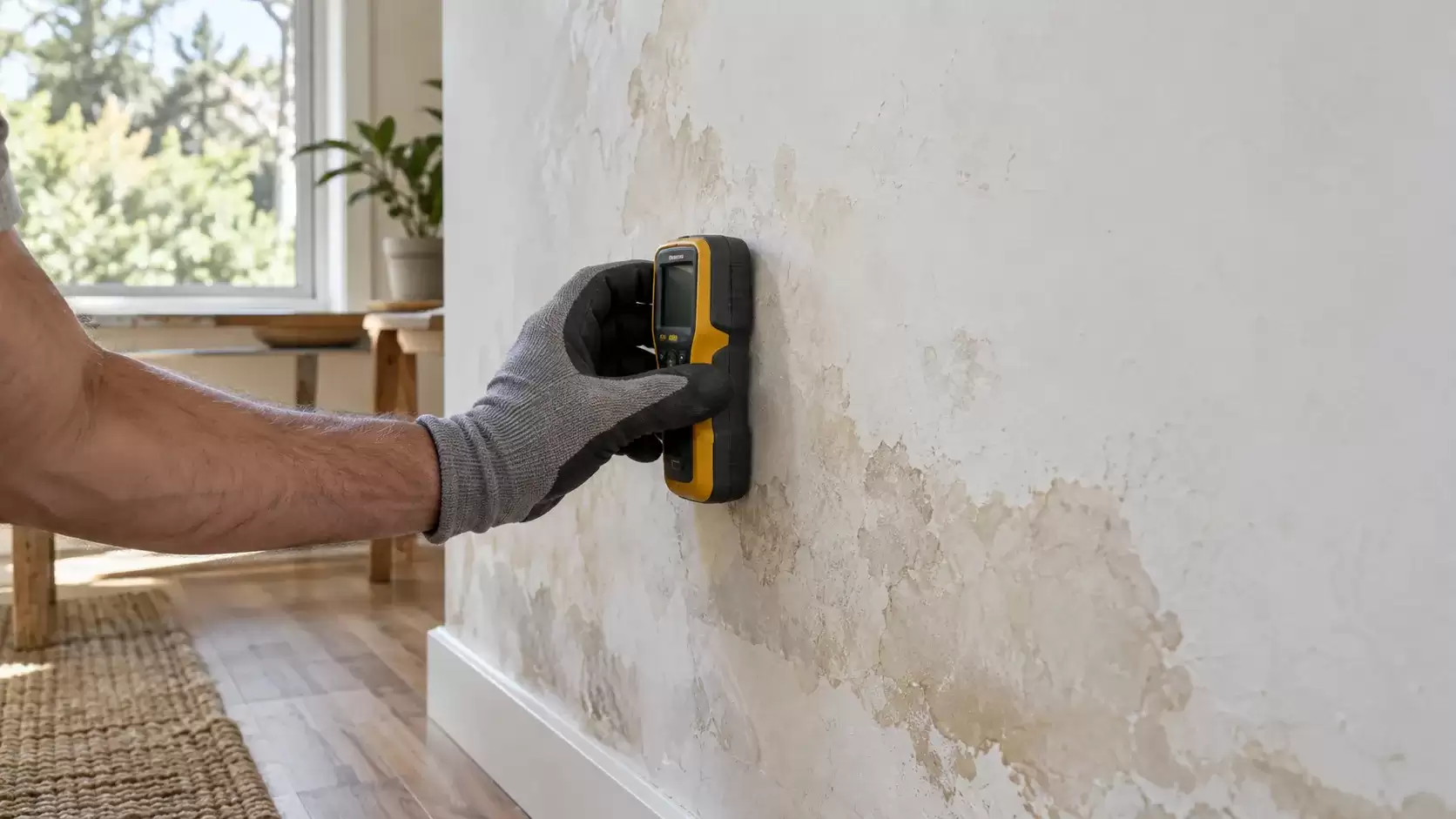
Check moisture
conditions.
Moisture readings and humidity checks help investigate damp conditions. Tell us about leaks, condensation and previous regrowth.
Plan the
removal.
Agree on accessible areas, suitable treatment and HEPA filtration before removal begins.
OUR SERVICES
Which service
does your home need?
Inspection, removal, treatment and remediation have different roles. Start with the affected surface and the moisture conditions.
Mould removal
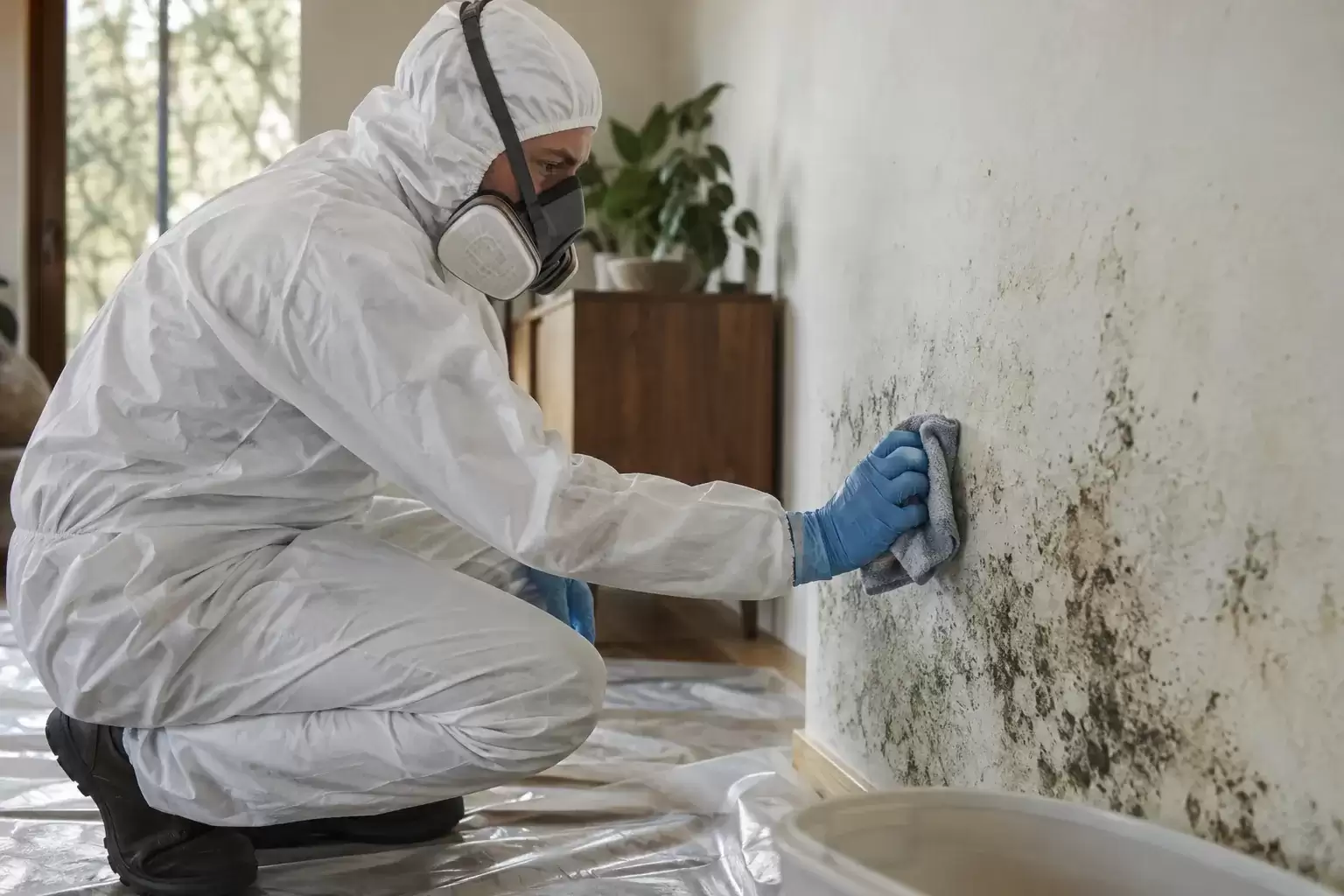
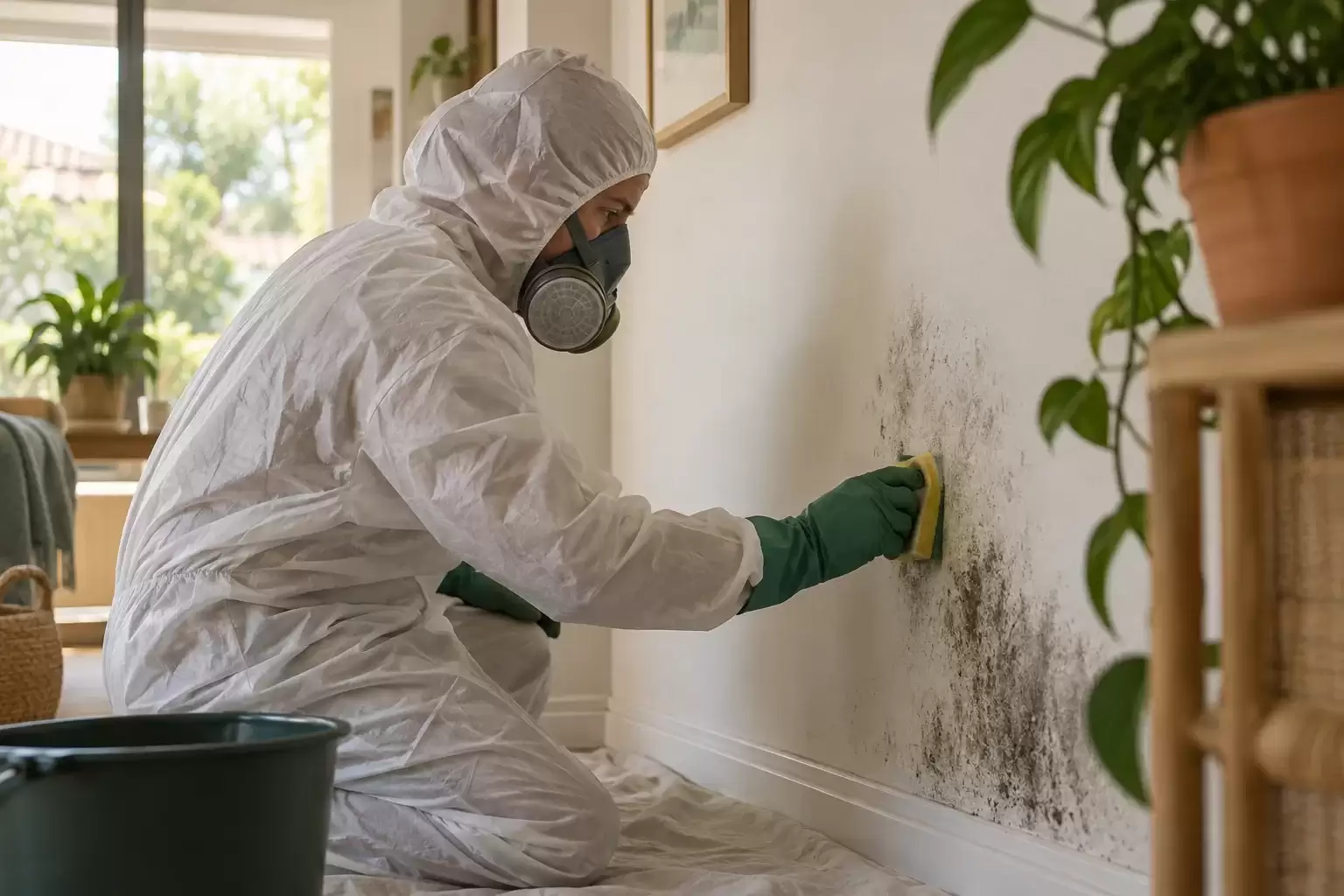
Physical removal targets visible growth on accessible walls, ceilings and floors. Surface condition and the extent of contamination determine what can be cleaned.
What to expect
Furniture, carpets, curtains, clothing and other textiles are outside the mould removal scope.
Mould inspection
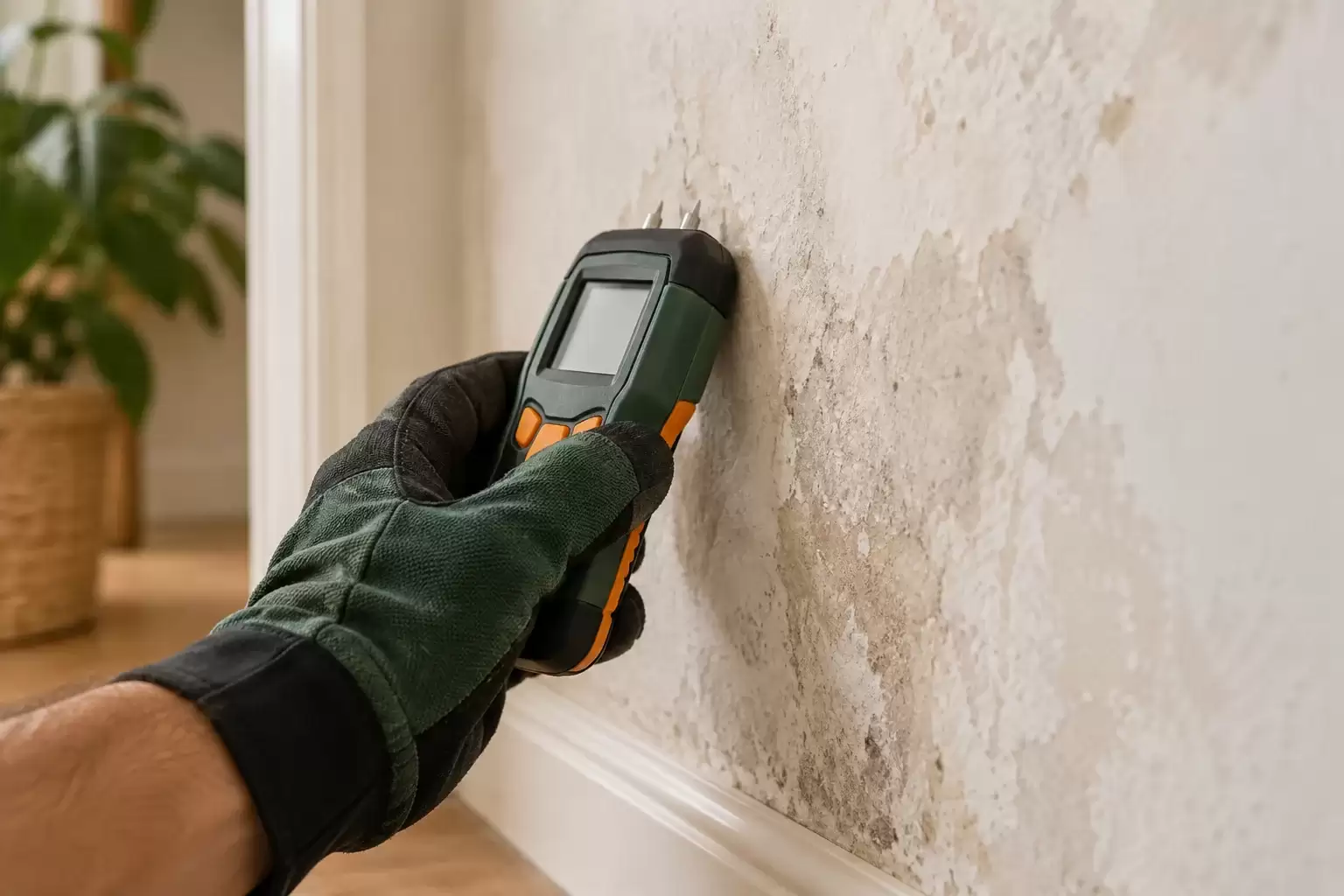
Inspection assesses the affected areas and checks moisture and humidity. It helps decide whether treatment is suitable and what needs further investigation.
What to expect
A paid inspection is AUD $100 for 30 minutes. Mention musty smells, recurring patches or a recent leak when arranging the visit.
Mould remediation
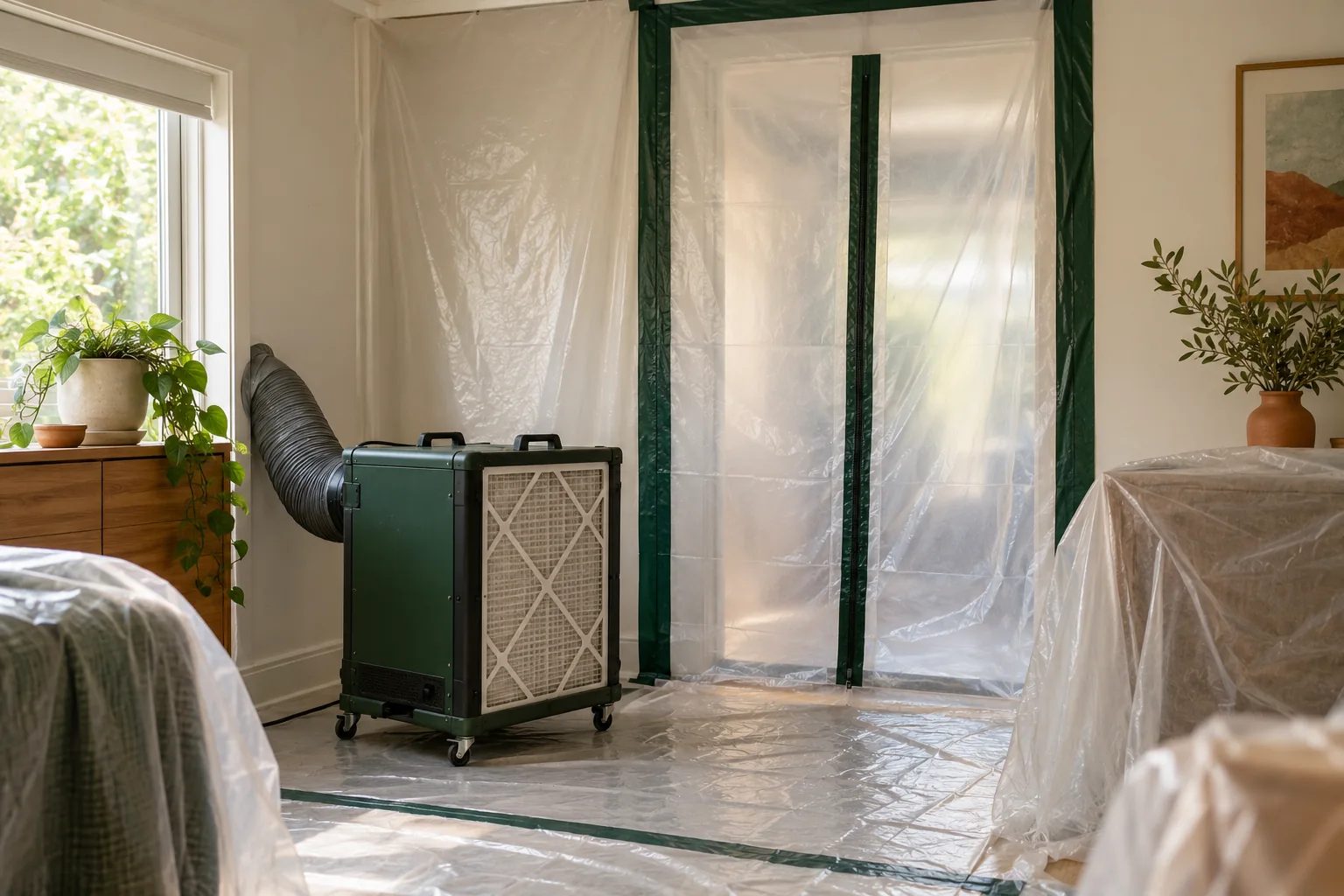
Remediation combines assessment, HEPA air filtration, suitable treatment and physical removal. It also identifies moisture issues that need separate repairs or management.
What to expect
The scope covers visible, accessible contamination. Concealed damage, removal of building materials and structural repairs require separate assessment and agreement.
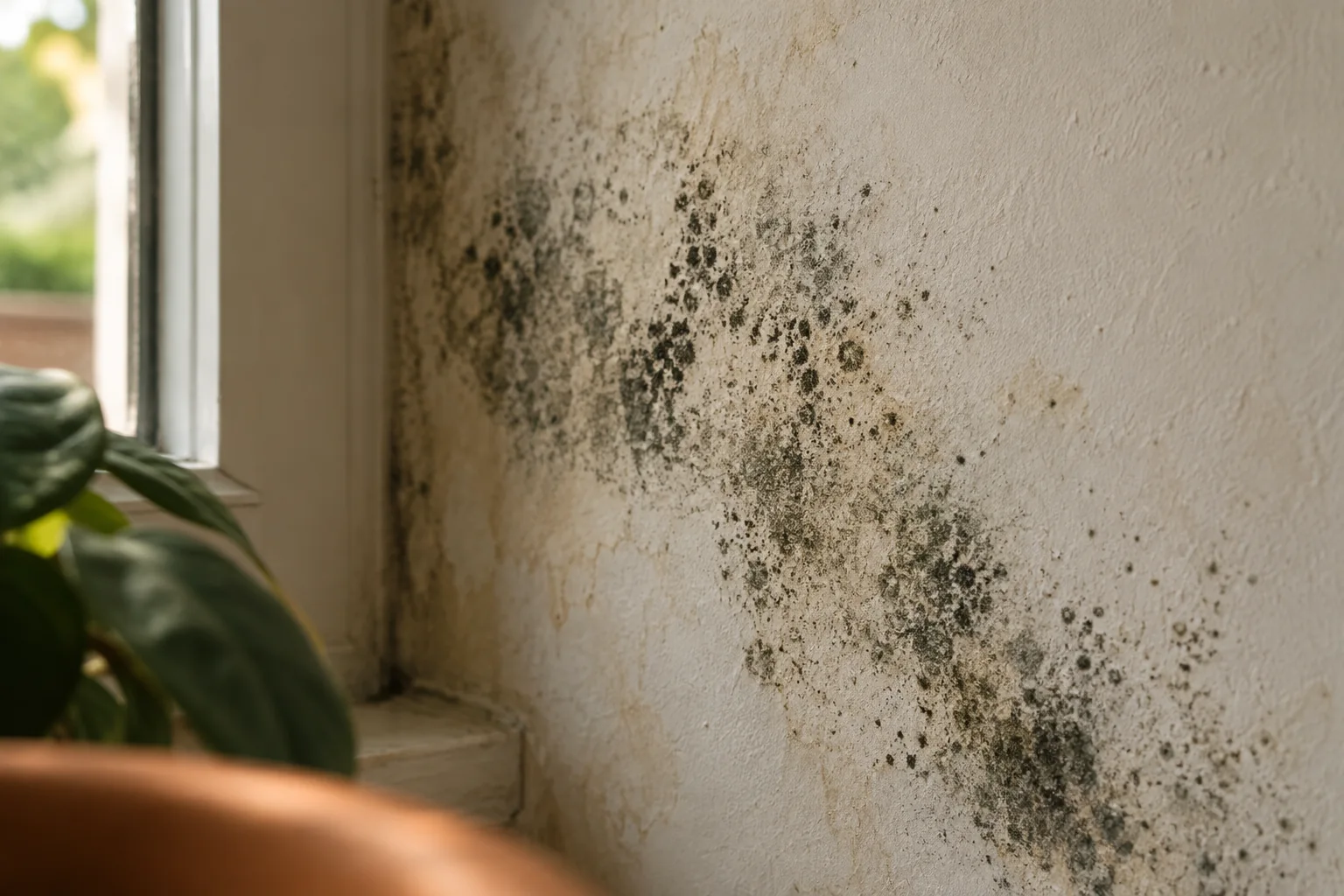
Black mould removal
Dark growth can occur on paint, plaster and other damp surfaces. Colour alone does not identify the species or tell you how extensive the problem is.
What to expect
Tell us where the mould is, which surfaces are affected and whether there has been a leak or recurring dampness.
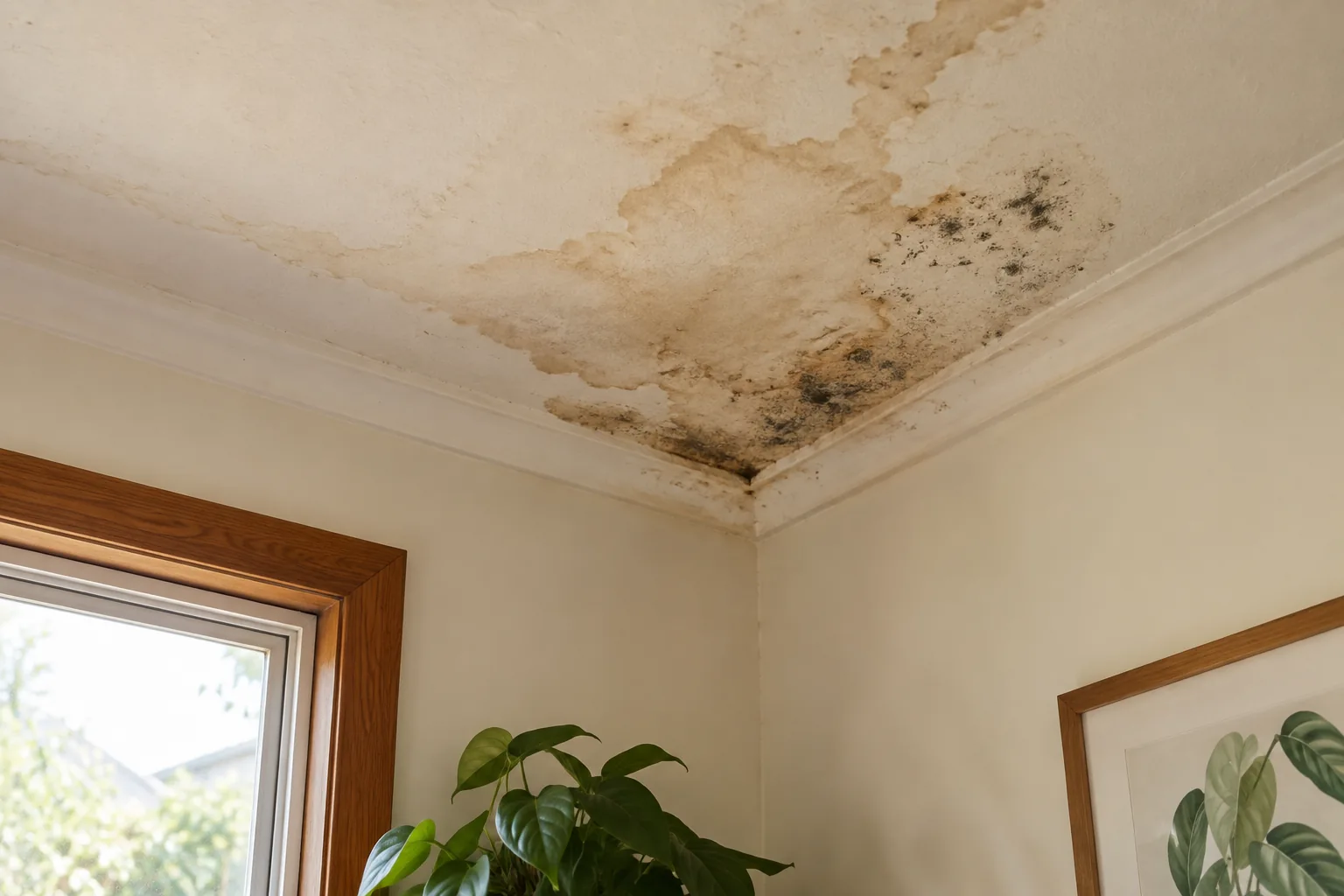
Emergency mould removal
If mould appears after a leak or water damage, call to discuss the affected rooms and current moisture conditions. Confirm appointment availability by phone.
What to expect
Explain whether the leak is ongoing and which areas are accessible. Active water intrusion needs attention as well as any mould removal work.
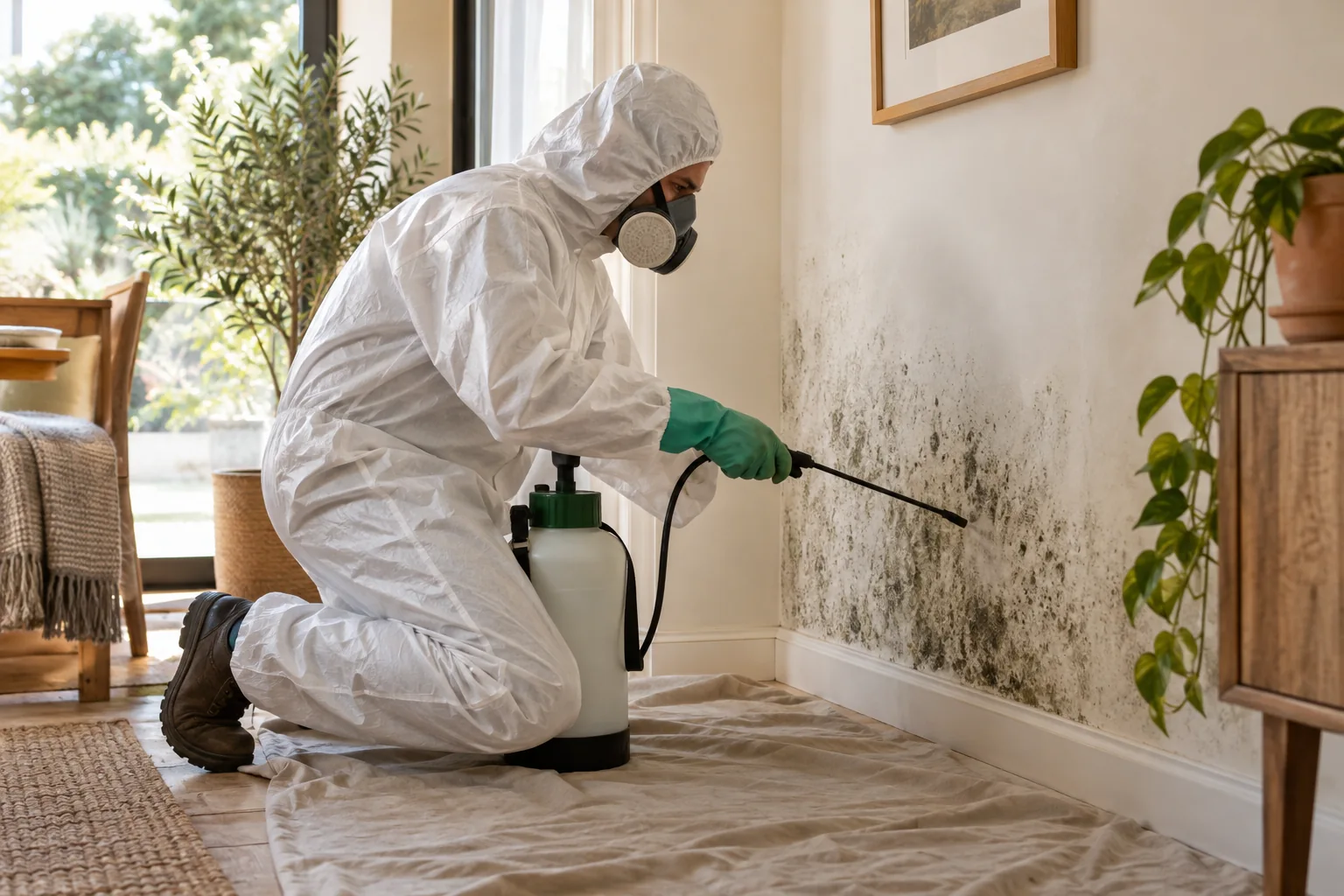
Mould treatment
Treatment is the application of a suitable product or method to affected surfaces. It forms part of the removal process and does not repair the cause of dampness.
What to expect
The treatment plan considers access, materials and moisture conditions. Cosmetic staining can remain after the mould is treated.
MOULD PROBLEMS WE TREAT
Where mould
can appear.
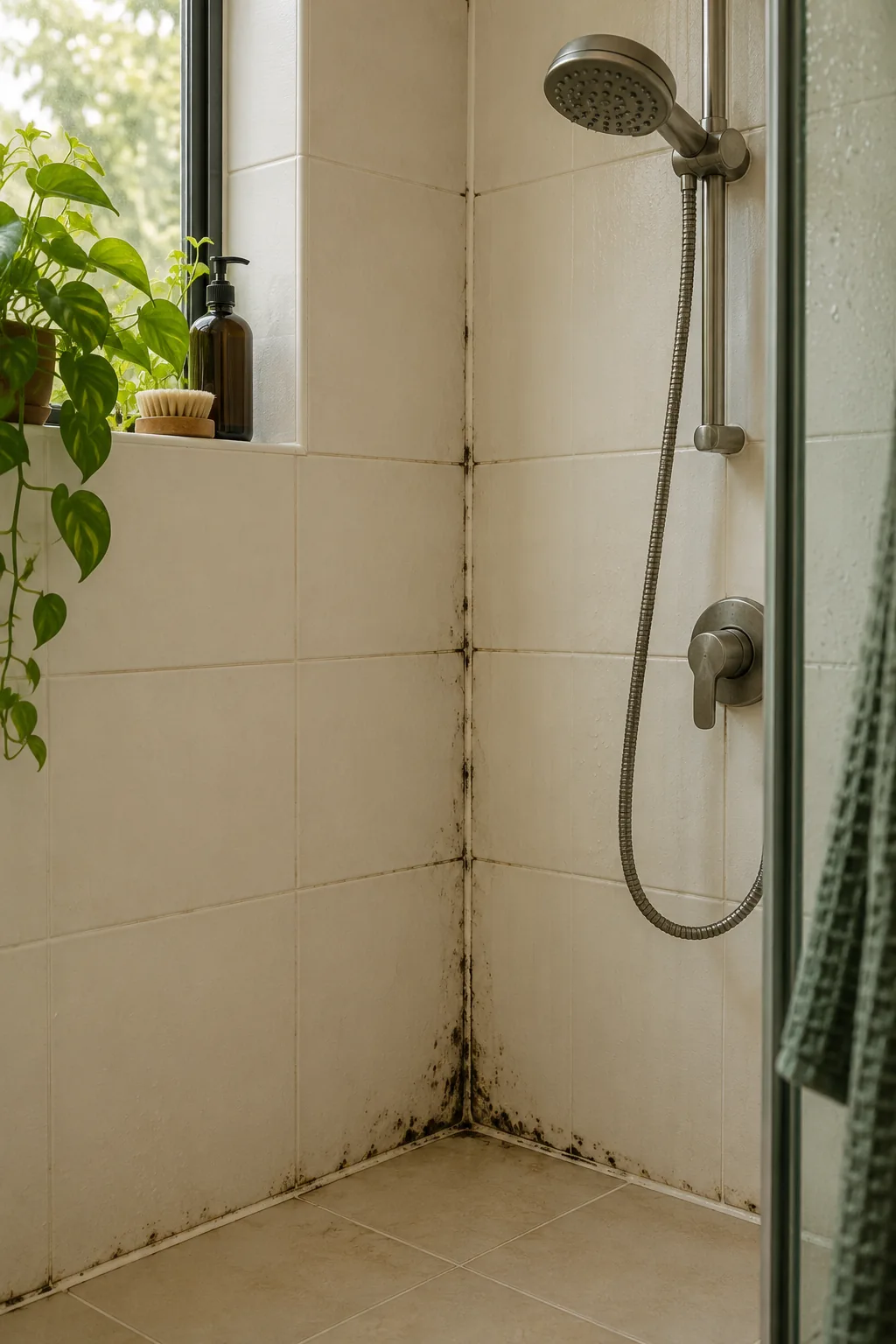
Bathroom mould
Repeated wetting and limited ventilation can leave grout, silicone and bathroom corners damp enough for growth.
Black mould
Assess the location and extent of dark growth. Its colour does not identify the species.
Ceiling mould
Ceiling patches may relate to condensation or water entering from above. Check whether they worsen after rain or showering.
Wall mould
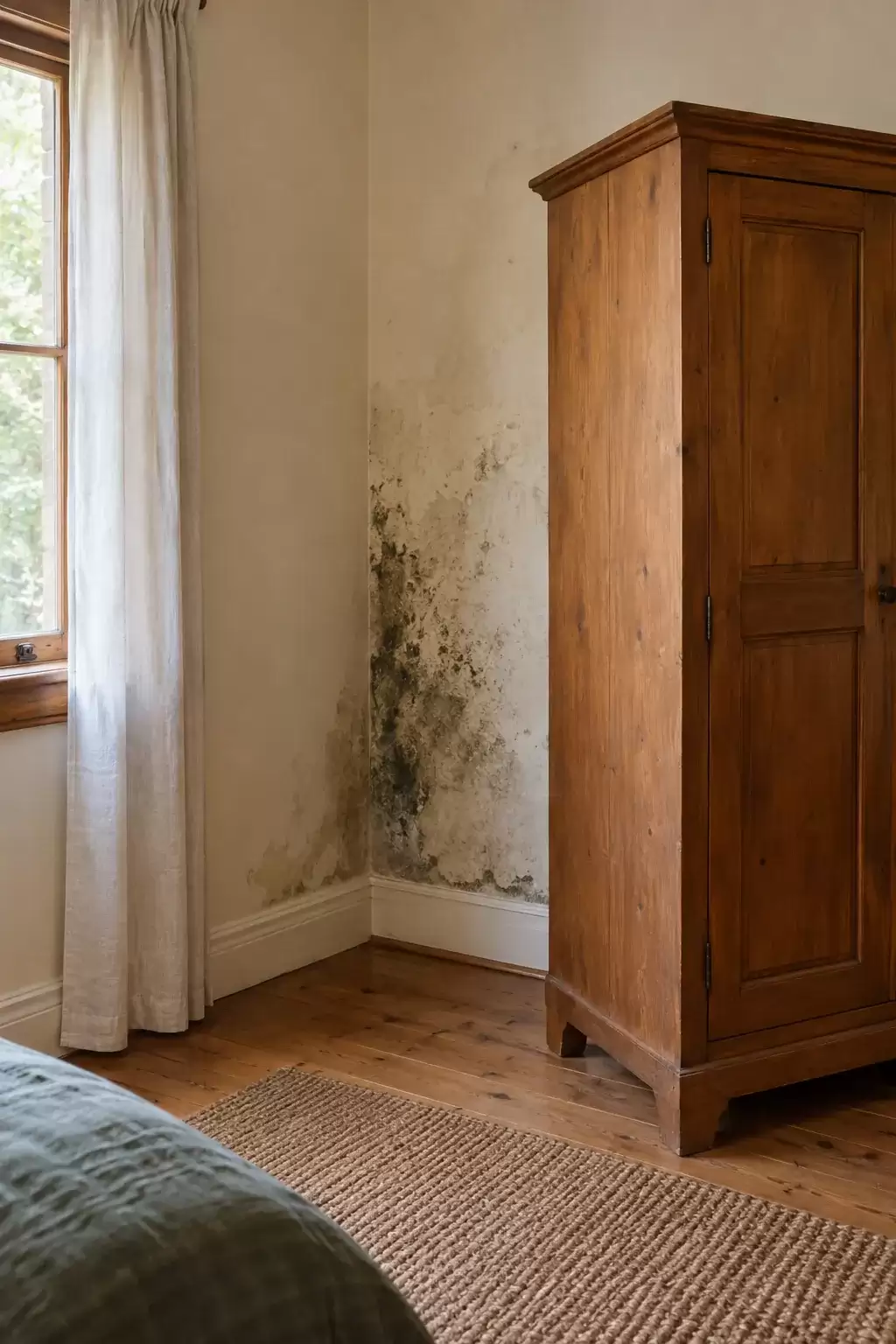
Growth near windows, behind furniture or on cold walls can accompany persistent dampness. Peeling paint needs assessment too.
Mould after water damage
A roof or plumbing leak can wet plaster and other materials. The leak and remaining moisture need attention alongside removal.
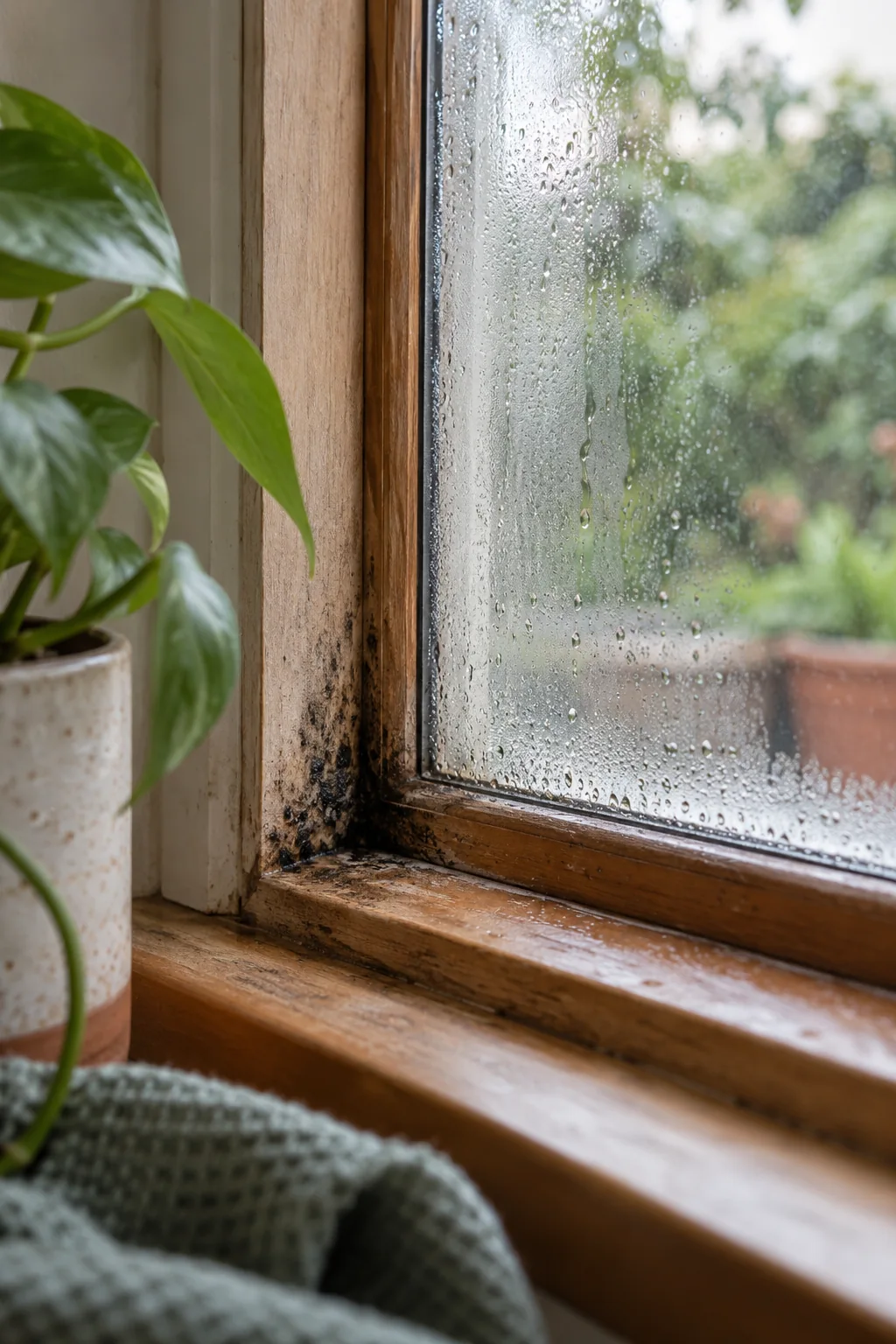
Condensation & moisture
Warm, moisture-laden air can condense on cooler surfaces and support recurring growth.
OUR PROCESS
How mould
removal works.
Assessment comes before treatment. Moisture findings and the agreed scope guide the work.
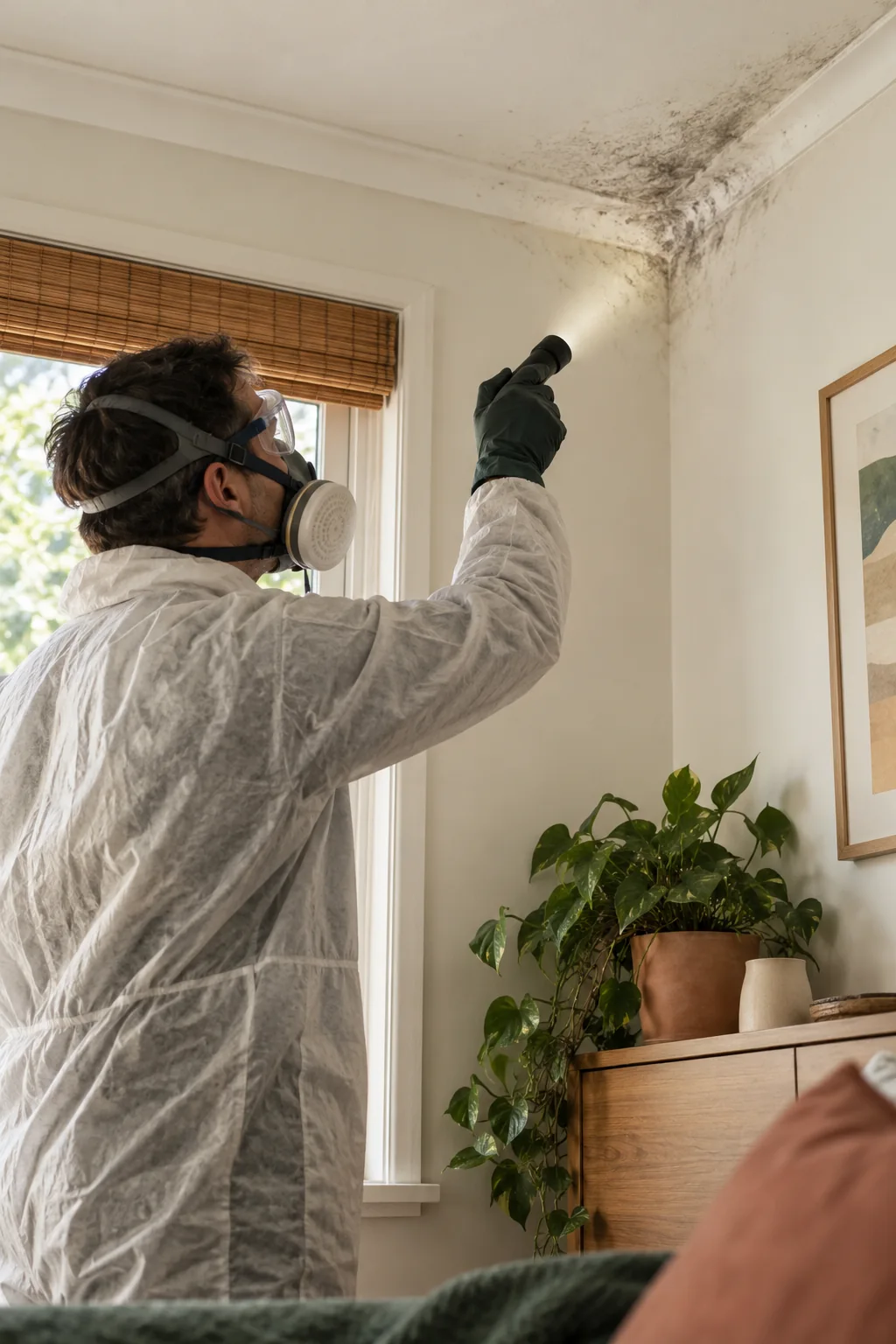
AI-generated process illustration. Not our staff or a client property.
Initial assessment
Talk through the affected rooms, accessible surfaces and extent of the visible growth.
Moisture & mould inspection
Check humidity and moisture levels. Consider leaks, condensation and ventilation.
Treatment plan
Agree on a suitable approach, air filtration and the scope of work before treatment.
Professional mould removal
Treat accessible affected areas and physically remove visible growth using remediation equipment.
Prevention advice
Discuss practical moisture management and any leaks or repairs that need separate attention.
A CLOSER LOOK AT THE PROCESS
Inspection.
Protection. Removal.
These process illustrations show moisture checks, work-area protection and removal equipment. They are not before-and-after results.
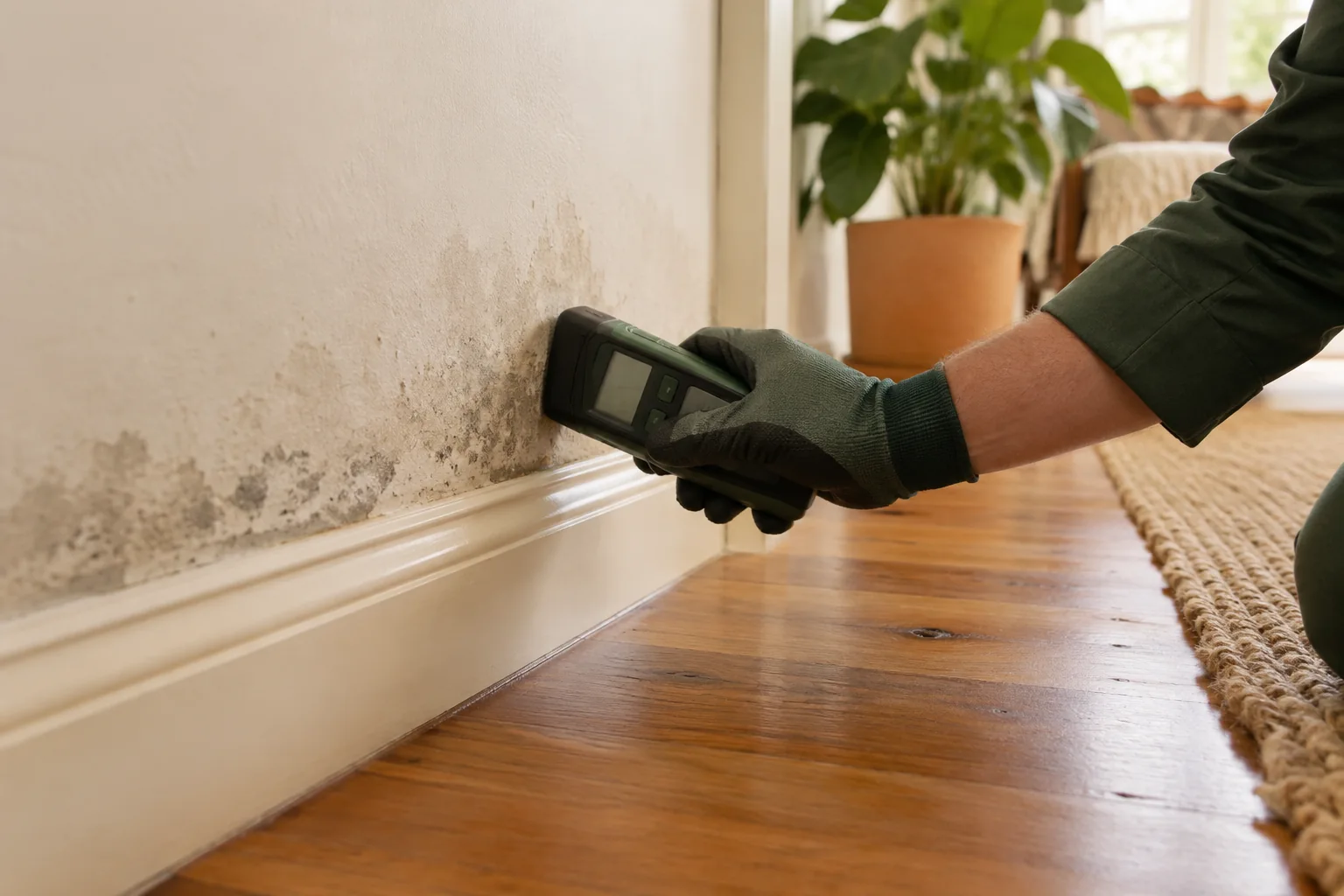
CHECK MOISTURE
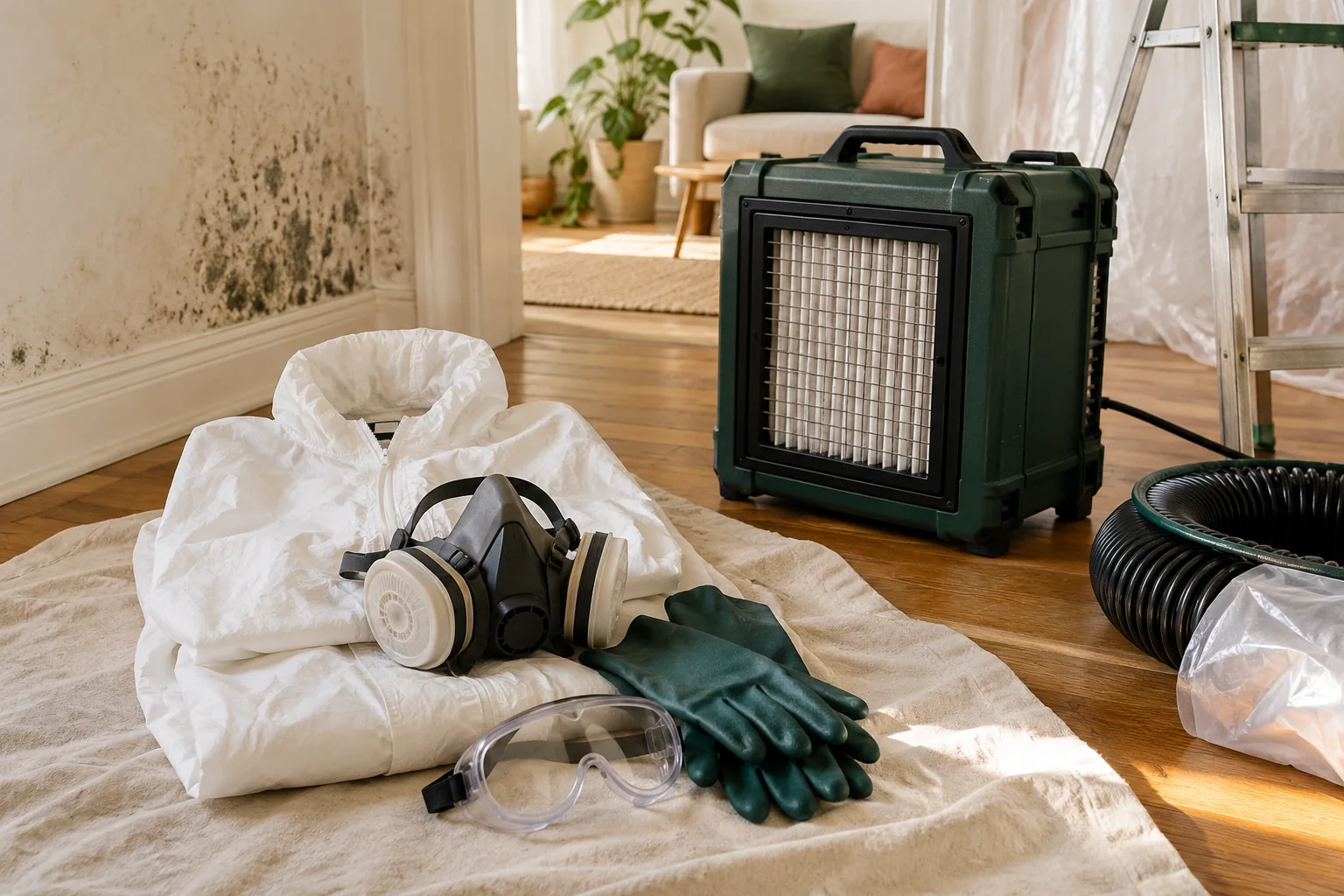
PROTECT THE WORK AREA
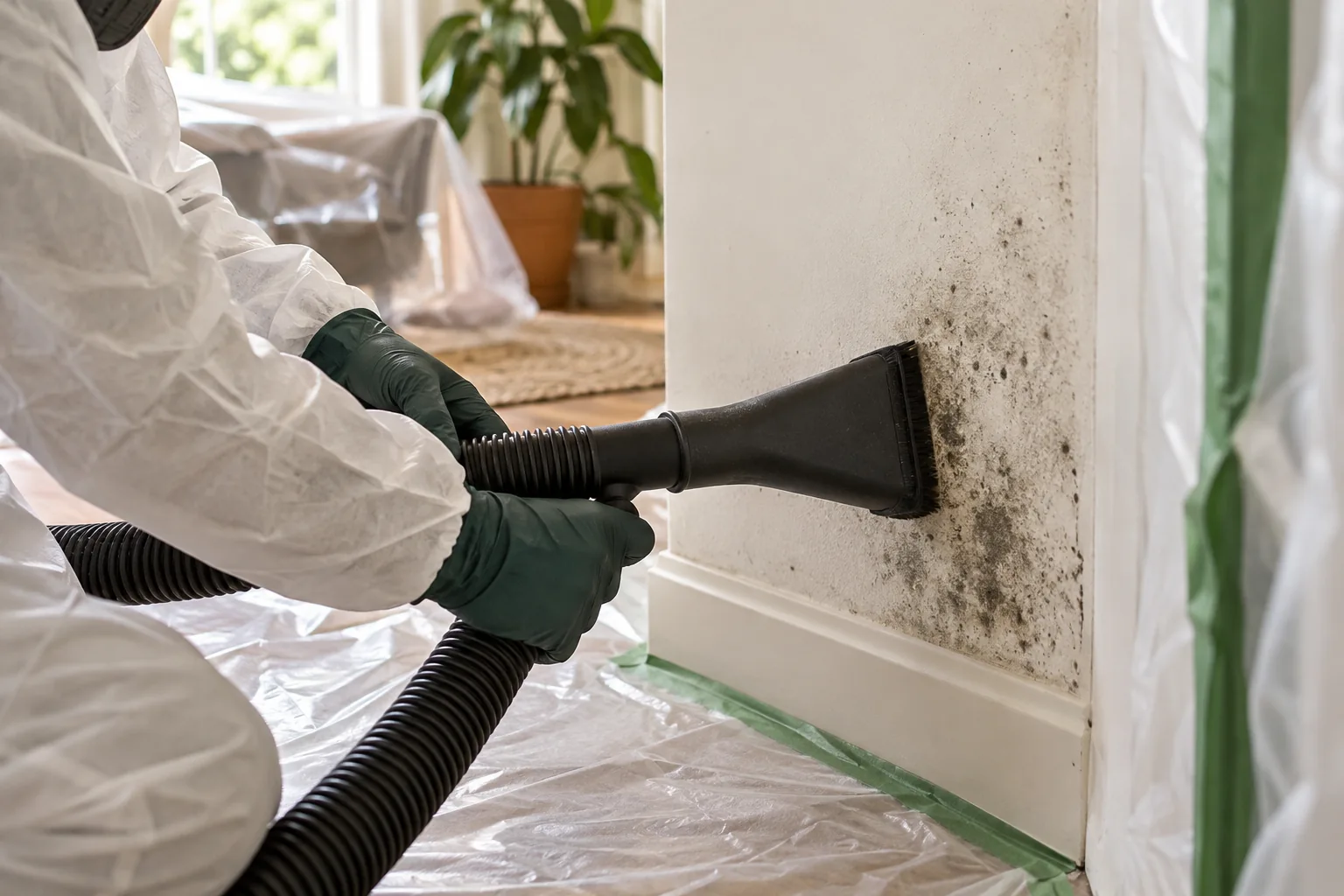
REMOVE WITH SUITABLE EQUIPMENT

For the place
you call home.
WHY CHOOSE US
Know the scope.
Know the next step.
Findings guide the work
Assessment and moisture checks help avoid treating the visible patch without considering why the surface is damp.
Know what is included
The service focuses on visible, accessible mould on walls, ceilings and floors. Concealed contamination and textiles need a separate discussion.
Honest expectations
Mould staining may remain, and the problem can return if the underlying moisture source is unresolved.
AREAS WE COVER
Melbourne
service areas.
Service areas include Carlton, Brunswick, Footscray, Hawthorn and Glen Waverley. Explore the Melbourne suburb directory below and call to confirm availability for your address.
Inner Melbourne
CBD · Docklands · Carlton · Fitzroy · Richmond
North
Brunswick · Coburg · Preston · Northcote
West
Footscray · Yarraville · Williamstown · Werribee
East
Kew · Hawthorn · Camberwell · Box Hill
South & south-east
South Yarra · Prahran · Caulfield · Glen Waverley · Dandenong
Explore Melbourne suburbs
The interactive map is optional. Allow external maps to connect to OpenStreetMap, Suburb selection and phone contact work without the map.
Melbourne · 3000
Map data © OpenStreetMap contributors. Markers identify suburbs, not business premises.
PRICES / AUD
What does mould
removal cost?
Non-member mould removal prices are AUD $650, $850 or $950 per room, depending on the affected area. Discuss the room, surfaces and access to confirm the applicable price and scope.
Small affected area
AUD $650
per room · non-member price
Around a window or in a corner.
Medium affected area
AUD $850
per room · non-member price
A large section of one wall.
Large affected area
AUD $950
per room · non-member price
More than one wall or ceiling affected.
Inspection appointment
AUD $100
30-minute paid inspection.
Corporate survey
AUD $0
30-minute corporate survey. Discuss suitability when you call.
Treatment is not charged by the hour. Time on site varies with the condition of the room and the work required.
UNDERSTANDING MOULD IN MELBOURNE
Why mould
keeps coming back.
In Melbourne homes, mould can follow roof or plumbing leaks, condensation and prolonged dampness. Showering, cooking and drying washing indoors add moisture to the air. When that air meets a cooler window or wall, water can collect on the surface. Limited ventilation can allow the damp conditions to continue.
Why it can come back
Treating existing growth does not repair a leak or change ventilation. If damp conditions continue, mould can reappear. Addressing the moisture source is a separate and essential part of prevention.
When to seek an assessment
Consider professional assessment when growth keeps returning, affects a large area, follows water damage or has an unclear moisture source. Mention musty smells, peeling paint and the rooms involved when you call.
Removal, treatment or remediation?
Removal cleans existing growth; inspection investigates the extent and moisture conditions. Treatment is a step within the work. Remediation combines those steps with a plan for the affected areas and advice on moisture management. Leak repairs and concealed contamination require separate work.
Practical moisture checks
Use bathroom and kitchen exhaust fans, check for window condensation and keep air moving around furniture. Arrange repairs for known leaks. If a patch keeps returning, ask for an assessment rather than repeatedly cleaning the same spot.
FREQUENTLY ASKED QUESTIONS
Good questions.
Clear answers.
A few useful things to know before you call.
What causes mould in Melbourne homes?
Mould grows where moisture persists. Roof or plumbing leaks, condensation on cool surfaces and limited ventilation can all contribute. Check whether the patch follows rain, appears after showering or returns in the same spot.
Can mould return after removal?
Yes. Removal deals with existing growth. An unresolved leak, continuing condensation or damp building material can support new growth. Repairing the cause and managing moisture reduce the chance of recurrence, but do not provide a guarantee.
What is the difference between mould removal and remediation?
Removal physically cleans visible growth from accessible surfaces. Remediation is the broader process: assessment, moisture checks, HEPA filtration, suitable treatment, removal and prevention advice. Repairs and concealed damage are agreed separately.
How much does mould removal cost in Melbourne?
Non-member prices are AUD $650 per room for a small affected area, $850 for a medium area and $950 for a large area. A paid 30-minute inspection is $100. Call with details of the affected rooms to confirm the applicable scope and price.
When should I arrange a mould inspection?
An inspection is useful when growth repeatedly returns, covers a substantial area, follows water damage or has an unclear cause. Mention musty smells and paint damage as well as visible patches. The assessment covers affected areas and moisture conditions.
Can mould grow behind walls?
Yes, concealed materials can be affected when they remain damp. A musty smell or recurring surface patch does not by itself confirm hidden mould. The standard service covers visible, accessible surfaces; investigation of wall cavities needs separate discussion.
How long does mould remediation take?
The service allows approximately three hours per room on average. Access, the affected area and the level of contamination can change that estimate. Treatment is not charged by the hour. Confirm preparation and access arrangements before the visit.
Does the service repair leaks or remove every stain?
No. Plumbing, roof and structural repairs are separate from mould treatment. Cosmetic staining can remain on walls or ceilings after removal, and repainting may be needed. Discuss any ongoing leak before treatment is arranged.
Which surfaces and Melbourne suburbs do you cover?
The service covers visible, accessible mould on walls, ceilings and floors; carpets, curtains, clothing and other textiles are excluded. Selected service areas are listed above. Call 03 8652 1296 with your suburb and access details to confirm availability.
YOUR HOME. YOUR NEXT STEP.
Discuss the mould
in your home.
Tell us your suburb, the affected rooms and any recent leaks or recurring patches. We can discuss inspection, the service scope and appointment availability.