
MELBOURNE · A METHOD SUITED TO THE SURFACE
Mould Treatment
Mould treatment is one stage of dealing with an affected surface. The method needs to suit the material, access and extent of the visible growth, and it works alongside assessment, filtration and physical removal. It does not repair a leak or change the conditions that keep a room damp. Our Melbourne service focuses on visible, accessible walls, ceilings and floors, with the scope and preparation discussed before work begins.
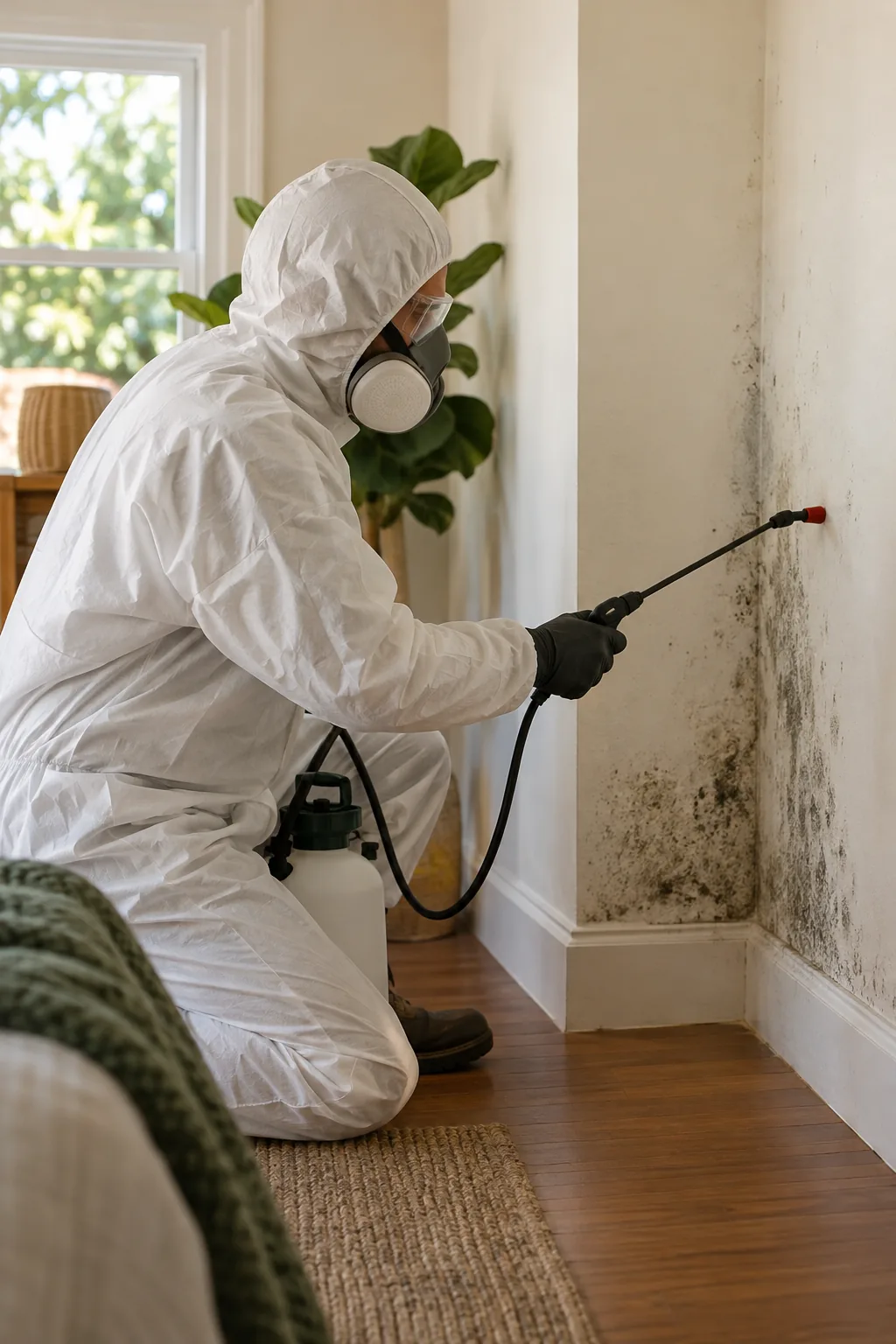
A surface-led method
The affected material and access guide the treatment plan.
Part of a full process
Filtration and physical removal accompany suitable treatment.
Practical next steps
Discuss moisture management and any separately required repairs.
Treatment, cleaning and remediation have different roles
Treatment means applying a suitable product or method to the affected area. Removal is the physical cleaning of existing growth and residues from the agreed accessible surfaces. Remediation is the broader process that combines those steps with assessment, filtration and advice about moisture conditions.
A treatment product should not be presented as a complete answer to every mould problem. The surface may need physical removal, the material may be damaged and the moisture source may still be active. A clear plan identifies what the treatment is intended to do and where its scope ends.
Read about the full remediation process if you need to understand how the different stages fit together. For the physical cleaning component, see visible-surface mould removal.
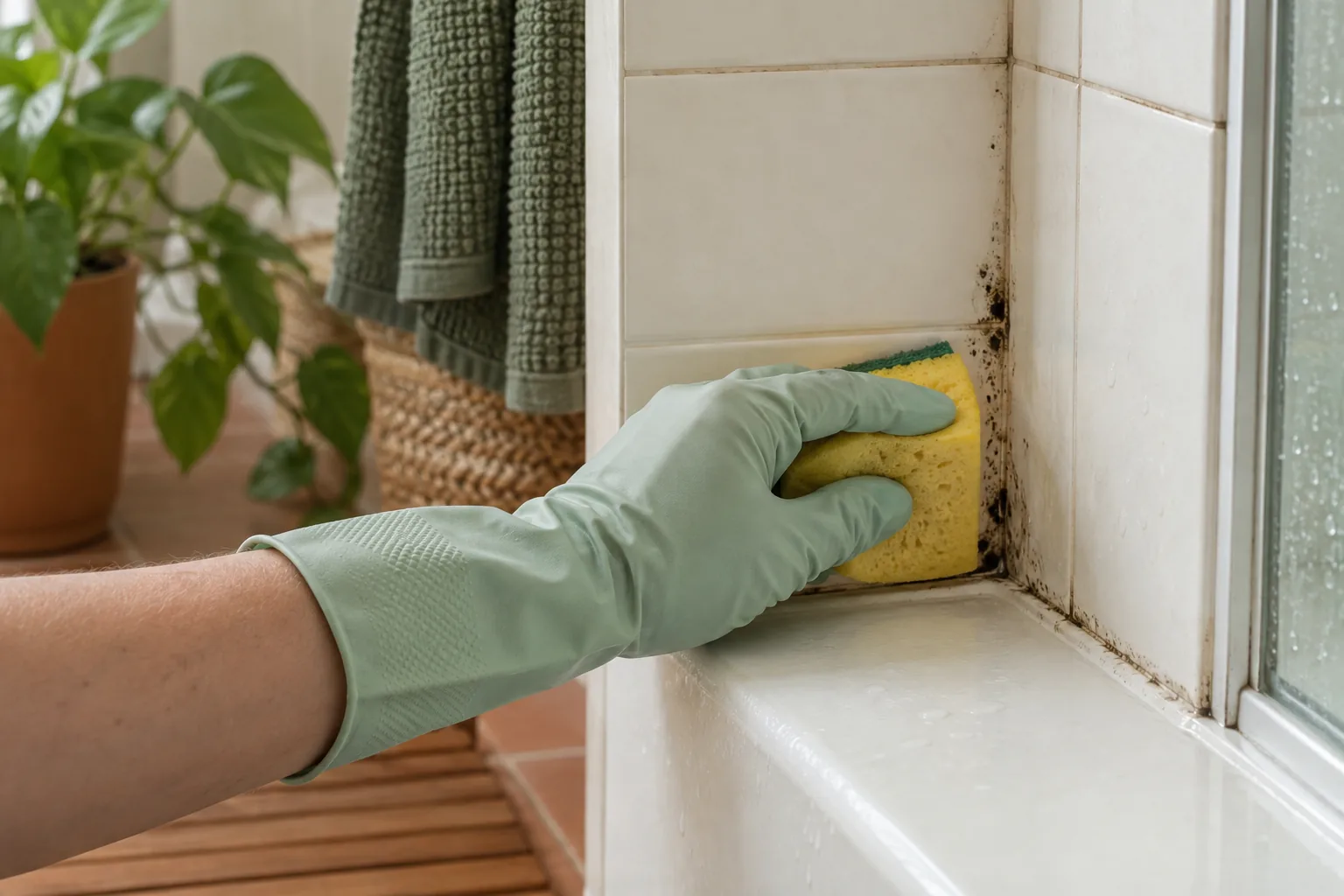
Choose the method after assessment
The technician assesses the affected areas, extent of contamination and moisture conditions before selecting the treatment approach. Mention fragile finishes, peeling paint, previous decorating work and anything that limits access. A method that suits one material or room is not automatically the right choice for another.
The service information describes a hypochlorous acid solution, known as HOCl, with ultra-low-volume application used where appropriate. The chosen product and application method must fit the agreed work and the relevant instructions. Ask what is proposed for your room and what preparation or access arrangements are needed.
No blanket claim of complete spore elimination, universal safety or a residue-free result is made here. Those statements require evidence specific to the product, method and conditions. The practical focus is a suitable plan for the accessible areas being treated.
Accessible surfaces and exclusions
The standard service covers visible and accessible mould on walls, ceilings and floors. It does not cover furniture, sofas, mattresses, carpets, curtains, clothing or other textiles. If those items are affected, mention them so expectations for the surface-treatment job remain clear.
Mould in wall cavities, insulation or another concealed space may need special inspection or additional work. A product application does not establish that every hidden area has been assessed or successfully treated. Explain any suspected concealed damage before agreeing to the scope.
Plumbing faults, roof leaks and structural defects are separate from treatment. Cosmetic marks may also remain on painted walls or ceilings. Repainting or decorative restoration can be discussed separately and is not a guaranteed part of the treatment result.
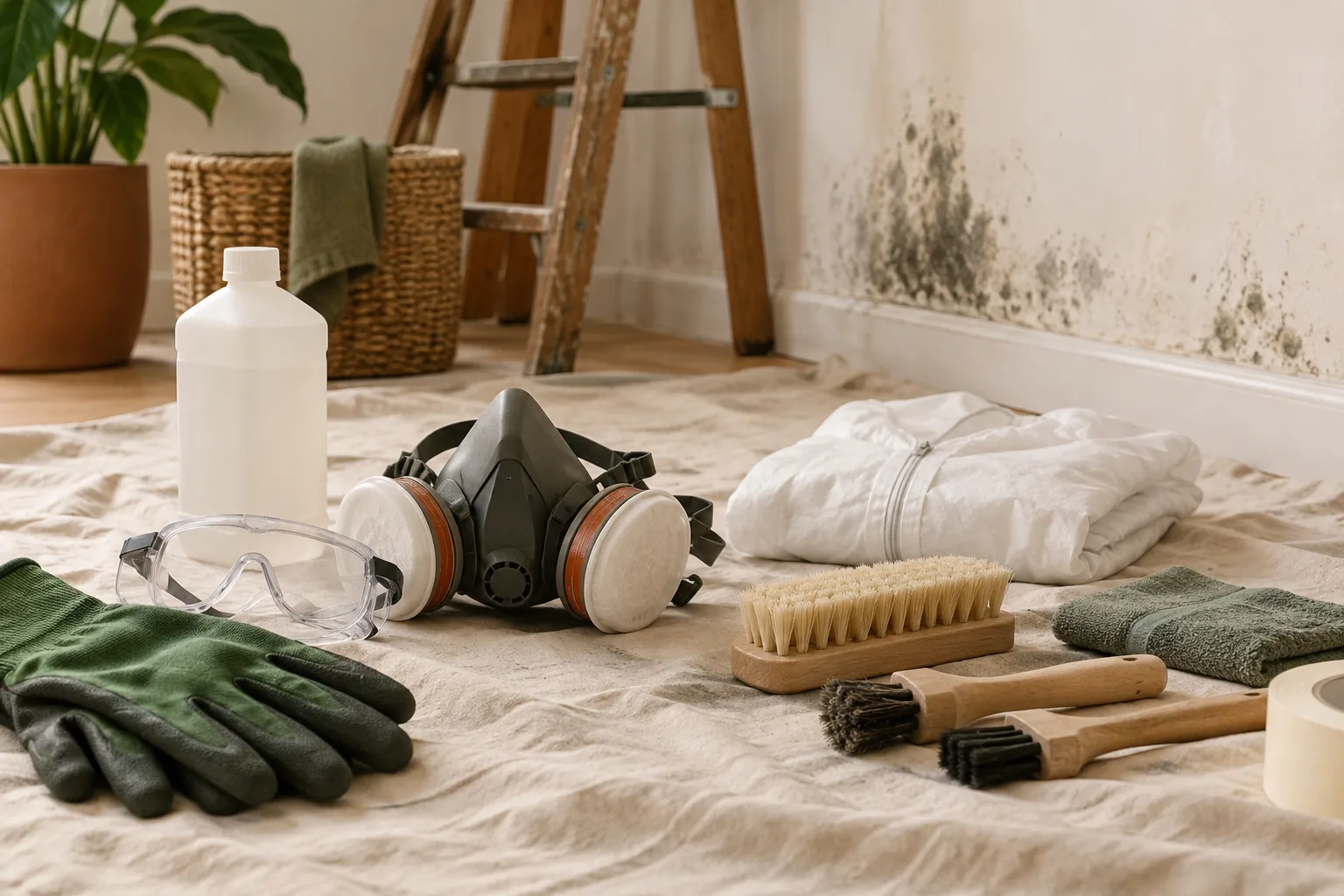
Why filtration and physical removal accompany treatment
The service process includes HEPA air filtration before treatment and while the work is carried out. Filtration contributes to managing airborne particles around the working area. It has a different purpose from applying treatment to a wall or cleaning material from a surface.
After treatment, visible growth and residues are physically removed using professional remediation equipment. Air filtration continues as part of the process. A treatment-only description can miss that cleaning stage and give the impression that application of a product is the whole service.
The relevant questions are which surfaces are included, how the work area will be managed and what the room needs before the appointment. Discuss those arrangements rather than assuming all rooms and materials are covered by one application.
Discuss the job before arranging treatment
Call with your suburb, the room names, affected surfaces and approximate extent. Explain earlier cleaning or treatment attempts and whether a known leak has been repaired. Mention access limitations and ask what must be moved or prepared before a technician attends.
The listed non-member mould removal prices are AUD $650, $850 and $950 per room for small, medium and large affected areas. A separate treatment-only tariff is not established in the pricing sheet. Confirm the applicable service scope and price rather than assuming that the word treatment creates a different package.
The service is not charged hourly. Time on site varies with the condition of the room, access and work required. The price guide sets out the confirmed figures; call 03 8652 1296 to discuss the method and appointment availability for your address.
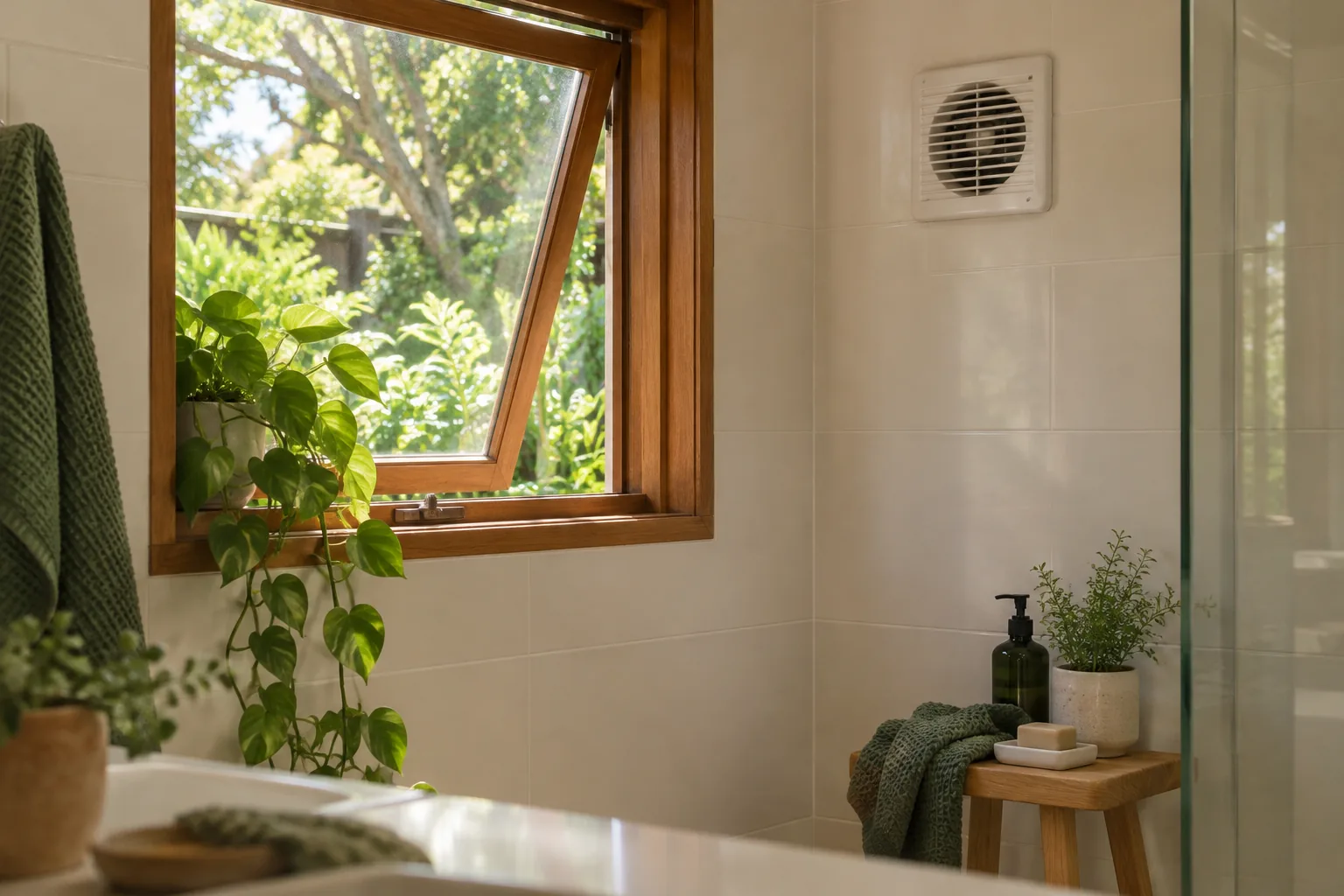
Moisture management is a separate, continuing task
A room can support new growth when damp conditions persist after existing mould has been treated. Follow up on known leaks and investigate surfaces that repeatedly become wet. Treatment does not change the amount of water entering the building or remove the need for repairs.
Consider how moisture is generated and removed from the room. Bathroom and kitchen extraction, window condensation and air movement around furniture are useful points to review. Keep attention on the previously affected surface and discuss any regrowth together with the history of dampness.
When the cause or extent is unclear, an inspection of the visible growth and moisture conditions can help establish the next step. Prevention advice reduces uncertainty about what to follow up, without promising that recurrence is impossible.
The method follows the material.
Ask which application is suitable for the agreed surfaces and how to prepare the room. Treatment is part of the process, alongside removal and moisture management.
QUESTIONS BEFORE YOU BOOK
Useful answers.
Clear scope.
Is mould treatment the same as mould removal?
They are connected but different stages. Treatment is the application of a suitable product or method. Removal physically cleans existing growth and residues from the agreed accessible surfaces. The broader remediation process includes assessment and filtration too.
Which product or application method is used?
The service information describes HOCl solution and ultra-low-volume application where appropriate. The exact method should be selected for the affected material and agreed job. Ask what is proposed and how to prepare the room before the visit.
Can treatment reach every concealed area?
That should not be assumed. The standard scope is visible, accessible surfaces. Wall cavities, insulation and concealed damage may require special investigation or additional work, separately agreed before treatment.
Will applying a product stop mould coming back?
Not if the damp conditions remain. Treatment addresses existing contamination; leaks, condensation and ventilation concerns need attention as well. No permanent prevention guarantee is offered.
Are all cosmetic marks removed?
No. Stains on painted walls or ceilings can remain after mould work. Repainting or decorating is separate from the standard service and may require a further quote.
Is there a treatment-only price?
The pricing sheet lists mould removal by affected area per room, plus inspection and corporate survey amounts. It does not establish a separate treatment-only package. Confirm the work and applicable price when you call.
How should I prepare the room?
Explain access restrictions and fragile finishes, then ask what must be moved and how the room should be prepared for the proposed method. Do not assume affected textiles or furniture are included in a wall, ceiling and floor treatment scope.
Discuss mould treatment.
Discuss the affected material, earlier treatment attempts and moisture conditions. Ask about the proposed method and room preparation.