
MELBOURNE · CALL TO CONFIRM AVAILABILITY
Emergency Mould Removal
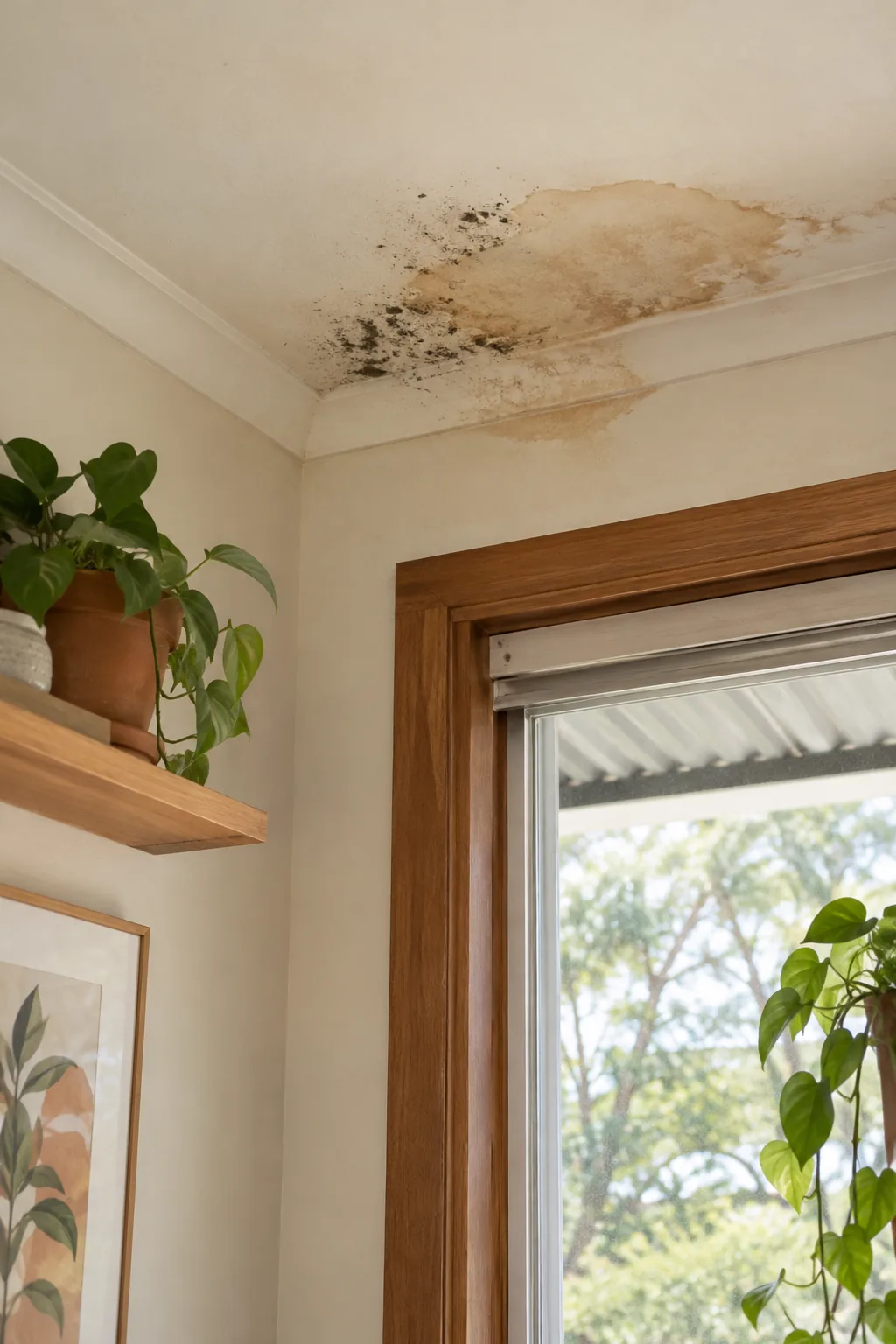
If mould has appeared after a leak or water damage, call to discuss the condition of the property and the next suitable step. Explain whether water is still entering, which rooms are affected and what access is available. The service can assess visible growth and moisture conditions before treatment is agreed. Appointment availability is confirmed by phone; no round-the-clock service or fixed emergency response time is advertised.
Direct phone contact
Explain the urgent concern and confirm current availability.
Assessment before treatment
The affected surfaces and moisture conditions guide the next step.
Clear repair boundaries
Stopping a leak is separate from mould treatment and removal.
First, explain whether the water problem is ongoing
An urgent mould enquiry is more useful when it separates two problems: water entering or remaining in the property, and the mould that has developed. Tell us whether the leak has stopped, repairs have been arranged and the material is still visibly damp. Cleaning growth does not stop a continuing roof or plumbing leak.
Avoid entering an area you believe is unsafe or handling electrical equipment near water. Appropriate plumbing, building or electrical concerns need the relevant qualified assistance. Mould treatment should not be presented as a substitute for making a damaged area suitable to access.
Once the condition of the property is understood, the conversation can focus on inspection, accessible surfaces and the work that may be appropriate. Call 03 8652 1296 with your suburb and the current situation.
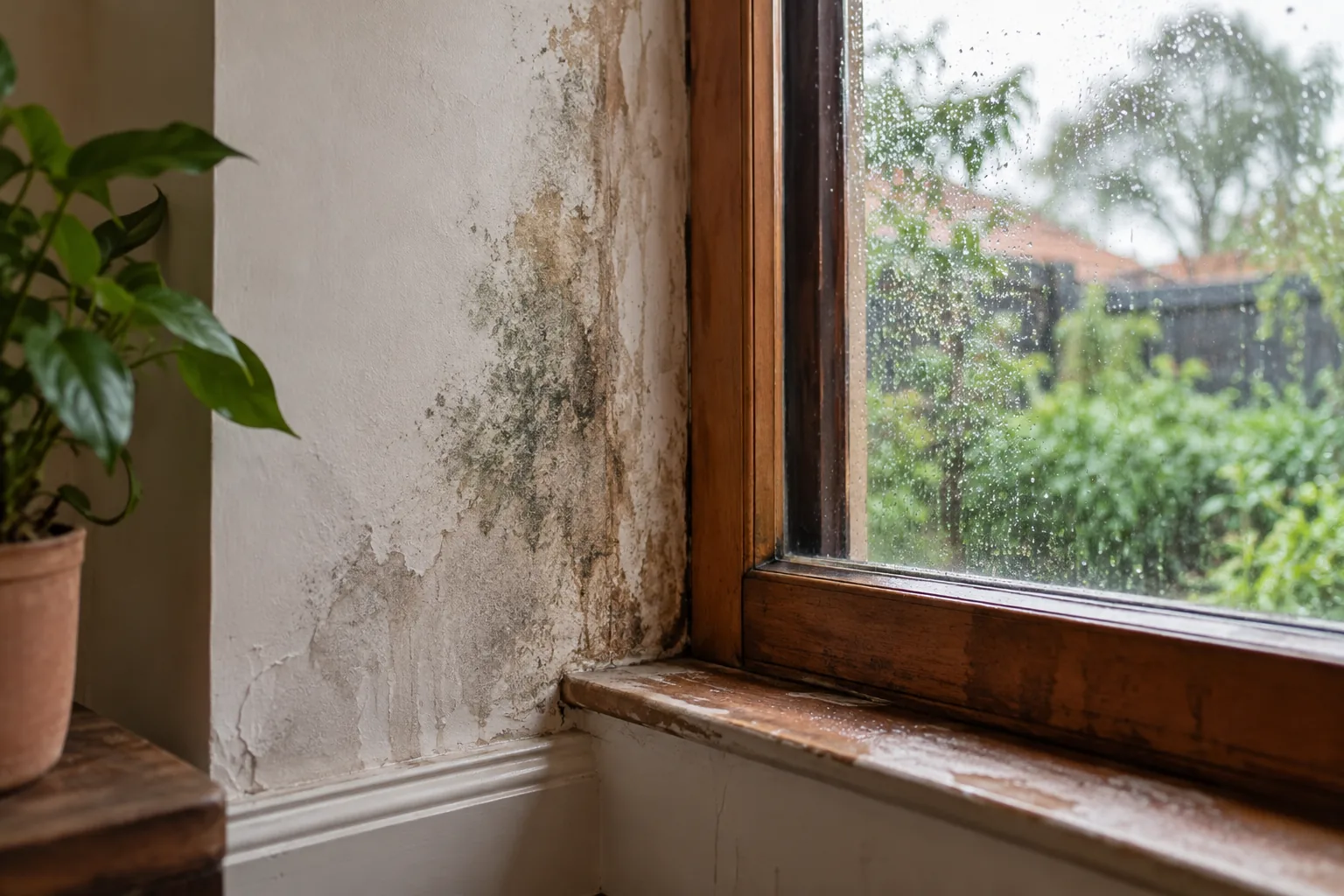
Give the information needed to scope a visit
Describe the affected rooms and materials. A water-stained ceiling, growth around a window and a damp floor raise different access and scope questions. Give an approximate extent without needing an exact measurement. Explain whether the patch is new, has spread or was present before the water damage.
Mention what has already been done: leak repairs, previous cleaning, decorating over a patch or moving items from the room. Explain high ceilings, restricted access and surfaces that look damaged or fragile. Those details help avoid an appointment being arranged on incomplete assumptions.
If you need a particular document for an insurer or another organisation, explain that requirement before booking. Do not assume an urgent removal appointment includes a building survey, specialist sampling or every type of written report.
Availability, price and time on site
Call to confirm whether an appointment can be arranged for your property. No fixed response time, same-day guarantee or 24-hour availability is established in the service information. If a timing constraint matters, explain it at the start of the enquiry so expectations are clear.
The source pricing lists non-member mould removal at AUD $650, $850 or $950 per room according to the affected area. It does not establish a separate emergency surcharge. Confirm the actual scope and any additional charges before agreeing to work. See the full price guide for the listed amounts.
The treatment service is not hourly. Time depends on the room, contamination and access, so ask for a job-specific estimate. If the area remains damp after work, follow up on the cause rather than assuming another cleaning visit will resolve it.
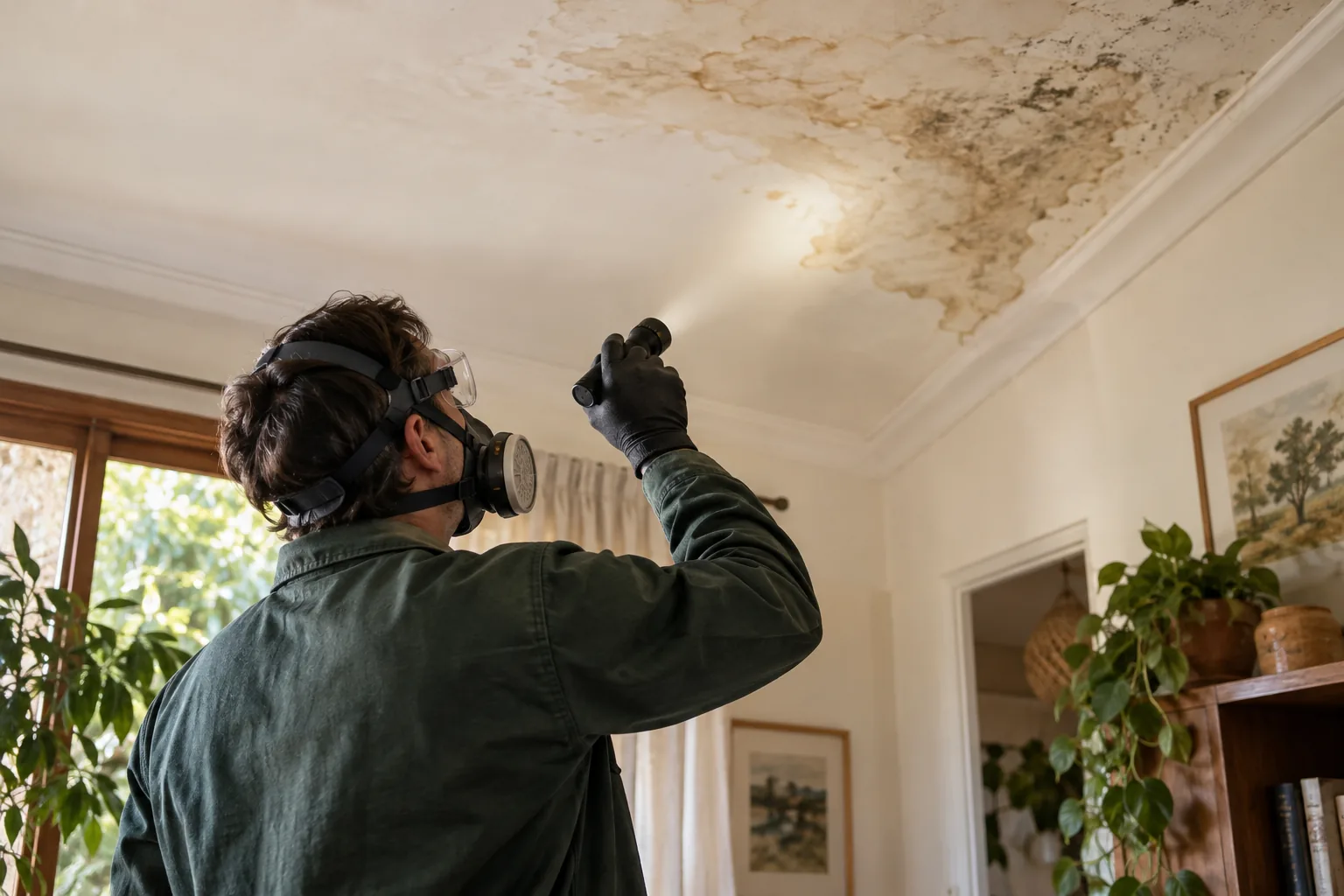
Assess the mould and remaining moisture
The service starts with assessment of visible growth and the affected accessible areas. Humidity and moisture checks help investigate the surrounding damp conditions. They contribute to the treatment plan alongside the history of the incident, the material and the extent of the visible contamination.
An inspection appointment may be appropriate when the extent or cause is unclear. Concealed spaces and damaged building materials may require further investigation or work beyond the standard scope. A surface assessment should not be treated as proof that every hidden area is unaffected.
A recent leak does not establish the method or duration of mould work on its own. Agree on the accessible surfaces and any separate repairs before treatment is undertaken.
Separate removal from repairs and restoration
Roof repairs, plumbing faults and structural defects are outside the standard mould removal scope. Those issues need separate attention if they are allowing water to enter or remain. Continuing dampness can support recurrence even after current growth has been treated.
Mould-affected furniture, mattresses, carpets, curtains, clothing and other textiles are excluded. Concealed growth in walls, insulation or cavities may also need special inspection or additional work. Explain those concerns clearly during the enquiry.
Cosmetic staining can remain after treatment. Repainting or decorative restoration may be appropriate later, but it is separately quoted and is not a promised outcome of mould removal. The order of repair and restoration should reflect the condition of the material and any ongoing moisture problem.
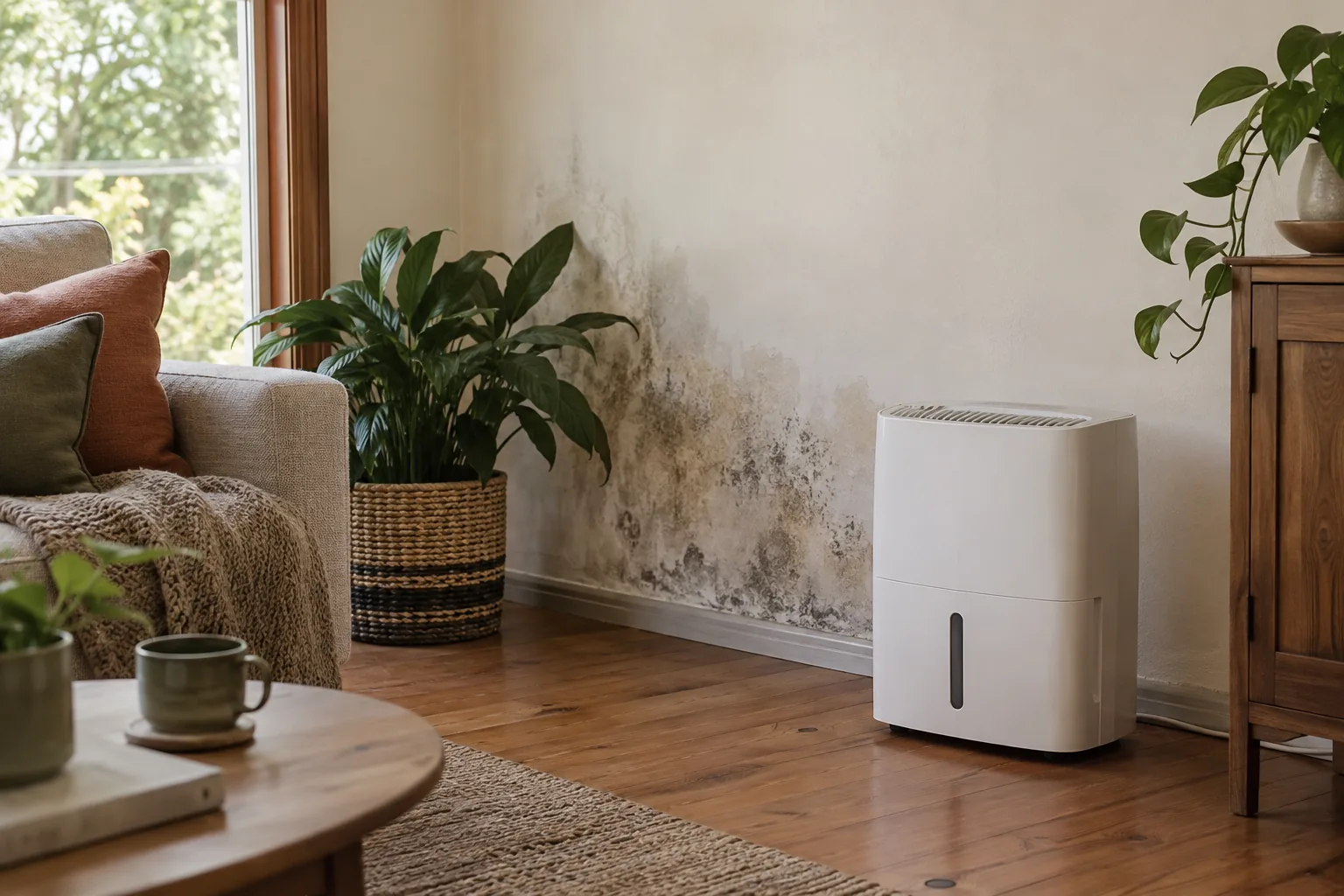
What urgent mould work can include
For an agreed job, the standard mould process includes assessment, HEPA air filtration, suitable treatment and physical removal from visible, accessible walls, ceilings and floors. The equipment and method need to match the affected areas and working conditions.
The broader remediation process brings those stages together and considers moisture management after the appointment. Filtration is part of managing particles during the work, rather than a guarantee about the entire building or every concealed space.
Ask how to prepare the room, what needs to be moved and whether access or use of the space is restricted during treatment. Do not assume the urgency removes the need to agree on the scope and preparation.
Availability confirmed by phone.
Explain the current water problem, access and any timing constraint. Confirm the appointment and scope before assuming urgent attendance can be arranged.
Our approach to emergency mould removal · Confirm your location
QUESTIONS BEFORE YOU BOOK
Useful answers.
Clear scope.
Do you offer a 24-hour emergency service?
Round-the-clock availability is not confirmed. Call 03 8652 1296 to discuss the urgent concern and current appointment availability. No fixed emergency response time or same-day attendance is promised.
Can I book mould removal while a leak is still active?
Explain the active leak when you call. Mould work does not stop water entering the room, and a plumbing or building repair may need to be addressed separately before the treatment scope can be agreed.
Does water damage mean there is mould behind every wall?
No. Visible damage provides a reason to investigate, but does not establish the extent of concealed contamination. Wall cavities, insulation and other hidden spaces may need additional inspection or work.
What should I describe on the phone?
Give your suburb, affected rooms, surfaces and approximate extent. Explain whether the leak has stopped, any completed repairs and access restrictions. Mention a timing constraint or specific report requirement before booking.
Is an emergency surcharge included in the published prices?
No separate emergency surcharge is established in the supplied pricing. The listed removal categories are based on affected areas per room. Confirm all applicable costs and the agreed scope during the enquiry.
Will the service restore a water-damaged ceiling?
Removal treats existing mould on agreed accessible surfaces. It does not repair the source of the leak or guarantee that damaged plaster or cosmetic stains will be restored. Repairs and repainting require separate discussion.
What if the mould comes back after the leak is repaired?
Discuss whether materials remain damp or another moisture source is involved. The repair history, timing of regrowth and affected location can guide a further assessment. Recurrence should not automatically be treated as the same surface-only problem.
Discuss emergency mould removal.
Explain whether the leak is still active, the affected rooms and current access. Call to confirm whether an appointment can be arranged.