
GLASS · FRAME · REVEAL
BALWYN · MELBOURNE
Mould Removal Balwyn
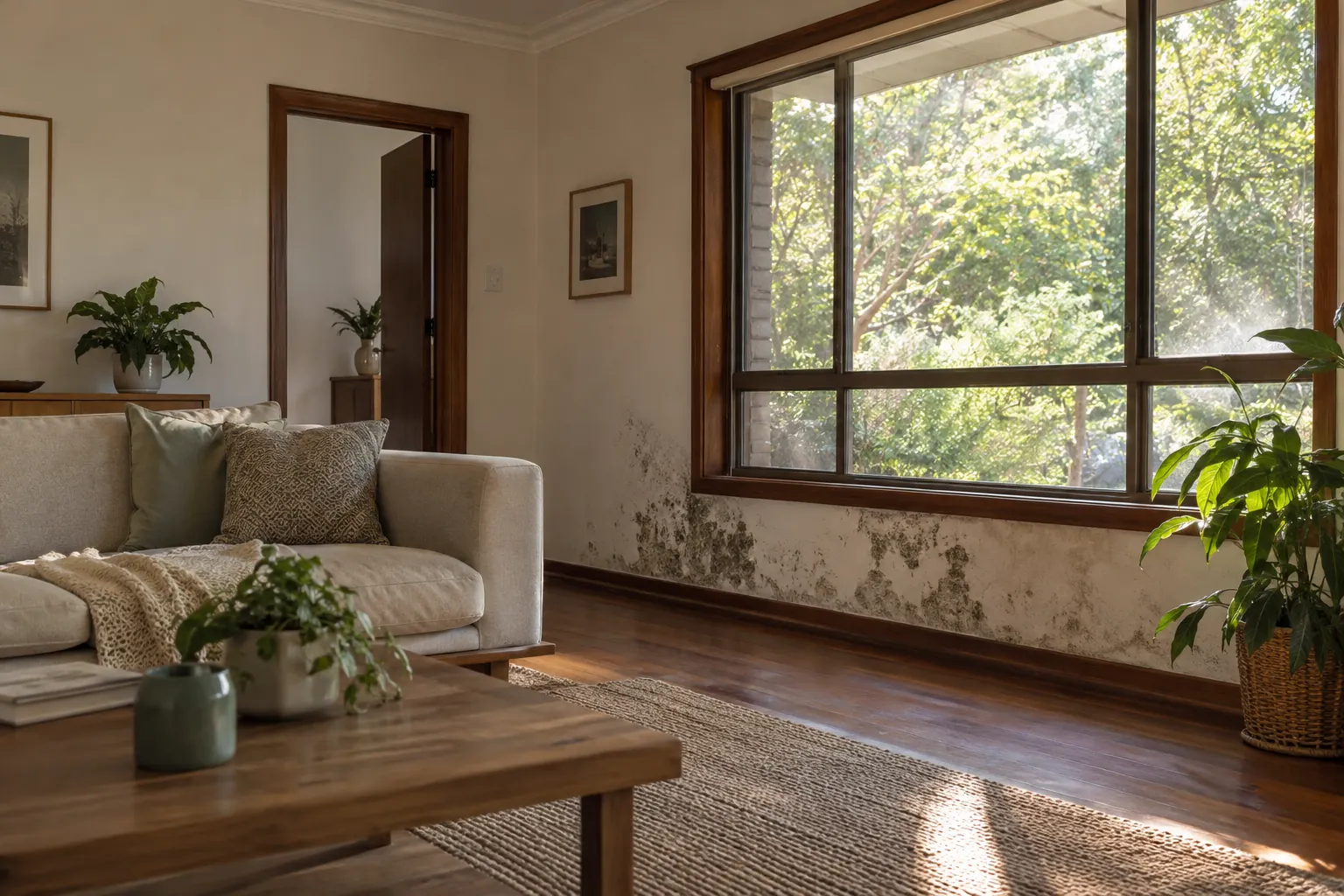
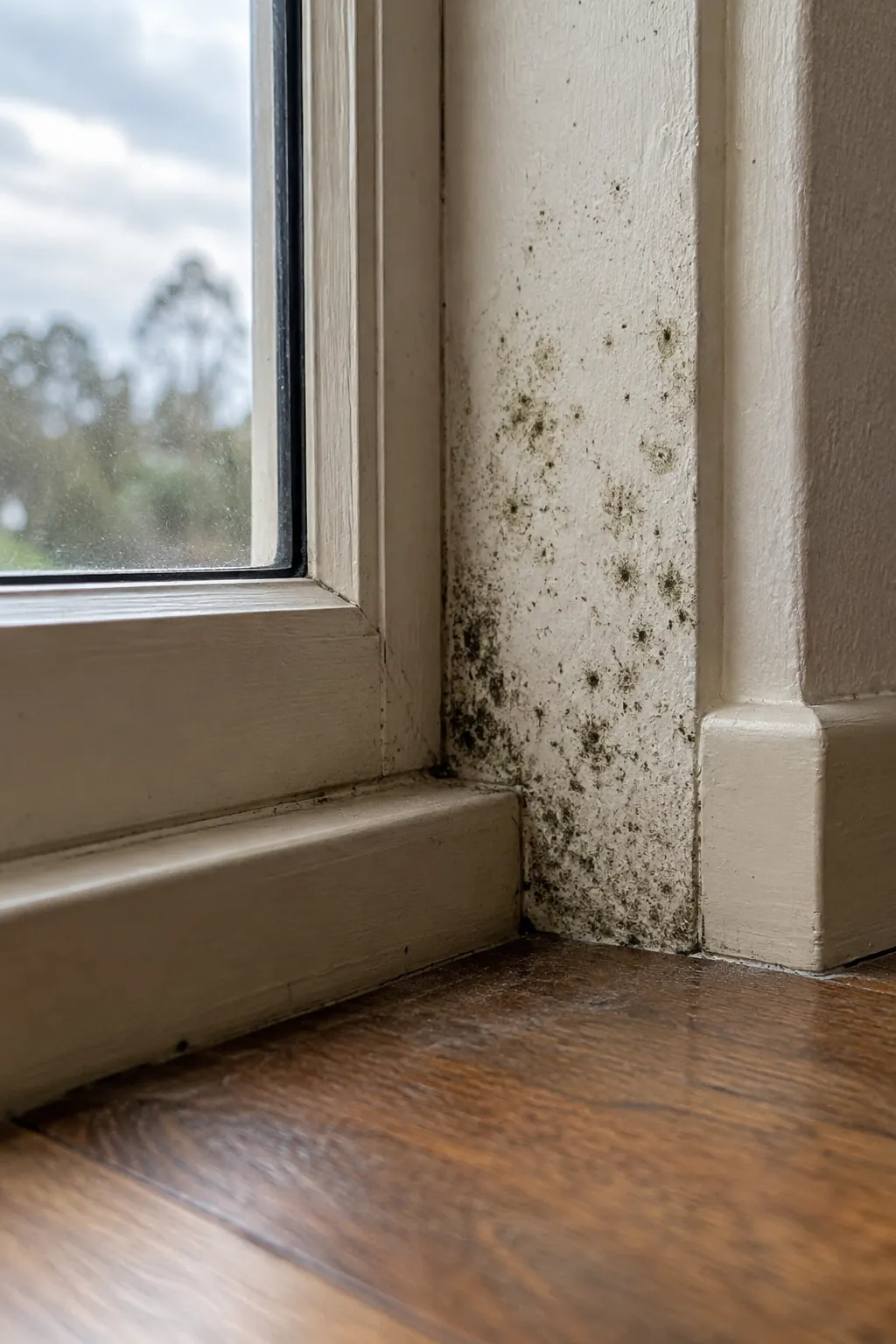
Mould inside a window reveal can persist even when the glass is regularly wiped. If this is happening in your Balwyn home, describe the frame, the adjoining finish and when water appears. A room view helps put that small patch in context.
Window and wall considered
Condensation history reviewed
Accessible corners discussed
THE ROOM TELLS A STORY
The glass is clear.
What about the reveal?
Balwyn is listed among Boroondara’s localities. A window enquiry needs more detail than a photograph of dark speckles. Identify whether growth is on painted plaster, timber, a seal or several adjoining surfaces. Materials can behave differently, and clearing one face does not demonstrate that every part of the opening is dry.
Notice what happens overnight, during ordinary room use and after rain. Droplets on glazing and water appearing beside the frame are separate observations. When discussing inspection, explain both without assuming that a recurring corner mark has only one possible source.
UNDERSTANDING MOISTURE
Follow the edge.
Watch the timing.
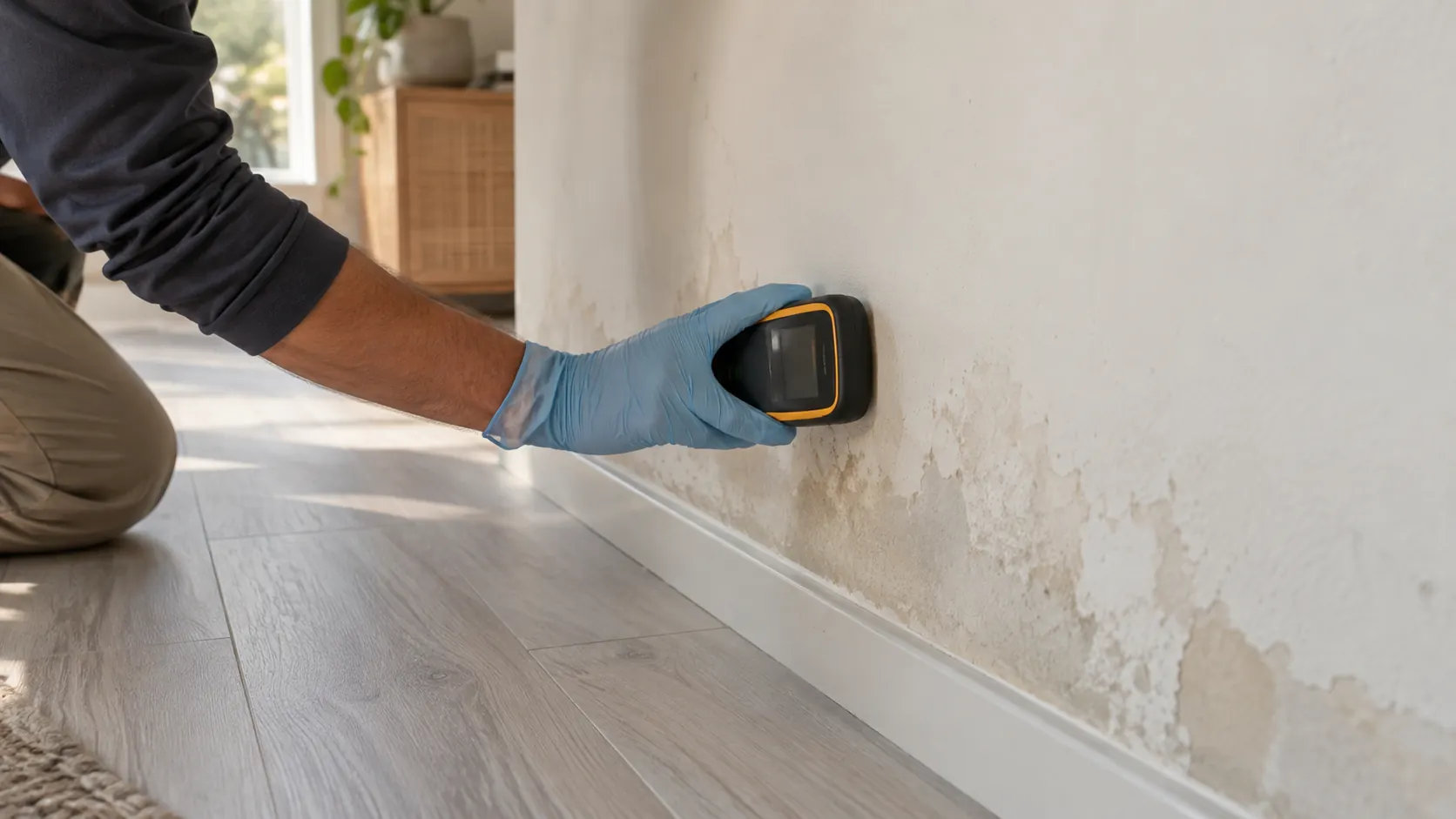
Water collecting on glazing
Record when droplets appear and where they run. Repeated condensation can keep adjacent finishes damp, particularly where water collects at an edge. Drying the glass is useful, but the frame and reveal still need their own condition check.
A change after rain
Staining or water at the opening during rain deserves a separate source discussion. Keep photographs and any window repair history. Surface work cannot renew seals, repair framing or establish the condition behind a closed wall.
Paint and timber condition
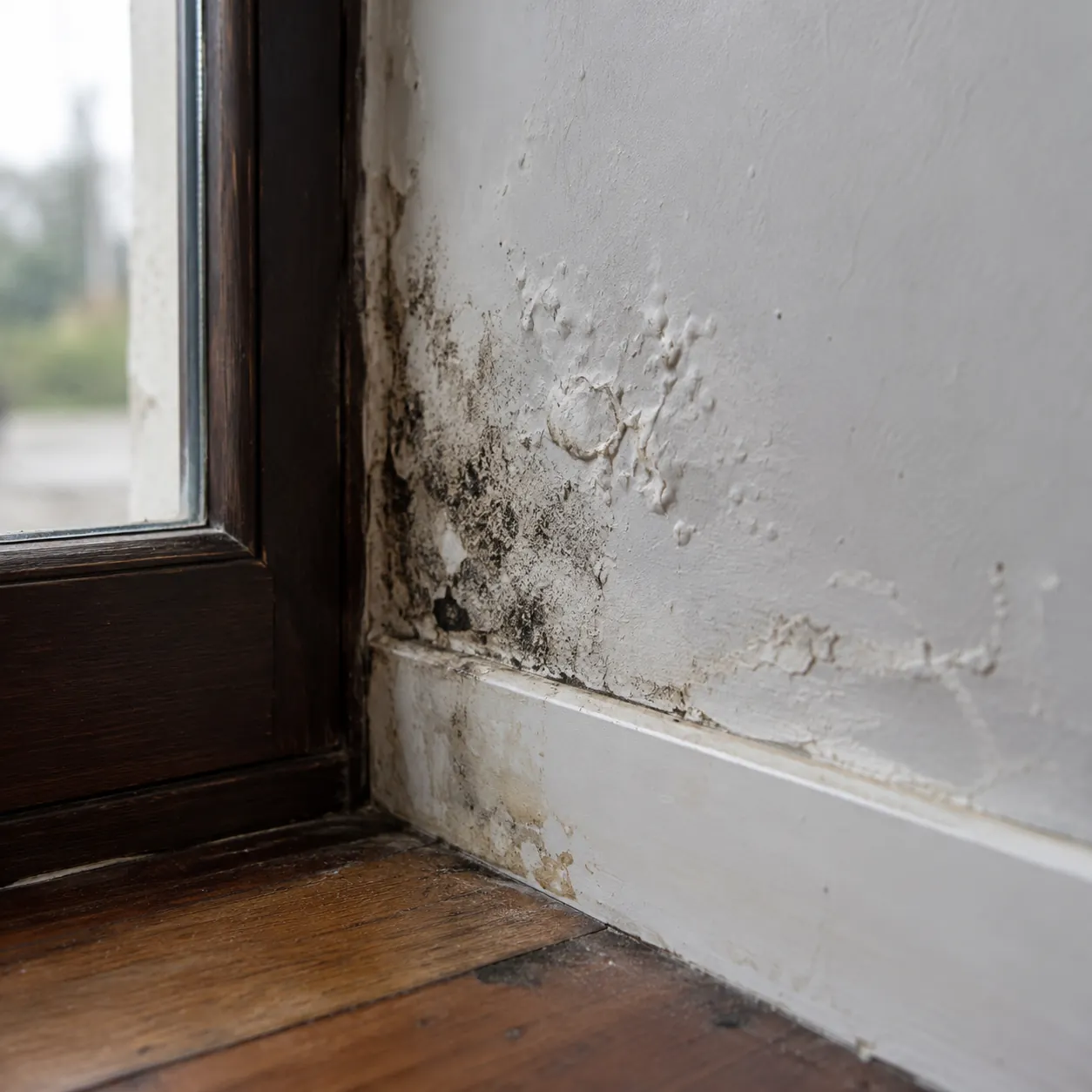
Describe peeling paint, swollen timber or softened plaster rather than grouping everything as dirt. Accessible moisture assessment can support decisions about these materials. Do not sand back the finish or paint over the mark before its condition is understood.
OUR REMOVAL PROCESS
A window enquiry
starts with the whole opening.
Keep two kinds of photograph
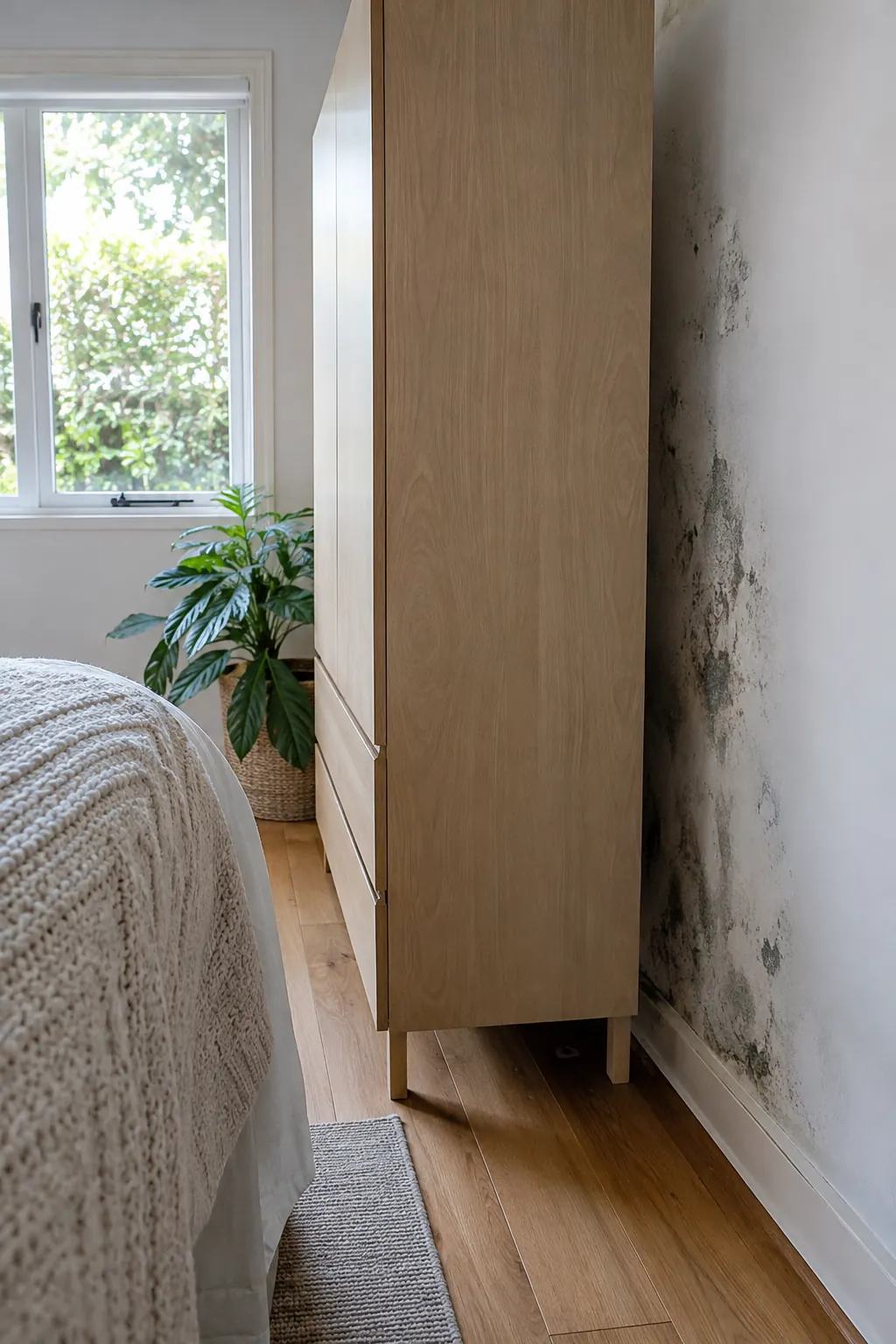
Show the full opening and a closer view of the patch. Include the position of curtains or furniture so the enquiry explains access as well as appearance.
Separate the weather notes
Record rain-related wetness apart from overnight droplets. Even a brief timeline can help avoid treating two different moisture patterns as a single problem.
Confirm what is excluded
Ask about damaged timber, seals, repainting and inaccessible parts of the opening. The scope should distinguish surface removal from repair of those elements.
01
Describe the connected surfaces
Explain which parts of the opening are affected and approximately how far the growth extends. Discuss mould removal against the visible accessible scope, identifying delicate trim or damaged finishes.
02
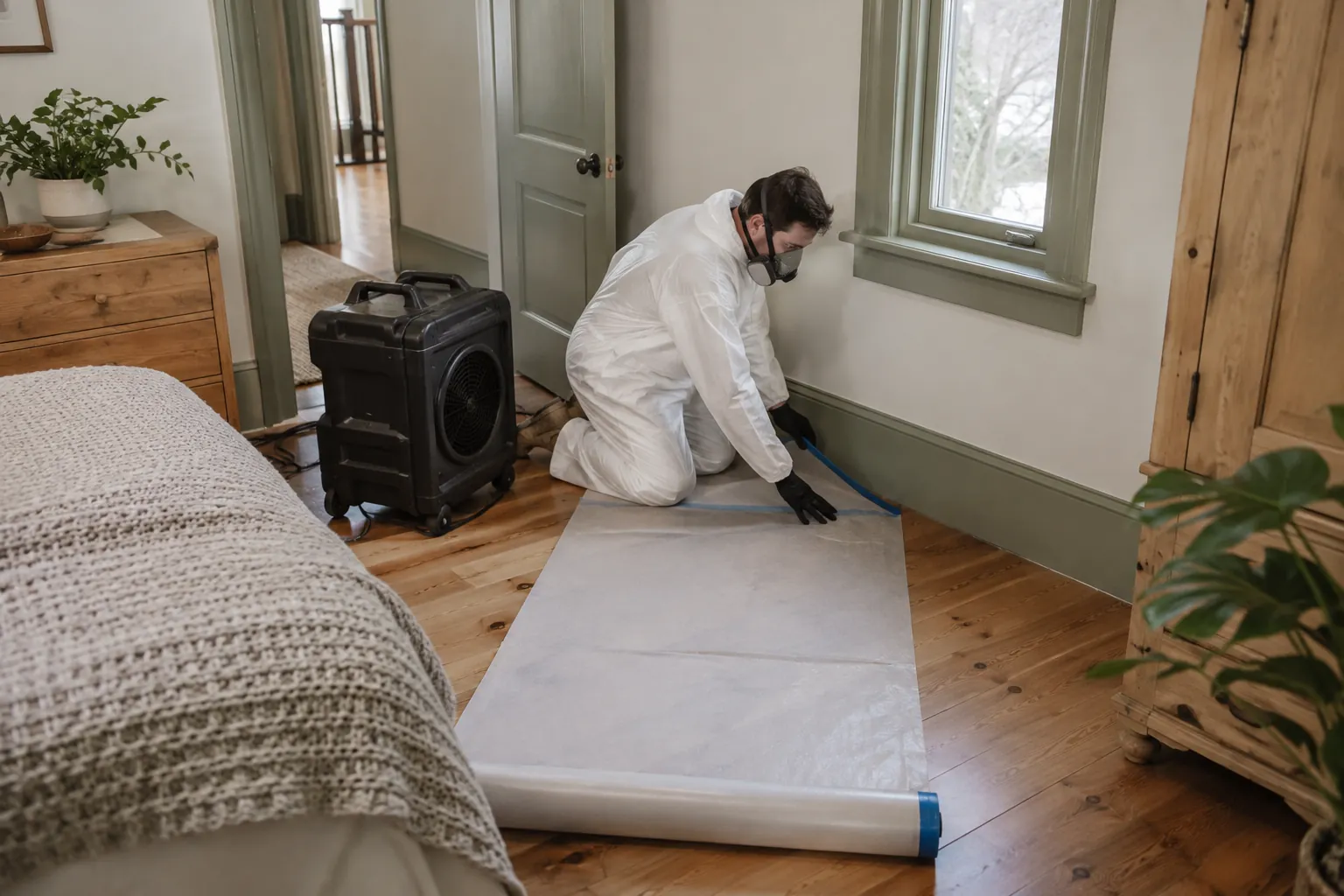
Make the corners accessible
Agree what to do with curtains, blinds and furniture. Tell us about fixed obstructions or difficult window heights. Preparation should protect adjoining belongings while giving the proposed work practical access to the relevant surfaces.
03
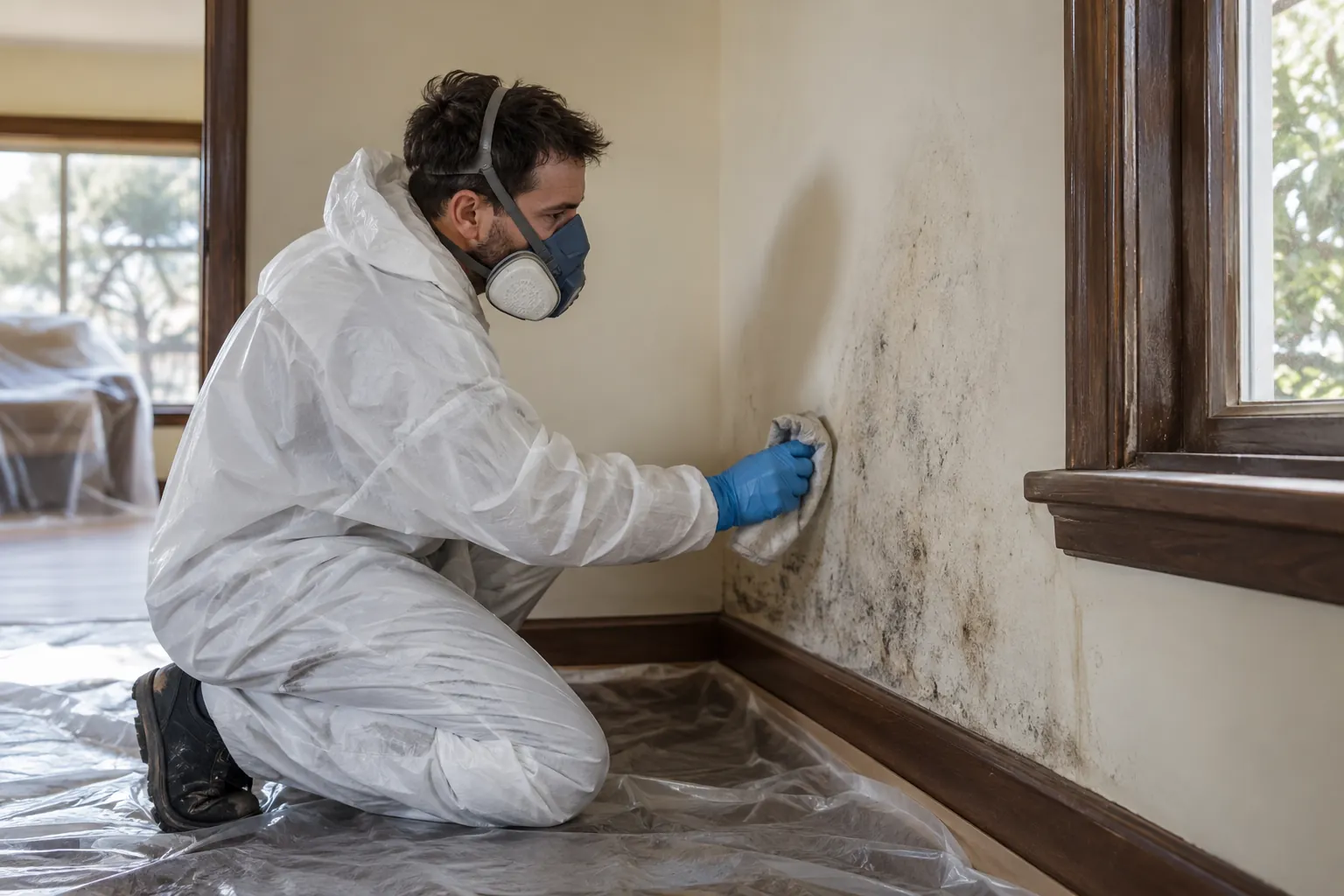
Review the edges afterwards
Discuss remaining staining, material damage and moisture clues. Remediation connects these issues with surface treatment, while repairs to the opening may require another trade. Do not equate a cleaner reveal with a repaired window.
COMMON AREAS AFFECTED
A small opening.
Several surfaces.
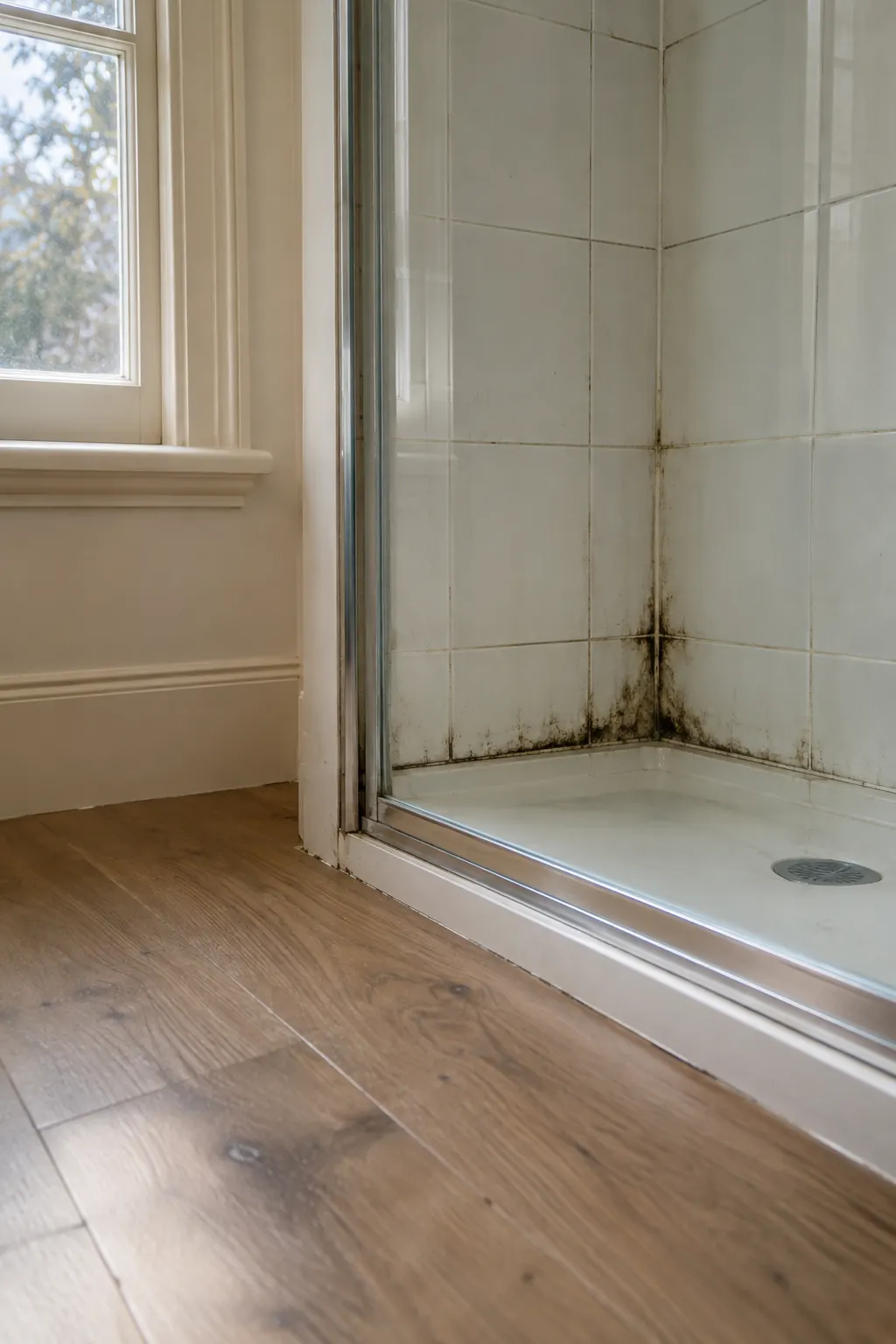
Bathroom windows
Shower steam can wet glazing and reveals; note drying as well as the visible growth.
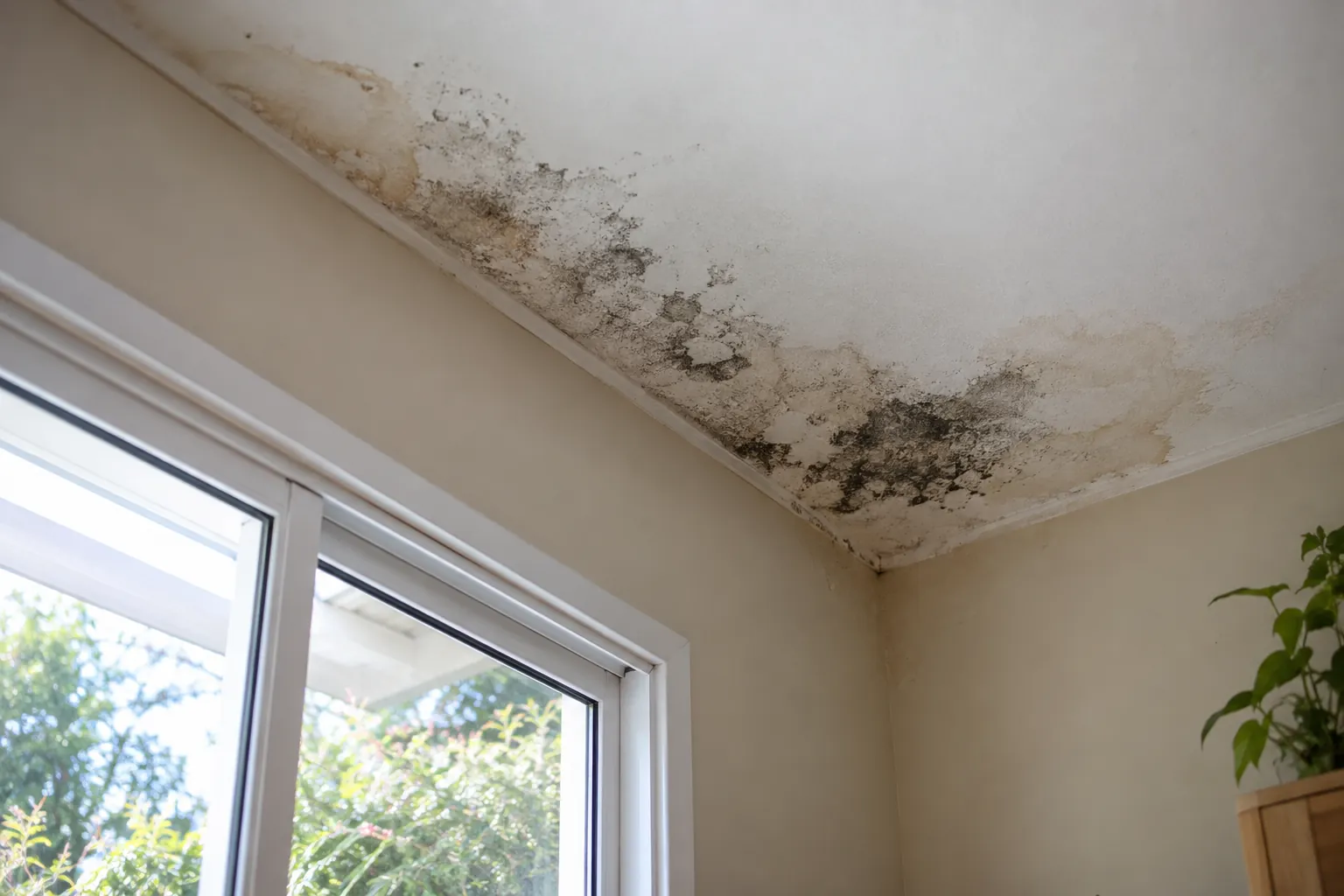
Marks above the opening
A stain at the lintel or ceiling needs its own timing and repair history.
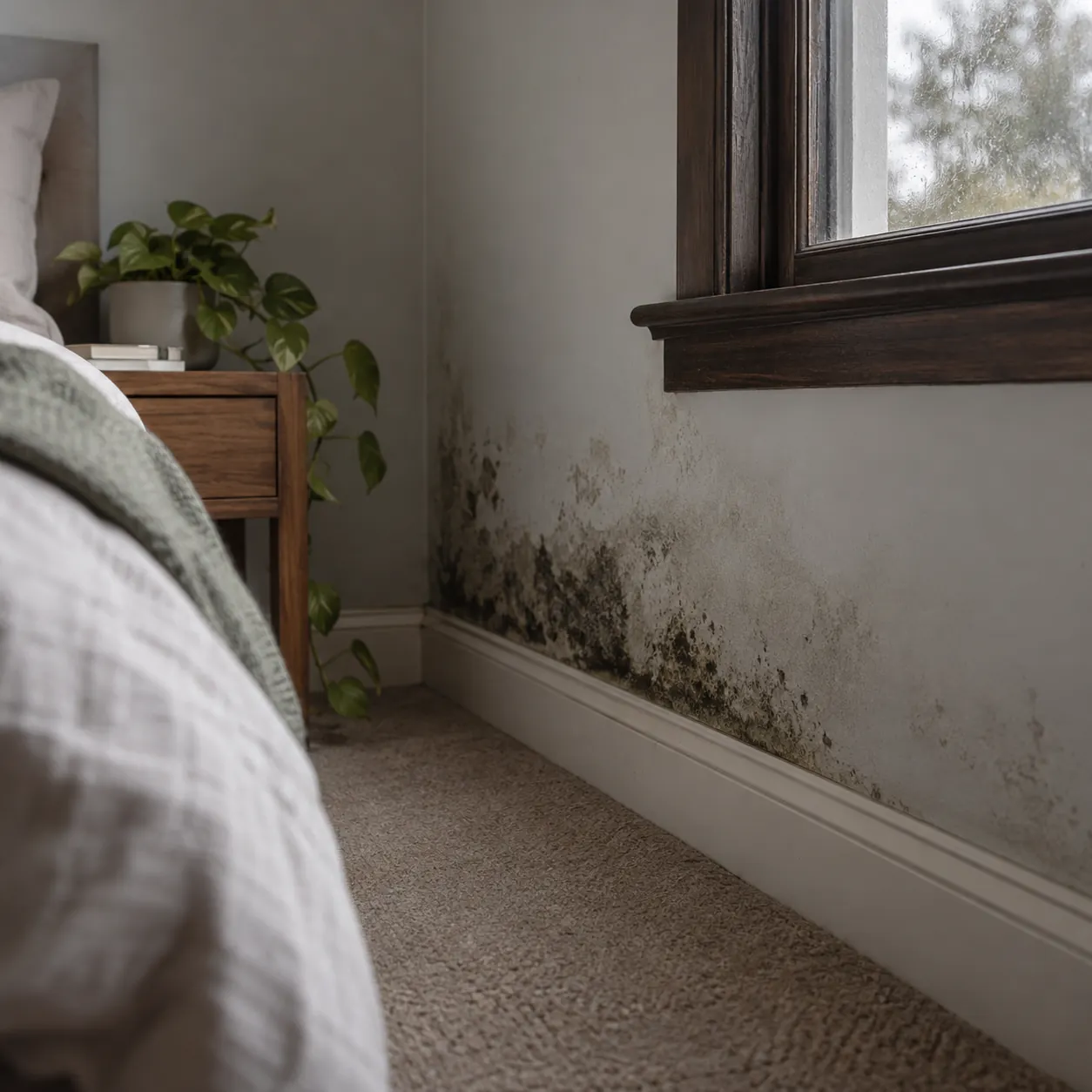
The reveal itself
Describe whether the patch follows corners, spreads below the sill or affects several materials.
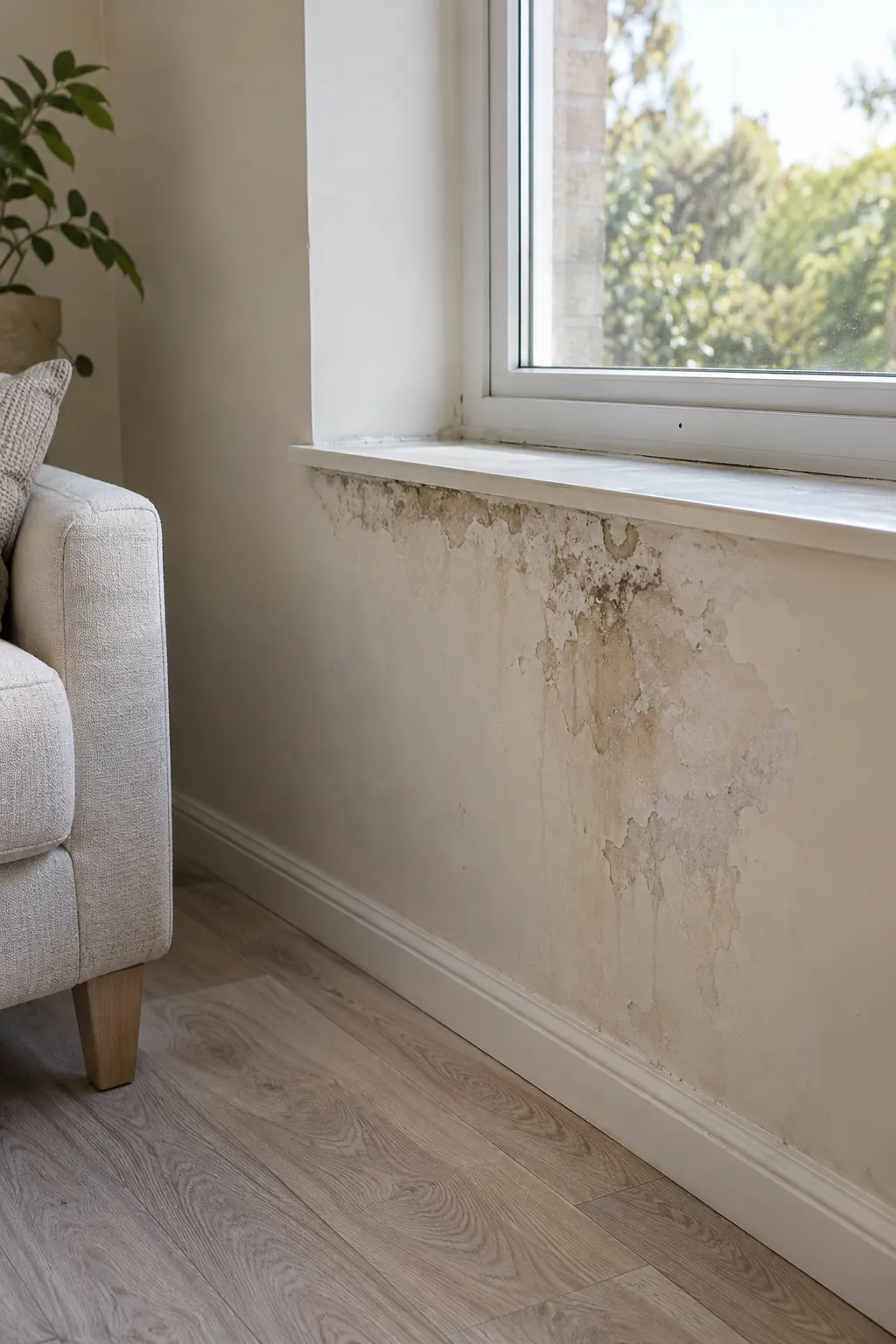
Damaged finish
Swelling or softened plaster calls for a material discussion before a new coating conceals it.
PREVENTION STARTS WITH
Keep the edge dry.
Keep the cause in view.
Wipe excess condensation
Remove collected water where practical and allow the adjoining area to dry. Review room ventilation and avoid trapping damp fabric against the reveal. Watch what changes; these habits cannot substitute for investigating water entering through a damaged window.
Recheck after the same event
Use dated photographs when the next comparable rain or condensation event occurs. If dampness remains, return to source and material questions before decorating. Keep repair records so changes at the opening can be compared with earlier conditions.
BALWYN & NEARBY
Balwyn and
nearby home guides.
The Deepdene guide and Canterbury guide explore other accessible household surfaces. Give your Balwyn street and window details when confirming availability; the relevant work depends on the actual opening and room access.
BEFORE YOU CALL
Questions at
the window.
Why is the reveal marked when the glass is wiped?
The adjoining finish may remain damp or have another moisture source. Record how the glass, frame and wall dry rather than assuming wiping one surface resolves all three.
Can you repair a leaking window seal?
Surface removal does not renew seals or repair the opening. Discuss water entry with the suitable repair trade alongside the accessible removal enquiry.
Should curtains be taken down first?
Explain the arrangement and agree preparation. Do not remove difficult fittings merely for photographs; clarify how the affected corners will be reached.
Does timber need the same approach as plaster?
No automatic assumption should be made. Material, coating and deterioration influence the decision, so identify each affected surface during the scope conversation.
What if paint peels below the sill?
Mention the damage and any wetness after rain. The underlying material may need assessment or repair beyond removal of visible growth.
Can a photograph establish whether it is condensation?
A photograph supports the enquiry but cannot settle the source by itself. Timing, room use, material condition and repair history provide the necessary context.
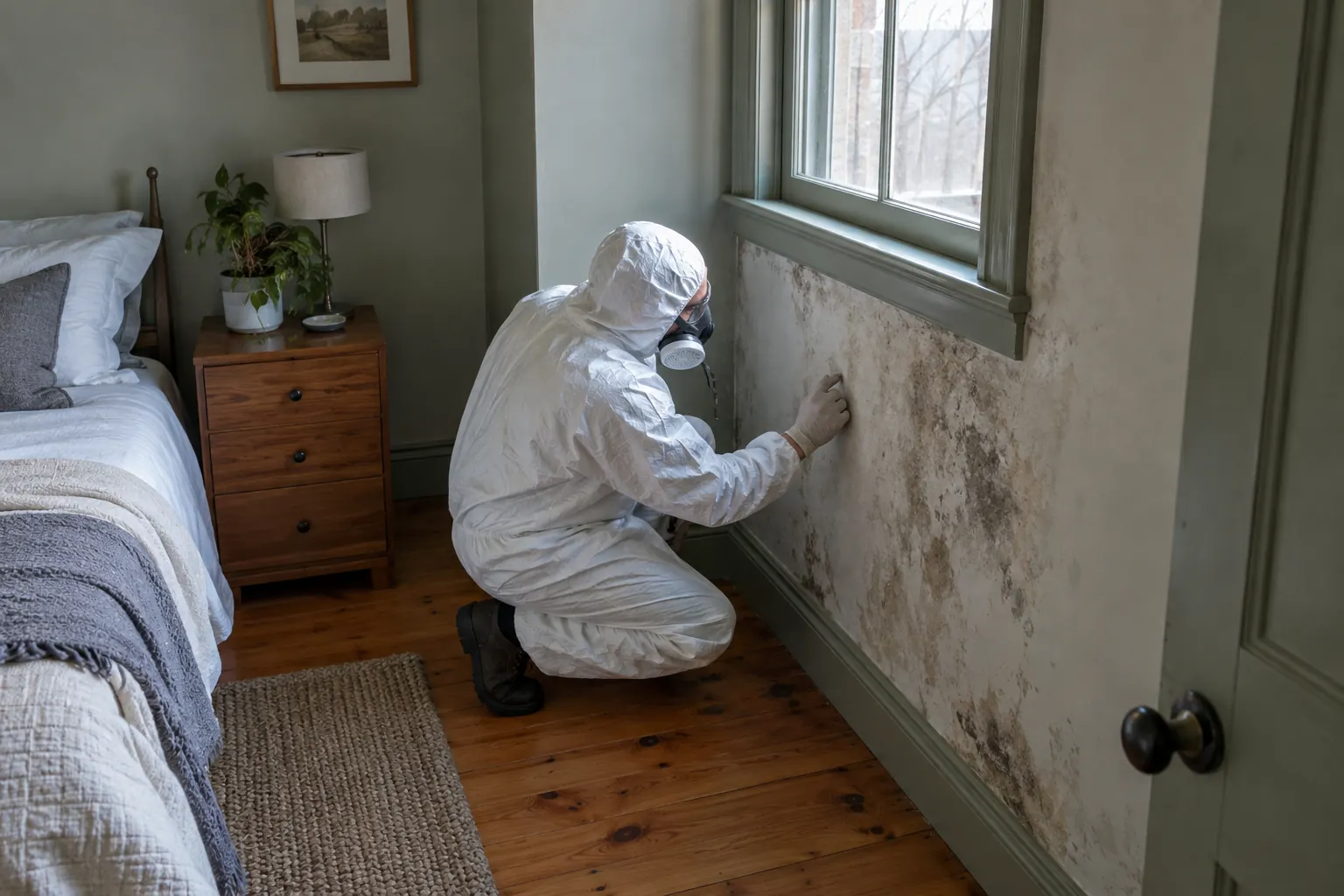
TELL US WHAT YOU CAN SEE
Describe the window.
Discuss the room.
Call 03 8652 1296 with your Balwyn address, water observations and access details. We can discuss the surfaces and the appropriate next step.
Local context: Boroondara locality information