
COOKING · AIR · FINISHES
BURNLEY · MELBOURNE
Mould Removal Burnley
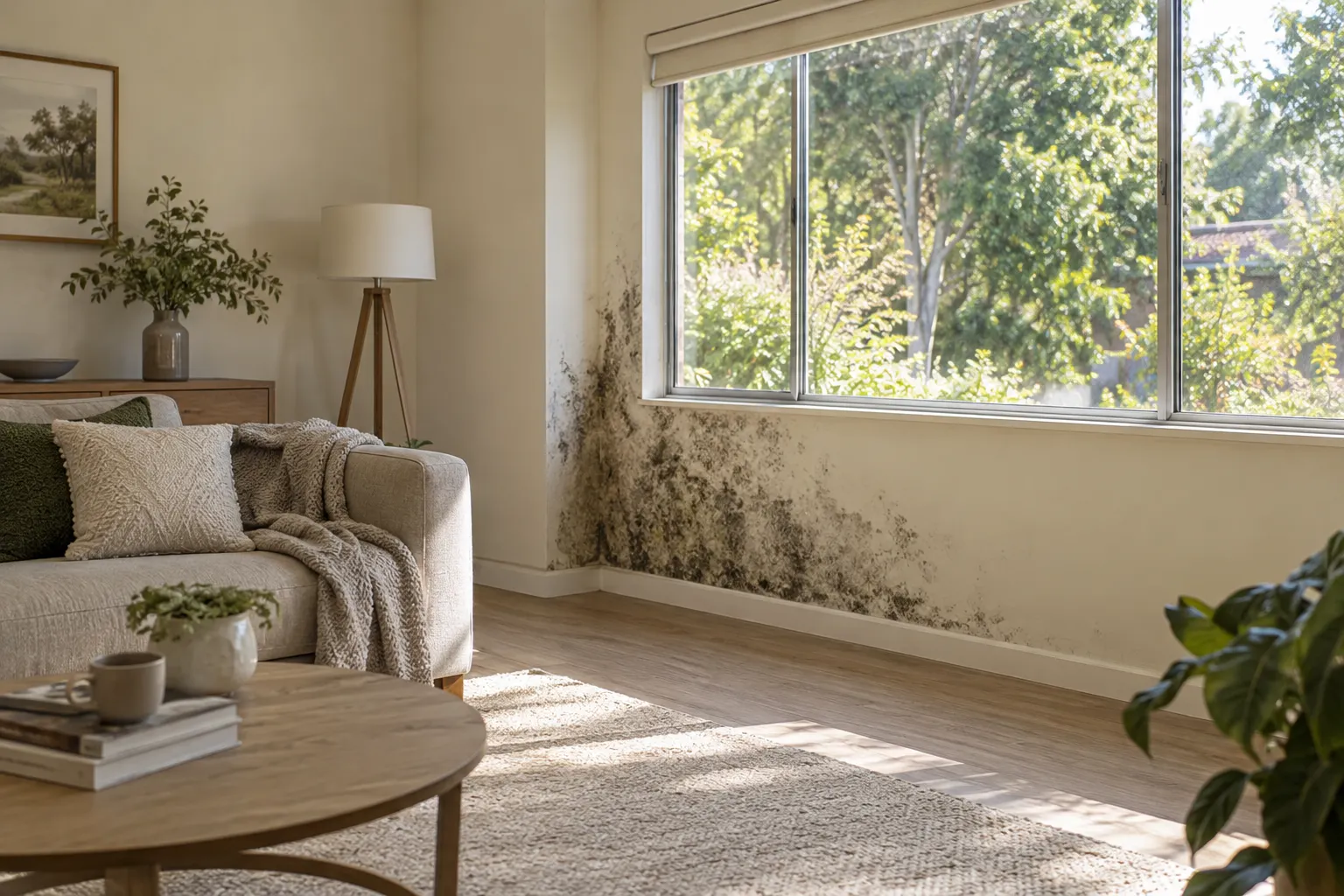
Cooking moisture can reach walls beyond the splashback. If you notice mould near a kitchen in Burnley, describe where steam travels, which finish is affected and whether the room dries between meals. Keep leaks and appliance concerns in the conversation too.
Cooking pattern considered
Cabinet access discussed
Moisture sources distinguished
THE ROOM TELLS A STORY
Beyond the splashback.
Inside the room.
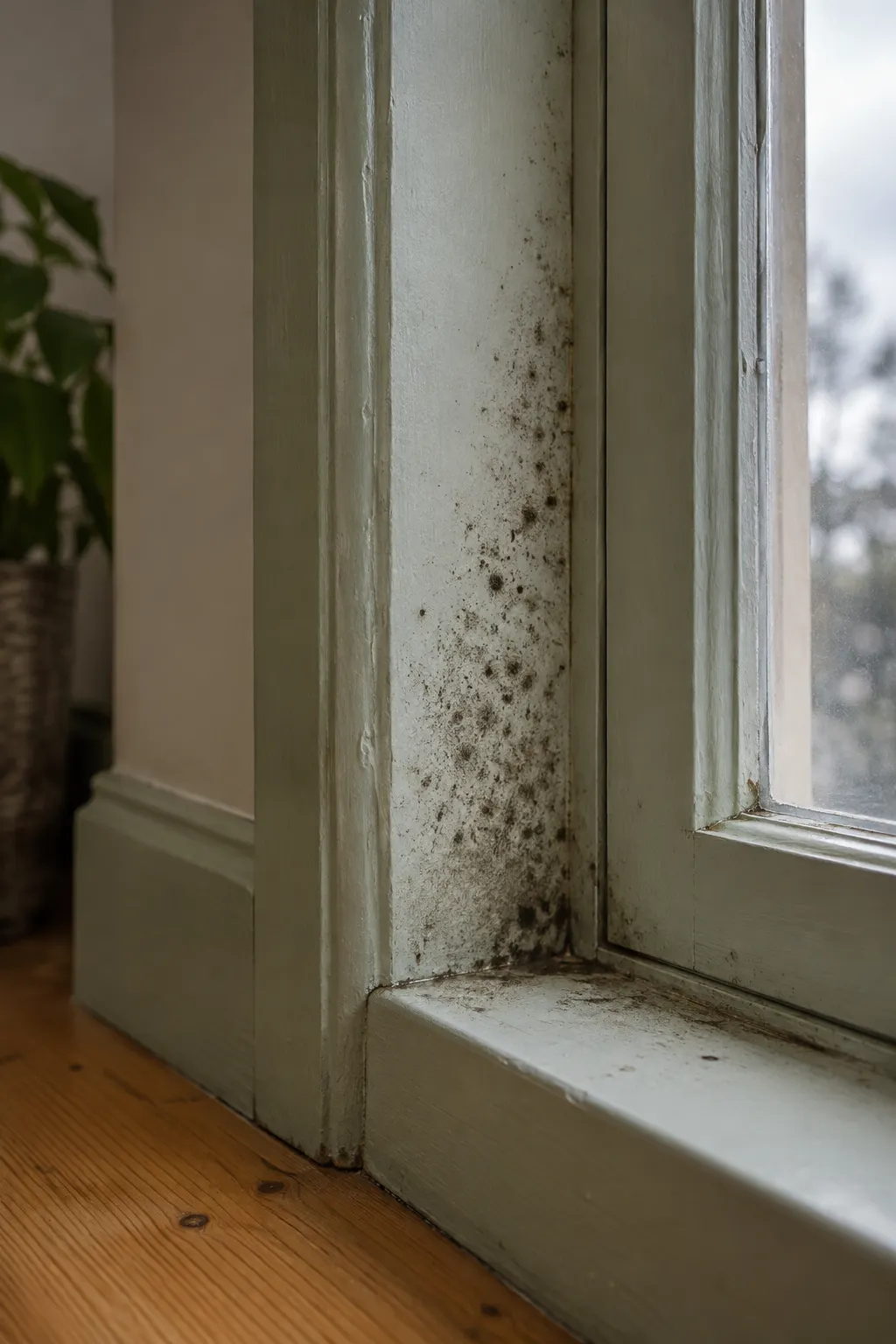
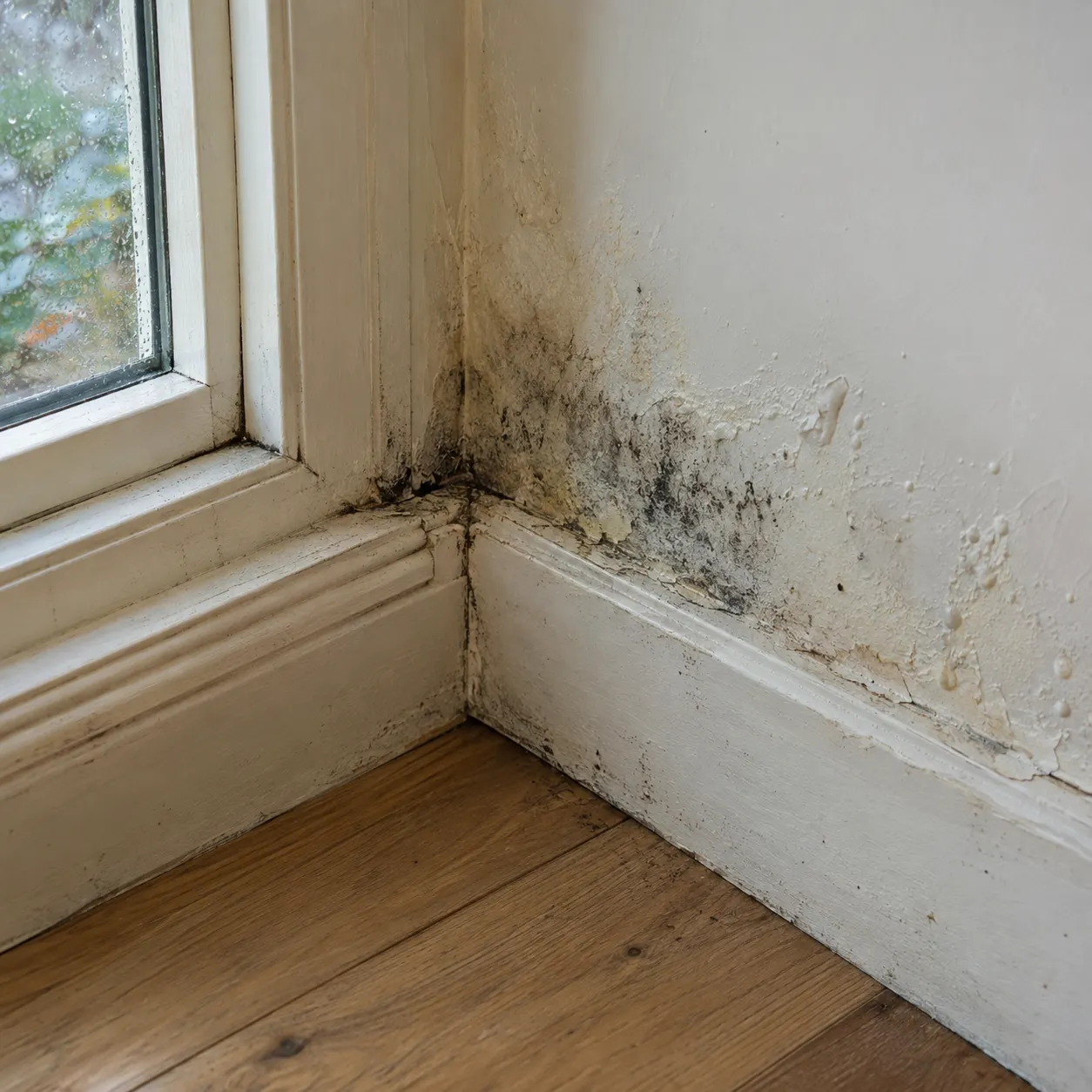
Burnley is a City of Yarra locality. For a kitchen enquiry, identify the actual surface showing growth: painted wall, cabinet lining, ceiling or trim. The nearest cooking appliance does not necessarily explain every mark. Describe whether wetness follows meal preparation, dishwashing, rain or periods when the kitchen is unused.
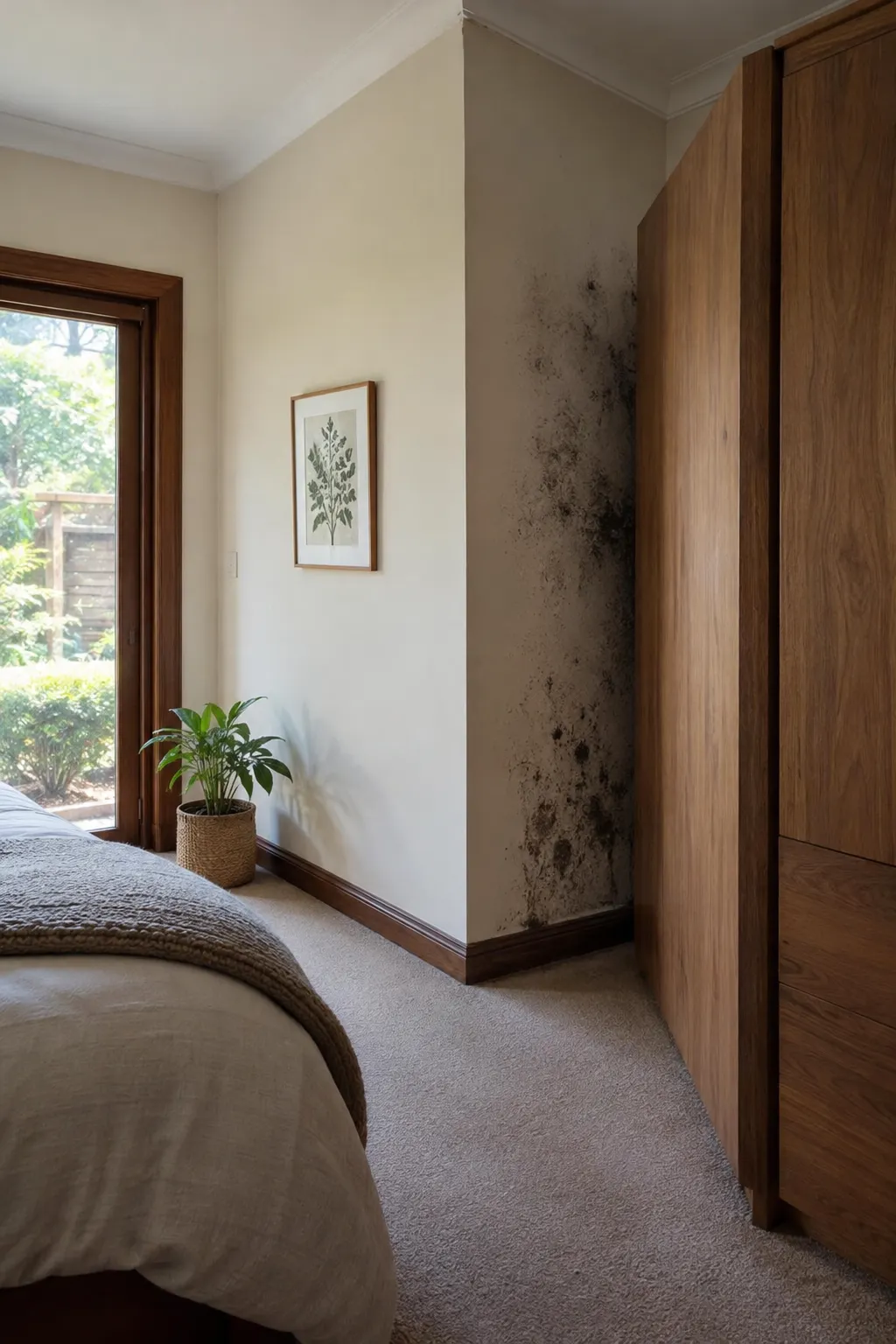
Show the room layout rather than only the spot. Wall cabinets, worktops and adjoining openings can affect access and the view of the finish. When arranging inspection, mention any extraction or plumbing repairs and whether growth extends beyond the first visible edge.
UNDERSTANDING MOISTURE
Watch the steam.
Check the quiet periods.
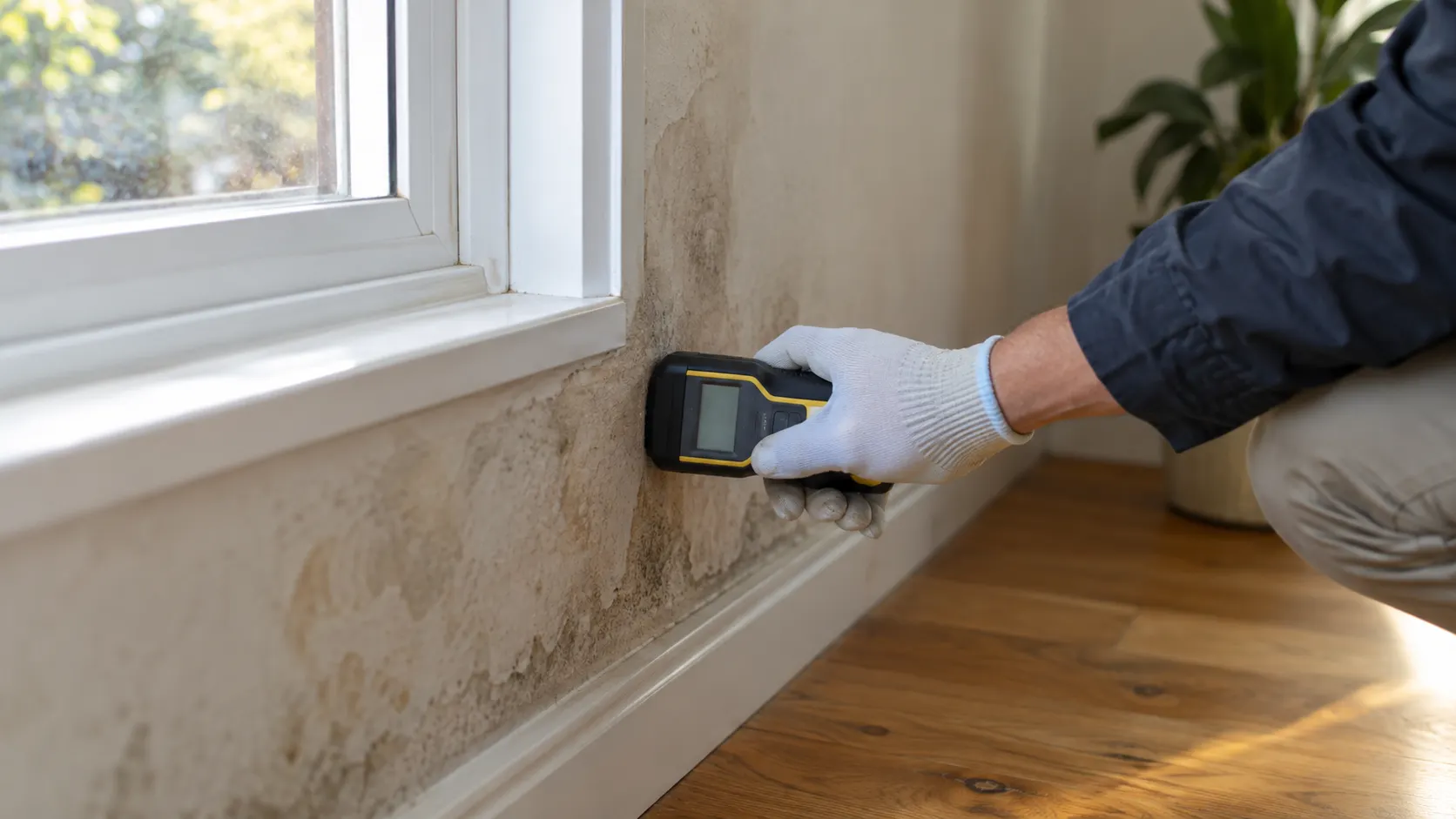
Moisture during cooking
Notice where steam and droplets collect while the room is in normal use. Record extraction operation and the time taken for wet surfaces to clear. This provides a practical room history, without assuming that visible growth can be diagnosed from a cooking pattern alone.
The rangehood arrangement
Explain what you know about the extraction setup and maintenance, but do not guess where air is discharged. Installation or performance questions may need the suitable trade or appliance advice. Surface removal does not alter ducting or replace ineffective equipment.
A separate water event
Damp cabinetry, wet edges or staining that persists between meals deserves another check. Report plumbing history and rain-related changes separately. Accessible moisture assessment can assist, while concealed fittings and deteriorated board may need further investigation or repair.
OUR REMOVAL PROCESS
Plan around
the working kitchen.
Keep an ordinary-use record
A short note about cooking, dishwashing and extraction can clarify the timing. Include dampness that occurs when these activities have not taken place, rather than recording only the expected pattern.
Show fixed obstructions
A wider kitchen image helps explain wall cupboards and worktop reach. Describe what is fixed and what can safely be cleared so the agreed work matches actual access.
Separate equipment concerns
Raise uncertain rangehood discharge or suspected plumbing faults before booking. Those checks can be coordinated with surface decisions without implying that removal repairs the appliance or pipework.
01
Define the affected finishes
Describe each material and the extent visible through mould removal. Agree the accessible wall or ceiling scope, noting cabinets, trim and equipment that obstruct it. Food preparation surfaces and contents should not be assumed to form part of the same task.
02
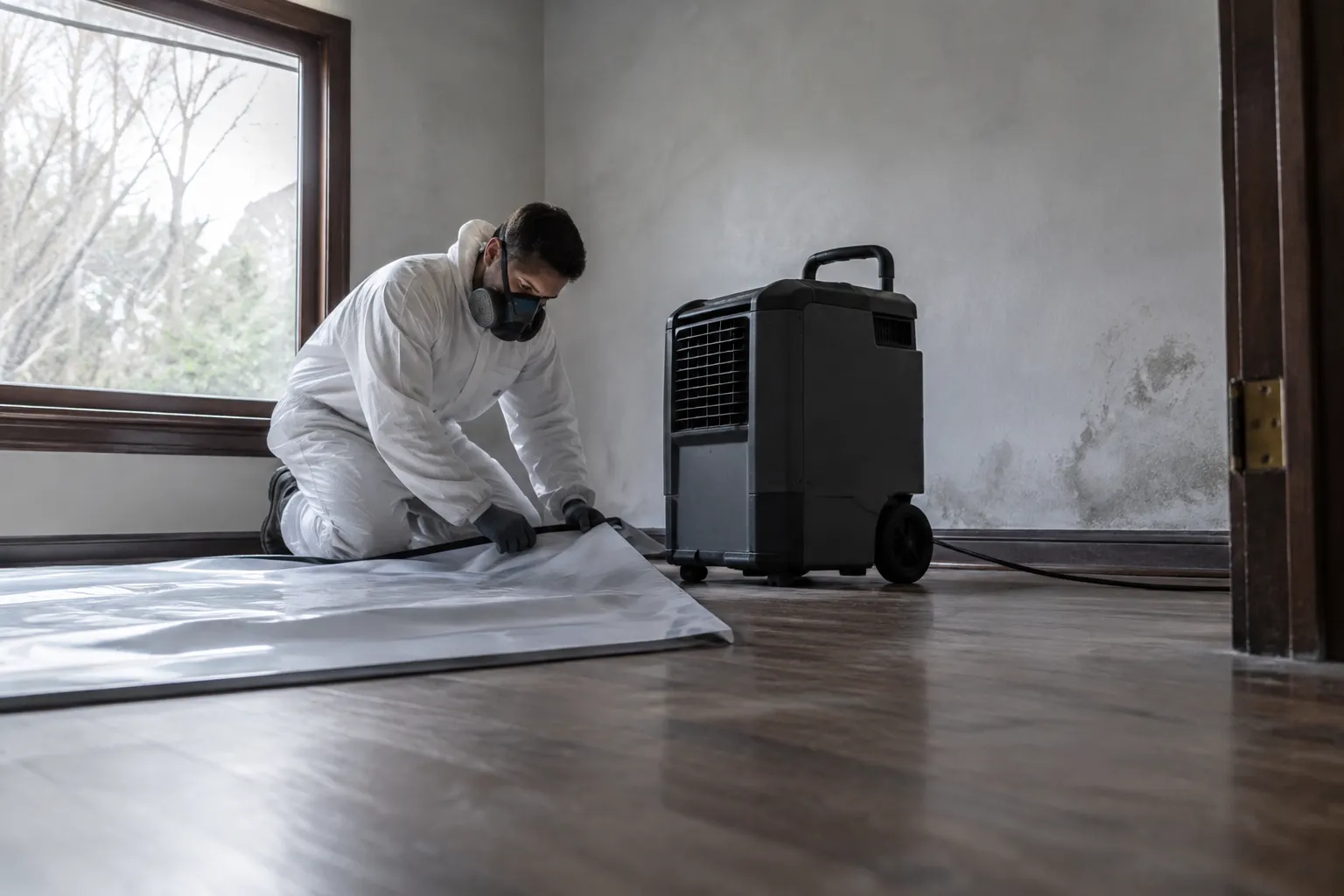
Prepare the practical space
Discuss loose kitchen items, room use and protection before the appointment. Explain narrow routes and fixed cupboards. Avoid disconnecting appliances, removing cabinet panels or scraping the finish simply to make the area accessible for photographs.
03
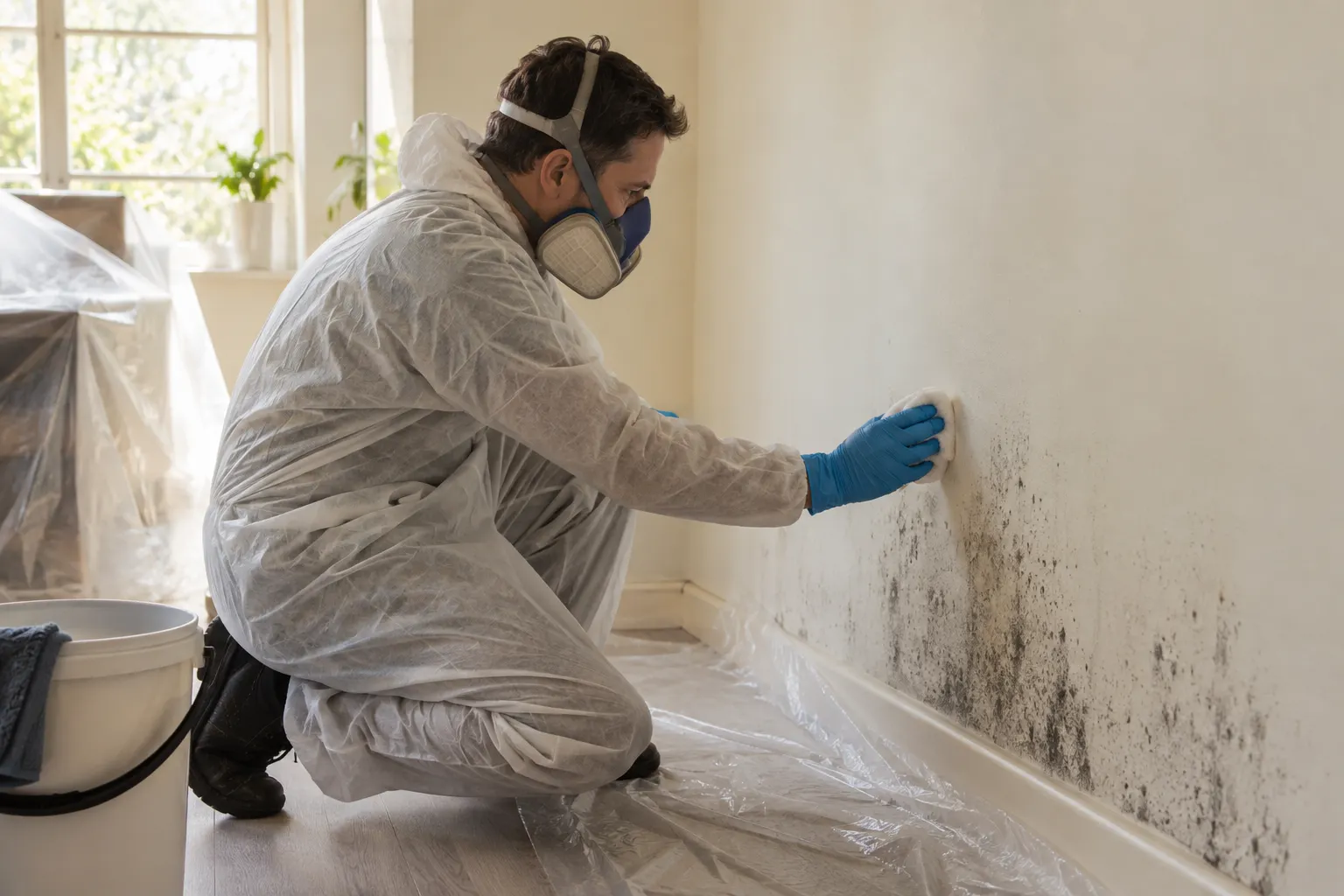
Review moisture and material issues
Discuss treated surfaces and anything that remains wet or deteriorated. Remediation links removal with wider source and material decisions. Plumbing, appliance ventilation and decorative repairs require their own responsibilities and scope.
COMMON AREAS AFFECTED
Kitchen moisture.
Different household surfaces.
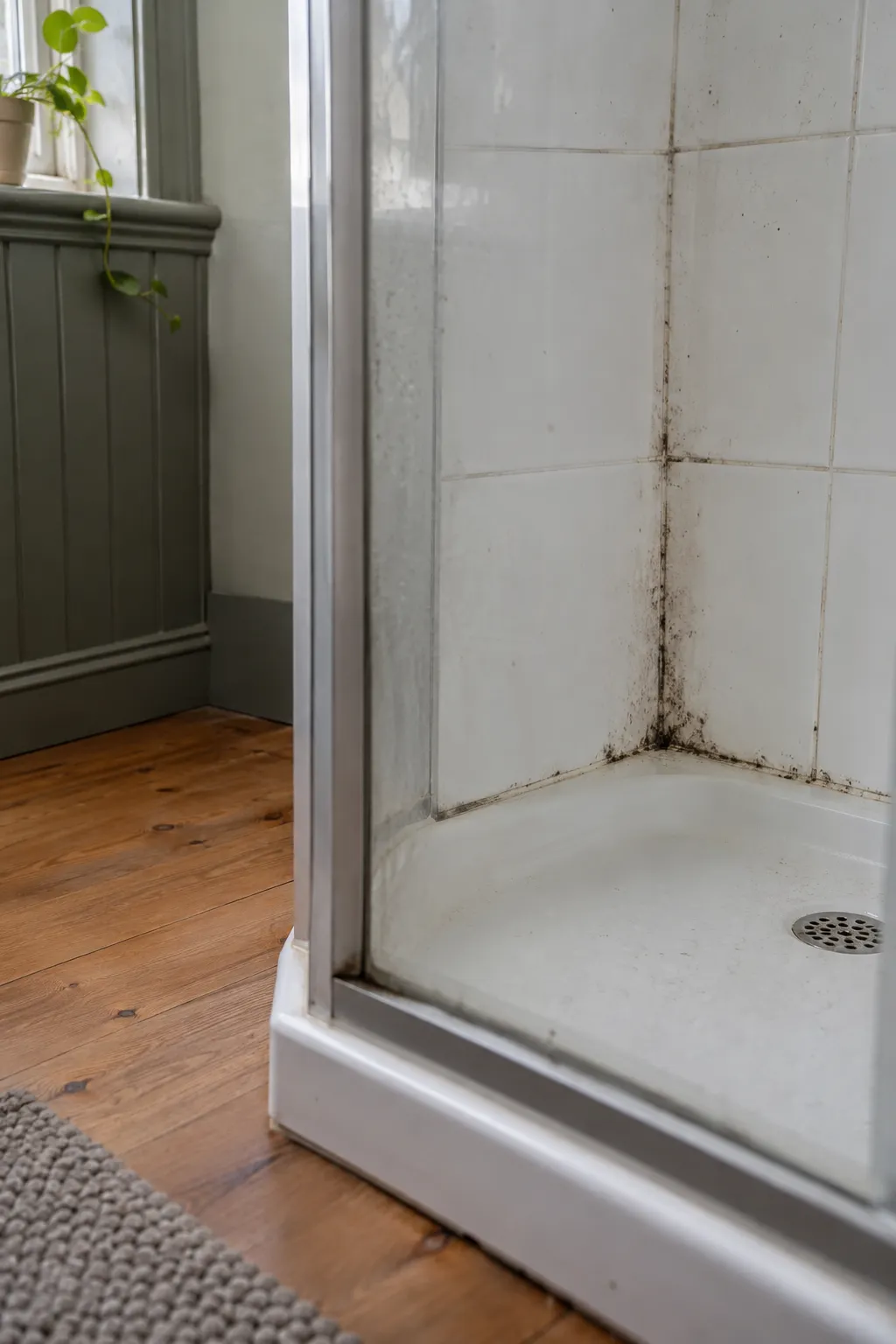
Another steam source
Compare shower drying with kitchen observations while preserving the different room histories.
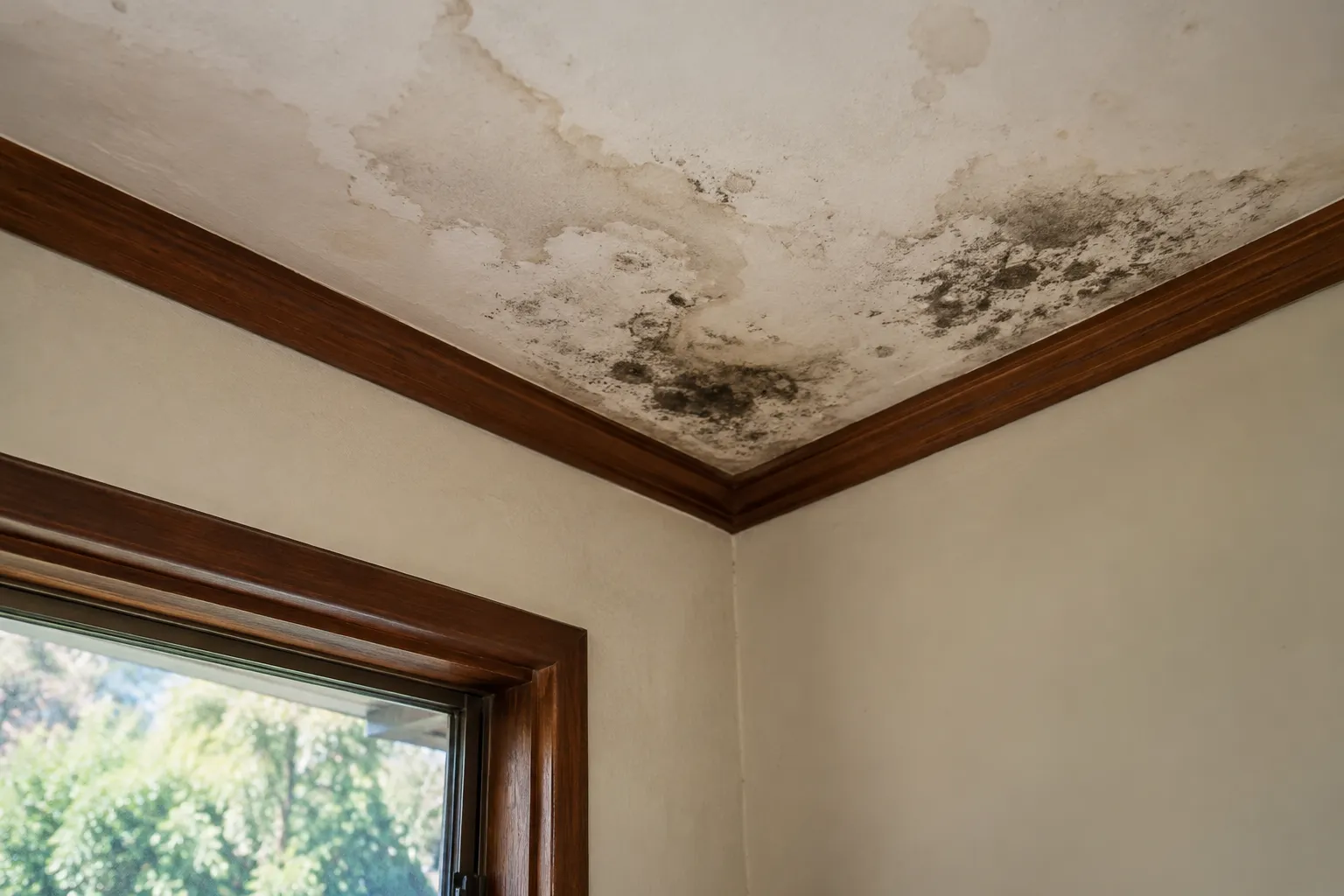
Above the work area
Note overhead growth, staining and whether the mark changes independently of cooking.
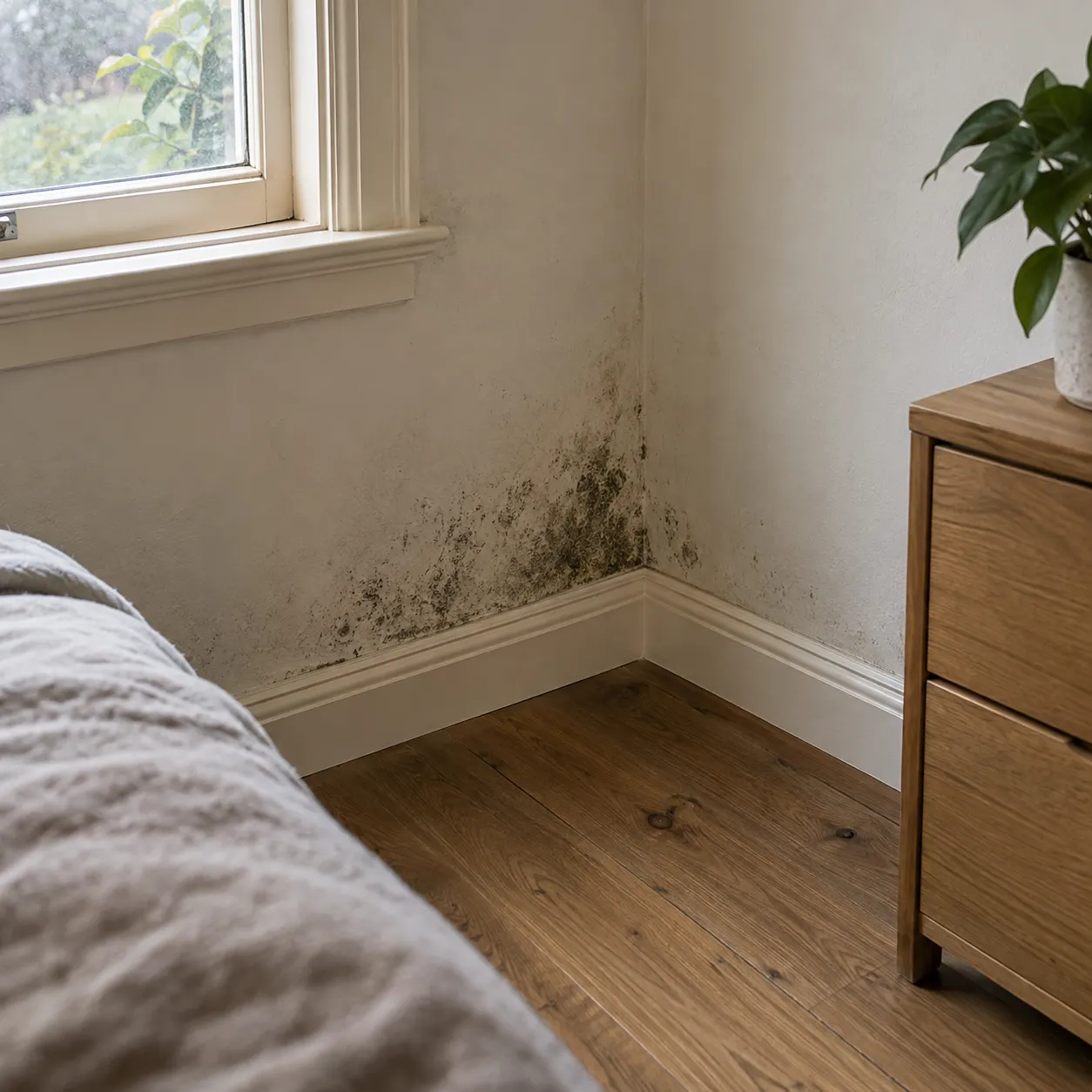
Beyond the tiles
Describe painted surfaces beside cabinets or openings rather than treating every finish as washable tile.
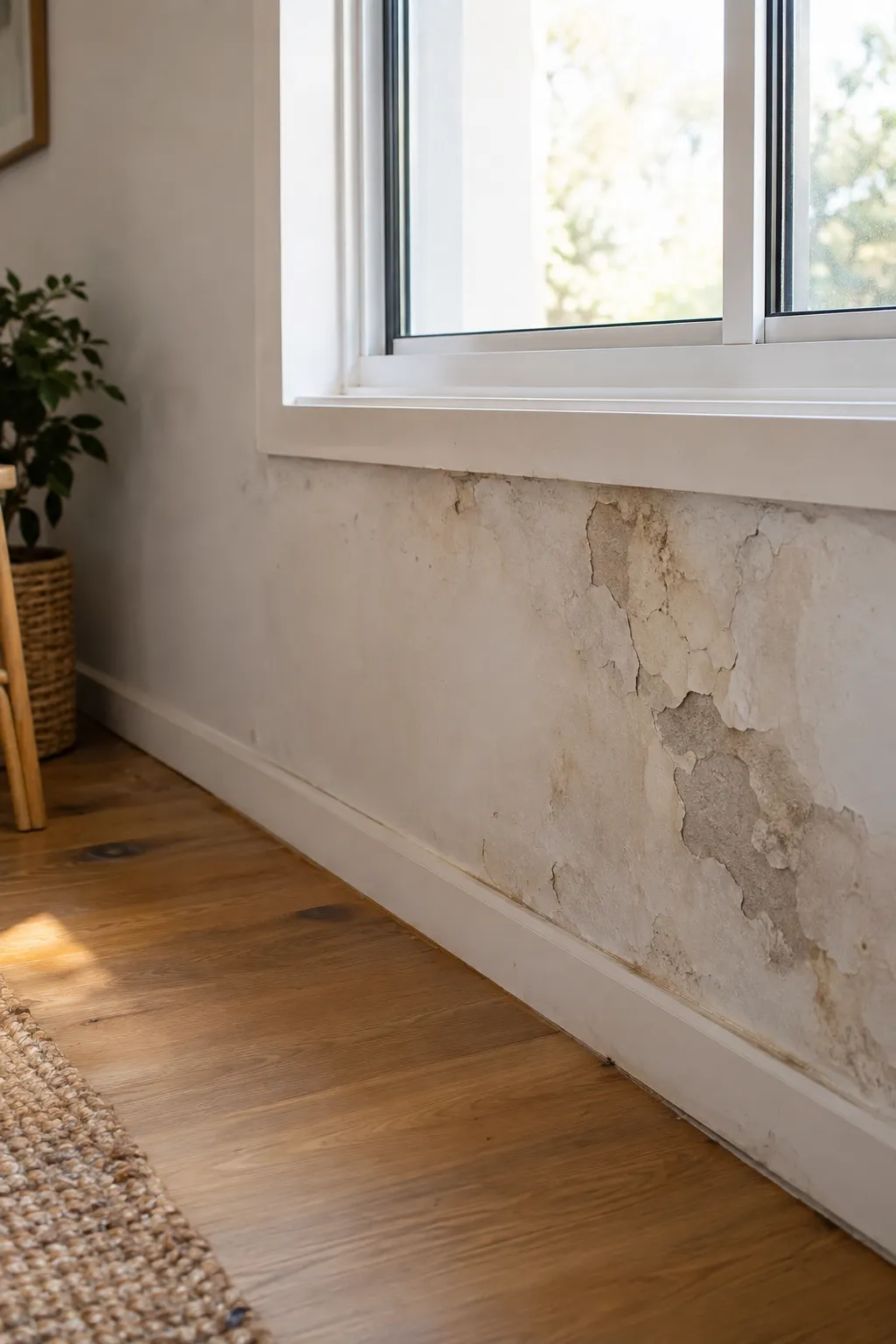
Cabinet deterioration
Swollen board or lifting coatings may require separate material repair after source checks.
PREVENTION STARTS WITH
Control the moisture.
Keep the checks practical.
Use suitable extraction
Follow equipment instructions and use an effective way for cooking moisture to leave the room. Observe whether wet finishes dry afterwards. If the arrangement is ineffective or uncertain, seek the relevant appliance or trade advice rather than repeatedly treating the nearby wall as a cleaning issue.
Keep the unused-kitchen view
Check whether the affected area stays damp between cooking sessions. Retain dated photographs, plumbing repairs and extraction changes. Persistent wetness or deteriorating cabinetry needs a source discussion before repainting or covering the finish; surface removal cannot guarantee prevention where those conditions remain.
BURNLEY & NEARBY
Burnley and
connected inner-east guides.
The Richmond guide and Cremorne guide explore other household assessment questions nearby. Give your Burnley street, kitchen layout and affected materials when confirming availability and access.
BEFORE YOU CALL
Questions from
the kitchen.
Does growth beside a rangehood prove it is ineffective?
No. It is relevant to describe, but timing and other moisture sources need consideration. Equipment performance or installation may require separate advice.
Can painted walls be treated like the splashback?
Materials and coatings can need different methods. Identify the affected finish and its condition rather than assuming the same approach applies across the kitchen.
Should cabinets be removed before assessment?
Do not dismantle fixed cabinetry without an agreed access plan. Explain the obstruction so accessible work and any need for further arrangements are clear.
What if a cabinet remains wet when cooking stops?
Report the pattern and any plumbing history. A separate leak or damaged material may need investigation beyond changing extraction habits.
Is rangehood repair part of surface removal?
It should be discussed separately. A removal scope does not automatically alter appliance ventilation, renew ducting or repair equipment.
How can photographs explain a kitchen enquiry?
Include the affected finish, nearby cabinets and a wide room view. Note the timing of cooking-related moisture alongside any rain or plumbing observations.
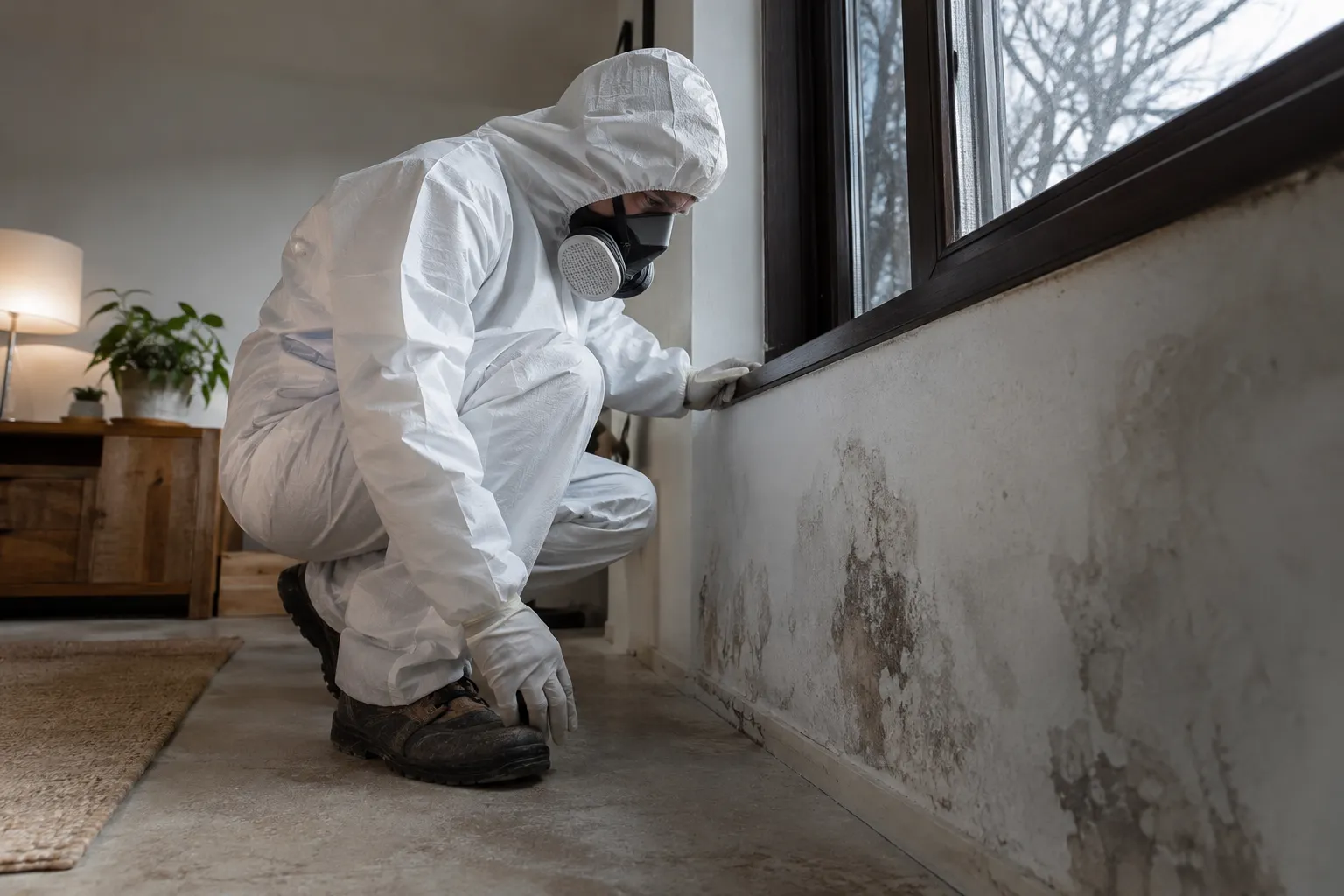
TELL US WHAT YOU CAN SEE
Explain the kitchen.
Discuss the surface.
Call 03 8652 1296 with your Burnley address, room photographs and moisture observations. Discuss the accessible scope and appropriate next step.
Local context: Yarra locality information