
WALLS AFTER REPAINTING · MOISTURE · SURFACES
CARNEGIE · MELBOURNE
Mould Removal Carnegie
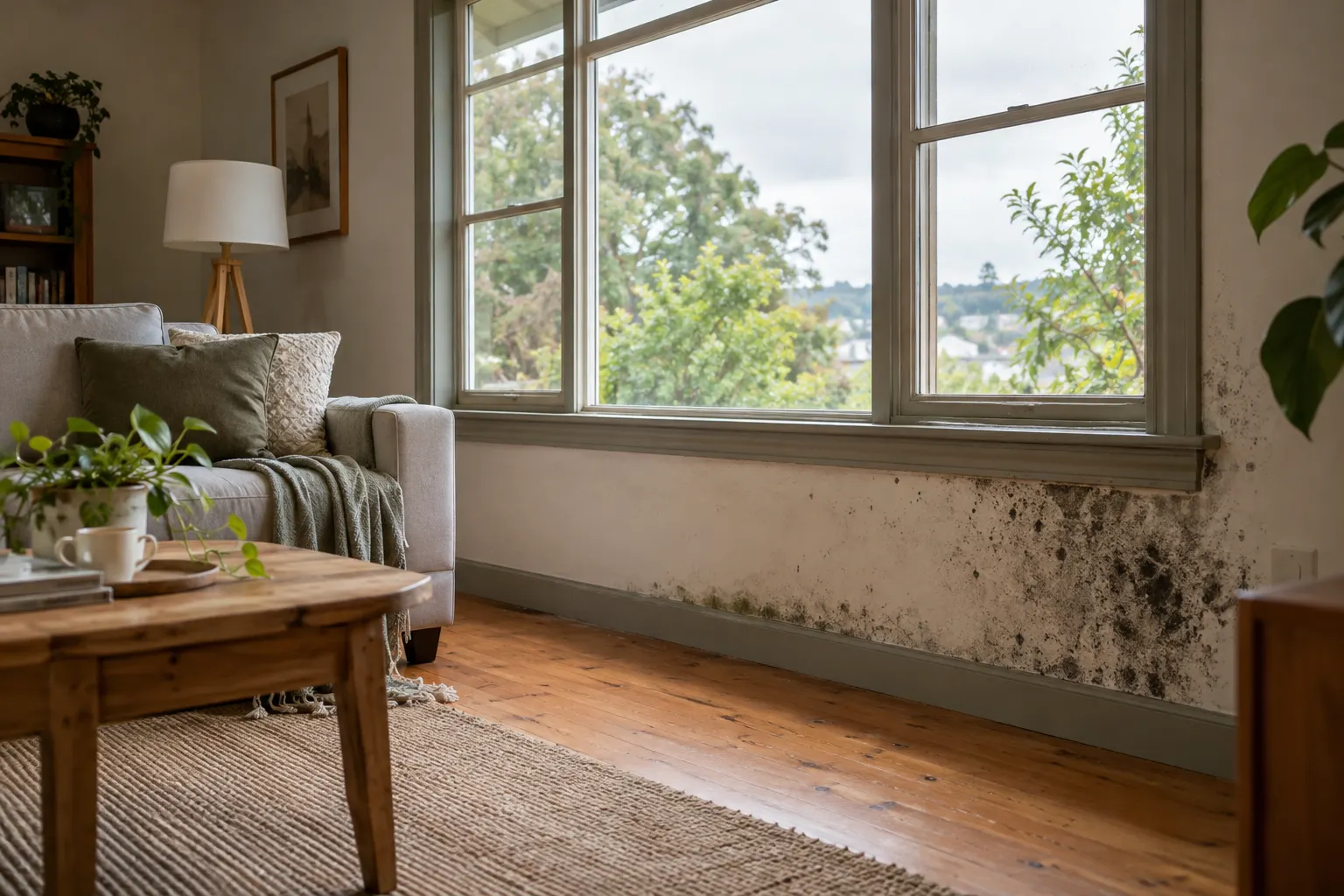
Mould returning through a recently painted area deserves a fresh look at the room history. A Carnegie enquiry should include when decorating took place and what happened before the paint was applied.
Visible material considered
Moisture history discussed
Access and scope agreed
THE ROOM TELLS A STORY
A new coating does not answer the moisture question
Glen Eira’s history describes inter-war development in Carnegie alongside later housing. That variety makes the actual finish and repair history useful. If your wall has recently been repainted, note whether the earlier patch was dry and whether water entry or ventilation was investigated before the new coating went on.
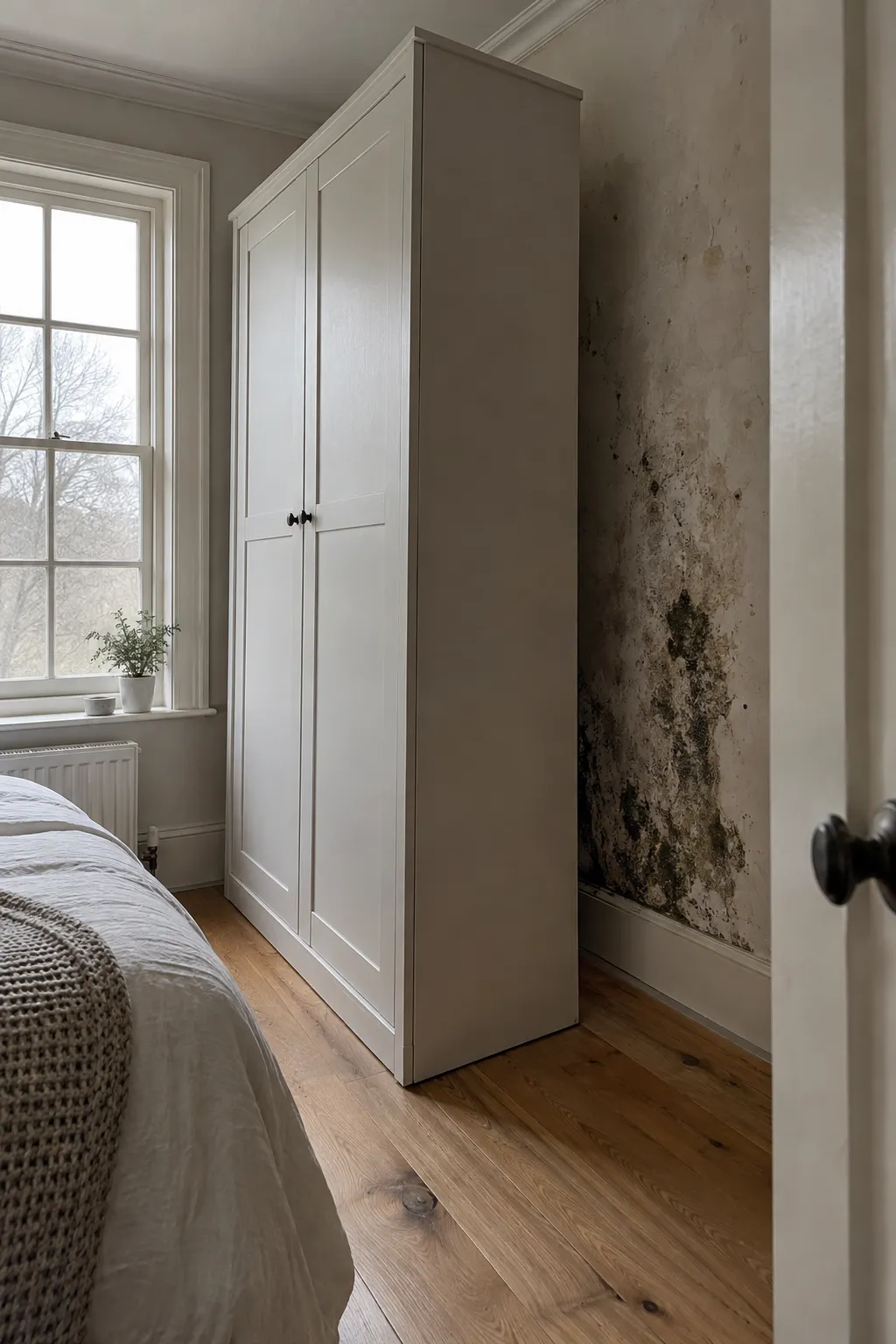
Ask about inspecting the recurrent area with the decorating sequence available. The wall’s appearance now should be considered alongside earlier moisture and preparation, not treated as proof that either the painter or the coating alone explains the new mark.
UNDERSTANDING MOISTURE
Make sense of
moisture after repainting.
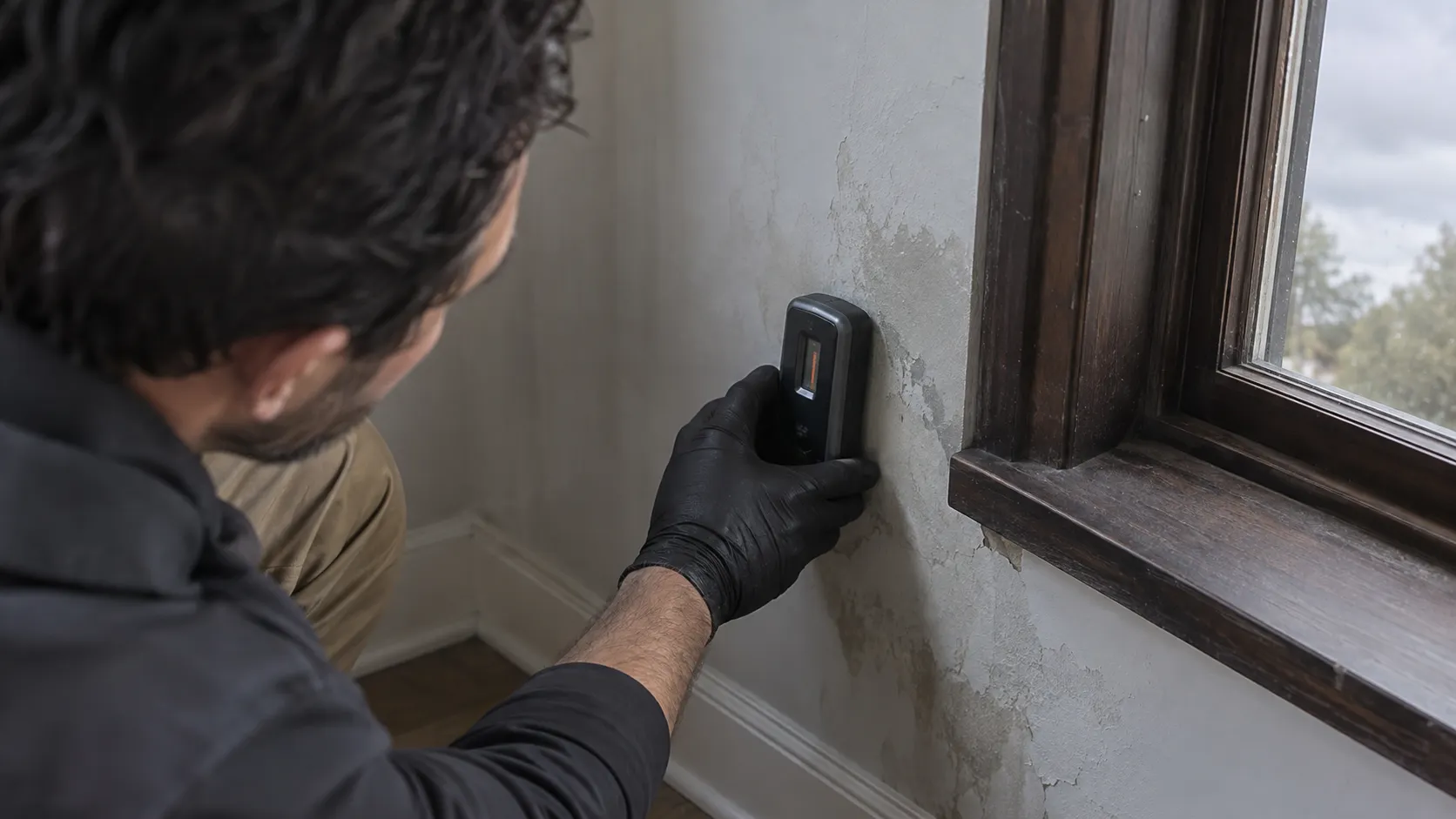
Moisture in the air
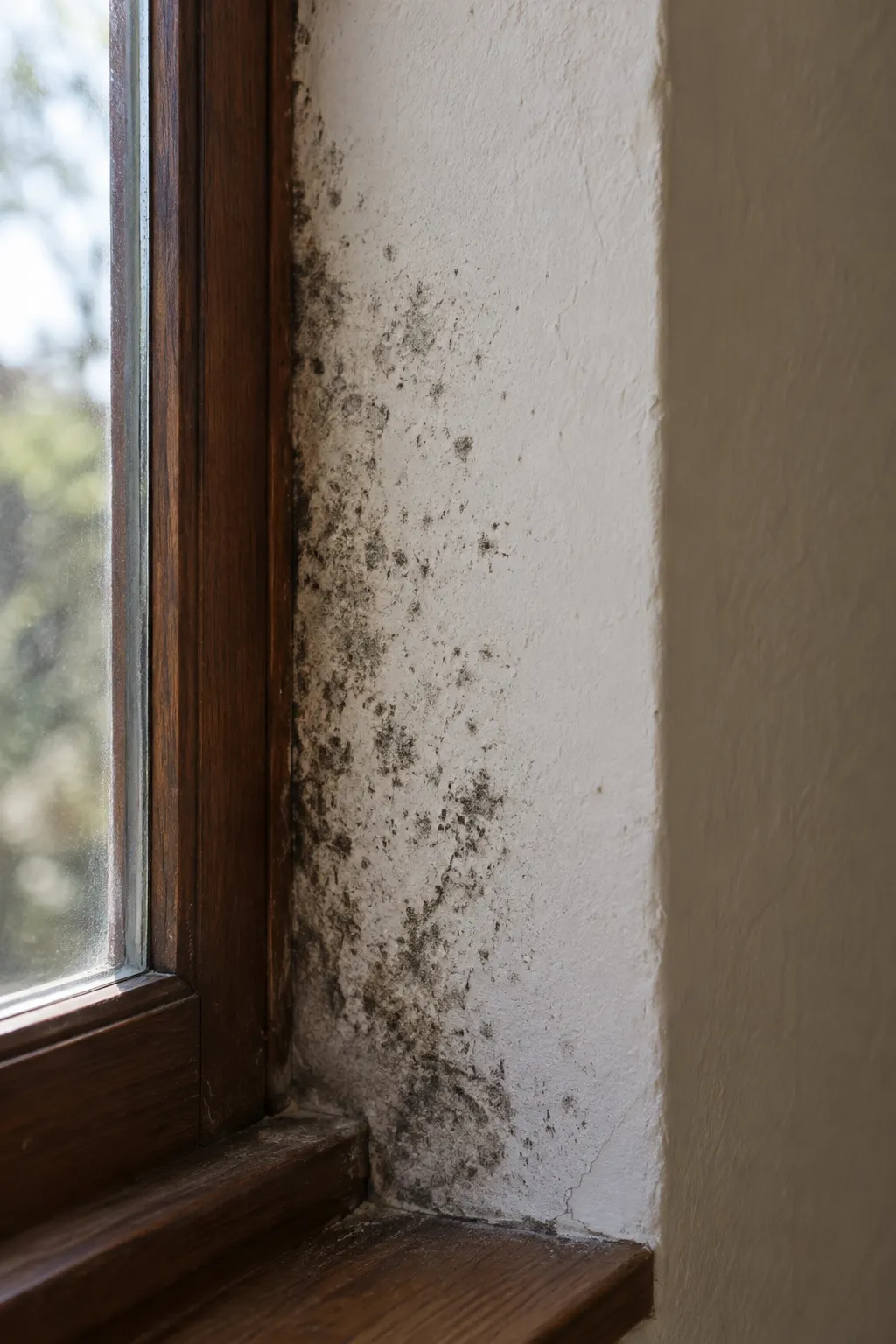
Observe current wetness rather than relying on the appearance of the new coating. Recurrent droplets or damp corners can remain useful evidence even where the wall was painted only recently.
The water history
Describe whether water entry or a fixture problem was investigated before decorating. A new mark through paint can need source follow-up; another coat does not settle that underlying question.
Check the finish
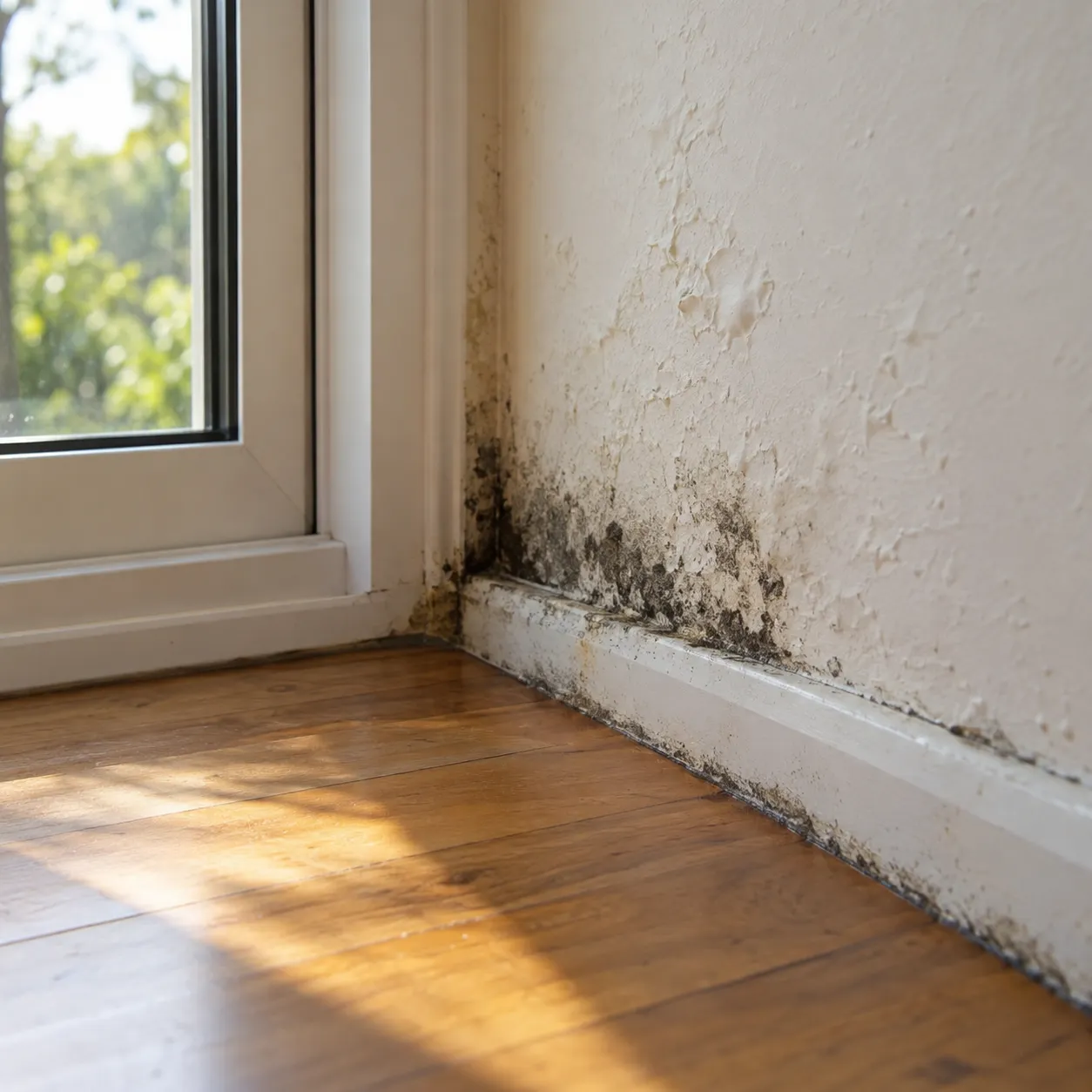
The new finish and its base both matter. Include lifting, blistering or known earlier damage so suitable removal is distinguished from decisions about preparing or replacing deteriorated material.
OUR REMOVAL PROCESS
From observations
to surface work.
Keep the room history
Have any photographs from before decorating ready, even if the first patch was smaller. Record whether leak investigation or drying took place before repainting.
Make access practical
Mention finishes you want retained and areas where the new paint is lifting. Surface access does not imply permission to strip an entire wall or undertake decoration.
Agree the next decisions
Ask what should be resolved before a decorator returns. Repair, drying and coating suitability need attention separately from the removal of visible growth.
01
Assess the recently painted wall
Explain the earlier patch and the recent decorating sequence before discussing surface removal. The new coating needs assessment alongside the condition of the material underneath.
02
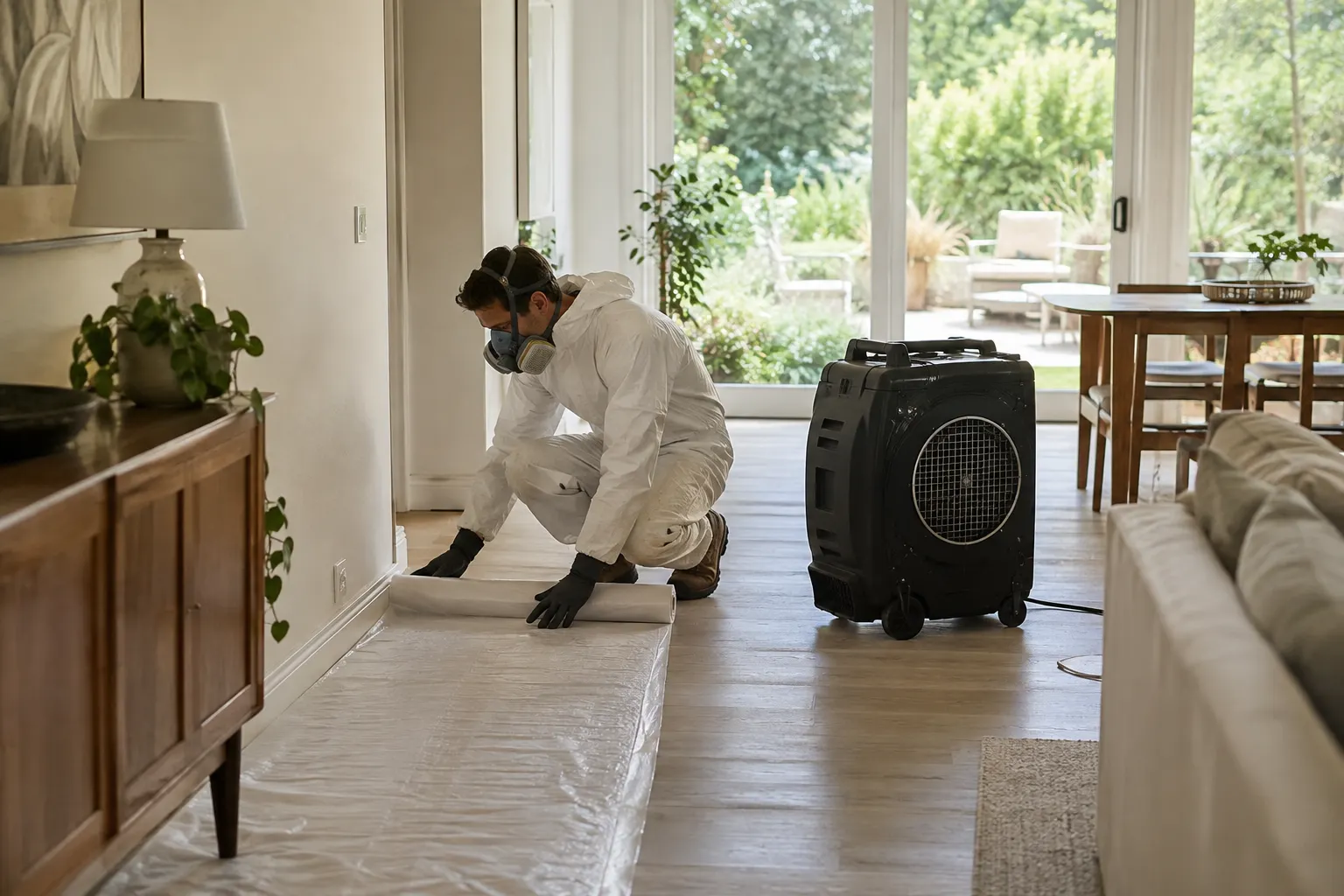
Prepare the working area
Protect the surrounding decorated area and keep the recurrent patch visible. Tell us about primers or earlier repairs if known, without scraping the coating to reveal more.
03
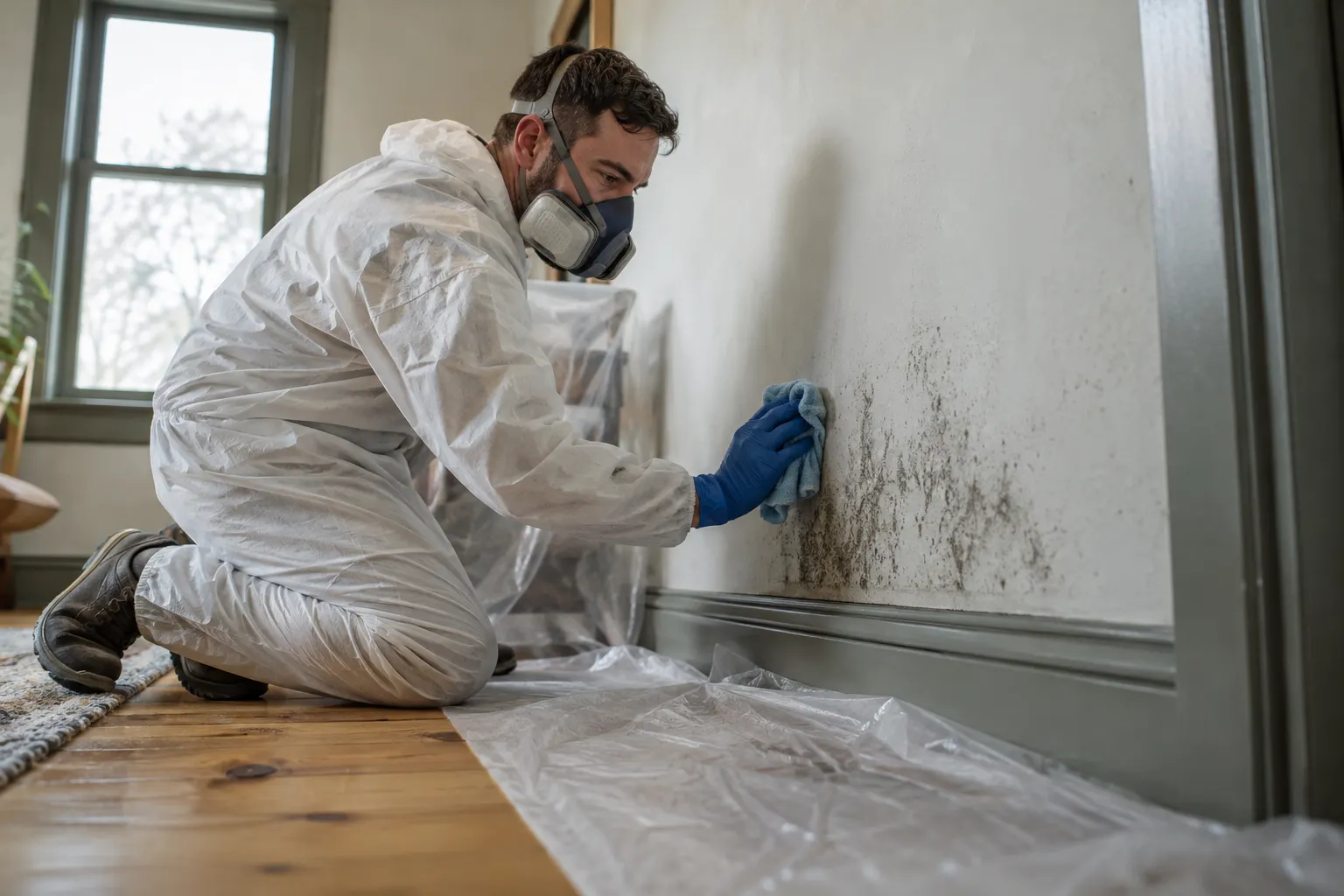
Remove and review
Review new marks against the painting date and earlier moisture history. Another coat is not automatically the next step if the wall continues to become damp.
COMMON AREAS AFFECTED
Different surfaces.
Different decisions.
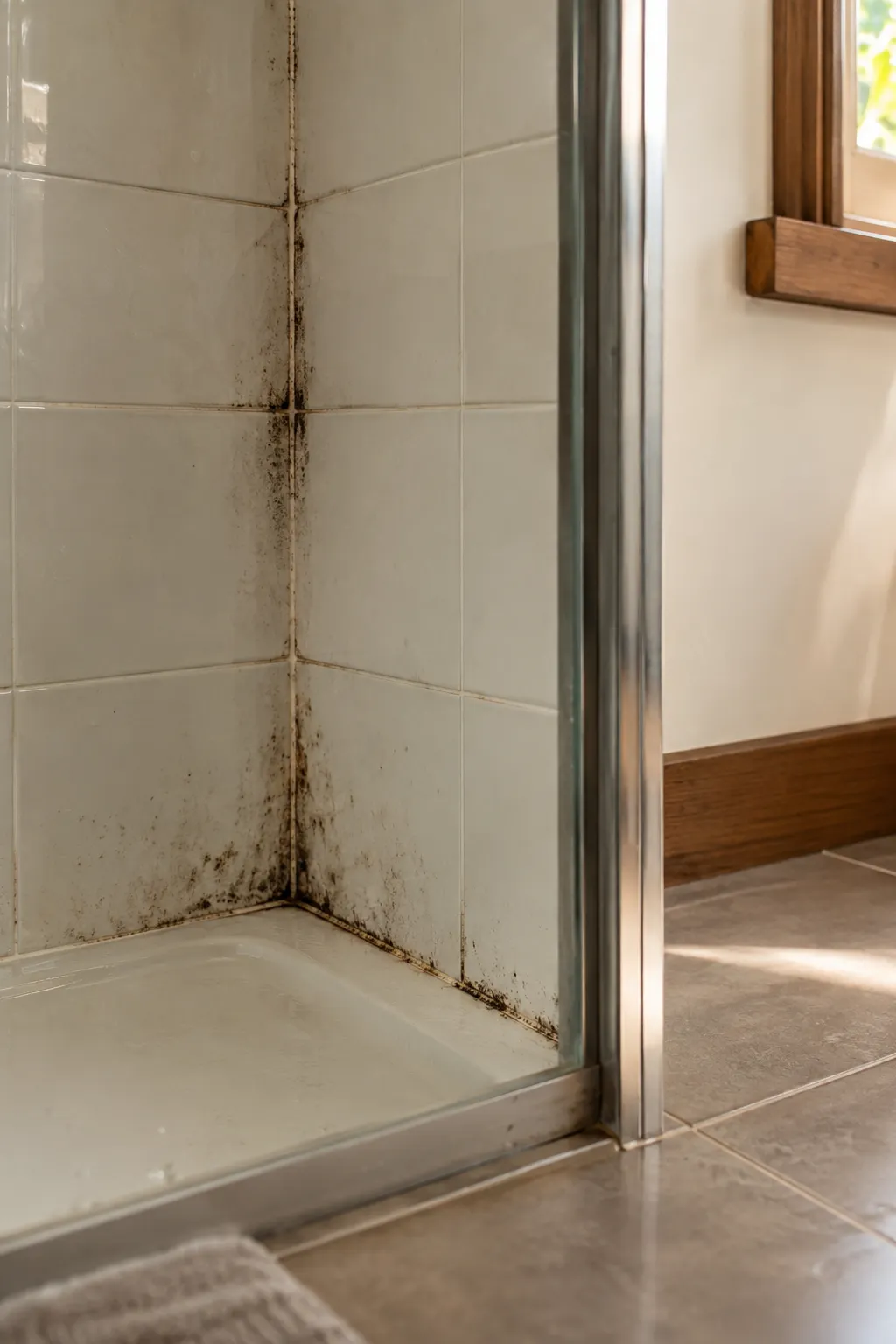
Bathroom junctions
Bathroom paint can mark again while shower joints have their own condition. Describe which finish was renewed and whether another material remained affected before the decorating work.
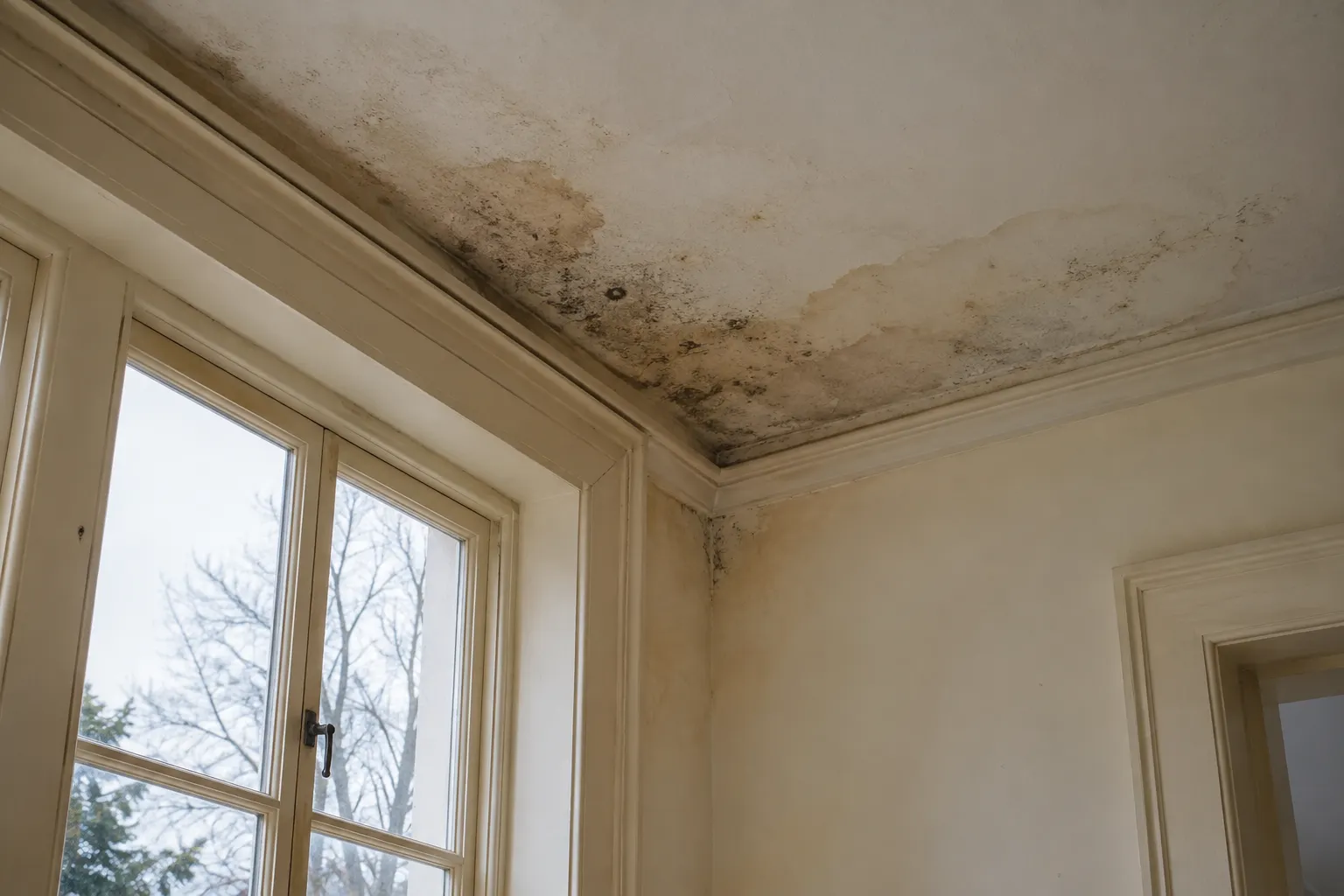
Ceiling surfaces
If a ceiling was painted after a stain, keep the earlier photograph and date. Fresh growth, residual discolouration and material damage should be described separately rather than judged from the new finish alone.
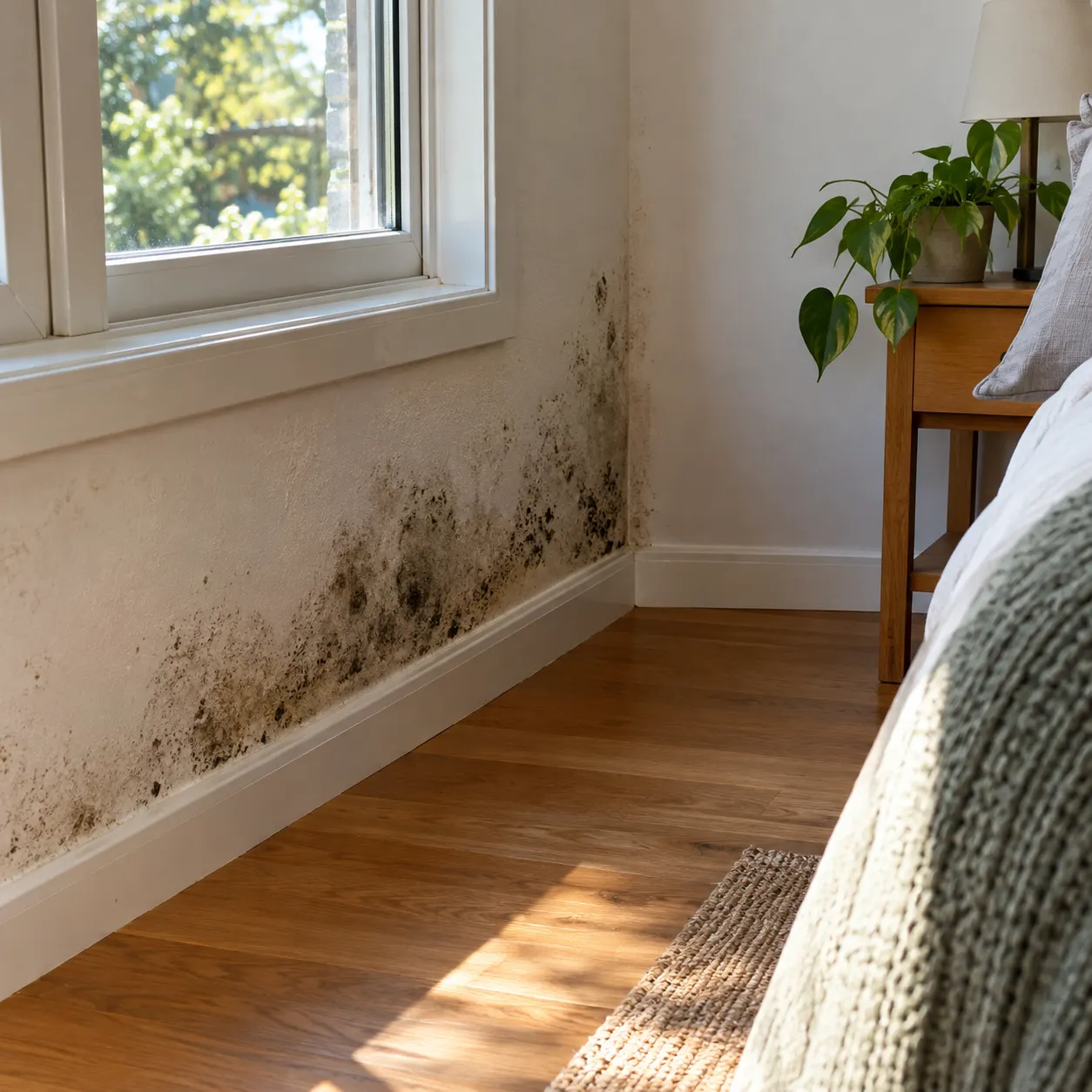
Painted walls
Show the recurrent patch beside the surrounding coating and include its earlier extent if known. The sequence helps explain what changed without proving why the original treatment failed.
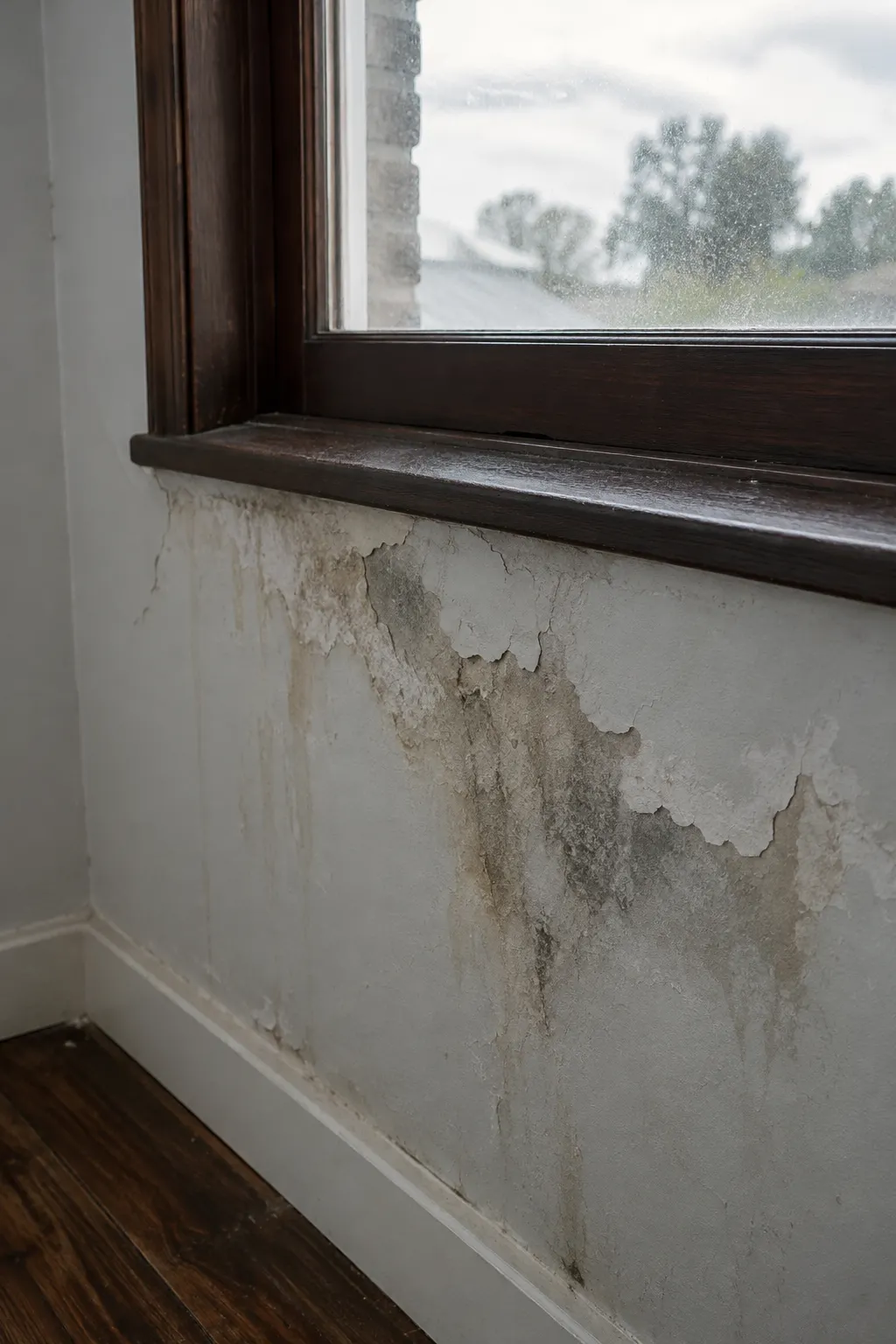
Water-affected rooms
A wet event before repainting belongs in the history, including known drying or repair work. The new coating cannot establish that all affected or concealed materials were ready to retain.
PREVENTION STARTS WITH
Help the room
dry between uses.
Observe the drying pattern
Keep track of the same location after ordinary use or rain. If it remains damp, follow up on moisture rather than adding another decorative layer that makes comparison more difficult.
Follow up before decorating
Agree on source and finish decisions before the next repaint. Ask how remediation of recurrent growth relates to damaged coatings, drying and any investigation still needed behind the visible wall.
CARNEGIE & NEARBY
Carnegie and nearby rooms.
The Murrumbeena and Glen Huntly guides relate to close-by enquiries. For Carnegie, provide the actual property address and repainting history, confirming arrangements for the marked room rather than assuming a recurrence has the same scope in every neighbouring home.
BEFORE YOU CALL
The useful
questions.
Does mould through new paint mean the product was wrong?
The coating is only part of the history. Continuing moisture, preparation and material condition can be relevant, so a visible recurrence alone cannot settle that explanation.
Why keep the decorating date?
It links the present change with the earlier patch and any repair or drying work. That sequence can be more useful than the current photograph alone.
Can another coat hide the problem permanently?
No such promise is appropriate. Clarify moisture and finish suitability before redecorating, rather than treating coverage of the mark as resolution of its source.
Should old photographs be included?
They can show whether the patch moved or expanded after painting. Include when they were taken and what work occurred between the images.
Does removal include stripping the whole wall?
Discuss the actual scope. Treatment of suitable accessible surfaces should not imply full coating removal, decoration or repairs that have not been agreed.
What helps with a Carnegie recurrence enquiry?
Provide the address, earlier mark and decorating sequence. Mention current dampness, paint damage and access so the next assessment can consider the room’s full history.
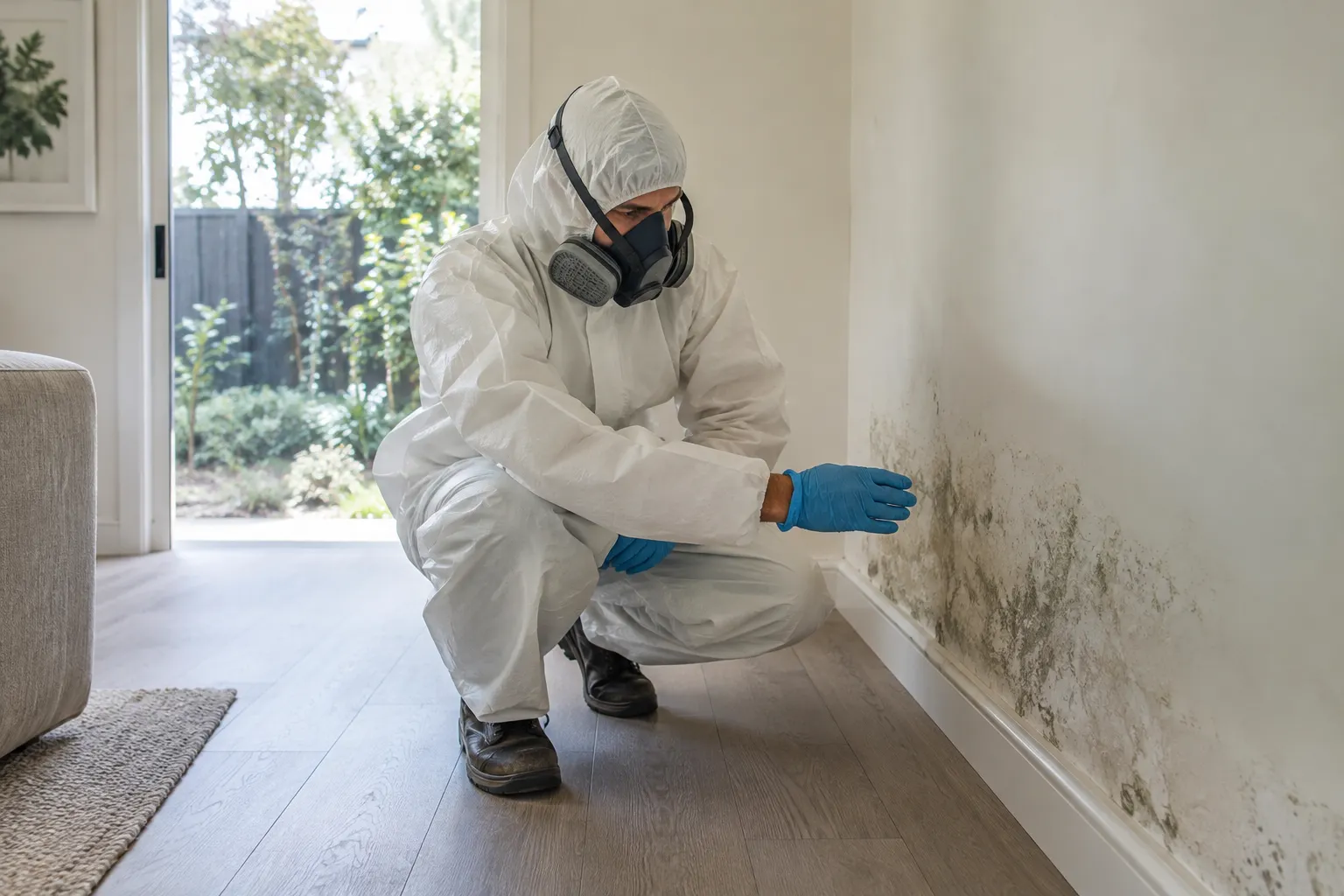
TELL US WHAT YOU CAN SEE
Start with
the affected surface.
Bring the painting date, earlier patch photos and present observations to the call. On 03 8652 1296, discuss the next assessment question for the affected finish at your Carnegie address.
Local context: Glen Eira housing history