
DATES · POSITIONS · REVIEW
CROYDON · MELBOURNE
Mould Removal Croydon
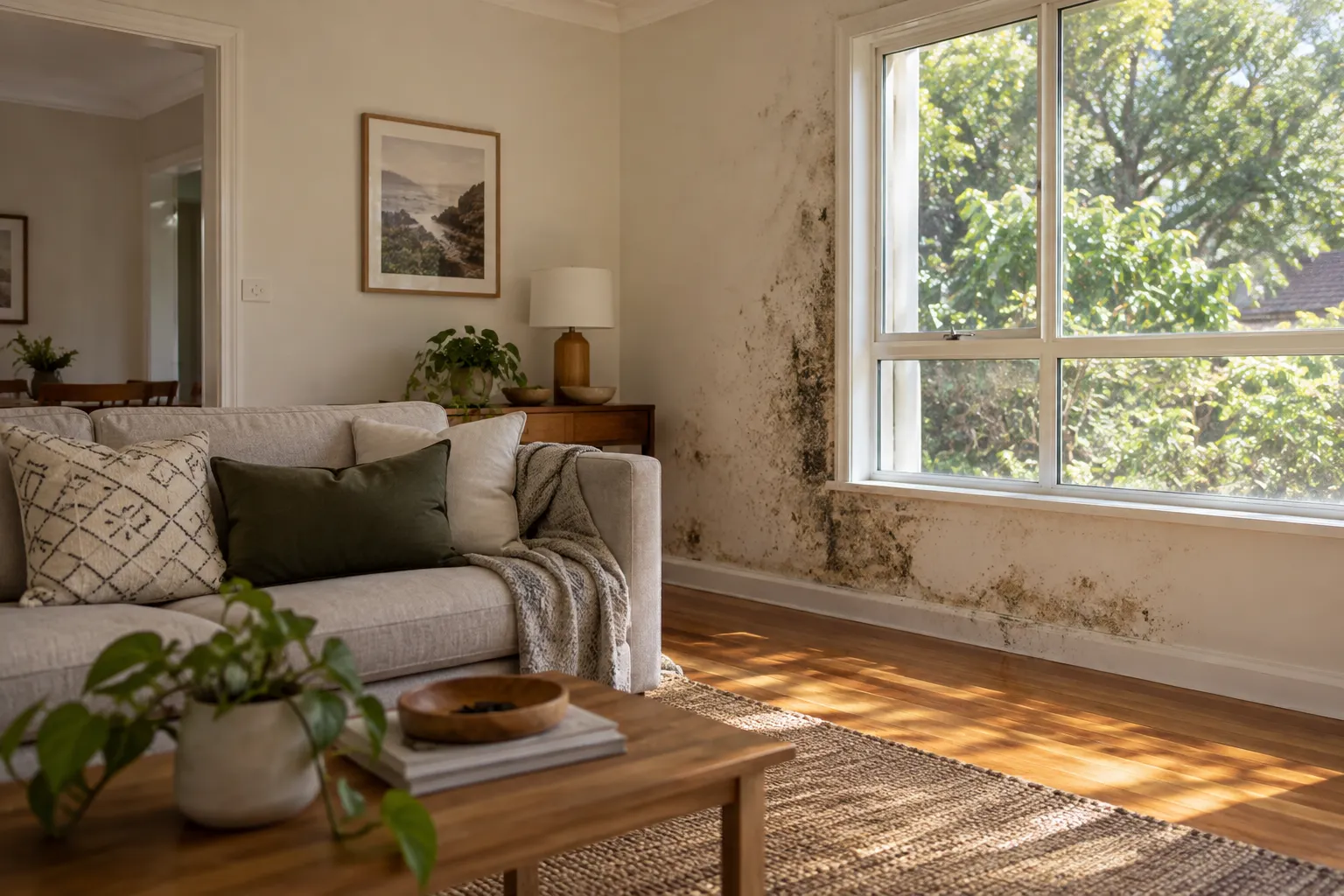
When a room has experienced more than one water event, an old stain and a fresh patch can be easy to confuse. For a Croydon enquiry, organise the dates and positions before deciding what the current accessible surface needs.
Separate water events recorded
Old and new observations distinguished
Outstanding repairs identified
THE ROOM TELLS A STORY
More than one event.
A clearer room history.
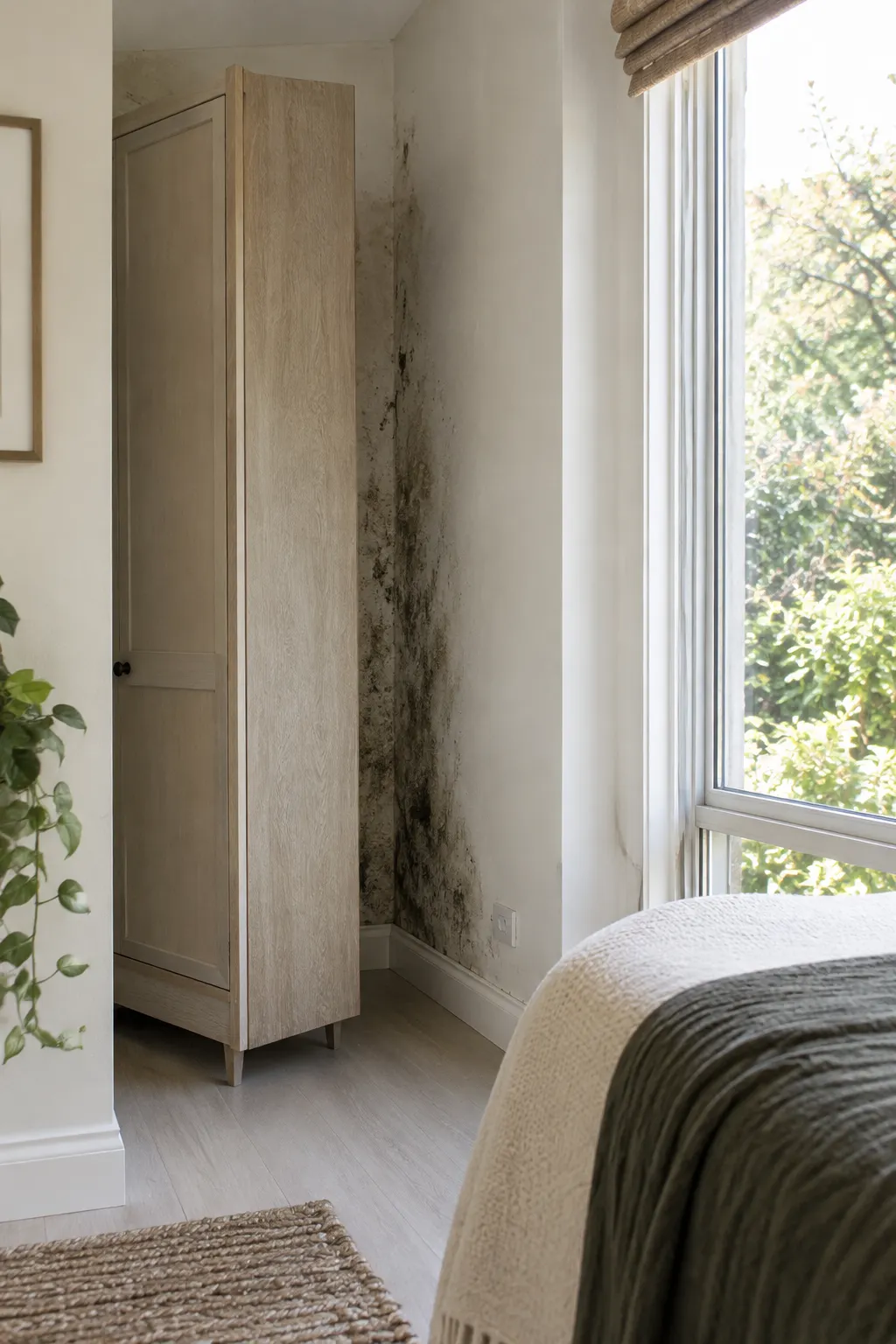
Croydon is included in Maroondah’s locality information. For a room with several leak or dampness episodes, describe each known event separately. A previous repair, an earlier stain and recently visible growth may overlap in one corner without sharing the same timing. Avoid using one approximate date to describe the whole sequence.
Label photographs by position and date, including wider views of the room. Explain repairs and drying work actually completed. An organised inspection enquiry can consider accessible current evidence while keeping unknown concealed conditions or uncertain earlier records clear.
UNDERSTANDING MOISTURE
Separate the episodes.
Assess the present condition.
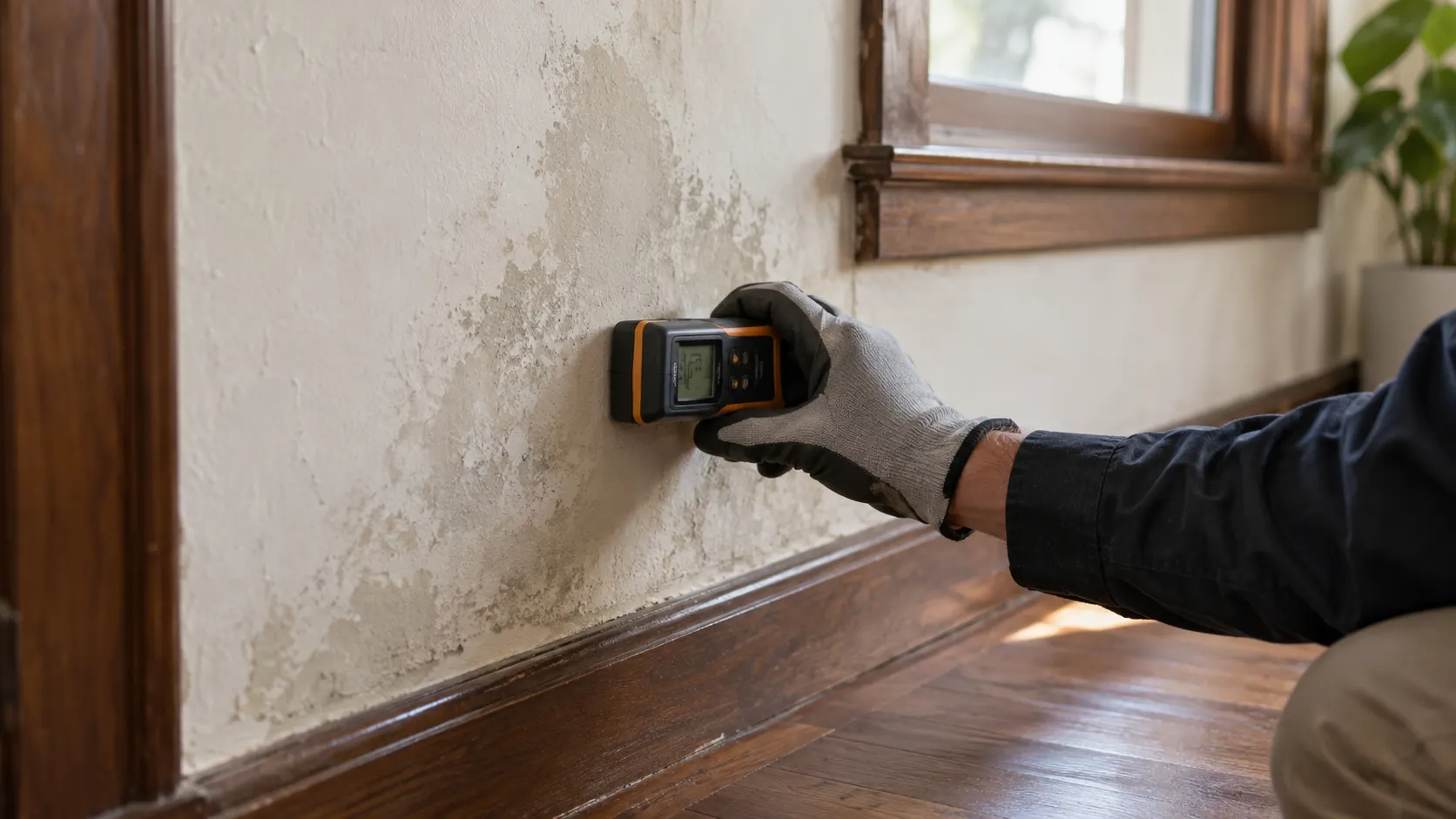
An old reference mark
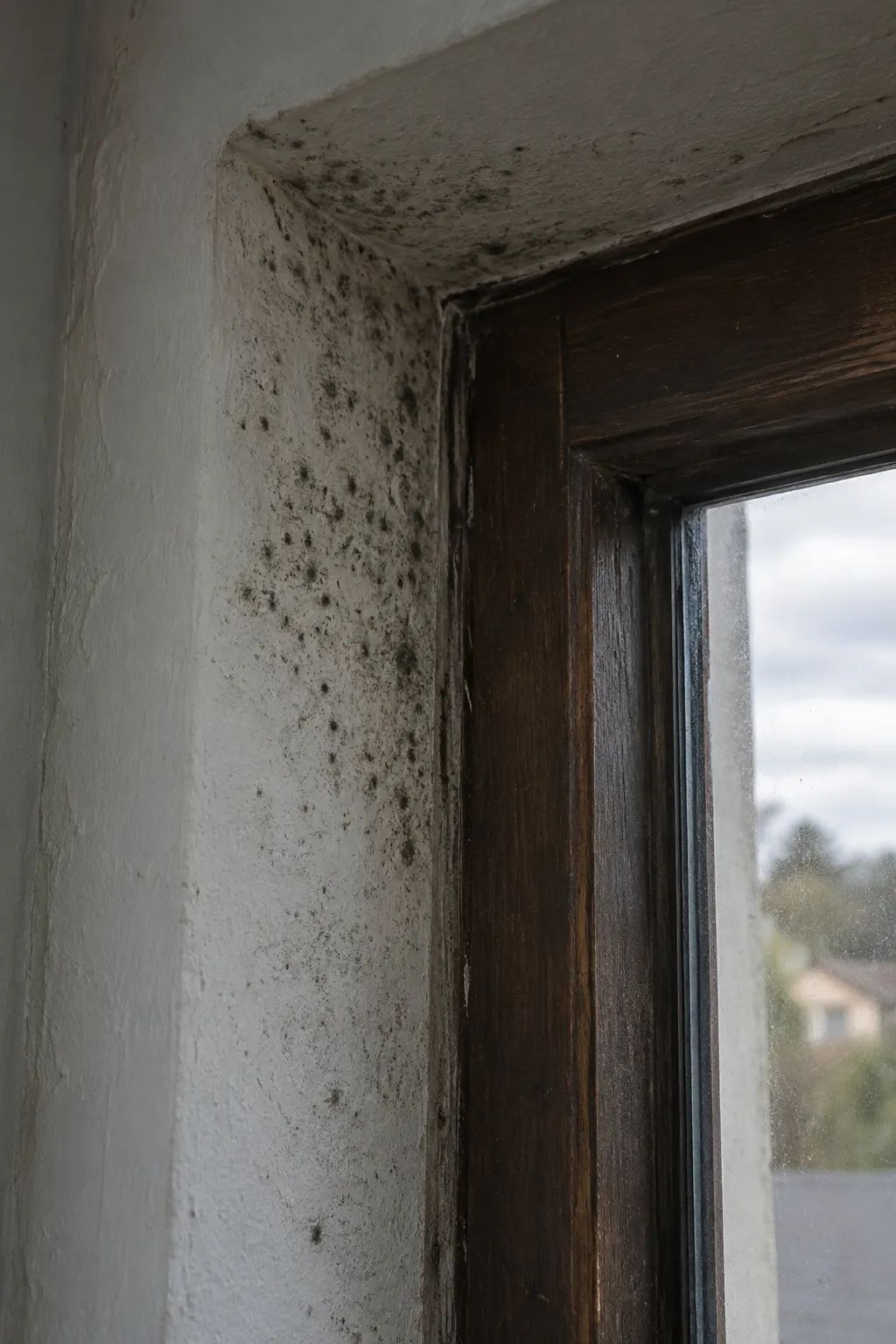
Keep stable earlier staining identifiable where records allow. The current assessment needs to know whether a position has expanded, darkened or changed material condition. Appearance alone cannot reliably date growth or demonstrate that an earlier source remains the only relevant issue.
A later water observation
Record the new event and what changed afterwards, even if the location is close to an old patch. Rain, plumbing and room-use moisture can require different source follow-up. Do not assume the same repair applies merely because marks share a wall.
Material after repeated wetting
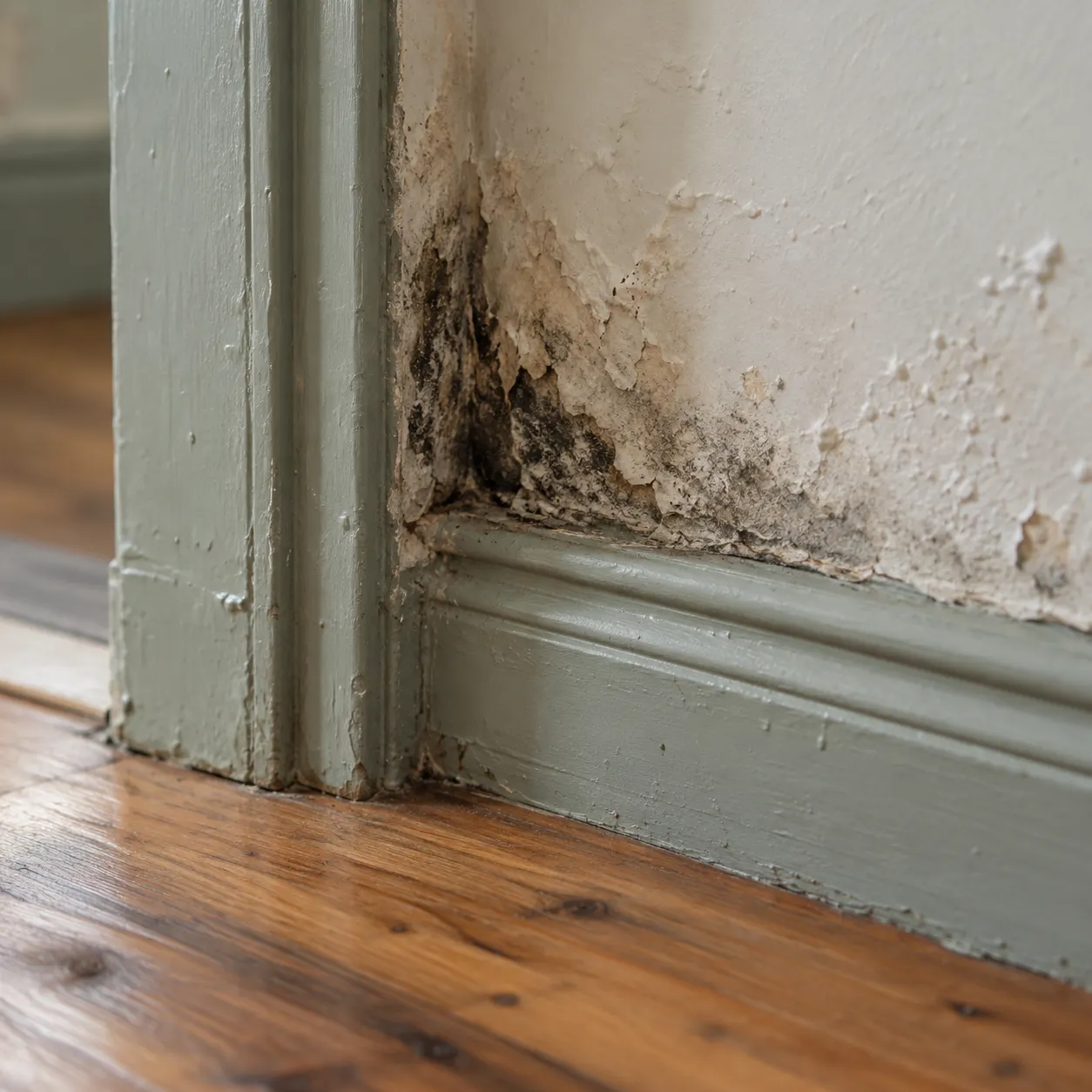
Describe lifted paint, softness, swelling or distortion separately from the visible growth. Accessible readings contribute evidence but cannot certify every concealed layer. Earlier drying or treatment does not guarantee that a later water event left the material unaffected.
OUR REMOVAL PROCESS
Use the timeline.
Define today’s scope.
Build a brief event list
Write the known dates, affected positions and work undertaken. Where a date is uncertain, identify it as approximate rather than creating a confident sequence that the original records cannot support.
Use fixed room references
A window, ceiling corner or fitting can help locate each mark across photographs. Wider views reduce the risk of an old close image being mistaken for a different newly affected position.
Keep completed and pending work apart
Identify what repairs or drying actually occurred and what was only recommended. This distinction can prevent an outstanding action from disappearing when several appointments or contractors were involved.
01
Explain current visible areas
Describe the present surfaces through mould removal, while keeping earlier photographs and event dates available. Agree the reachable extent, damaged materials and exclusions rather than treating a room’s entire repair history as one undifferentiated task.
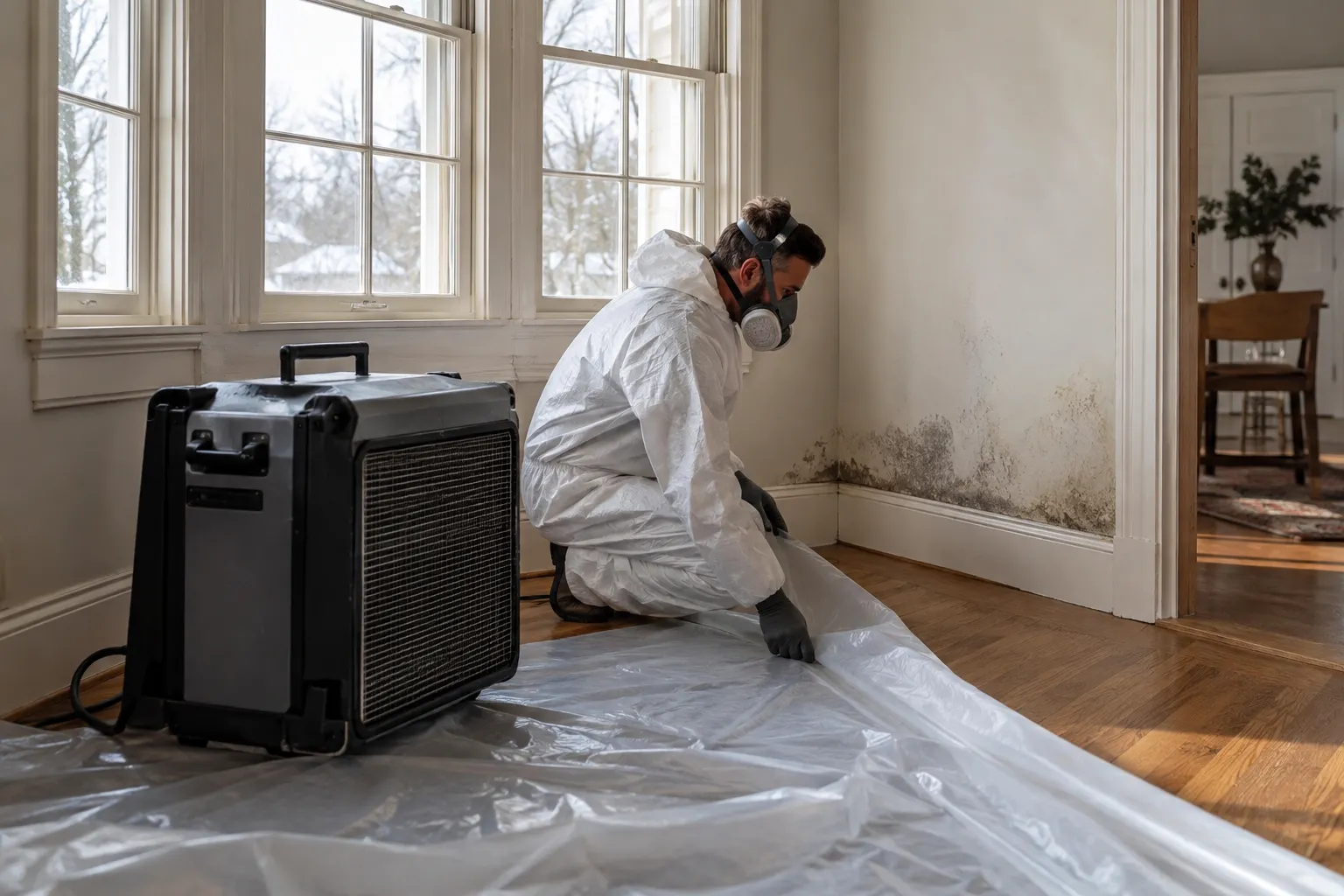
02
Prepare around remaining evidence
Discuss belongings, fixed obstructions and protection before the visit. Leave changing finishes visible and undisturbed. Do not repaint several marks together in preparation; that can conceal differences needed to understand the current condition and relevant source questions.
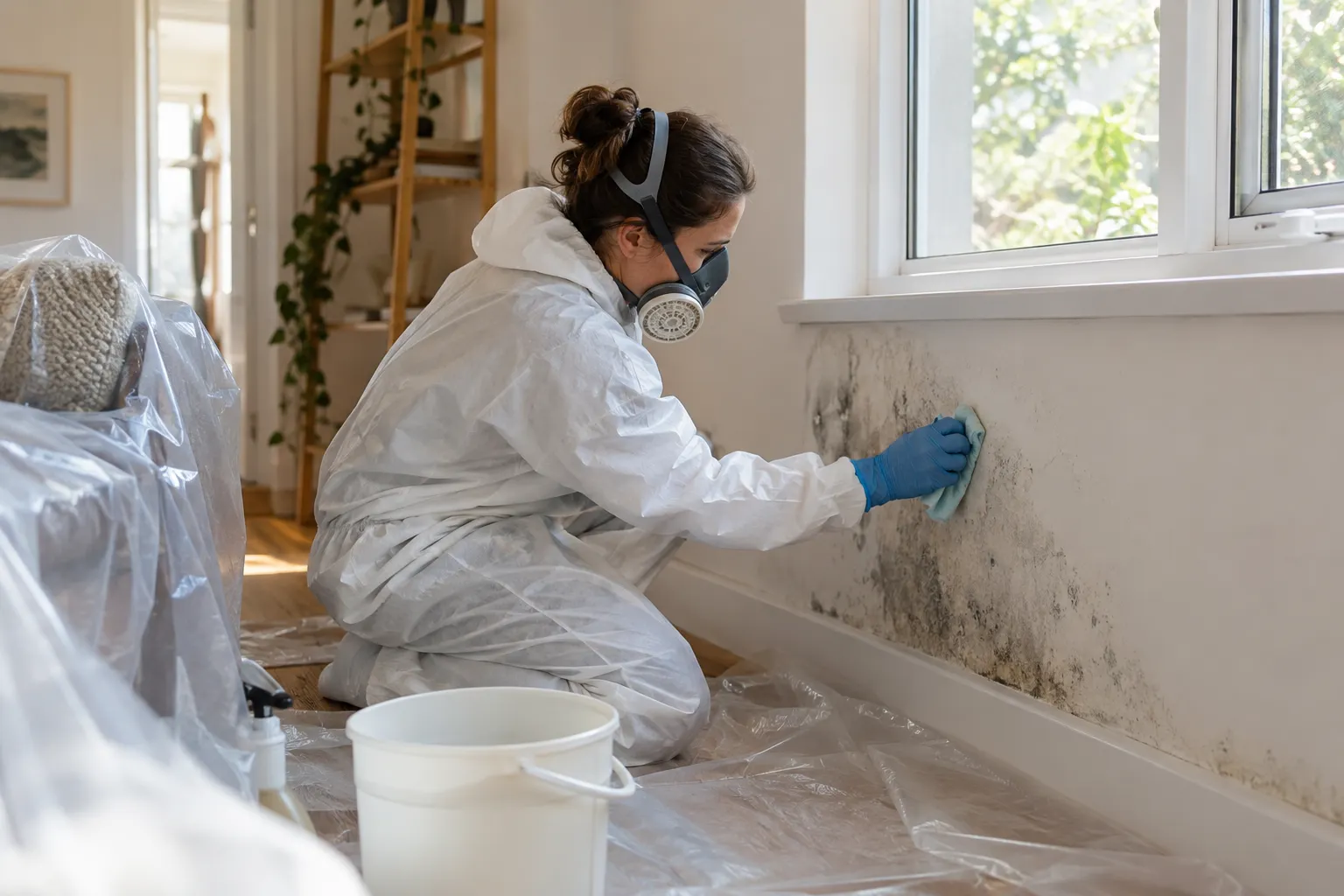
03
Review the next actions by source
Discuss treated areas and unresolved concerns individually. Remediation connects removal with moisture and material decisions, while each outstanding repair needs its own responsibility. A finished surface cannot certify all past or current source work.
COMMON AREAS AFFECTED
Earlier marks.
Current surface decisions.
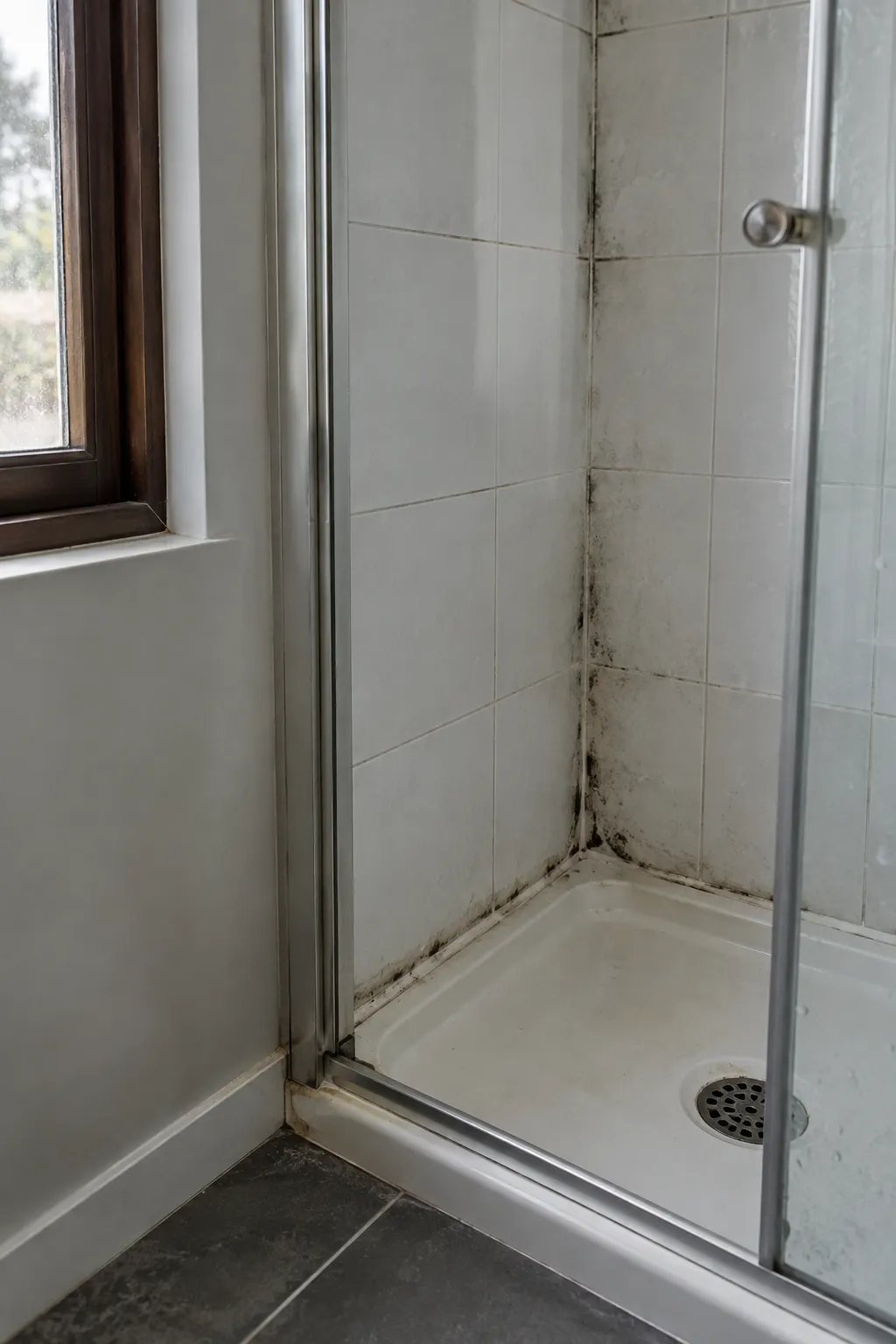
Wet-room episodes
Keep shower-related observations separate from recorded building water events in the same area.
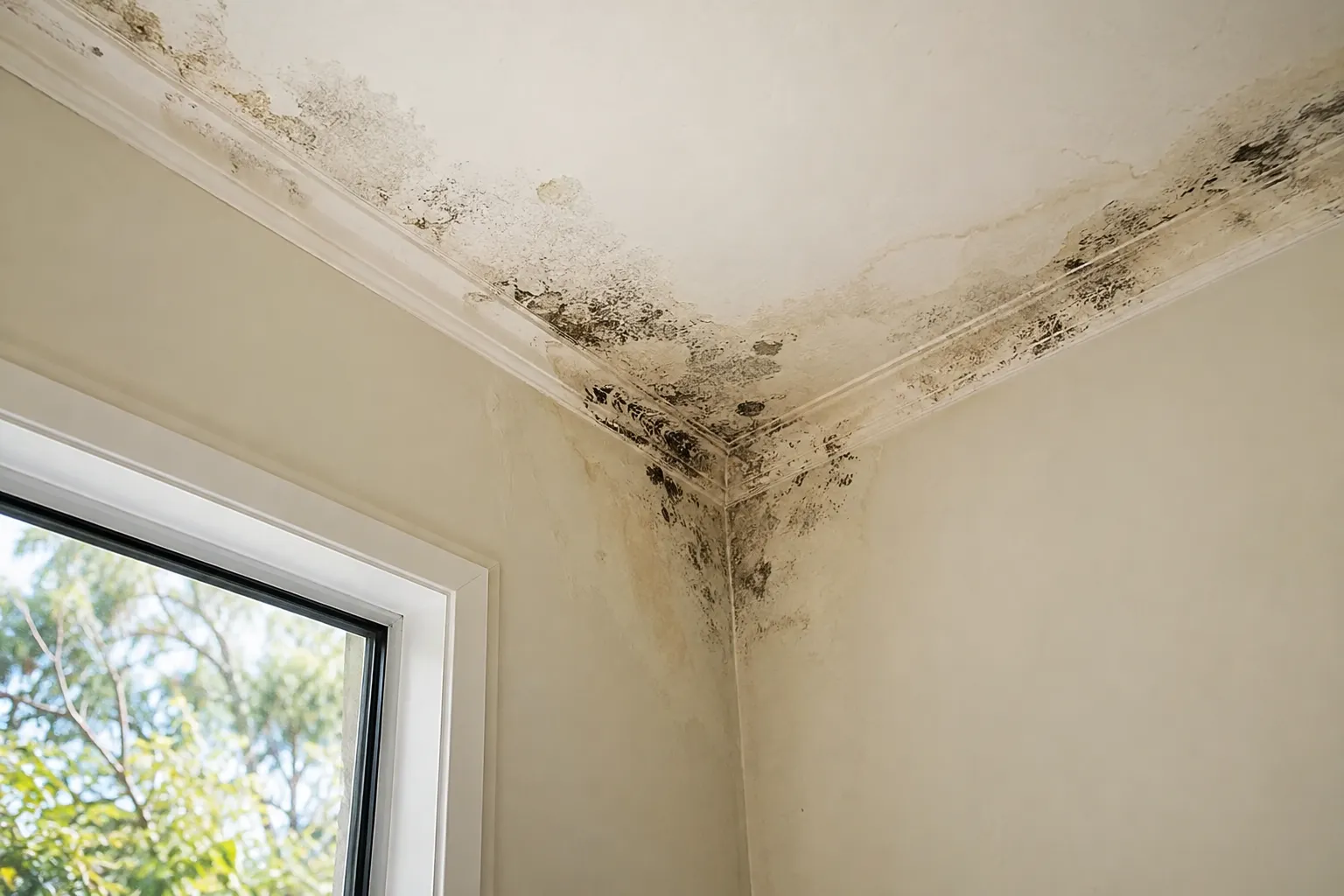
Overlapping stains
Use recognisable ceiling features and dates to distinguish earlier and current changes.
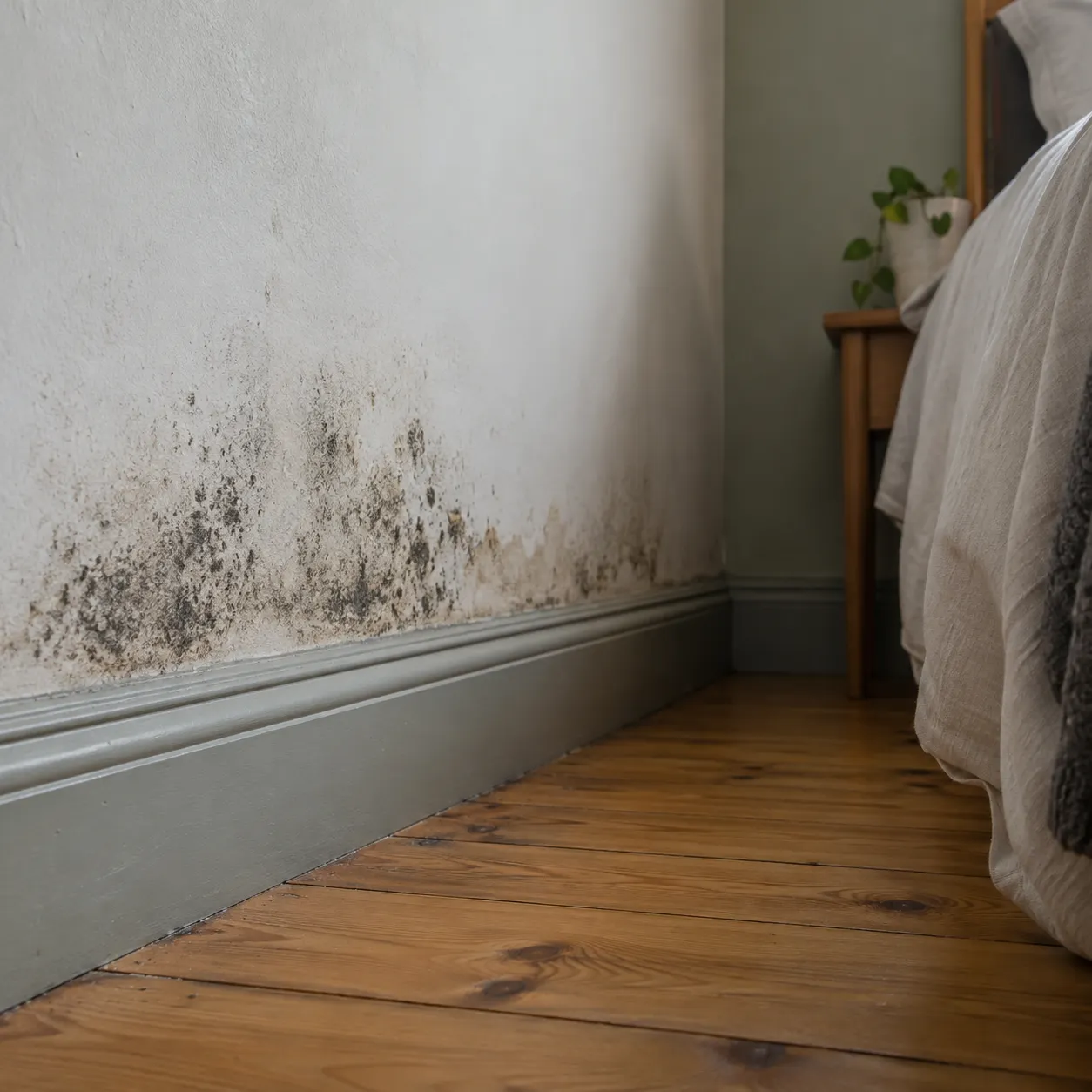
Different patch positions
Describe each visible area and its present material condition rather than combine them by colour.
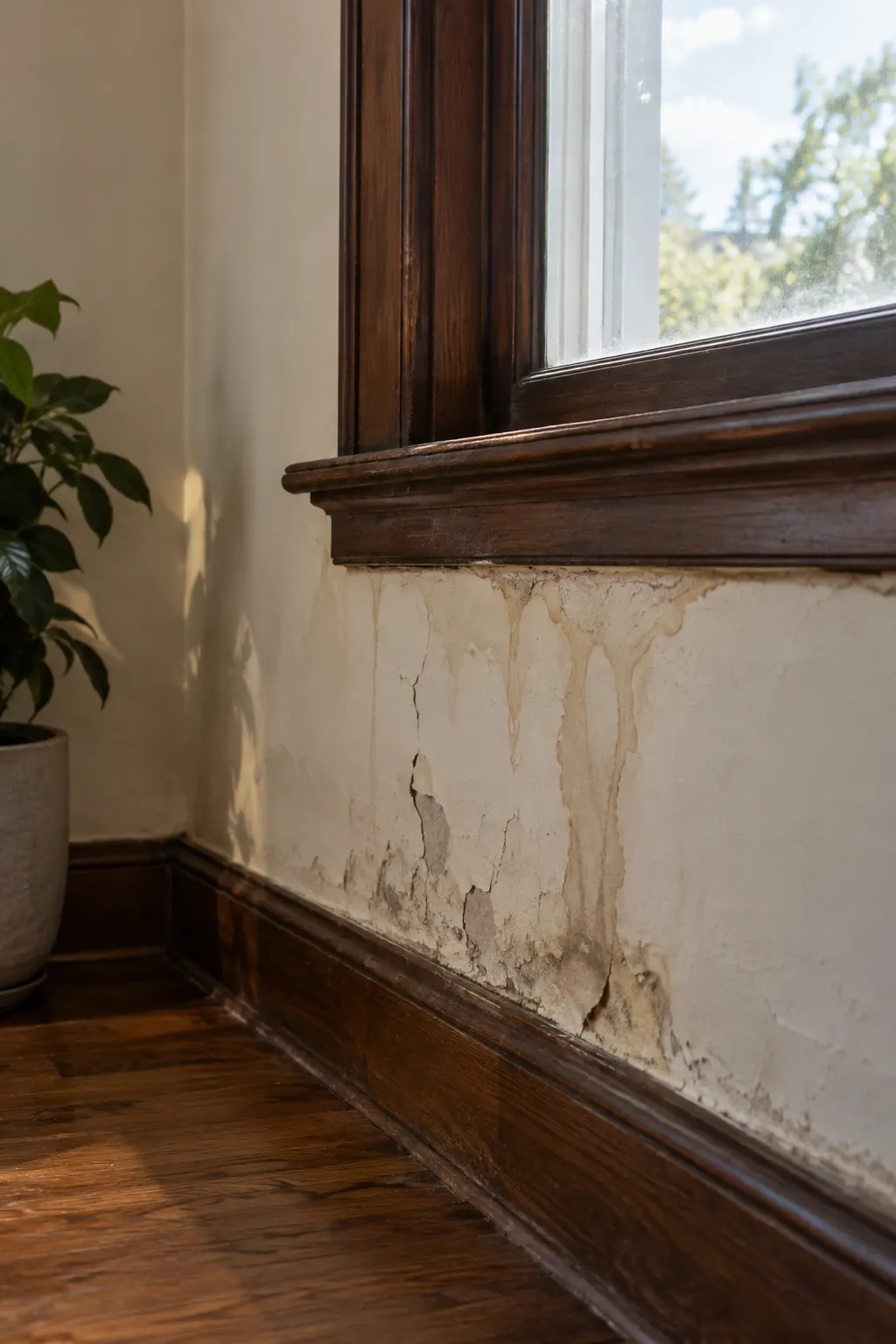
Repeated material damage
A later wetting event may create new drying or repair needs despite earlier work.
PREVENTION STARTS WITH
Keep the sequence.
Follow each unresolved source.
Compare after the relevant repair
Observe the same position during a comparable event, retaining dates and room-use context. A stable old stain should not distract from a new change elsewhere. Pass source-related evidence to the appropriate trade rather than repeatedly treating every return as the identical cleaning problem.
Avoid a single cosmetic reset
Do not cover all marks with decoration while sources or material conditions remain uncertain. Separate drying, replacement and repair recommendations in the follow-up record. A clearer current wall is useful to review, but cannot guarantee that another water episode will not create fresh growth or damage.
CROYDON & NEARBY
Croydon and
connected room guidance.
Explore the Kilsyth guide and Warranwood guide for nearby household enquiries. Give your Croydon street, event timeline and affected positions when confirming availability and the next assessment step.
BEFORE YOU CALL
Questions across
several water events.
Can appearance tell which patch came first?
Not reliably. Use dated photographs and records where available, while identifying uncertainty rather than guessing the age of growth from its colour or size.
Does an earlier repair cover a later water event?
Do not assume it does. Describe the later timing and location separately so the current source and material consequences can be considered.
How much history should be provided initially?
A brief list of dates, positions and work completed is useful. Label photographs so the current affected area can be distinguished from earlier observations.
Can all marks be painted over before the visit?
Leave changing surfaces visible. A single new coating can conceal differences between old stains, current growth and deteriorated material without resolving the source.
Does previous drying guarantee the board remains sound?
No. Later wetting and current deterioration need their own assessment. Explain softness or distortion even where drying occurred during an earlier episode.
What should remain in the follow-up record?
Keep treated positions, outstanding source work and material recommendations distinct. Retain completed repair dates so future changes can be compared with the correct event.
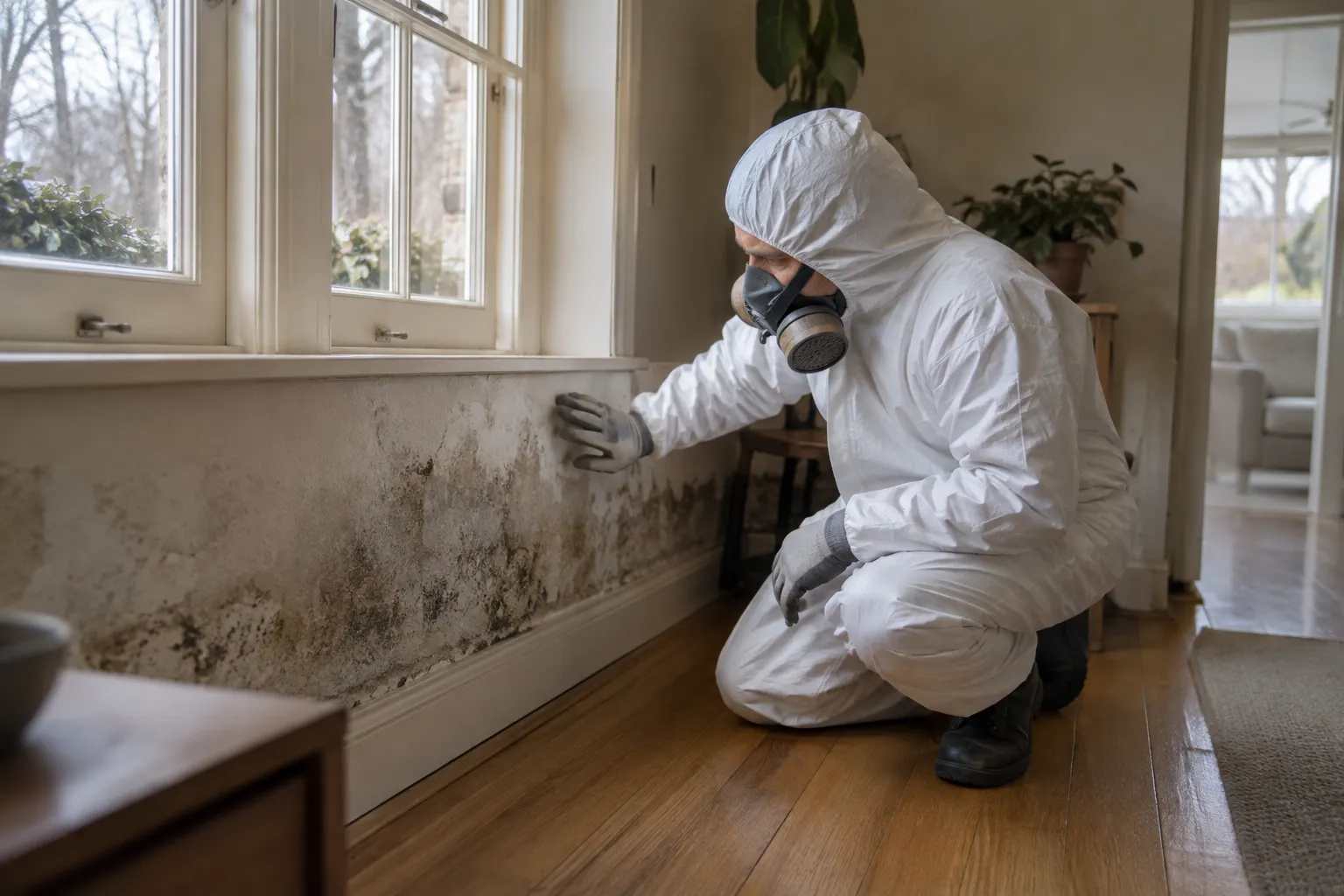
TELL US WHAT YOU CAN SEE
Bring the timeline.
Describe today’s surface.
Call 03 8652 1296 with your Croydon address, dated observations and repair record. Discuss the accessible current condition and appropriate next step.
Local context: Maroondah locality information