

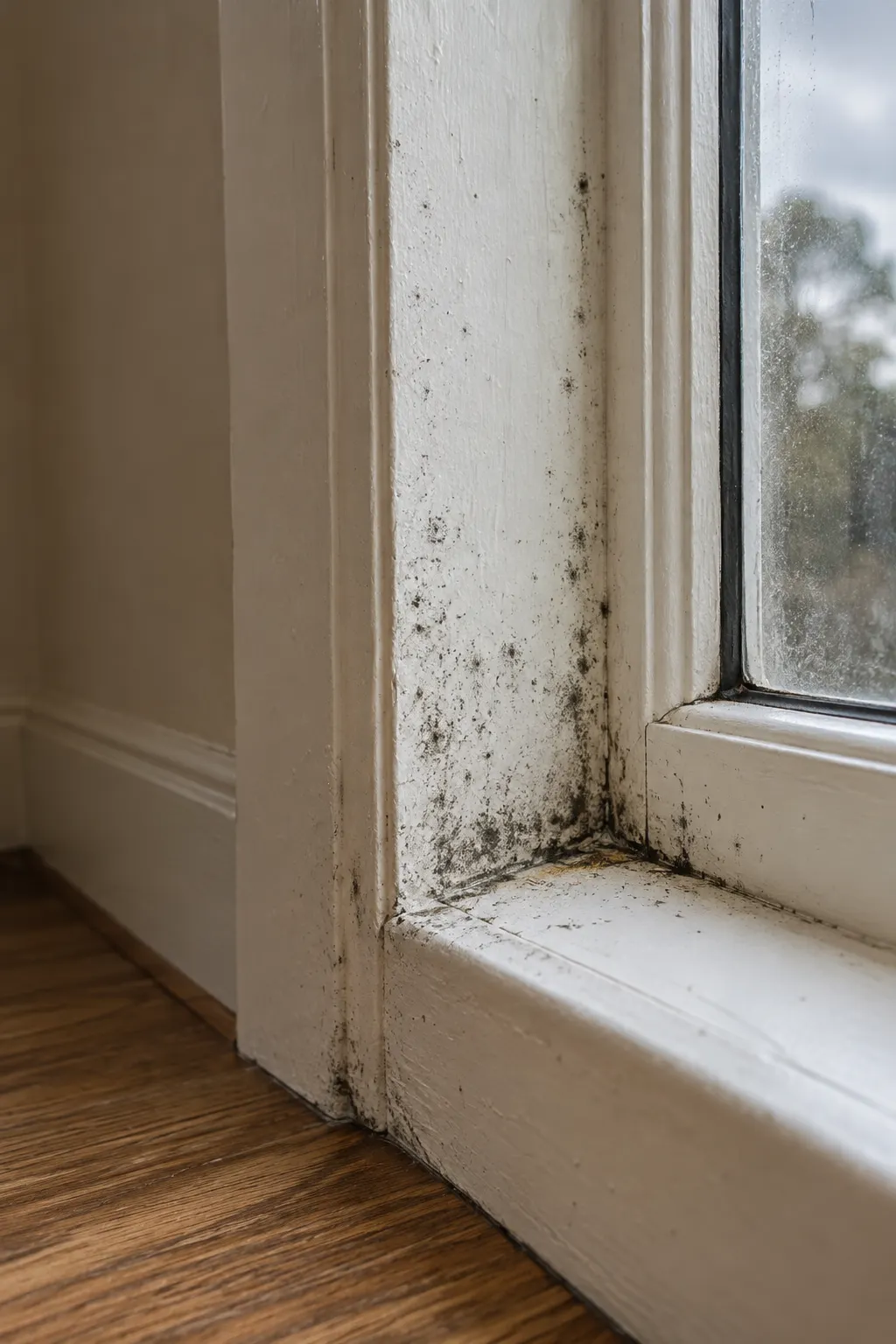
APARTMENT CEILING STAINS · MOISTURE · SURFACES
GLEN HUNTLY · MELBOURNE
Mould Removal Glen Huntly
A ceiling stain in an apartment needs the room relationship as well as a photo. For Glen Huntly, explain what you know about the space above and whether the mark changes after water use.
Visible material considered
Moisture history discussed
Access and scope agreed
THE ROOM TELLS A STORY
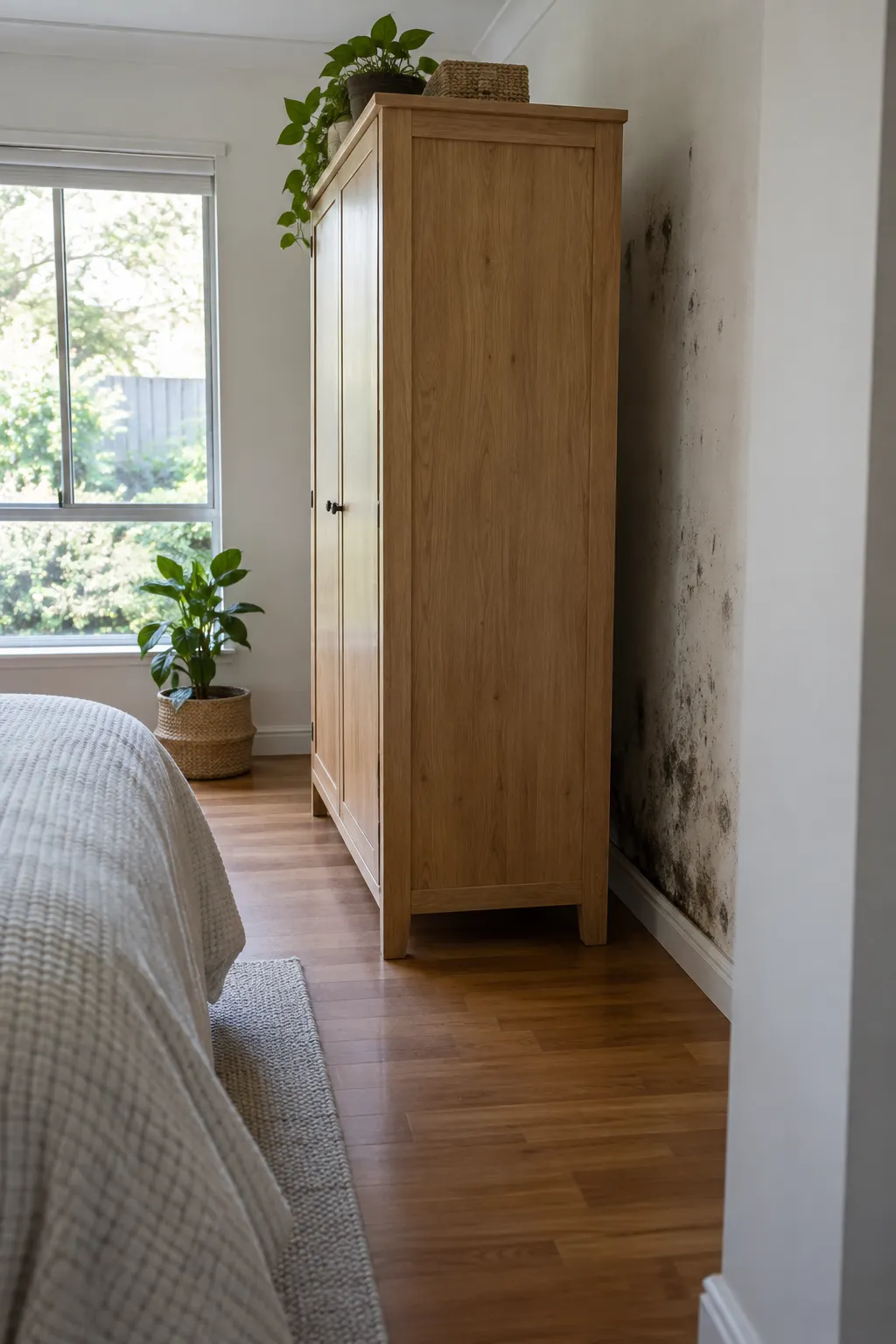
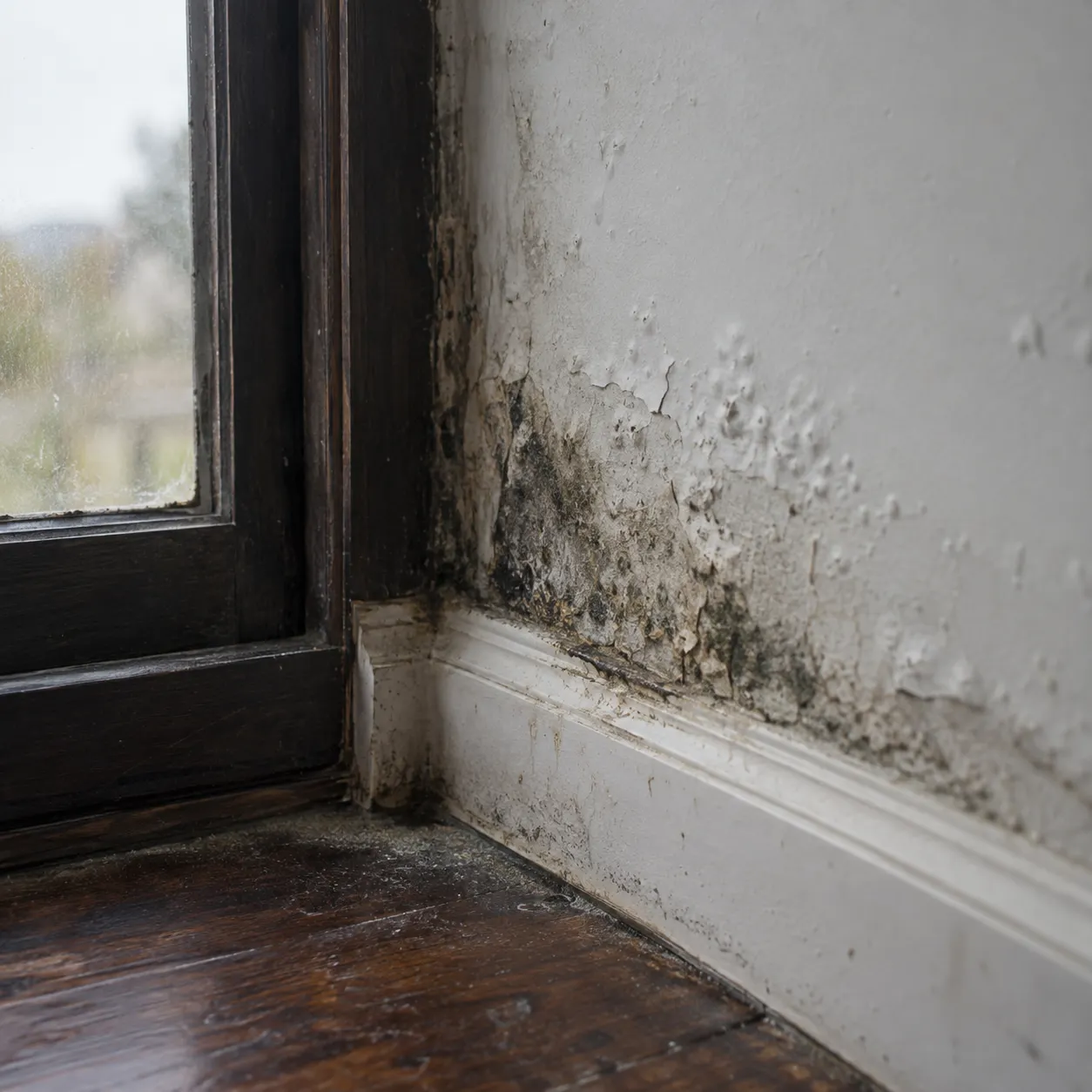
Which room is above the stain?
Glen Eira’s character study records post-war strata development in parts of Glen Huntly. If your property is in a shared building, ceiling investigation may need coordination with the building manager. Do not assume an upstairs leak from a stain alone: surface observations guide the next enquiry but cannot confirm concealed services.
For an apartment-ceiling inspection enquiry, distinguish what you know from what is suspected about the space above. Describe the reachable finish and identify the building contact, so source investigation and permissions are not inferred from the room’s position.
UNDERSTANDING MOISTURE
Make sense of
water use above a ceiling.
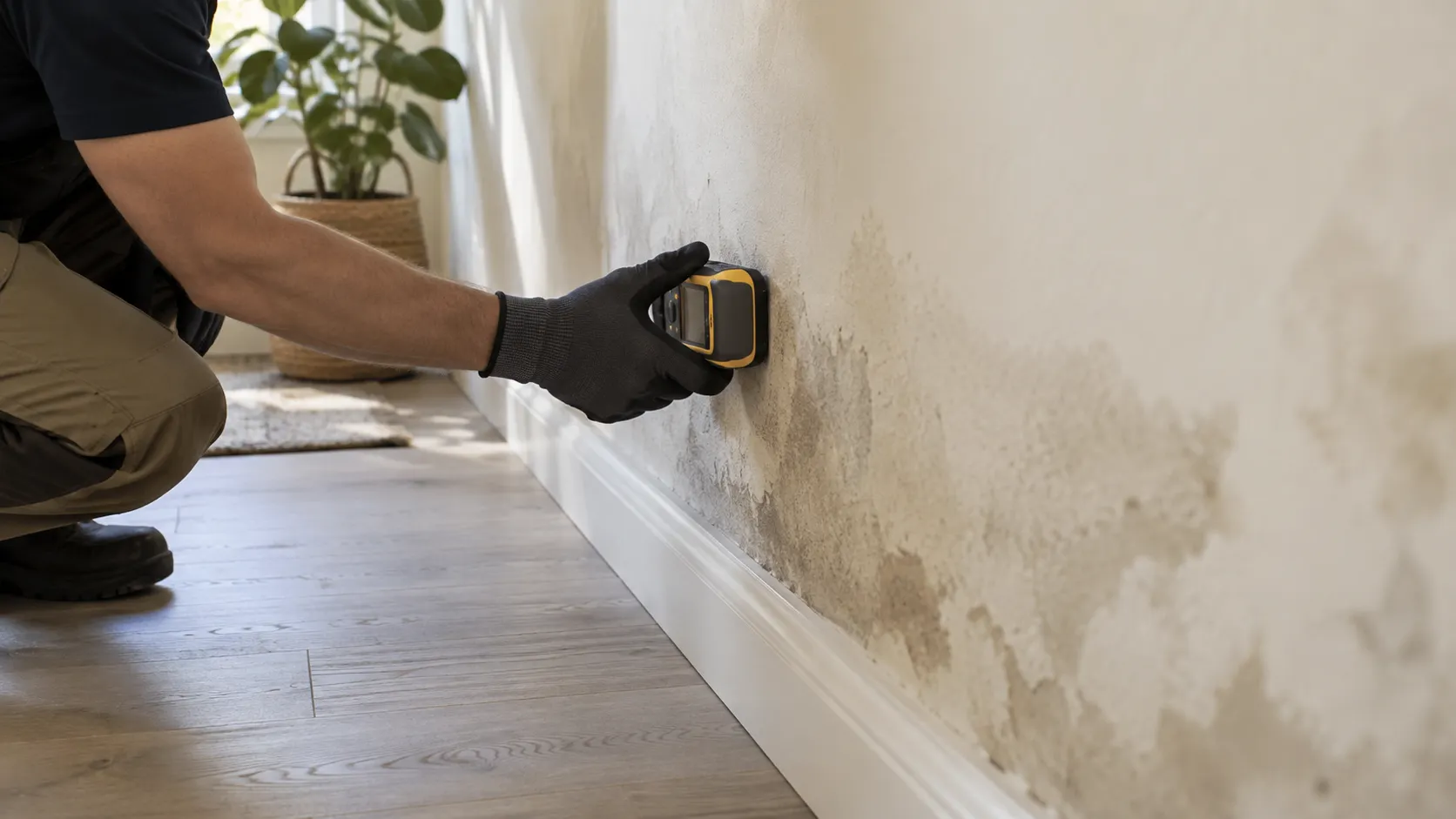
What stays damp
A shared-building ceiling needs room moisture observations as well as the relationship to spaces above. Record when the mark changes instead of deciding its source solely from the floor layout.
Leaks and repairs
Water-use timing elsewhere can be relevant, but does not confirm a concealed plumbing fault. Appropriate investigation may need coordination with the building contact and access beyond the marked ceiling.
Accessible evidence
Describe the ceiling finish and any soft, loose or altered material safely. A surface photograph cannot settle the condition of structure or services above, which may need separate assessment.
OUR REMOVAL PROCESS
Plan the work
around the room.
Keep the room history
Record the stain’s timing and any communication about the space above. Separate observations from assumptions about a neighbour’s plumbing, and keep earlier repair information available.
Make access practical
Explain ceiling access, furnishings beneath the mark and who can coordinate shared-building enquiries. Removing fittings or opening structure needs a specific agreement.
Agree the next decisions
Ask which source questions remain unanswered after the surface visit. The ceiling looking clearer cannot establish the condition of plumbing, flooring or a room elsewhere in the building.
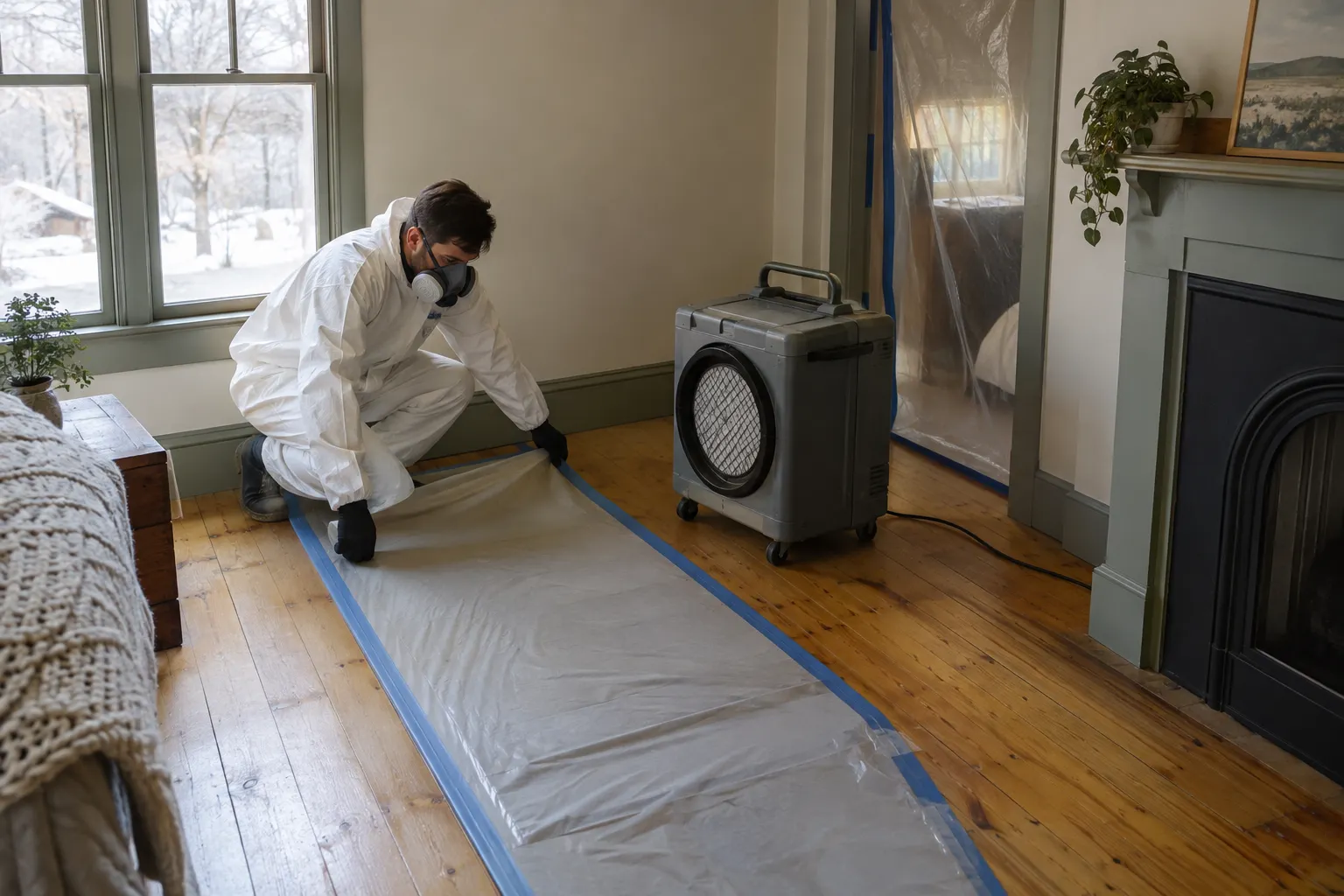
01
Assess the apartment ceiling
Describe the ceiling mark and what is known about the room above. A surface removal scope should avoid treating a suspected upstairs source as a confirmed defect.
02
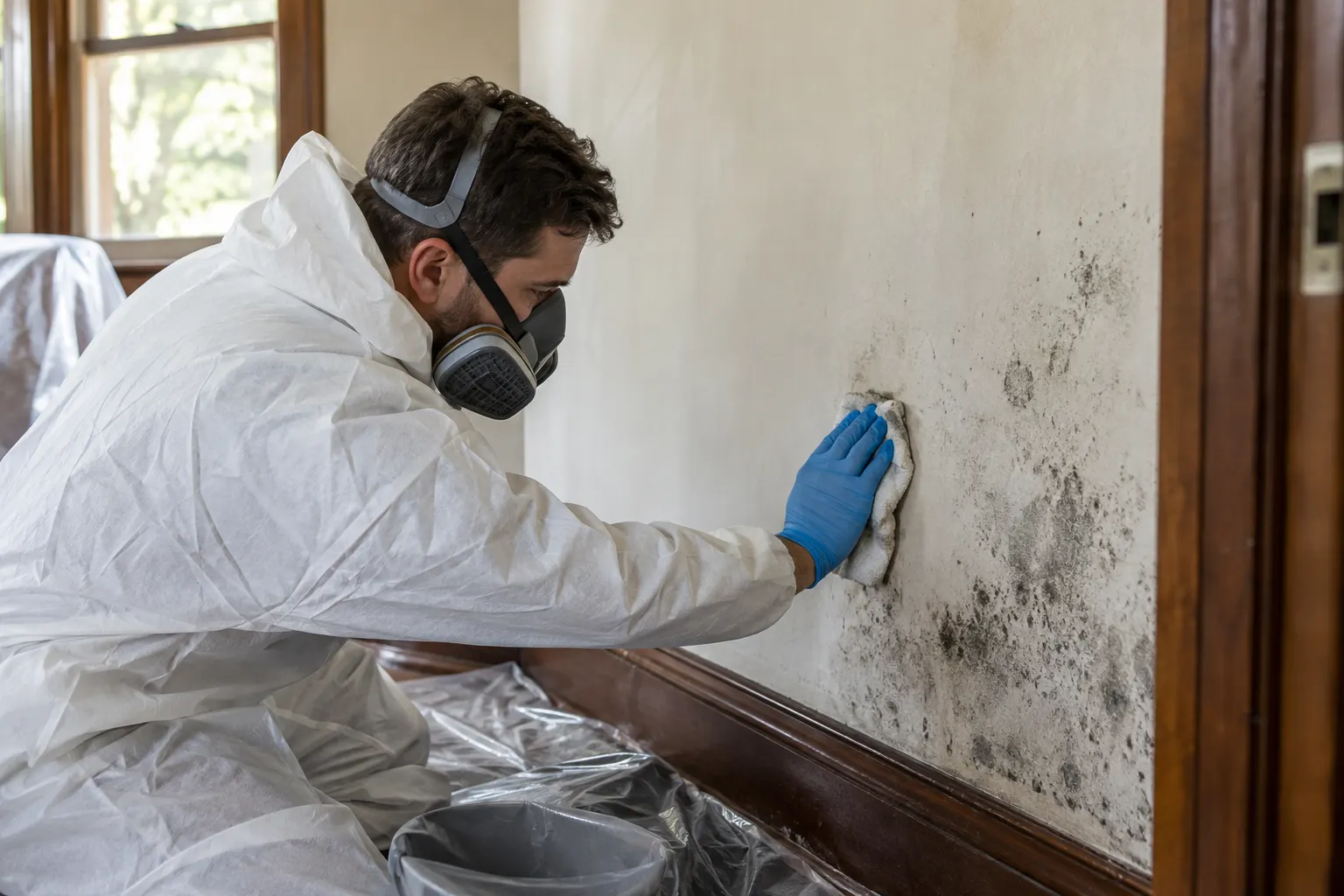
Prepare the working area
Coordinate room entry and any necessary building contact before work. Preparation of the accessible ceiling does not authorise inspection of another property or concealed services.
03
Remove and review
Review the agreed ceiling area and report changes linked to later water use. A new stain may need investigation involving other parts of the building beyond the treated finish.
COMMON AREAS AFFECTED
Different surfaces.
Different decisions.
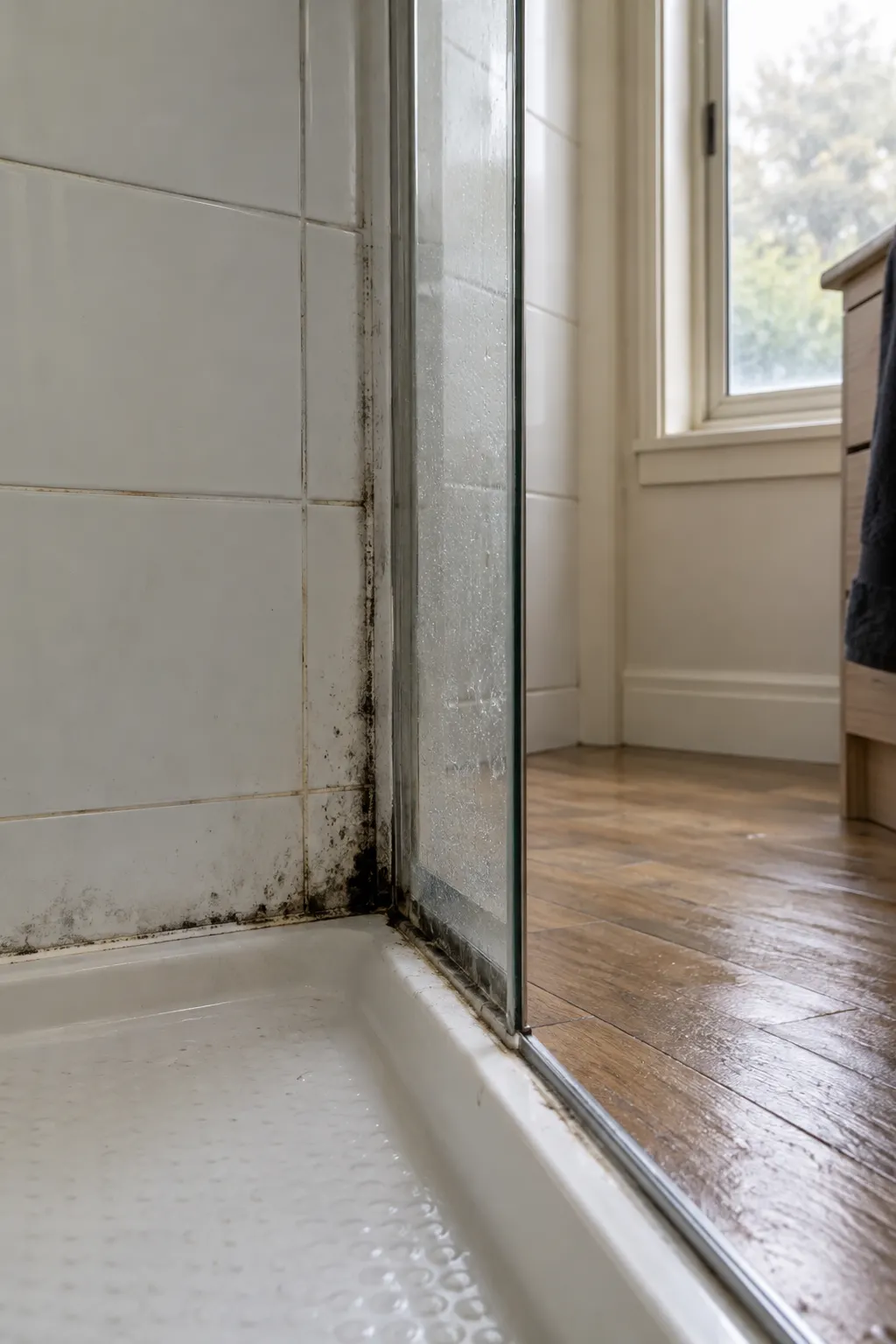
Bathroom junctions
If the room itself is a bathroom, include its extraction and shower surfaces in the account. Local room moisture and a suspected upstairs issue should not be merged into one unconfirmed explanation.
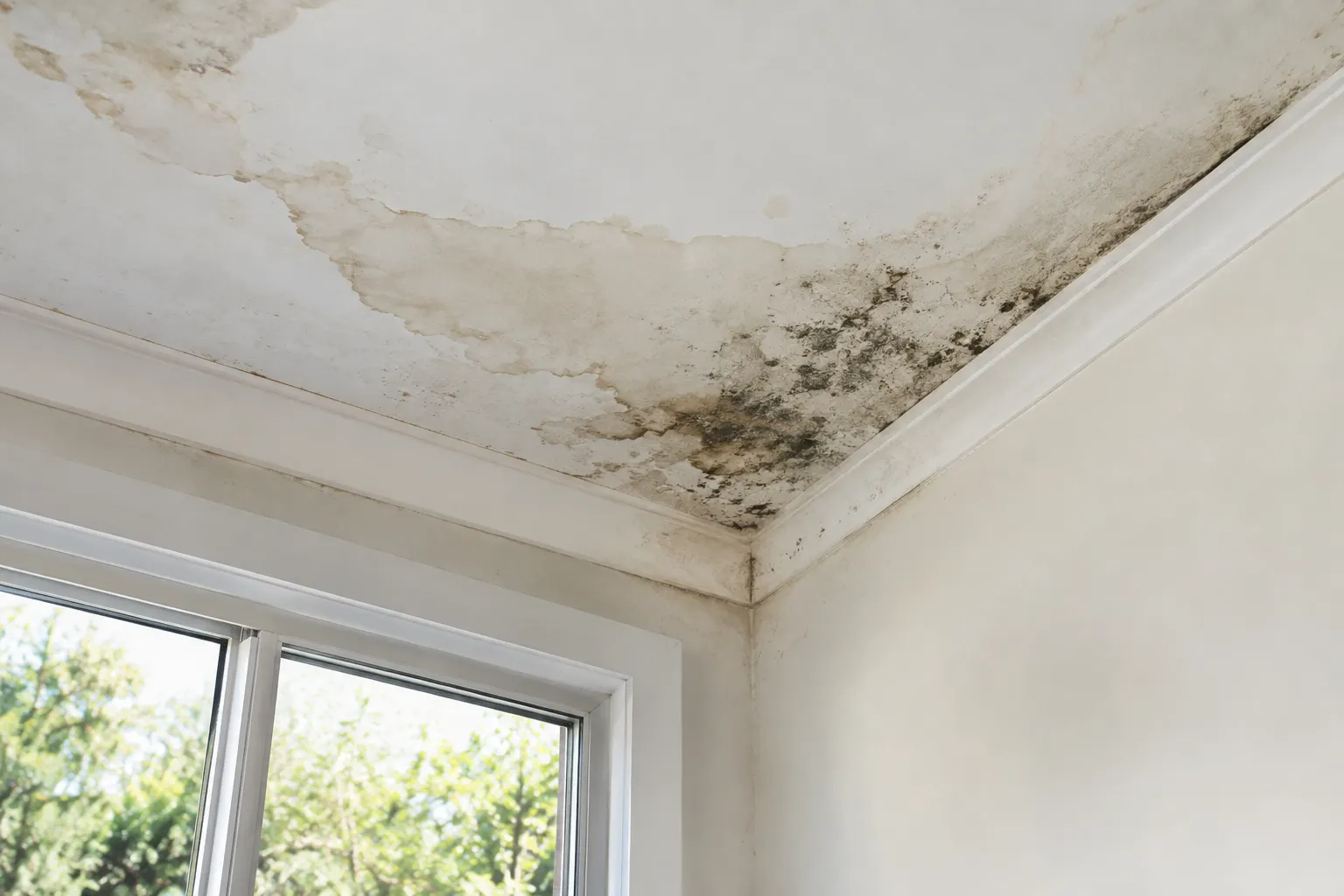
Ceiling surfaces
Show the stain’s extent and position relative to the room below it. Note later changes after known water use, while avoiding claims about an upstairs fixture that has not been inspected.
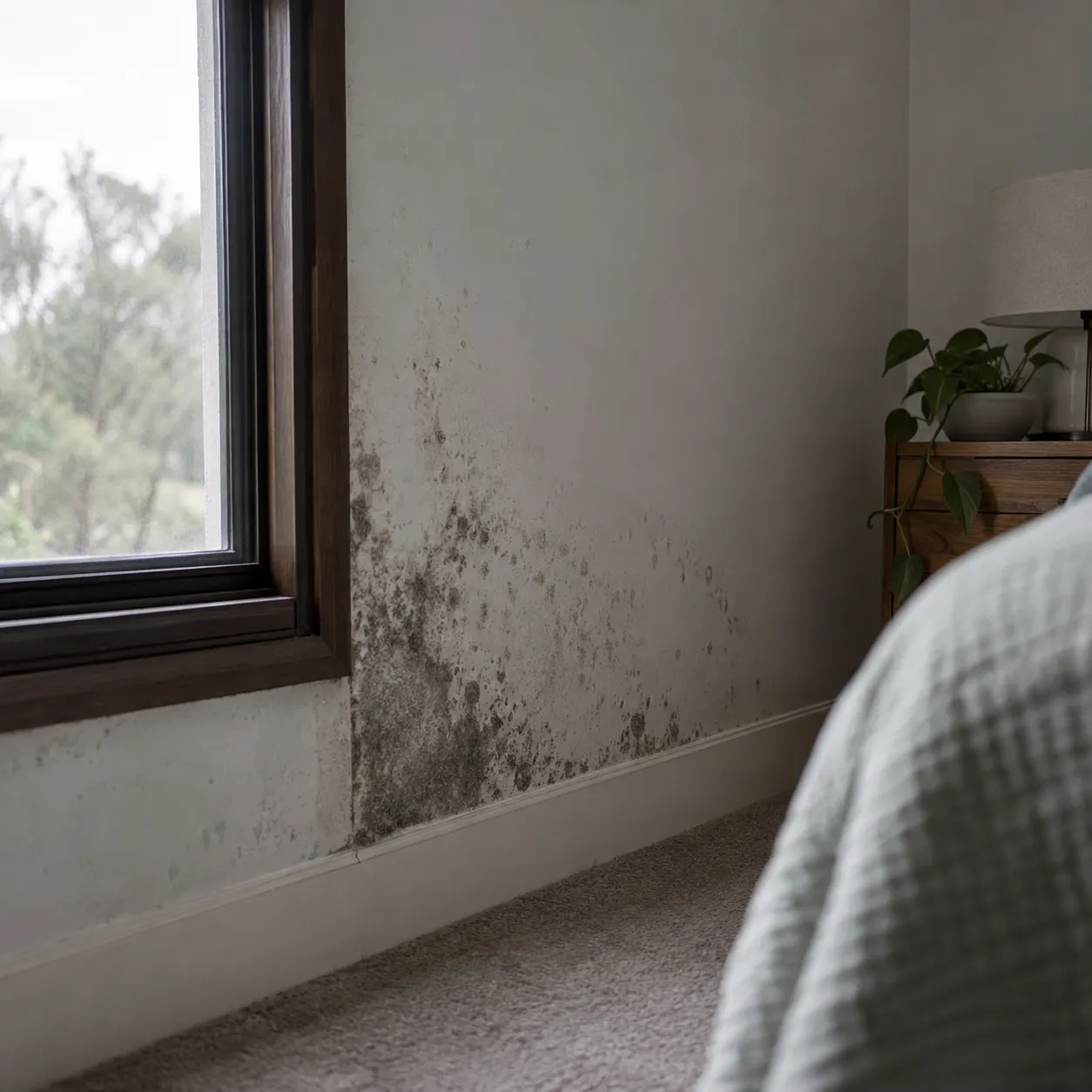
Painted walls
A mark continuing onto a wall may involve another finish or junction. Include it as a reachable surface without assuming treatment of the ceiling also addresses concealed areas nearby.
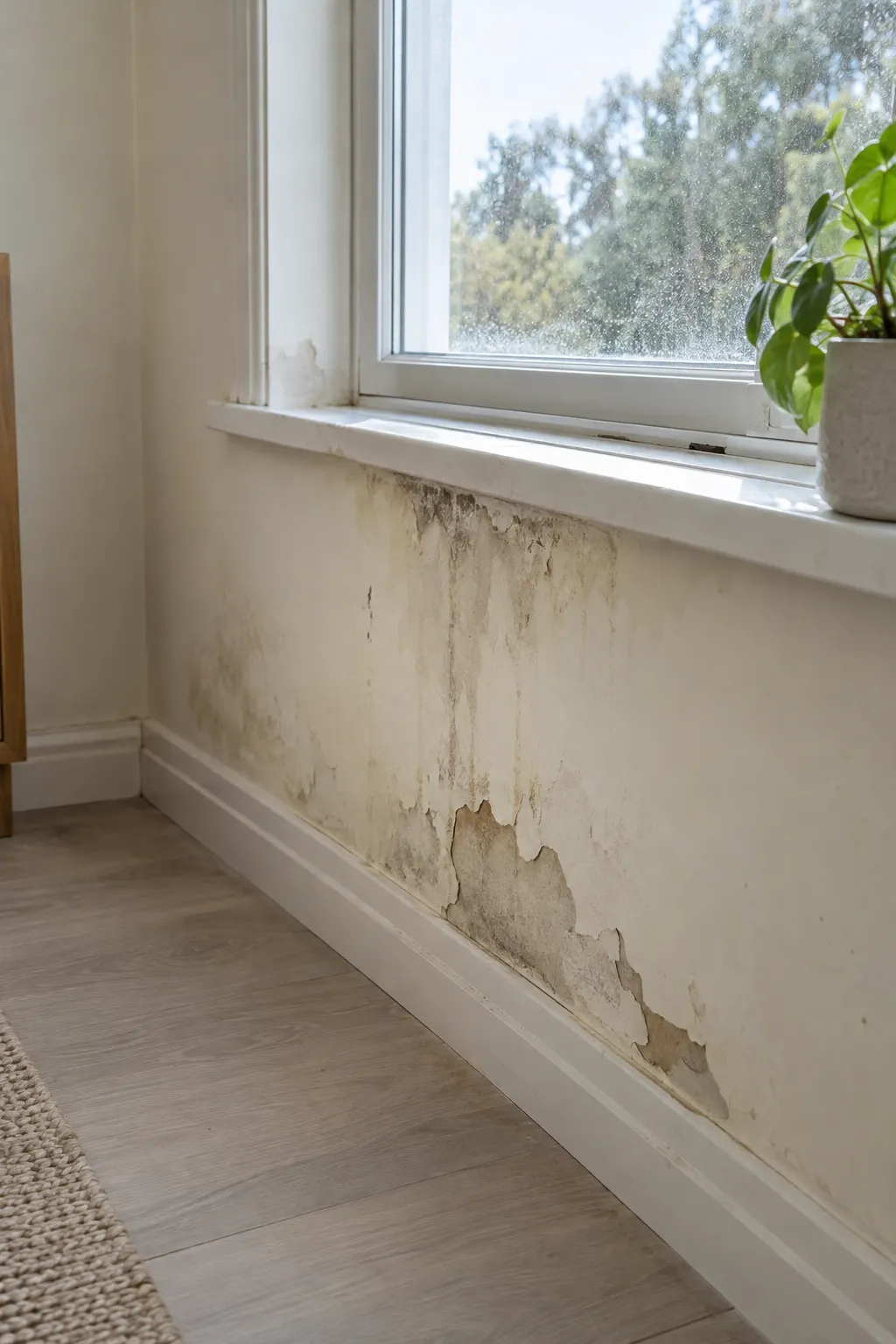
Water-affected rooms
If repairs occurred elsewhere in the building, retain the dates and any known drying details. Those records can help explain current damage without treating an old stain as proof of active leakage.
PREVENTION STARTS WITH
Follow the source.
Protect the finish.
Observe the drying pattern
Report fresh changes through the relevant building contact, keeping comparable photos and timing notes. Routine room drying can be considered too, but cannot repair a source in another part of the building.
Follow up before decorating
Clarify source investigation and ceiling-material decisions before redecorating. In remediation planning, accessible treatment should remain distinct from permission to inspect another property or open shared-building structure.
GLEN HUNTLY & NEARBY
Glen Huntly and nearby rooms.
Nearby property guides include Carnegie and Caulfield. When enquiring about Glen Huntly, give the full address and shared-building contact information, along with the ceiling timeline, so practical arrangements can be checked for the particular apartment.
BEFORE YOU CALL
The useful
questions.
Does the room above identify the leak source?
It provides context, not confirmation. Describe timing and any known repairs so appropriate investigation can consider concealed services and other moisture routes.
Who should coordinate an upstairs enquiry?
Identify the relevant building or property contact. A visit to the affected room does not automatically provide access or permission to investigate another space.
Can ceiling cleaning establish the plumbing condition?
No. Treating the accessible finish is different from investigating concealed fittings or services, which requires its own suitable plan and scope.
What should a ceiling photograph include?
Show the stain and wider room position from a safe viewpoint. Add dates and changes after known water use rather than relying on appearance alone.
What if the stain remains after repairs?
Explain whether it is stable or changing and describe finish damage. Residual discolouration and current dampness need separate consideration in the assessment.
What helps a Glen Huntly apartment enquiry?
Give the address, building-access contact and affected ceiling. Include the timeline, known space above and any earlier repair or drying information.
TELL US WHAT YOU CAN SEE
Describe the mark.
Plan the next step.
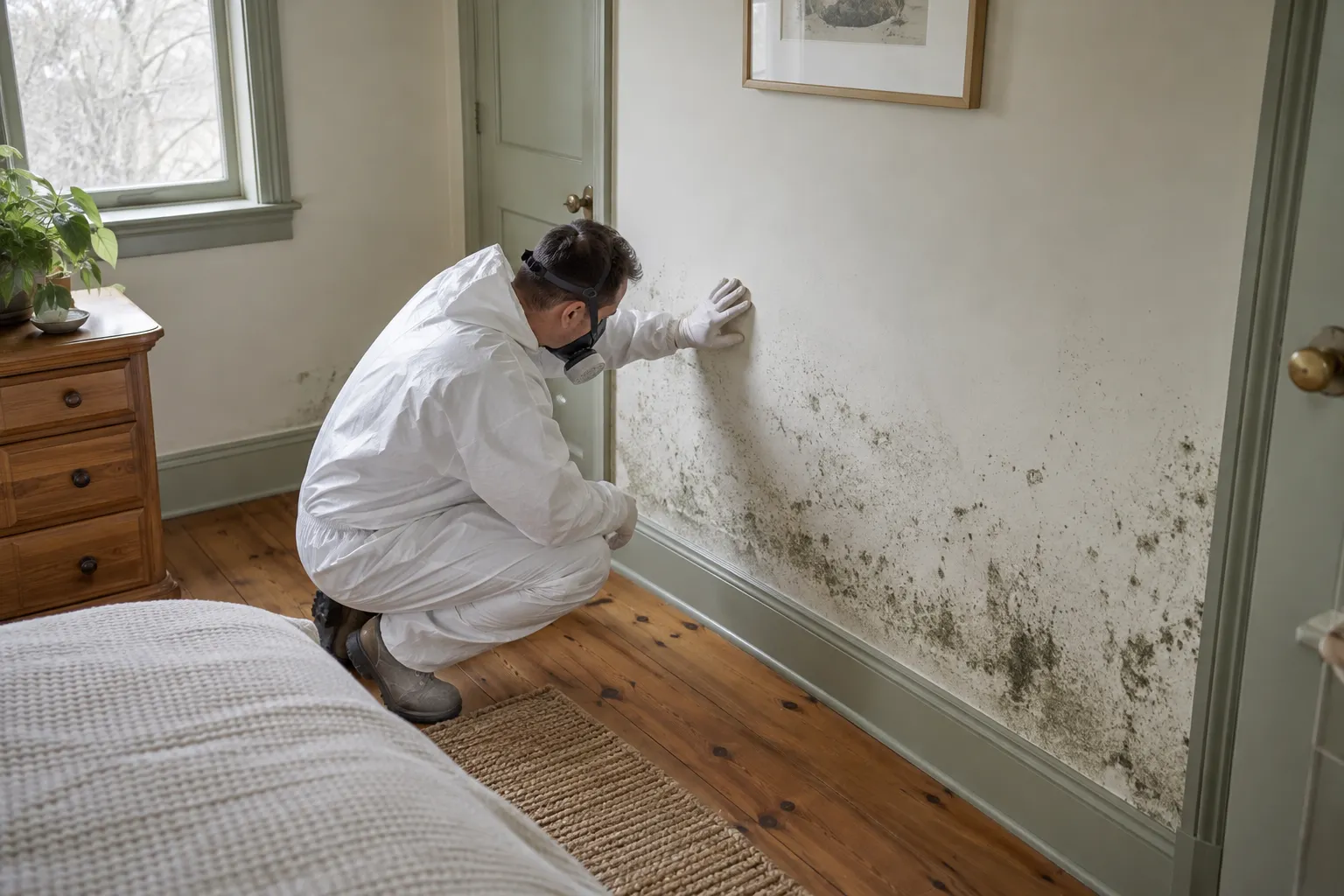
A safe room photo and dates of ceiling changes help start the discussion. Call 03 8652 1296 about the Glen Huntly apartment and explain access, known repairs and any coordination needed elsewhere in the building.
Local context: Glen Eira housing history · Glen Eira neighbourhood character