
RECORDS · ACCESS · SCOPE
RICHMOND · MELBOURNE
Mould Removal Richmond
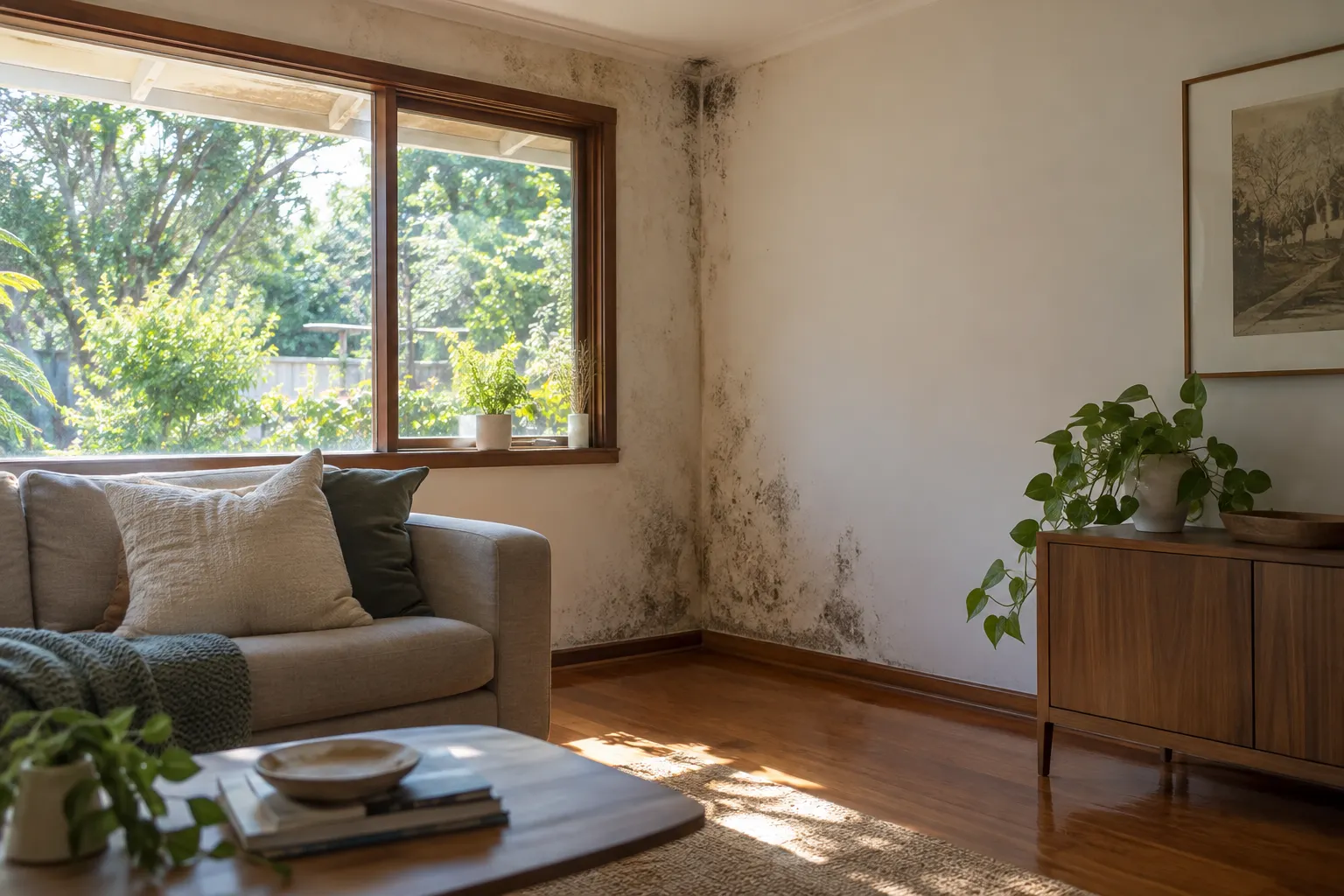
A mould enquiry during a rental handover needs a clear room record and an agreed appointment, not a rushed cosmetic fix. For a Richmond property, keep photographs, repair communications and access details together before arranging work on the affected surface.
Property access coordinated
Condition records considered
Removal and repairs distinguished
THE ROOM TELLS A STORY
A handover date.
A separate moisture history.
Richmond is included in City of Yarra locality information. When an affected room is being handed over, the move date does not establish when growth began or why it appeared. Keep the condition of the actual surface separate from cleaning schedules, earlier repairs and assumptions about responsibility. Describe what is known and what remains uncertain.
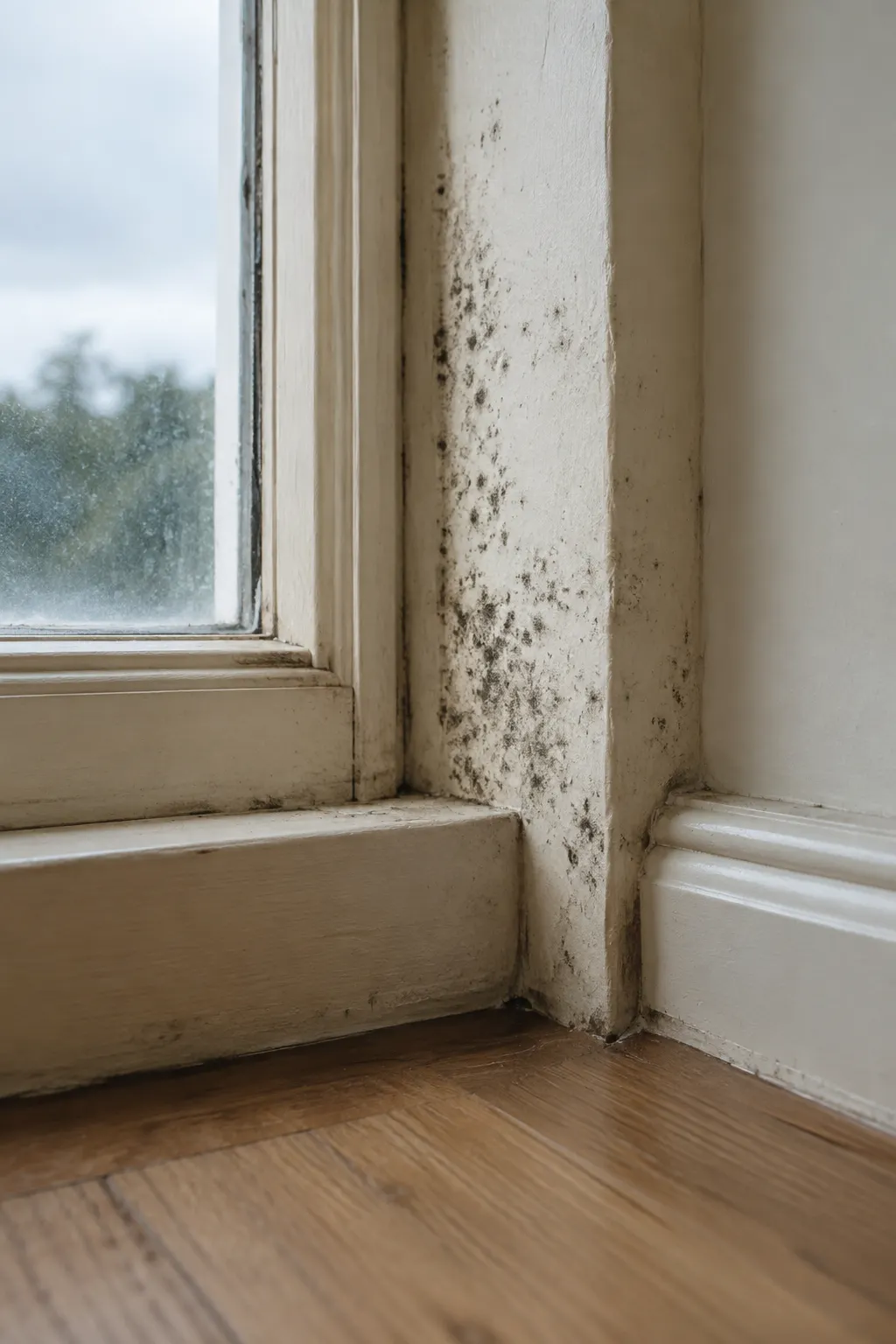
Give the room, visible extent and finish when discussing inspection. Include prior photographs if available and explain any leak or extraction concerns already reported. Consumer Affairs Victoria provides current guidance about mould and rental repairs; a surface-service appointment is not a determination of tenancy rights or liability.
UNDERSTANDING MOISTURE
Keep the dates.
Understand the condition.
Earlier room observations
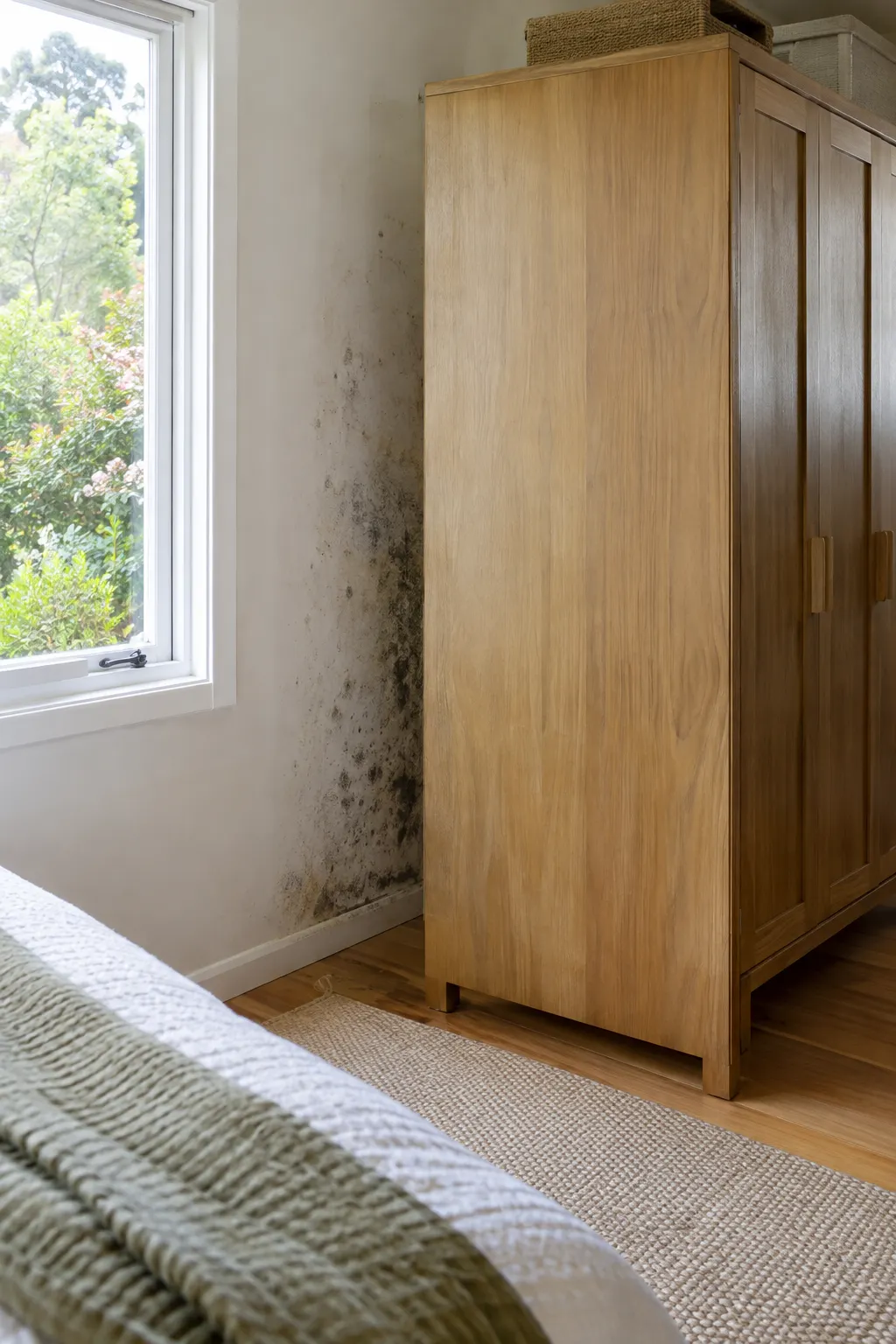
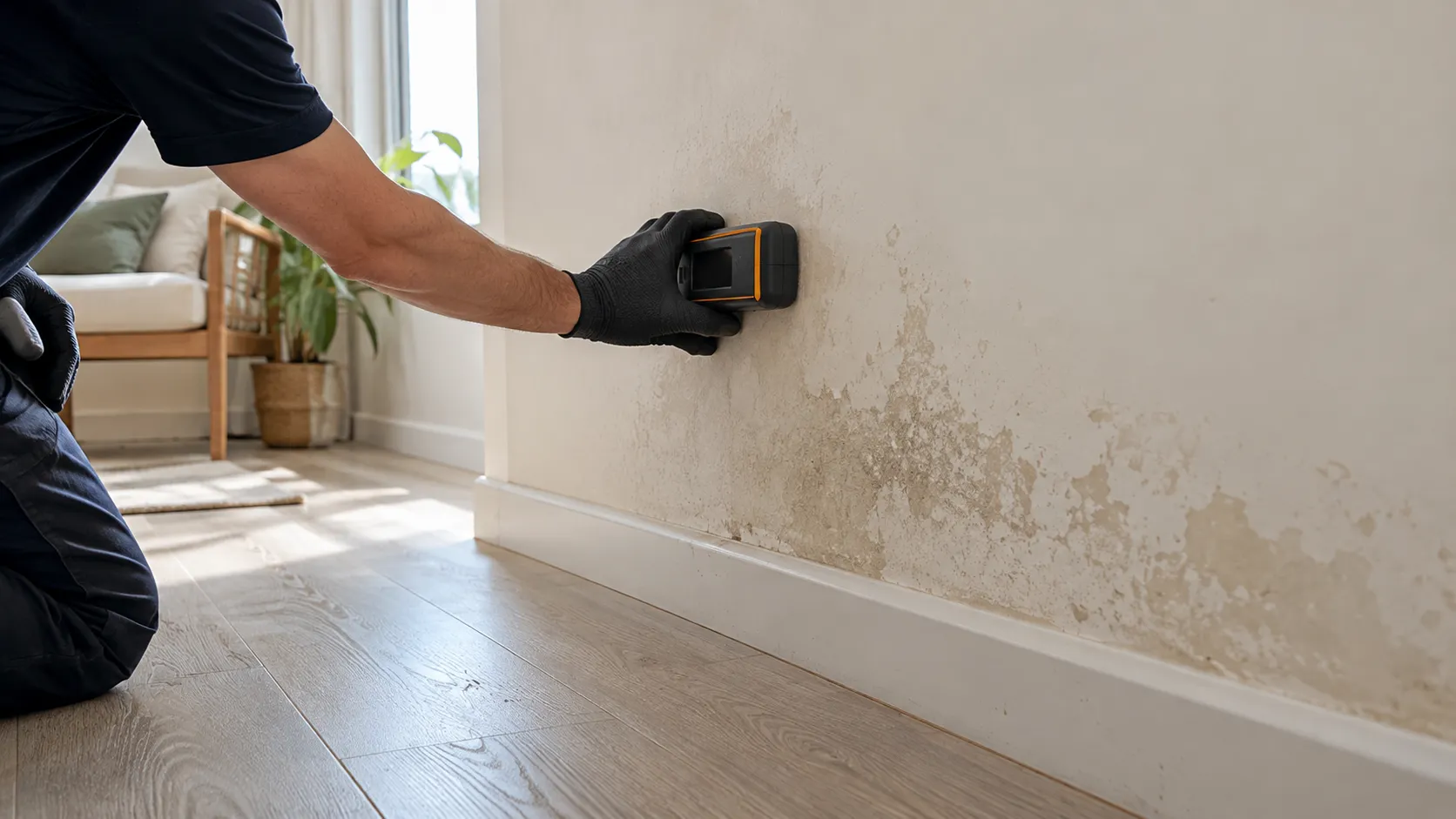
A dated photo before belongings moved may show the first visible edge, while an empty-room view can reveal more. Retain both rather than assuming the larger exposed patch developed during the move. Explain which surfaces were previously hidden by furniture.
Reported source problems
Keep written records of roof, plumbing or window concerns and relevant repairs. Note whether growth or wetness changed afterwards. These details support assessment without implying that a handover clean repairs the source or certifies completed building work.
The finish before decoration
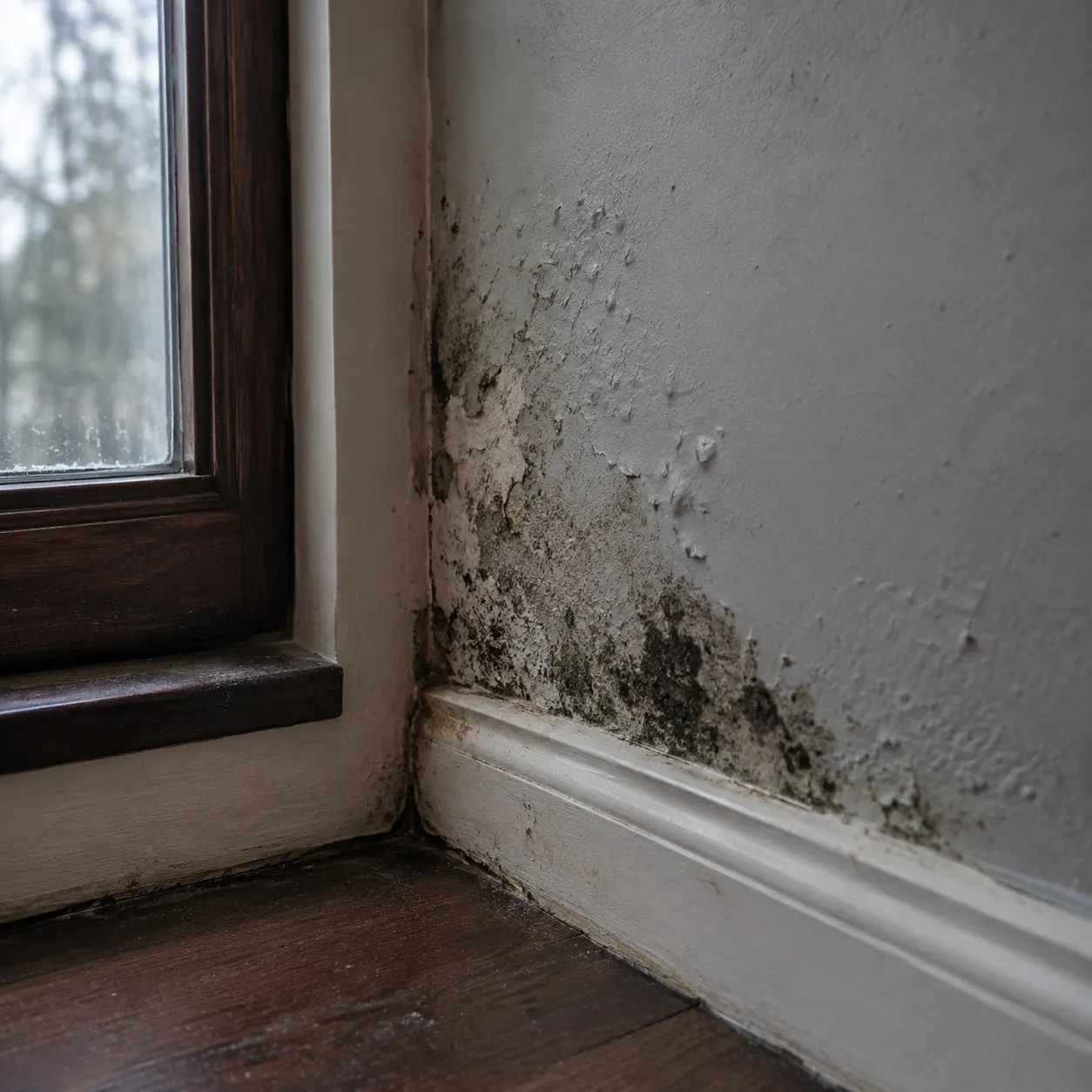
Softened plaster, lifting paint or swelling at a junction needs a material discussion. An accessible moisture assessment can assist, but cannot establish every concealed layer’s condition. Painting over the patch to meet a schedule can remove evidence without resolving dampness.
OUR REMOVAL PROCESS
Coordinate the visit.
Preserve the evidence.
Keep original photographs
Save dated room views and relevant close images before decoration or rearrangement. They can show the observed condition without attempting to prove a cause or assigning responsibility from a picture.
Use one clear appointment contact
Identify who can confirm access and scope. Keep the practical arrangements available to the people authorised to coordinate the property, rather than assuming keys or permissions will be resolved on arrival.
Retain the repair correspondence
Keep the sequence of reported water issues and completed work. Outstanding trade recommendations should remain visible alongside the surface scope, so a handover deadline does not erase the follow-up plan.
01
Agree authority and scope
Confirm the appropriate property contact and proposed accessible work through mould removal. Describe affected surfaces, any restrictions and preparation responsibilities. Do not assume a removal enquiry authorises unrelated repairs or establishes who must pay for them.
02
Organise keys and room access
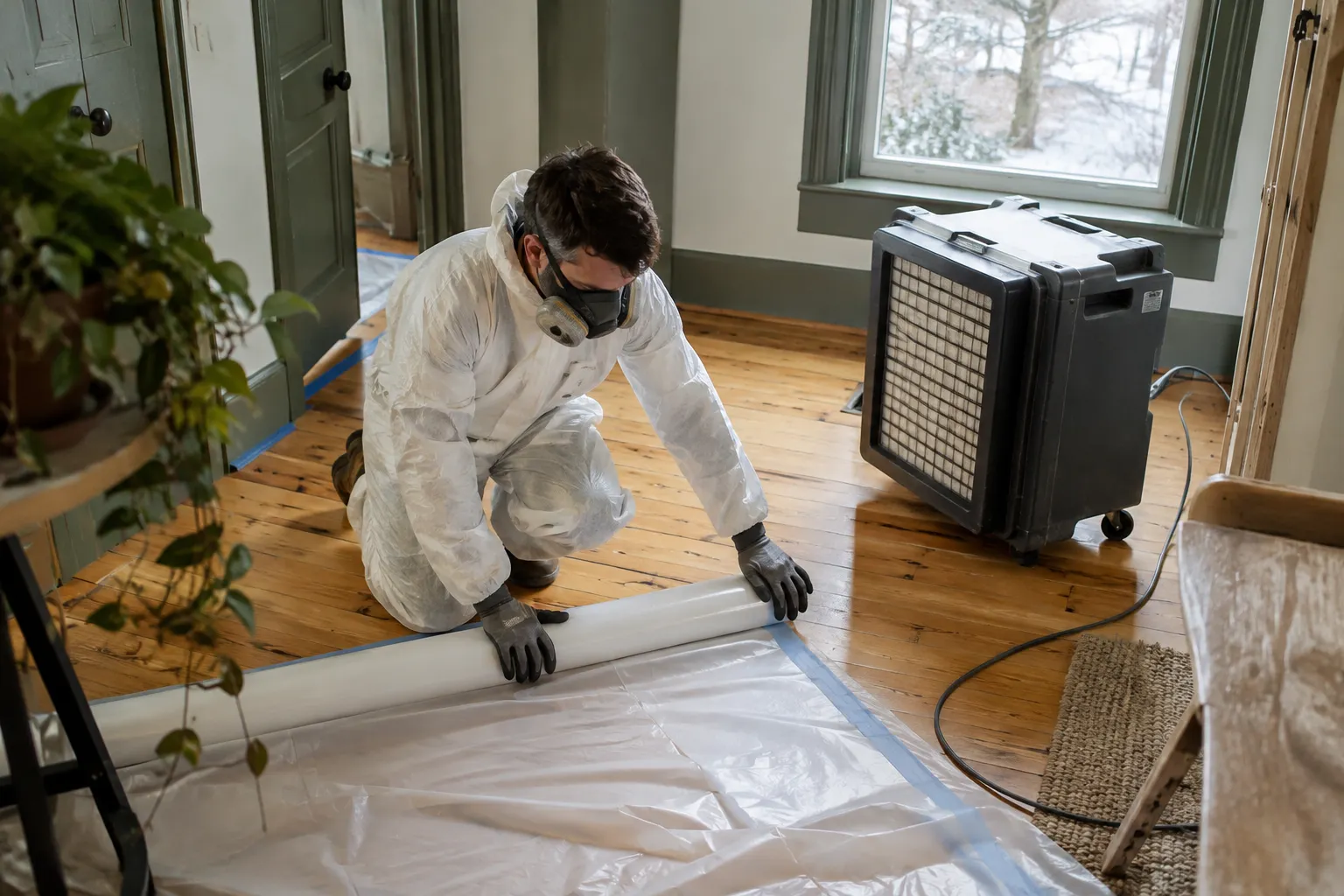
Provide the relevant access arrangement and explain whether belongings remain. Coordinate the appointment with authorised property contacts. Equipment routes, protection and fixed obstructions need discussion even when the room looks largely empty after a move.
03
Separate the outstanding actions
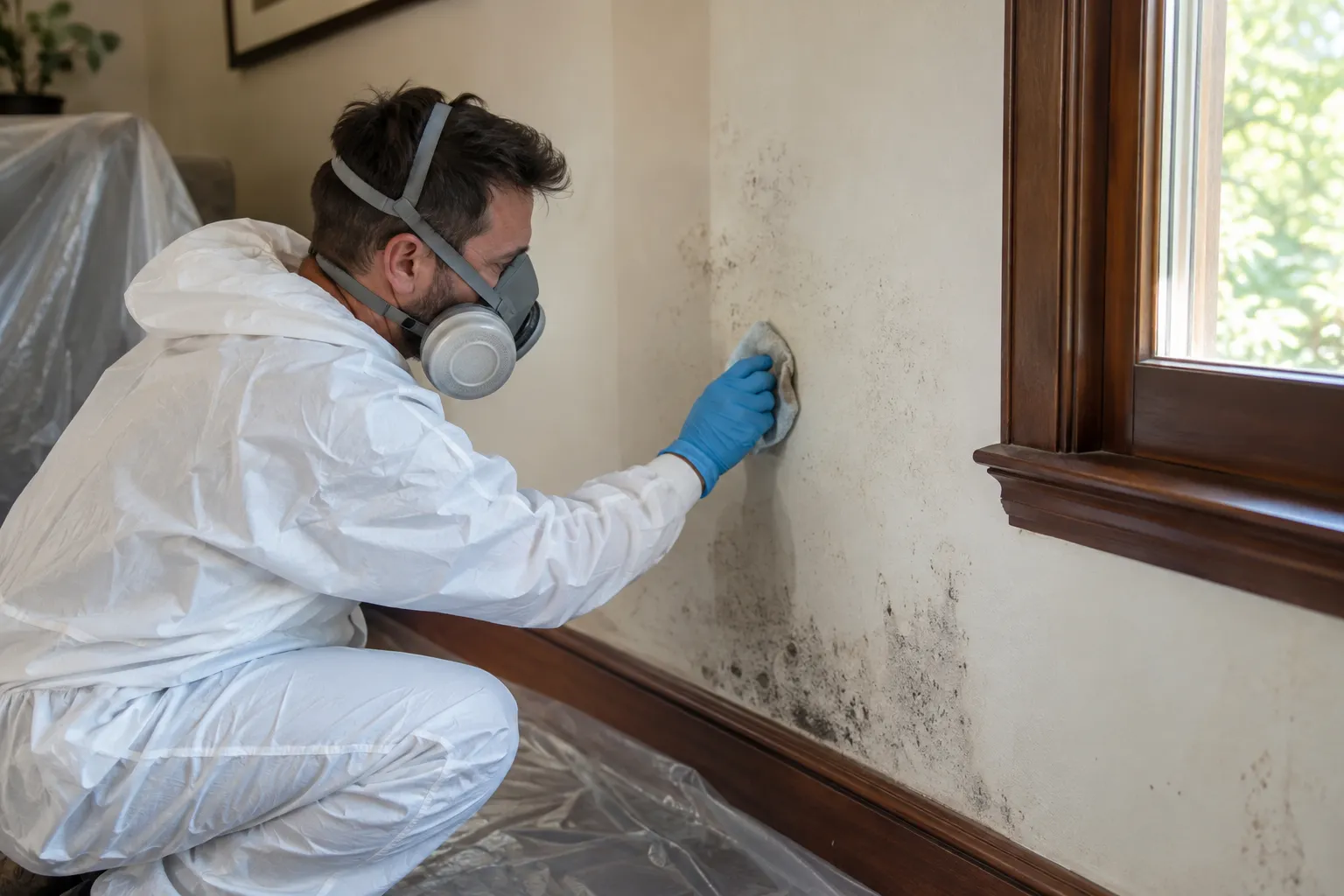
Review treated surfaces and unresolved moisture or damaged material. Remediation connects those decisions with removal, while tenancy questions and source repairs remain separate. Retain a clear record of what was included rather than relying only on appearance.
COMMON AREAS AFFECTED
An empty room.
More visible detail.
Wet-area records
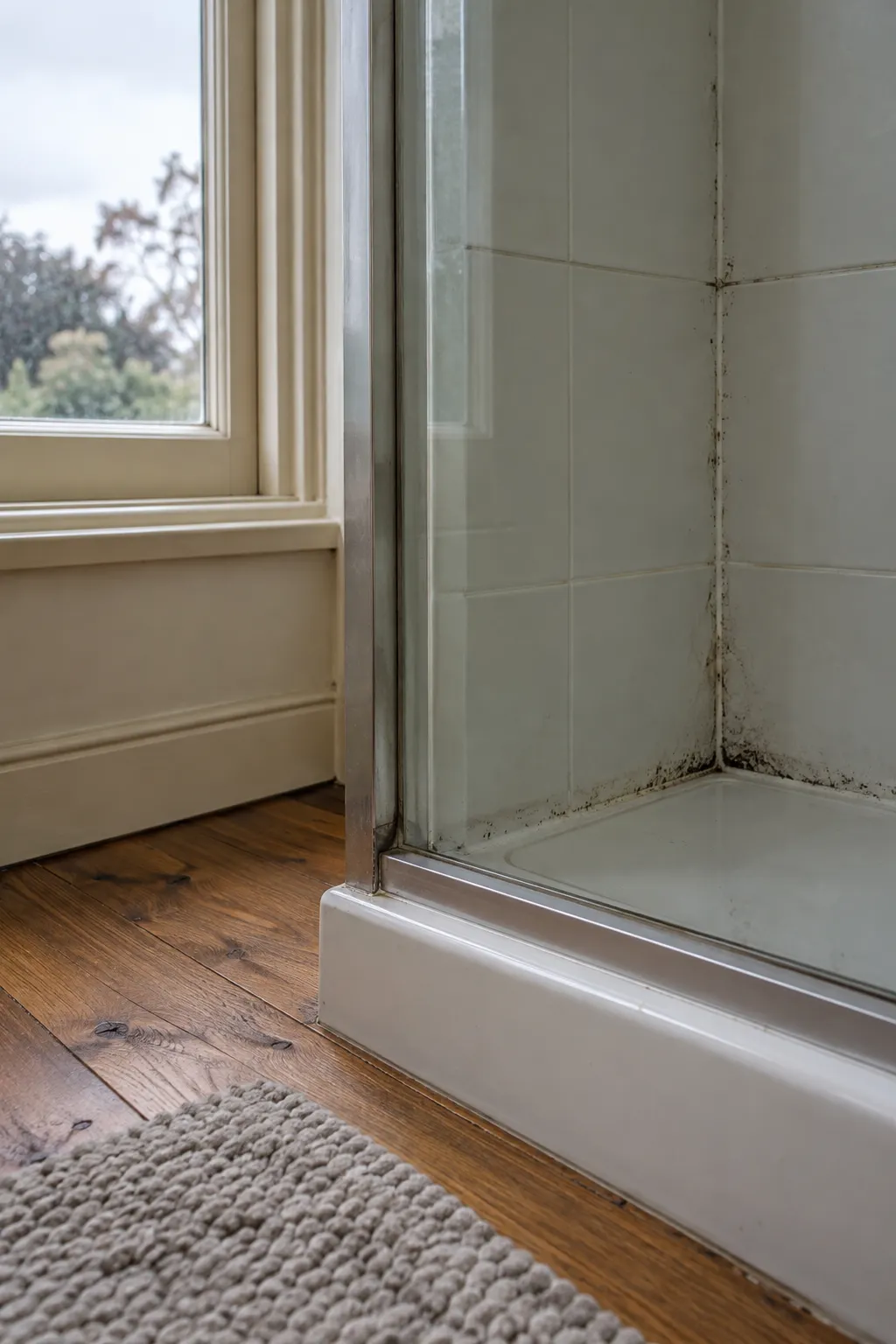
Keep bathroom drying and repair observations distinct from ordinary end-of-tenancy cleaning tasks.
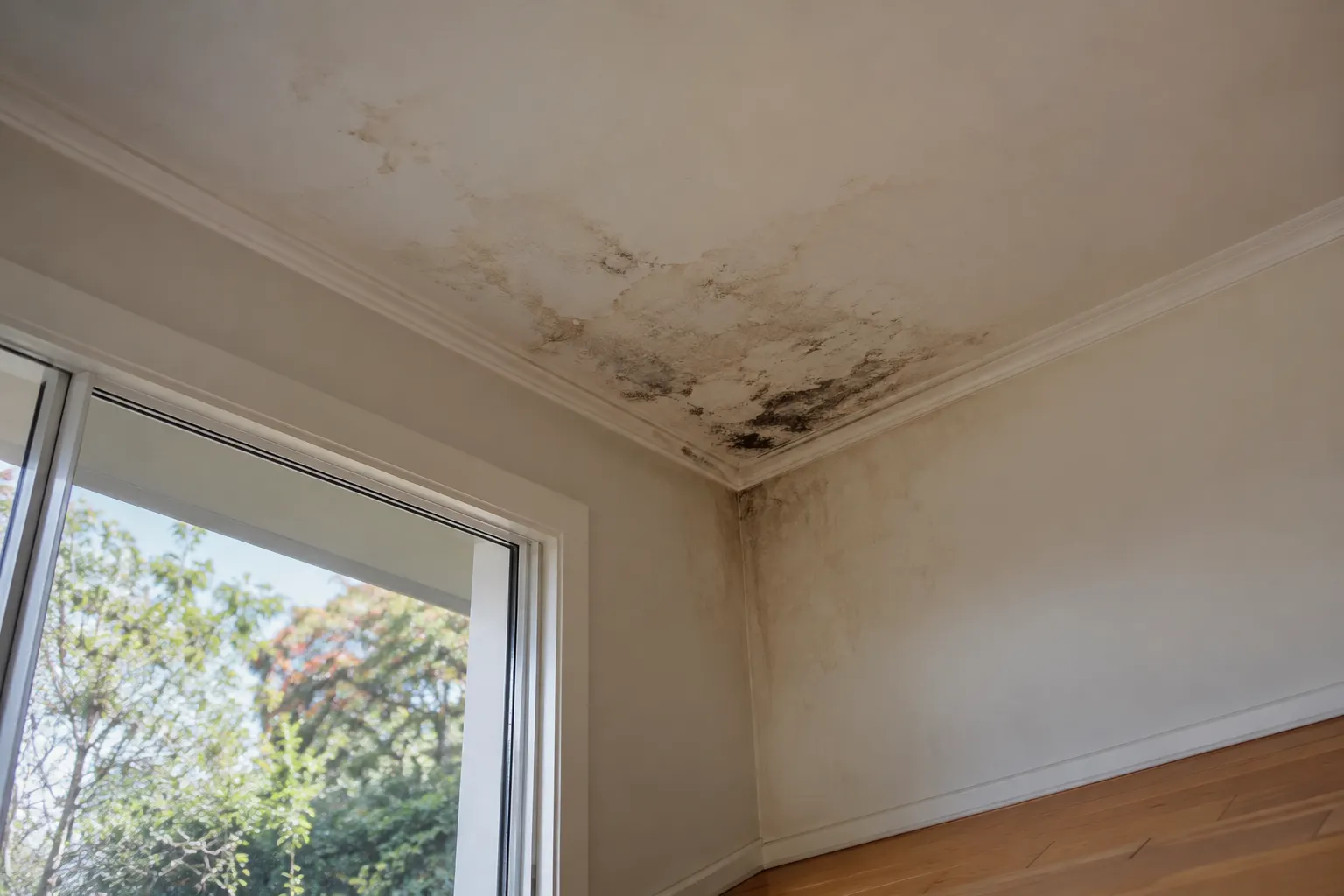
Stains above belongings
Newly exposed ceiling or corner marks need their own dates and material condition noted.
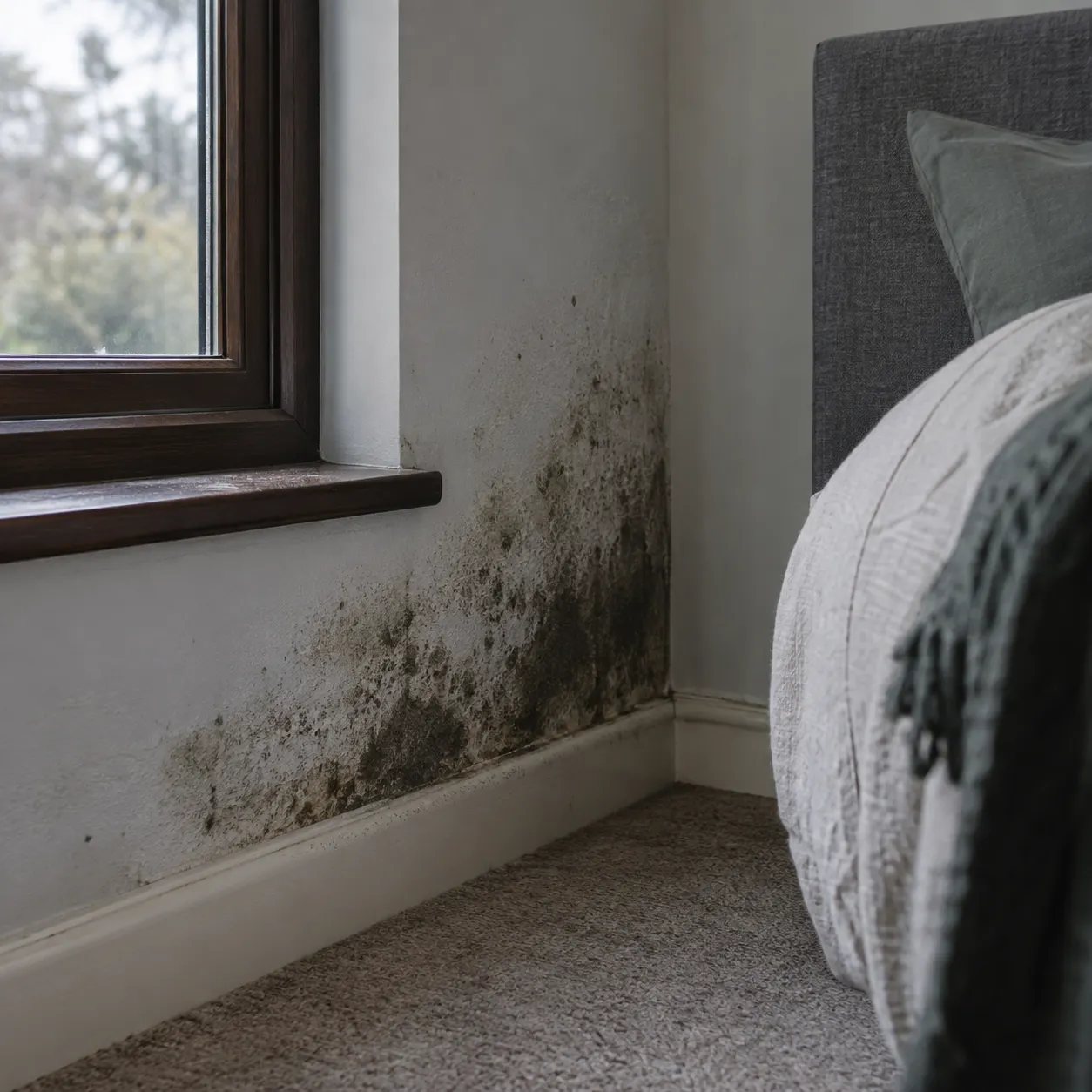
Formerly covered walls
Explain where furniture stood before the move so the discovery sequence remains clear.
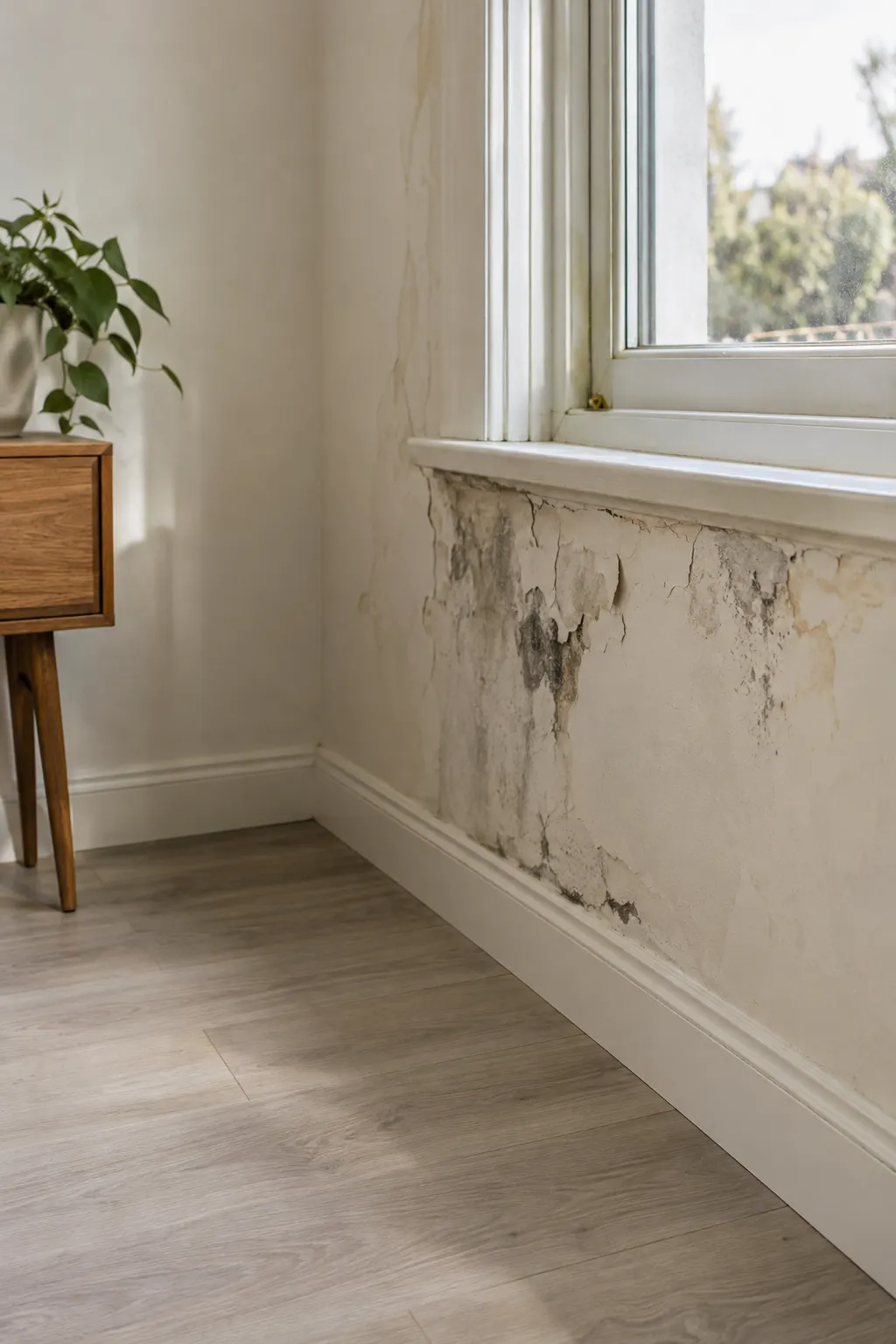
Deteriorated finishes
Damage may require drying or building repairs before decorative work hides the surface.
PREVENTION STARTS WITH
Keep the record.
Follow the source.
Avoid a cosmetic deadline solution
Do not use a fresh coat solely to conceal uncertain growth or dampness before handover. Discuss the material, relevant repairs and scope first. A schedule can coordinate appointments, but it cannot establish that the water source is resolved or that damaged board is ready for decoration.
Leave clear follow-up information
Retain photographs, dates and outstanding recommendations with the appropriate property records. If marks recur after repairs, compare the new observations with that history. For rights or repair responsibilities, use current Consumer Affairs Victoria guidance or suitable advice rather than a surface result as the deciding evidence.
RICHMOND & NEARBY
Richmond and
connected household guides.
The Cremorne guide and Burnley guide cover nearby household assessment questions. Give your Richmond street, property contact and access arrangement when confirming availability for a particular appointment.
BEFORE YOU CALL
Questions during
a rental handover.
Does finding growth after furniture moves prove it is new?
No. Previously covered surfaces may only become visible during the move. Keep earlier room views and explain where belongings stood without guessing the growth’s start date.
Can a removal appointment settle rental responsibility?
It defines a service scope, not tenancy liability. Use current Consumer Affairs Victoria guidance or suitable advice for questions about repair responsibilities and rights.
Who should confirm access to the property?
Identify the appropriate authorised contact and agree keys, timing and scope before booking. Do not assume possession of a photograph establishes permission for all work.
Should the wall be painted before handover?
First discuss visible growth, dampness and material condition. Decoration should not conceal evidence or substitute for investigating a continuing source.
What records help where a leak was reported earlier?
Keep the report dates, communications, work undertaken and photographs showing later changes. Separate these records from assumptions about what surface cleaning can repair.
Is end-of-tenancy cleaning the same as remediation?
No automatic equivalence should be assumed. Accessible removal, moisture decisions and damaged-material follow-up need an agreed scope appropriate to the actual condition.
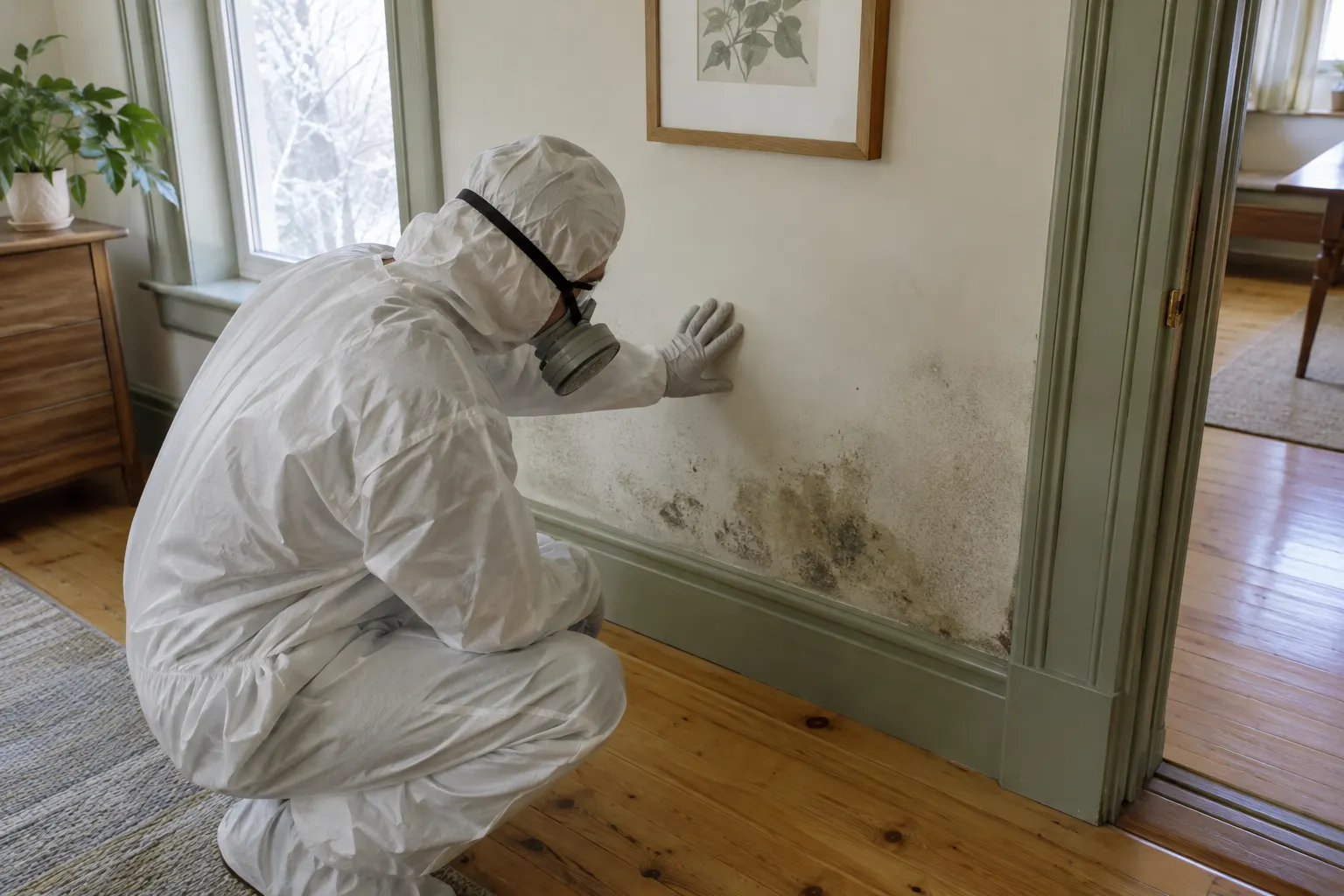
TELL US WHAT YOU CAN SEE
Agree the access.
Discuss the condition.
Call 03 8652 1296 with your Richmond address, room photographs and authorised appointment contact. We can discuss the accessible scope and next step.
Local context: Yarra locality information · Victorian rental mould guidance