
JOLIMONT · EAST MELBOURNE · 3002
Mould Removal Jolimont
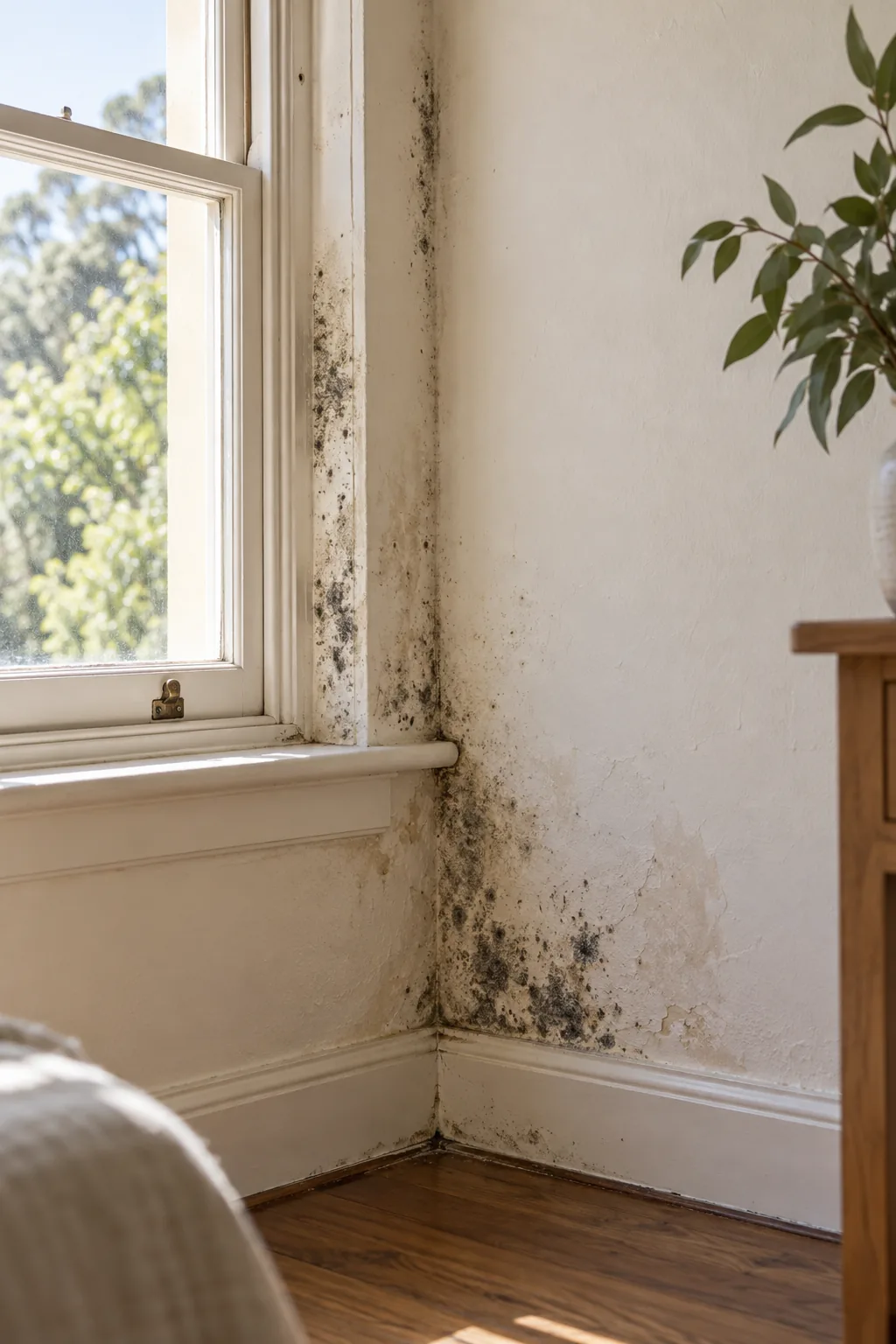
Mould beside a sash window, across a bathroom ceiling or behind furniture needs more than a quick cover-up. For a home in Jolimont, start with the affected surface, the moisture history and any access constraints. We assess visible growth and discuss suitable removal from accessible walls, ceilings and floors. Call with your address to confirm availability and agree on the work your property needs.
Surface-sensitive assessment
Moisture questions first
Room scope agreed before work
THE HOME SETS THE SCOPE
A small neighbourhood.
A property-specific plan.
Jolimont is a residential neighbourhood within East Melbourne. The surrounding area includes terrace homes, older dwellings and apartments. That mix makes it useful to distinguish the building fabric from the way a room is ventilated; an address alone cannot establish why mould has developed.
In an older home, flag delicate plaster, painted timber and previous water staining before work is agreed. In an apartment, check who can arrange access to shared services or investigate a leak from another lot. These are practical assessment questions, not evidence that Jolimont homes have unusually high mould levels.
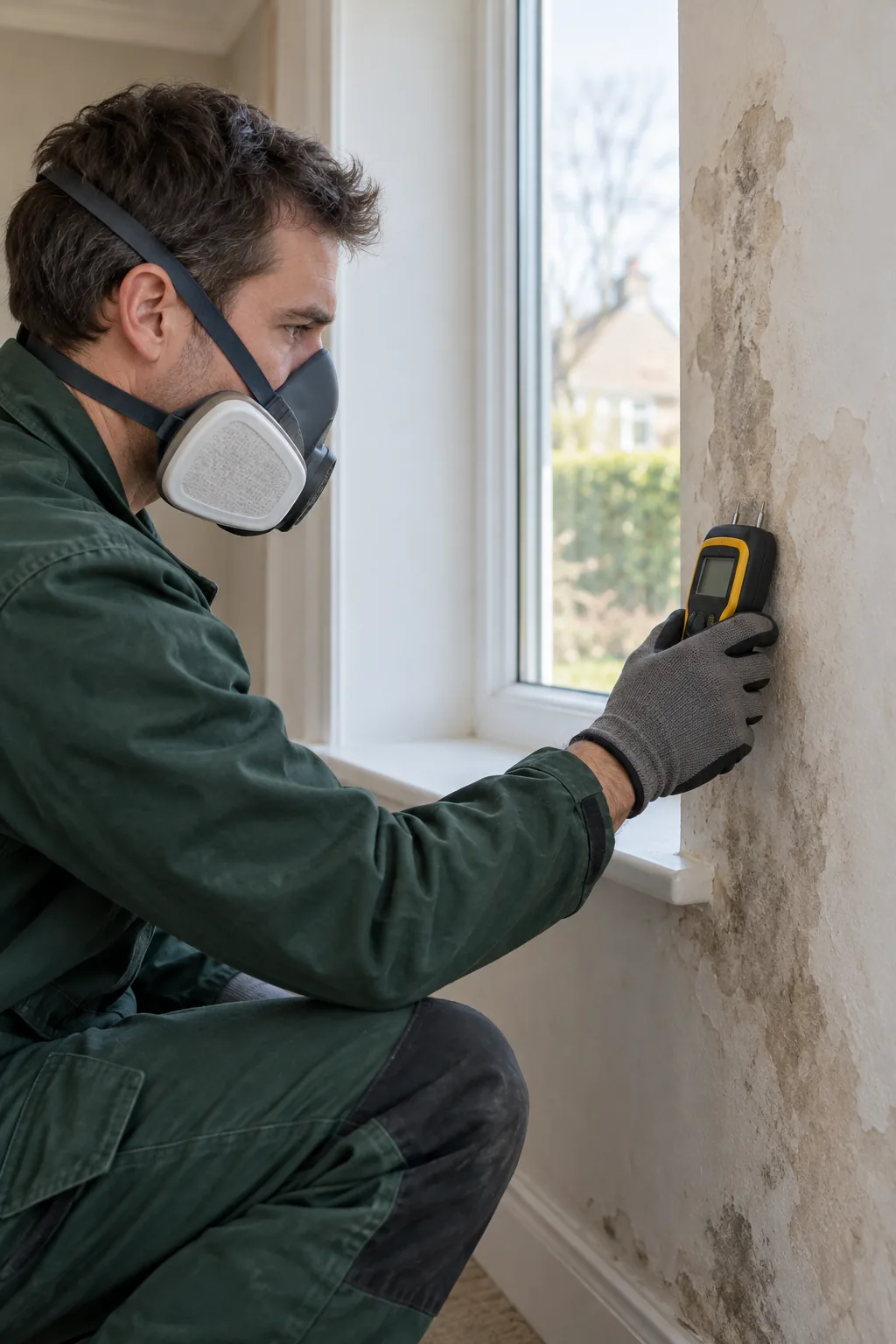
Describe the room, surface and timing: after rain, during cold weather or following a plumbing incident. Photos and a short history help focus a mould inspection. If you rent, notify your property manager about dampness and keep dated records.
BATHROOMS · WALLS · CEILINGS
Read the surface.
Then the pattern.
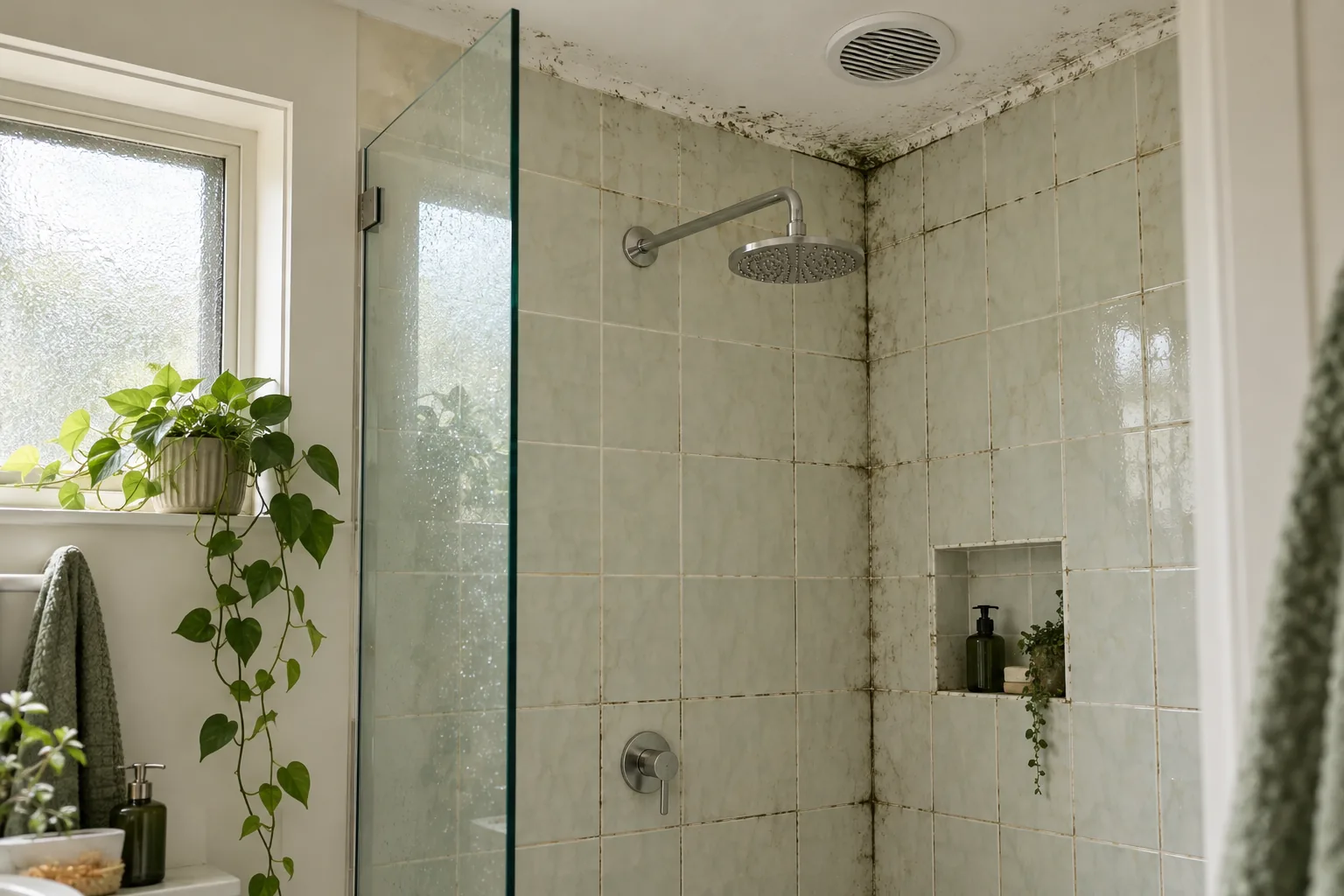
Bathroom growth around grout or a ceiling edge may coincide with lingering shower moisture. Check whether extraction removes humid air and whether surfaces dry between uses. Failed seals or a plumbing leak need separate investigation; treating the visible patch does not fix them.
On walls, growth behind furniture can suggest a cool, poorly ventilated surface, but damp plaster or peeling paint warrants a wider moisture check. On ceilings, record whether a mark changes after rainfall or spreads below an upstairs bathroom. Avoid assuming that every dark patch has the same cause or species.
Sound hard surfaces and damaged porous materials can require different responses. Discuss the material before cleaning, and keep cosmetic restoration separate from visible-surface mould removal. Some staining can remain even after growth is removed.
A CONNECTED PROCESS
Removal is a stage.
Moisture is the follow-through.
The aim is a clearly bounded job, rather than a promise that one treatment resolves every dampness problem. Mould remediation brings assessment, filtration, treatment and removal together.
Assess and agree
Identify visible areas, accessible surfaces and the room scope. Discuss fragile finishes, excluded textiles and whether damp or deteriorated materials need another trade.
Prepare the work area
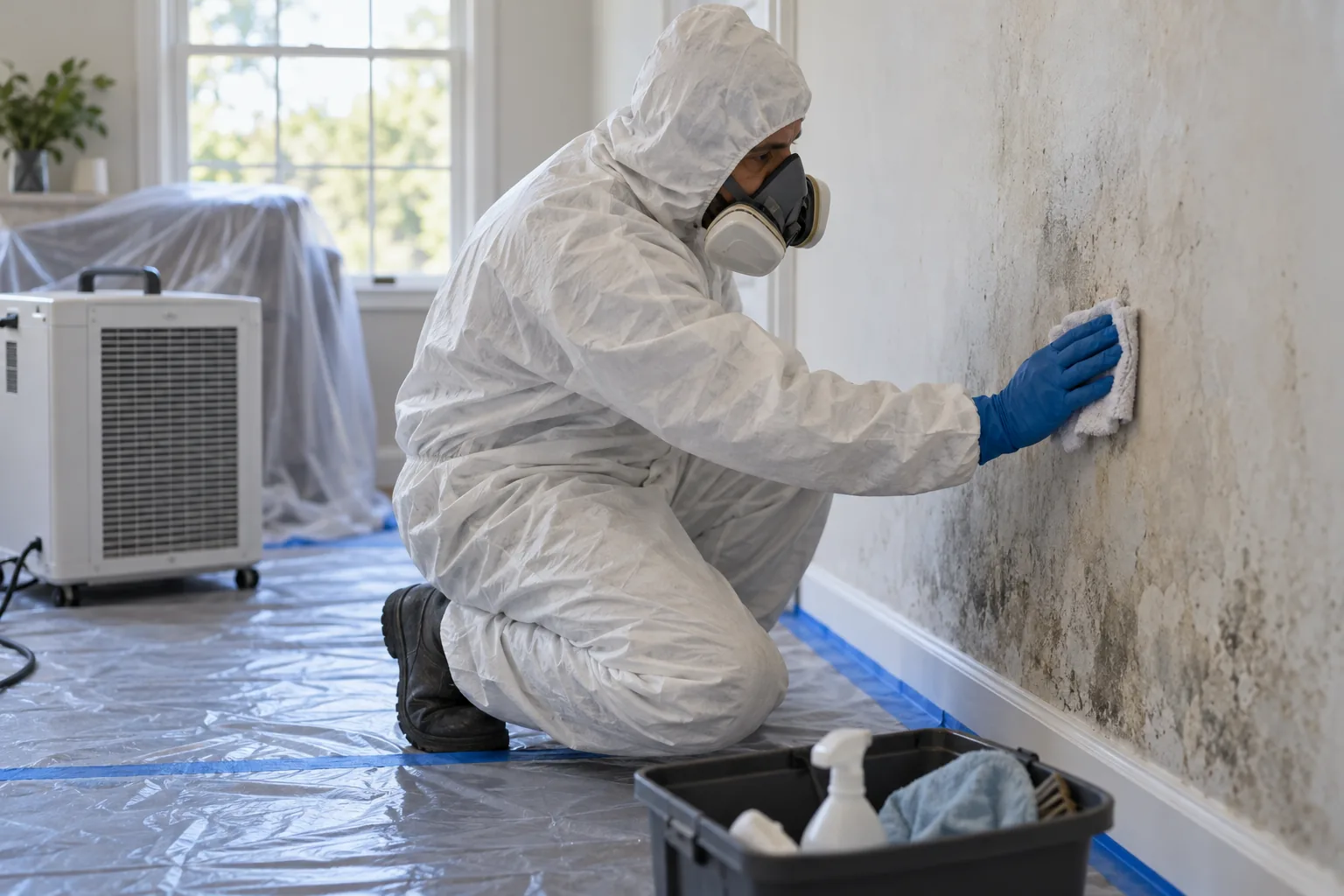
Confirm furniture clearance, entry arrangements and room preparation. Appropriate protective equipment and HEPA filtration accompany the agreed treatment and removal process.
Remove and review
Apply a method suited to the material and physically remove accessible growth. Review the treated areas, remaining staining and the moisture actions that sit outside the cleaning scope.
FOLLOW THE WATER
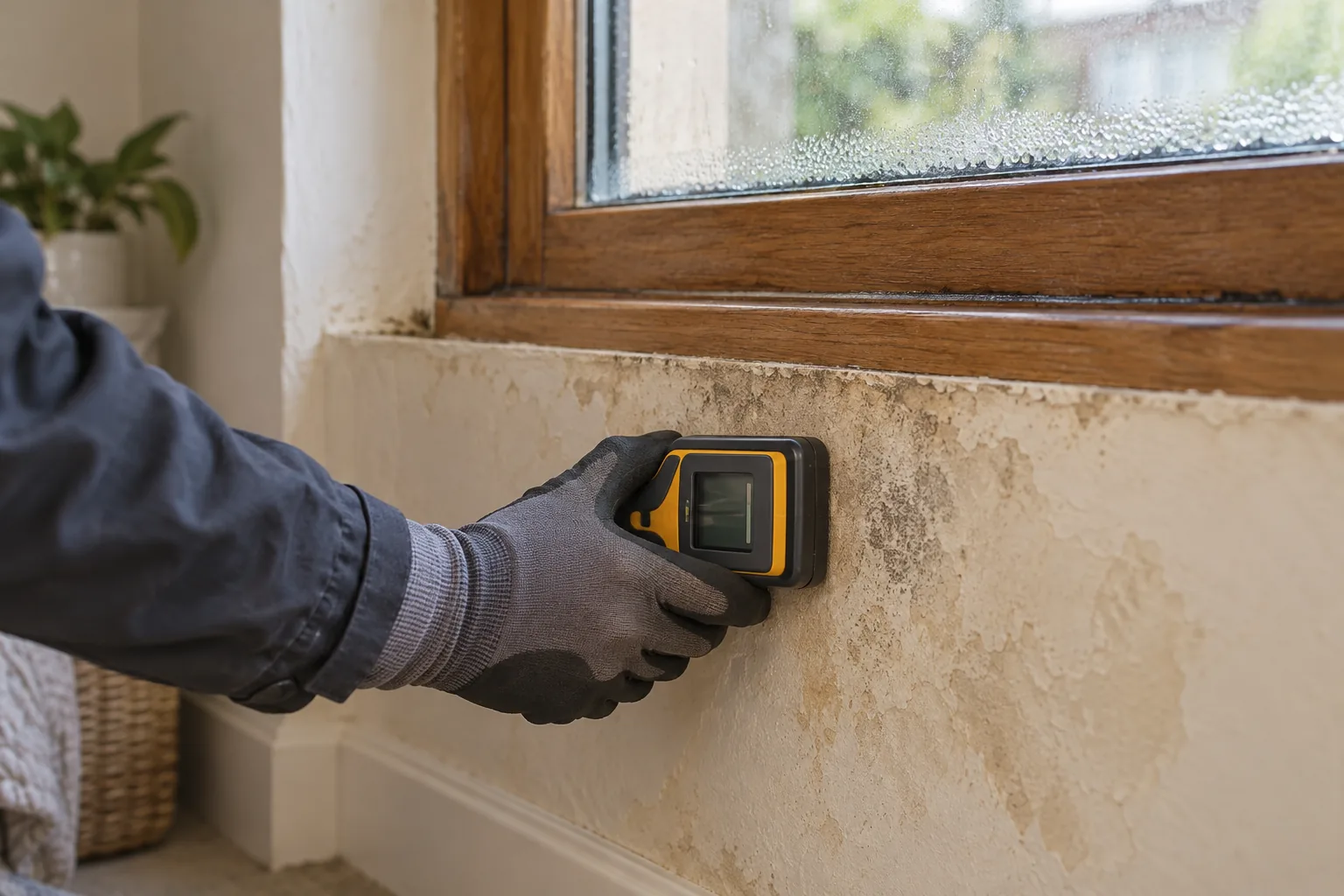
What a moisture check can tell you
We consider visible signs, humidity and moisture readings alongside your history of the problem. Readings can help identify areas requiring closer investigation, but a single meter result does not prove where water entered or reveal every concealed cavity.
Explain any roof or plumbing repairs, recurring condensation and earlier cleaning. A persistent musty smell, returning growth, soft plaster or unexplained staining can justify professional inspection before another surface treatment. Concealed damage may require a building professional or a separate investigation, with access and scope agreed first.
Reduce the conditions for regrowth
Use effective bathroom extraction, remove condensation from wet surfaces and give furniture space for air movement where practical. Arrange repair of active roof, plumbing or building leaks. Check treated rooms over time, especially after the weather or occupancy conditions that previously preceded growth.
Removal does not repair water entry or provide a permanent guarantee. If the same patch returns, revisit the moisture cause rather than repeatedly painting over it.
Clear scope. Useful next steps.
Our approach combines accessible-surface work with moisture questions, filtration and preparation advice. You can discuss the affected material, appointment and exclusions before committing. View room and inspection prices, then confirm the applicable scope and total by phone.
AROUND JOLIMONT
Nearby places, sensible coverage checks.
Melbourne CBD · Collingwood · Fitzroy · Richmond
For another address nearby, use Areas We Cover and call to check availability.
BEFORE YOU ARRANGE A VISIT
Your questions,
answered.
Can you assess mould in a Jolimont apartment?
Call with the address, affected rooms and access arrangements. Mention lift booking, building rules and any shared-wall or upstairs leak concerns so the appointment and scope can be discussed.
Is every ceiling patch caused by a roof leak?
No. Condensation, plumbing and water entry are possibilities. Timing, location and moisture findings help decide what needs further investigation.
Can delicate timber or old plaster be treated?
Explain the finish and condition before booking. The method must suit the material; deteriorated surfaces may need separate repair or replacement.
Do I need an inspection before removal?
Consider one when the source is unclear, growth returns or hidden damage is suspected. Confirm what the inspection includes and any additional investigation required.
Will removal stop mould coming back?
Not by itself. Persistent dampness or inadequate moisture removal can support regrowth. Repair leaks and follow practical ventilation advice.
What should I tell you when I call?
Give the Jolimont address, approximate affected area, surfaces, moisture history and access restrictions. Ask about preparation, exclusions, price and availability.
Talk through your Jolimont home.
Tell us where the growth appears and what has changed in the room. Call to confirm your address, the appropriate assessment and the next available appointment.
Local context: eMelbourne: Jolimont and City of Melbourne: East Melbourne housing. Practical guidance: Better Health Channel and Consumer Affairs Victoria.