
SPARE ROOMS · MOISTURE · SURFACES
WHEELERS HILL · MELBOURNE
Mould Removal Wheelers Hill
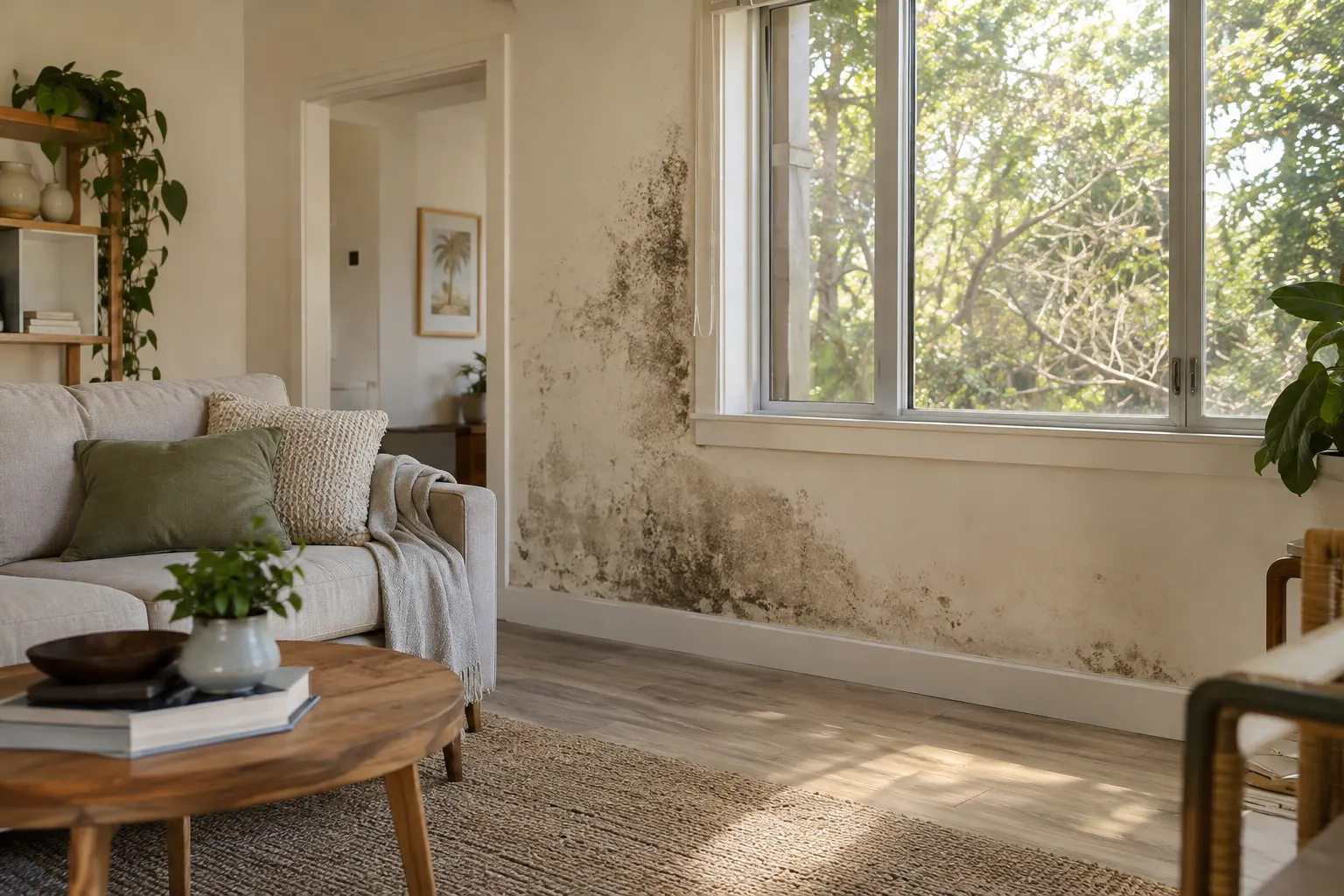
A spare room can develop visible marks before anyone notices its drying pattern. For a Wheelers Hill home, note closed doors, furniture placement and whether the window or wall feels damp.
Visible material considered
Moisture history discussed
Access and scope agreed
THE ROOM TELLS A STORY
Check the room that stays shut
Wheelers Hill appears in Monash’s suburb list. If a room is used infrequently, compare the accessible walls with corners behind furniture rather than assuming lack of use explains everything. A rain-related patch still needs investigation of water entry. Record what changes when the room is occupied again.
An inspection of the spare-room surfaces can start with photos and its use history. Mention rain-related changes too; the room being closed does not eliminate the need to consider a source outside its ordinary ventilation pattern.
UNDERSTANDING MOISTURE
Make sense of
moisture in a seldom-used room.
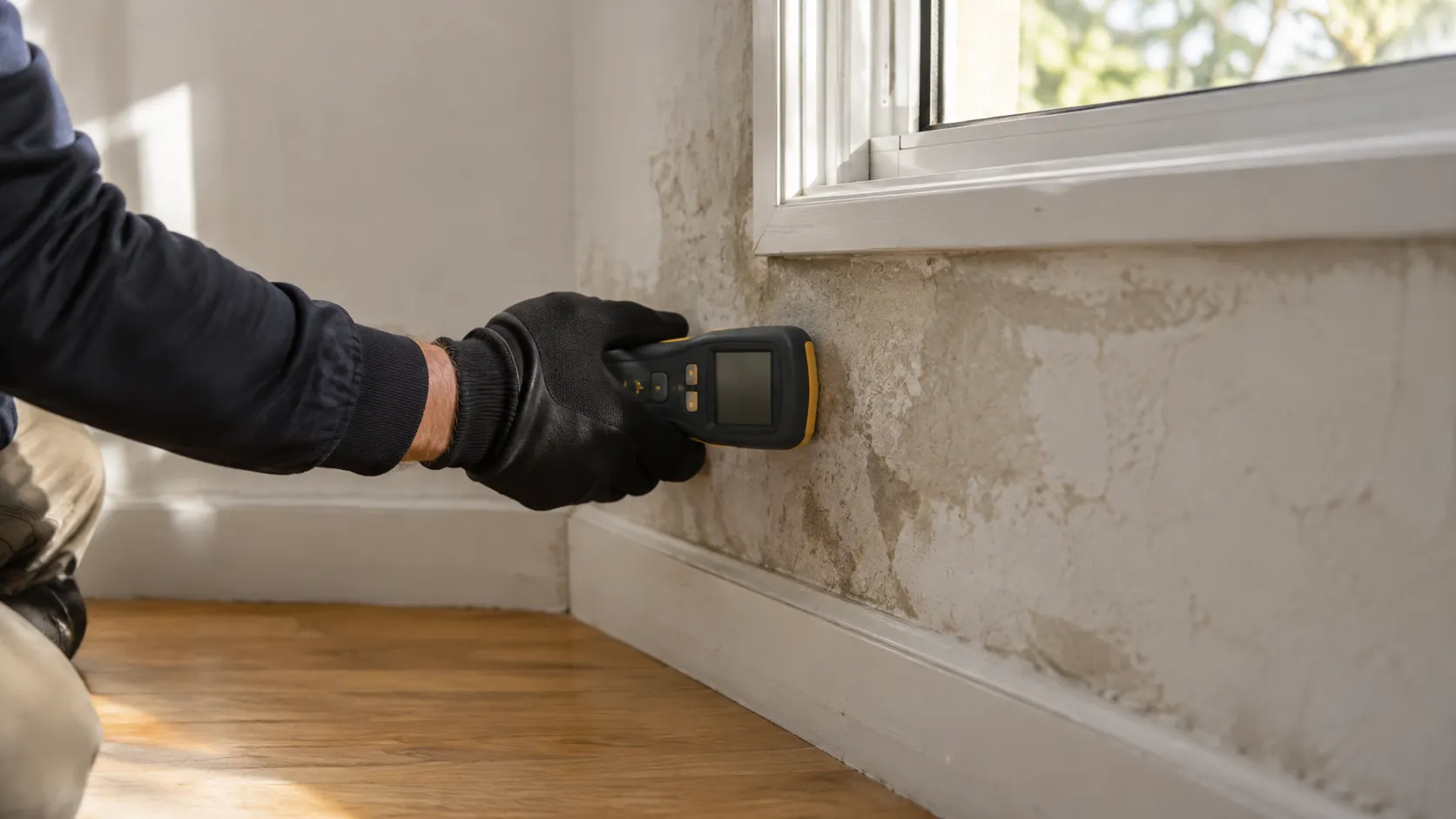
Air and drying
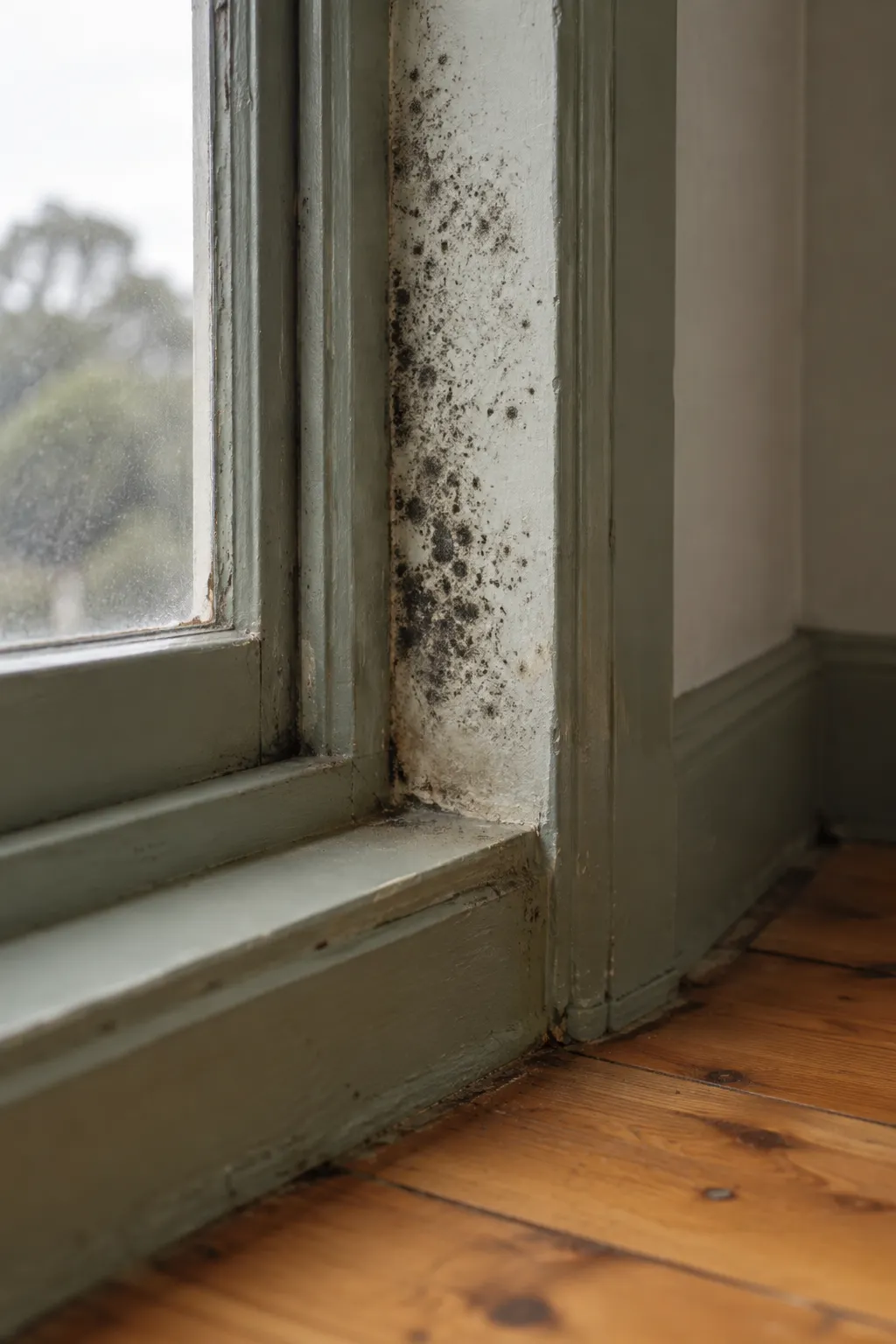
A room kept closed can have a different drying pattern from occupied spaces. Observe accessible windows and covered wall corners, while avoiding the assumption that infrequent use explains all dampness.
Water entering
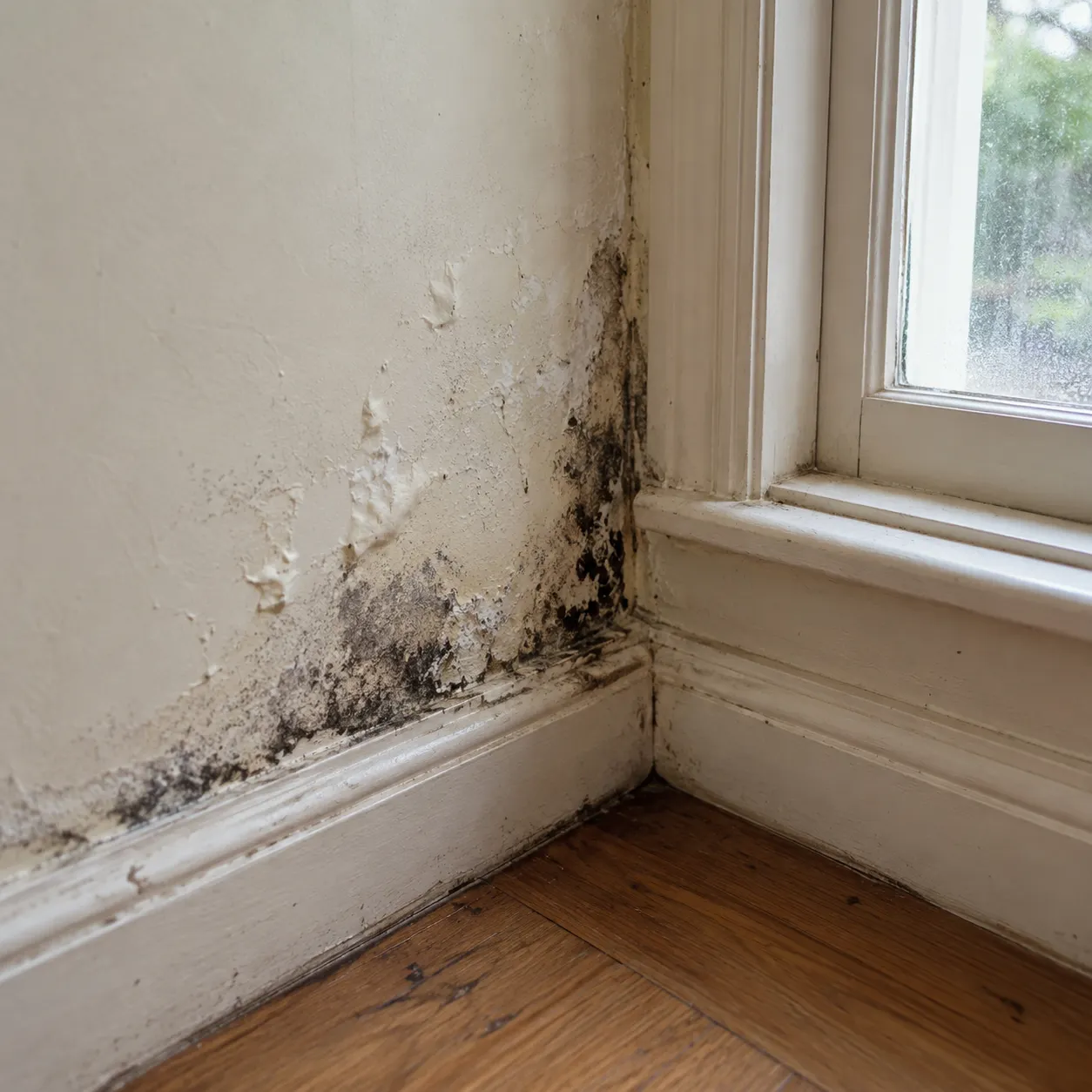
Rain-related changes still matter in an unused room. Record when the patch expands and any earlier source repair so the enquiry considers water entry as well as airflow.
The material itself
Check the exposed finish and items stored against it individually. A sound painted wall, damaged backing board and porous contents may require different decisions despite sharing the same corner.
OUR REMOVAL PROCESS
A clear scope.
A careful sequence.
Keep the room history
Note when the door stays closed and whether droplets appear on an unused window. Include any rainfall connection, even if the room has no everyday moisture-producing activity.
Make access practical
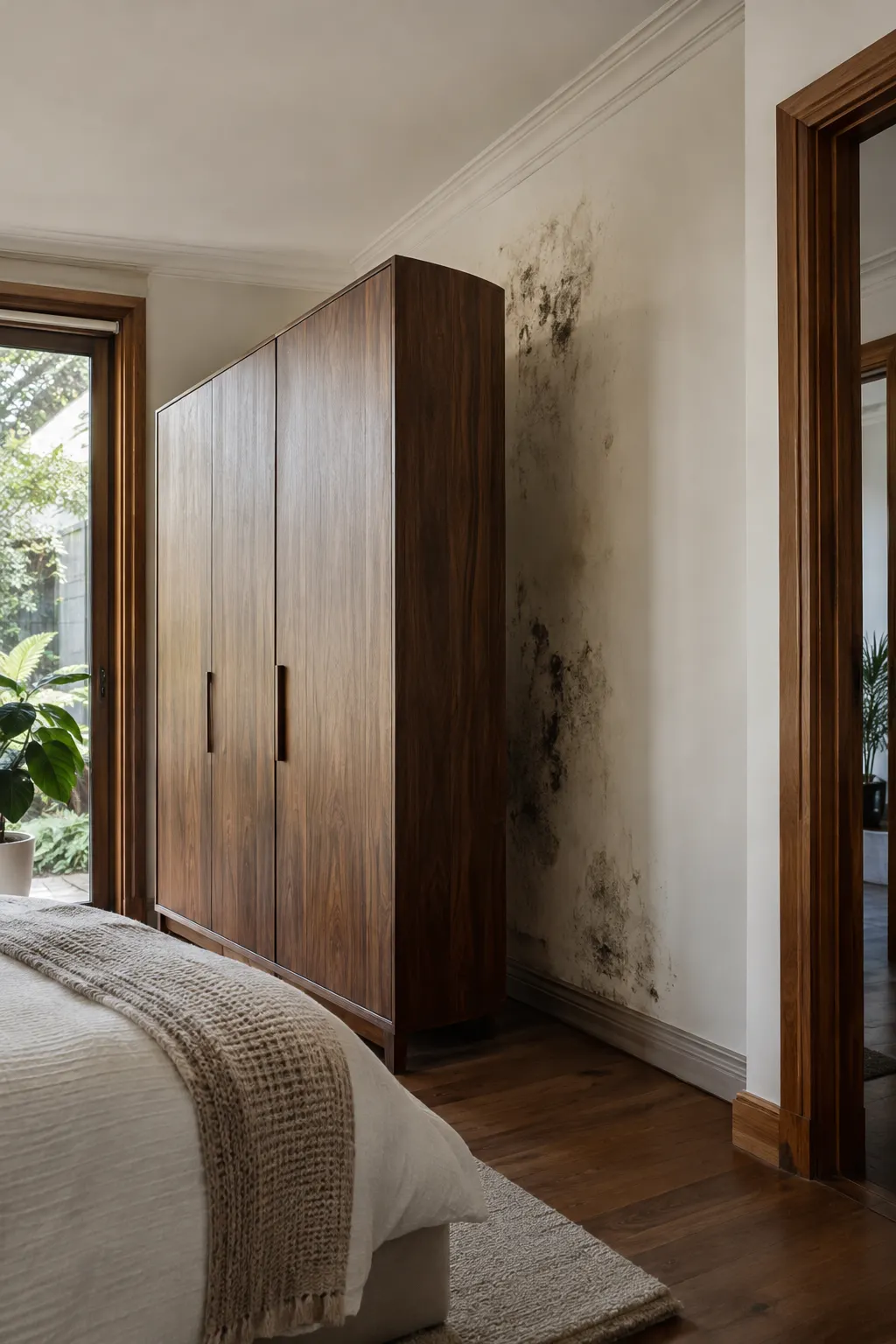
Mention stored furniture, boxes or guest-room fittings that restrict the assessment. Confirm what can move, particularly where a wardrobe covers the entire external-wall corner.
Agree the next decisions
Ask whether the observed pattern suggests further water-entry checks. Airflow changes can improve drying, but the room’s limited use is not proof of the source.
01
Assess the spare-room wall
Look at the spare room’s exposed walls and covered corners together. Discuss surface removal in relation to actual dampness, not merely how often the room is used.
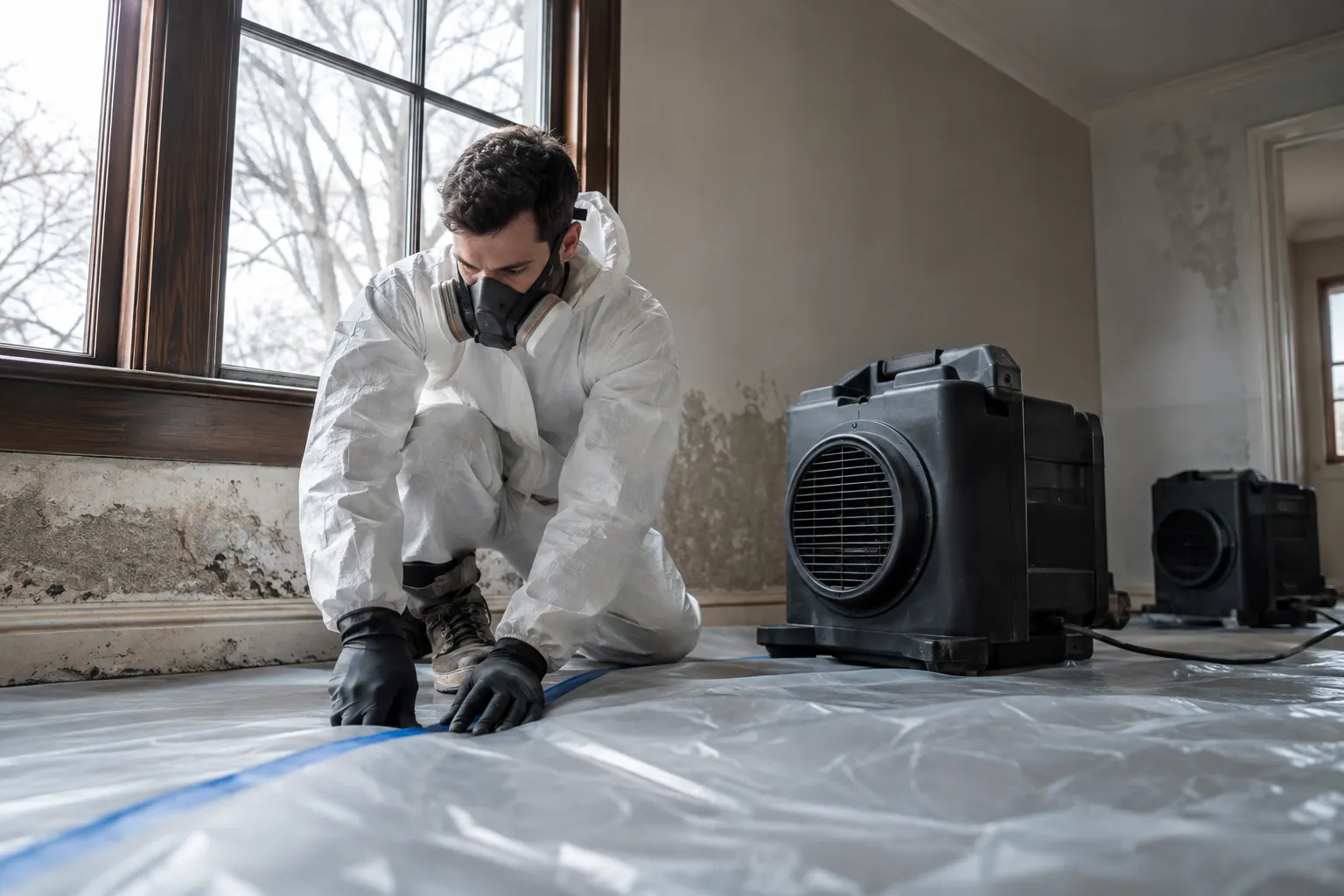
02
Prepare the working area
Agree on moving occasional-use belongings so the wall can be reached. A clear route is preferable to shifting everything into an adjacent damp corner.
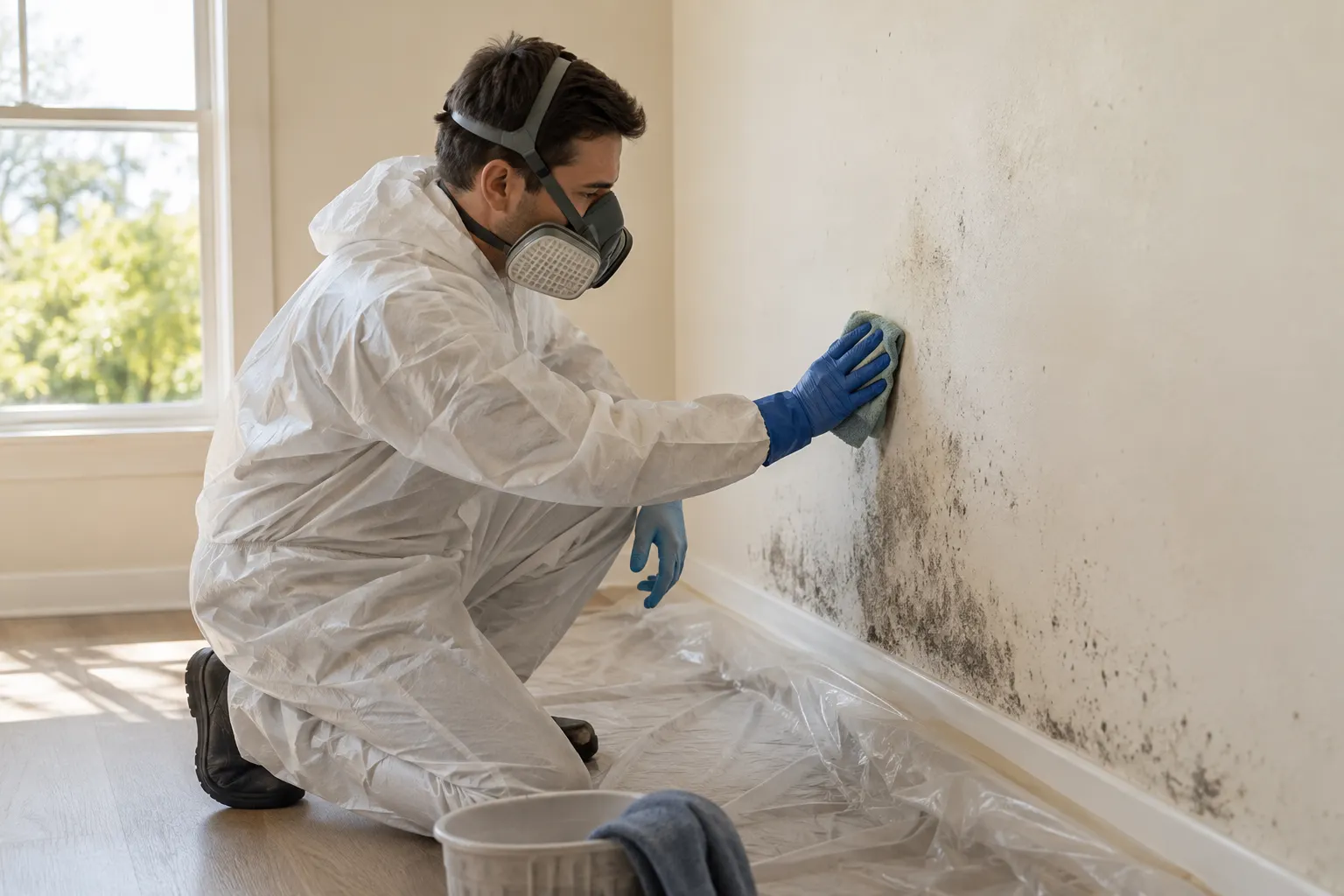
03
Remove and review
Review the treated location when the room is used again. Record new moisture separately from old discolouration, and do not assume occupancy alone resolves a continuing leak.
COMMON AREAS AFFECTED
Different surfaces.
Different decisions.
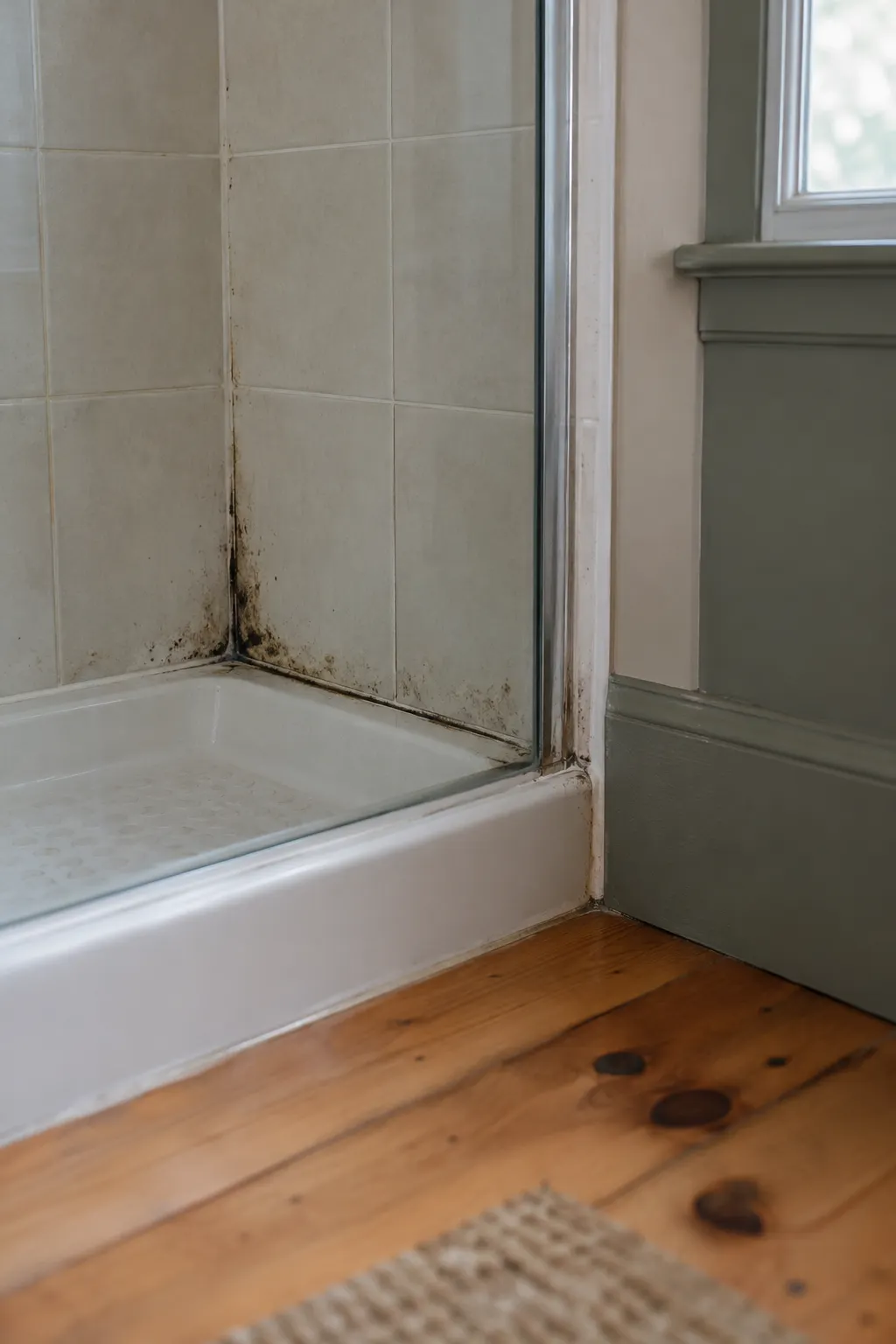
Bathroom junctions
If a spare room is near a frequently used bathroom, describe that relationship. Include any observed timing without claiming bathing moisture explains a patch that also changes after rain.
Ceiling surfaces
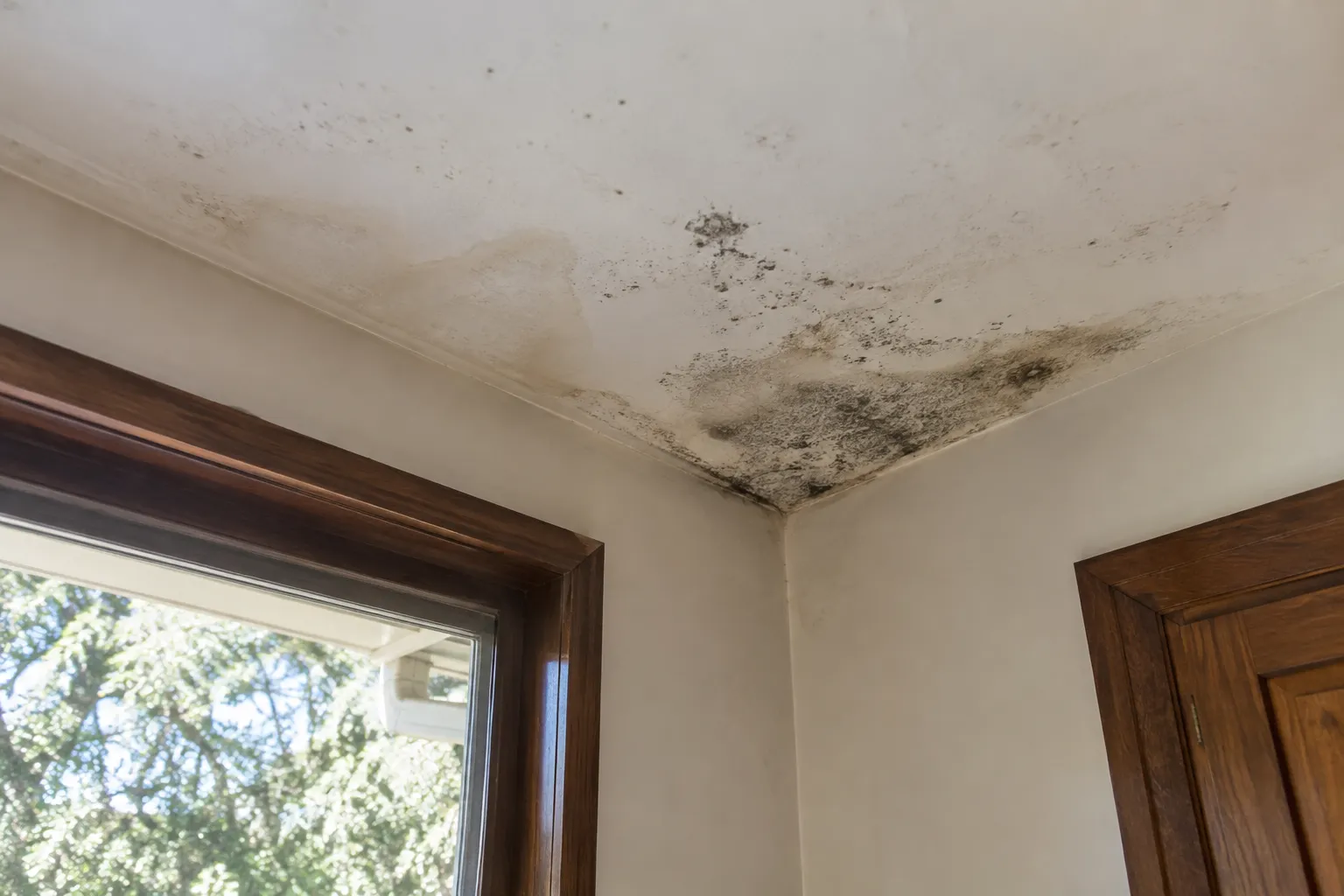
A ceiling mark can be overlooked when the room is rarely entered. Document its position and finish condition safely, with any known water event in the building.
Painted walls
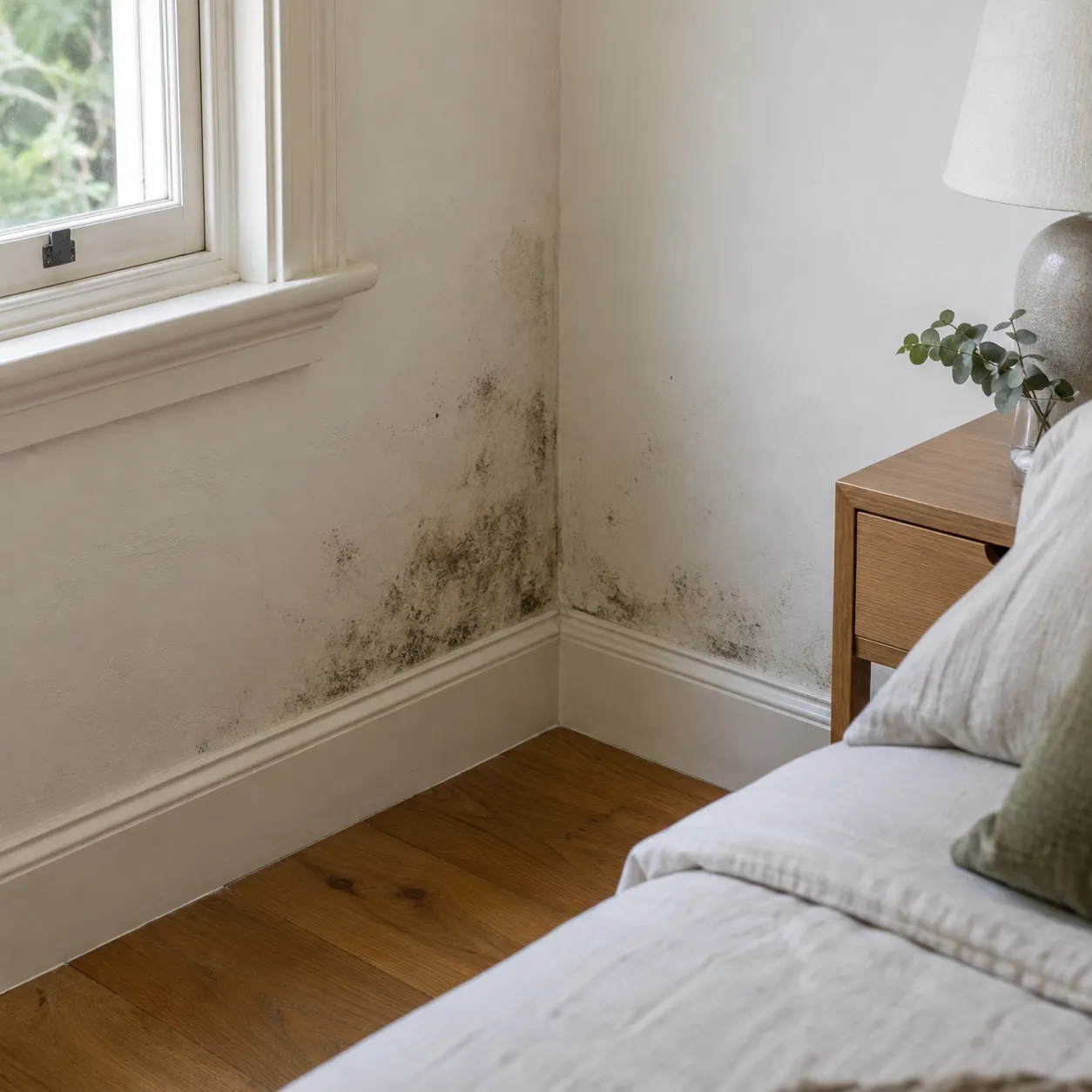
Show the wall before and after movable furniture exposes it. The original arrangement explains concealment and access, whereas the patch’s history helps frame the moisture investigation.
Water-affected rooms
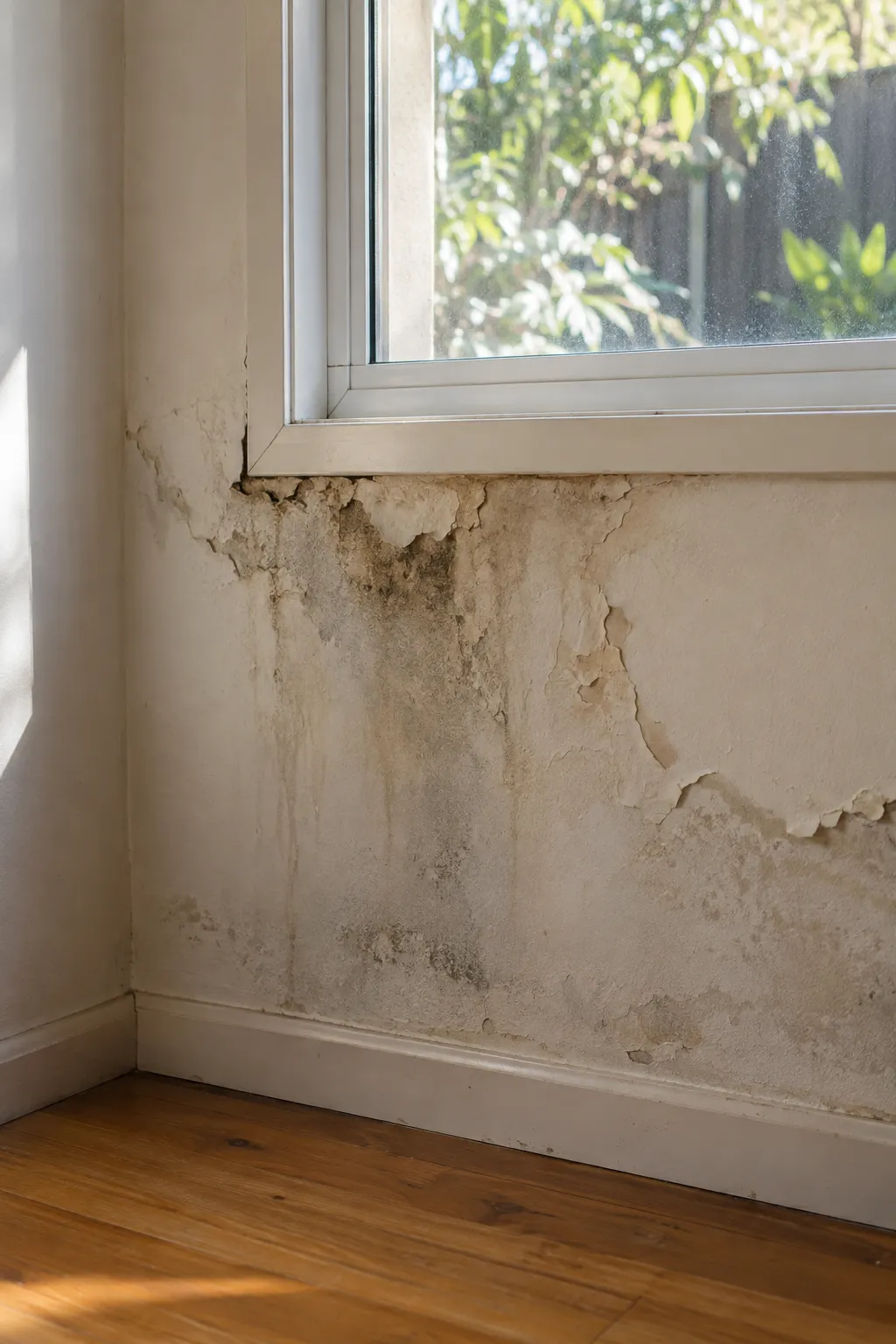
Stored furnishings may have been affected by an earlier wet event even if the room is now dry. List known damage separately from the visible growth on the building surface.
PREVENTION STARTS WITH
Keep moisture
in view.
Observe the drying pattern
Make checking the seldom-used room part of ordinary household observation. Keep affected corners accessible enough to notice fresh dampness, and address suspected water entry rather than assuming opening the door solves it.
Follow up before decorating
Delay hiding the patch behind furniture or a new finish until the next steps are clear. A wider remediation discussion may distinguish surface work from damaged contents or building repairs.
WHEELERS HILL & NEARBY
Wheelers Hill and nearby rooms.
The Scoresby and Mulgrave guides relate to nearby enquiries. For Wheelers Hill, describe the actual spare room and full address, including stored furniture, so availability, working access and preparation can be discussed for that property.
BEFORE YOU CALL
The useful
questions.
Does leaving the room shut prove the cause?
No. It is useful room-use context, but water entry or other moisture routes may also matter. Describe changes over time rather than assigning a cause.
Should I move stored furniture immediately?
Agree on safe access and preparation. Take a room photograph first where practical, and explain heavy or fixed items that may need different arrangements.
What if the room only marks in rainy periods?
Include that timing even if it is seldom occupied. An appropriate investigation may need to consider source issues beyond the room’s ordinary ventilation routine.
Are stored belongings included with wall treatment?
Not automatically. Explain what has become damp or marked so contents handling and accessible building surfaces can be discussed as separate parts of the scope.
How should I monitor the spare-room corner?
Record new dampness and visible changes at the same accessible location. Compare with earlier photos without disturbing uncertain finishes or opening concealed building material.
What should a Wheelers Hill call include?
Give the address, room-use pattern and affected finishes. Mention furniture access, rainfall changes and any earlier water event so the enquiry has useful context.
TELL US WHAT YOU CAN SEE
Talk through
the room history.
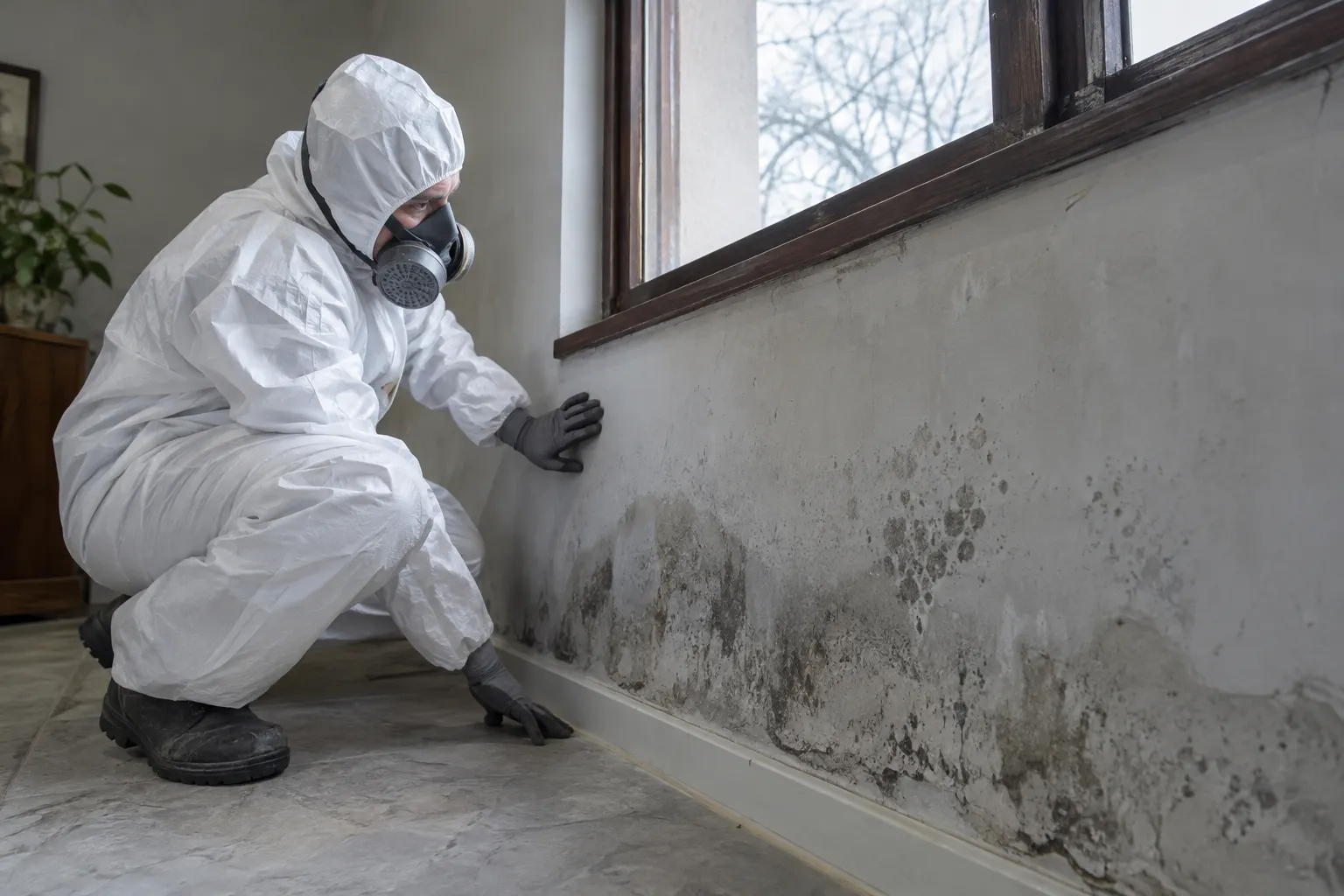
Tell us how the room is used and when the marks change. Call 03 8652 1296 with the Wheelers Hill address and furniture-access details to clarify the appropriate next step.
Local context: Monash suburb profile