
ROOM · BELONGINGS · ACCESS
WONGA PARK · MELBOURNE
Mould Removal Wonga Park
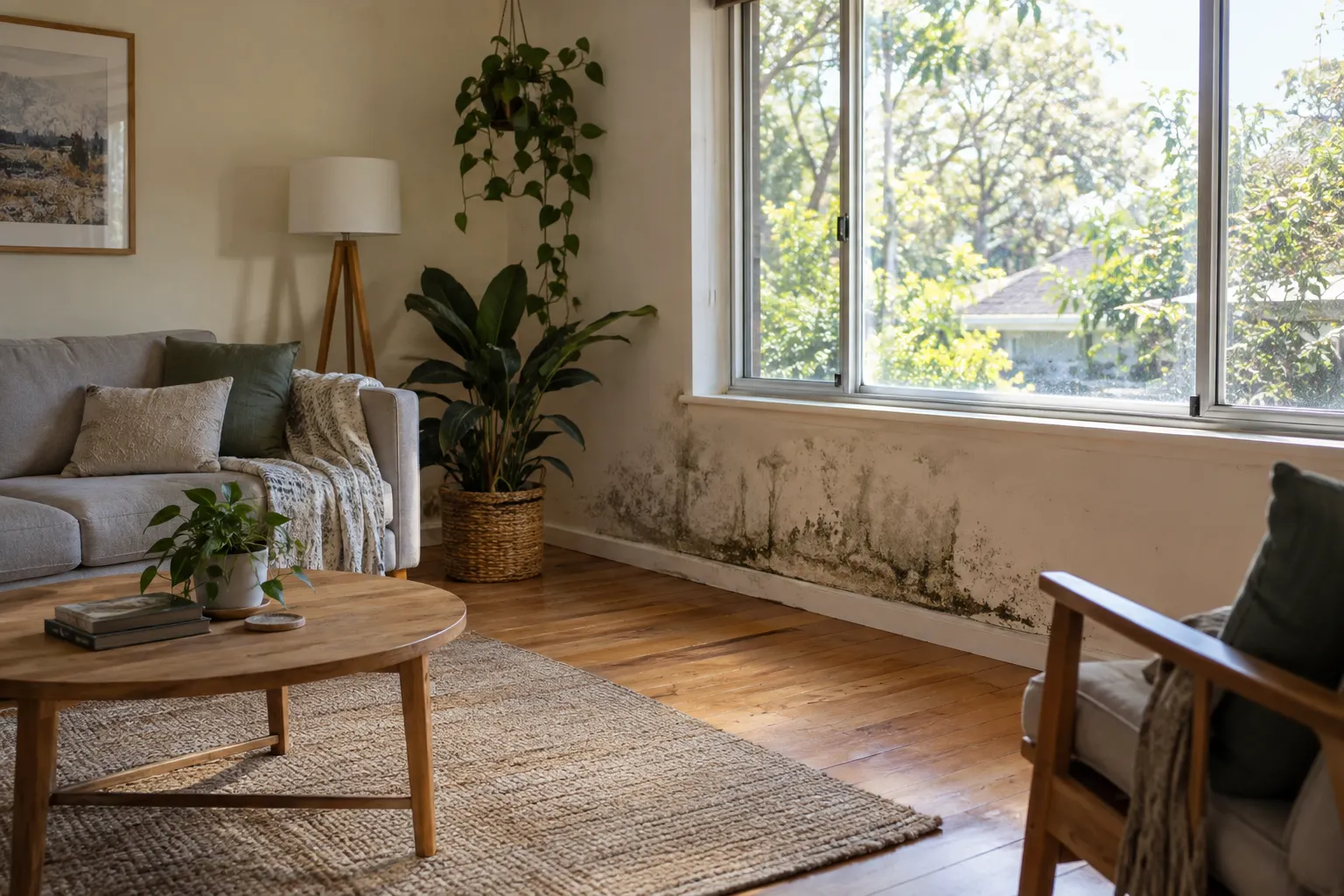
A piano, cabinet or large sofa can make an affected living-room wall difficult to reach. For a Wonga Park enquiry, explain the furnishings and visible edges first. Careful access planning is part of understanding the surface, not an afterthought.
Bulky furnishings identified
Delicate possessions considered
Reachable surface scope agreed
THE ROOM TELLS A STORY
The wall matters.
So do the belongings.
Wonga Park appears in both Manningham and Maroondah locality information. A furnished-room enquiry needs the actual property and room layout rather than a general assumption about the area. Identify the wall showing growth and any large or delicate item between it and the accessible working space. Explain what can safely move.
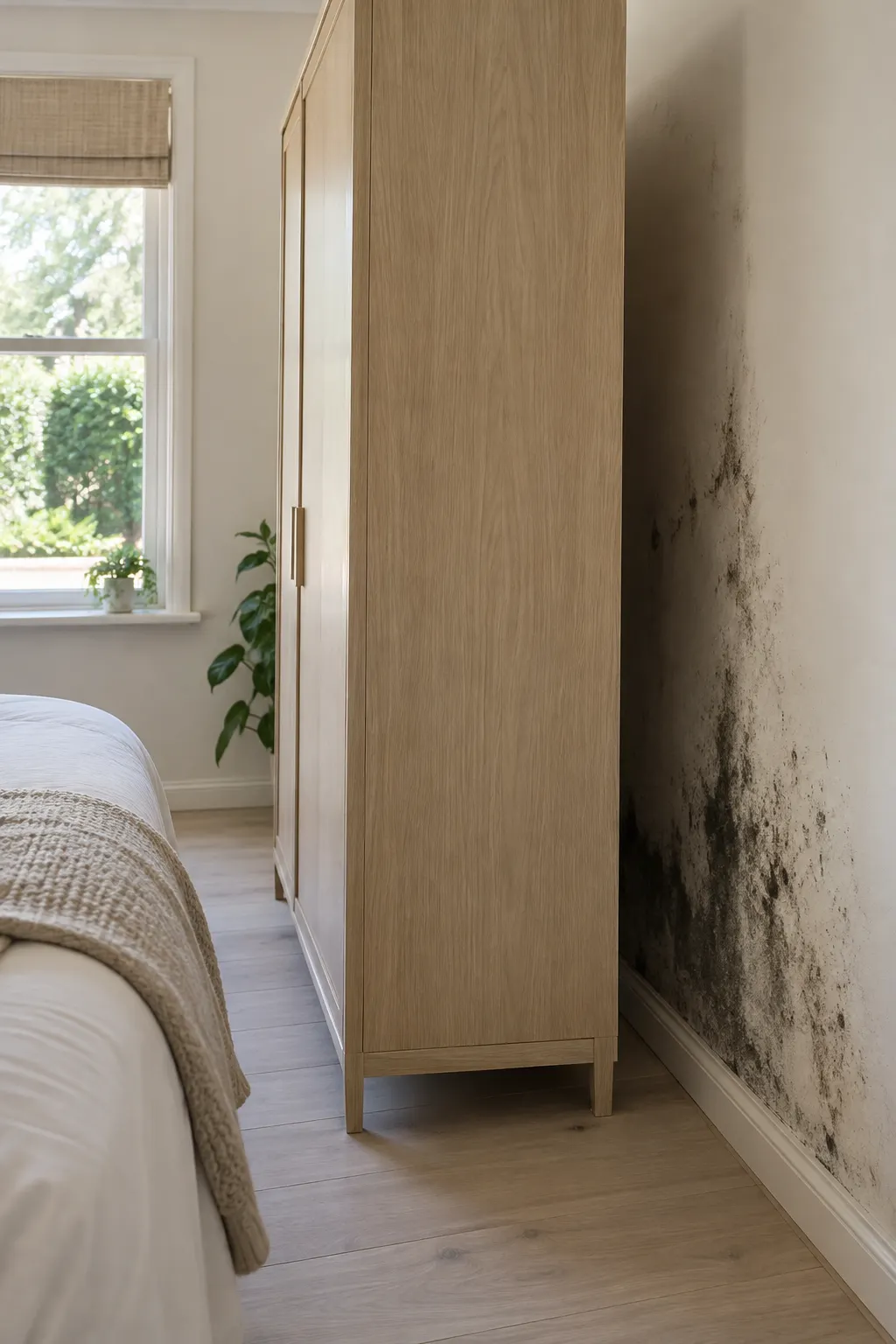
A narrow view behind furniture may not show the whole affected finish. Send a wider room photograph and describe any condensation or leak history. This helps plan mould inspection without promising access to a surface that remains concealed behind something heavy or fixed.
UNDERSTANDING MOISTURE
Read the room
around the obstruction.
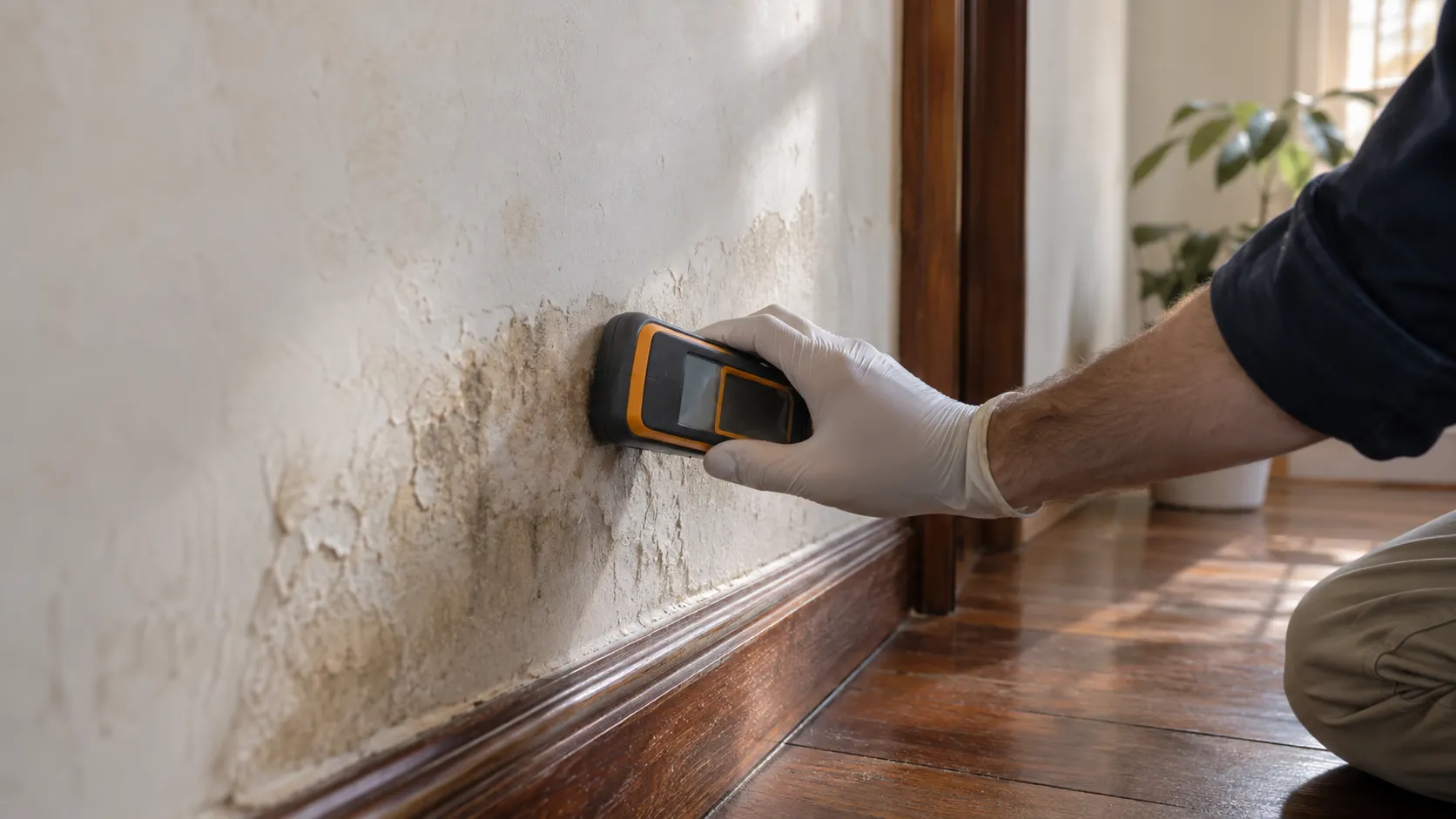
The visible edge
Record whether growth is confined to the wall behind an item or also appears on exposed corners. Restricted airflow can affect drying, but does not exclude water entering elsewhere. The full room context is more informative than a close image alone.
Nearby openings
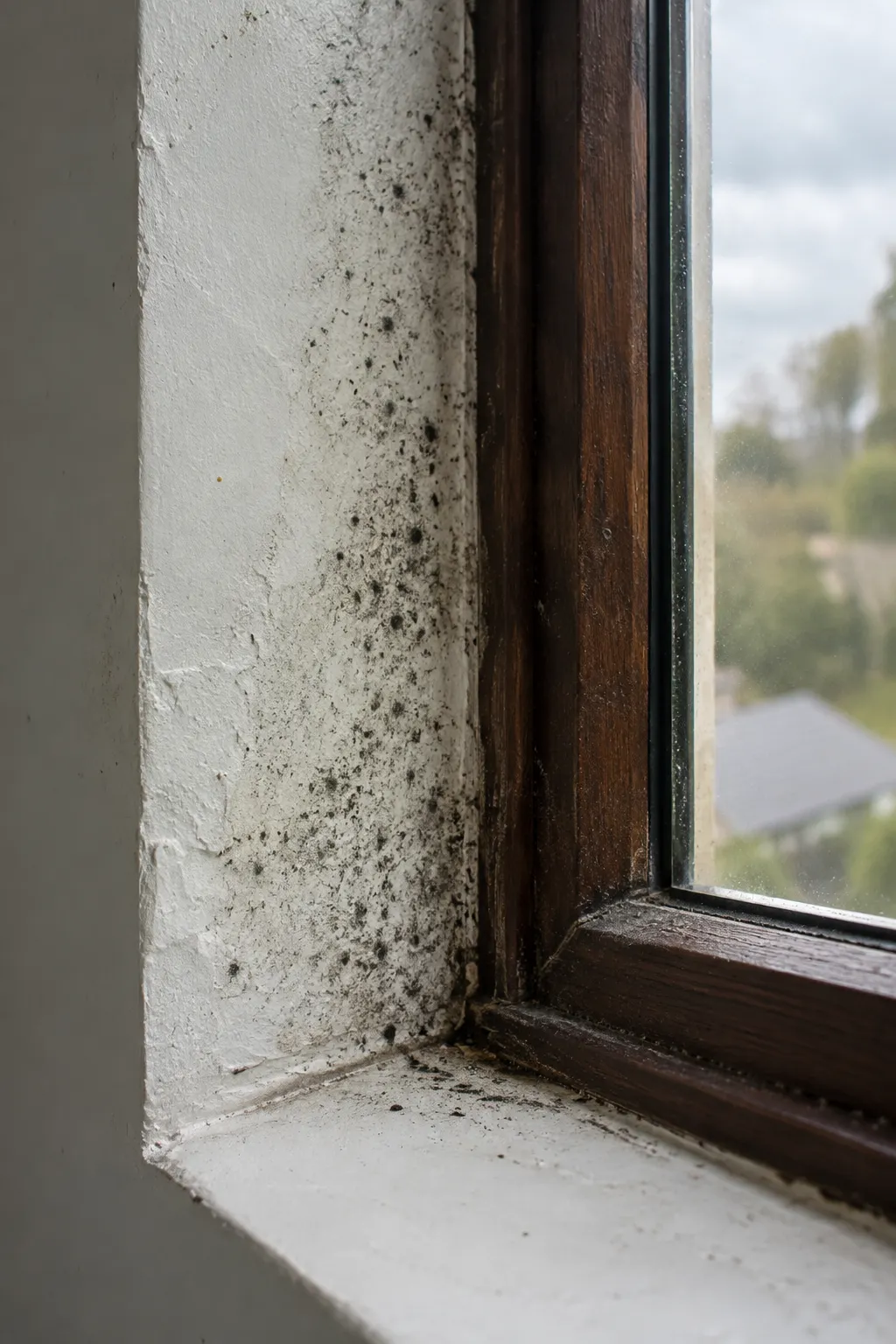
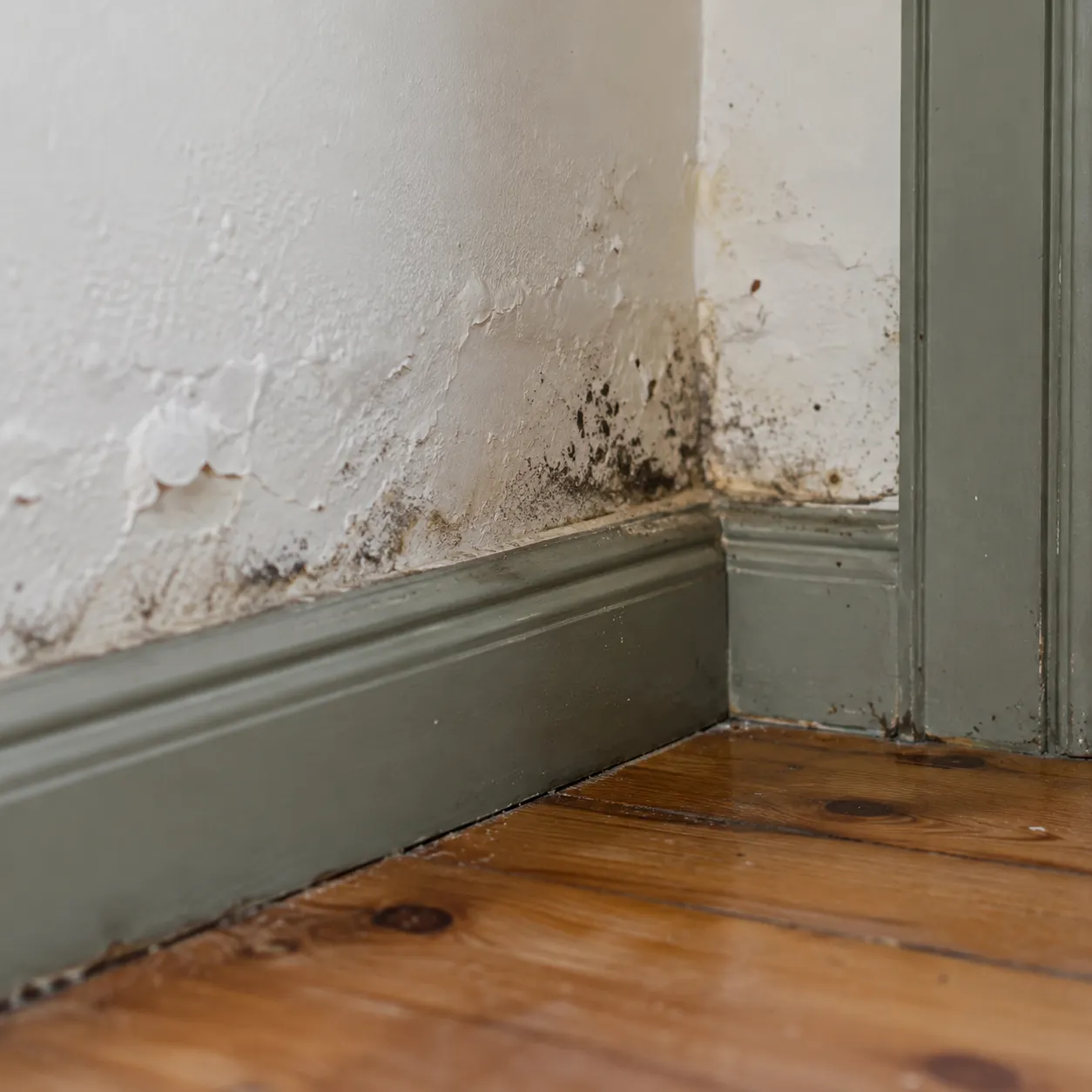
Notice droplets on glazing, damp trim and changes after rain. Keep these observations distinct from the furniture position. A window fault and ordinary room condensation may require different follow-up, even where the visible marks appear close together.
Different possessions and finishes
Painted plaster, timber furniture, fabric and instrument components are not one material. Identify concerns separately. A surface removal scope does not assess or restore belongings, and a clean wall cannot certify that delicate contents are unaffected.
OUR REMOVAL PROCESS
Agree the access.
Protect the room.
Show the whole arrangement
A photograph from the doorway can explain circulation and the size of an obstruction. Pair it with visible edge details so preparation can be discussed before equipment is brought in.
Identify specialist handling
Mention instruments, fragile cabinets or fixed installations early. Where movement requires specialist help, agree that responsibility rather than assuming it is ordinary room preparation.
Keep contents outside assumptions
Ask whether affected furniture or fabric needs additional assessment. Treatment of the building surface does not automatically include every adjoining possession or make recommendations about its restoration.
01
Describe what can be reached
Explain the obstruction, approximate growth extent and finish. Through mould removal, agree the accessible wall areas and any exclusions. Do not quietly treat an unseen space as part of the ordinary scope.
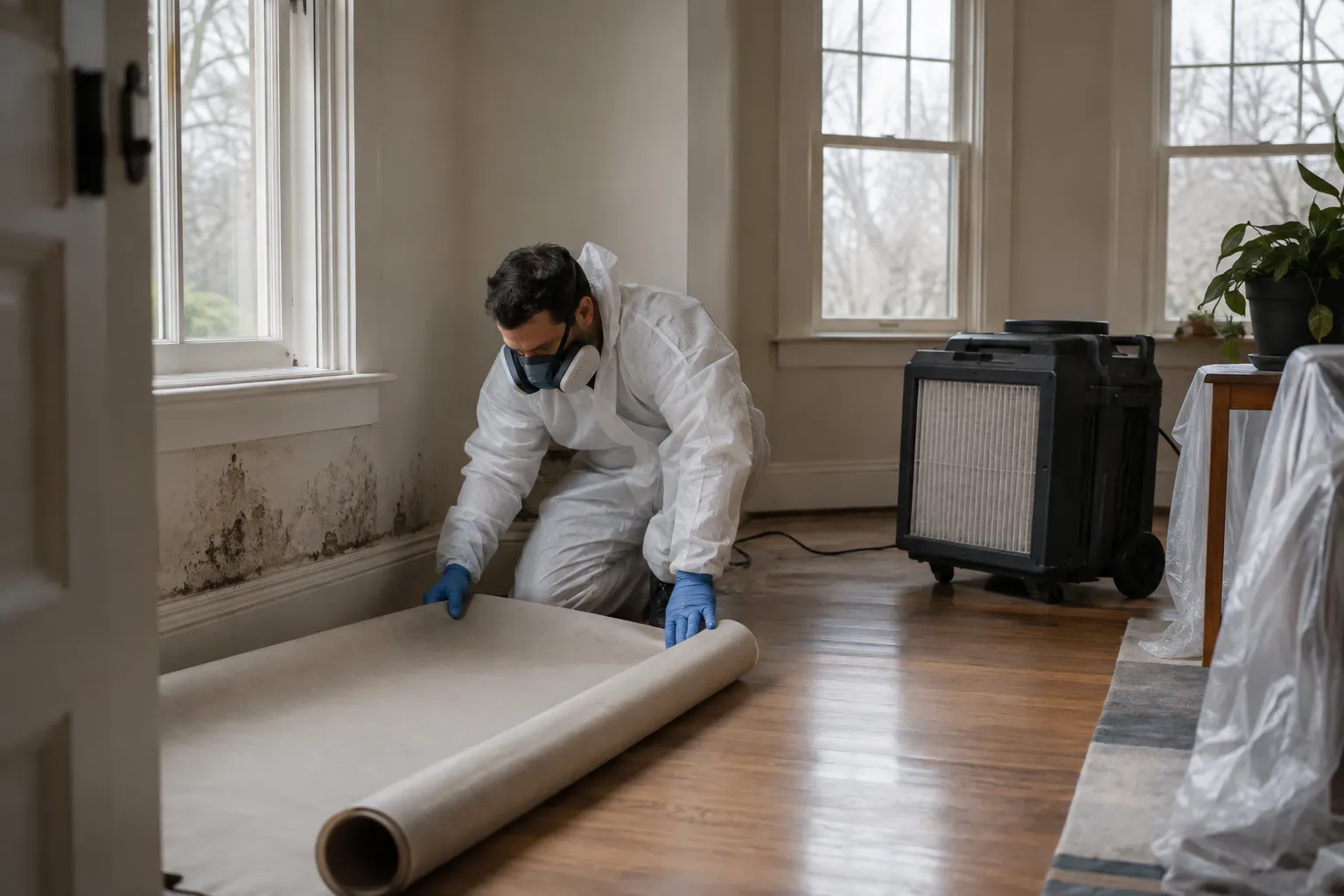
02
Coordinate movement and protection
Discuss who can move heavy or specialist possessions and where they will stand during work. Narrow passages, fragile flooring and equipment routes need planning. Do not shift a piano or unstable cabinet simply to obtain a better patch photograph.
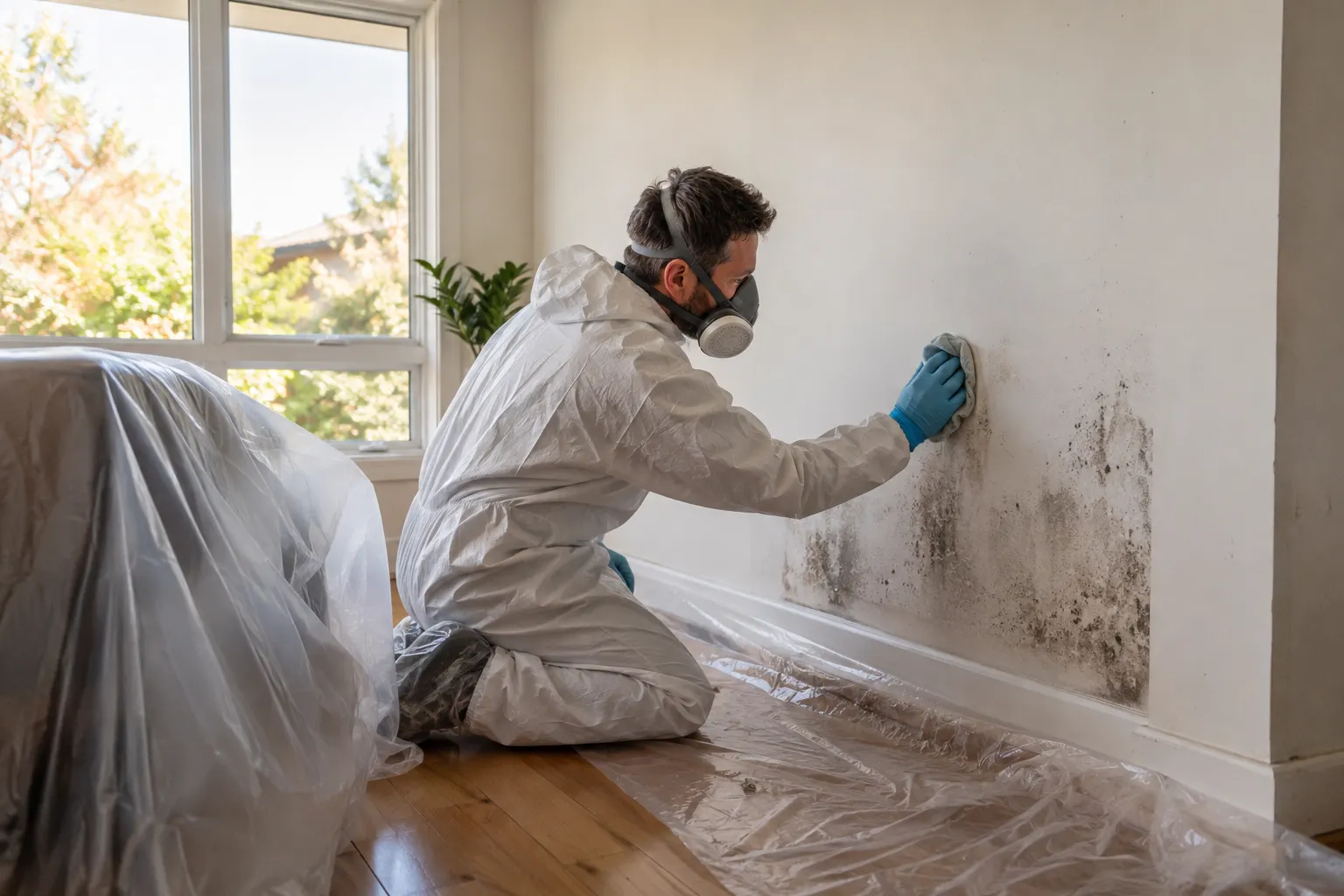
03
Review the layout afterwards
Ask about remaining stains, damaged finishes and moisture follow-up. Remediation considers these wider issues alongside surface work. Returning bulky items tightly against the same damp wall is a room arrangement decision that deserves separate thought.
COMMON AREAS AFFECTED
Behind the furniture.
Across the room.
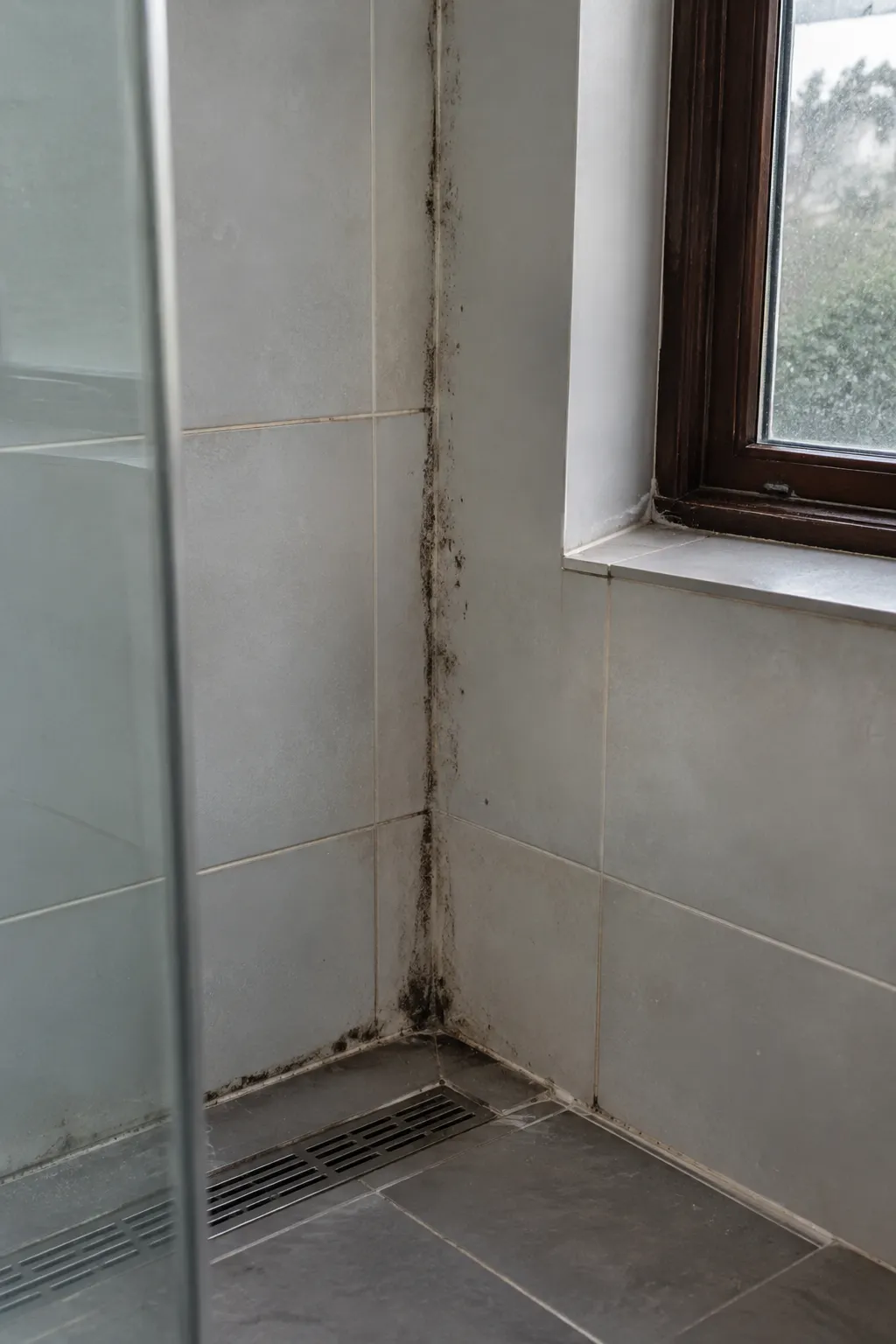
Wet-room comparison
Record other household moisture patterns without assuming the furnished wall has an identical cause.
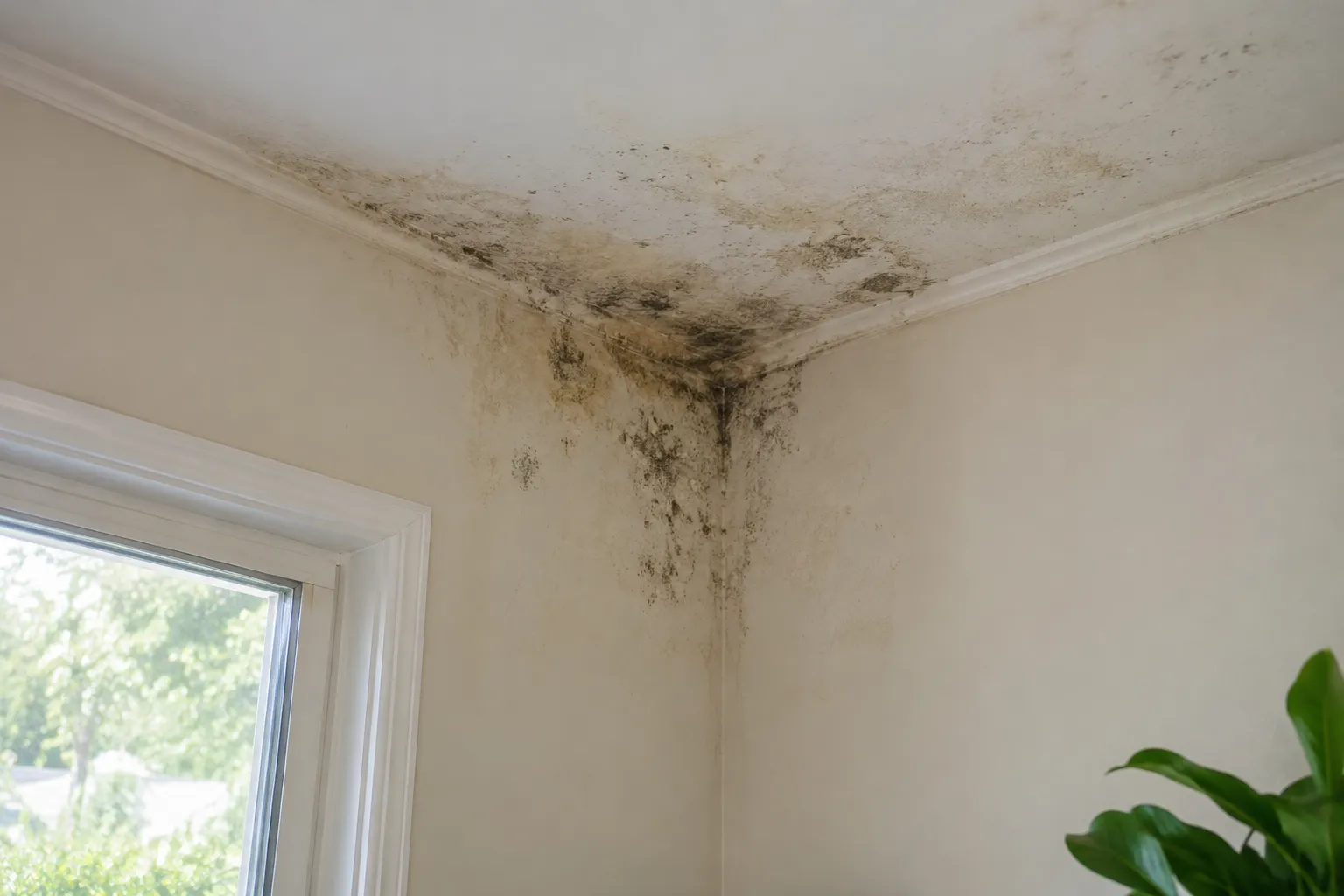
Overhead stains
A ceiling change may help explain water history beyond the hidden section of wall.
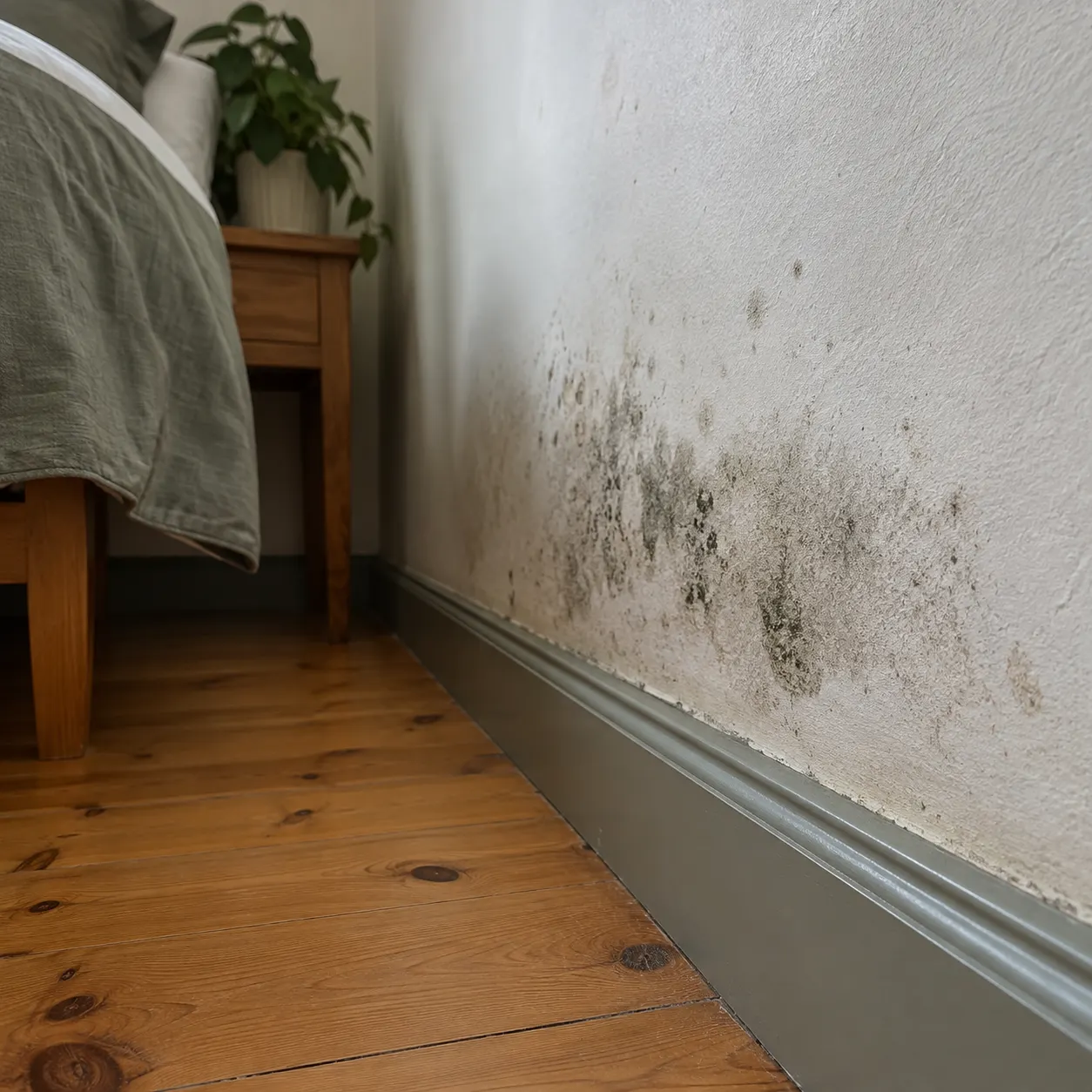
The accessible edge
Describe the growth you can see and the extent obscured by the furnishing.
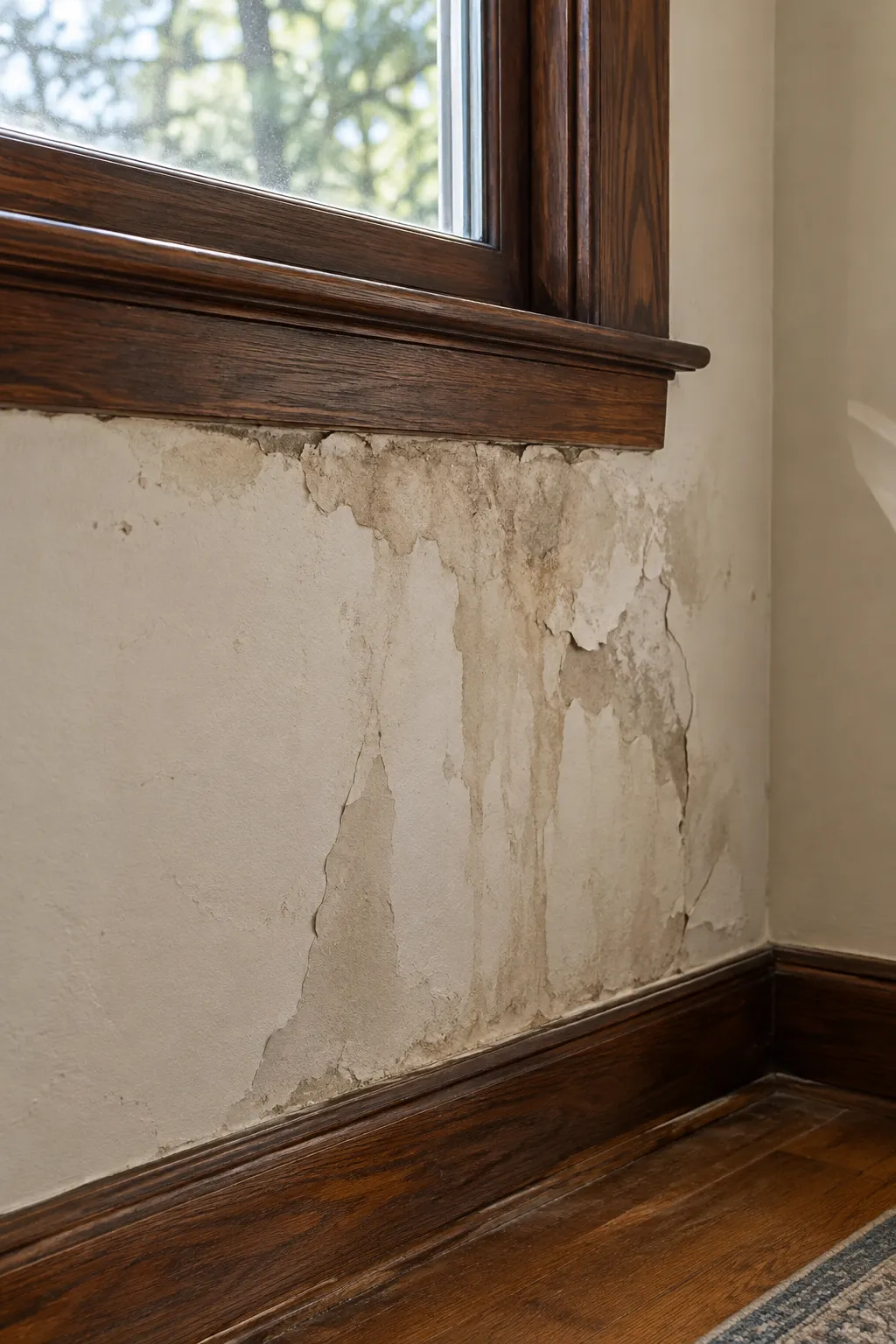
Changed materials
Peeling paint or swollen trim may need a repair decision after source investigation.
PREVENTION STARTS WITH
Leave practical space.
Keep a useful view.
Consider the return position
Where feasible, leave airflow and inspection access around a wall that has repeatedly stayed damp. No single furniture gap guarantees prevention. Balance practical room use with a way to check the original area, rather than immediately concealing it beneath the same arrangement.
Follow the moisture evidence
Keep dated pictures of the visible wall and any nearby water clues. If growth returns after layout changes, revisit the source and material condition. Repeatedly moving furniture or cleaning an edge cannot substitute for repairing continuing water entry or addressing deteriorated surfaces.
WONGA PARK & NEARBY
Wonga Park and
nearby room guides.
Explore the Chirnside Park guide and Warrandyte guide for connected household enquiries. Give your Wonga Park street and furnishings layout to confirm availability and practical access.
BEFORE YOU CALL
Questions before
heavy items move.
Should a piano be moved before calling?
Explain its position first. Specialist or heavy items may need suitable handling arrangements. A full room photograph can support planning without risky movement.
Can the wall be included if most of it is concealed?
Agree what can actually be reached. Concealed sections need an access discussion and should not be assumed to be part of the visible surface scope.
Does growth behind a sofa prove poor airflow caused it?
It is a relevant clue, not a complete diagnosis. Keep leaks, adjoining openings and other moisture observations in the discussion.
Are delicate possessions treated with the wall?
Not automatically. Identify their materials and concerns separately; removal from a building surface does not establish a suitable approach for every adjoining item.
What preparation should be confirmed in advance?
Discuss movement responsibilities, equipment routes, protection and where belongings will go. Mention fragile floors or fixed installations before arranging the visit.
Can furniture go back in exactly the same place?
Discuss remaining dampness and practical airflow first. Keep access for later checking where possible; placement alone cannot guarantee that growth will not return.
TELL US WHAT YOU CAN SEE
Describe the space.
Plan the access.
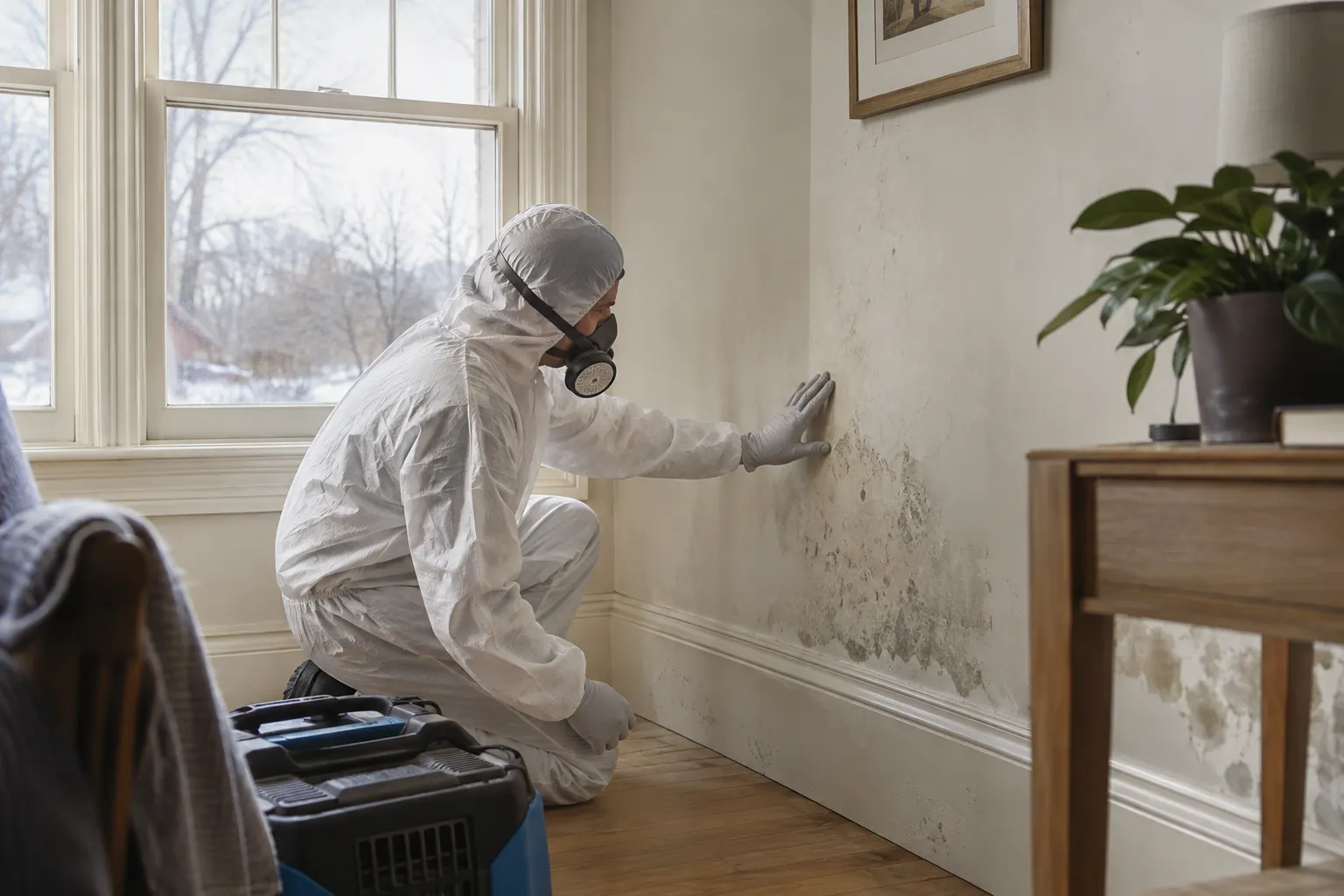
Call 03 8652 1296 with your Wonga Park address, furnished-room photographs and moisture history. Discuss an accessible assessment and the next step.
Local context: Manningham locality information · Maroondah locality information