
ROOMS · MATERIALS · MOISTURE
DANDENONG · MELBOURNE
Mould Removal Dandenong
A ceiling stain after rain needs both its water-entry history and material condition considered. For Dandenong, describe what changed after rain and any earlier repairs before arranging accessible surface work.
Material condition considered
Accessible work agreed first
Moisture observations kept in view
THE ROOM TELLS A STORY
Rain history matters to the ceiling.
Dandenong is included in the municipality’s suburb list published by Greater Dandenong Council.
Where the ceiling marks change after rain, note the timing and any previous roof work. Stay at floor level for photographs instead of entering a roof space. A soft or sagging ceiling needs attention to its condition before a normal surface-cleaning scope can be agreed.
UNDERSTANDING MOISTURE
Read the stain without disturbing it.
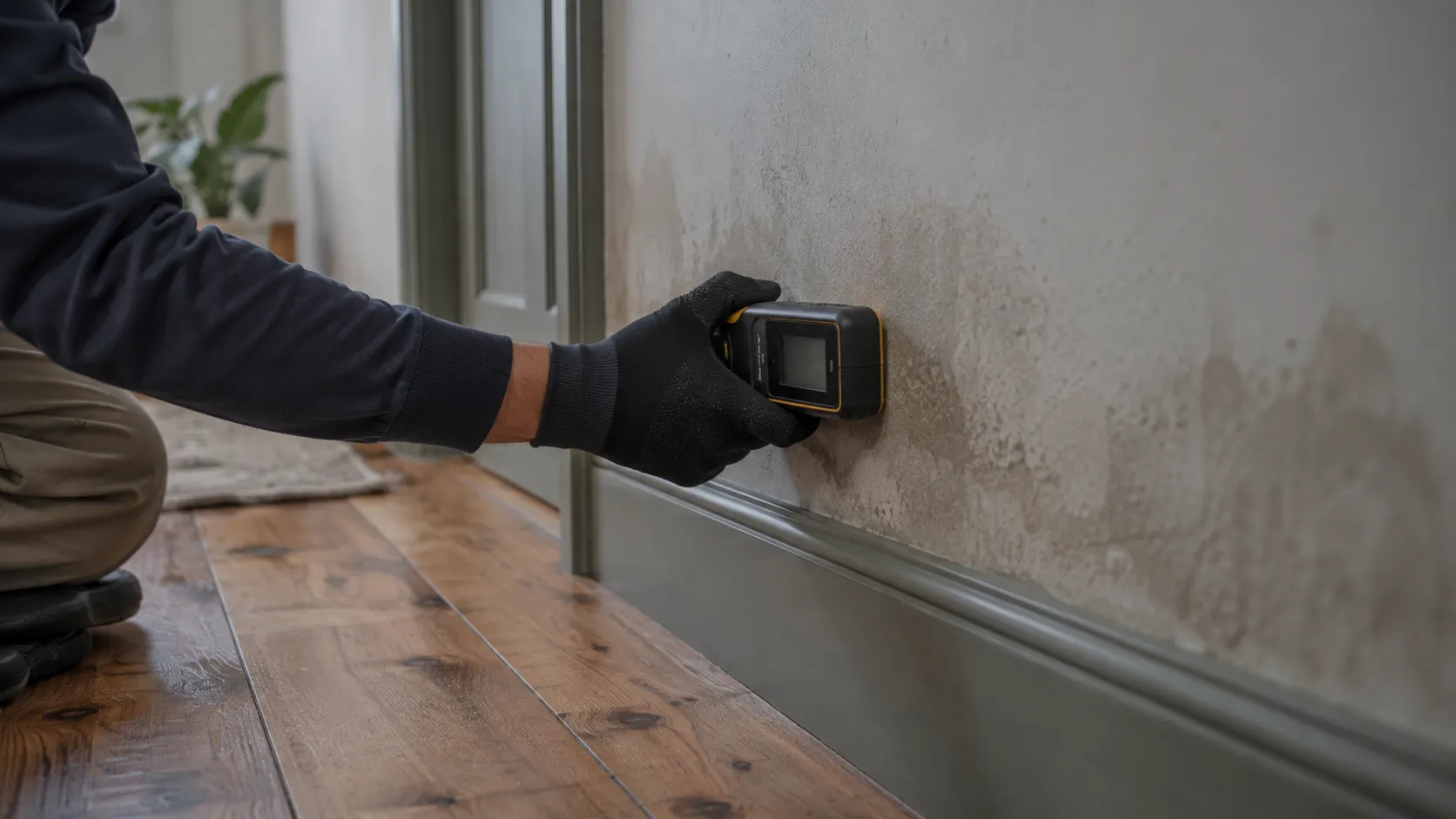
Timing after rain
Record when the ceiling mark changes and whether water was actually seen. A dated sequence is useful to a repairer.
Condition from below
Describe sagging, cracks or lifting paint from a safe floor position. These material observations matter before cleaning is arranged. Do not push, scrape or open a questionable ceiling simply to demonstrate its softness.
The wider room
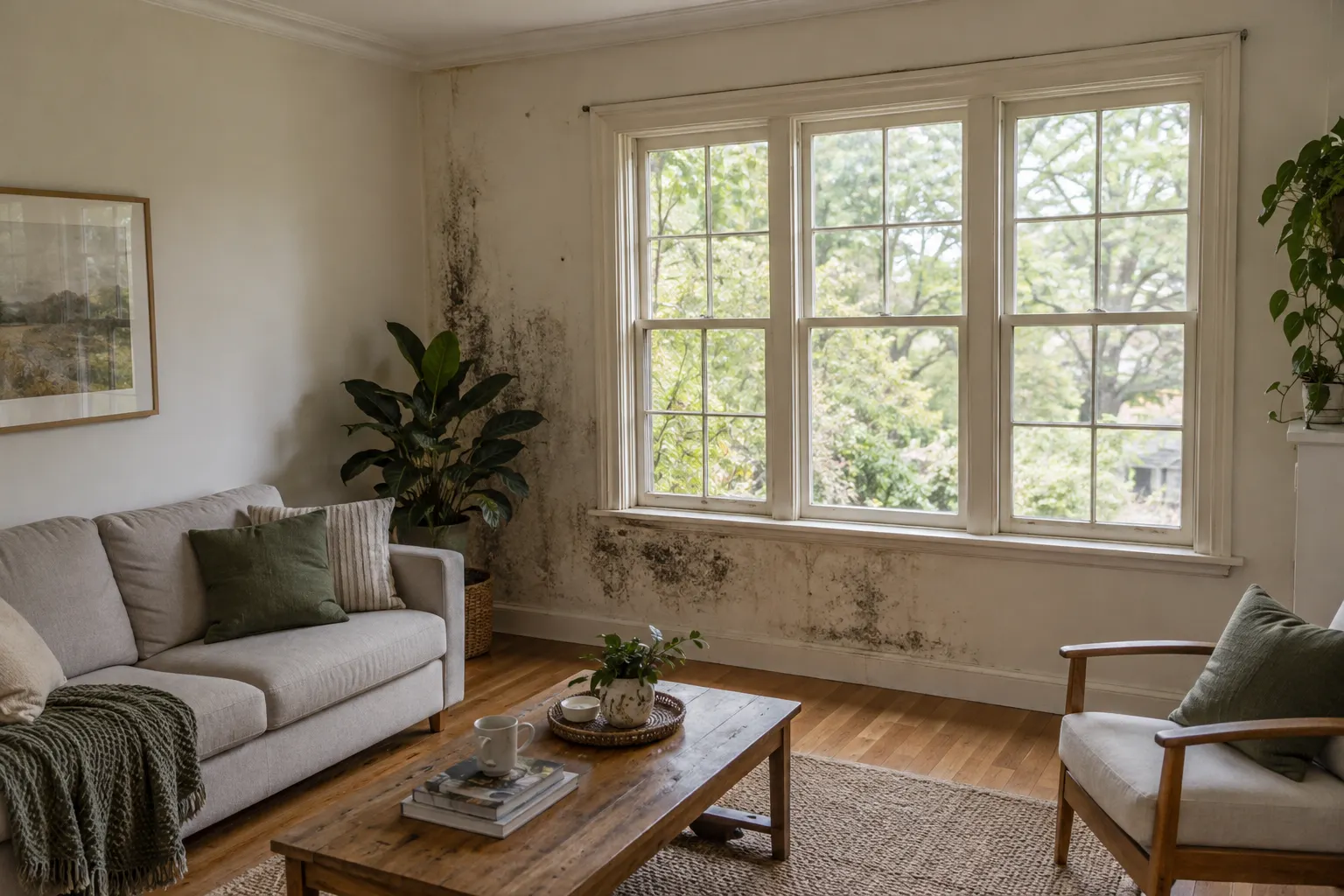
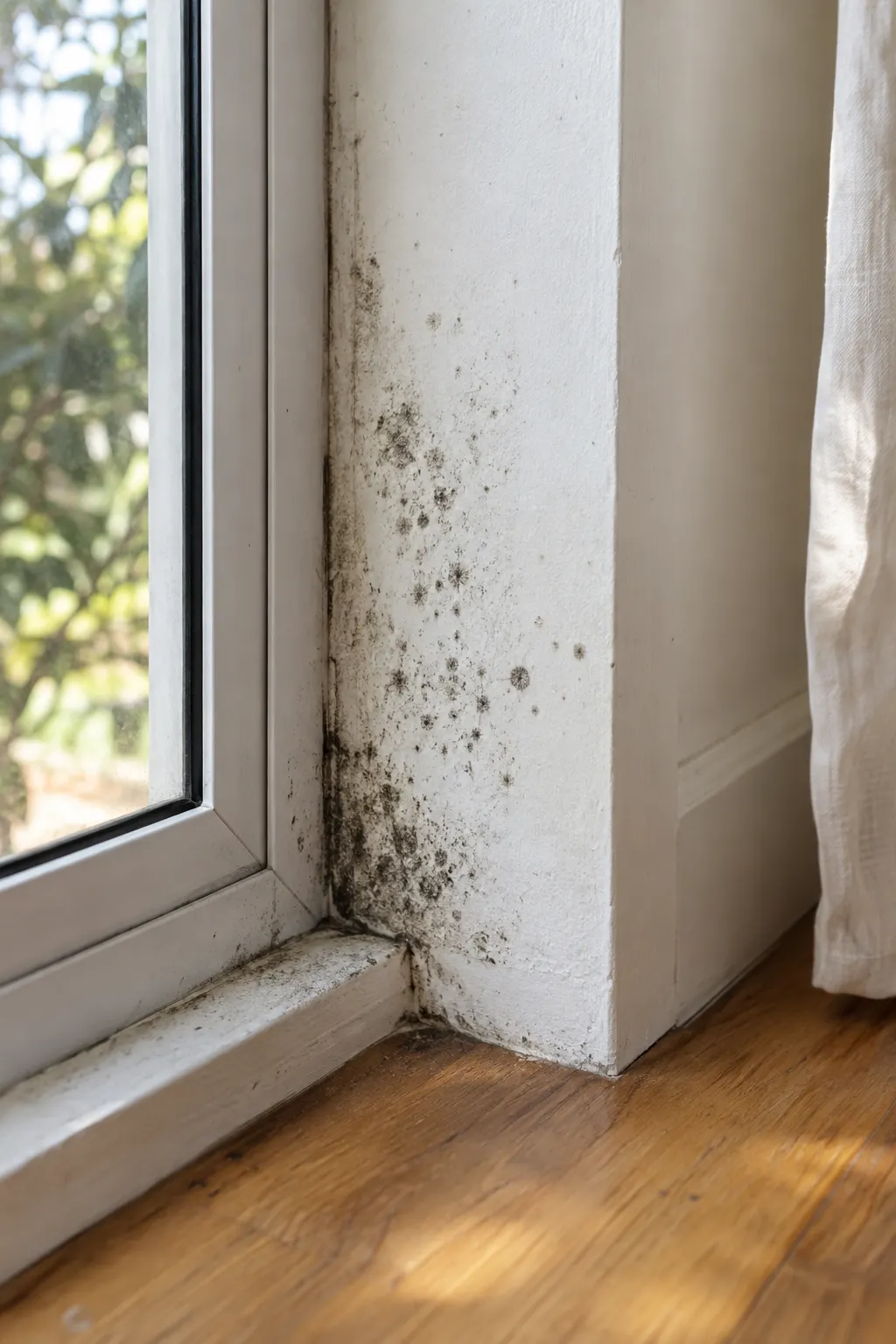
Photograph adjacent walls and the stain’s relationship to the roof edge where that can be understood from inside. A visible-area inspection can consider room evidence, while roof entry needs the appropriate separate investigation.
OUR REMOVAL PROCESS
Separate ceiling care from roof repair.
Save the rain record
Keep the dates of rainfall, visible wetting and any roof repair together. Explain what changed after the repair rather than relying on a single statement that the leak has been fixed.
Avoid overhead probing
An enquiry does not require entering a roof space or climbing near the affected lining. Wider photographs from the room can describe position and extent while preserving the ceiling condition for appropriate assessment.
Name earlier work
Tell us if paint, plaster or insulation was replaced after the incident. That sequence helps define the present surface and what remains concealed, without assuming every wet material was included in the earlier task.
01
Establish what is suitable
Tell us the visible extent, ceiling material and known leak history. Mention questionable lining before the appointment. The removal service concerns accessible surfaces and should not be agreed as though damaged overhead material were sound paint.
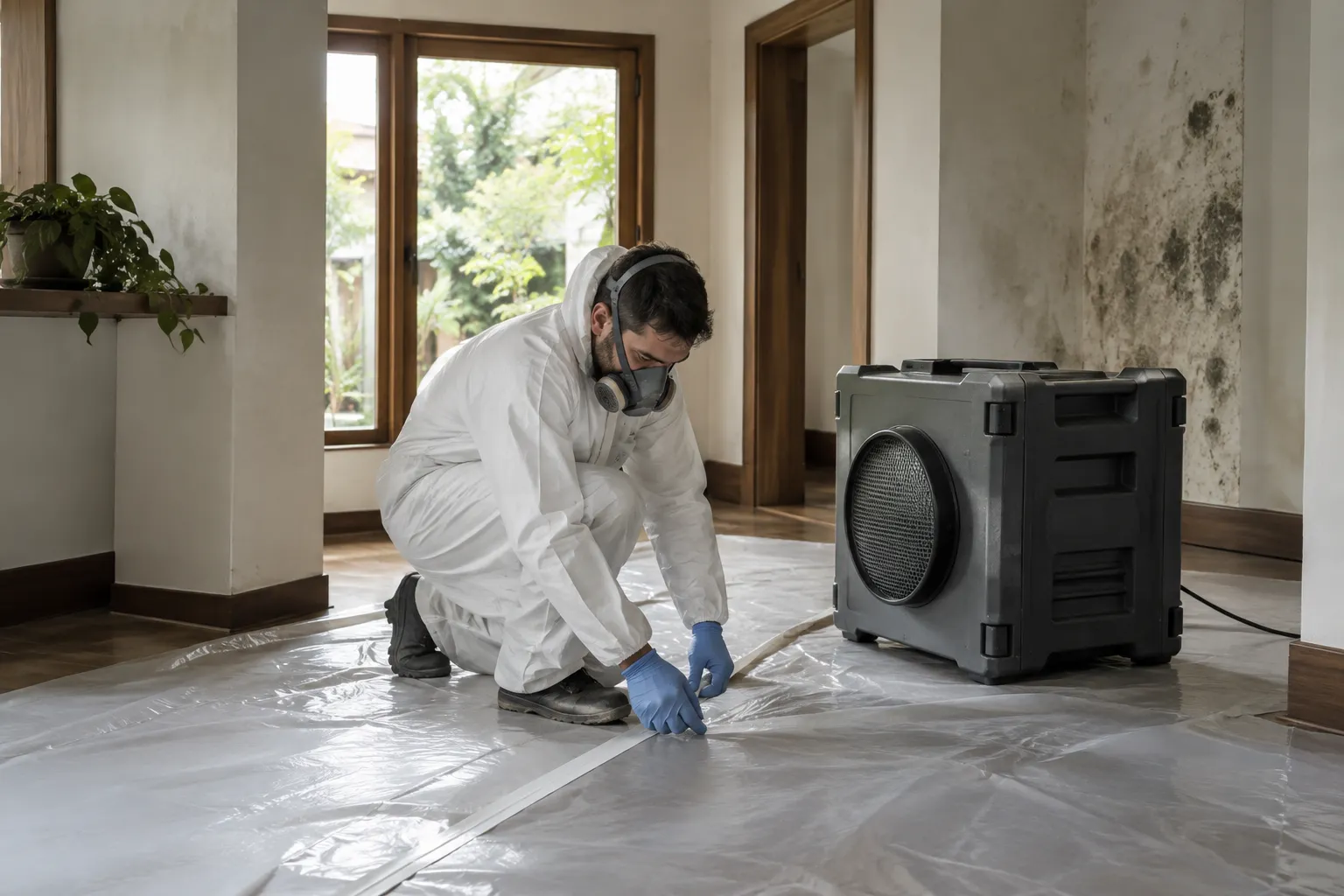
02
Prepare around the condition
Discuss floor protection, nearby belongings and safe working access. If another trade needs to address water entry or ceiling damage first, coordinate that step. Equipment and preparation should fit the task rather than assume every stain can be treated immediately.
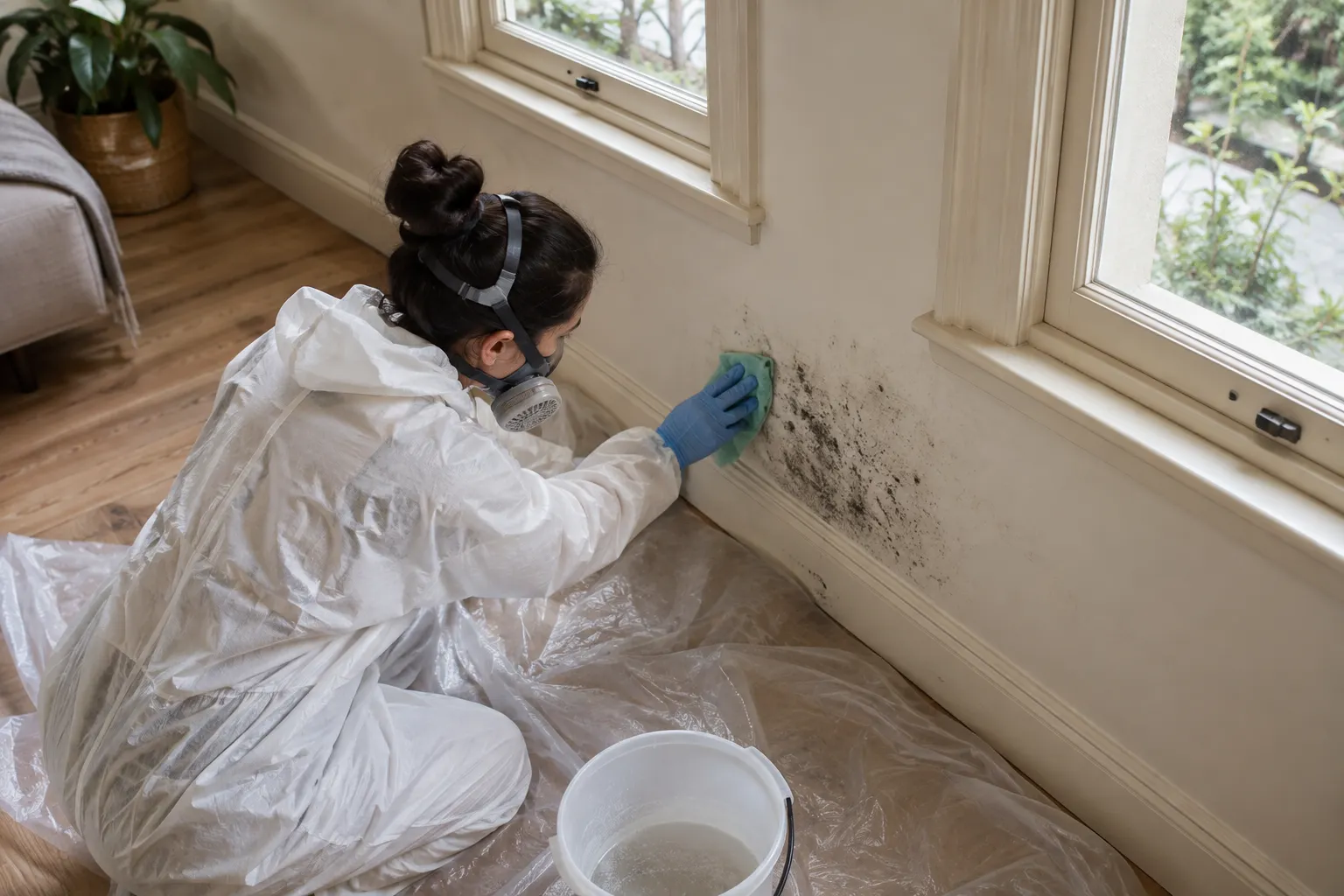
03
Review the remaining finish
Discuss staining, material deterioration and further repair after the agreed work. Remediation decisions keep moisture and material recovery in view. Improved appearance is not confirmation that the roof defect has stopped allowing water into the home.
COMMON AREAS AFFECTED
Follow the water, then the materials.
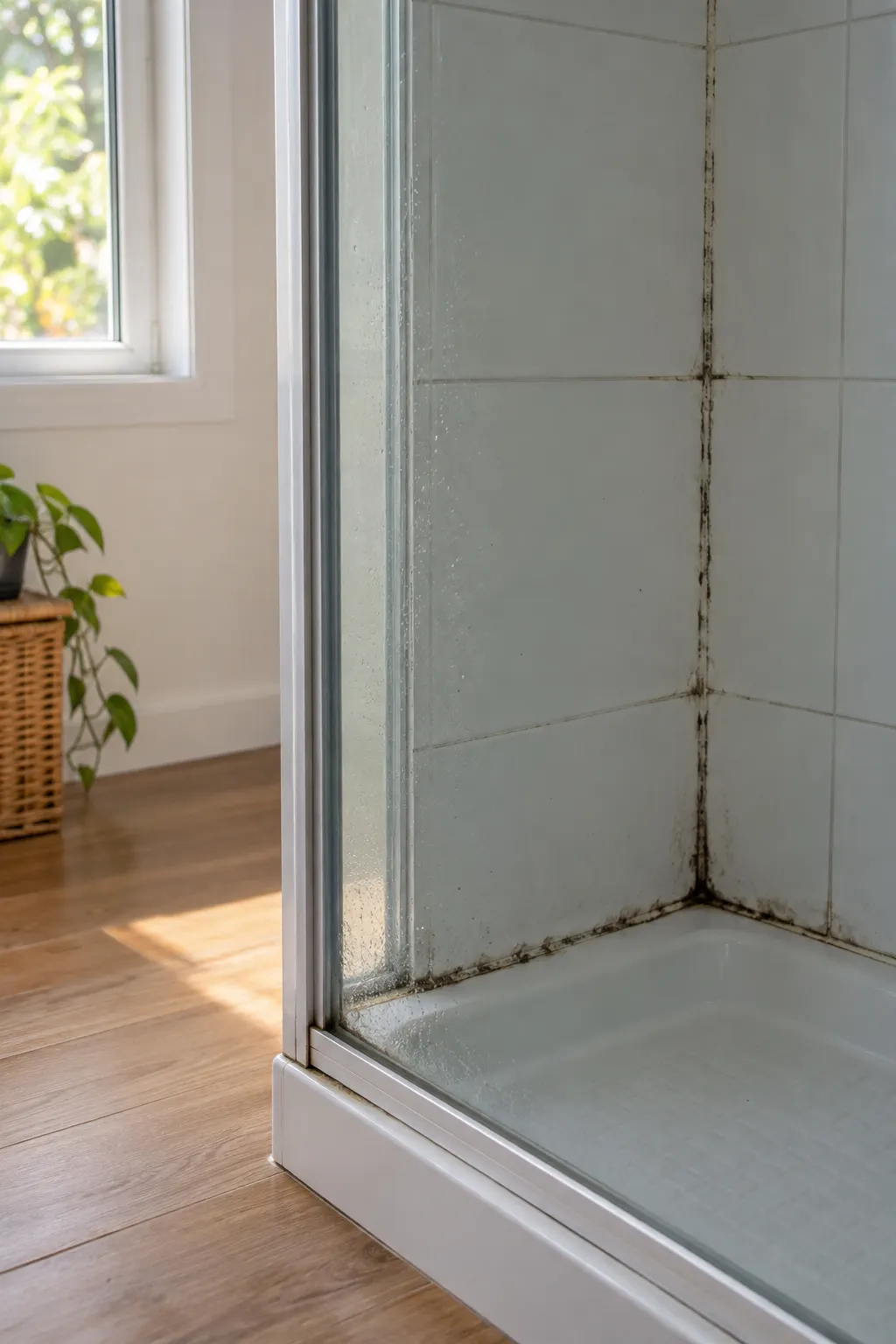
Bathroom surfaces
Bathroom growth can be unrelated to a roof incident. Keep the shower-drying routine and any plumbing history distinct so a separate wet-room patch is not automatically assigned the ceiling’s explanation.
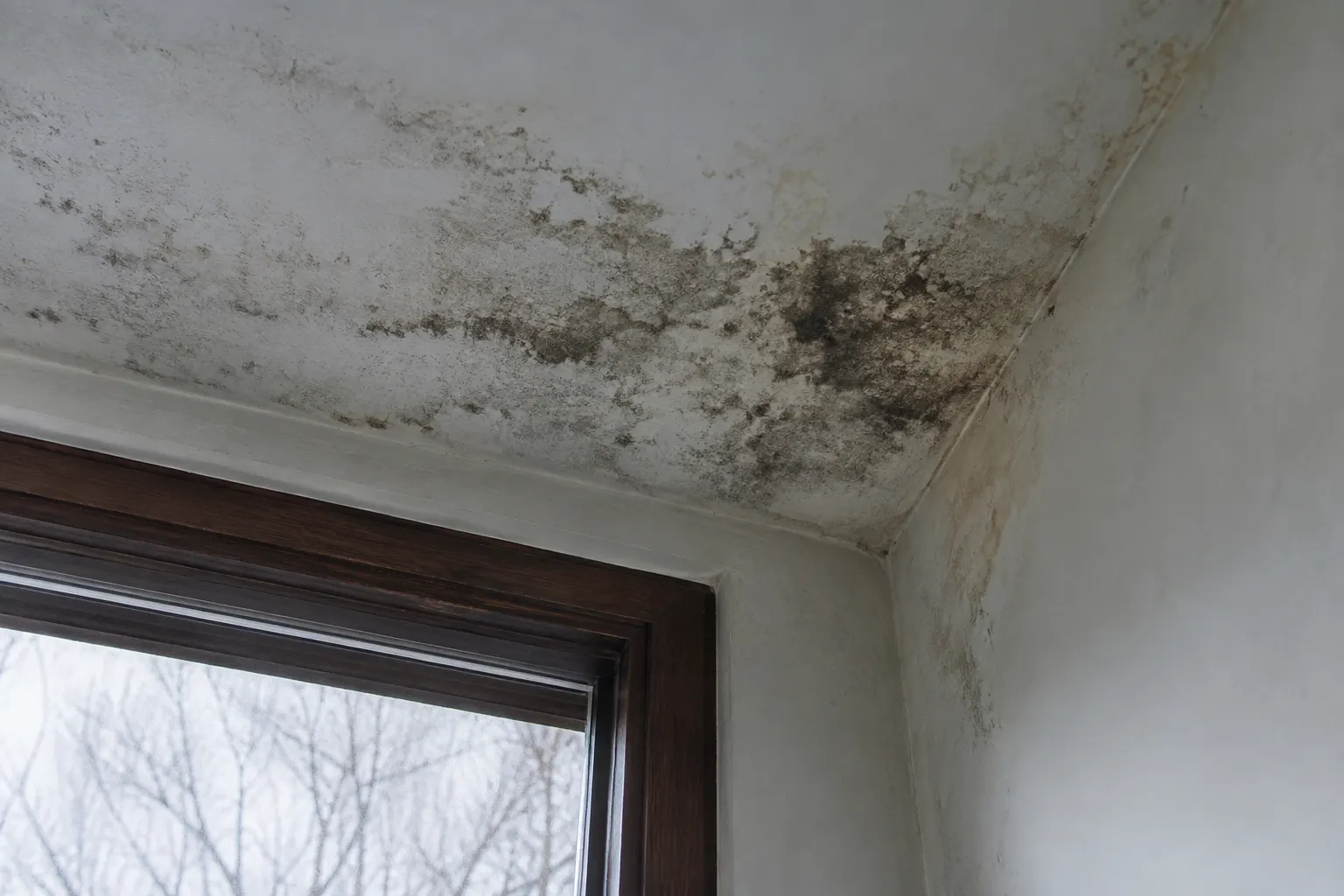
Ceiling condition
An affected ceiling needs its finish and physical condition described. Visible growth, old water staining and softened board are different observations that may require separate decisions about removal and repair.
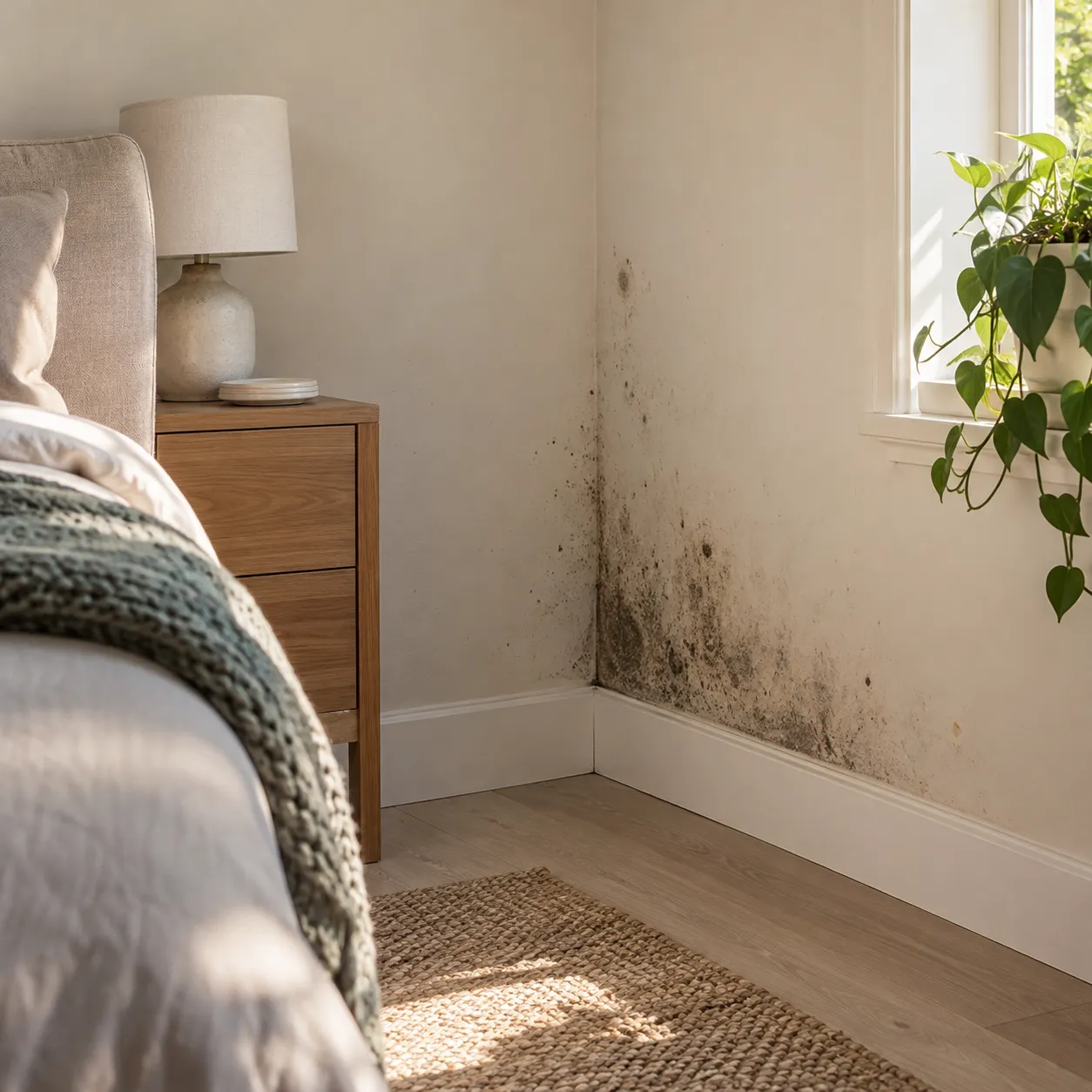
Walls and finishes
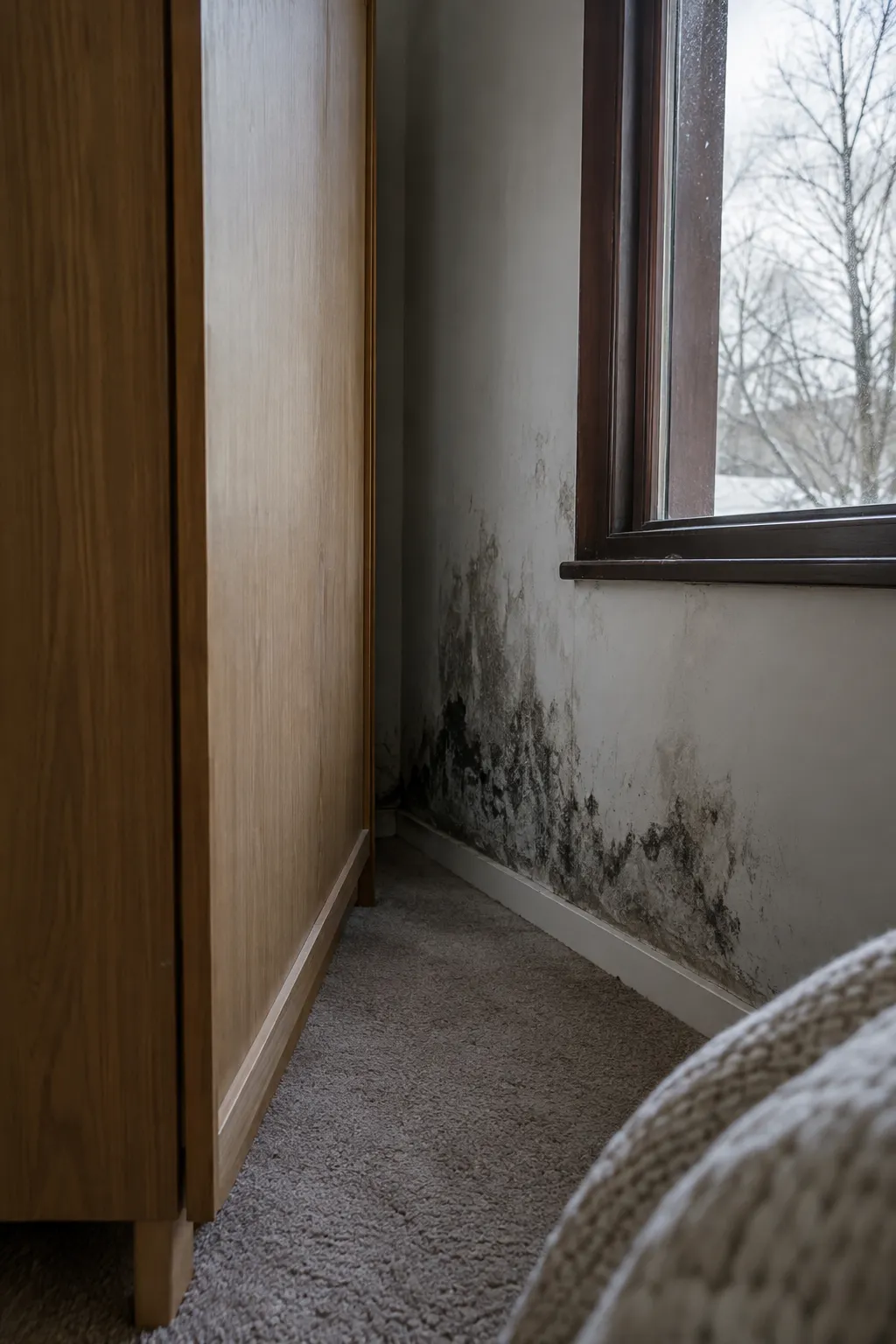
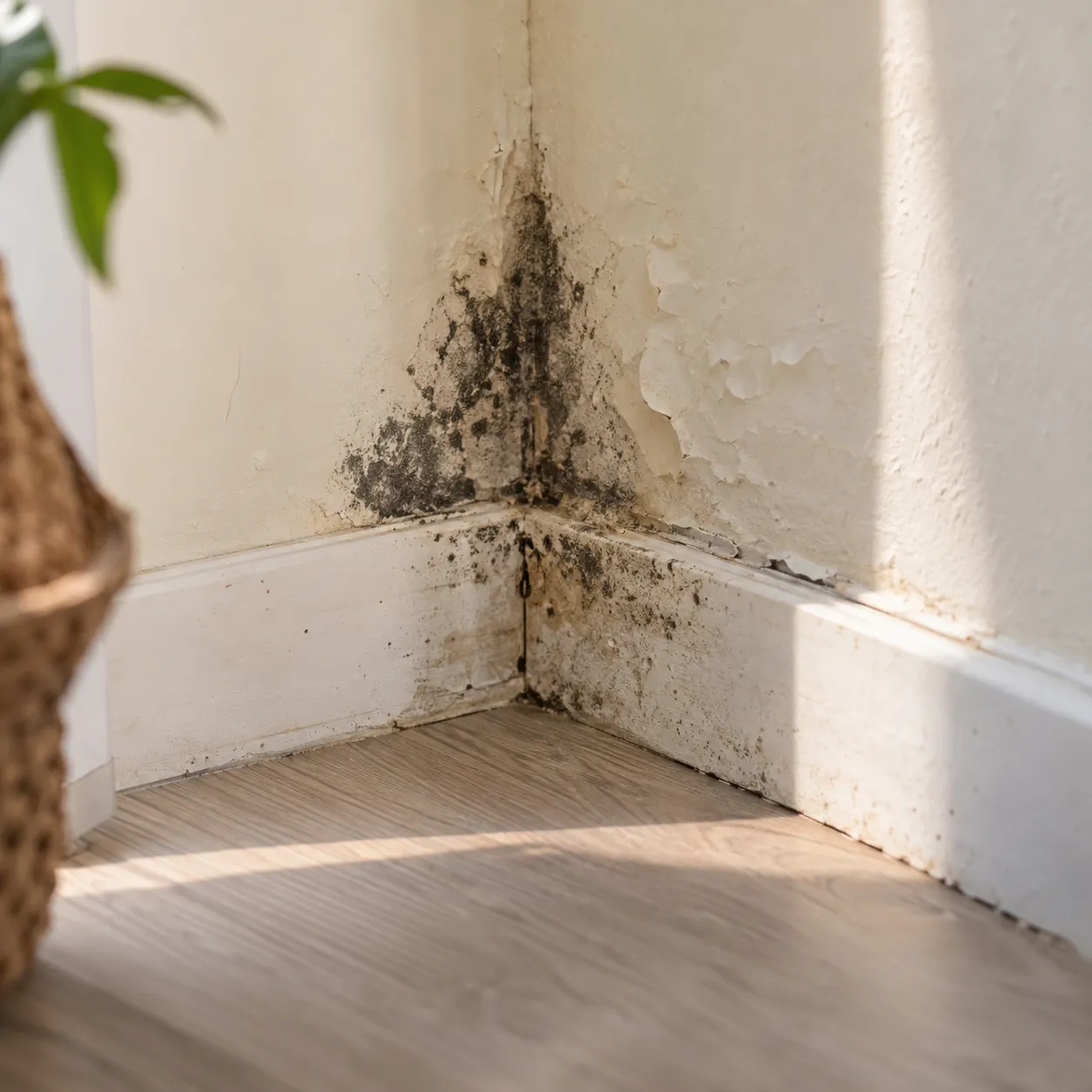
Water can affect the upper wall as well as the ceiling. Include their junction in a room view, and mention damaged trim or peeling paint that changes the material scope.
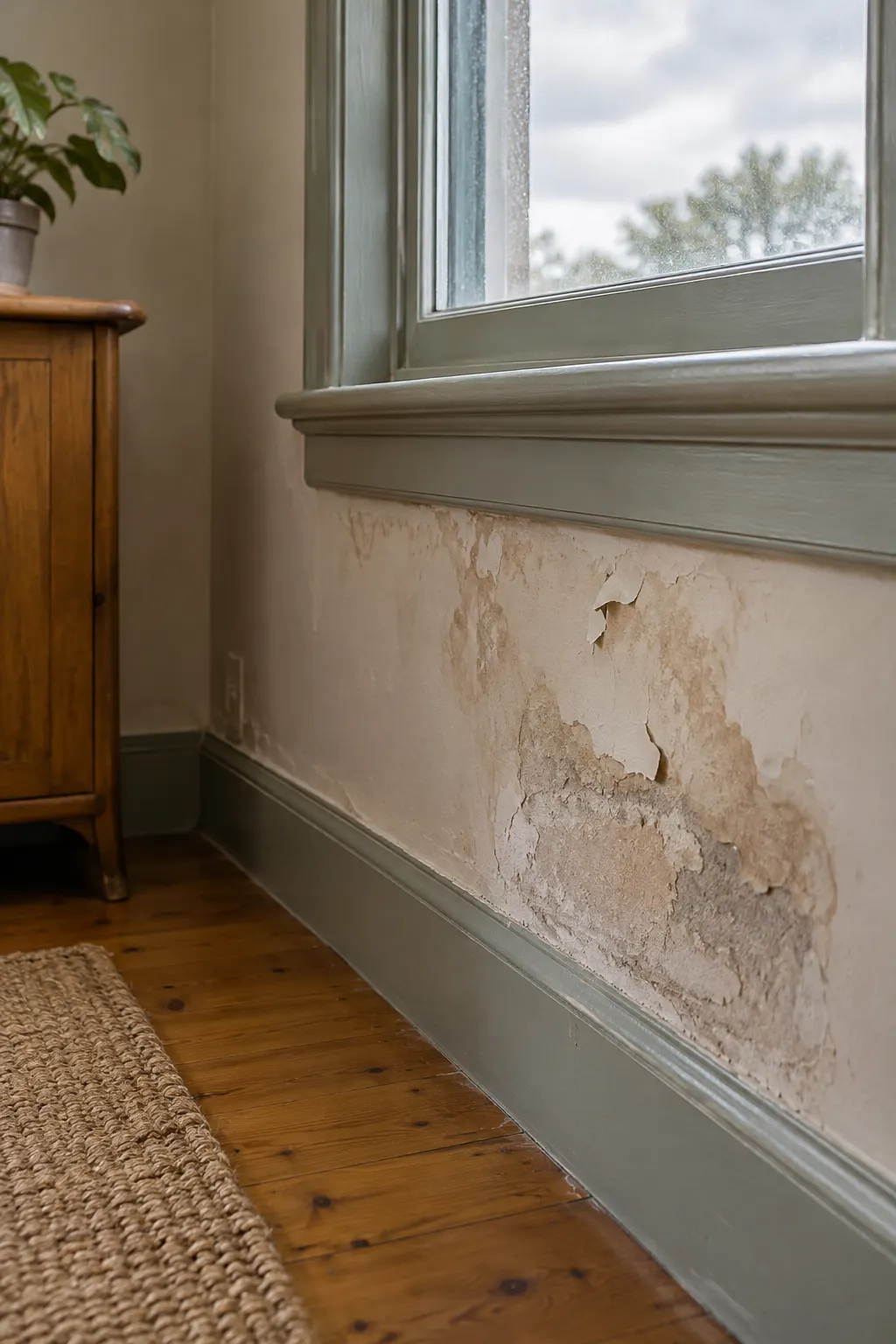
After water damage
After a leak, adjacent interiors may have been wet beyond the clearest stain.
PREVENTION STARTS WITH
Repair the entry.
Review the room.
A practical household check
Keep dated room photos after rain so the repairer can compare changes. Do not climb onto a wet roof to investigate. Once water entry has been addressed, discuss the remaining damp material and visible growth before making the ceiling look new again.
Check the same visible area
After a separate roof repair, compare the ceiling from a safe position during subsequent ordinary weather. Report renewed wetting rather than repeatedly repainting the stain. The aim is to understand continuing moisture and material condition, with decoration following those decisions rather than hiding the evidence.
DANDENONG & NEARBY
Around Dandenong
Continue to Noble Park, Doveton and Eumemmerring for other nearby addresses. A ceiling enquiry should keep its particular rain observations and repair dates, even when two properties are geographically close.
BEFORE YOU CALL
The useful
questions.
Will cleaning a ceiling stain also stop a roof leak?
No. Removing visible growth and repairing water entry are different jobs. Explain when the stain changes and arrange the appropriate investigation of the roof or building defect. Damaged ceiling board may need separate repair rather than cleaning alone.
Can an old stain remain even after the source is repaired?
Yes, staining can remain independently of active wetting. Explain what has changed and provide dated photos. Removal expectations should distinguish accessible growth, damaged material and appearance rather than promise that every stain will disappear.
Should I enter the roof space to find the source?
Do not do that as preparation for a removal enquiry. Describe room evidence from a safe floor position and arrange appropriate roof or building investigation where needed, particularly around damaged overhead material.
What if the ceiling is sagging?
Mention it before work is arranged and avoid disturbing the area. A questionable lining needs suitable attention to its condition and access; it should not be treated as an ordinary cosmetic cleaning task.
Can you work before the roof repair is completed?
Discuss the circumstances first. Active water entry, material damage and access can affect timing. The agreed scope should make unresolved repairs clear instead of assuming surface removal will be useful regardless of continuing wetting.
How do I enquire for a Dandenong ceiling?
Call 03 8652 1296 with the address, floor-level photos and leak or repair history.
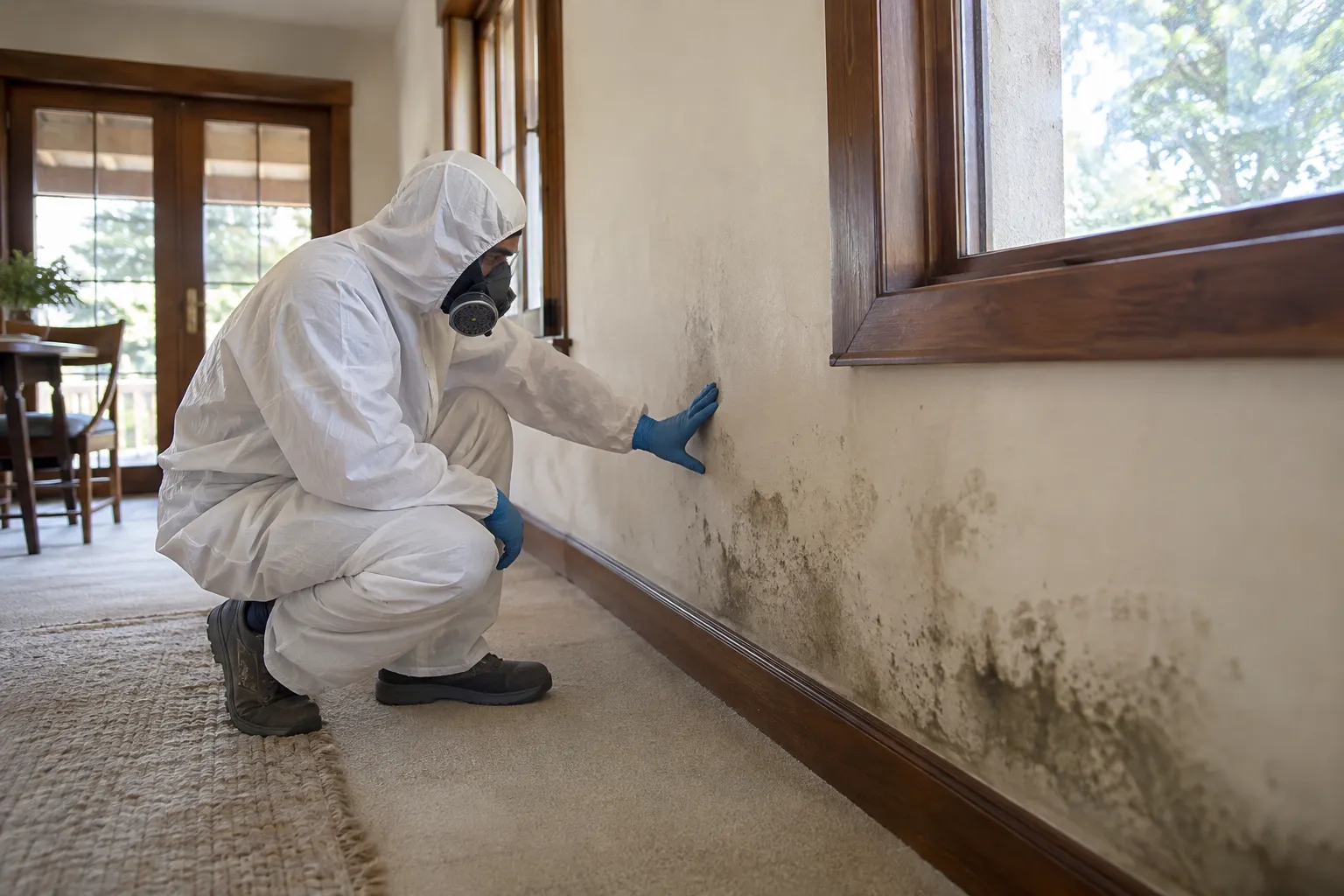
TELL US WHAT YOU CAN SEE
Keep the ceiling history in view.
Call with the visible condition, wetting dates and repair information. We can discuss address availability and appropriate accessible work, with roof repair, concealed materials and damaged lining kept distinct from the removal scope.
Local context: Greater Dandenong — local statistics