
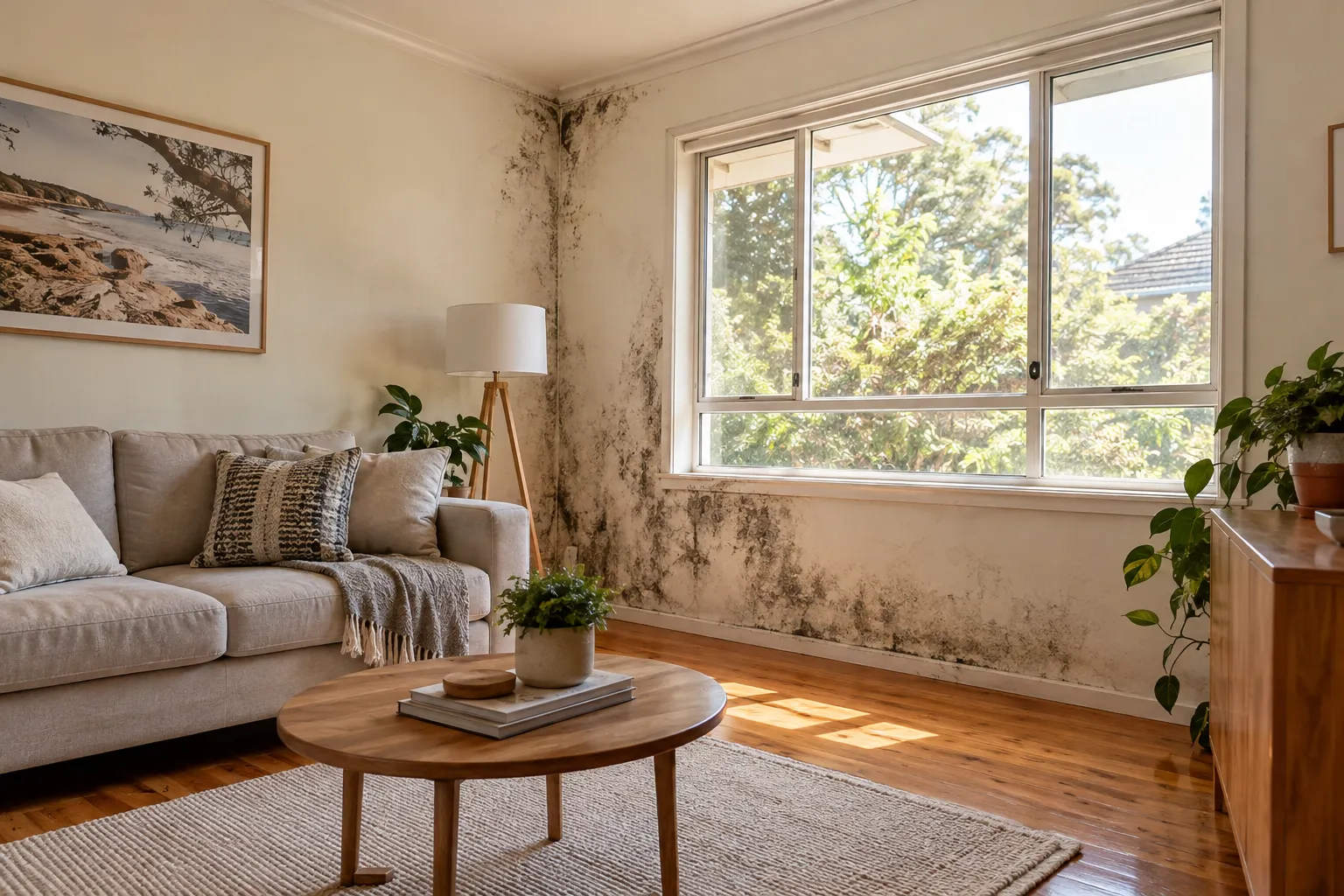
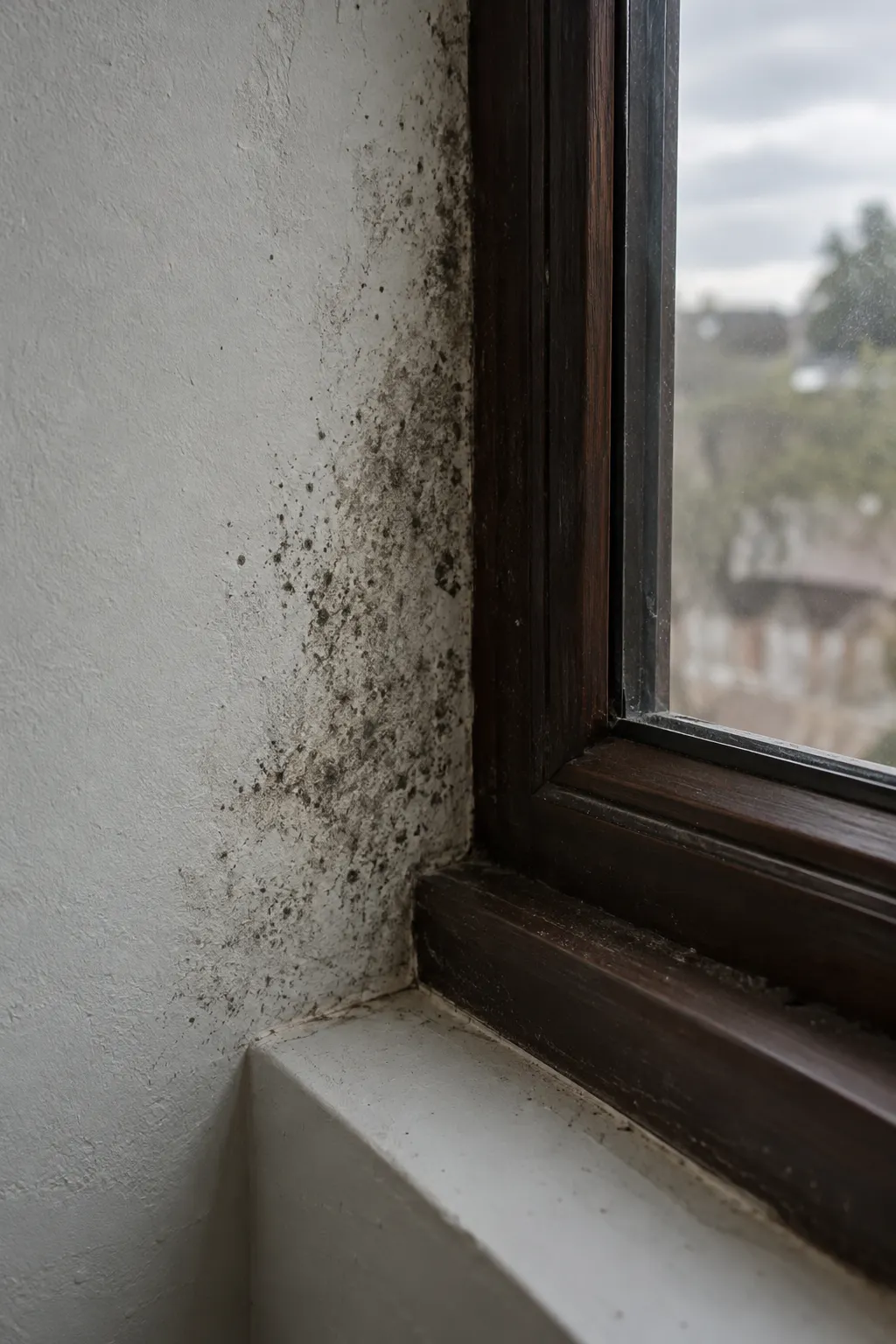
DAMP BUILT-IN ROBES · MOISTURE · SURFACES
HUGHESDALE · MELBOURNE
Mould Removal Hughesdale
A built-in robe can hide both the moisture source and affected surfaces. For Hughesdale, tell us what you see on the backing, shelves and adjoining wall, and whether contents can be moved.
Visible material considered
Moisture history discussed
Access and scope agreed
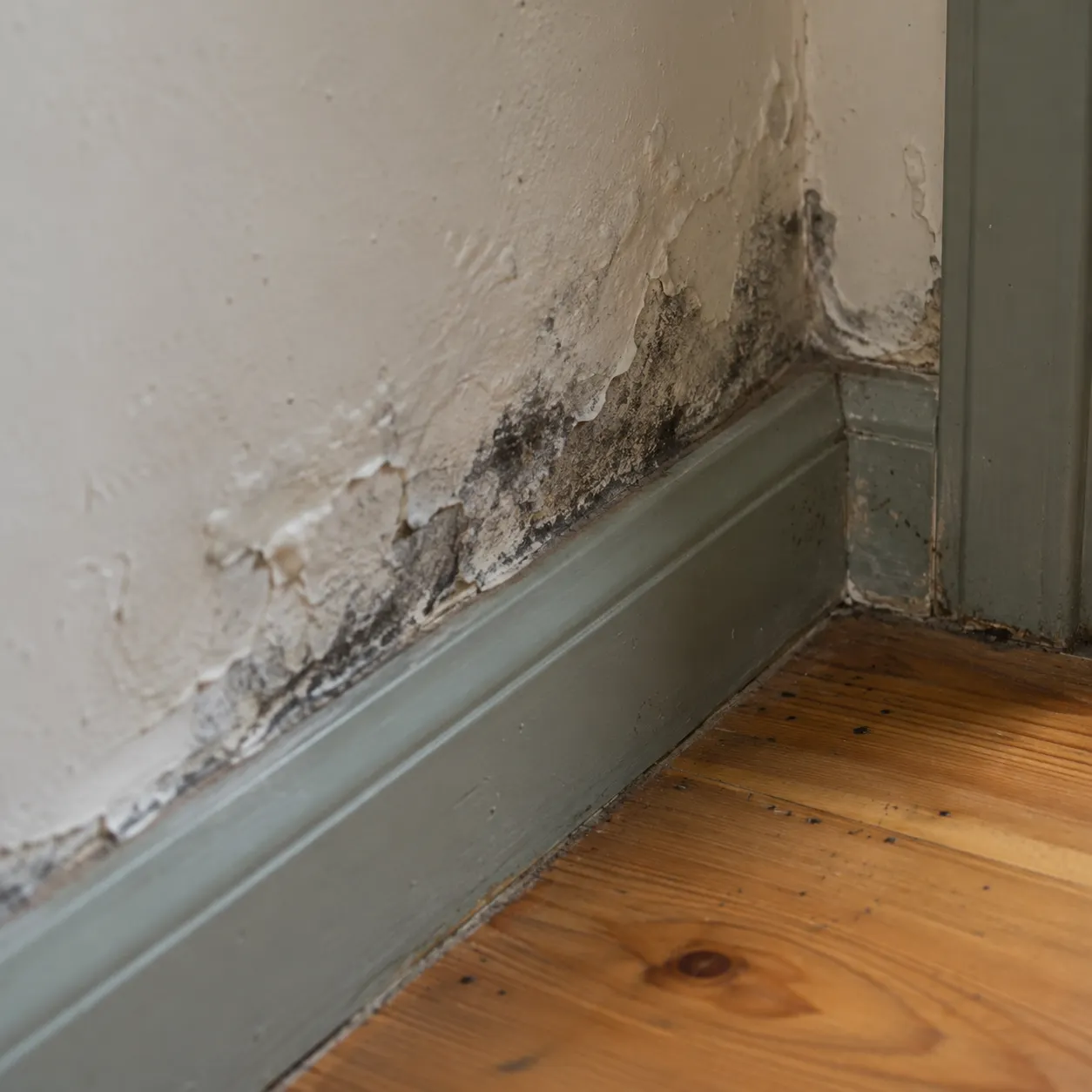
THE ROOM TELLS A STORY
The robe needs room to be assessed
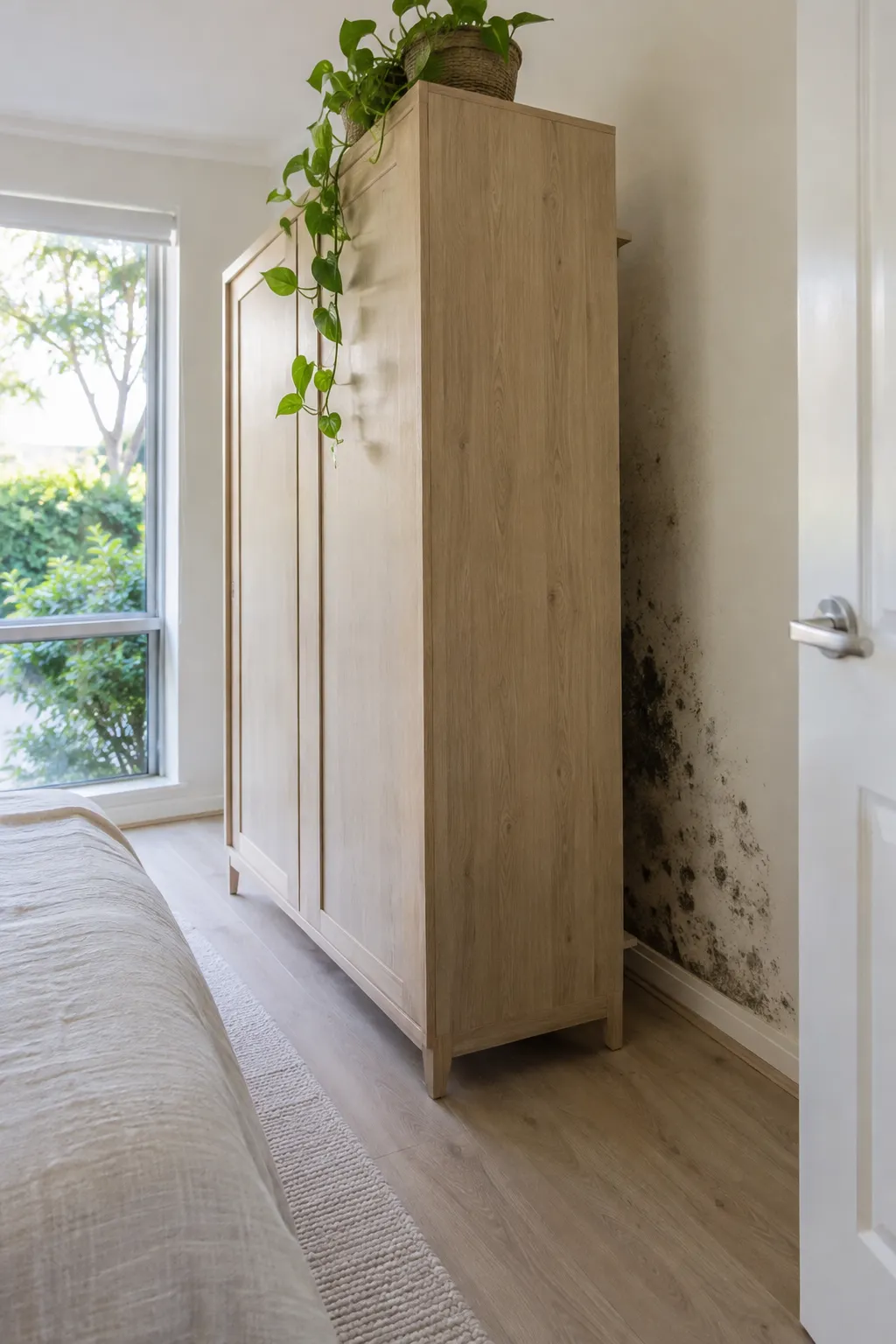
Monash lists Hughesdale within its municipality. If the robe has fixed backing, an exposed mark at its edge may not show the full extent behind it. Keep access and material decisions separate: routine surface work can address reachable areas, while removing joinery needs agreement and may involve another trade.
Discuss an inspection of the reachable robe surfaces before moving fixed panels. Explain where the mark disappears behind the backing, which contents can move and who can authorise further access, keeping concealed conditions outside what the visible patch establishes.
UNDERSTANDING MOISTURE
Make sense of
moisture inside a closed robe.
Moisture in the air
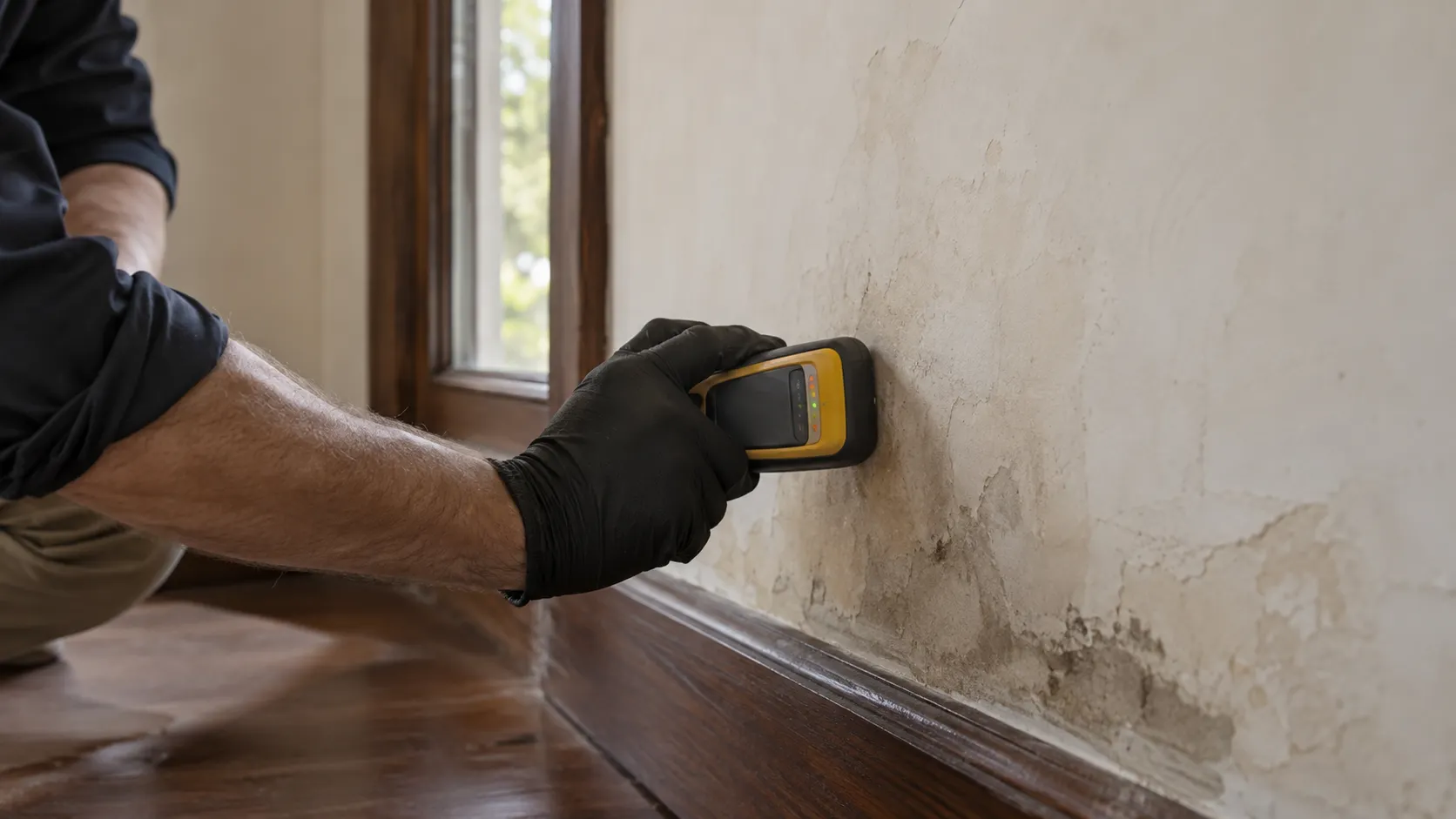
A closed robe can conceal repeated dampness at its backing or adjoining wall. Observe visible surfaces and room drying, but do not infer the whole concealed cavity’s condition from a small edge.
The water history
Include a nearby window, wet area or earlier leak if relevant. The robe’s location can frame questions, while source investigation may still be needed beyond its accessible backing.
Check the finish
Backing board, shelves and wall paint have different retention considerations. Swelling or deterioration should be described before treatment, rather than assuming every cabinet component can be restored by cleaning.
OUR REMOVAL PROCESS
From observations
to surface work.
Keep the room history
Record whether growth appeared on shelves, stored items or the backing first. A photo showing the cabinet layout helps explain access as well as the visible extent.
Make access practical
Confirm whether a joiner or property contact would be needed to remove fixed parts. A surface visit can have a narrower scope than a complete cupboard investigation.
Agree the next decisions
Ask what remains unknown behind the robe. Moving clothes back into storage should follow the moisture and material discussion, not conceal a question that is still open.
01
Assess the built-in robe
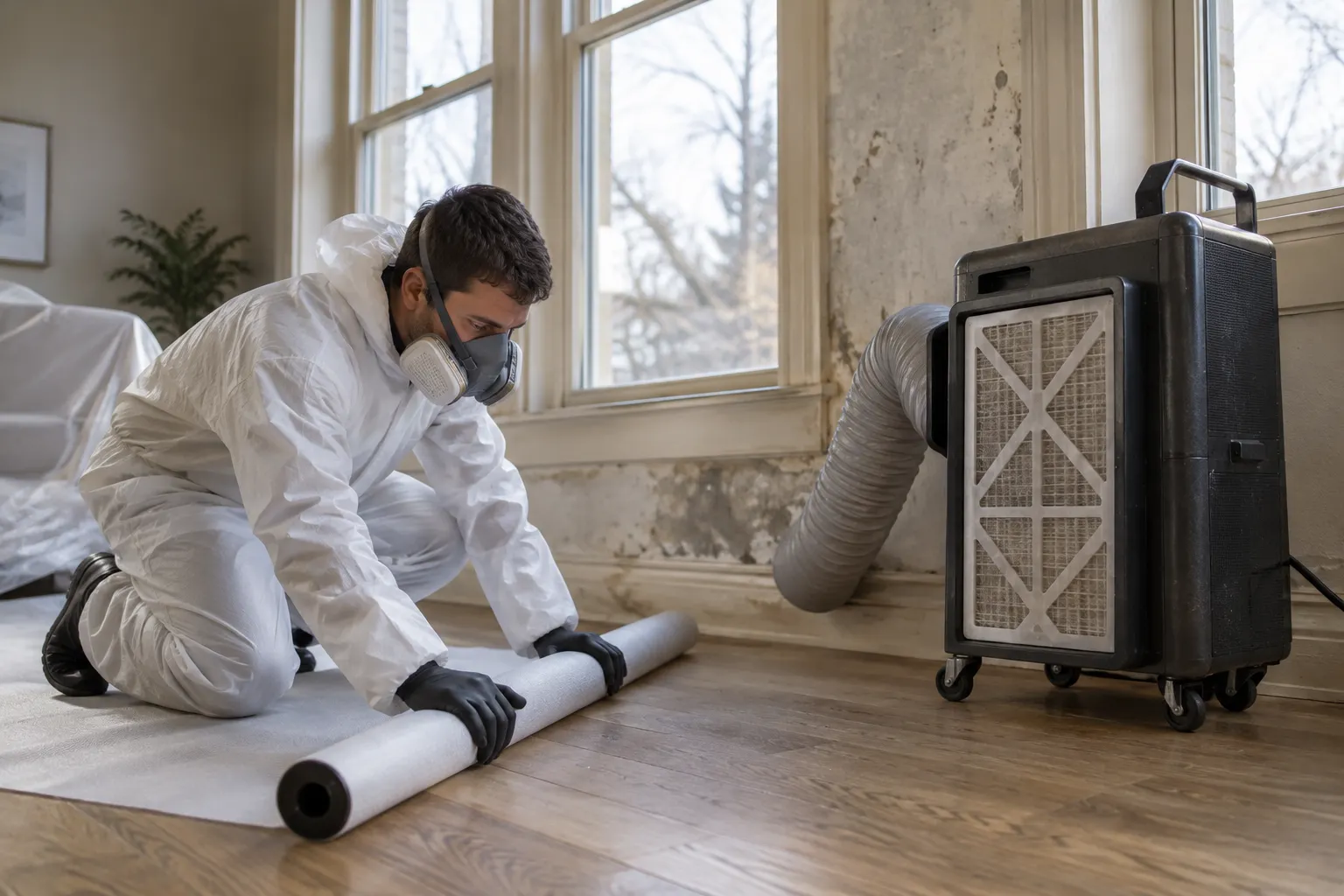
Define the reachable robe backing, shelves and adjoining wall before a removal scope is agreed. Concealed material behind fixed joinery needs its own access decision.
02
Prepare the working area
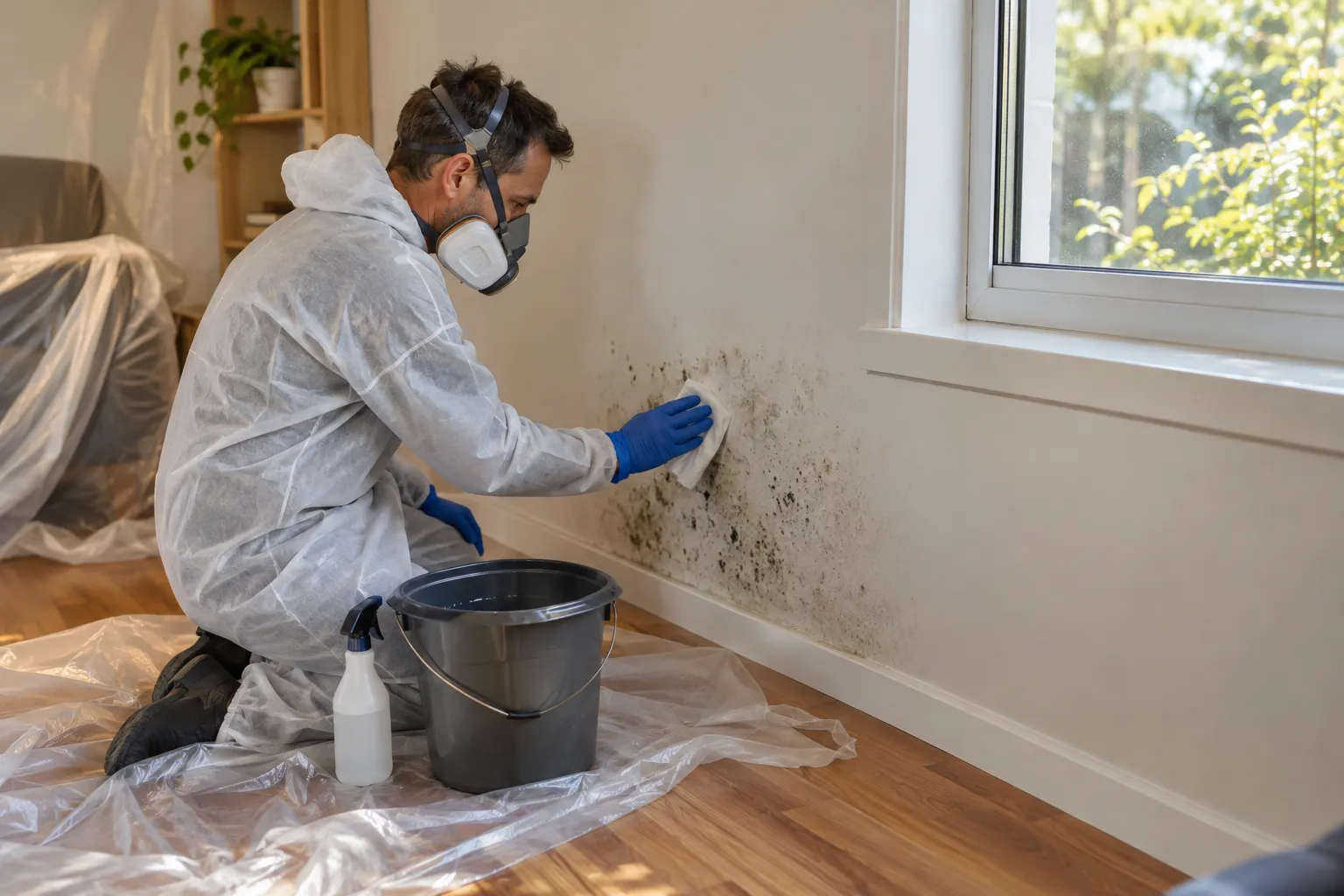
Agree on emptying the affected portion of the robe and protecting contents. Fixed backing should remain intact unless removal has been specifically planned and authorised.
03
Remove and review
Review the exposed surfaces after treatment without treating the whole cabinet cavity as inspected. Any continuing dampness at a hidden edge should remain in the follow-up discussion.
COMMON AREAS AFFECTED
Different surfaces.
Different decisions.
Bathroom junctions
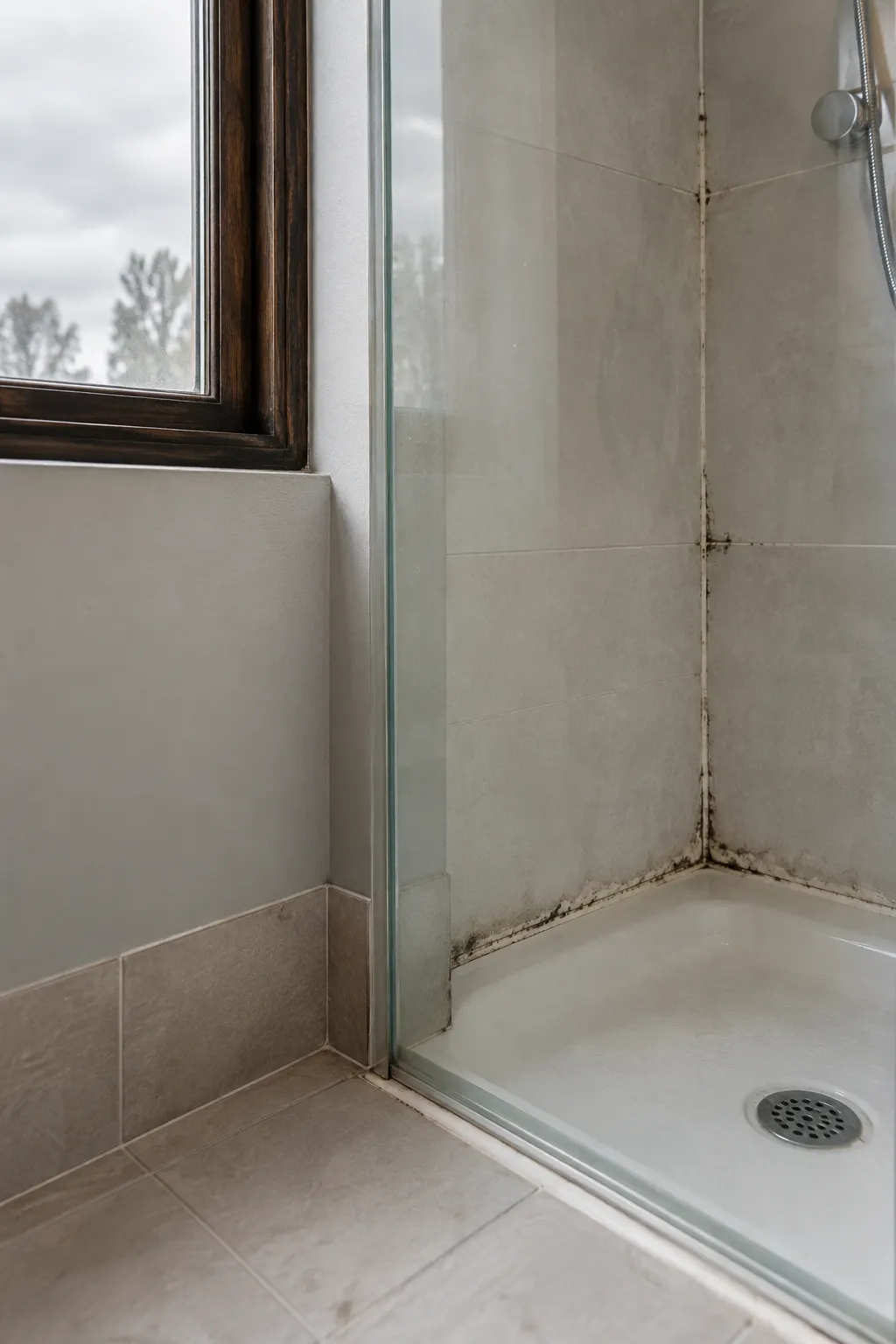
If the robe backs onto a bathroom, record observed changes after water use. That relationship is useful context without confirming a hidden shower or plumbing defect.
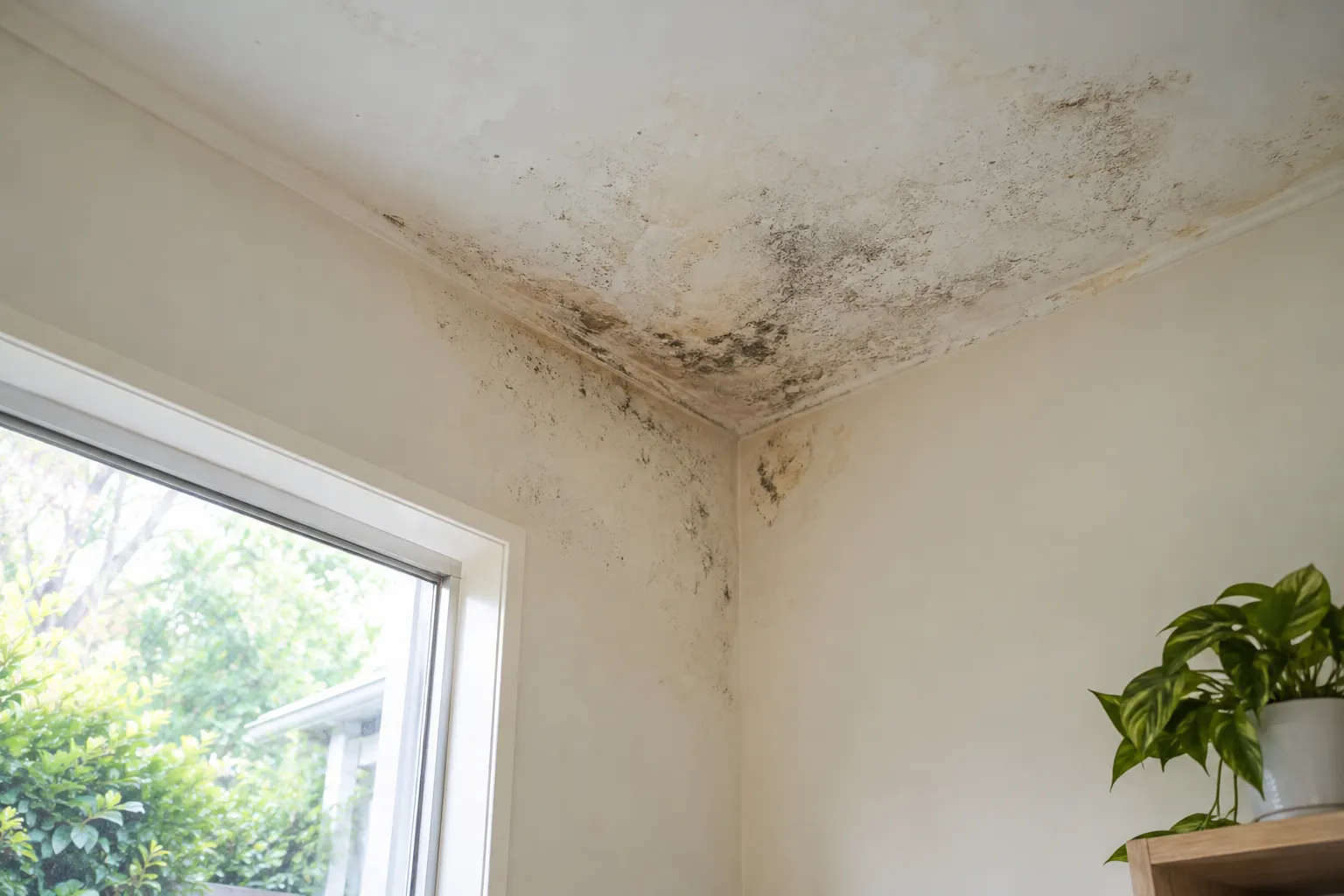
Ceiling surfaces
A mark above the robe may be difficult to see or reach. Provide a safe room view and state the cabinet’s access limit rather than assuming the ceiling behind it is unaffected.
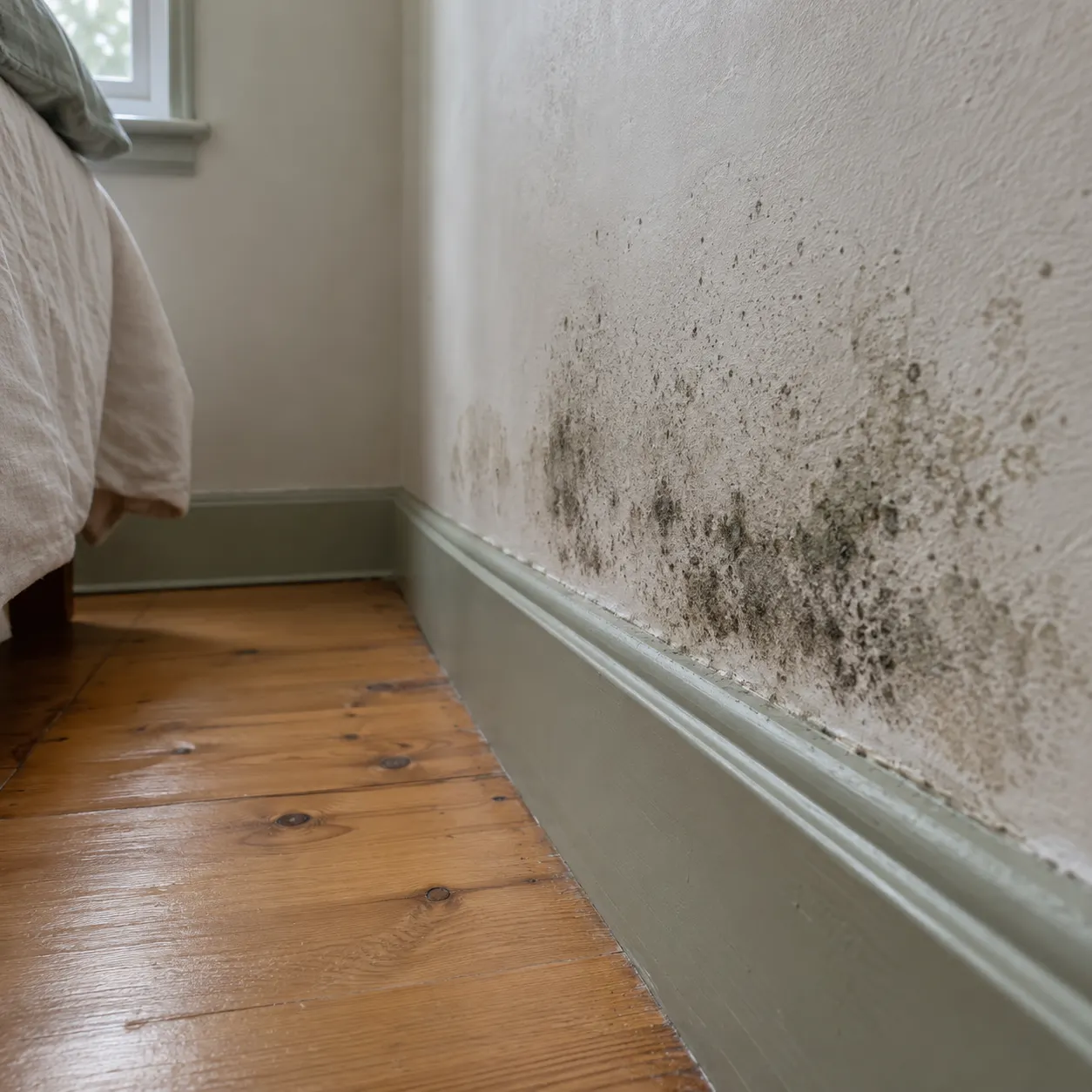
Painted walls
Photograph the visible wall beside the robe as well as its marked interior face. This helps distinguish suitable exposed treatment from areas concealed by the fixed backing.
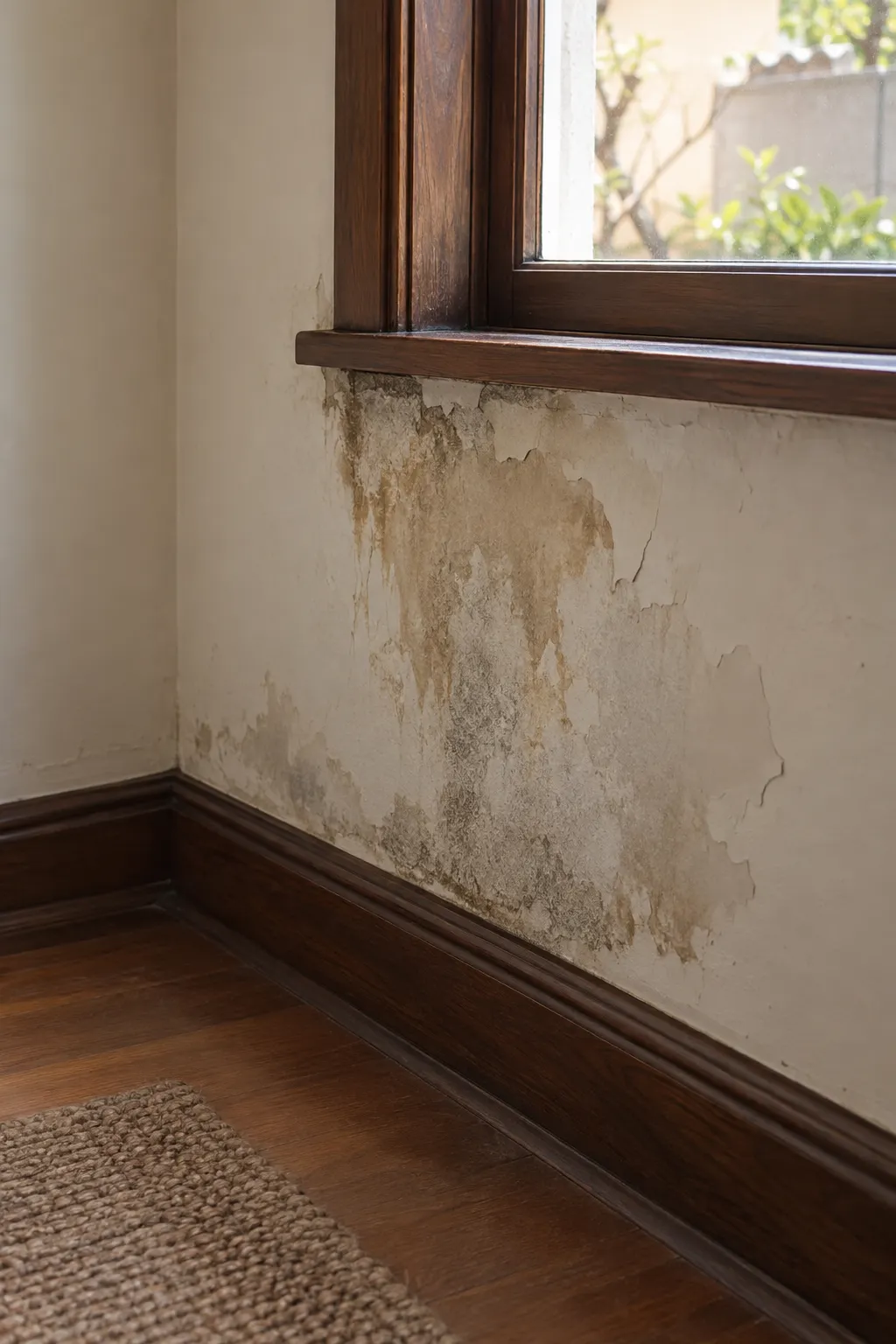
Water-affected rooms
If an earlier event wet the joinery or stored contents, list those materials. Their drying, repair or handling can remain separate from removal on accessible building surfaces.
PREVENTION STARTS WITH
Help the room
dry between uses.
Observe the drying pattern
Keep the robe’s affected faces observable while moisture questions are addressed. Repacking a persistently damp cupboard tightly can hide changes; organisation alone cannot resolve continuing water entering behind it.
Follow up before decorating
Agree on any joinery access or replacement before restoring storage. If the concern extends behind fixed parts, remediation planning should make permission and treatment boundaries explicit.
HUGHESDALE & NEARBY
Hughesdale and nearby rooms.
For another close-by address, see Murrumbeena and Oakleigh. A Hughesdale robe enquiry needs its own property location and joinery layout so access or treatment is agreed for the actual cabinet rather than assumed from the suburb guide.
BEFORE YOU CALL
The useful
questions.
Does growth on robe backing reveal the wall behind it?
It only records the exposed face. Assessing concealed material may require another access decision, suitable permission and a plan for any joinery removal.
Should the robe be emptied before calling?
Describe the affected portion and contents first. Agree on practical preparation, especially where shelves are fixed or belongings need particular handling.
Can swollen backing be retained?
Its suitability needs assessment. Removing visible growth does not repair shape changes or automatically make damaged cabinet material appropriate to keep.
Are stored clothes part of the same treatment?
Not automatically. Identify affected items separately so contents handling and reachable cabinet or wall surfaces have a clear agreed boundary.
What if access is limited to the robe edge?
State that limitation honestly. A narrow treatment scope should not imply inspection or removal across a concealed area that remains covered.
What helps a Hughesdale robe enquiry?
Give the address, cabinet layout and affected materials. Include moisture timing, fixed-part details and who can authorise access if wider investigation is needed.
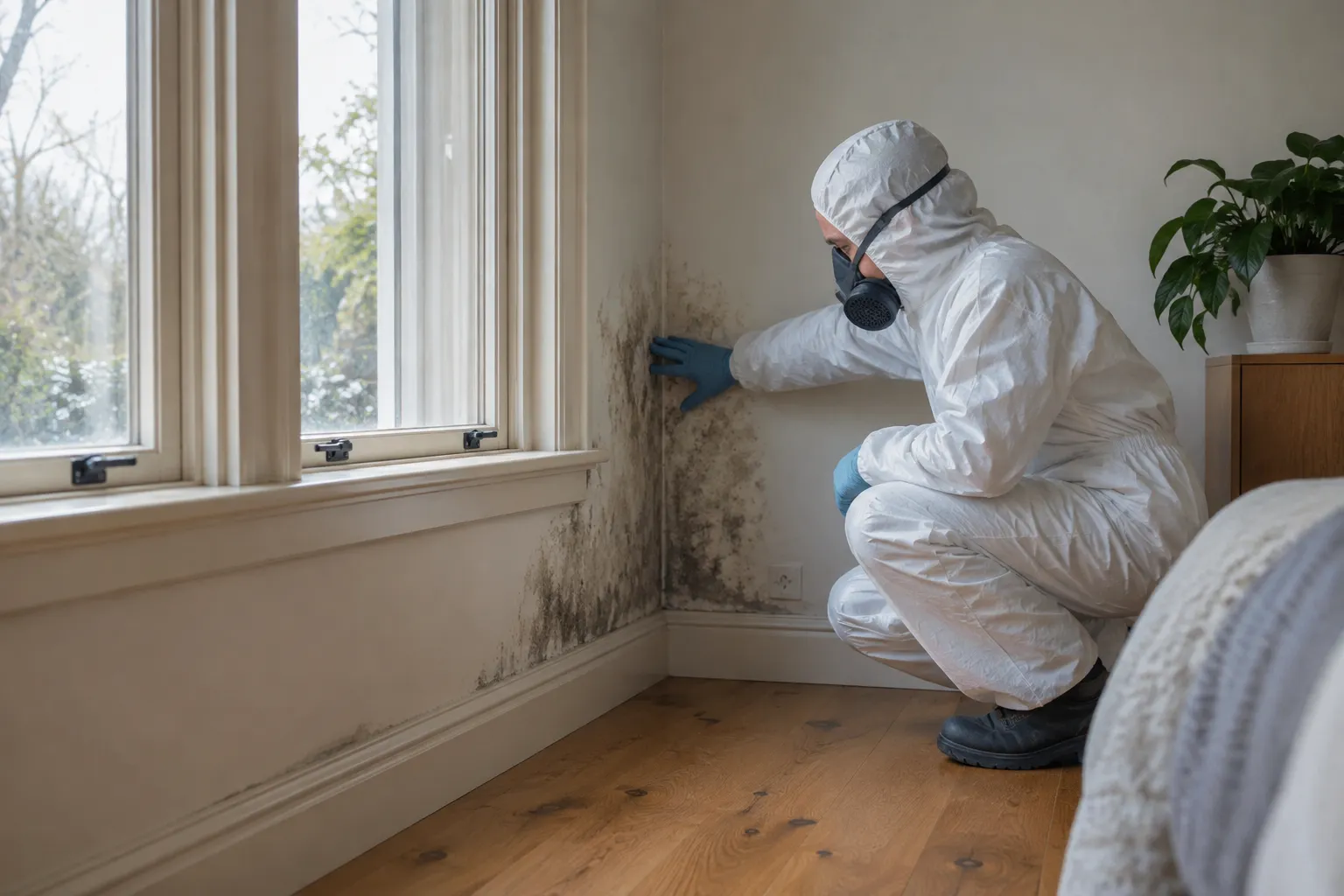
TELL US WHAT YOU CAN SEE
Start with
the affected surface.
Have the robe layout and photos of its exposed faces ready. Phone 03 8652 1296 about the Hughesdale property to clarify access, affected materials and any further joinery investigation needed.
Local context: Monash suburb profile