
LAUNCHING PLACE · MELBOURNE
Mould Removal Launching Place
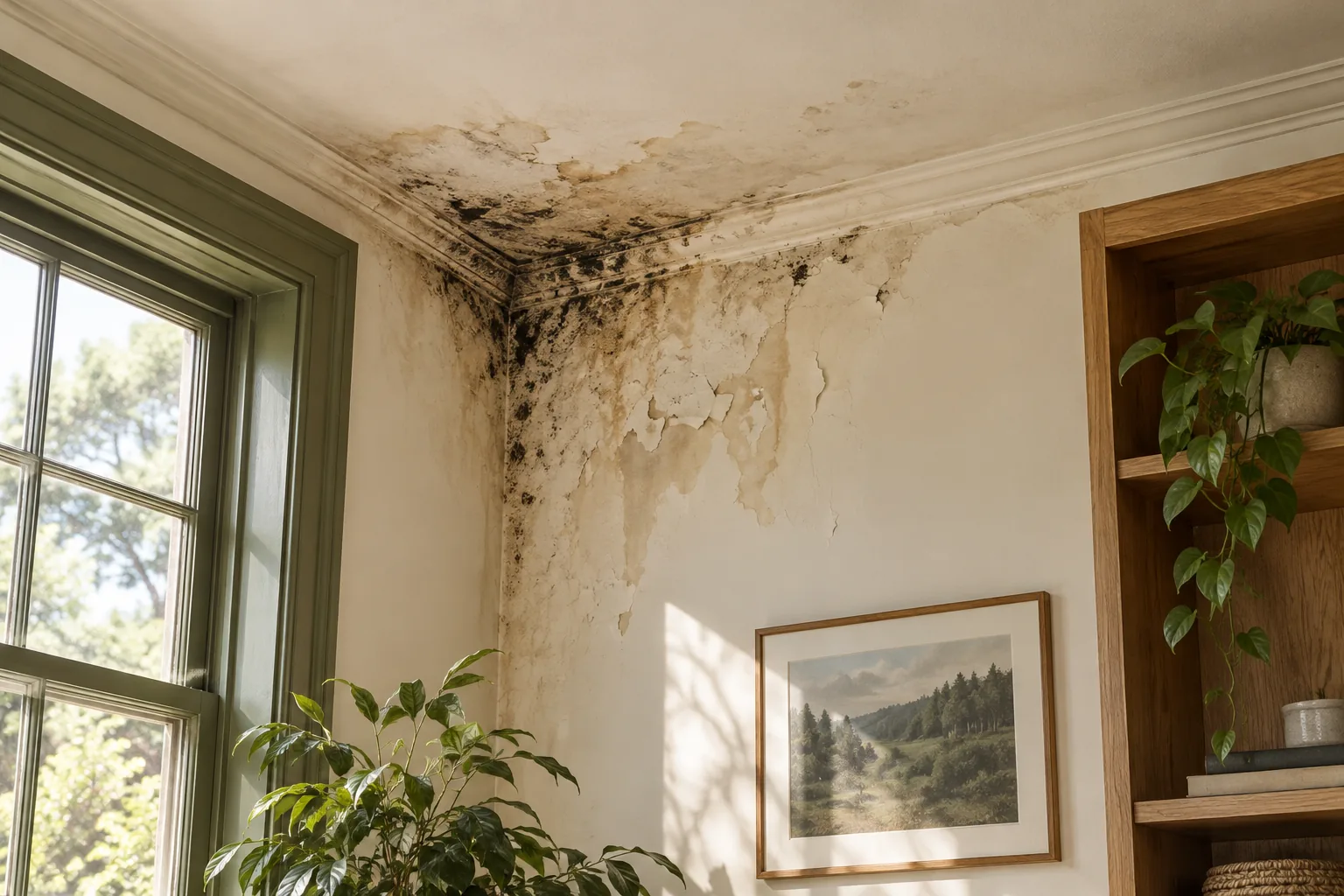
A ceiling that becomes marked after a known wet event needs a discussion about both visible growth and the condition of the lining. For Launching Place, tell us when water appeared, what repair has occurred and whether the surface is still damp. We can discuss accessible removal and check your address, while keeping roof or plumbing work and replacement of damaged materials separate from cleaning the finish.
Wet-event history considered
Ceiling condition reviewed
Repair and cleaning distinguished
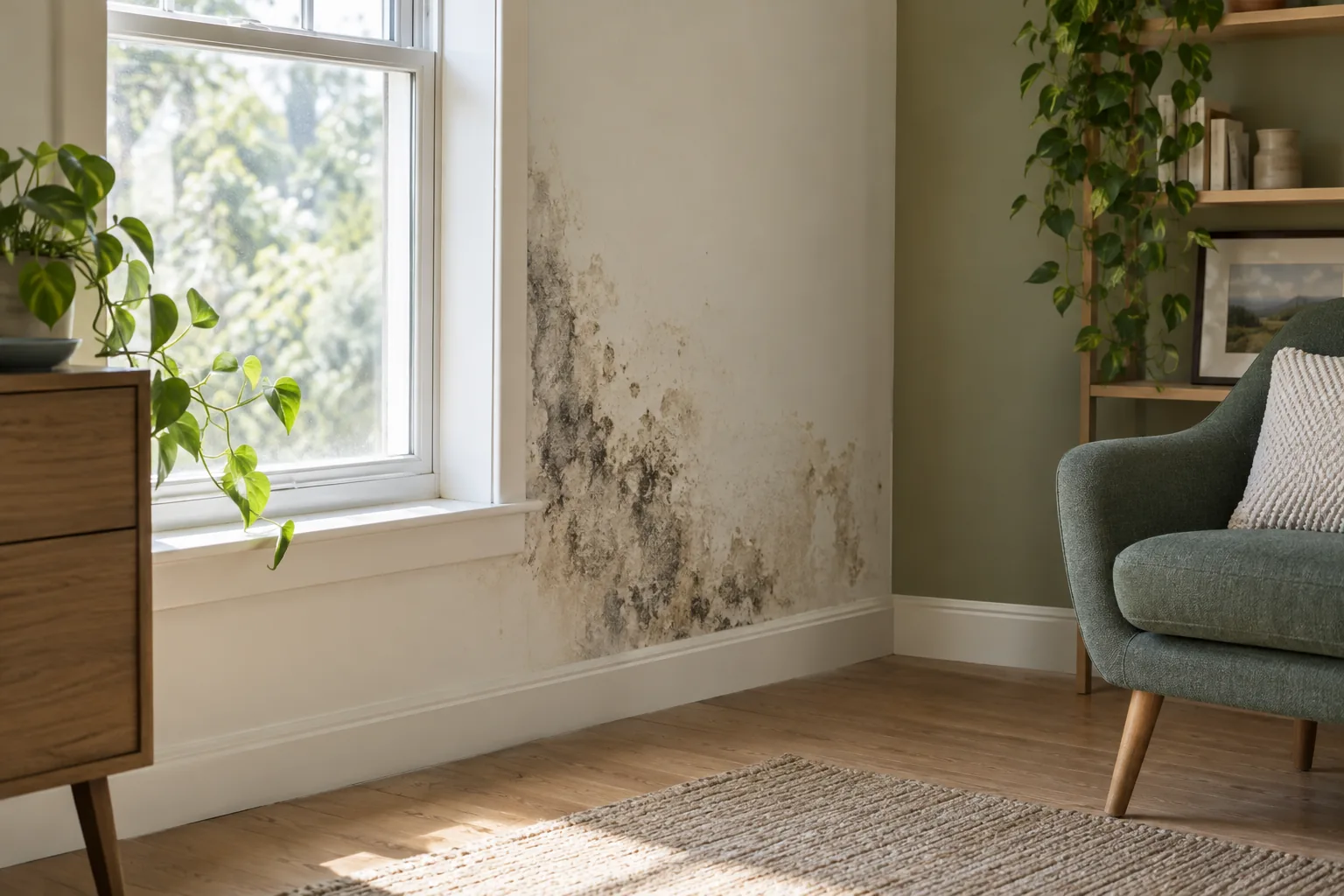
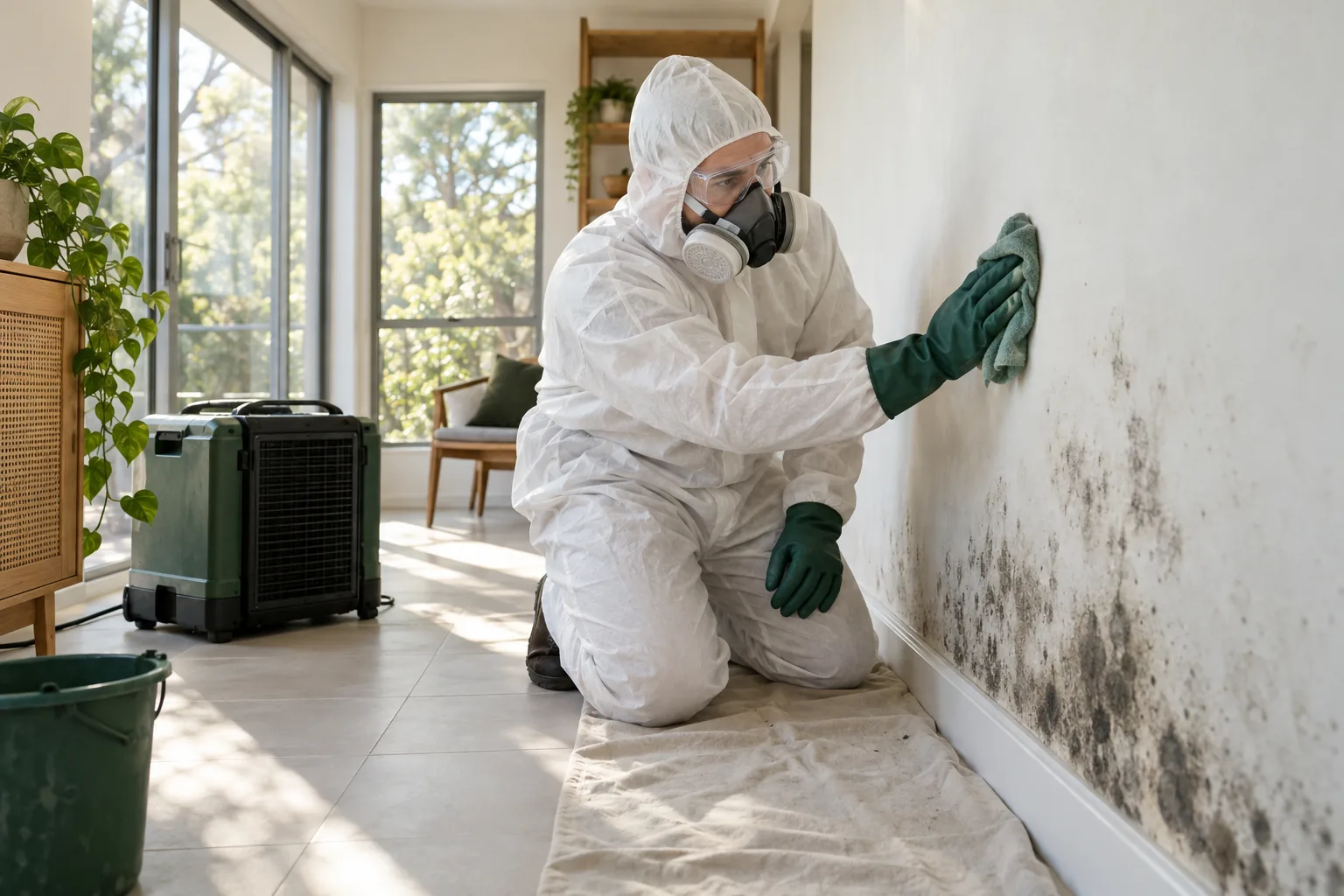
Ceilings · Repairs · Rooms
THE HOME, IN CONTEXT
Give the Launching Place property location
Yarra Ranges Council’s WHYLD community listing names Launching Place among its five townships. Confirm the street address and room location when enquiring, including a unit or separate dwelling description where that affects entry.
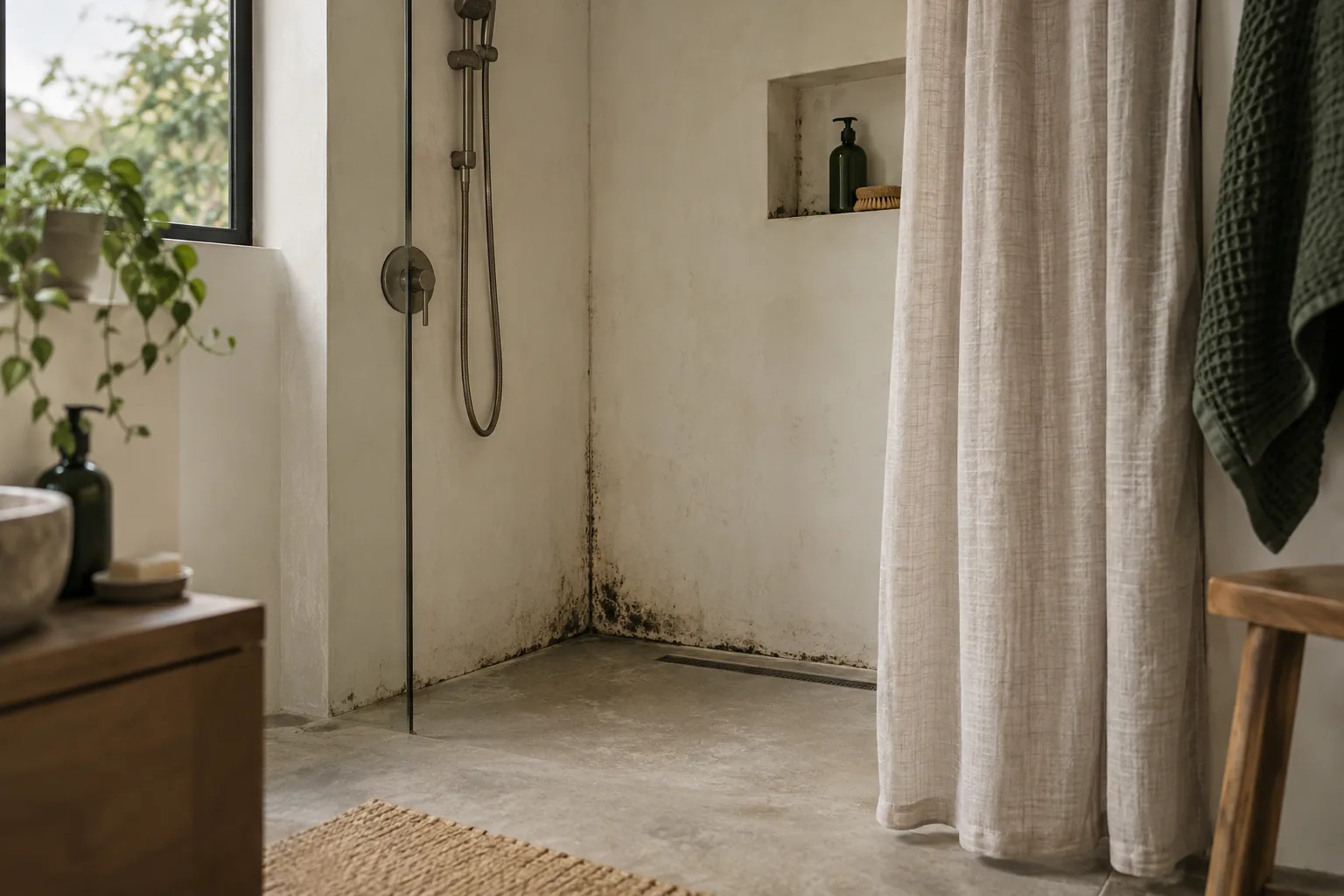
Follow the sequence after a leak
If ceiling growth appeared after a roof fault, keep the repair date and photographs together. Explain whether the patch is stable, expanding or still wet. A repaired entry point does not automatically establish that all affected lining has dried or remains suitable for retention.
Avoid a cosmetic shortcut
It can be tempting to paint the stain before visitors arrive. First describe the material condition and visible growth. Cleaning, drying, lining replacement and decorating are different decisions; a better-looking ceiling is not evidence that the underlying water question has been resolved.
INSPECTION & MOISTURE
Assess the ceiling as a material
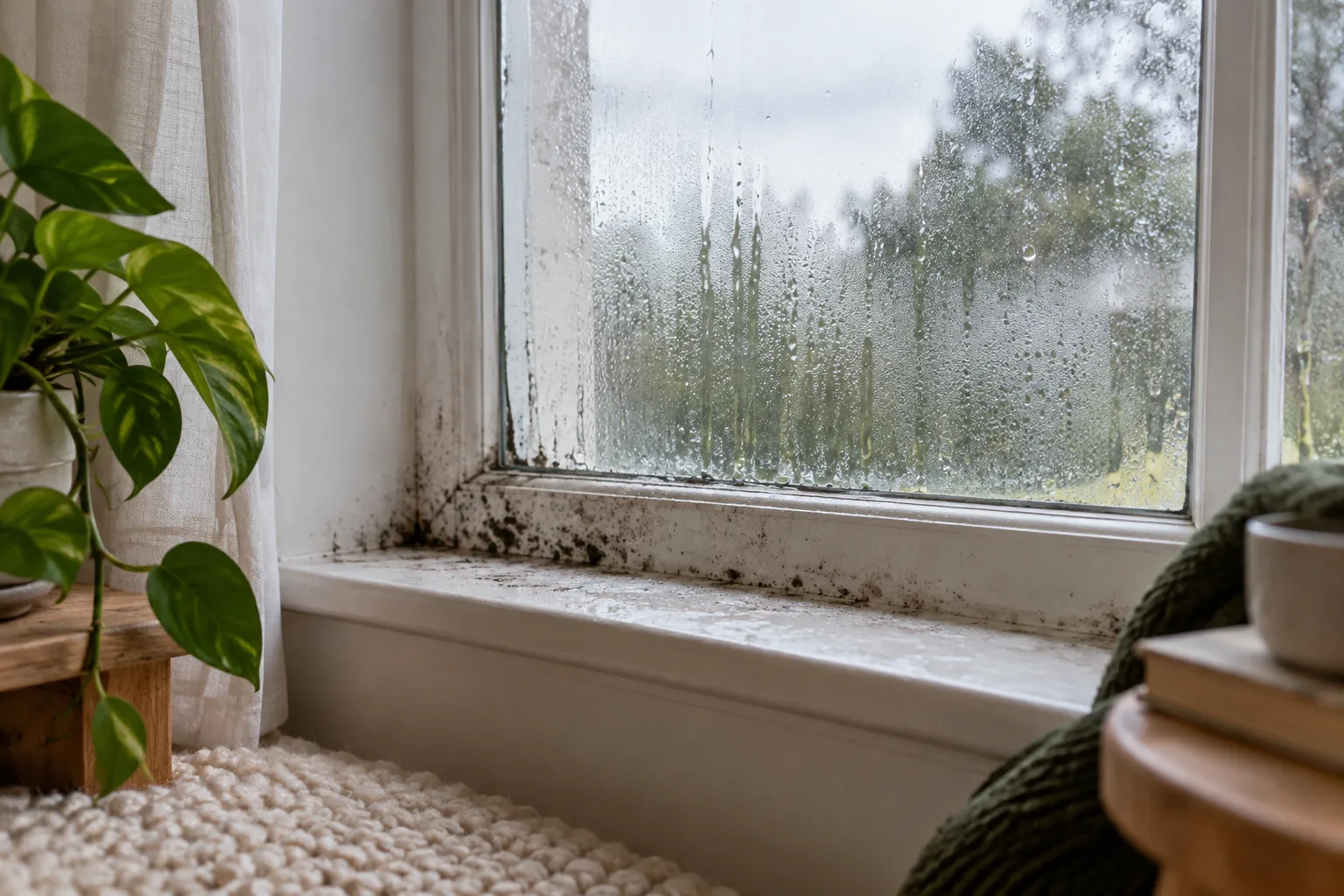
Photograph the patch from the room floor and show its position relative to lights and walls. Inspection questions can help clarify whether accessible surface work is appropriate or further building attention is needed.
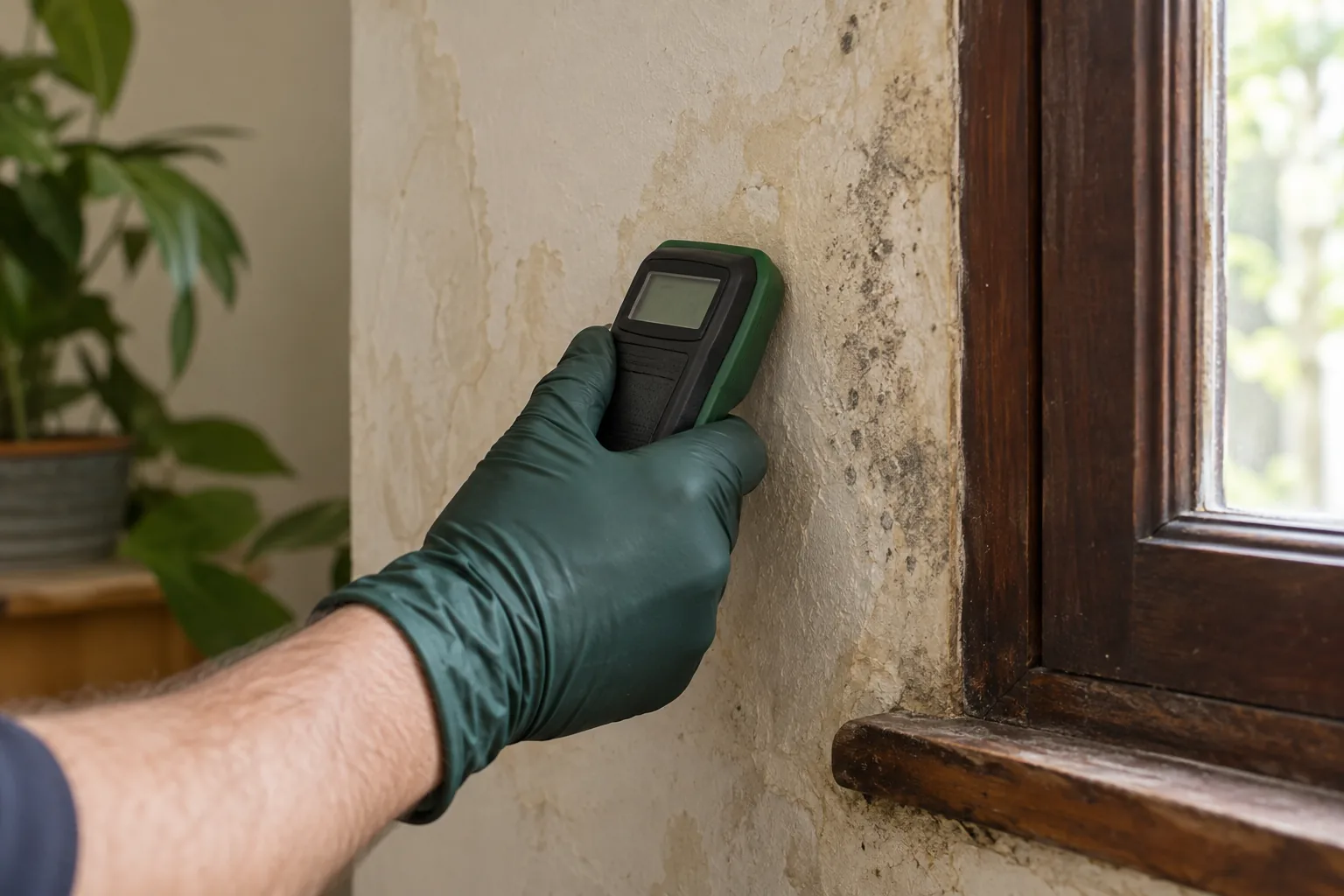
Report instability promptly
Sagging, softened edges or water close to electrical fittings should be raised before arranging cleaning. Do not poke the lining to test it. The responsible building or electrical professional may need to address those concerns, and removal of visible growth cannot restore weakened material.
Describe what the repair addressed
Was the roof fitting, plumbing connection or another source repaired? State what you know rather than claiming a complete moisture diagnosis. If the repair information is uncertain, ask the relevant trade to explain it so the surface discussion does not depend on an assumption.
A CONNECTED PROCESS
A ceiling enquiry after water damage
Gather the event record
Have the approximate wet date, repair description and current photographs ready. Identify whether the room has been occupied or closed since the incident.
Define a suitable boundary
Describe the accessible ceiling and adjoining wall areas requested. Mention large stains beyond visible growth so material concerns are not hidden by a small-patch description.
Review condition before method
Consider whether the lining is sound and whether continuing dampness limits cleaning. Separate replacement or concealed assessment questions from treatment of an intact accessible finish.
Remove agreed surface growth
Appropriate physical removal, treatment and HEPA filtration may form the method. Remediation scope provides context for preparation when more than a simple isolated patch is involved.
Review residual discolouration
Discuss what remains as stain or finish damage and who will manage decorating. Keep the repair history available if the ceiling changes again rather than assuming recurrence has a single explanation.
WHERE MOULD APPEARS
Ceiling changes to describe
An expanding ring
A stain that increases deserves attention to continuing moisture. Visible growth removal cannot stop water moving through the building.
A firm stained finish
An intact surface and a damaged lining are different conditions. Appearance alone still does not determine what is happening behind the paint.
Ceiling marks near a light
Mention electrical fittings and any observed water immediately. Surface cleaning is not electrical assessment or repair.
An adjoining wall edge
Water-related marks may continue below the ceiling. Include the reachable wall in photos so the requested boundary reflects what is actually visible.
MAKE SPACE FOR DRYING
Keep repair and surface records together
Save dated photographs before decorating and retain the relevant repair description. If fresh wetness or an expanding stain returns, contact the responsible trade with that record. Repeatedly treating visible marks without checking the continuing event can leave the building question unanswered.
Allow repair, drying and material decisions to be made before covering the surface with new paint or lining. Follow the instructions applicable to the agreed cleaning work. Accessible mould removal can be planned as one stage, without promising to repair the roof or guarantee that conditions will never recur.
LAUNCHING PLACE & NEARBY
Launching Place and nearby enquiries
A street address is needed to check a possible visit. Use these nearby pages for location context rather than assuming the district name confirms availability: Don Valley, Yarra Junction, Hoddles Creek.
QUESTIONS WORTH ASKING
Before the visit.
Should the leak be repaired before cleaning?
Report active water entry and arrange the appropriate repair. Continuing moisture affects surface suitability, so the cleaning enquiry should include the fault and repair status.
Can cleaning restore a sagging ceiling?
No. A weakened or sagging lining needs building attention. Surface removal cannot return damaged material to its original condition.
Will a water ring disappear?
Some staining may remain after growth is removed. Discuss finish expectations and later decorating separately from the removal scope.
Do I need the roofer’s report?
Any available repair description is useful, but avoid inventing a diagnosis if there is no report. Explain what was observed and what work you know occurred.
Can I cover the patch with paint now?
Resolve visible growth, dampness and material concerns first. Fresh paint can obscure useful evidence without correcting an unresolved source.
What is needed for a Launching Place enquiry?
Provide the full address, ceiling condition, wet-event date and access details. Appointment availability and suitable next steps can then be discussed.
START WITH YOUR ROOM
Discuss the ceiling’s history
Call 03 8652 1296 with your Launching Place address and the repair sequence. Mention continuing dampness, sagging or nearby electrical fittings at the outset so the enquiry can be directed appropriately.
Useful references: Yarra Ranges Council — WHYLD community localities