
YELLINGBO · MELBOURNE
Mould Removal Yellingbo
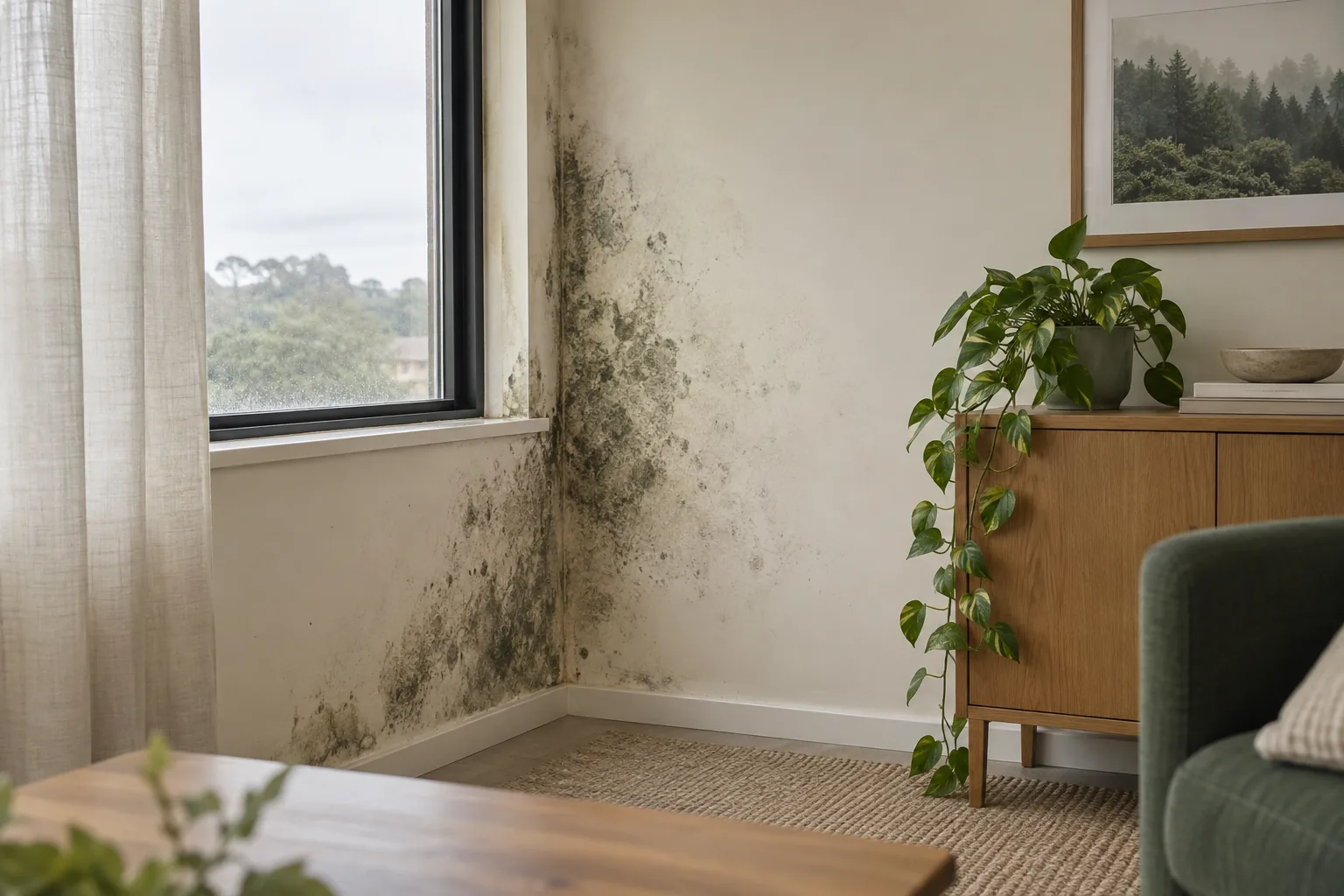
A room used for storage can hide wall growth until boxes are moved, leaving uncertainty about the material and the area affected. For Yellingbo, describe the visible surfaces, the contents remaining in place and how the room connects to the house. We can discuss suitable accessible removal and check the full address, while keeping household possessions, structural damage and continuing water-entry questions distinct.
Contents and surfaces separated
Room connections considered
Address access checked
Storage · Walls · Doorways
THE HOME, IN CONTEXT
Start with the Yellingbo dwelling address
Yarra Ranges Council’s WHYLD community directory includes Yellingbo among the group’s townships. Specify the house address and which room is involved, rather than relying on a district description or assuming a property entrance is obvious.
A storage room reopened
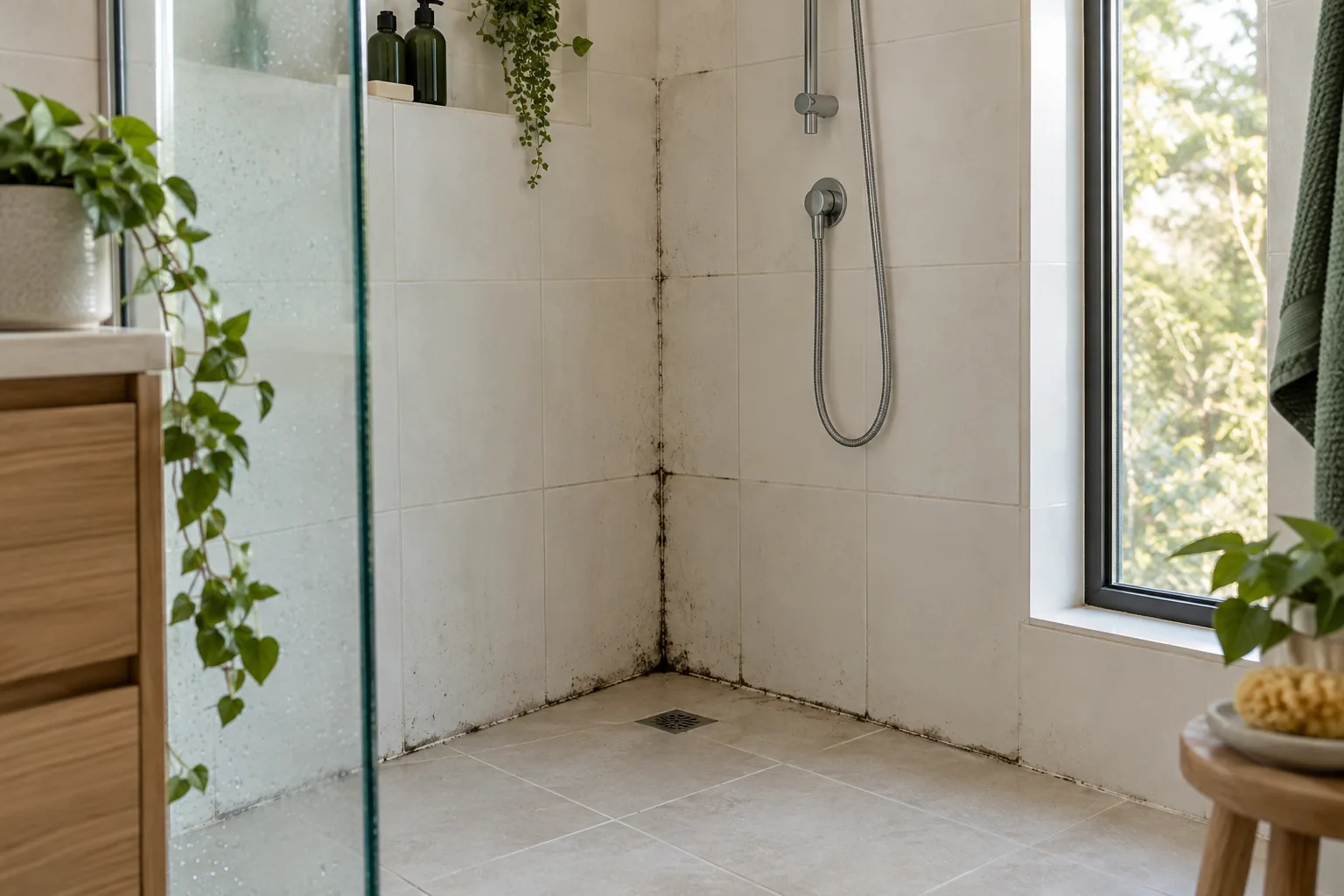
If boxes have been undisturbed for a while, describe what you found before launching a full sorting task. A visible patch behind one stack does not establish the extent behind every stored item. Photograph accessible paint and note damp contents separately so the enquiry has a useful starting boundary.
Decide who clears the room
The household should agree how possessions will be moved and where they will be placed. Keeping a narrow doorway clear matters more than emptying everything in a rush. Do not spread affected books, clothing or soft furnishings into occupied rooms simply to expose the wall for a photograph.
INSPECTION & MOISTURE
Assess what is visible and reachable
Read about mould inspection when the material behind storage appears damp or deteriorated. A wider view of the room can show corners, doorways and the position of stacks without disturbing concealed areas.
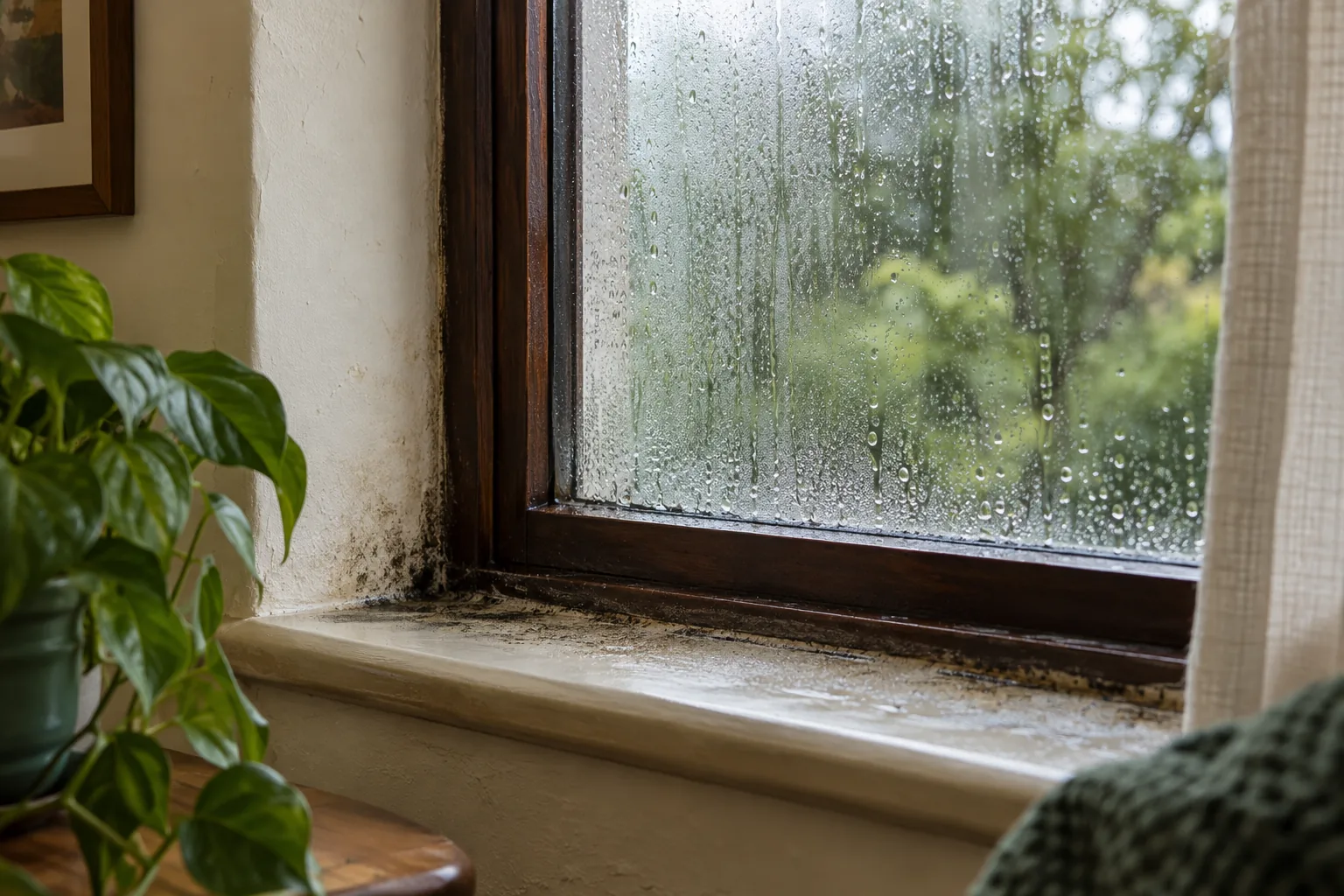
Name the wall finish
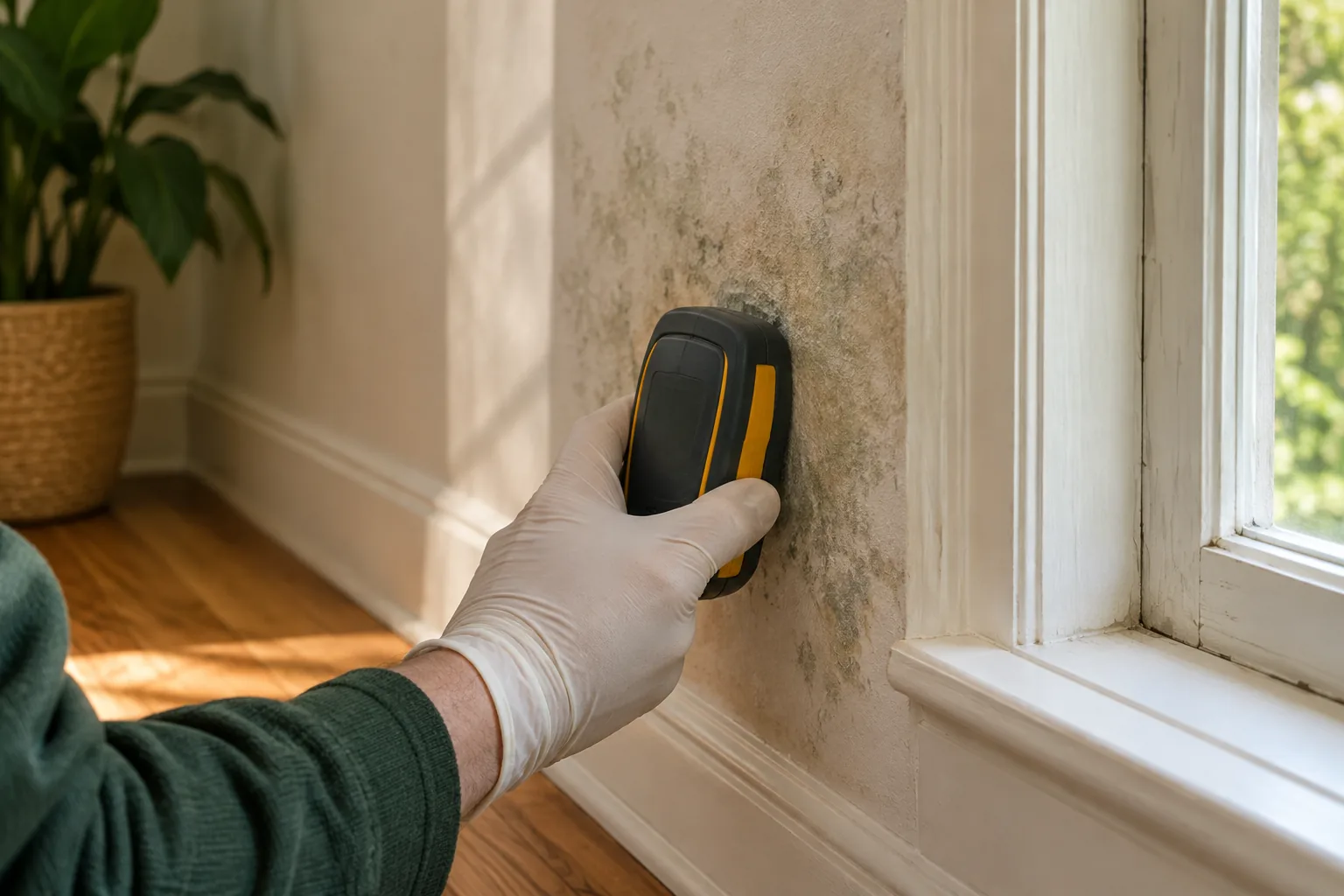
Painted plaster, timber lining and exposed masonry each create different questions. Mention lifting finishes, soft boards or loose edges rather than labelling the whole room as washable. A method should be selected for the accessible material that is actually present.
Describe wet history accurately
An earlier leak, damp stored object or recent roof repair is relevant if known. Avoid filling gaps with assumptions about the property. A practical history includes dates, visible changes and what repair occurred; it does not need a confident diagnosis before an enquiry can begin.
A CONNECTED PROCESS
A controlled storage-room sequence
Set the requested area
Identify the visible wall, ceiling and hard floor surfaces. Explain the covered portions and any adjoining occupied room, so an accessible scope can be discussed.
Arrange contents handling
Agree who clears boxes and personal belongings before work. Preserve a usable doorway and passage rather than stacking everything immediately outside the proposed area.
Review the material
Consider soundness, finish compatibility and unresolved dampness. Deteriorated lining or swollen boards may need replacement decisions independent of removal from adjacent intact paint.
Remove suitable growth
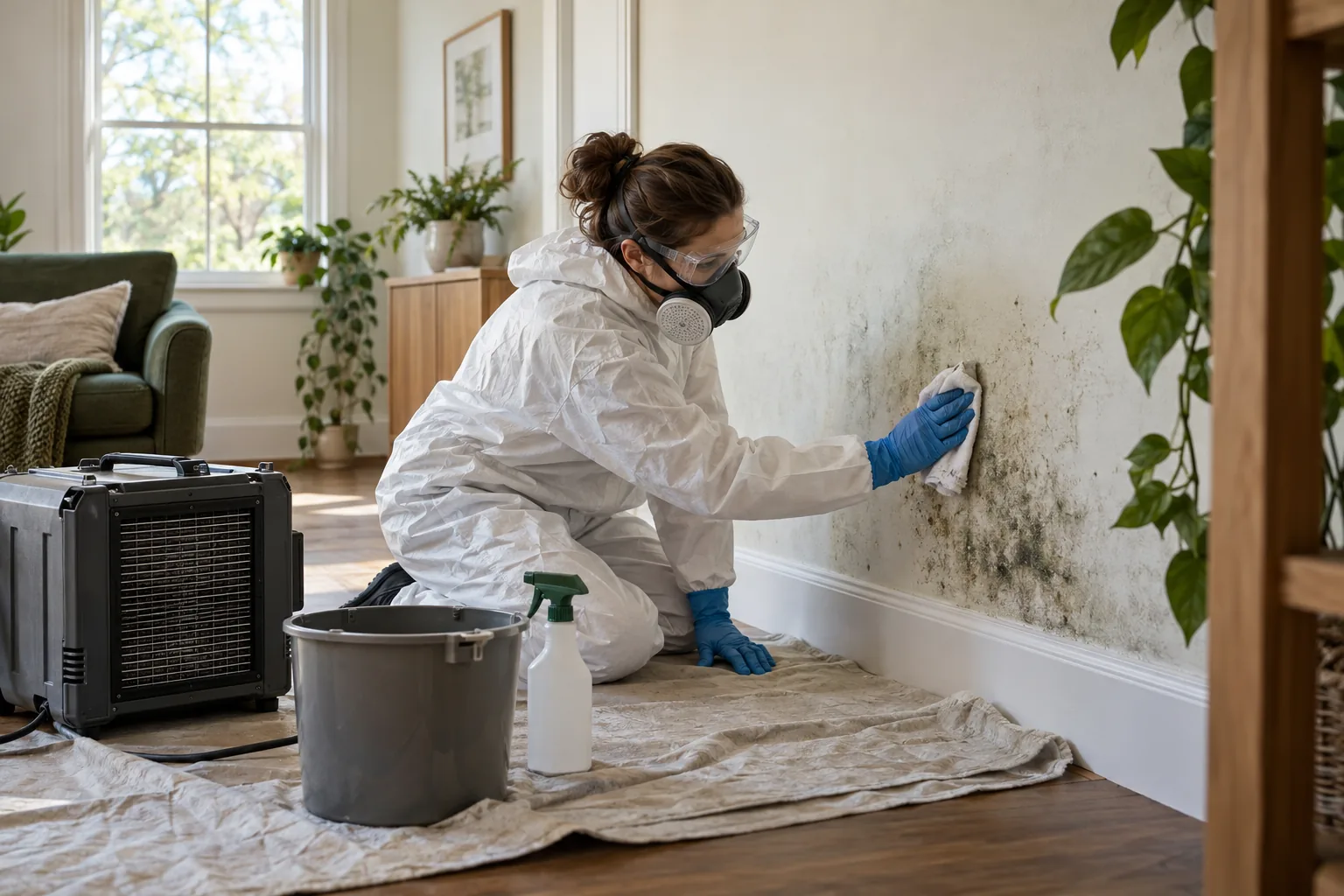
The agreed work may use physical removal, treatment and HEPA filtration. Remediation preparation guidance helps frame questions about a room that opens onto everyday living space.
Plan return of belongings
Review remaining staining and moisture concerns before refilling the room. Contents should return according to their separate condition and the applicable instructions, not merely because the wall looks cleaner.
WHERE MOULD APPEARS
Storage-room observations to keep separate
Growth behind one stack
Describe the visible area and what remains obscured. It is not evidence that every wall or item in the room is affected.
A damp cardboard box
Packaging and contents need independent handling. Their position can help explain the enquiry without becoming an automatic part of a wall-cleaning scope.
Rough timber lining
Finish and material condition matter. Do not assume abrasion or strong treatment is appropriate for a surface with uncertain stability.
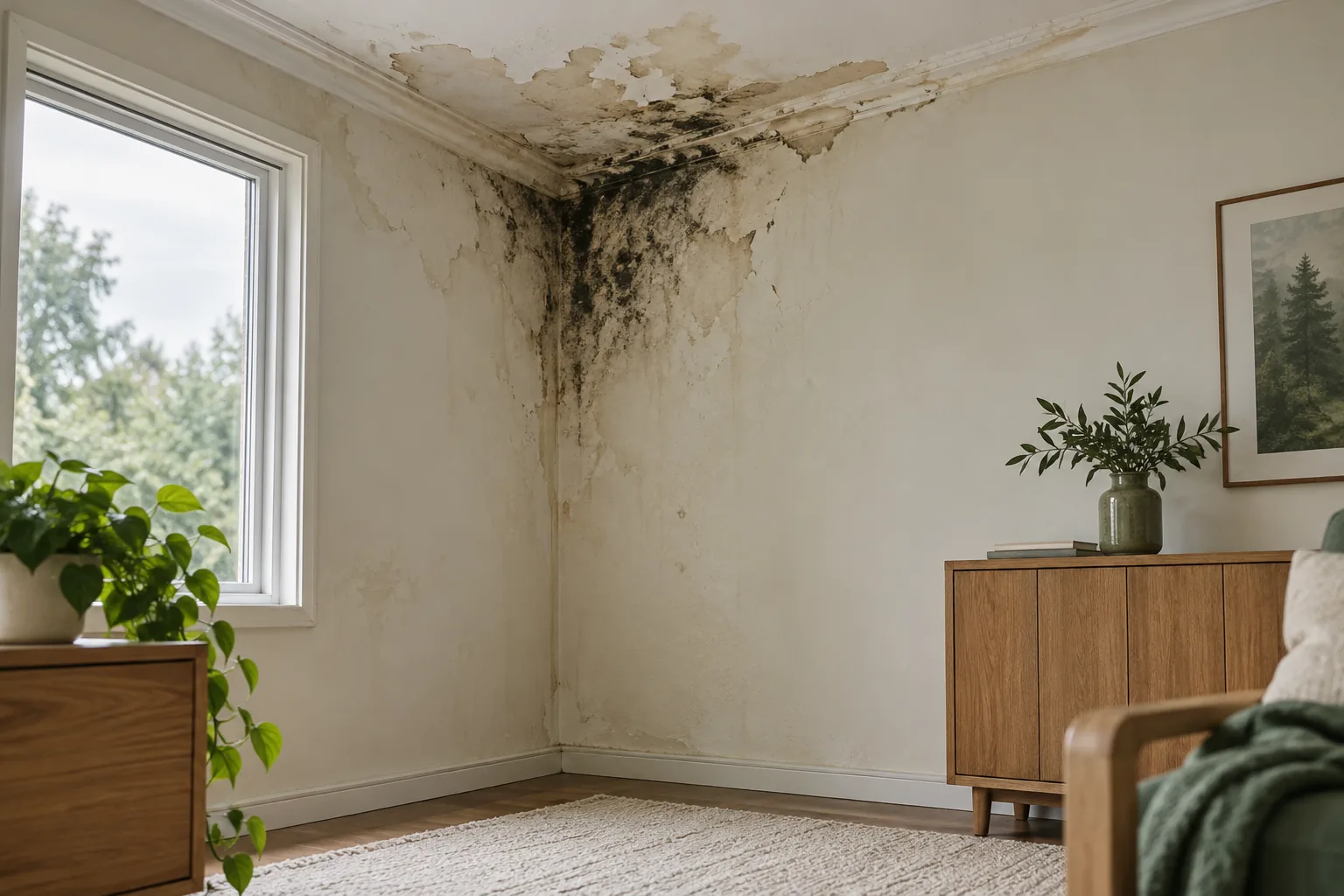
Ceiling over stored items
If growth appears overhead, show the stacks and ceiling together. Height and obstructions need planning before accessible surface work is agreed.
MAKE SPACE FOR DRYING
Avoid recreating an unobservable room
Once the surface and source questions are addressed, leave enough access to check corners during ordinary storage use. Keep potentially damp belongings off painted walls and avoid sealing an unresolved patch behind new shelving. A manageable inspection gap is useful but is not a guarantee against future growth.
Retain photographs and any repair details if the room changes again. Bring recurring wetness to the relevant building contact rather than repeatedly cleaning without context. The accessible surface service can be considered alongside repairs and decisions about damaged possessions.
YELLINGBO & NEARBY
Yellingbo locality and property enquiries
For a possible appointment, provide the street address and entry arrangements. These nearby pages help identify surrounding locations: Seville, Launching Place, Nangana.
QUESTIONS WORTH ASKING
Before the visit.
Must I empty the whole storage room first?
Start by describing what is visible and obstructed. Agree preparation before undertaking a large sorting task, especially where contents themselves appear affected.
Do you clean books and boxes?
Household contents are outside the stated accessible wall, ceiling and floor scope. List them separately and decide appropriate handling independently of surface removal.
Does an odour show every wall is affected?
No. Odour can prompt assessment, but it does not establish the extent or location of visible or concealed growth throughout a room.
Can a timber-lined wall be treated?
Describe the timber finish and condition. Suitability needs consideration; deteriorated material may need another approach rather than ordinary cleaning.
Should we install shelving over the patch?
Resolve growth, dampness and material concerns before covering the surface. New shelving can hide changes that remain important to observe.
How do we check a Yellingbo visit?
Call with the full address, room description and practical access information. Availability needs confirmation for the particular property and enquiry.
START WITH YOUR ROOM
Discuss the room before sorting everything
Call 03 8652 1296 with your Yellingbo address, accessible wall photographs and the storage layout. Mention damp contents and blocked passages so a realistic preparation and surface discussion can begin.
Useful references: Yarra Ranges Council — WHYLD community localities