
WHITTLESEA · MELBOURNE
Mould Removal Whittlesea
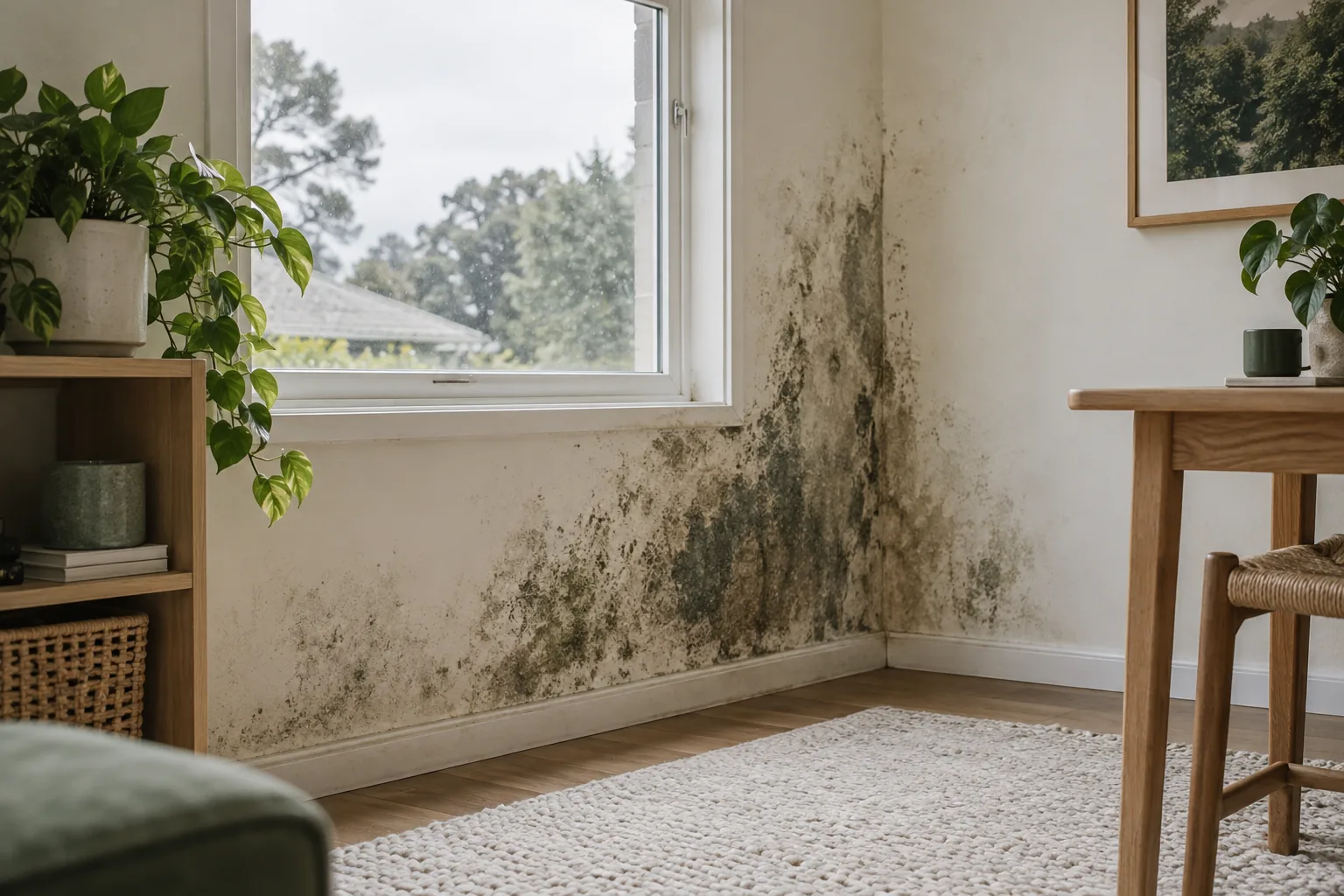
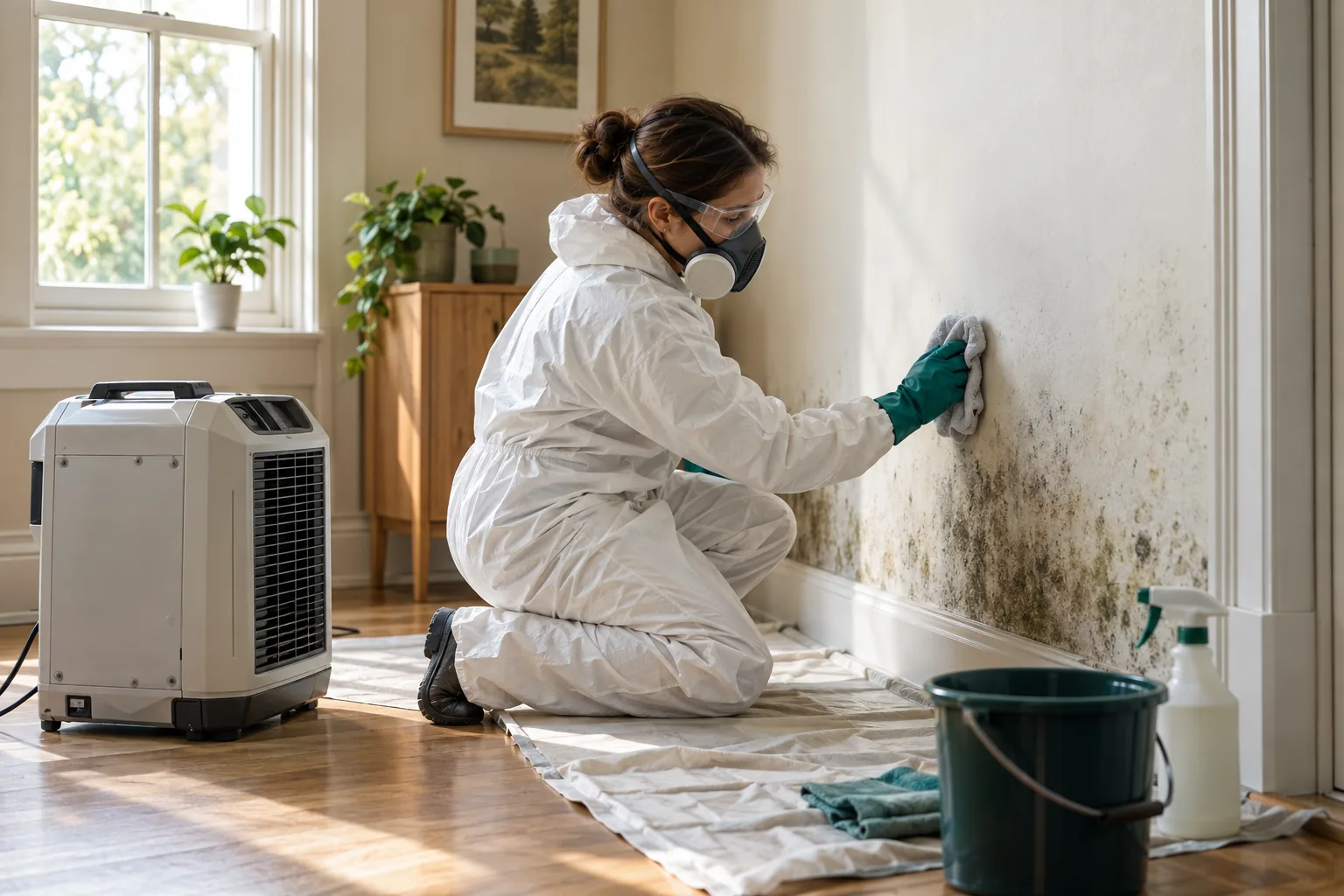
A useful mould enquiry begins with an identifiable room and surface, alongside practical access to the property. For a Whittlesea address, describe visible growth on walls, ceilings or floors and any known wet event or damaged finish. We can discuss suitable accessible work and check the full address, without assuming that every township or fringe property has the same construction, moisture cause or appointment availability.
Room-specific assessment
Property entry clarified
Material and repair limits explained
Rooms · Walls · Entry
THE HOME, IN CONTEXT
Distinguish the township from the municipality
The City of Whittlesea’s official geography information identifies Whittlesea Township within its urban area. Give the street address when enquiring, rather than using the municipality name for a home elsewhere or assuming a broad locality description establishes entry.
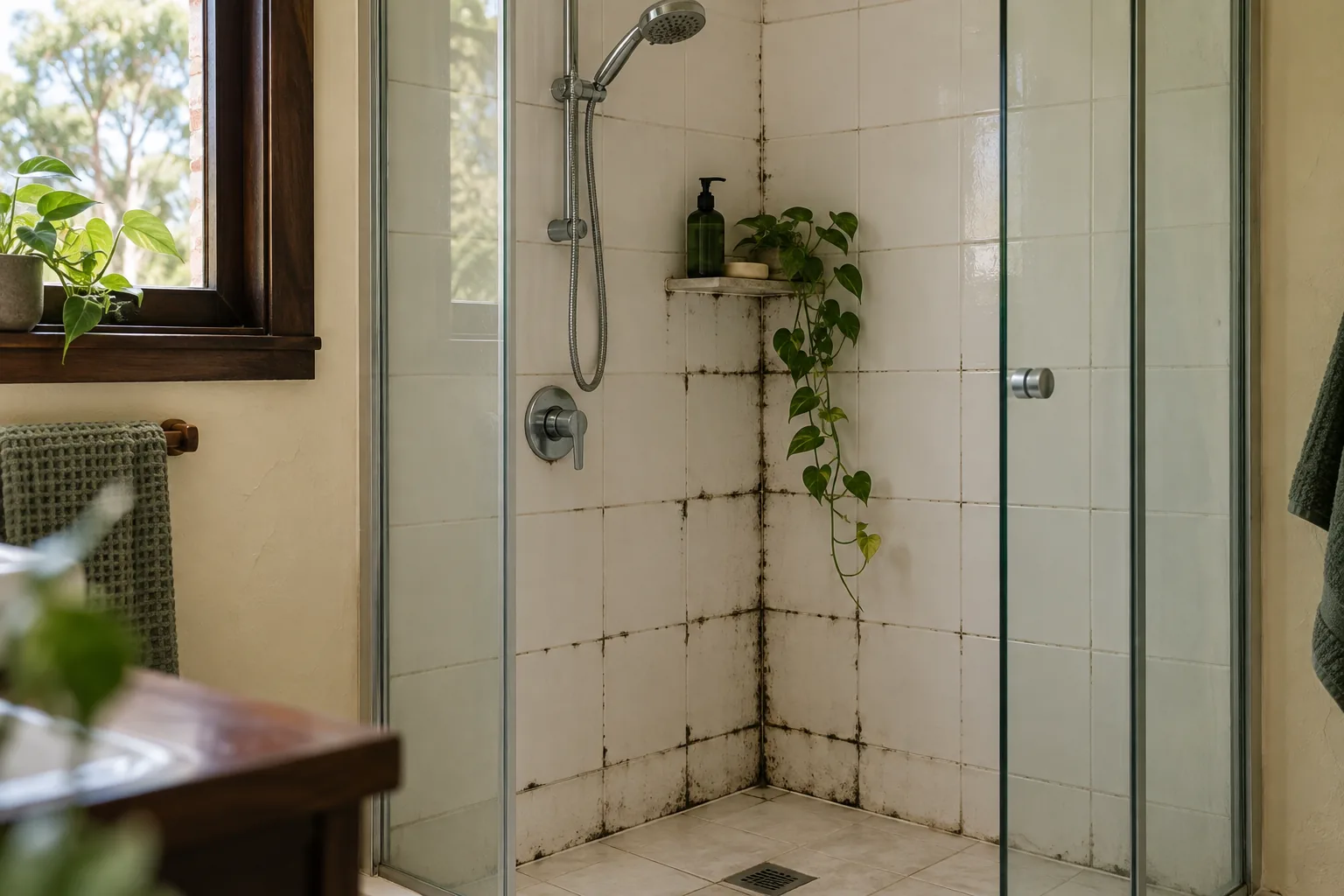
A room reached through a separate entrance
If the affected space has a side door or is away from the main entry, explain the route. Mention gates, steps and the meeting point as practical details. These help plan access but should not replace a description of the visible surface and its material condition.
A clear starting scenario
For growth on a utility or sitting-room wall, show the patch and the wider room. Explain fixed storage, furniture and any adjoining space with its own marks. Avoid extending a small visible concern into a claim that the entire property has been assessed.
INSPECTION & MOISTURE
Bring room evidence and access together
A wider photograph can show the wall, floor edge and fixtures, while a close view helps describe the finish. Inspection guidance is useful when dampness or deterioration makes suitable removal uncertain.
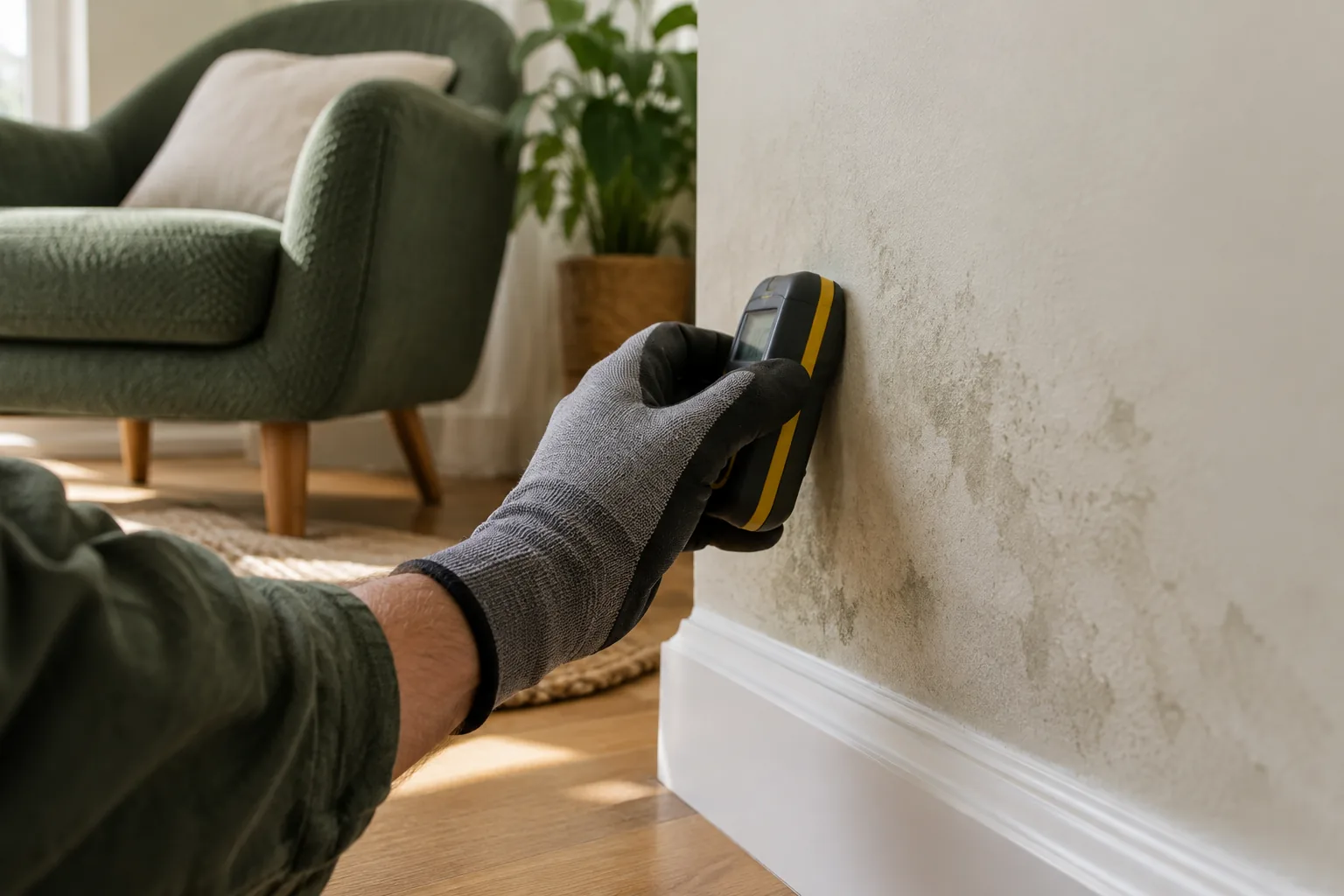
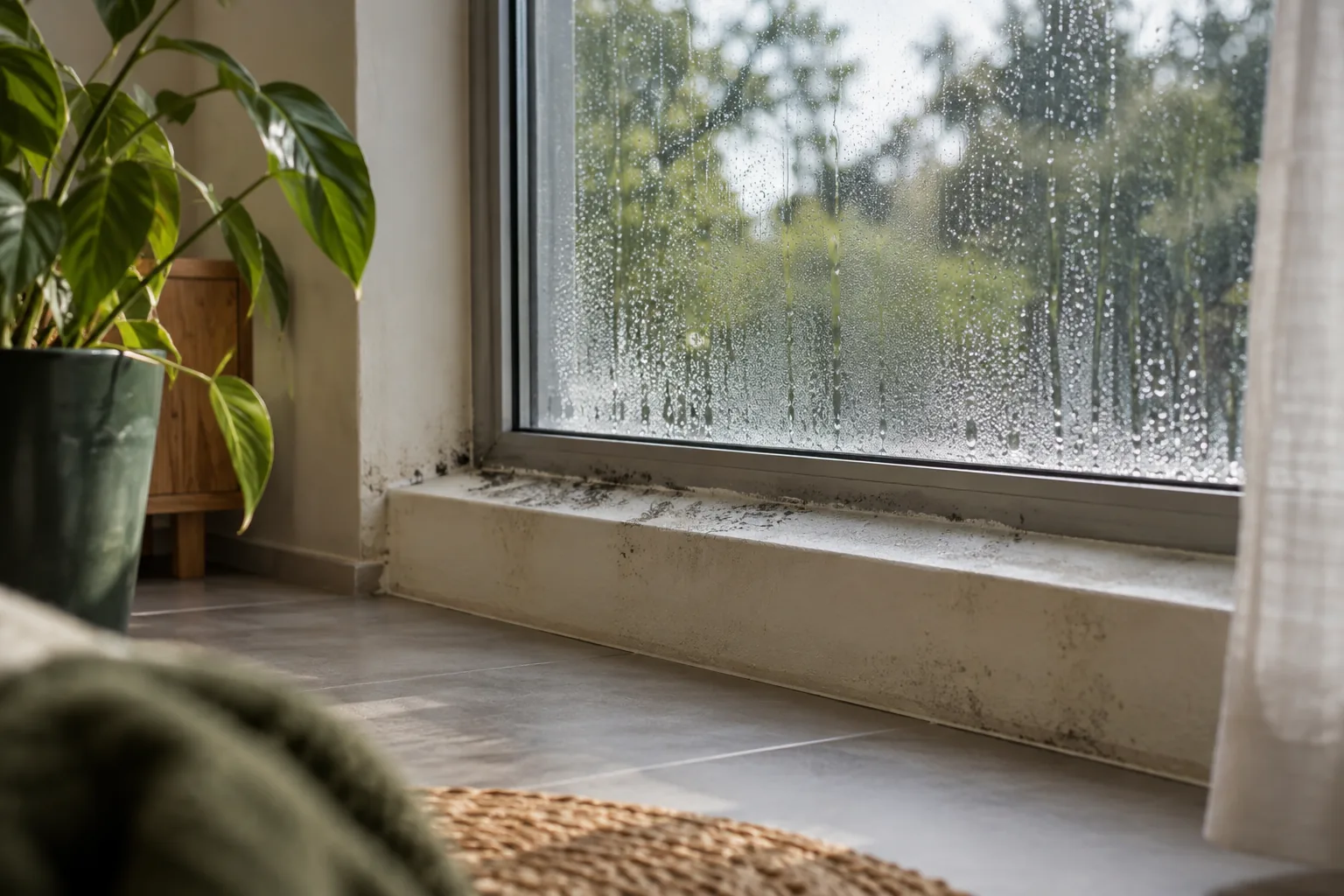
Name the materials visible
Describe painted plaster, timber lining, masonry or another covering without guessing what lies behind it. Mention peeling, softness or swelling as observations. Damaged material can require a repair or replacement decision separate from cleaning a neighbouring intact surface.
Explain wet events accurately
A known leak, wet window or earlier repair is relevant if actually observed. Give dates and confirmed work where possible. Do not assume the property setting establishes a cause, or that a repaired fitting means every affected lining is dry and sound.
A CONNECTED PROCESS
A property-and-room enquiry in five stages
Confirm the exact address
Identify the dwelling and affected room, including separate entry or unit details. Check availability for that address rather than relying on a municipality or township label.
Define reachable surfaces
Describe walls, ceiling and floor materials requested, plus hidden sections or fixed obstructions. Keep contents and concealed investigation questions separate from the accessible scope.
Agree household preparation
Arrange light belongings, furniture clearance and property entry with the person meeting us. Keep gates and routes manageable without assuming technicians will move heavy items or dismantle fittings.
Remove suitable growth
Appropriate physical removal, treatment and HEPA filtration may form the agreed method after condition is reviewed. Remediation information helps explain material limits and room preparation.
Review follow-up questions
Discuss staining, damaged finishes and continuing water concerns. Follow the applicable room-use instructions and keep repair decisions with the relevant household or trade contact.
WHERE MOULD APPEARS
Property details worth separating
A marked wall near storage
Explain reachable paint and covered areas. A fixed cabinet can limit access without establishing what lies behind it.
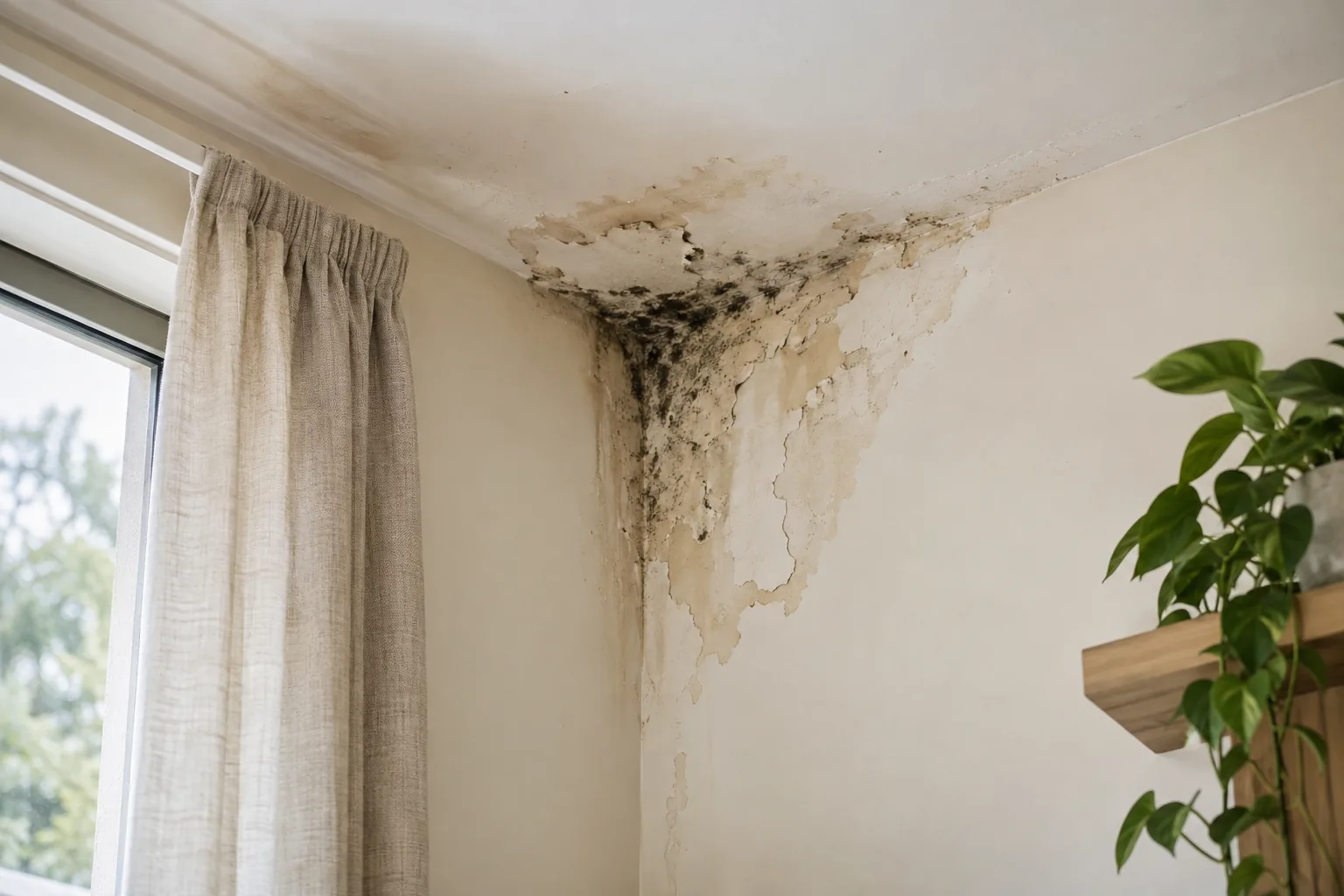
A ceiling with a water stain
Give event timing and known repairs. Cleaning cannot restore weakened lining or prove that the source is resolved.
A hard floor junction
Identify material and trim condition. Wet rugs and damaged skirting need their own decisions rather than automatic inclusion.
A separate room entrance
Entry is a practical planning issue. Describe steps, gates and the meeting point alongside the room’s surface details.
MAKE SPACE FOR DRYING
Keep a straightforward observation record
Save dated photographs and repair details if growth or wetness returns. Share the same sequence with the appropriate plumbing, roof or building contact. A practical record helps avoid repeated cosmetic work while an unresolved condition remains.
After source and material questions are addressed, keep the affected surface observable and avoid storing damp items against it. Manage ordinary household moisture sensibly. Accessible removal can be one stage alongside repairs and contents decisions without claiming that every fringe property needs identical treatment or promising permanent prevention.
WHITTLESEA & NEARBY
Whittlesea and surrounding address enquiries
Provide the exact street address and dwelling entry to check availability. These nearby pages help identify the surrounding locations: Mernda, Wollert, Eden Park.
QUESTIONS WORTH ASKING
Before the visit.
Is the township the same as every address in the municipality?
No. The municipality contains multiple localities. Give the actual street and suburb address so the enquiry identifies the relevant dwelling.
Can a separately entered room be considered?
Describe its materials, visible concerns and entry route. Availability and suitable accessible scope need discussion for the particular property.
Are gates and driveway details important?
Yes, they help plan practical entry. Provide them with the full address, without assuming they establish an appointment by themselves.
Does the property setting identify the moisture cause?
No. Describe observed wetness and known events rather than diagnosing growth from a locality or rural setting.
Can cleaning restore a damaged lining?
Surface removal cannot return deteriorated material to its original strength. Repair or replacement needs a separate decision.
What should we have ready when calling?
Provide the address, room photographs, finish details, access arrangements and confirmed wet-event or repair history so suitable next steps can be discussed.
START WITH YOUR ROOM
Start with the property and the room
Call 03 8652 1296 with the Whittlesea street address and a clear description of the affected space. Mention separate entry, damaged finishes and continuing wetness early so availability and suitable surface work can be considered together.
Useful references: City of Whittlesea — suburbs and residents