
STEELS CREEK · MELBOURNE
Mould Removal Steels Creek
When the same room mark returns in Steels Creek, a useful enquiry starts with what changed between cleaning attempts. Keep dates, moisture observations and repair history rather than assuming another identical treatment is the answer. We can discuss accessible assessment and removal, realistic finish results and preparation, then confirm whether a suitable appointment is available for your exact address.
Recurrence history reviewed
Defined surface assessment
Source-control tasks distinguished
Walls · Coatings
THE HOME, IN CONTEXT
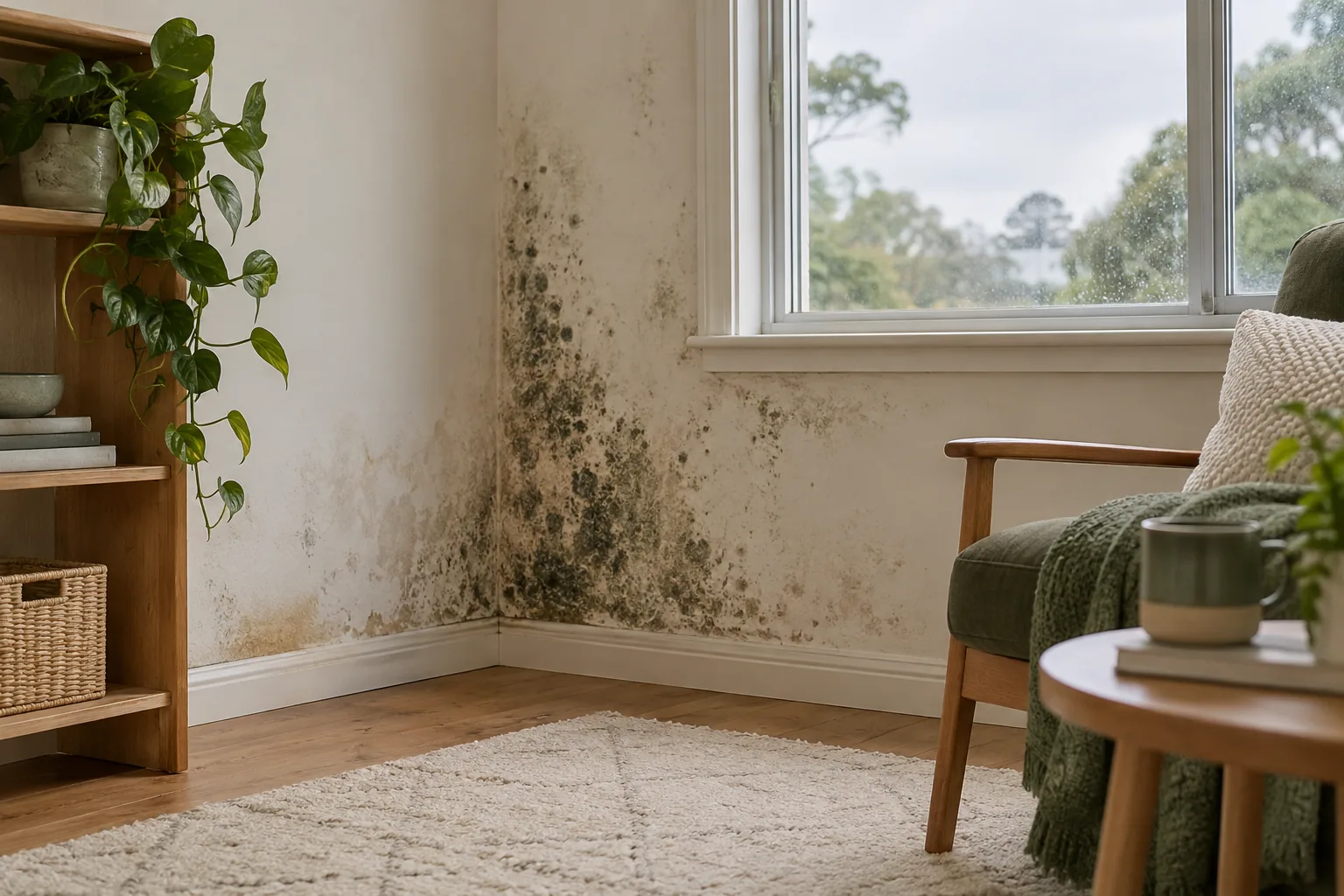
When a familiar mark returns
Steels Creek appears in Yarra Ranges Council’s Ryrie ward description. For your property, specify the recurring room and address; the district listing does not establish prevalence or explain why that particular wall or ceiling becomes marked.
Record previous actions accurately
State whether the surface was wiped, repainted or professionally treated, and what repairs occurred. If you do not know the product or method, say so. A clear record avoids treating a changed paint finish as if it were the original surface.
Describe the returning pattern
Show whether growth returns in the same location, at its edges or elsewhere in the room. A removal scope should reflect that present pattern rather than automatically repeat the areas selected in an earlier quotation.
INSPECTION & MOISTURE
Revisit the repair history
Recurrence calls for the moisture and material question to be reconsidered, while distinguishing a stable old stain from new growth.

Compare the conditions between visits
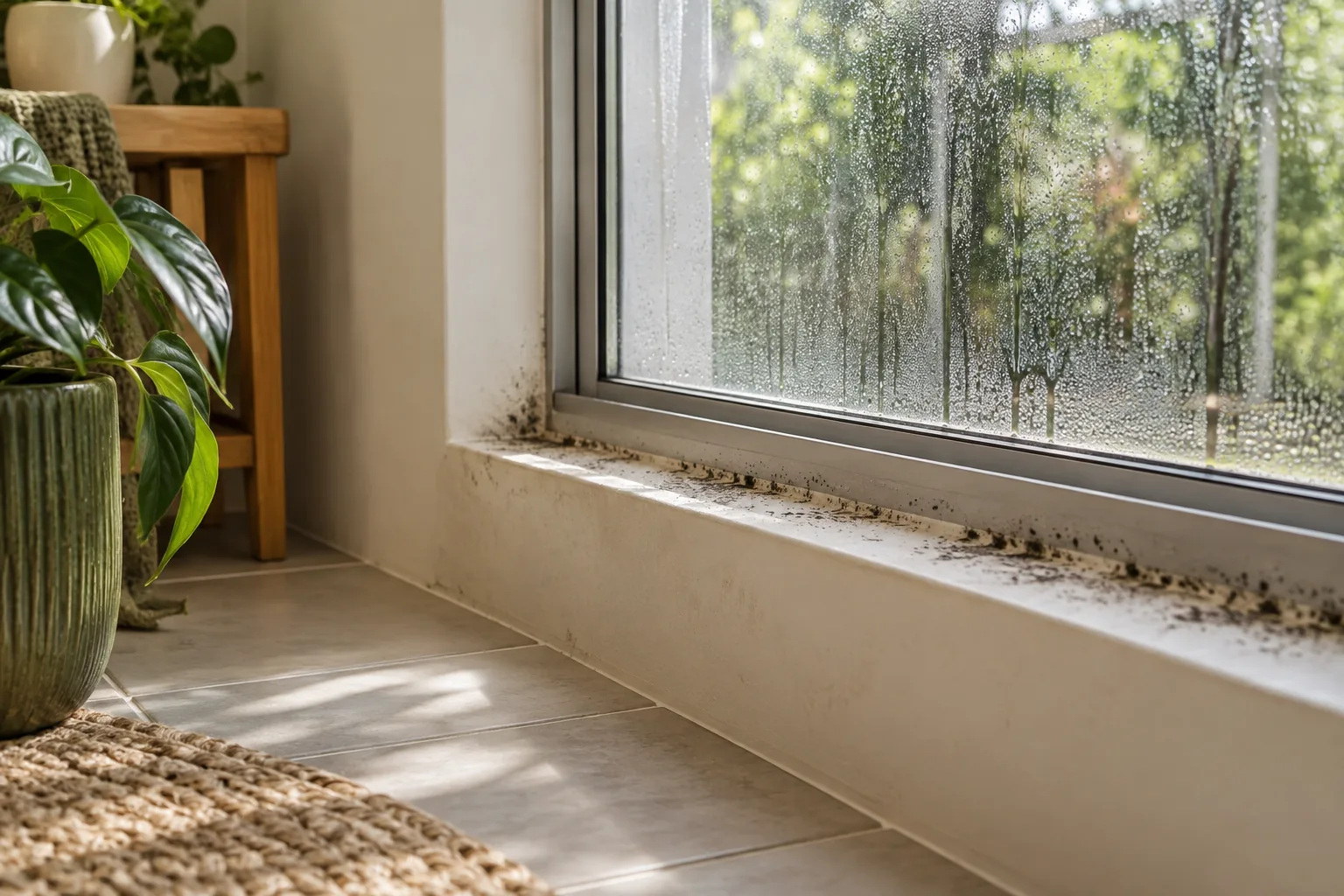
Note whether dampness follows rain, shower use or ordinary room occupation and whether those conditions changed after repairs. Photographs with dates and similar framing are useful. Do not assume the earlier method failed merely because the moisture source remained active.
Use inspection purposefully
Discuss inspection where the recurring pattern or source is uncertain. Ask which accessible observations can support a different maintenance decision and what requires another trade. Bring previous records so the assessment can build on actual history rather than start again with a cropped patch.
A CONNECTED PROCESS
A work plan for the affected surfaces
Review the current finish
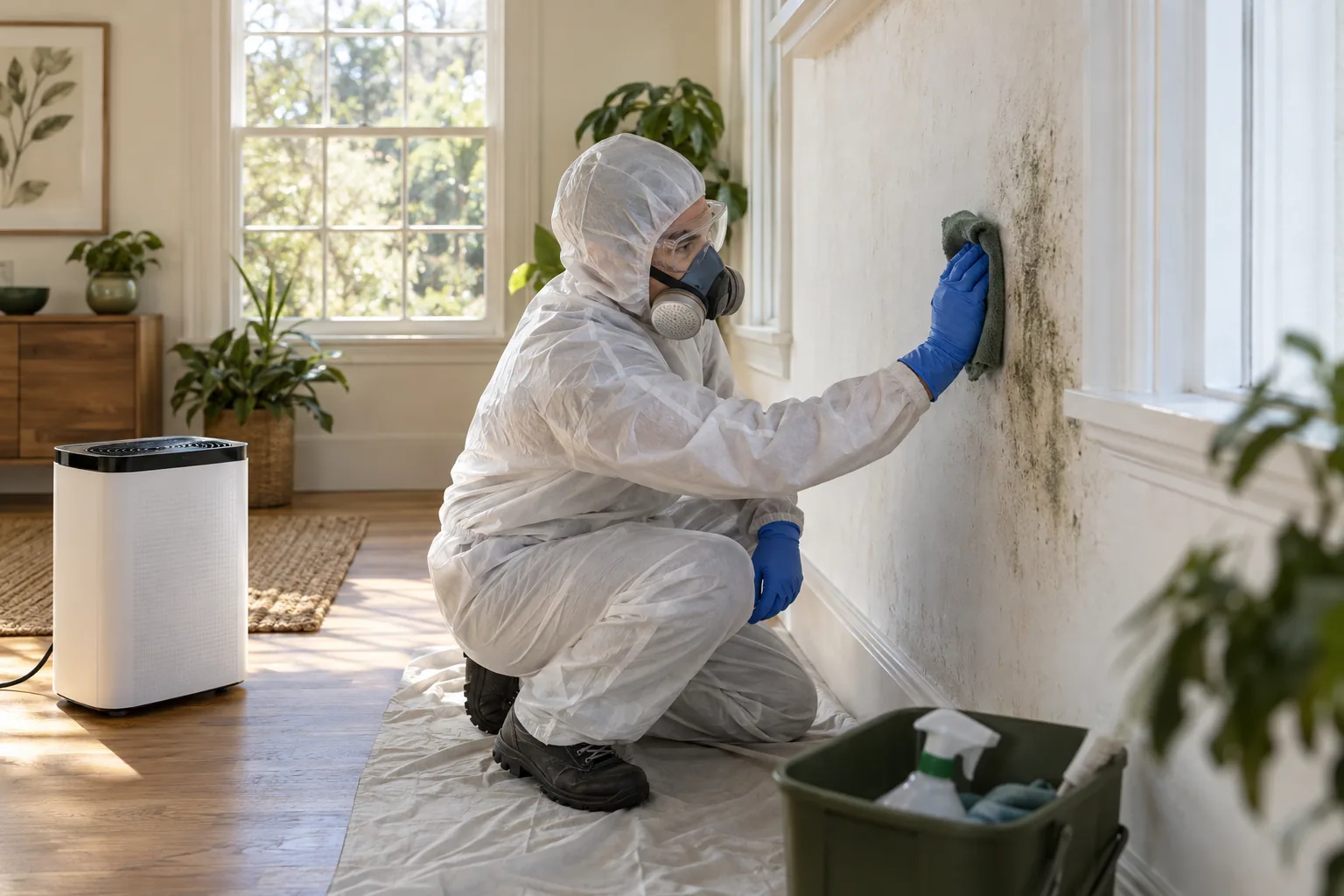
Assess visible walls, ceilings and appropriate hard floors with their present condition in mind. Earlier cleaning or paint work may have changed the surface. Textiles are excluded, and deterioration should be identified before another treatment method is selected.
Agree current preparation
Explain furniture and fittings as they are now, not how they were during an earlier visit. Suitable PPE and protection should fit the agreed task. Preparation should leave the recurring pattern available for assessment without scraping or sanding it away.
Prepare a defined work area
Discuss HEPA filtration and access to the selected surfaces. Any concealed investigation or repair work remains separate. Repeating a work setup is useful only if it still matches the material, reach and assessment question now being addressed.
Remove suitable accessible growth
Physical removal and appropriate treatment follow the current condition review. The remediation plan should distinguish surface work from damage or repair needs. It cannot compensate indefinitely for a continuing leak or unsuitable moisture conditions.
Make the follow-up comparison clear
Record treated locations, remaining stains and source-control tasks. Keep the next observations tied to the same timeline. A good appearance is useful but does not promise that growth cannot recur if the relevant moisture or material problem persists.
WHERE MOULD APPEARS
Give each surface its own description
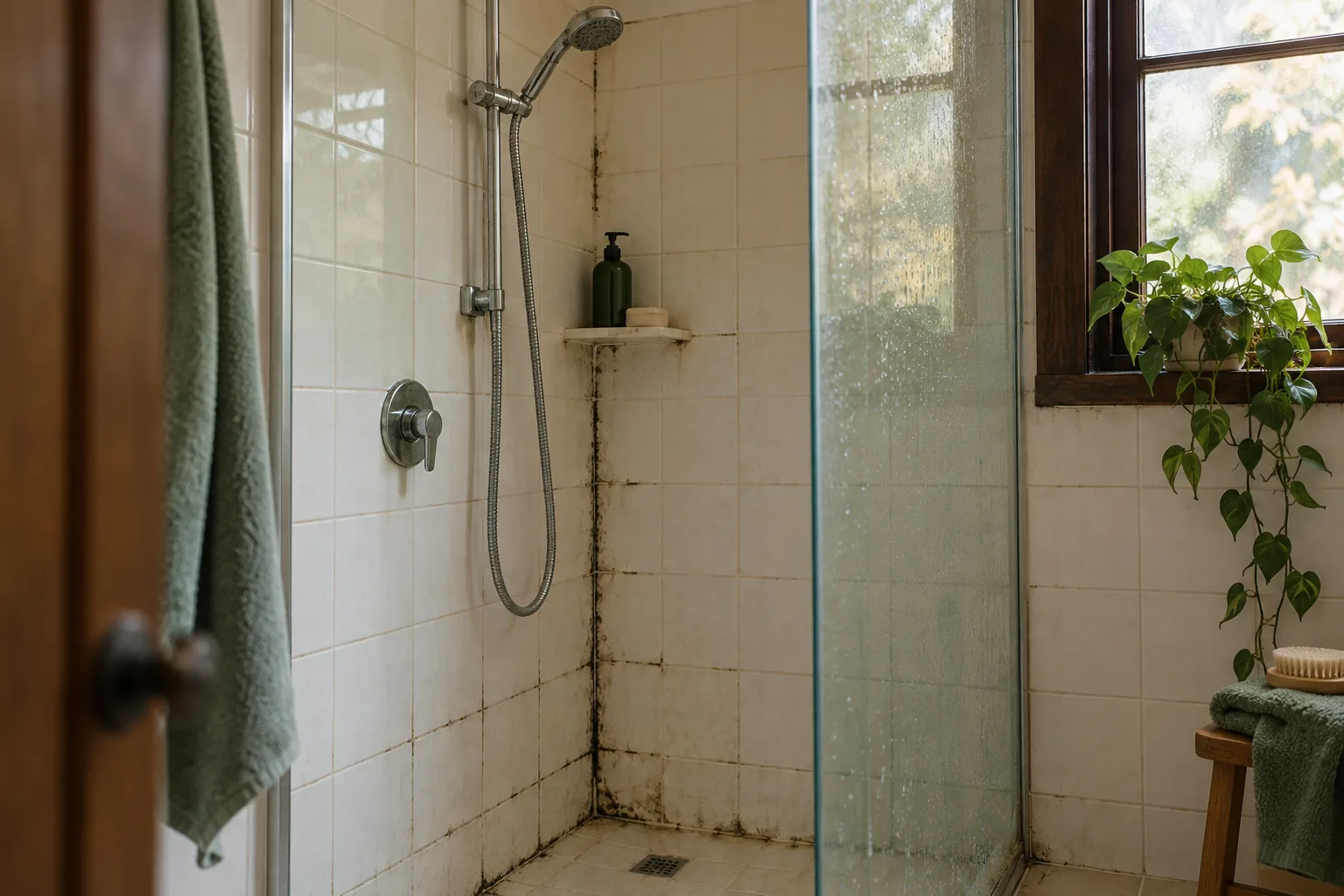
Bathroom
Compare extraction and shower-related conditions across the cleaning history. A new joint problem may require a different repair task.
Wall
Show how the patch returned relative to previous paint or furniture positions. Changed finish condition affects the treatment decision.
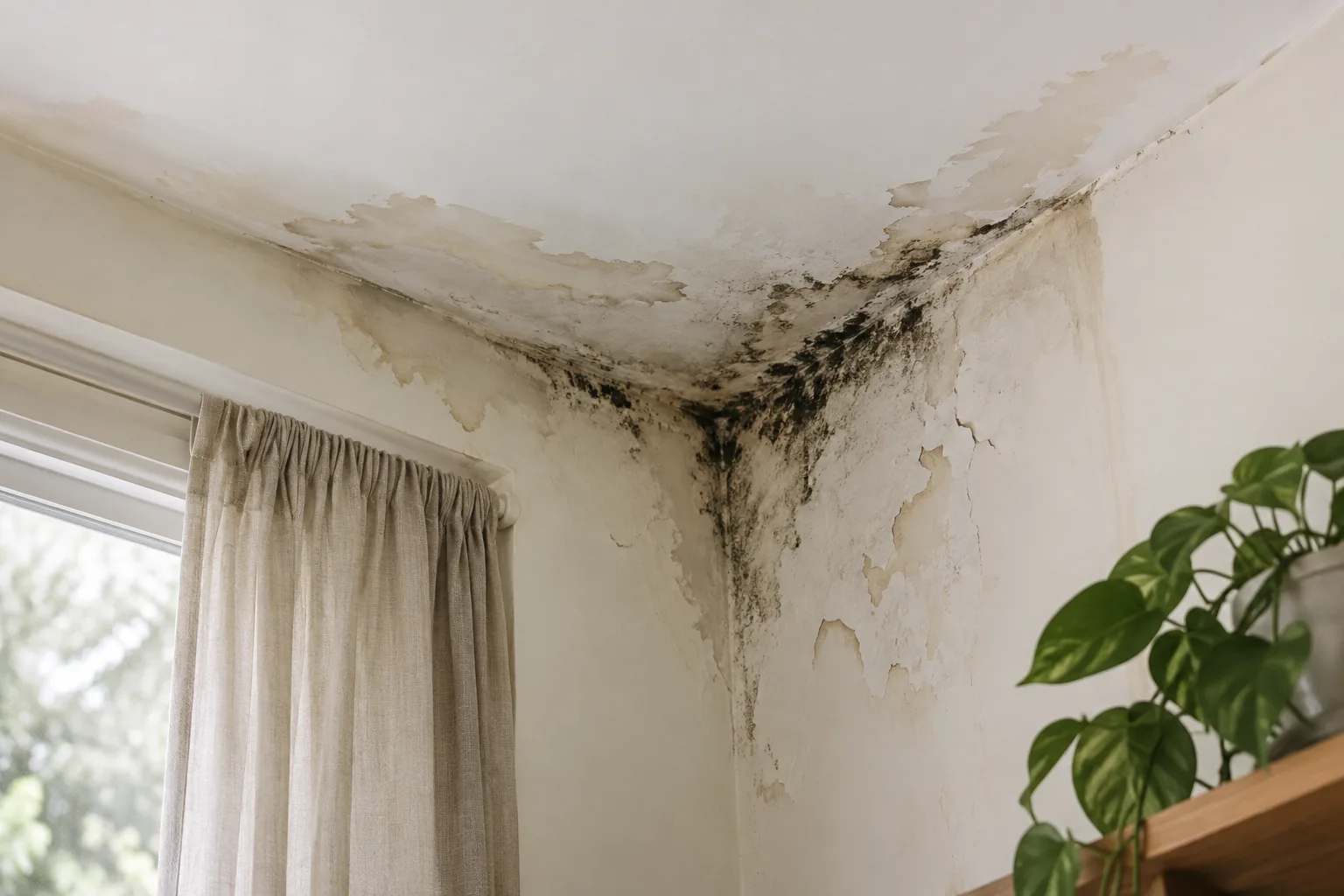
Ceiling
Keep roof-repair dates and rain observations together. Old staining and new material changes should not be conflated.
Hard floor
Give its own recurrence and water history. Textile coverings remain excluded even if another surface is treated again.
MAKE SPACE FOR DRYING
Keep the source and the surface in view
After identified repairs and treatment, use the original timeline to monitor the same locations. Note what changed in the room or building as well as whether the mark looks different. That supports a more useful conversation if it returns.
Maintain the relevant moisture-control arrangements and pursue outstanding building defects. Avoid a cycle of covering the patch with paint without reconsidering the source. Cleaning and finish repairs have different roles, and neither guarantees permanent prevention under continuing damp conditions. Include what happened between earlier treatments: new paint, a repaired fitting or a period without room use. These details can explain why two photographs are not directly comparable, without turning the order of events into proof of a cause.
STEELS CREEK & NEARBY
Nearby location guides
For another nearby address, start with its own room and repair history rather than applying the recurring pattern from this property: Dixons Creek, Yarra Glen, Christmas Hills.
QUESTIONS WORTH ASKING
Before the visit.
Does recurrence prove the earlier clean was ineffective?
Not by itself. The source, material and conditions between visits need consideration alongside the previous method.
Should I bring earlier photographs?
Yes. Dated comparable views and repair records help explain how the pattern changed.
Is repainting enough to stop a return?
Paint does not repair the moisture source or restore deteriorated material; those questions need separate attention.
Can treatment include new areas this time?
Describe the current pattern so any changed accessible scope and preparation can be agreed.
When should inspection be considered?
If growth repeatedly returns or the cause remains uncertain, discuss assessment before choosing another surface treatment.
What confirms a Steels Creek appointment?
The exact address, recurrence record and current room access are needed to check suitable availability.
START WITH YOUR ROOM
Talk through the room in Steels Creek
Phone 03 8652 1296 with the address, previous work dates and current photographs. We can discuss what needs reassessment, suitable surface treatment and appointment availability.
Useful references: Yarra Ranges — council locality information