
HAMPTON PARK · MELBOURNE
Mould Removal Hampton Park
For Hampton Park wet-area enquiries, identify the tile, paint, sealant or cabinet material and any damage or wetness. Call 03 8652 1296 to check address availability. A continuous dark line can involve several material decisions; surface cleaning cannot repair the whole junction.
Junction materials considered
Repair boundaries explained
Room access discussed
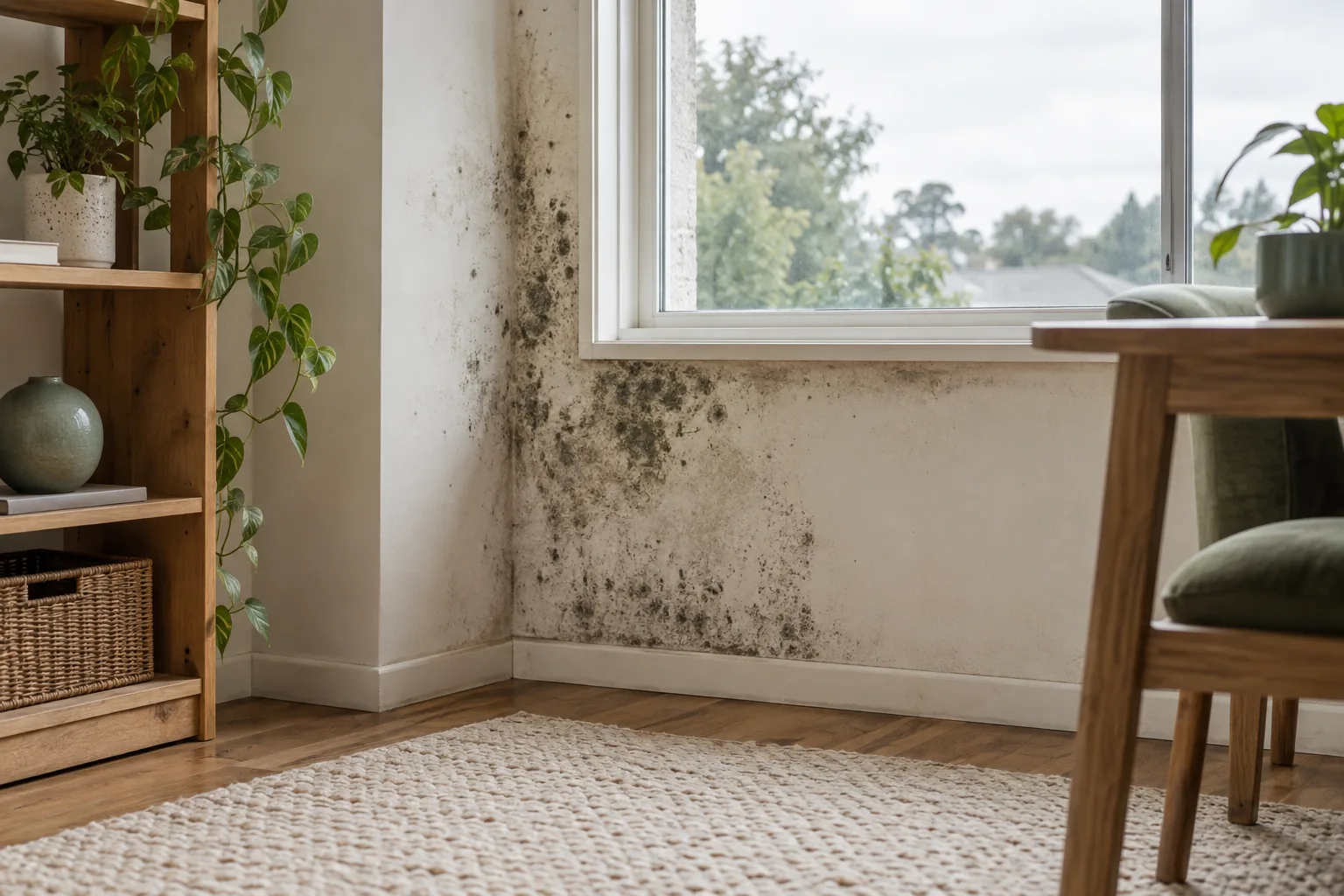
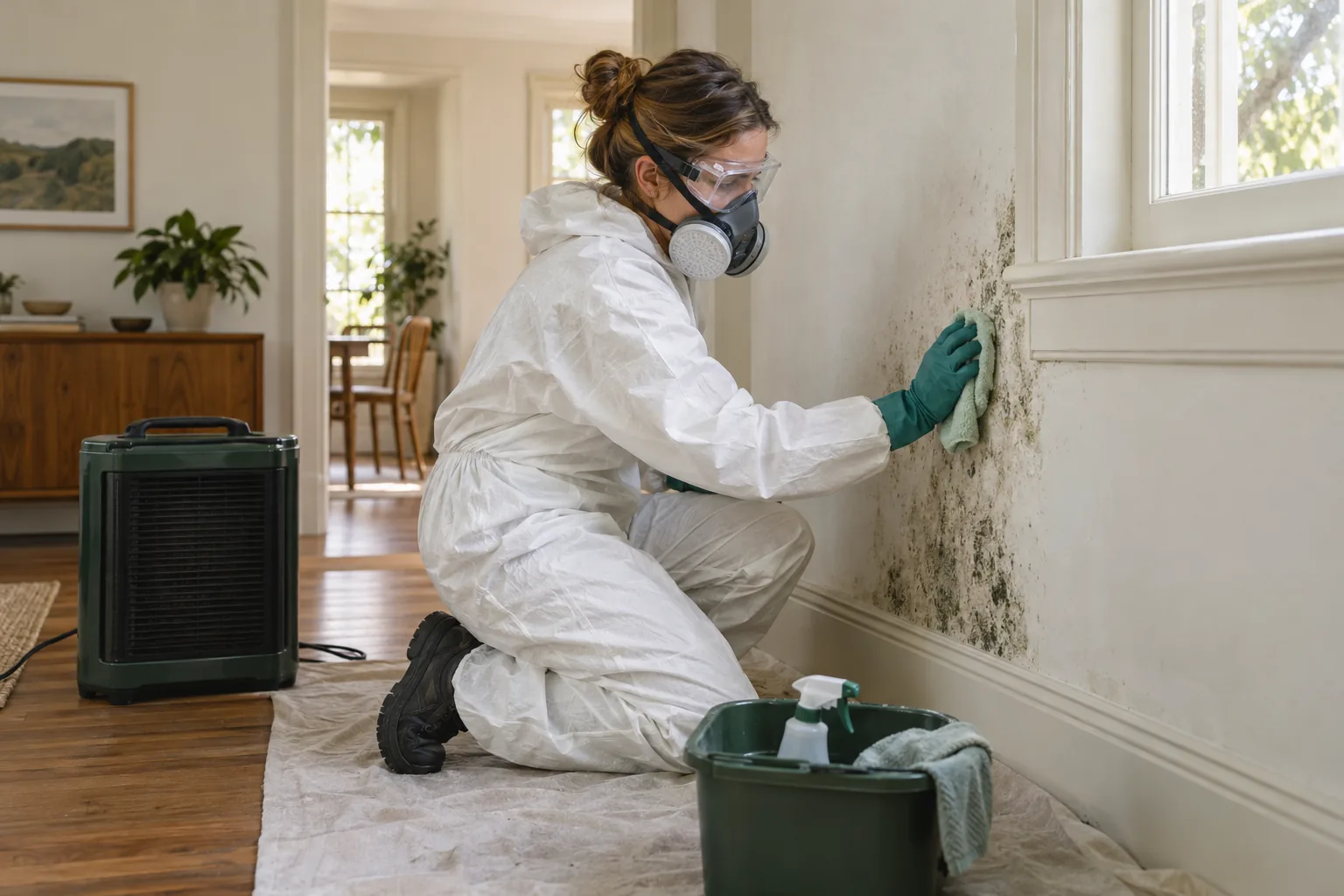
WET AREA · JUNCTIONS · WALLS
THE HOME, IN CONTEXT
Give the junction a precise room location
Hampton Park appears in the Victorian Government’s Casey locality list. State the address and room, then identify the corner or fitting involved. A wider photograph helps distinguish a bathroom junction from a laundry or kitchen concern rather than relying only on a close-up.
Describe the materials in order
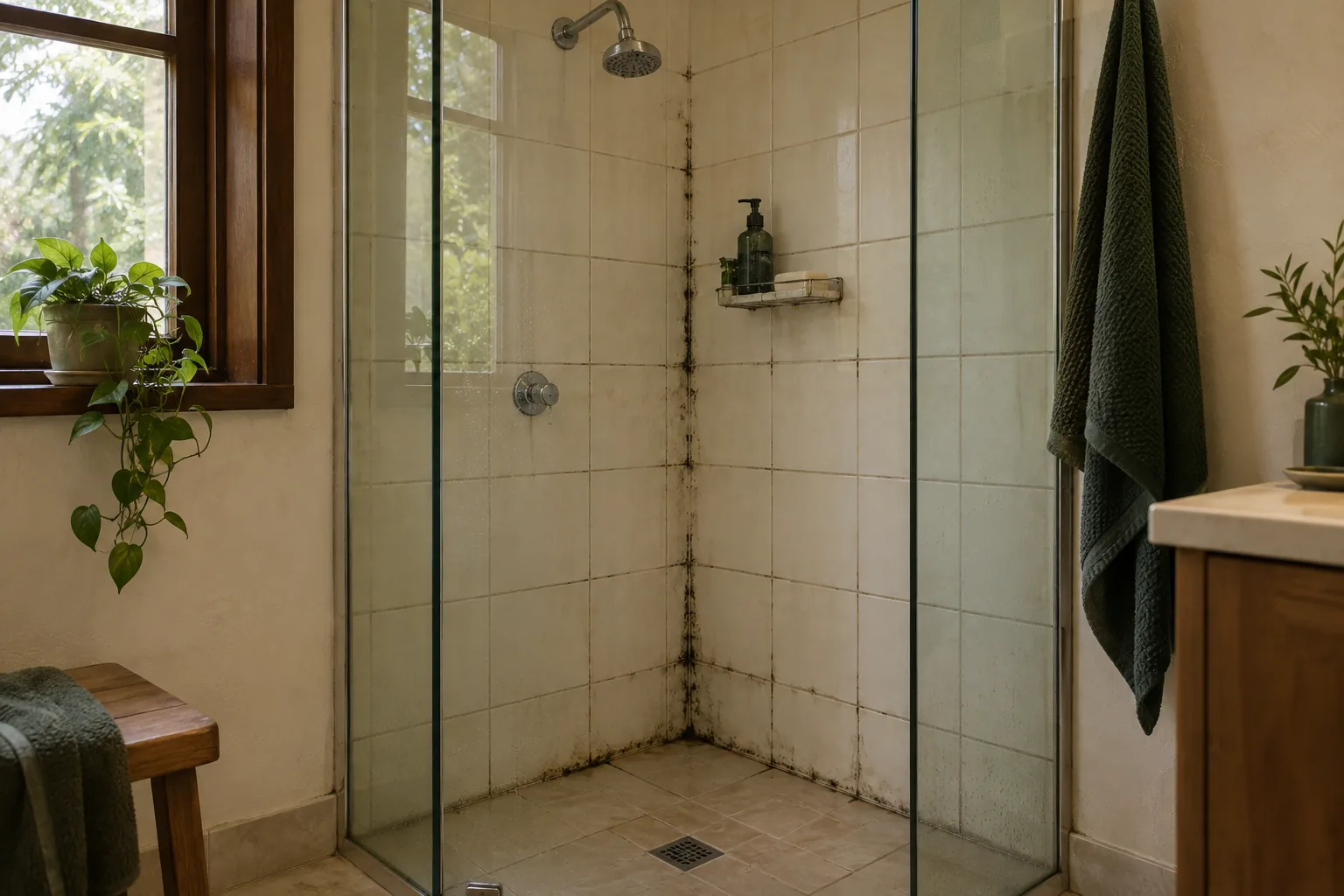
Explain where tile meets paint, sealant or a cabinet edge. State what is known and what is uncertain. Different surfaces may require different decisions even when the visible growth looks continuous across the junction.
Keep the wetting history
Note drips, standing water, recent joint repairs and any change after ordinary use. Those observations guide questions without diagnosing a particular fault. A nearby fitting should not be assumed responsible solely because the patch sits beside it.
INSPECTION & MOISTURE
Assess more than the dark line
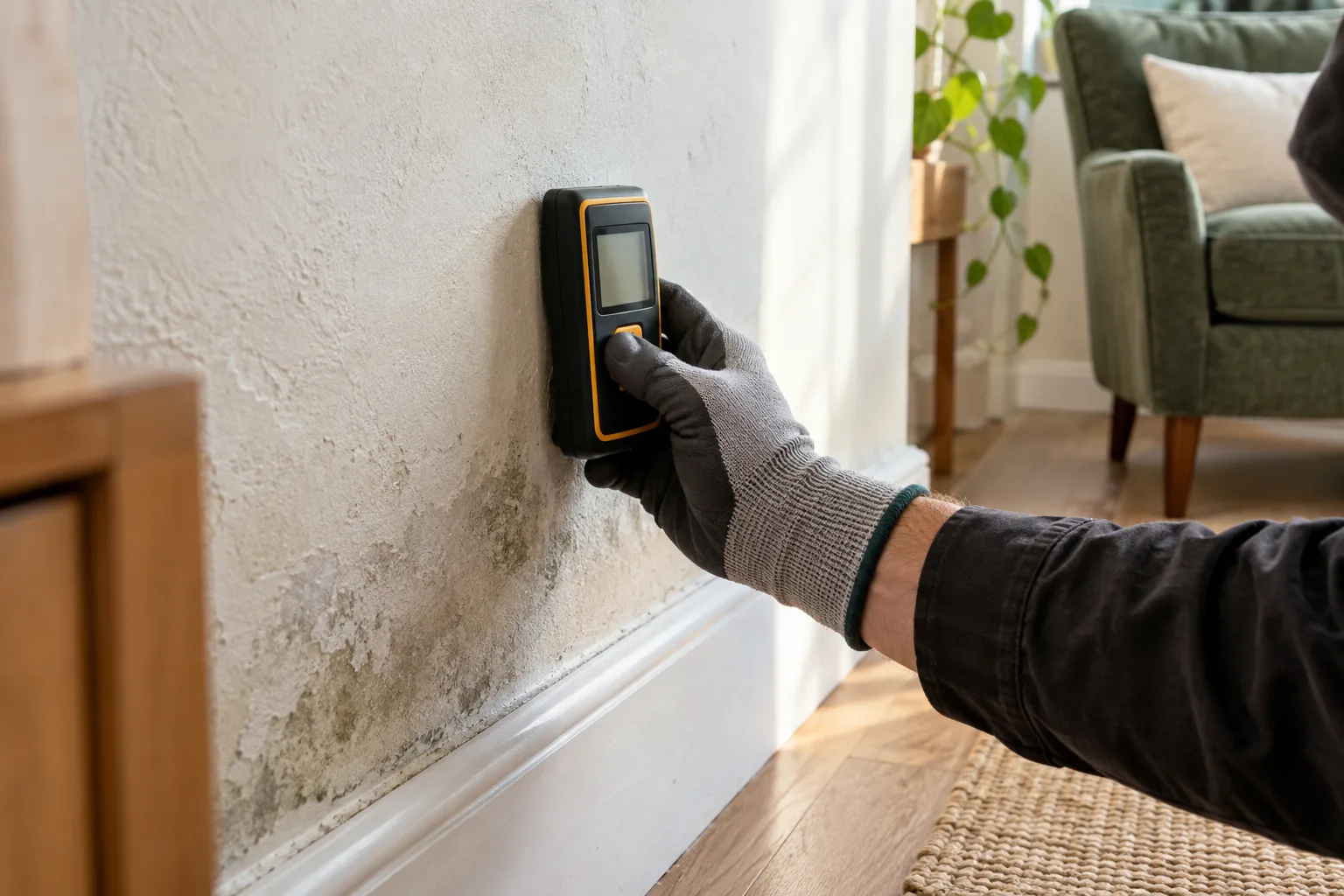
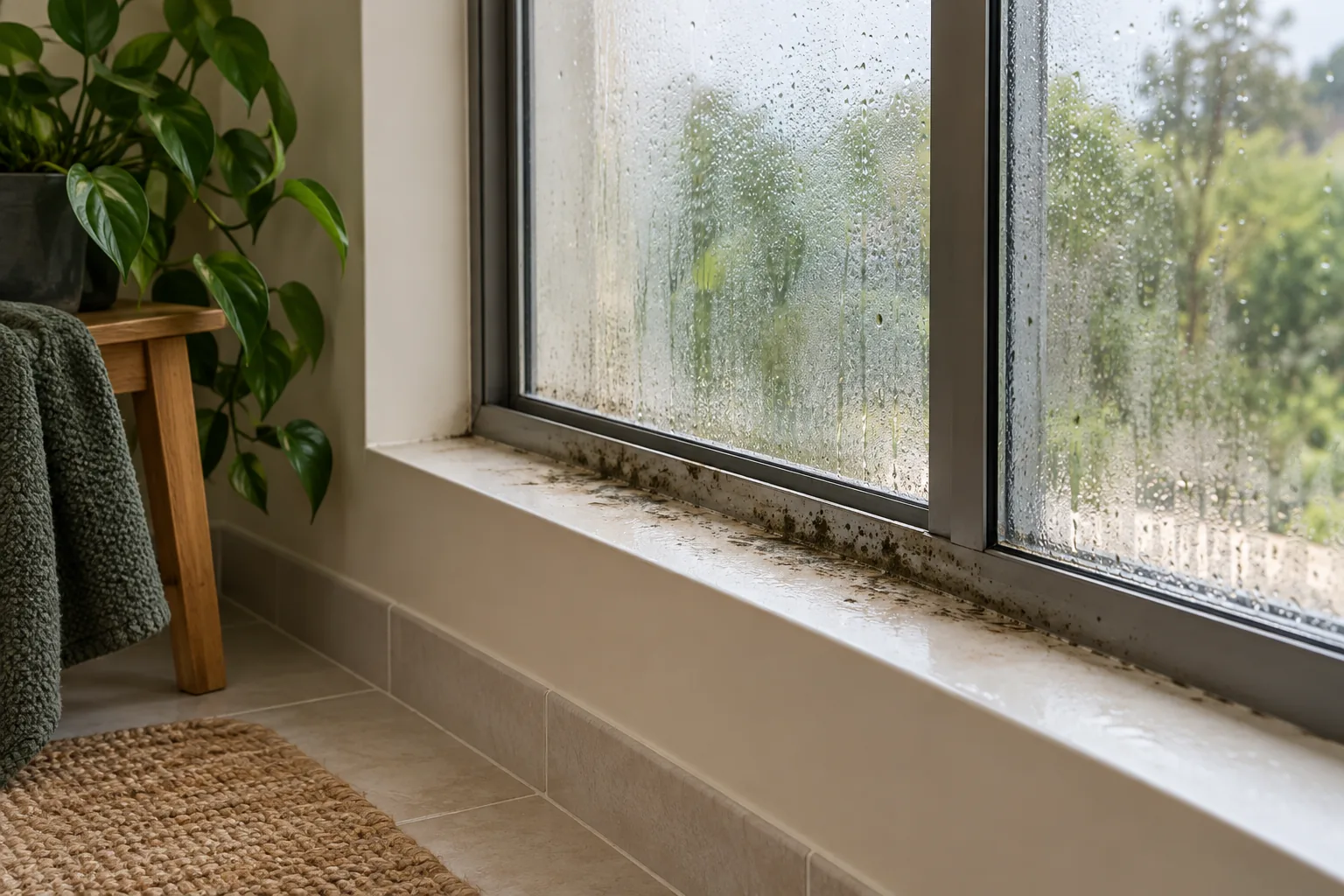
A wet-area junction assessment discussion considers integrity and accessible wetness. Cracks or swollen board need separate attention; cleaning suitability should not be chosen from colour alone.
Check access around fittings
Screens, cabinets and plumbing can restrict reach. Show them in the room image without removing parts. Opening the area or altering a fitting needs an agreed purpose and suitable person rather than becoming an informal preparation step.
Separate visible from concealed concerns
A damp edge may prompt questions about backing or waterproofing, but does not establish their condition. Describe what is actually visible. Further investigation should recognise uncertainty instead of representing a surface proposal as assessment of every hidden layer.
A CONNECTED PROCESS
Plan the junction as several material decisions
Confirm room and availability
Check the full property address and describe the affected fitting or corner. Include approximate lengths and damaged sections. Do not arrange fixture removal or another trade around a visit until availability and practical access have been discussed.
Agree the accessible scope
Discuss removal from suitable wet-area surfaces with each material named. Tile faces, paint, sealant and cabinetry should not be treated as one interchangeable surface. Concealed assembly and plumbing repair are separate decisions.
Plan preparation without dismantling
Ask which loose contents should be relocated and what needs to remain untouched. Keep the route clear. Do not cut out sealant, scrape grout or pull backing panels away simply to reveal more of the patch before discussion.
Treat each suitable junction material
Physical removal and surface-compatible treatment must distinguish the sound tile, paint and other agreed material at the junction. HEPA filtration may support the work area where appropriate. A failing seal or damaged cabinet edge still needs its own repair decision.
Review before resealing or restocking
Record included surfaces, remaining stains and unresolved wetness before resealing or restocking. Keep material boundaries identifiable for repair discussions; a cleaner junction should not hide an unanswered source question.
WHERE MOULD APPEARS
Junction components to identify separately
Sealant bead
Describe cracking, separation and discolouration without removing it. Growth or staining within deteriorated material may need a replacement decision. Cleaning adjacent tile cannot make an unsound bead perform as intended or identify the full water route.
Painted wall edge
Report lifting, softness and repeated wetness. The coating may have a different condition from nearby tile. A sound-looking tiled face does not establish that the adjoining plaster or backing remains suitable to retain.
Ceiling above the wet-area junction
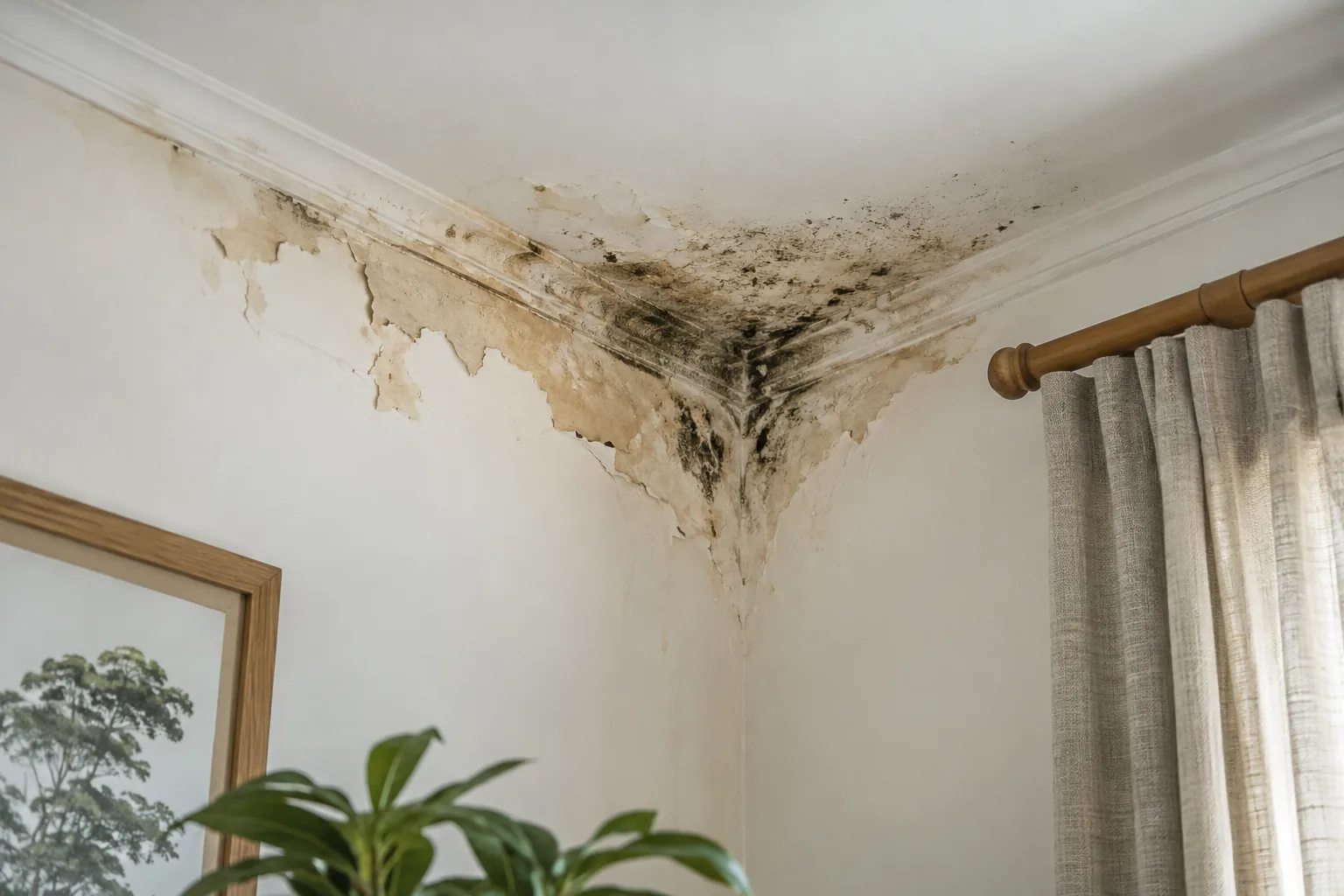
If overhead growth is visible, describe the coating and fittings below. Ceiling lining differs from grout or sealant; cleaning cannot repair damaged material or establish concealed waterproofing performance.
Grout line
Missing or crumbling sections may require repair. Do not pick at them for a clearer photograph. Cleaning the visible line cannot restore joint integrity or confirm that a concealed wet-area assembly is sound.
MAKE SPACE FOR DRYING
Keep maintenance linked to each component
Observe the same junction after appropriate repairs and surface work. Date photographs of water accumulation or recurrence, identifying the component that changed rather than describing the whole room as damp.
Maintain extraction where relevant and repair actual drips through suitable trades. Dry obvious surface water where practical. These measures can support drying but cannot guarantee prevention or replace correction of damaged joints, unsound material or continuing water entry behind the finish.
HAMPTON PARK & NEARBY
Nearby property enquiries
Compare location information for Lynbrook Hallam Narre Warren. Give the exact property address when calling; a nearby page does not confirm an available appointment.
QUESTIONS WORTH ASKING
Before the visit.
Can one method suit every material in the corner?
Do not assume that. Tile, paint, timber and sealant differ in condition and suitable handling. Identify each material before expecting one process to preserve all finishes or produce an identical appearance throughout the junction.
Does cracked sealant prove waterproofing failure?
It raises a repair question, but does not establish the condition of the whole assembly or identify every water route. Describe associated wetness and damage so the appropriate investigation follows evidence rather than one visible defect.
Should I remove old grout before calling?
Discuss condition and repair sequencing first. Grout removal can expose material needing another decision; it should not be treated as informal preparation for accessible cleaning.
Can cleaning restore swollen cabinet board?
It cannot reverse swelling or lost strength. Explain the damage so repair, replacement or retention can be considered separately. A more presentable face does not establish that the component or concealed backing is sound.
Will removal certify the wet area is leak-free?
No. Surface work does not establish concealed waterproofing, plumbing or joint performance. Suspected defects need appropriate investigation and repair independently of the agreed work on visible growth.
How do I enquire about Hampton Park junctions?
Call 03 8652 1296 with the address, room photograph and material details. Check availability and preparation before altering fittings or arranging joint replacement around a possible visit.
START WITH YOUR ROOM
Discuss the materials before altering the corner
Call with photographs and wetting history. Accessible boundaries and separate repair questions support a Hampton Park enquiry while availability is checked for the property.
Useful references: Victorian Government — Casey localities