
DIGITAL HARBOUR · MELBOURNE
Mould Removal Digital Harbour
DIGITAL HARBOUR / ROOM BY ROOM
Before arranging treatment in Digital Harbour, work out which person can authorise access to the affected room. An apartment resident, tenant and building manager may have different responsibilities.
Building access planned
Moisture history considered
Surface limitations explained
SURFACES & THEIR SETTING
A Docklands precinct with building-specific needs
The official Docklands Plan identifies Digital Harbour as a precinct. Use the building address and apartment or tenancy number when enquiring; the precinct name alone does not identify the entrance or affected interior.
A room above the street
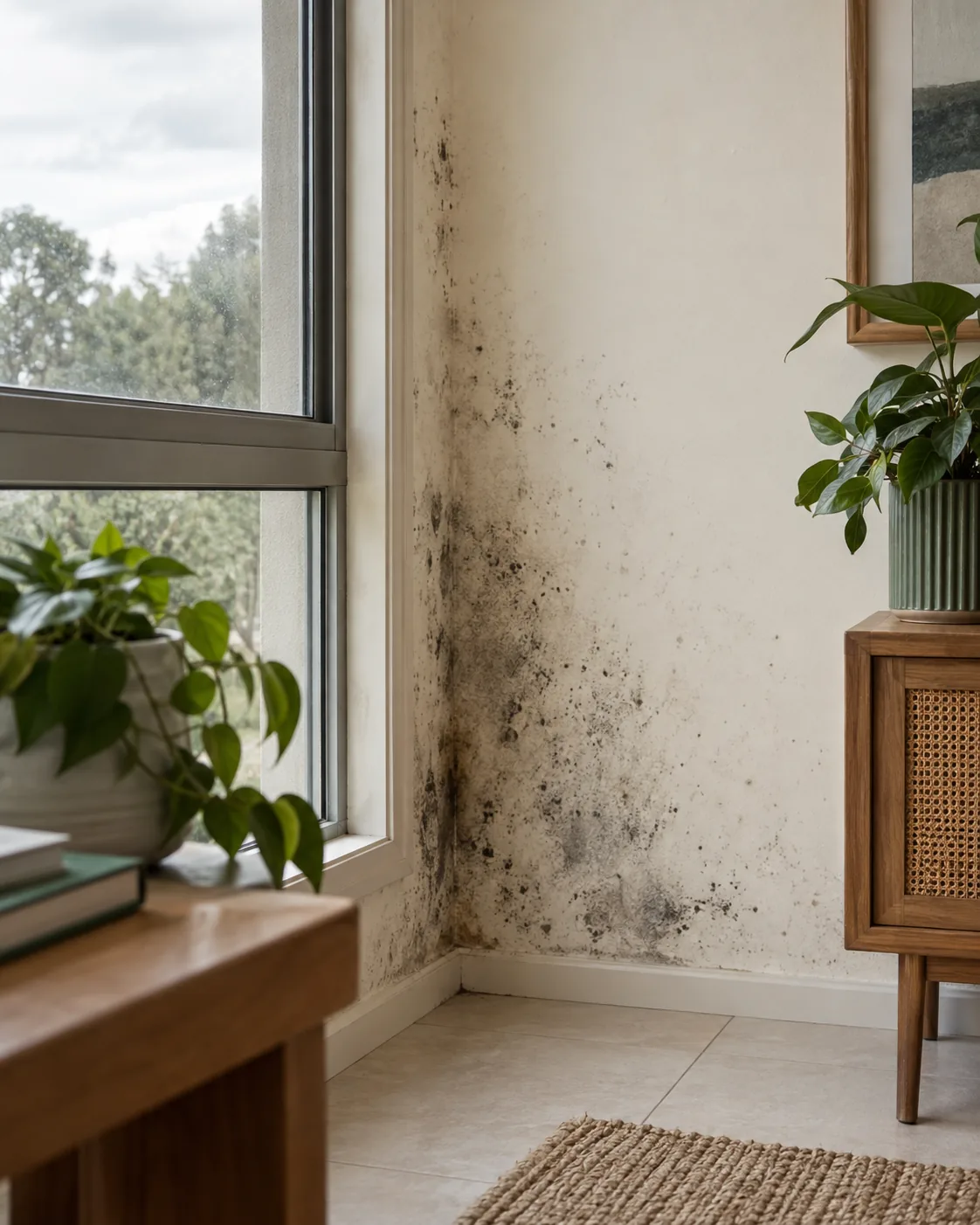
If growth appears around an apartment window, note whether droplets form in the morning and whether the mark sits on plaster, paint or the frame. That observation helps explain the enquiry without assuming every Digital Harbour apartment has the same issue.
One booking, several decision makers
Ask who can provide keys, approve lift use and discuss work affecting shared services. Our mould removal scope must be clear to the person booking and the person meeting the technician. A proposed appointment does not substitute for building permission.
Look beyond the surface mark
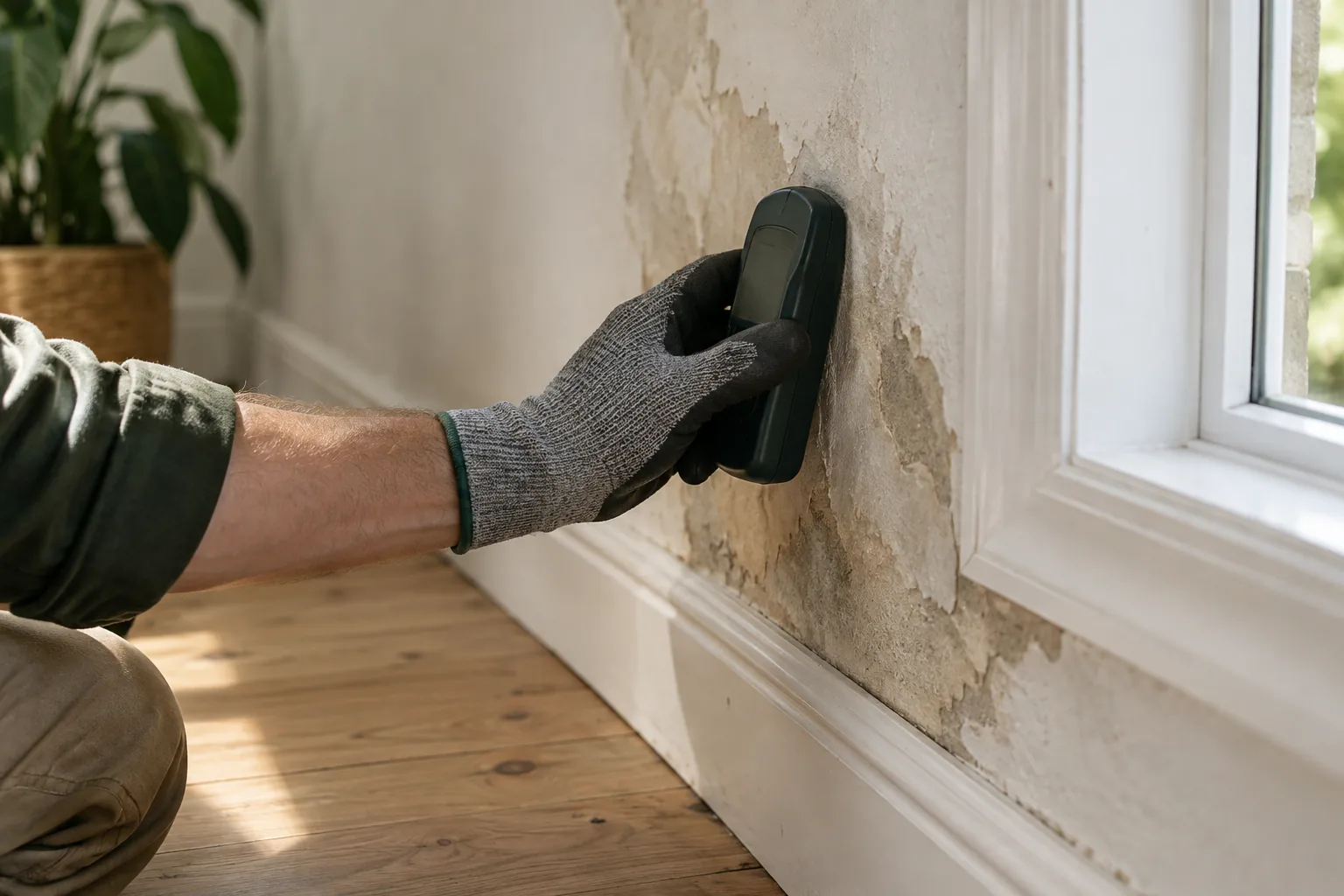
Moisture needs context.
Explain the pattern
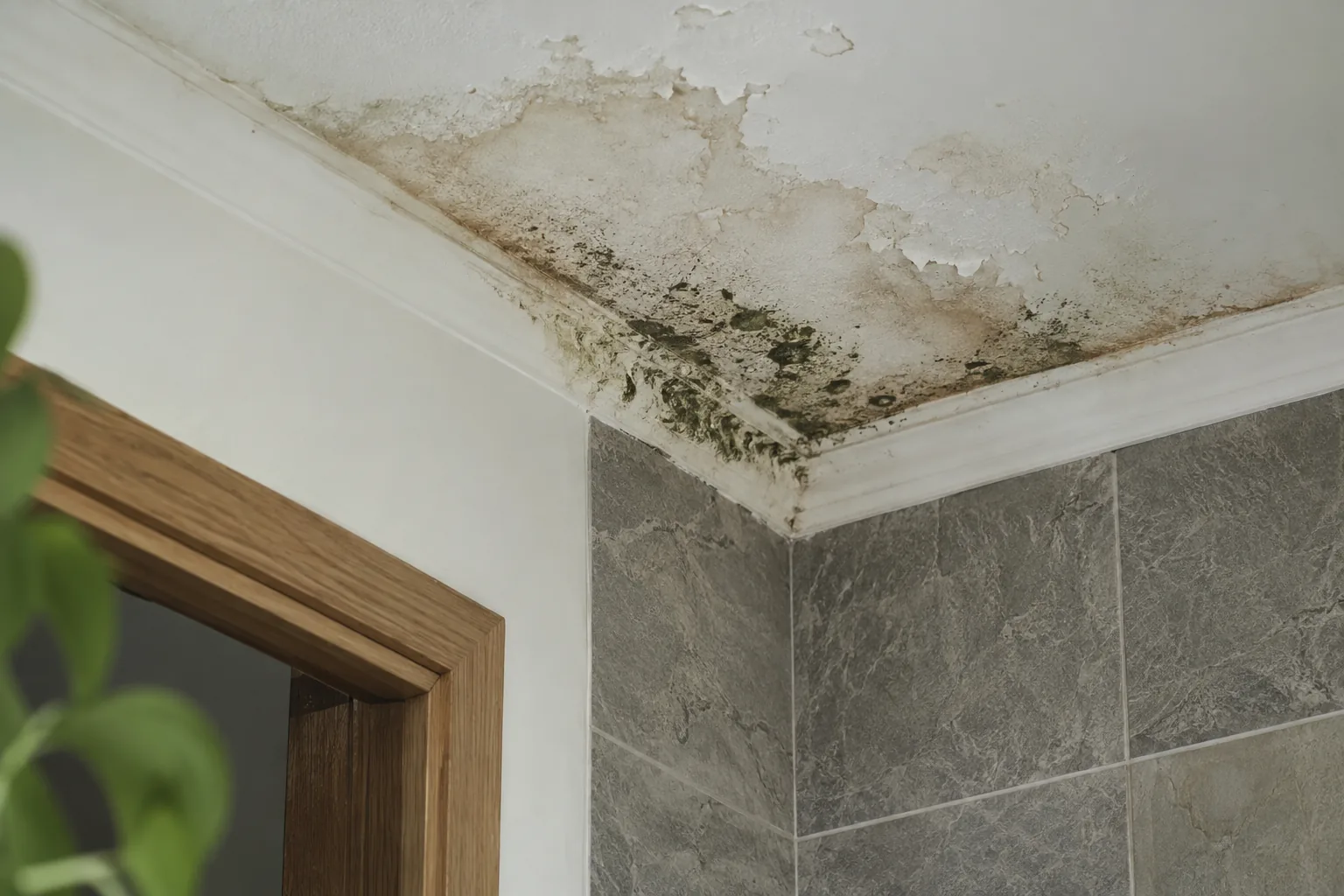
Photograph the whole affected wall as well as the patch. Mention whether growth follows the ceiling edge or is confined behind belongings. Inspection can consider visible condition and humidity or moisture readings; a reading is not proof of the original water source.
Check the repair boundary
A suspected external glazing defect or shared pipe issue needs the relevant building contact or repair trade. Tell us what has already been investigated. Do not assume surface treatment includes opening cavities, repairing waterproofing or resolving building ventilation faults.
THE SURFACE REMOVAL PROCESS
Coordinate the visit before the treatment
01
Confirm the affected area
Visible walls, ceilings and hard floors are reviewed alongside their finish and condition. A hygrometer may provide useful room information. Anything hidden, unstable or blocked requires discussion rather than automatic inclusion.
02
Prepare and filter the air
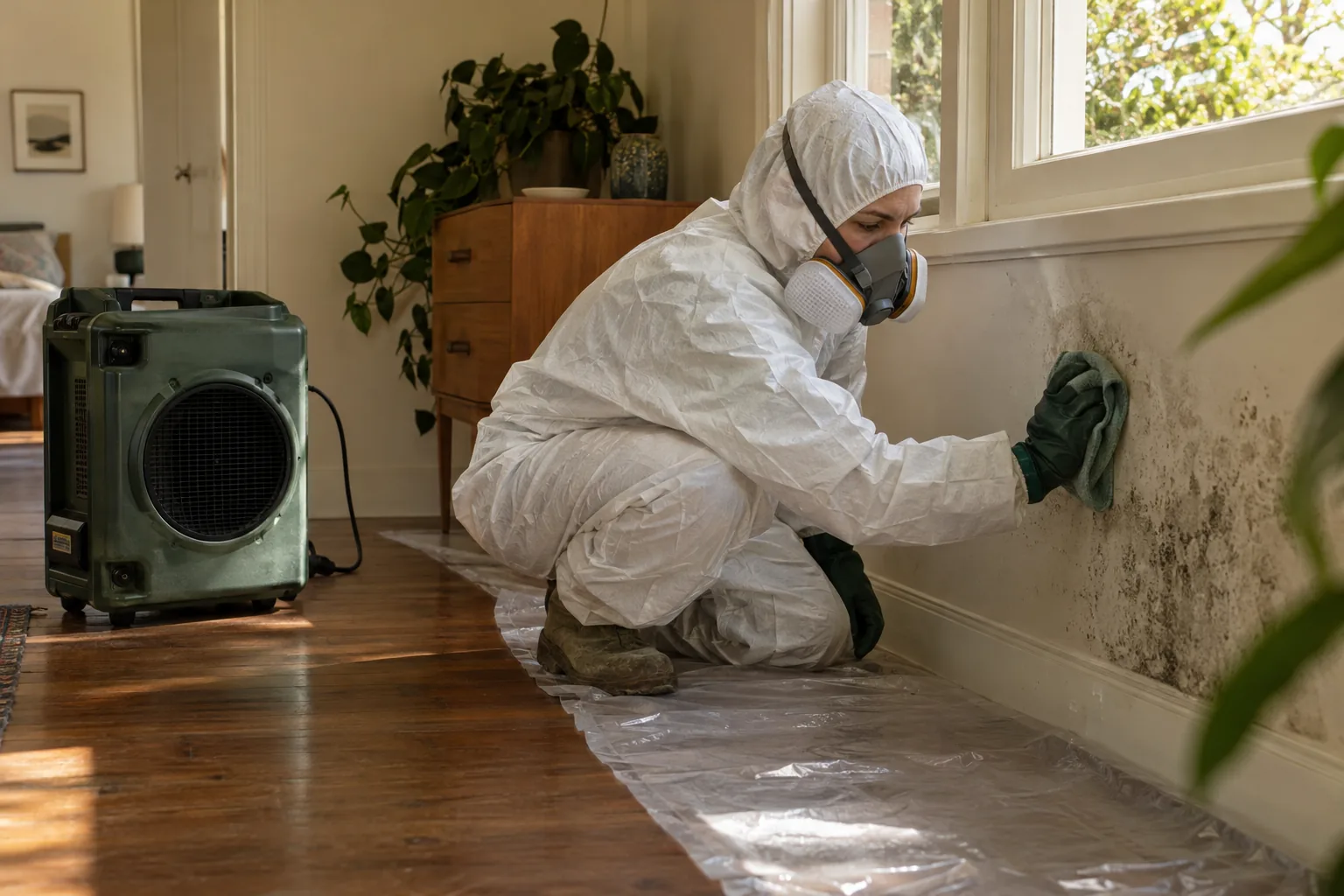
Clearance of personal belongings and occupant arrangements is agreed. A HEPA scrubber supports airborne particle filtration while the work proceeds. Access through a shared corridor must remain consistent with building requirements.
03
Choose the surface treatment
The technician considers an appropriate HOCl application for the material. Fragile coatings and nearby fixtures need attention. The proposed method should distinguish treatment of growth from cosmetic restoration of the finish.
04
Apply fog where appropriate
ULV fog application may be used when suitable for the agreed room. Preparation and return timing are explained. Any alarm procedure must be authorised with the responsible building manager and technician.
05
Remove accessible residues
Physical removal uses professional equipment with H-class filtration as appropriate. Furniture, carpets, curtains, mattresses and other textiles are excluded. Moving those items to reveal a wall does not make them part of the treatment.
06
Review the room afterwards
Final filtration and a discussion of the completed work support the handover. Record remaining stains and any outstanding moisture repair. A clear next step is more useful than a promise of permanent freedom from mould.
VISIBLE & ACCESSIBLE
Four surfaces to mention in your call
Window-side walls
Explain condensation, wall finish and access beside the window.
Bathroom ceilings
Describe extraction use and when the ceiling last dried.
Kitchen splashback edges
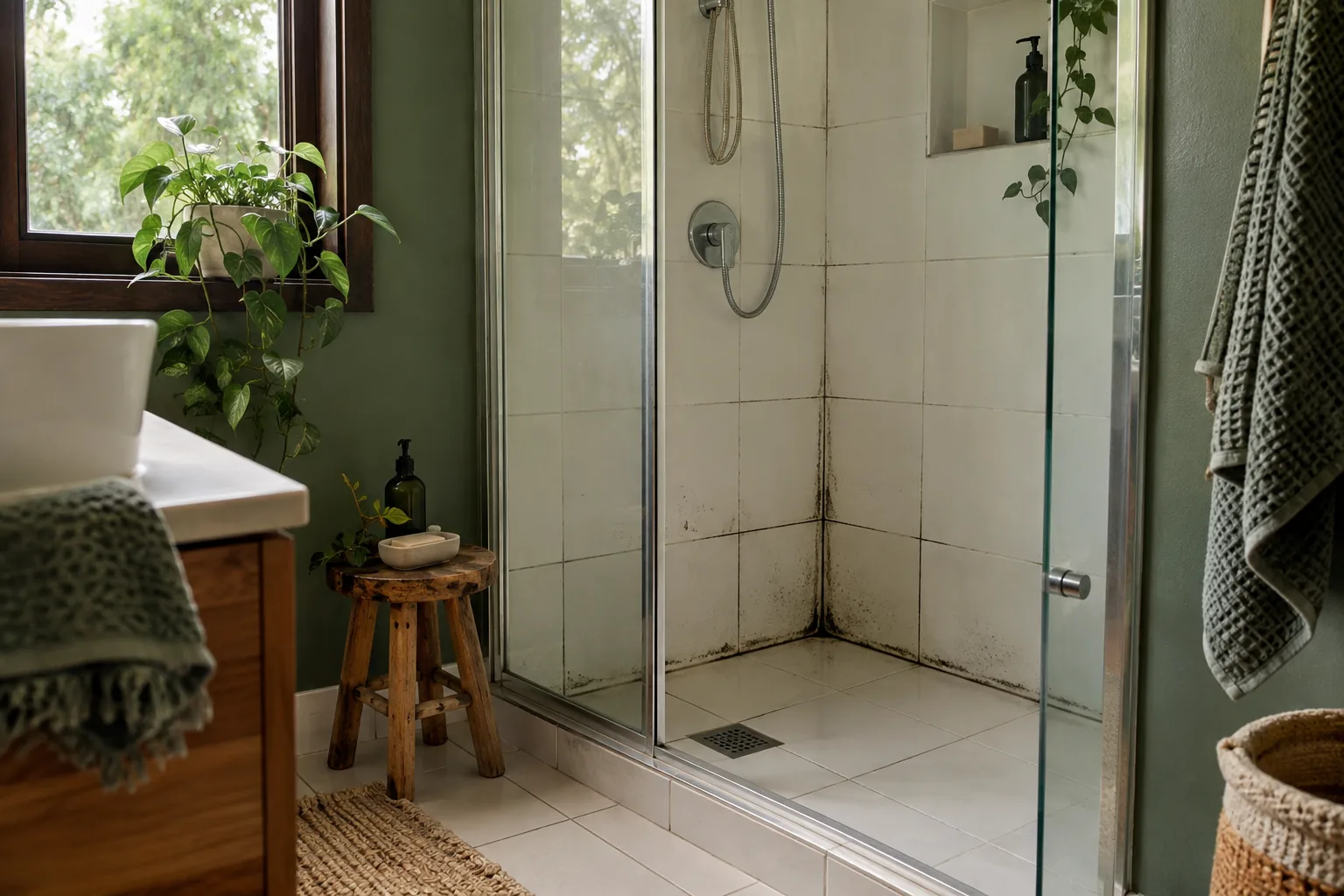
Identify the hard surface and adjacent painted areas.
Entry hard floors
Mention any water tracking, damaged edges or inaccessible sections.
PREPARATION & LIMITS
Time and appearance are separate questions
Around three hours per room is an average working estimate, not a guaranteed appointment length or hourly charging arrangement. Access, room size and contamination affect timing. Agree the actual room list and preparation before rearranging work or accommodation.
Cosmetic marks may remain after remediation. Repainting or decorating needs a separate quotation. Walls that stay damp need further attention to the underlying source; treatment cannot make a leaking fitting watertight.
AFTER THE SURFACE WORK
Make moisture management easy to repeat
Check that bathroom and kitchen extraction works as intended and keep vents unobstructed. Note when window condensation appears rather than assuming outdoor proximity explains it. An indoor humidity log can help a future discussion, especially when room use changes.
Leave reasonable airflow around stored belongings after the agreed return time. Report recurring marks promptly to the appropriate property contact and keep dated photographs. Do not paint over dampness while a leak investigation remains unfinished.
DIGITAL HARBOUR · SURROUNDING ADDRESS ENQUIRIES
Other Docklands location guides
NewQuay, Victoria Harbour and Waterfront City are nearby precincts. If the property is described using more than one local name, provide the exact Docklands address so the enquiry concerns one building rather than duplicate appointments.
BEFORE YOU ARRANGE WORK
Questions for your enquiry.
Is Digital Harbour a separate suburb?
It is identified as a Docklands precinct in the official plan. Give the actual building address and tenancy details; the precinct label helps orientation but does not establish a separate service office or booking boundary.
Does the building manager need to attend?
That depends on permissions, shared services and access arrangements. Clarify who can authorise the work and who will meet the technician.
Can curtains beside an affected wall be treated?
Curtains and other textiles are excluded. Explain their position when planning wall access, but arrange textile assessment separately.
Does fogging replace physical removal?
The removal process includes treatment and appropriate physical removal, with filtration. The method is discussed for the actual surfaces.
What if the mark returns after rain?
Keep a dated record and tell the relevant repair contact. Recurrence associated with rainfall is useful information, but it does not establish the exact defect.
Should I reserve a lift immediately?
First confirm availability, equipment access and building requirements. A lift booking alone does not confirm the treatment.
Discuss the building, room and next step
Call 03 8652 1296 with your Digital Harbour address, affected surface and building access details. We will discuss what can be assessed and which preparations need agreement.
Useful references: Victorian Planning Docklands Plan