
COONANS HILL · MELBOURNE
Mould Removal Coonans Hill
COONANS HILL / BEHIND THE BELONGINGS
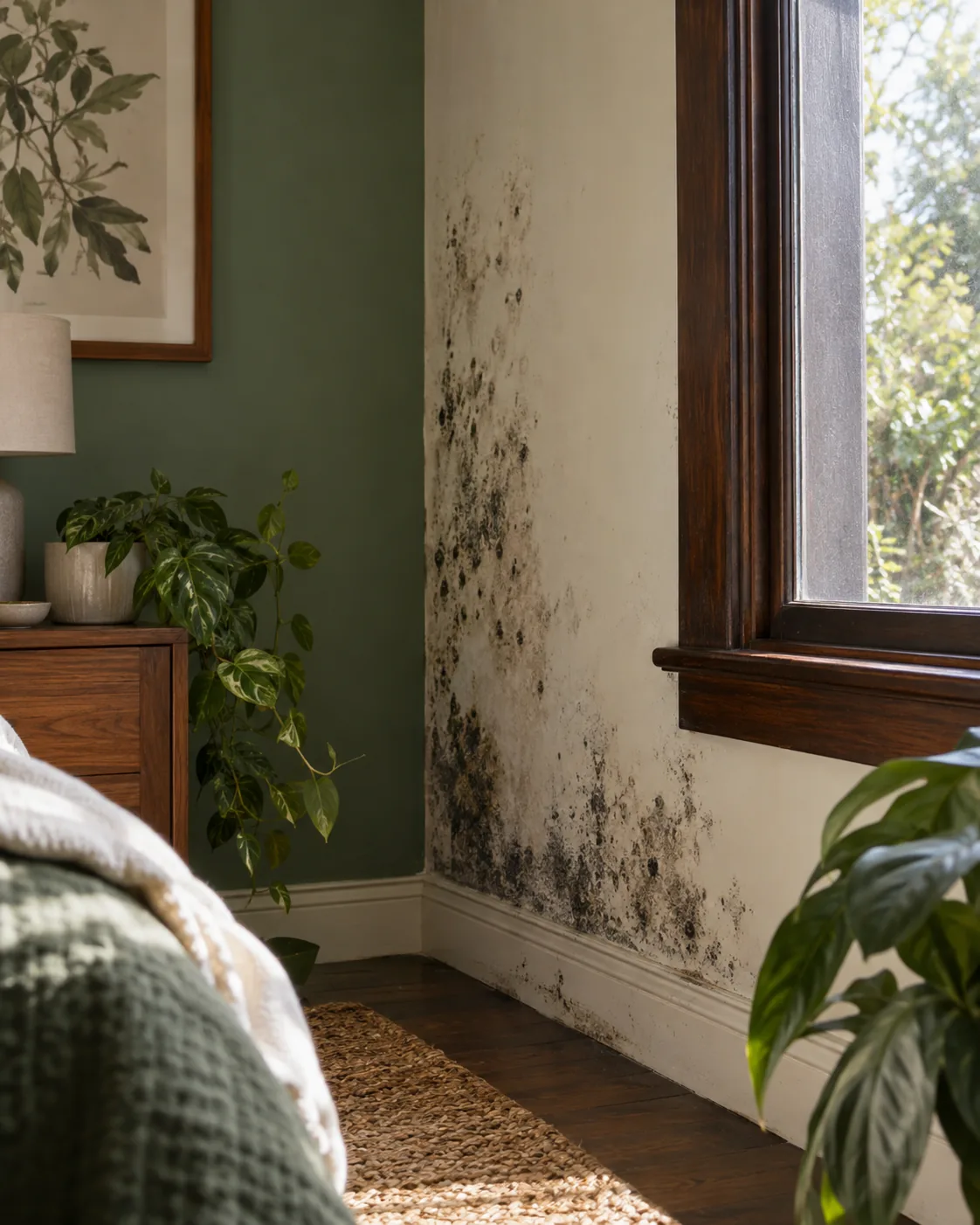
A wall uncovered when a bookcase moves can look worse than the rest of the room. For a Coonans Hill enquiry, describe the surface and the obstruction before clearing more belongings. We can discuss accessible growth without assuming the bookcase or its contents are part of the service.
Blocked wall access discussed
Finish condition considered
Belongings kept outside treatment scope
SURFACES & THEIR SETTING
Give the neighbourhood and the address
Merri-bek Council recognises Coonans Hill in its account of the local area. Use the full street address as well as the neighbourhood name when enquiring, so access relates to one property.
When moving furniture reveals growth
Photograph the wall and the space around the bookcase. Explain whether paint is peeling or the area feels damp. Inspection can consider accessible condition; the furniture itself and stored books or textiles require their own handling decisions.
Keep the enquiry specific
State which rooms are affected and who can authorise access. Do not assume every wall needs the same work because one hidden section is marked. The material, visible extent and clearance should shape the discussion rather than the neighbourhood label.
Access and moisture are different questions
A blocked wall explains why growth was not noticed; it does not prove why moisture accumulated. Tell us about room use, previous leaks and any recurrent condensation.
Identify the material
The removal service concerns visible, accessible walls, ceilings and hard floors. Mention wallpaper, fragile paint or soft plaster. Opening construction or restoring damaged finishes is not automatically included.
Explain what remains damp
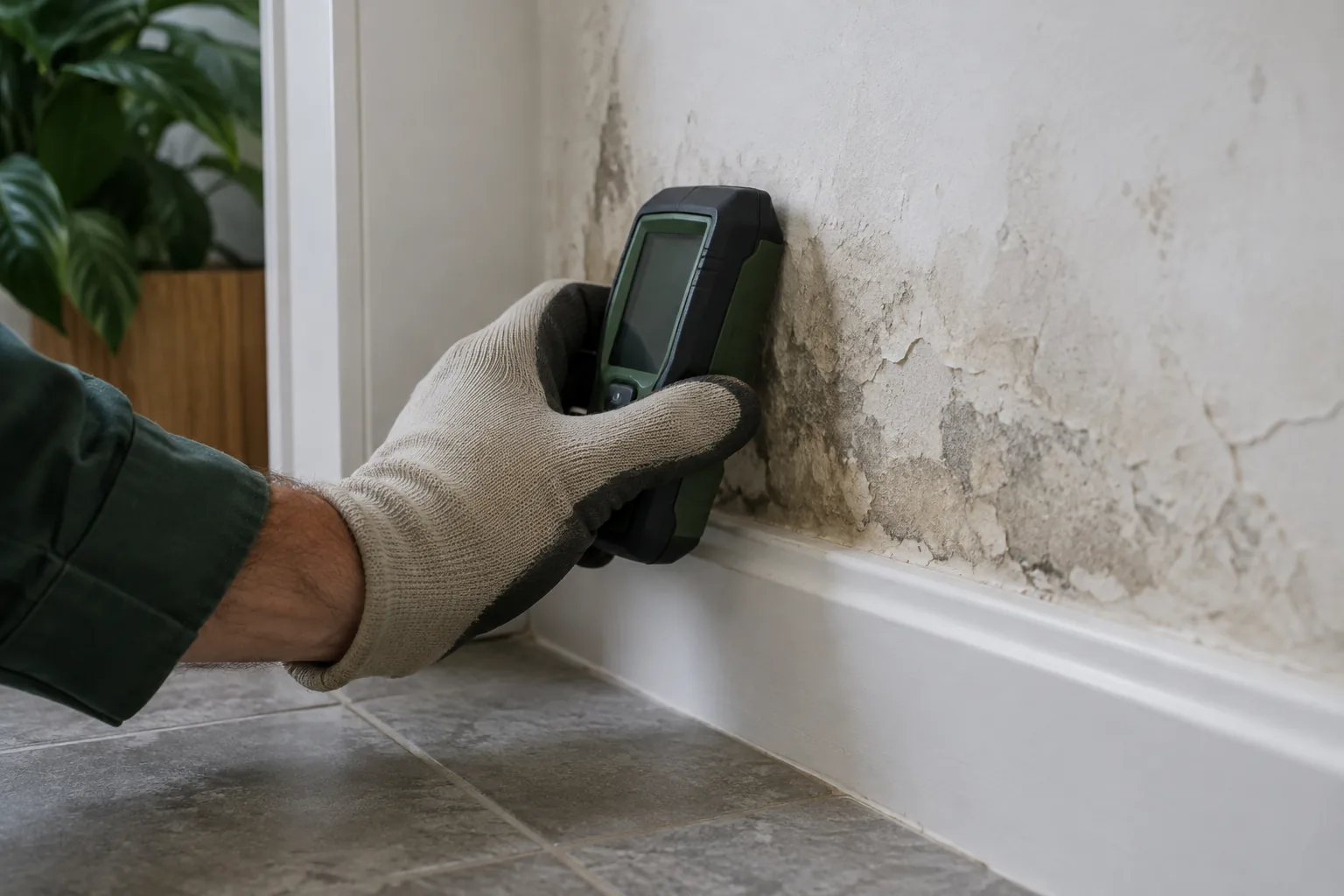
A pipe or roof defect needs separate repair. Humidity checks may support the room assessment, but they cannot confirm hidden materials are dry. Give relevant maintenance history and avoid painting over the patch before the condition is discussed.
THE SURFACE REMOVAL PROCESS
From a newly revealed patch to an agreed plan
01
Check the accessible area
Visible growth, material and finish are reviewed. The technician considers the history and may use a hygrometer. Hidden sections remain a limitation unless access and any additional investigation are explicitly agreed.
02
Prepare belongings and filtration
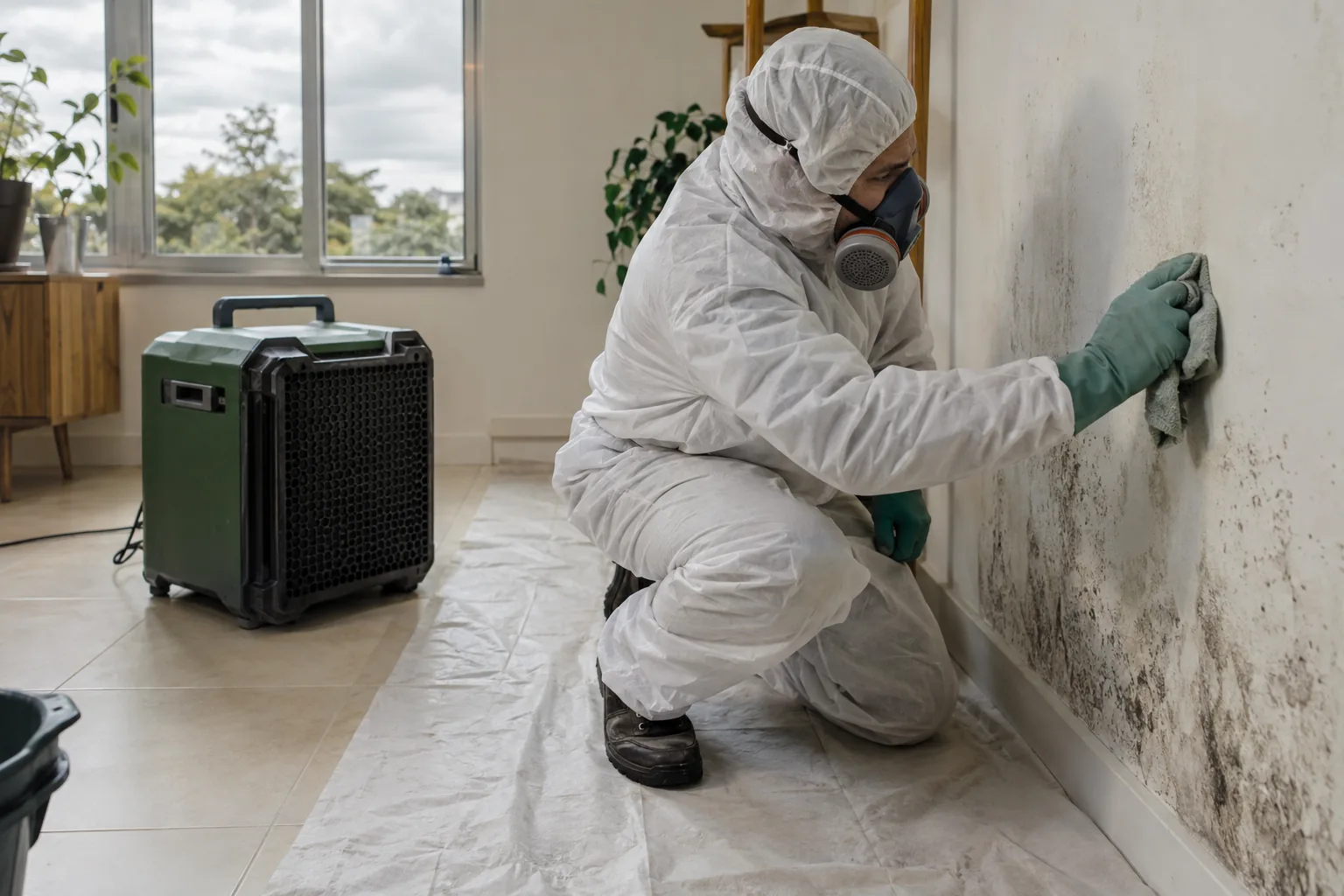
Agree people and pet arrangements and clearance of the working area. HEPA filtration supports the work. Moving a bookcase is not treatment of the furniture, and affected contents should not be scattered through another occupied room.
03
Treat the suitable surface
Appropriate HOCl treatment is considered for the finish. Previous coatings and cleaning attempts are useful information. The method does not promise that damaged wallpaper, paint or plaster will regain its original appearance.
04
Use ULV application as appropriate
Fog application may be included in the agreed method. The technician explains preparation and return arrangements. An alarm procedure must be approved with the responsible person rather than implemented as a blanket instruction to disable equipment.
05
Remove visible residues
H-class filtered equipment is used for suitable physical removal on accessible structural surfaces. Books, clothing, curtains, upholstery and carpet are excluded. A photograph containing those items does not add them to the scope.
06
Finish filtration and explain the result
Final filtration continues as appropriate. Discuss cosmetic marks remaining, unresolved dampness and any separately needed repair or decorating. A clear handover should distinguish the surface work from the reason moisture first accumulated.
VISIBLE & ACCESSIBLE
Areas to mention when you call
Walls behind bookcases
Show clearance and the visible finish.
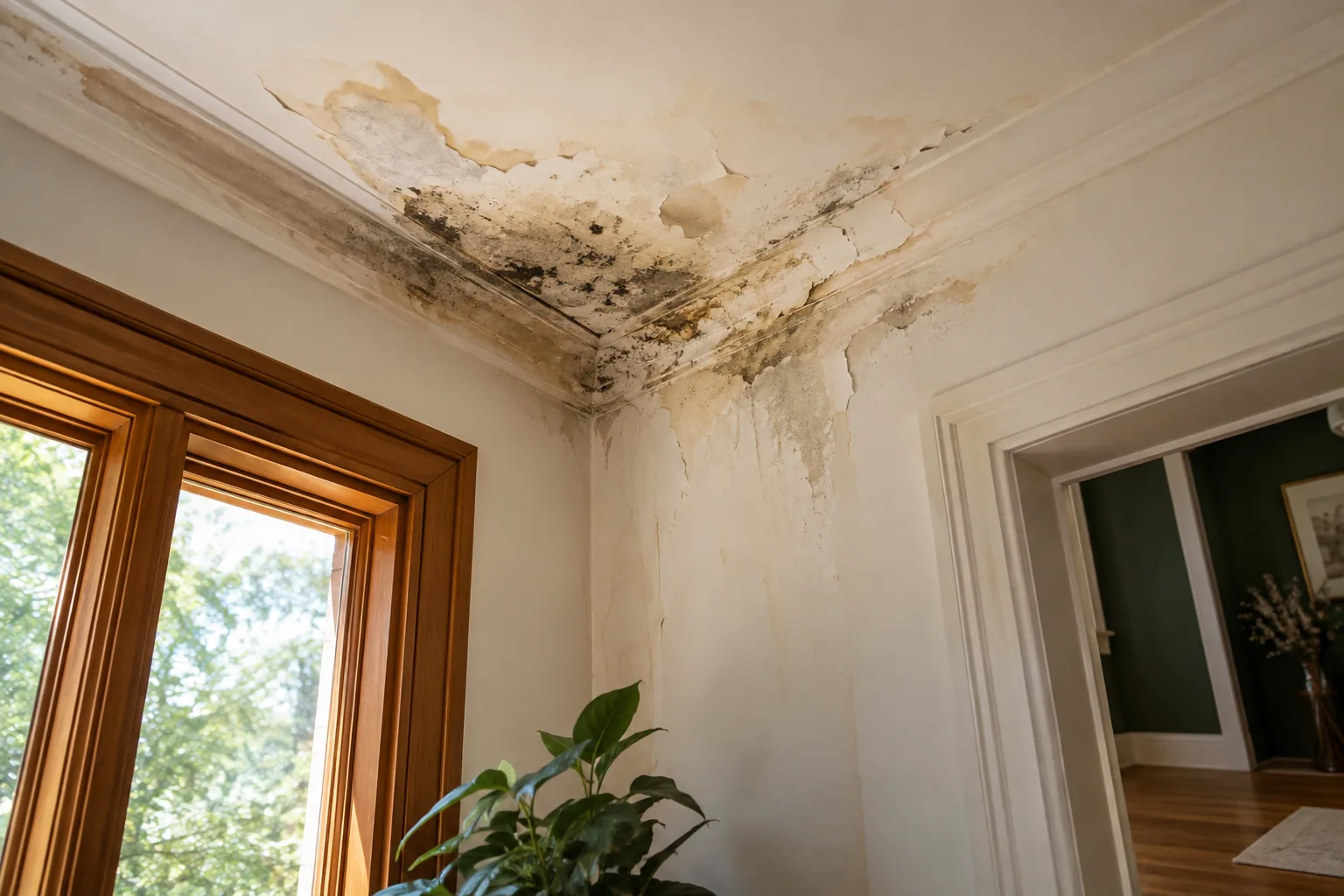
Bedroom corners
Note recurring condensation and blocked airflow.
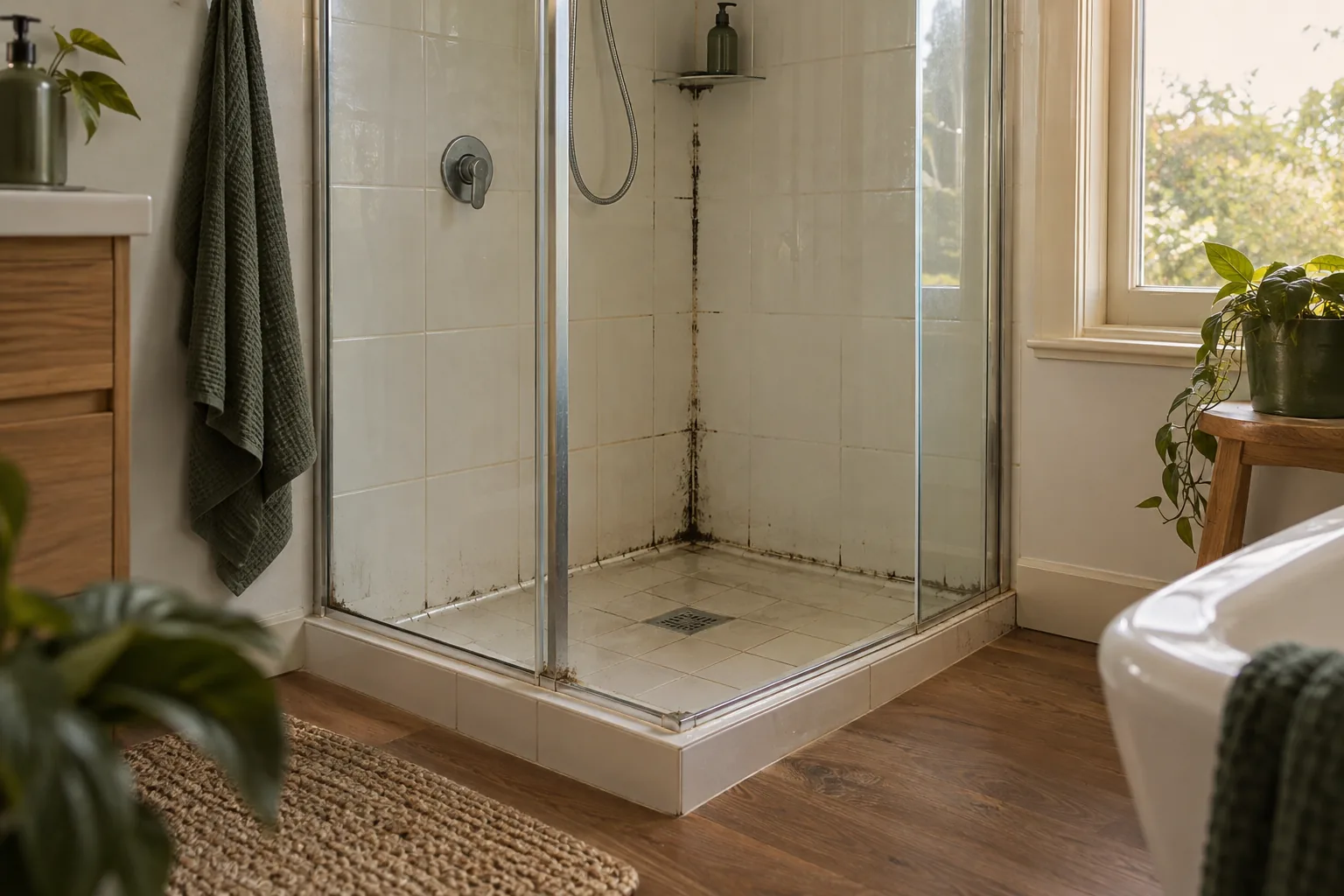
Bathroom ceilings
Describe extraction and visible extent.
Hard-floor edges
Identify the material and water marks.
PREPARATION & LIMITS
Leave room for realistic outcomes
Around three hours per room is an average working estimate, with access, size and contamination affecting duration. This is not hourly pricing. A room that needs substantial clearance should be described before fixed plans are made.
Remediation may leave staining or damaged coatings. Decorating requires a separate quote. Removing visible growth cannot guarantee against recurrence when the moisture source or persistently damp room conditions remain unchanged.
AFTER THE SURFACE WORK
Keep the wall visible enough to monitor
After the agreed return time, allow sensible airflow around wall-facing belongings. Check working extraction where moisture is produced and keep vents clear. Avoid using a tightly packed storage arrangement to conceal a damp section that still needs repair.
Record repeated condensation or new marks with dates and relevant room activity. A humidity log can help explain conditions, but it does not diagnose every leak. If dampness continues, raise it with the appropriate repair contact rather than repeatedly wiping the same wall.
COONANS HILL · NEARBY LOCATION PAGES
Nearby neighbourhood information
The nearby guides below help orient a Coonans Hill enquiry. Give the actual address and affected room when calling; neighbourhood names can overlap in everyday use and do not establish a separate office or identical housing conditions.
BEFORE YOU ARRANGE WORK
Questions for your enquiry.
Should I move the bookcase before calling?
Describe the obstruction and provide photographs first. Agree safe clearance, especially if furniture or contents may be affected.
Does furniture placement prove the cause?
No. Limited airflow is relevant context but does not establish the source of every damp patch. Mention leaks, condensation and room use as well.
Can wallpaper be restored during treatment?
Explain the wall covering and its condition. Damaged or fragile finishes may limit the method, and cosmetic restoration is not guaranteed.
Will the room take exactly three hours?
That is an average working estimate, not a fixed promise. Size, visible extent and access affect timing.
Are stored textiles included?
Clothing, curtains, upholstery and other textiles are excluded. Ask about preparation and separate handling rather than assuming room treatment covers every item inside.
What if the wall stays damp?
The source needs separate attention from the relevant repair trade. Tell us about active wetness before booking.
Talk through the newly visible wall
Call 03 8652 1296 with your Coonans Hill address, affected finish and access constraints. Discuss preparation and assessment before moving further belongings.
Useful references: Merri-bek local area history