
WESTGARTH · MELBOURNE
Mould Removal Westgarth
WESTGARTH / BEFORE THE NEW FINISH
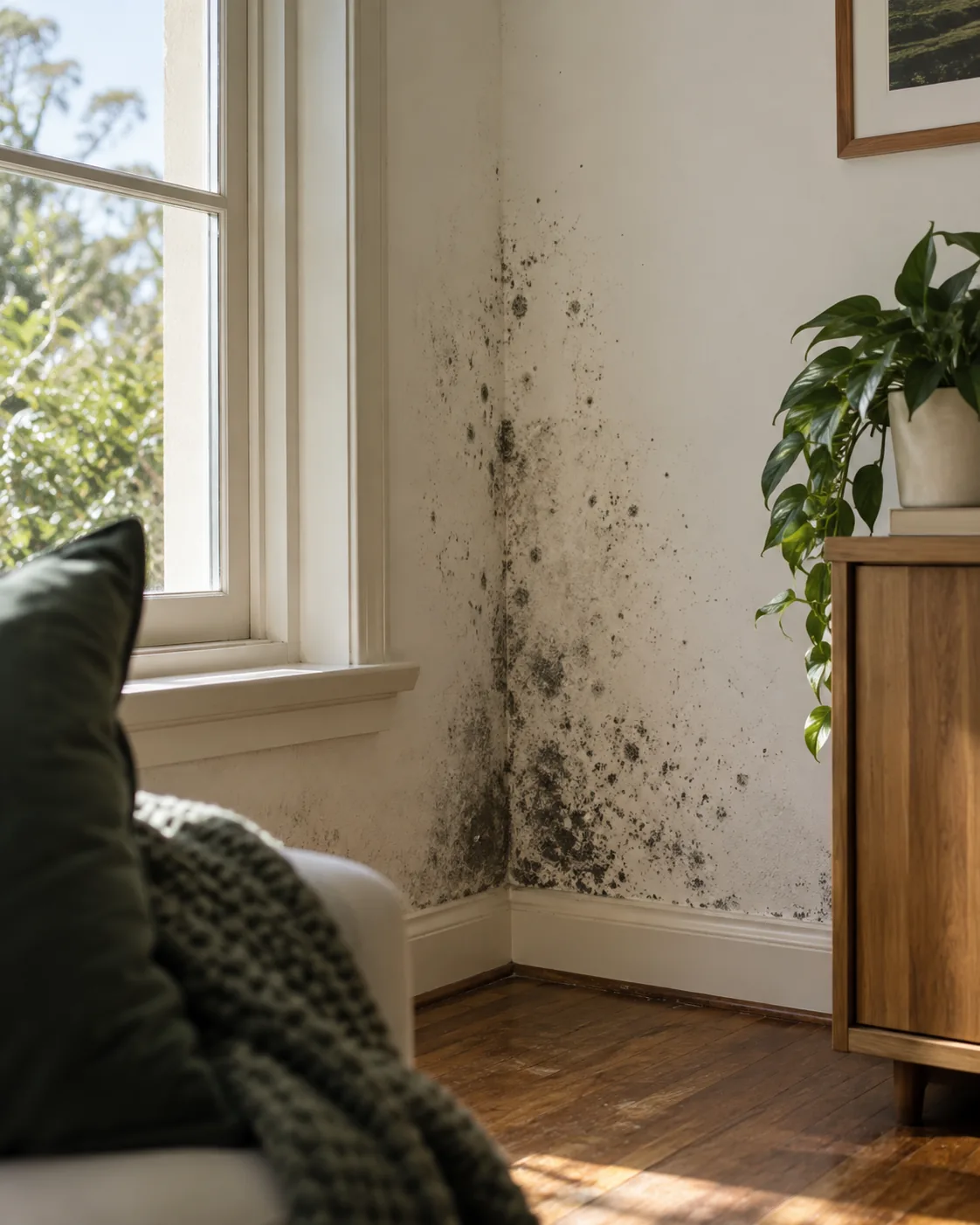
Before refreshing a Westgarth room, explain any visible growth beneath the existing finish. A painted wall can need treatment, repair or both, and a new colour will not resolve continuing dampness. Describe the affected material and planned work so the scopes can be discussed separately.
Pre-decorating assessment discussed
Existing material considered
Clear repair boundaries
SURFACES & THEIR SETTING
A neighbourhood guide with an address-based enquiry
Darebin’s heritage study recognises Westgarth within the local area. Give the actual property address when calling; this page does not assume heritage status, building age or identical construction throughout the neighbourhood.
Before stripping or painting
Tell us where growth appears and whether paint is peeling. A mould inspection can consider accessible condition. Avoid removing a coating simply to improve a photograph before material handling and any further investigation are agreed.
Coordinate the trades
Identify the person approving treatment and any separately planned repair or decoration. A quote for one job should not be taken to cover all three. The room’s condition, access and moisture history matter more than a preferred decorating deadline.
Describe the surface and the source evidence
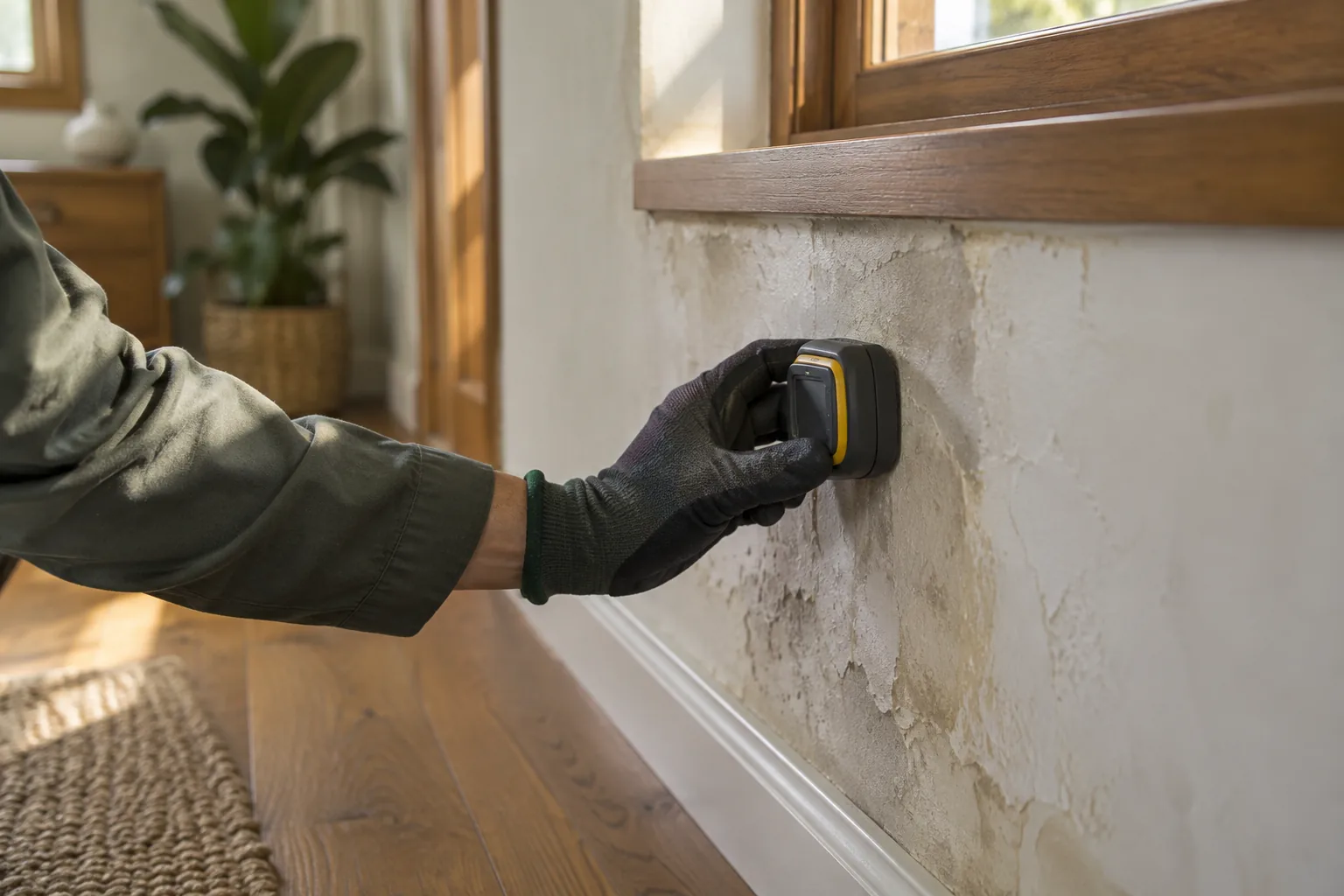
A wall patch alone cannot establish whether a roof, pipe or room moisture issue is responsible. Give observations and repair records where available.
Accessible structural scope
Our removal service concerns walls, ceilings and hard floors that are visible and reachable. Fragile paint, damaged plaster and blocked areas need discussion. Furniture, curtains, carpet and other textiles are excluded.
Repair before assumptions
Treatment does not repair water entry or rebuild construction. Explain whether the surface remains wet after maintenance. Humidity readings provide room information but cannot confirm concealed dryness or substitute for investigation of an ongoing defect.
THE SURFACE REMOVAL PROCESS
An agreed sequence for the room
01
Review the visible condition
The technician checks growth extent, materials and access. Hygrometer information may assist the assessment. Hidden cavities or fragile and deteriorated sections are limitations unless additional investigation is explicitly defined.
02
Prepare with filtration
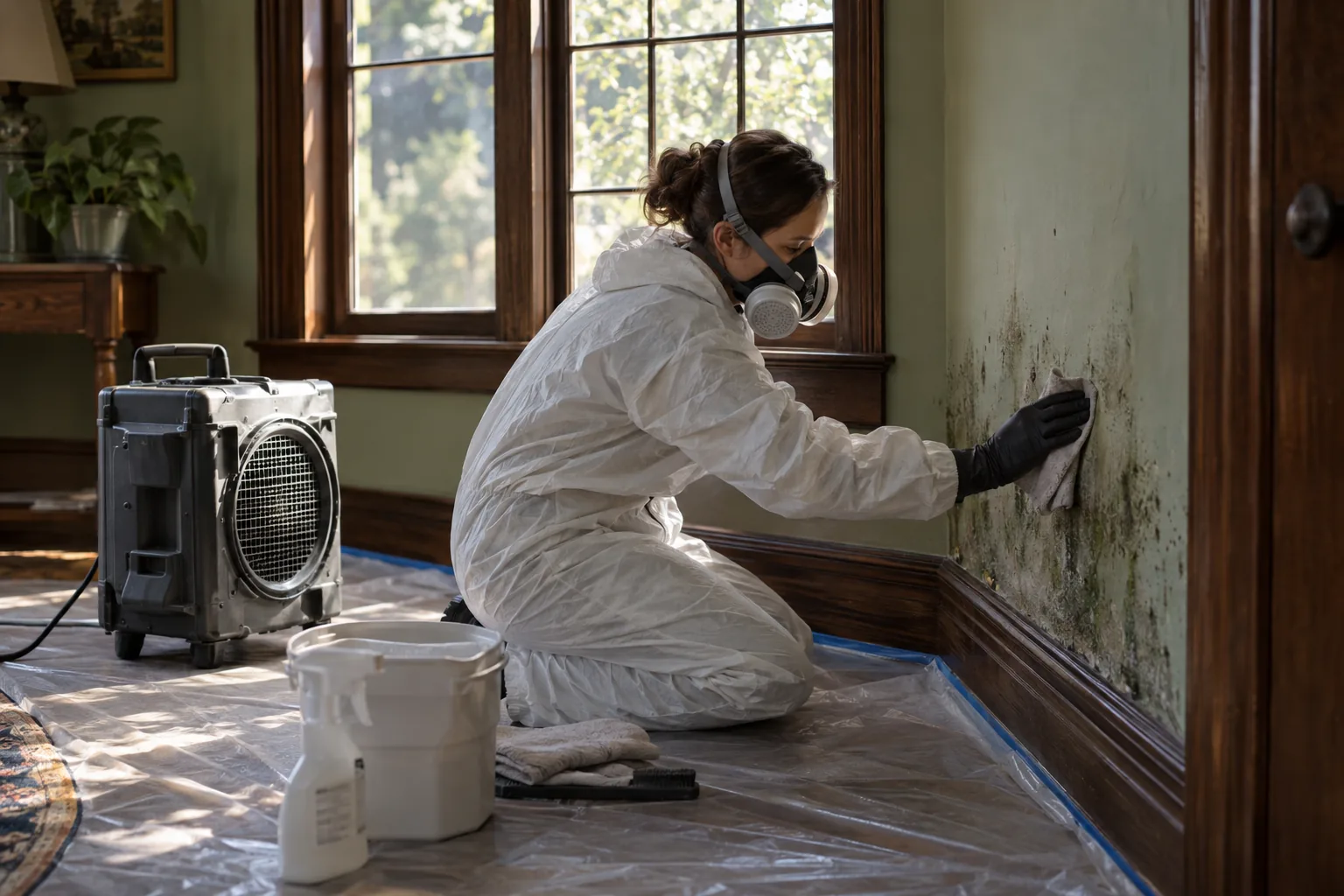
Agree clearance and people or pet arrangements. HEPA filtration supports the work as appropriate. Stored belongings are not included in treatment, and moving them for access should follow the agreed handling plan.
03
Choose appropriate HOCl treatment
The method is considered for the finish and condition. Mention previous cleaning or recent coatings. Treatment of growth cannot guarantee cosmetic restoration of paint or repair material already damaged by water.
04
Include ULV use where suitable
Fog application may be part of the plan. Follow preparation and return arrangements. Any alarm procedure needs approval with the responsible person rather than independent disabling before the technician arrives.
05
Remove accessible residues
Suitable physical removal uses H-class filtered equipment. The work stays on the agreed structural surfaces. Soft furnishings, concealed insulation and material replacement require different assessment, handling or separately arranged work.
06
Finish filtration and review
Final filtration continues as required. Discuss remaining stains and outstanding repair or decorating steps. A clear handover distinguishes addressed growth from unresolved dampness that may still permit recurrence.
VISIBLE & ACCESSIBLE
Surface details for the decorating discussion
Painted walls
Show the growth and surrounding finish.
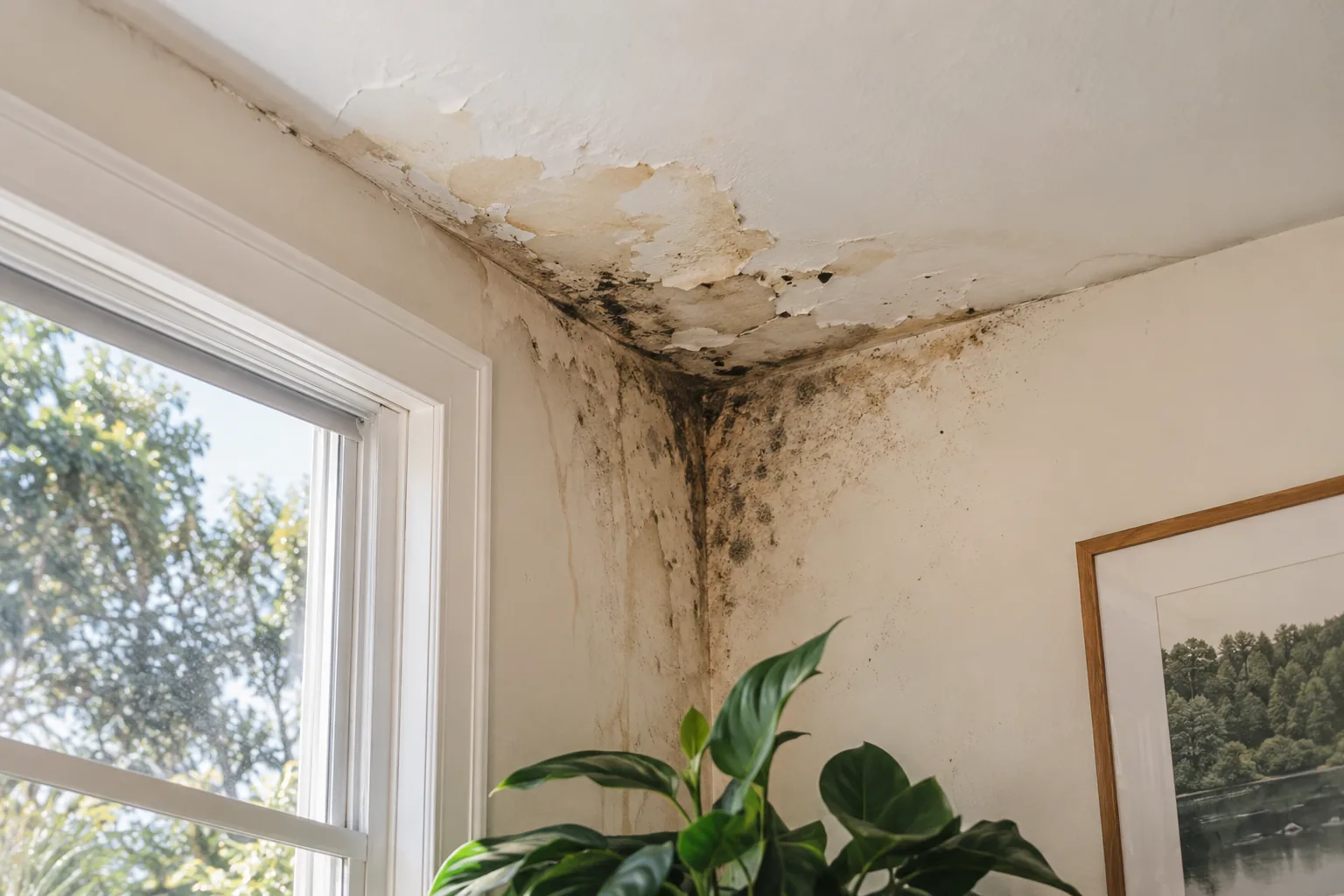
Ceiling edges
Describe wetness and visible extent.
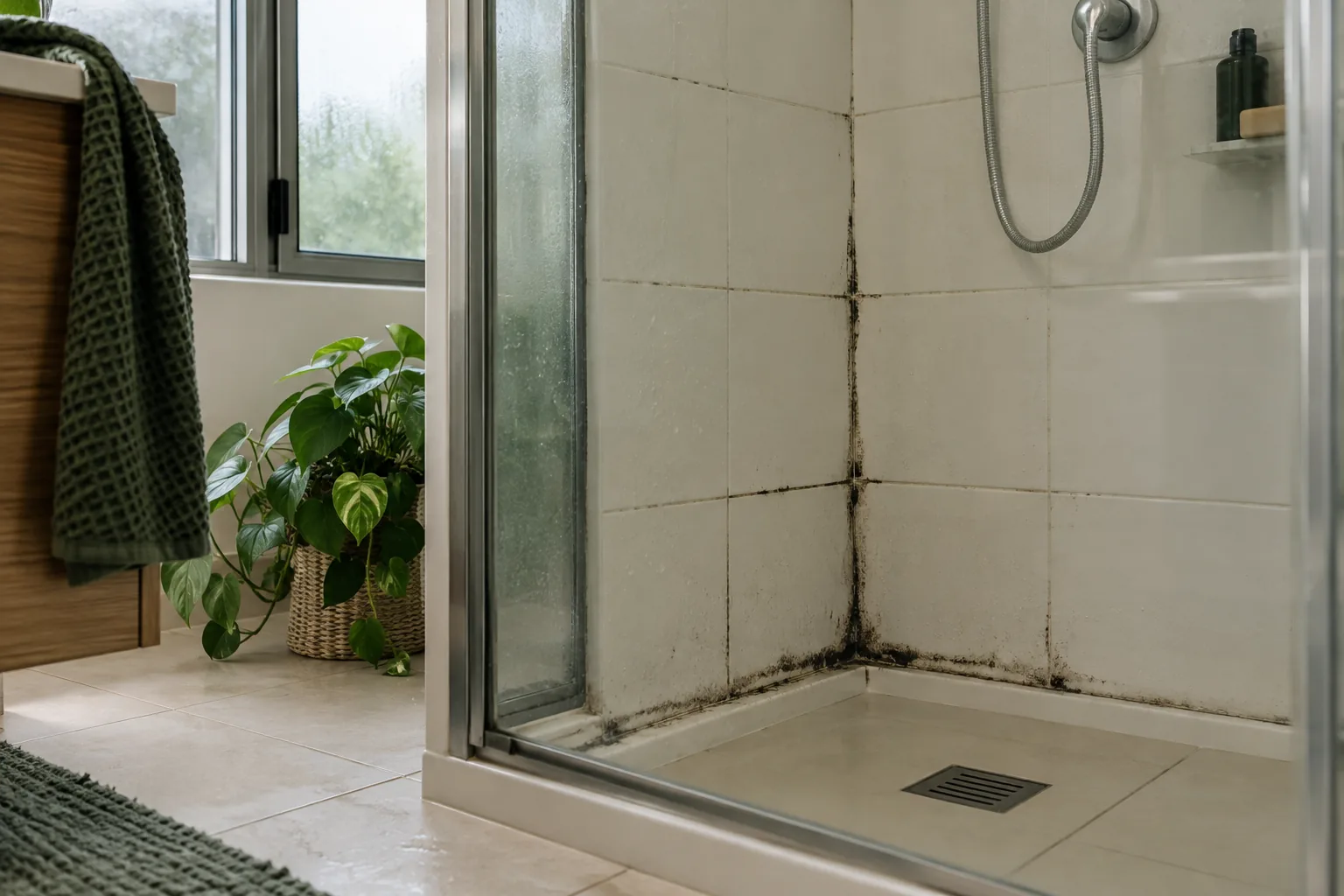
Bathroom corners
Explain extraction and drying patterns.
Hard-floor borders
Give the material and water marks.
PREPARATION & LIMITS
Agree realistic time and appearance
Allow around three hours per room as an average, with size, access and contamination affecting duration. The service is not hourly-based. Confirm the actual scope before arranging a fixed decorating programme around the visit.
Remediation may leave cosmetic staining. Decorating requires a separate quote, while roof or plumbing repairs remain separate work. No permanent cure is promised when the surface stays damp or the source remains unresolved.
AFTER THE SURFACE WORK
Do not lose the moisture history under paint
After the agreed return time, check effective extraction and keep vents clear. Allow airflow beside stored belongings. Retain dates and notes about water entry so the next contractor understands the issue rather than seeing only a newly coloured wall.
Monitor recurring marks without scraping or repeatedly covering them. Humidity observations can help explain conditions, but hidden dryness requires appropriate assessment. Raise continuing dampness with the relevant repair contact before another decorative coat is applied.
WESTGARTH · NEARBY LOCATION PAGES
Westgarth and neighbouring guides
Nearby location guides help orient the enquiry. Confirm the full Westgarth property address and affected room when calling; neighbourhood names do not establish a separate office, a shared building type or identical moisture conditions.
BEFORE YOU ARRANGE WORK
Questions for your enquiry.
Should treatment happen before painting?
Explain the surface and planned work so the sequence can be discussed. Decorating is separate, and unresolved dampness may need repair first.
Does Westgarth mean my property is heritage protected?
No property control is determined here. Check the actual address and any applicable permissions separately. The local source verifies the neighbourhood name, not the status or construction of every home within it.
Can damaged paint be restored?
Cosmetic restoration is not guaranteed. Treatment may leave staining or reveal existing coating damage. A separate decorating quotation can be discussed after the material condition and relevant moisture repairs are considered.
What does the inspection cover?
The agreed assessment concerns visible, accessible surfaces and relevant room information. Concealed cavities, insulation and reconstruction are not automatically included. Mention hidden concerns early so any further investigation can be defined.
Are curtains beside the wall included?
Curtains and other textiles are excluded. Discuss clearance and separate handling if they may be affected. Moving them for wall access does not constitute treatment or restoration of those belongings.
Can growth return after a fresh finish?
Yes, damp conditions can support recurrence. Repairing water entry and managing room moisture have separate roles from treatment and decorating. Keep a record of repeated wetness rather than assuming the new finish resolves it.
Discuss the wall before the new colour
Call 03 8652 1296 with the Westgarth address, visible condition and planned work. Agree assessment and preparation before scheduling treatment.
Useful references: Darebin heritage study Westgarth reference