
BEENAK · MELBOURNE
Mould Removal Beenak
PROPERTY · ENTRY · PREPARATION
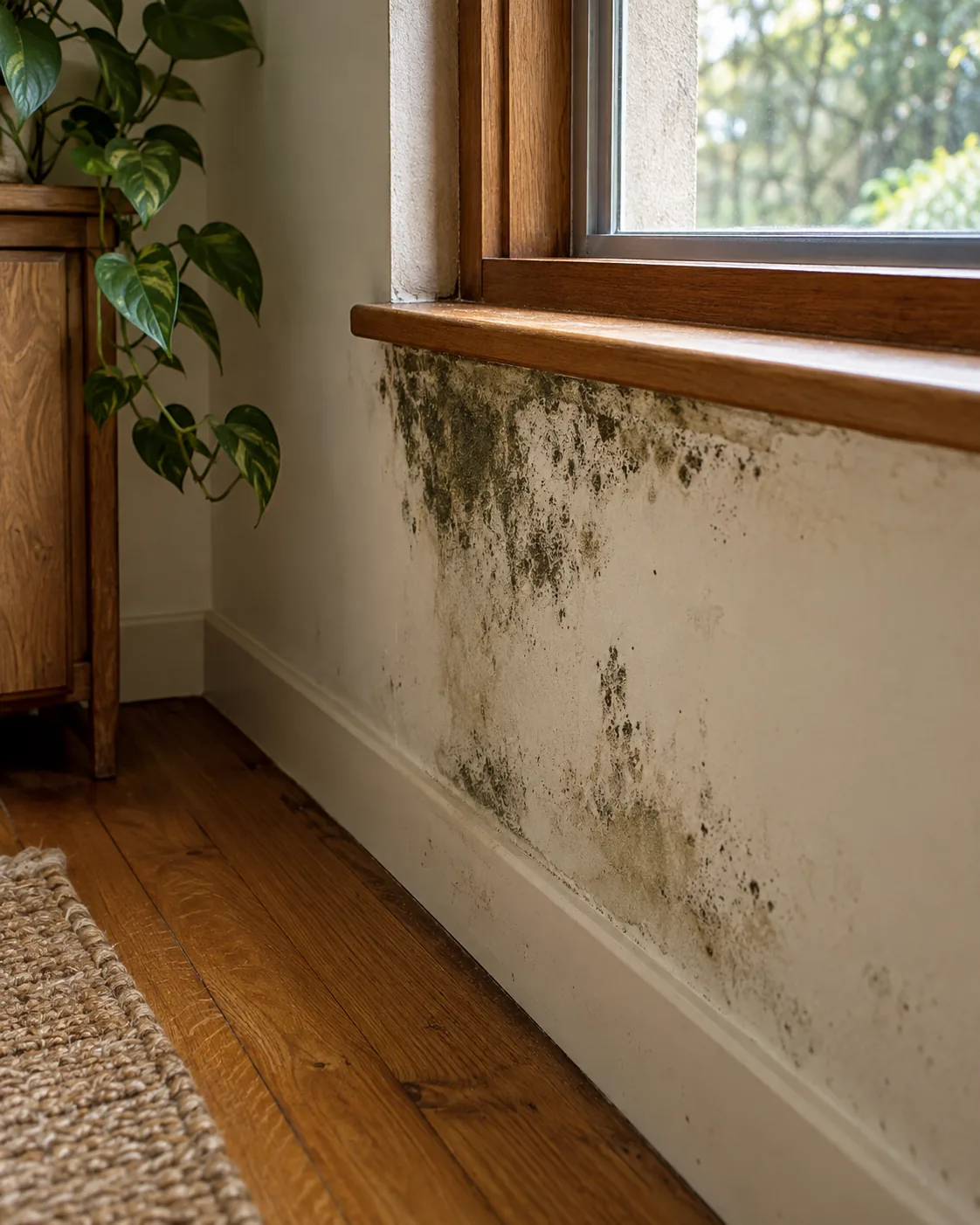
If a Beenak room has been closed, describe its condition before planning a visit. Growth, damp materials and entry affect the job. We assess address enquiries for accessible walls, ceilings and hard floors.
Address-based availability
Equipment access planned
Damp materials considered
SURFACES & THEIR SETTING
An address comes before a booking
Beenak is a recognised place name associated with a conservation area. This page concerns interior property enquiries, not reserve work. Confirm availability using the actual address and entry details.
A room opened after a long interval
Describe what was visible when the room was opened and whether it smells damp. Avoid assuming that lack of use explains the source. Our inspection overview covers assessment of visible growth and moisture conditions.
Getting equipment inside
Tell us about gates, steps, narrow doorways and the route from parking to the room. Reliable access information matters when arranging filtration equipment. Do not move heavy objects or enter an unsafe space simply to prepare for an unconfirmed visit.
Check the building before cleaning
A neglected room can contain several problems at once. Explain any known leak, failing ceiling or damaged floor. Treatment of growth needs to be separated from structural repairs and decisions about materials that cannot be retained.
What has changed
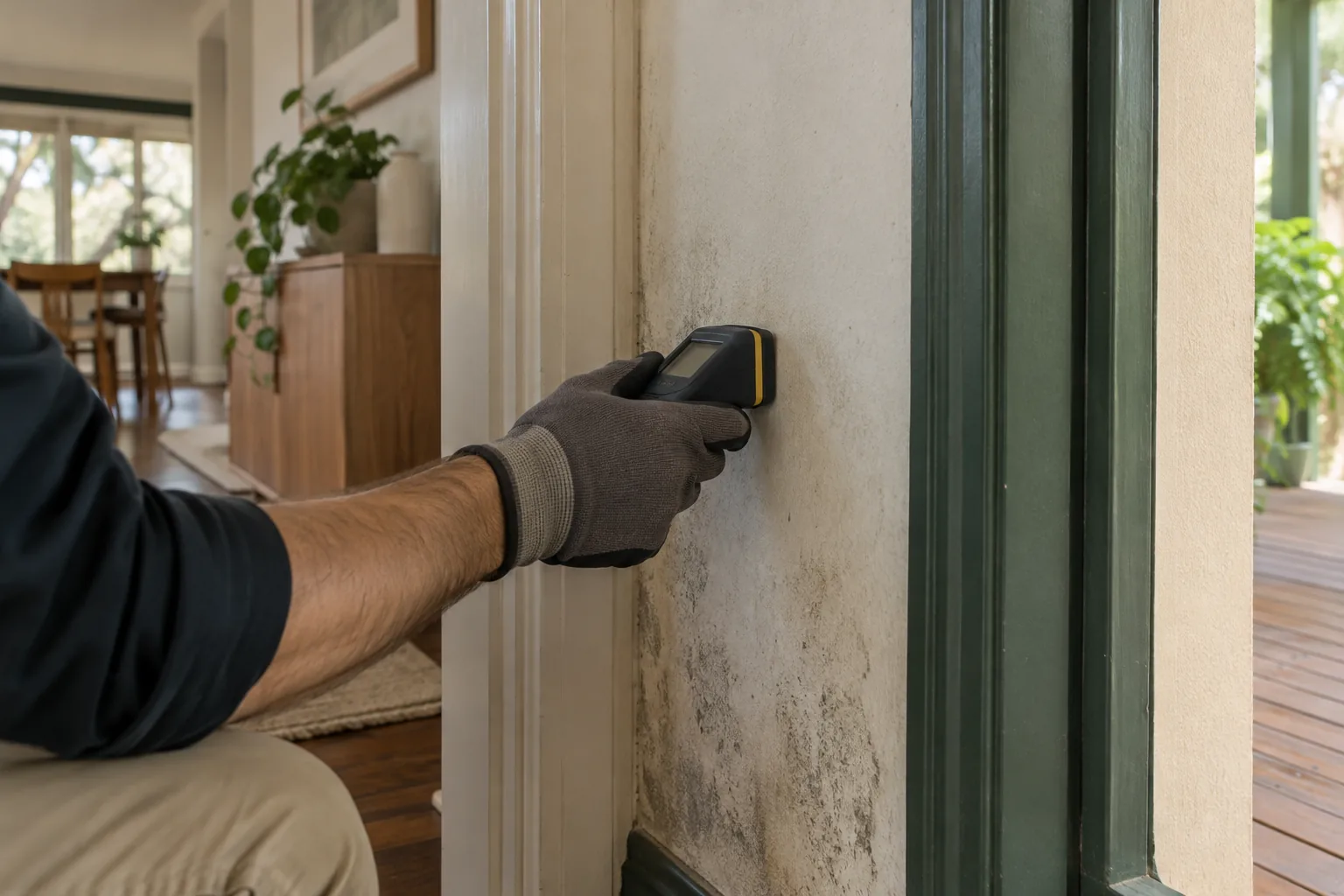
Note whether the problem appeared after a leak or was discovered during reopening. Date photographs where possible. A sequence of observations is useful even when the original cause is unknown.
What remains wet
Identify persistently damp surfaces without probing or scraping them. Hygrometer readings support assessment, but cannot confirm that hidden cavities are dry or that an unoccupied building is ready for normal use.
THE SURFACE REMOVAL PROCESS
A practical plan for accessible surfaces
01
Survey the included room
Check agreed reachable walls, ceiling and hard floor. Discuss condition and obstacles. Concealed areas or surfaces requiring dismantling need separately defined investigation or access.
02
Prepare filtration and access
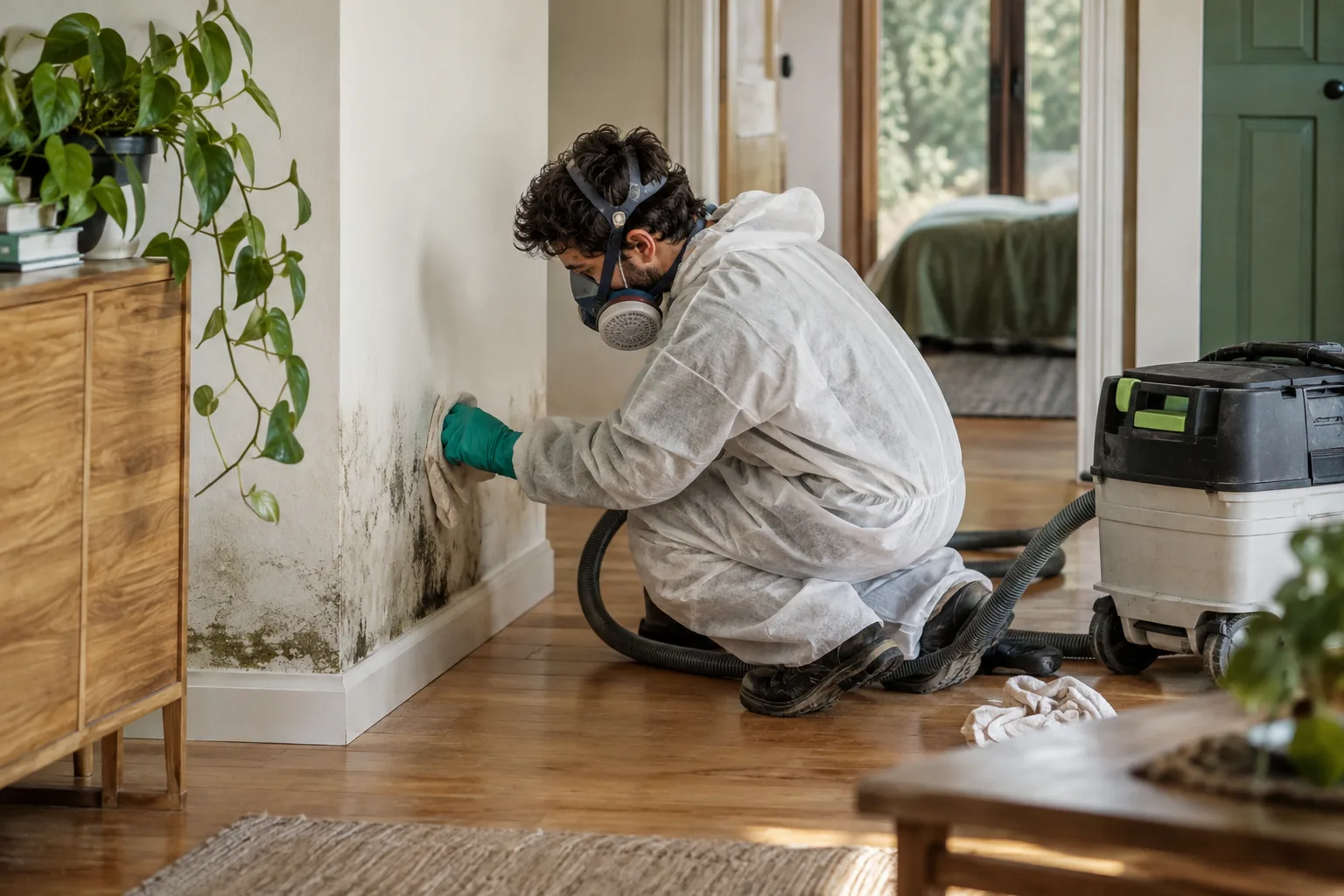
Set up HEPA filtration and a clear working route. Agree belongings protection and people or pet arrangements. Preparation should reflect the actual room layout.
03
Match treatment to materials
Appropriate HOCl treatment can be part of the selected method. Deteriorated finishes need separate consideration; applying treatment does not restore crumbling plaster, swollen boards or a leaking joint.
04
Plan any ULV stage
Discuss ULV application where it suits the assessed scope. Preparation and restrictions must be clear before use. Application does not replace the inspection of concealed growth or the removal of building material that requires repair.
05
Remove accessible residues
Use suitable H-class filtration equipment for accessible growth. The remediation explanation describes the combined approach. Furniture, carpets and textiles remain excluded.
06
Complete filtration and review
Air filtration continues through the final stage. The review covers the surfaces treated, remaining staining and any follow-up needed. A clear record helps the owner separate completed cleaning from unresolved building work.
VISIBLE & ACCESSIBLE
Information to include
Interior walls
Describe the finish and extent of growth. Peeling paint and loose plaster should be mentioned alongside the visible patch.
Ceiling areas
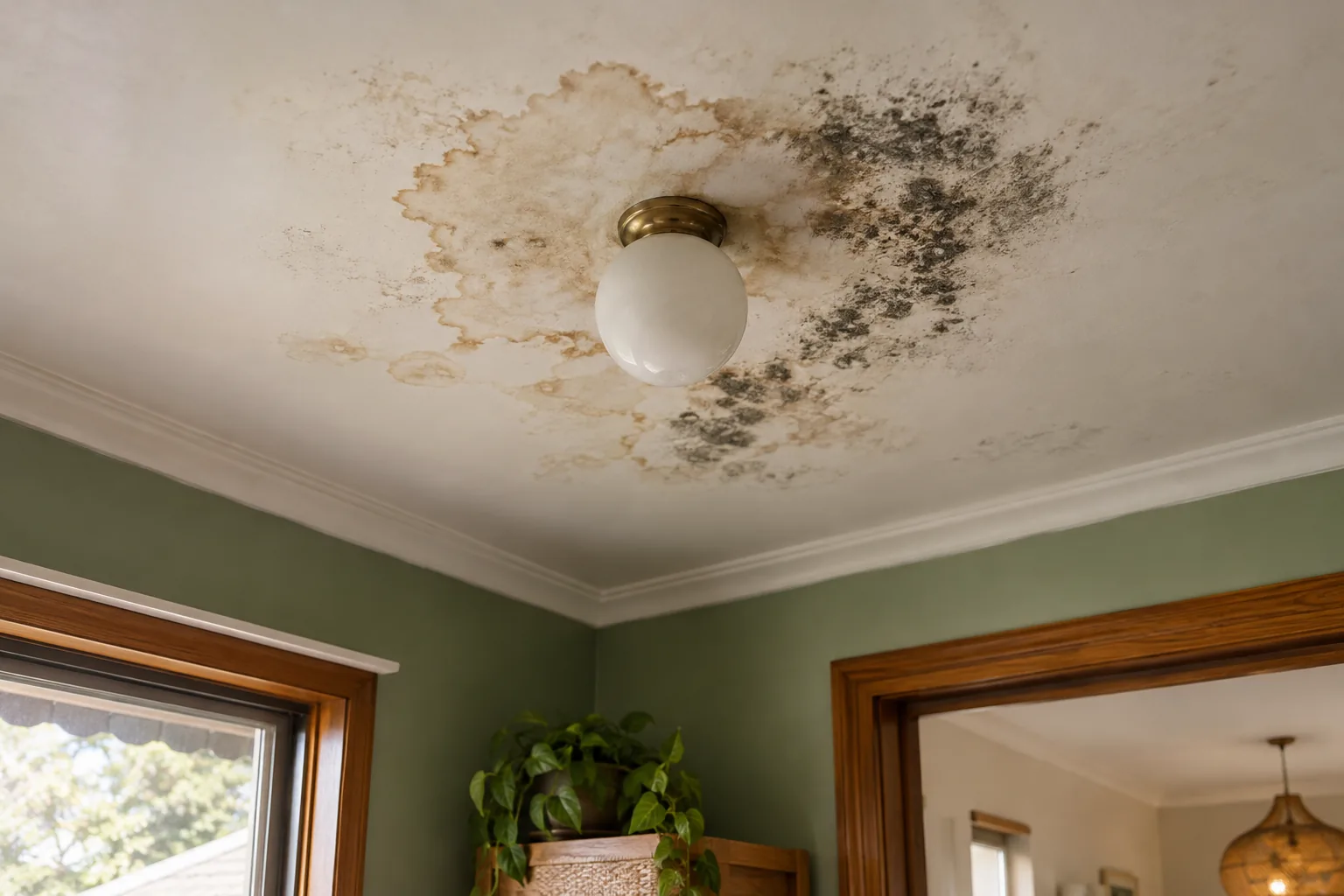
Give the height and any suspected water entry. Avoid entering roof spaces to gather details for a basic enquiry.
Hard floor edges
State the material and any dampness or distortion. Cleaning does not make a damaged floor structurally sound.
Washroom surfaces
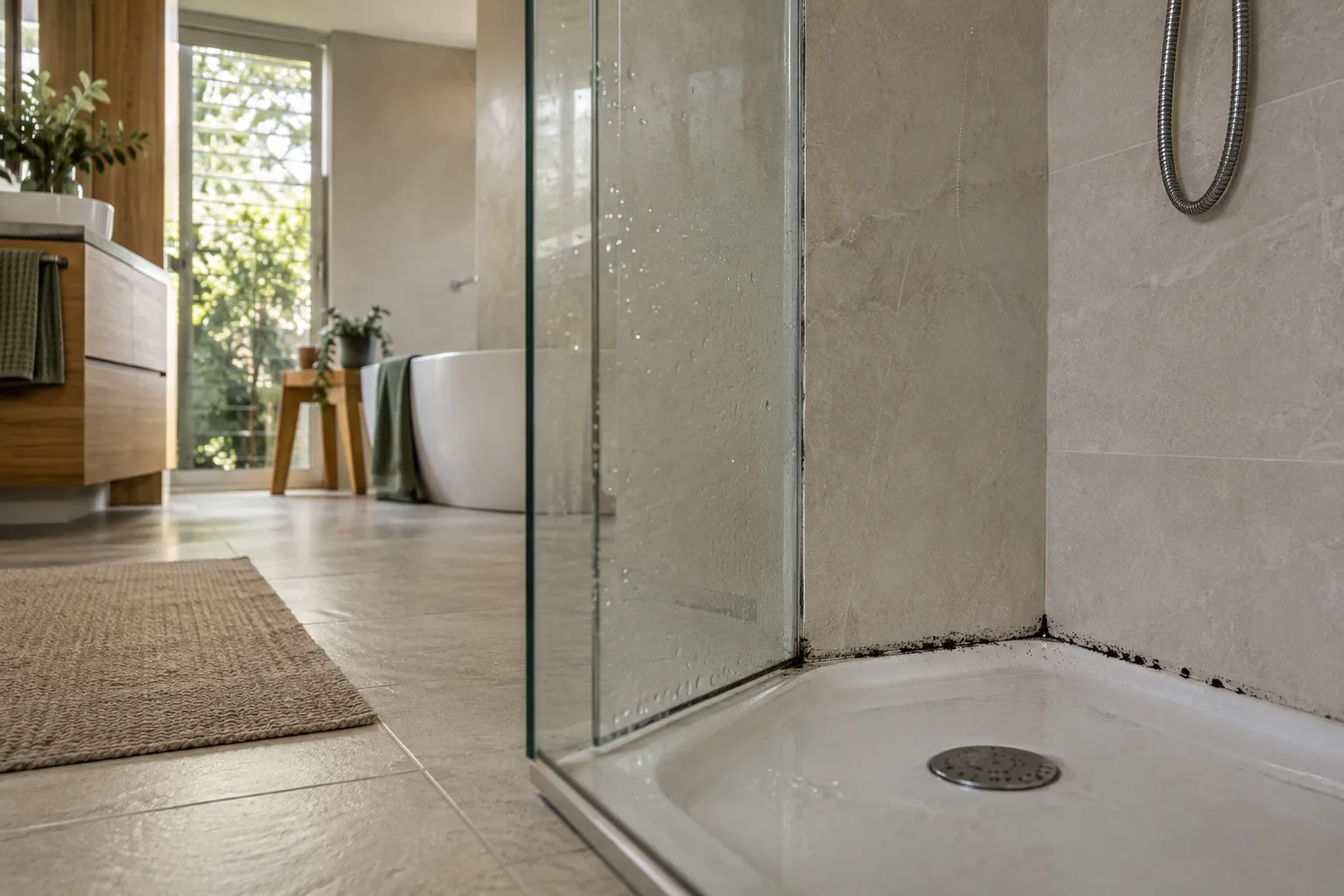
Explain plumbing concerns and how the room is ventilated. Towels, curtains and floor mats are outside the treatment scope.
PREPARATION & LIMITS
What the quote needs to distinguish
Visible accessible walls, ceilings and hard floors are covered as agreed. Furniture, sofas, mattresses, carpets, curtains, clothing and textiles are excluded. Identify stored belongings separately from the structural quote.
About three hours per room is an average guide, not a fixed appointment length or hourly charging arrangement. Difficult entry and contamination can change duration. Cosmetic marks may remain; decorating can be quoted separately after moisture and material issues are resolved.
AFTER THE SURFACE WORK
After reopening the room
Establish a workable ventilation and moisture-control routine rather than leaving the room closed again without checking it. Record condensation, recurring damp spots and changes after rain. A dehumidifier can help manage air moisture but does not fix water entry.
Arrange the appropriate trade for plumbing, roof or building defects. Our removal scope explains the structural surfaces included. Review the room after repairs so continuing growth is investigated rather than repeatedly concealed under paint.
BEENAK · NEARBY LOCATION PAGES
Nearby enquiry pages
Nangana, Hoddles Creek and Gembrook offer surrounding-area navigation. They do not establish guaranteed coverage of a Beenak property. Confirm the address and access arrangements by phone before making preparation commitments.
BEFORE YOU ARRANGE WORK
Questions for your enquiry.
Do you guarantee a visit anywhere in Beenak?
Availability is confirmed for the individual address. Give the exact location and access details first. The presence of a locality page is not a promise of an appointment for every property or road.
Can you treat stored boxes and furniture?
Those items are outside this structural-surface service. Explain affected belongings so separate handling can be considered; leaving them against a wall may also prevent access to the quoted area.
What if the room has no easy equipment route?
Describe the doorway, steps and parking approach before booking. Access affects the plan and may limit what can be treated. Do not assume large filtration equipment can reach an unidentified room.
Is a long-closed room automatically a mould problem?
No. Lack of use alone does not establish growth or its cause. Assessment considers actual visible surfaces, moisture conditions and known defects, rather than applying a conclusion to every closed building.
Will treatment make damaged plaster usable?
Removal does not restore the strength of a compromised finish. Repair or replacement may be necessary. That decision needs to be separated from cleaning, especially where the ceiling or wall is deteriorating.
Can you include hidden wall cavities?
Not within standard visible-accessible-surface work. Concealed growth needs a separately defined investigation and access plan. Room treatment must not be taken as confirmation that every hidden space has been checked.
Start with the Beenak address
Call 03 8652 1296 with the address, room and entry route to discuss availability and suitable accessible surfaces.
Useful references: Official local context