
LARA · MELBOURNE
Mould Removal Lara
ADDRESS · AVAILABILITY · ROOM
A Lara enquiry needs confirmed availability and clear room details. Describe affected structural surfaces and any active leak. We discuss the exact address before appointment or preparation commitments.
Availability checked first
Room condition described
Travel and access discussed
SURFACES & THEIR SETTING
Confirm the property location
Lara is a township in Greater Geelong. It is not presented here as an inner Melbourne suburb or a guaranteed routine service stop. Give the full address and ask whether a suitable visit can be arranged for the proposed job.
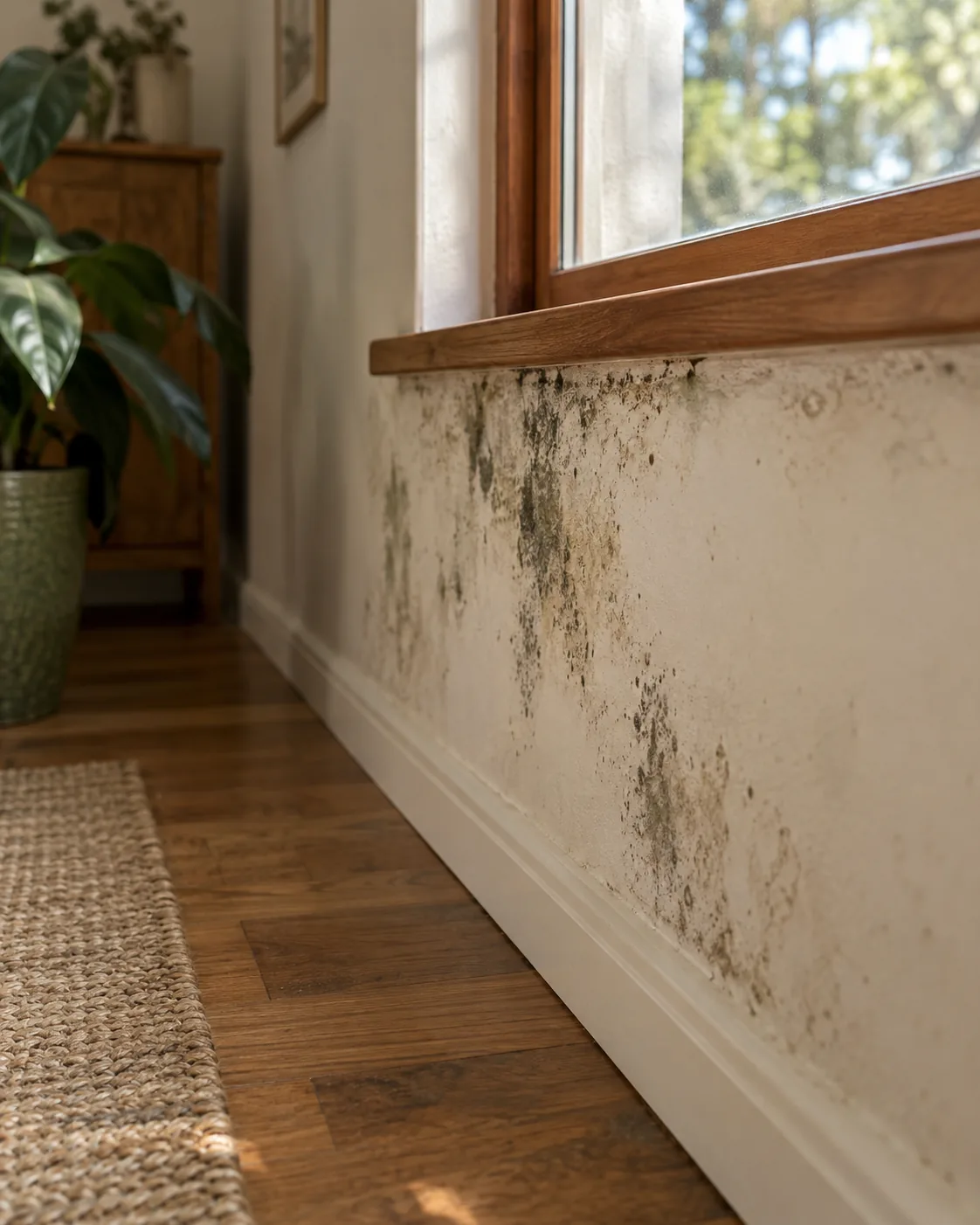
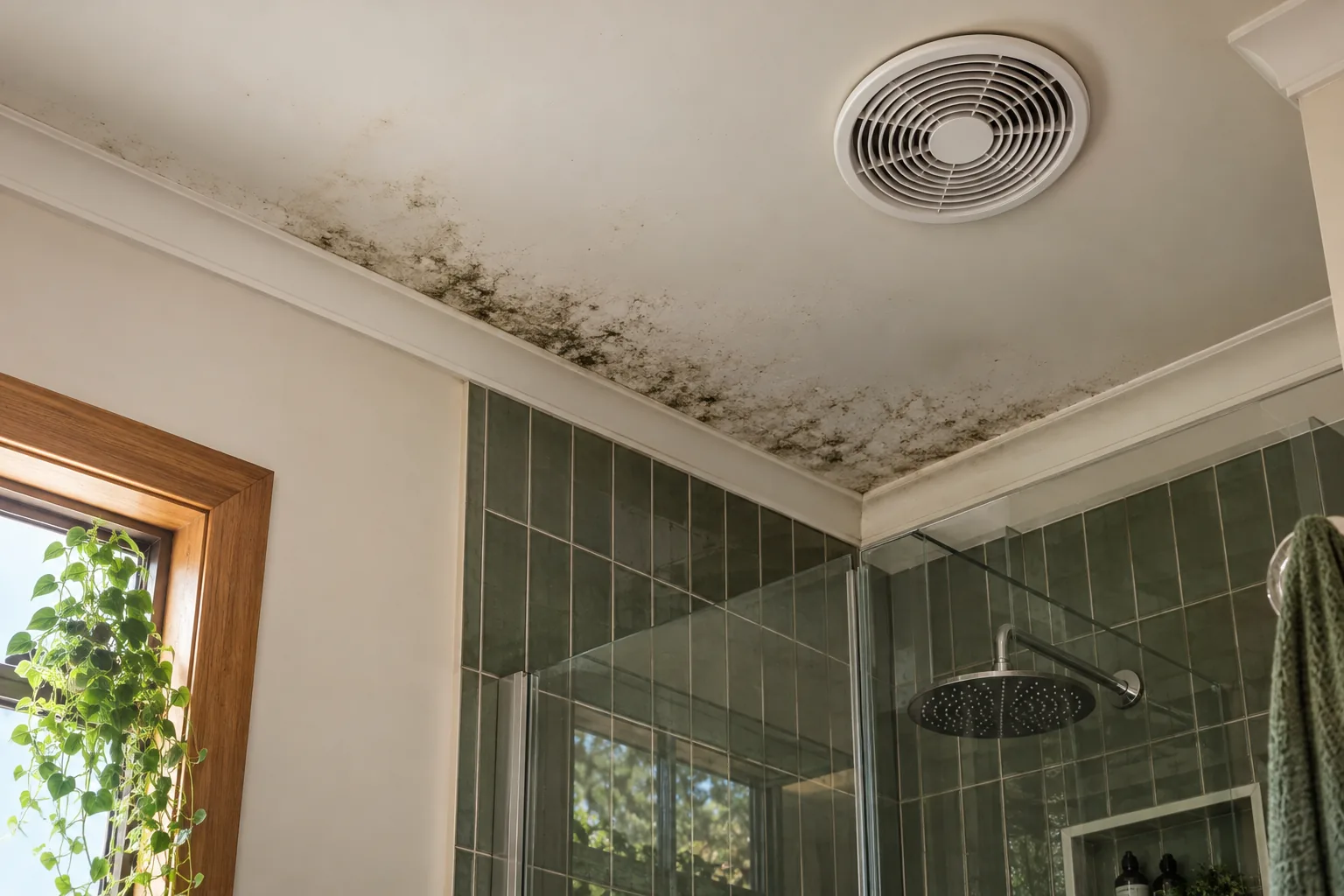
A spare room with ceiling marks
Describe how long the marks have been visible and whether the room is used regularly. The inspection overview explains assessment of visible growth and moisture conditions. A room being infrequently occupied does not establish the cause.
Planning access
Mention steps, parking and the route to the affected room where relevant. If someone else will provide keys, nominate the contact. Travel availability and practical entry arrangements should be settled before moving belongings or making return-time plans.
What should be investigated
A leak, condensation and deteriorated plaster can require different responses. Explain known repairs and continuing wetness. Treatment should address an agreed accessible surface, while any source repair remains a separately arranged task.
Tell the story in dates
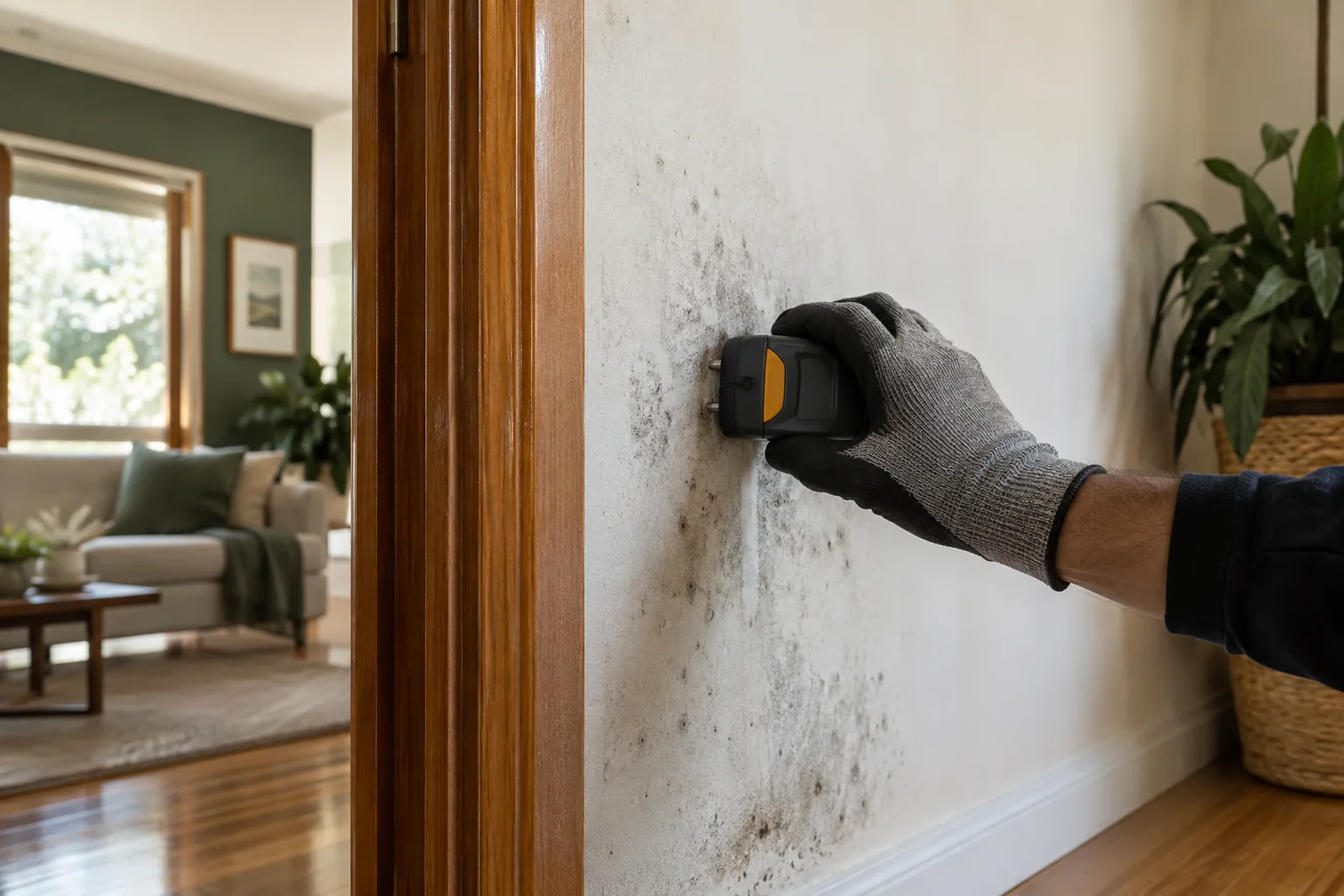
Note the first observation, changes after rain and any maintenance already undertaken. An approximate timeline helps explain the enquiry without inventing a diagnosis from the room’s appearance.
Separate readings from repairs
Hygrometer readings support moisture assessment but do not certify plumbing, roofs or concealed spaces. If a surface stays wet, further investigation may be needed before decorative restoration is considered.
THE SURFACE REMOVAL PROCESS
A room plan after availability is confirmed
01
Assess the included surfaces
Inspect reachable walls, ceiling and hard floor. Discuss fragile finishes, damage and obstructions. Confirm the actual room scope; a locality enquiry does not establish that the entire property can be inspected or treated.
02
Prepare HEPA filtration
Set up air filtration and the agreed work area. Explain preparation for belongings, people and pets. Access and clearance should reflect the individual property rather than a presumed standard appointment.
03
Choose a suitable treatment
HOCl treatment may be used where appropriate to the material and condition. It forms part of the agreed method, not a promise of permanent prevention or a new-looking finish on every surface.
04
Discuss ULV application
Where ULV application suits the room, preparation and restrictions are explained beforehand. It does not replace source repairs or establish that growth inside closed cavities has been assessed.
05
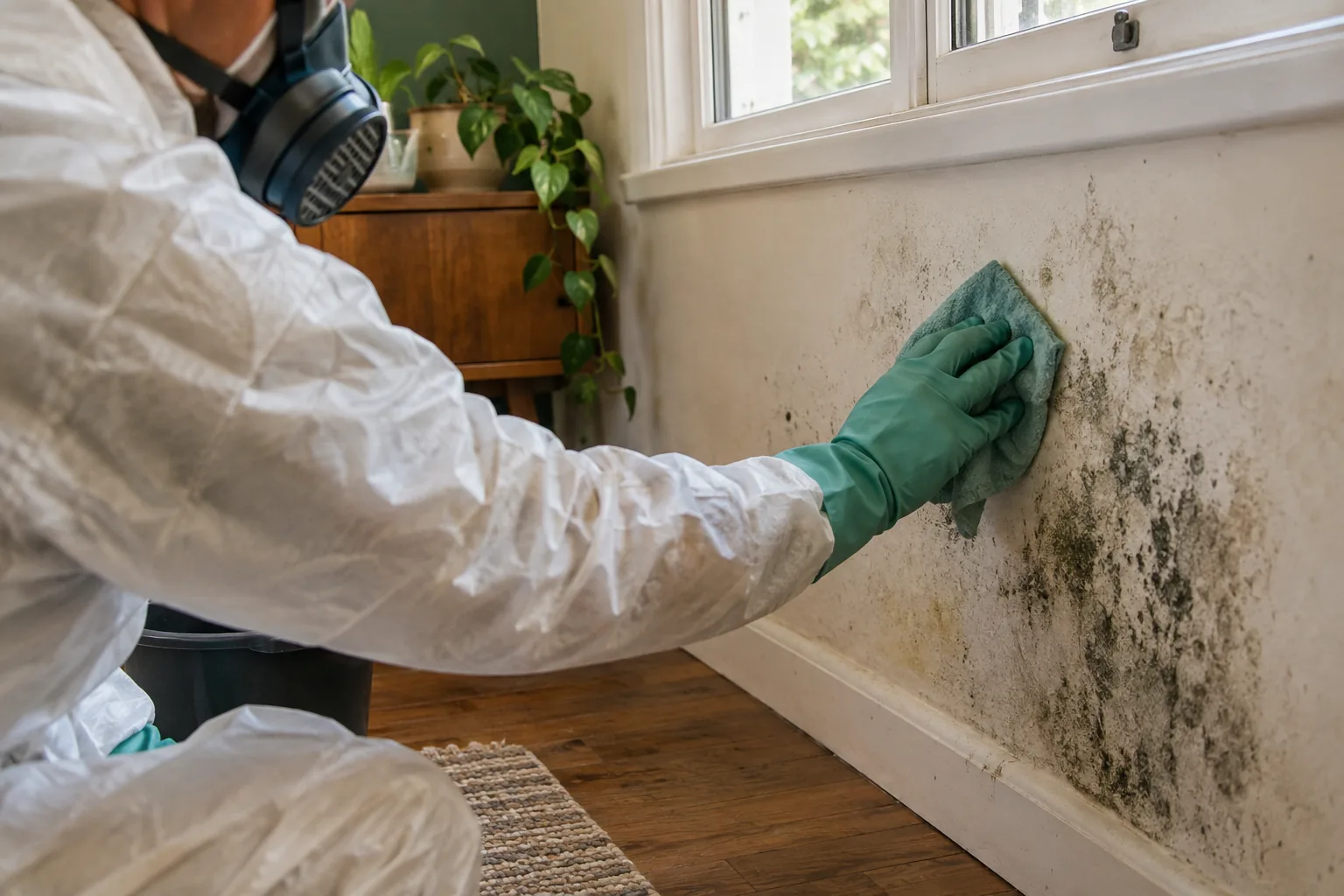
Physically remove visible growth
Use suitable removal equipment with H-class filtration. The remediation process combines this with treatment. Affected furniture, carpet and textiles are excluded from the structural-surface scope.
06
Complete filtration and advice
Continue filtration through the final stage and review completed surfaces. Explain remaining staining and required follow-up. That information helps distinguish removal from repairs or decorating that still need separate arrangements.
VISIBLE & ACCESSIBLE
Details to send before booking
Spare-room walls
Describe the finish and furniture access. Note any wetness rather than only the visible colour.
Ceiling patches
Give height and known leak history. Do not enter a roof cavity to obtain enquiry photographs.
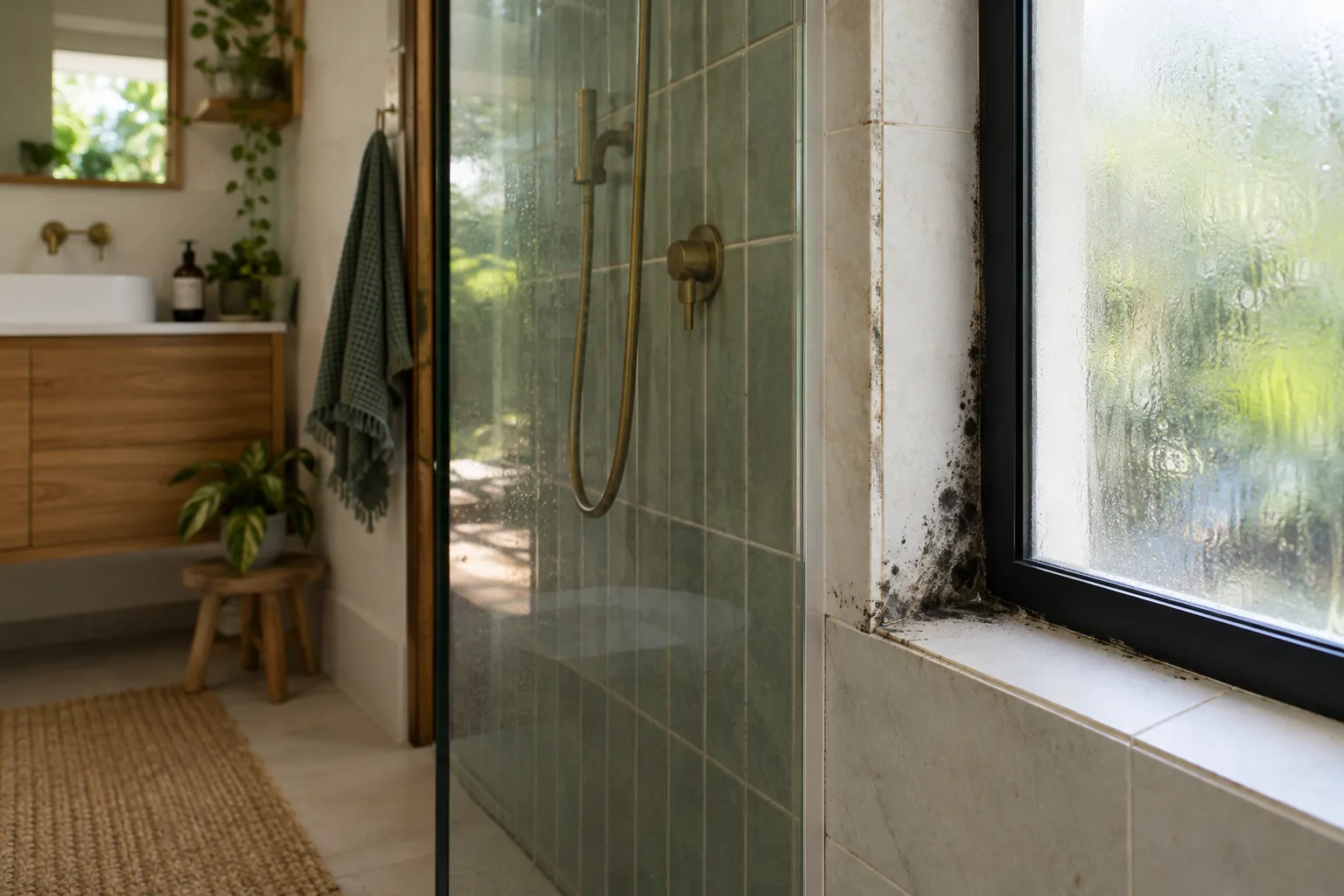
Bathroom surfaces
Explain extraction and whether surfaces dry between uses. A plumbing concern requires separate follow-up.
Hard floor edges
State the material and any lifting or swelling. Carpets and rugs are not included.
PREPARATION & LIMITS
Time, appearance and service limits
Visible accessible walls, ceilings and hard floors are covered as agreed. Furniture, sofas, mattresses, curtains, clothing, carpets and other textiles are excluded. Separate mixed-material damage during the enquiry so the quotation reflects the actual structural work.
Average working time is about three hours per room, with access and extent affecting duration; charging is not hourly. Cosmetic staining may remain. Repainting or decorating is separately quoted and should follow resolution of ongoing dampness and material damage.
AFTER THE SURFACE WORK
After the room is treated
Monitor the previously affected area with dated observations. Check ordinary extraction and airflow, and avoid allowing a known leak to continue. Moisture control needs to match the actual problem rather than the locality’s broad geography.
The general removal page explains the limits of treatment. Arrange an appropriate repair trade for plumbing, roof or structural concerns. If growth returns, revisit the source rather than assuming a second cosmetic clean will provide a lasting answer.
LARA · WIDER REGIONAL LOCATION PAGES
Regional navigation
Mambourin, Werribee and Hoppers Crossing are listed as wider regional enquiry links rather than immediate neighbours of every Lara address. Their pages do not guarantee travel availability. Confirm the exact property and proposed room scope by phone.
BEFORE YOU ARRANGE WORK
Questions for your enquiry.
Is Lara treated as an inner Melbourne suburb?
No. Lara is in Greater Geelong. This page supports an address-based availability enquiry; a visit must be confirmed rather than assumed from the website or from another regional appointment.
Can I prepare the room before availability is confirmed?
Wait for the agreed booking and instructions before making major preparation commitments. You can gather photographs and surface details, but clearance, occupant arrangements and timing should follow a confirmed plan.
Will travel change the treatment scope?
The scope depends on reachable surfaces and their condition. Availability and travel arrangements are discussed separately. A confirmed visit still does not imply treatment of concealed areas or excluded belongings.
Can I book for an unresolved leak?
Explain it first. Growth can return if water continues entering. Removal and the separate source repair should be planned clearly rather than presenting treatment as a substitute for fixing the leak.
Will a ceiling stain vanish?
That is not guaranteed. Old cosmetic marks can remain after growth treatment. Repairing a damaged finish or repainting requires separate consideration once the surface and moisture issue have been addressed.
Do you inspect every room automatically?
No. Included rooms and surfaces are agreed during the enquiry and assessment. Identify additional concerns early so they can be discussed without assuming a single-room scope covers the entire property.
Ask about the Lara address
Call 03 8652 1296 with the property location, room details and access contact. We can discuss availability before establishing any proposed accessible-surface treatment.
Useful references: Official local context