
VISIBLE SURFACES · AGREED TREATMENT
Mould Remediation Yarra’s Edge
Moving a piece of furniture can reveal growth on a wall that has been out of sight. For a Yarra’s Edge enquiry, describe the patch and obstruction. Agree access before moving more belongings, and confirm suitability for the premises rather than assuming a precinct-wide arrangement.
Agree safe clearance of the wall
Separate furnishings from structural treatment
Plan observation after the room is reset

TREATMENT · FILTRATION · FOLLOW-THROUGH
A TREATMENT PLAN WITH CLEAR LIMITS
Expose the problem without expanding assumptions
Explain how the patch was discovered and whether the back of the furniture is also affected. Furniture and upholstery are excluded from structural remediation, even where they touch a treated wall. Avoid dragging a suspect item through the property simply to create access; discuss the clearance with the technician.
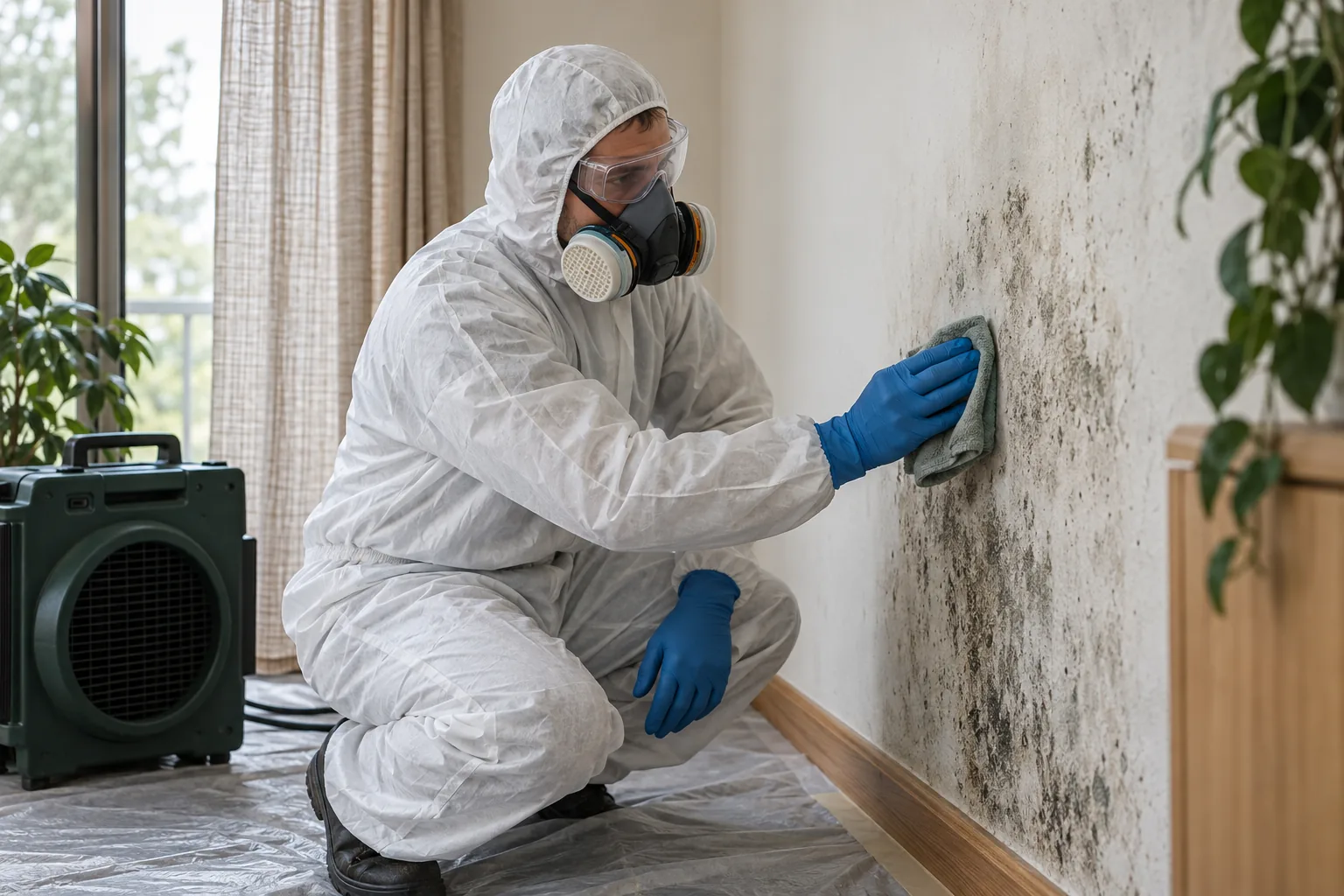
The remediation service combines assessment, filtration, treatment and removal of existing visible structural contamination. Agree the boundary rather than assuming both can be treated within the same room appointment.
MOISTURE COMES FIRST
A hidden patch does not identify its moisture source
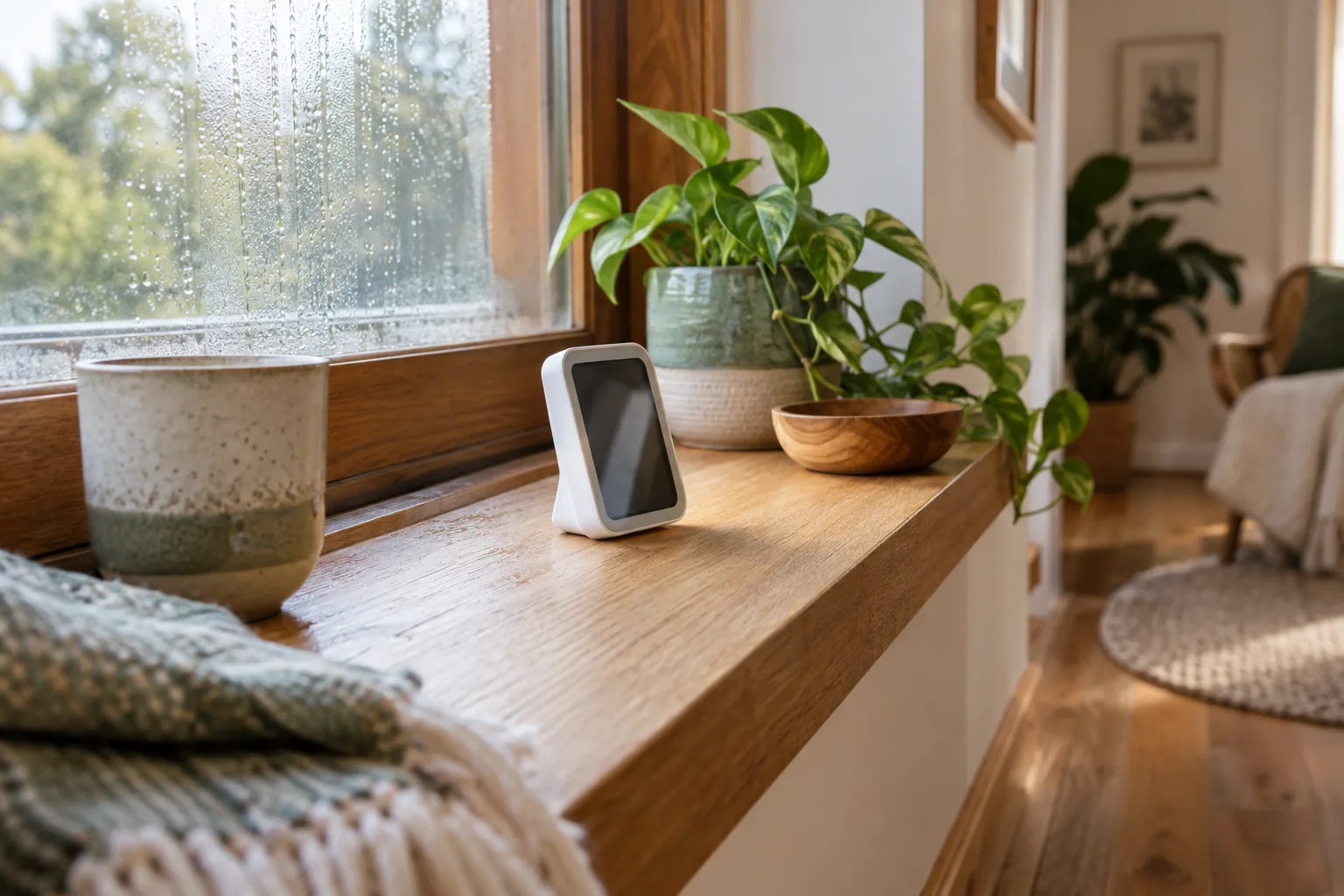
Record any wetting around the patch and whether condensation was previously noticed elsewhere. A professional hygrometer assesses relative humidity in the room air, not moisture inside timber furniture or a concealed wall cavity.
Discuss inspection of the accessible symptoms if the cause or visible extent is uncertain. Building leaks and structural defects need separate repairs. Before resetting the room, consider what unresolved dampness or ventilation issue could expose the wall to moisture again.
FROM PREPARATION TO FOLLOW-THROUGH
A cleared surface and a defined treatment boundary
1
Assess the revealed wall
Show the patch and explain what obstructed it. Agree which exposed surfaces are accessible and identify separate furniture concerns without assuming those items are included.
2
Prepare HEPA air protection
A HEPA air scrubber is set up before treatment. Equipment needs a workable area after agreed clearance; filtration supports treatment without establishing sterile air or overriding occupant departure requirements.
3
Apply HOCl as appropriate
HOCl treatment follows the assessed surface plan. ULV dry fog is used in most cases where suitable, rather than a promise to treat furnishings or inaccessible spaces behind linings.
4
Remove the visible growth
Professional H-class filtered equipment is used for physical removal. Discuss finish condition and nearby belongings beforehand; contamination removal does not guarantee the wall’s original appearance.
5
Complete filtration and room-use advice
HEPA continues during and after the process. Confirm return instructions, remaining cosmetic marks and moisture follow-through before deciding how belongings will be positioned again.
Keep each surface and object distinct
Walls
Describe the exposed painted area and any fixed obstruction remaining. Unseen space behind a lining is outside standard visible access.
Ceilings
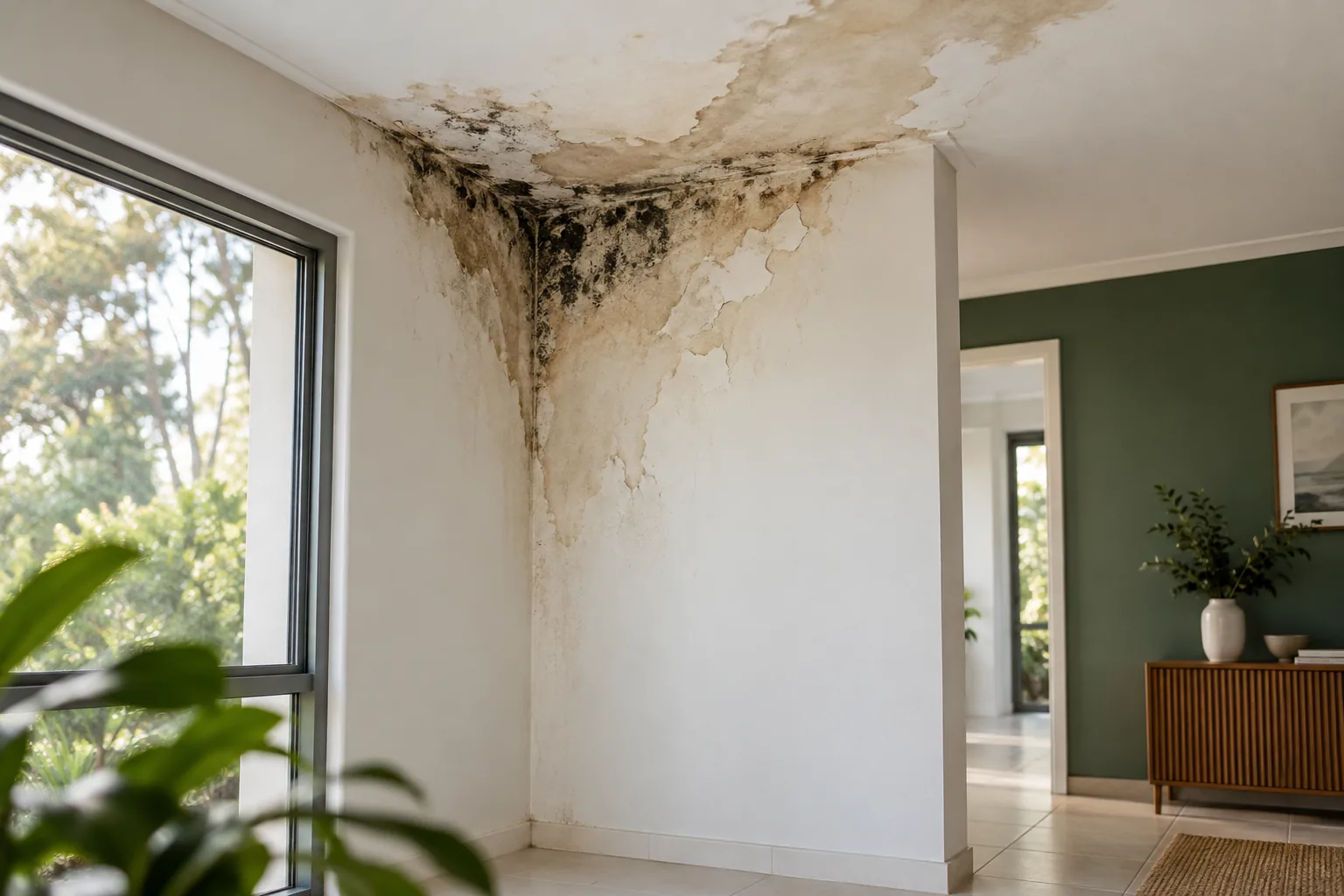
Mention overhead growth independently of the wall patch. Ceiling access and any suspected water entry need their own discussion.
Bathrooms
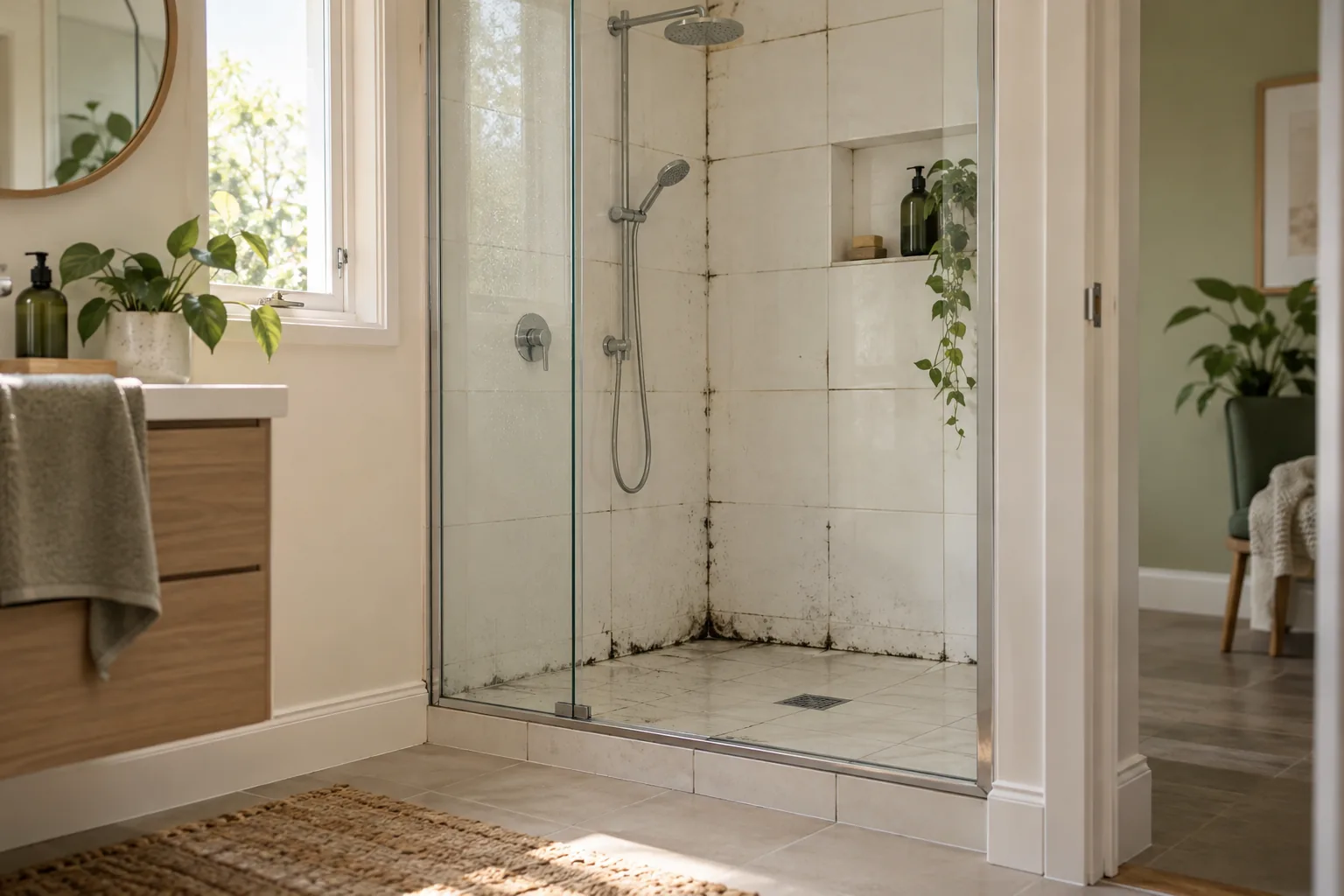
Identify mould on structural bathroom surfaces separately from textile items.
Kitchens
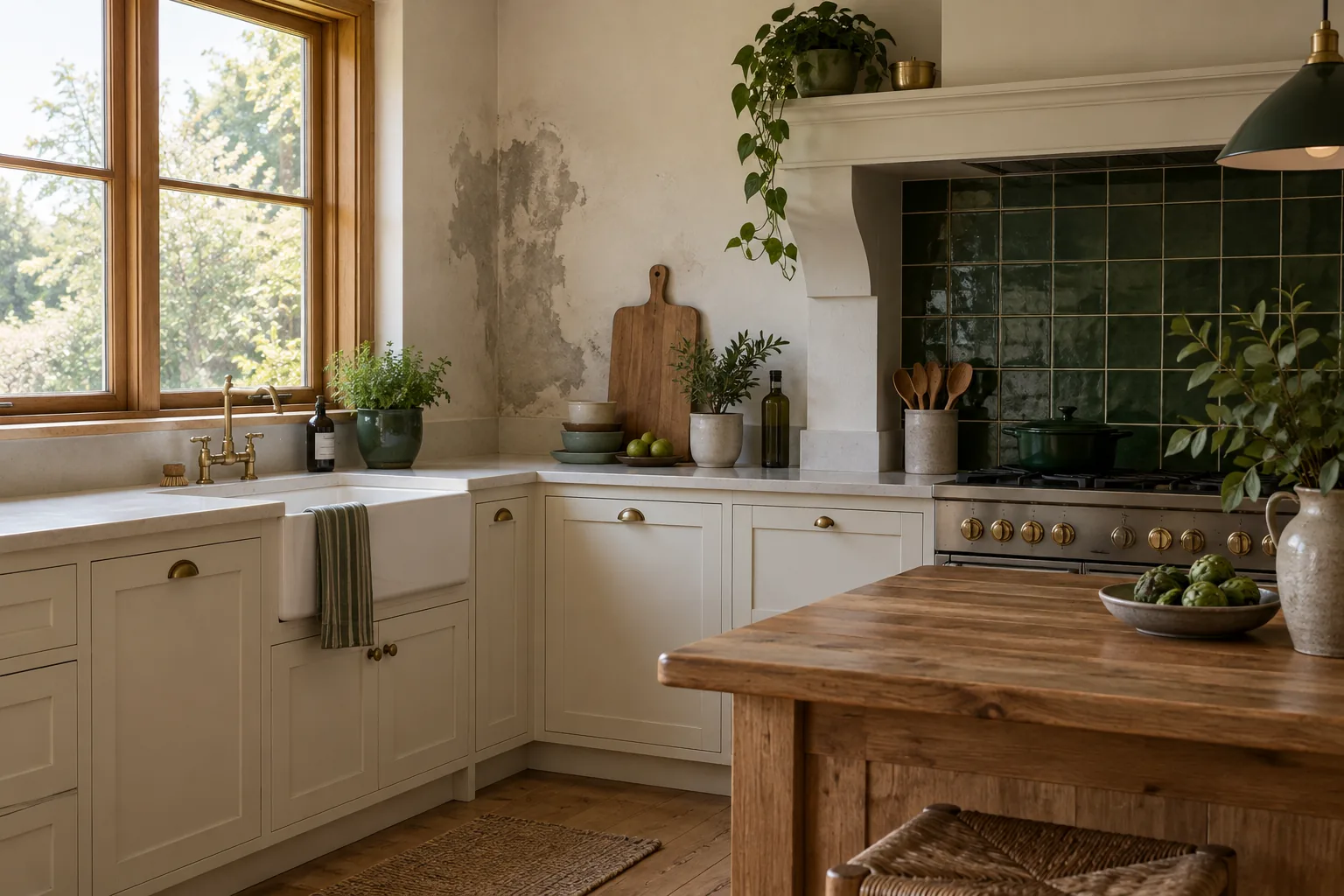
Show exposed kitchen walls and any relevant plumbing wetting. Furniture clearance elsewhere does not establish access behind kitchen cabinetry.
Accessible affected surfaces
An exposed floor beneath the moved item may be considered subject to finish. Carpet, sofas and mattresses are excluded from treatment.
PREPARE FOR THE ACTUAL JOB
Move only what has been agreed
Discuss clearance and fragile belongings before the appointment. People and pets leave during treatment; obtain specific departure and return instructions. The average source duration is about three hours per room, varying with size, contamination and access; the service is not charged hourly.
Cosmetic marks can remain after treatment, and decorating requires separate scope. Visible improvement on the wall does not establish that an excluded item is clean or concealed materials are clear.
AFTER THE TREATMENT
Leave a way to observe the treated wall
Arrange the room so that moisture problems can be noticed, while following practical advice for the actual space.
Maintain sensible airflow around belongings and wall surfaces.
Report fresh wetting rather than repeatedly hiding the patch.
Arrange separate repair of any continuing water source.
Quote the wall treatment, not every item nearby
Explain the accessible area and remaining obstructions when asking about cost. Confirm remediation applicability against published room pricing, which is labelled Mould Removal. Furniture handling and excluded-item cleaning should not be assumed part of that treatment figure.
YARRA’S EDGE · EXACT ADDRESS & ACCESS
Enquire for the particular Yarra’s Edge address
Give the premises and authorised access contact. Nearby location navigation does not establish building affiliation, availability or permission to alter shared surfaces.
Batman’s Hill · Victoria Harbour · Digital Harbour · NewQuay
Questions about remediation
Should I pull every cupboard away from the wall?
Discuss the required clearance first. Explain which item revealed the patch and whether it is movable or fixed; avoid unnecessary movement that complicates access or spreads contamination.
Is the mould on the back of a wardrobe included?
No; furniture is excluded from the confirmed structural-surface service. Describe it separately so its needs are not confused with treatment of the exposed wall.
Does growth behind furniture prove poor airflow caused it?
No. Position is an observation, not a diagnosis. Mention wetting, condensation and leak history so the moisture question can be considered appropriately.
Can fogging treat my upholstered chair at the same time?
Upholstery is excluded. Do not assume a room application adds textile treatment; raise the chair’s condition as a separate concern.
How much space should I leave behind furniture afterwards?
Discuss practical positioning for the actual room rather than relying on an invented fixed clearance. Maintain airflow and leave a way to observe renewed dampness.
Should I put the wardrobe back against a remaining stain?
Ask about the finish and moisture issue first. A cosmetic mark may remain, but renewed wetting or growth needs follow-up rather than being hidden again.
Discuss the wall revealed behind belongings
Call 03 8652 1296 with your Yarra’s Edge address, visible patch and clearance concern. Agree the structural treatment and excluded-item boundaries.