
VISIBLE SURFACES · AGREED TREATMENT
Mould Remediation Seaholme
A clear enquiry for a Seaholme room describes the surface as well as showing the patch. If you have photographs, include a safe wider view that explains access and a description of wetting history. Images support the conversation; they do not diagnose concealed conditions or confirm a treatment price on their own.
Describe the surface and access clearly
Use photographs without disturbing growth
Agree the treatment after assessment

TREATMENT · FILTRATION · FOLLOW-THROUGH
A TREATMENT PLAN WITH CLEAR LIMITS
Give enough context to understand the visible area
A close image may hide layout and access obstacles. Describe the surface and other visible patches. Do not touch, scrape or climb towards growth simply to improve the photograph.
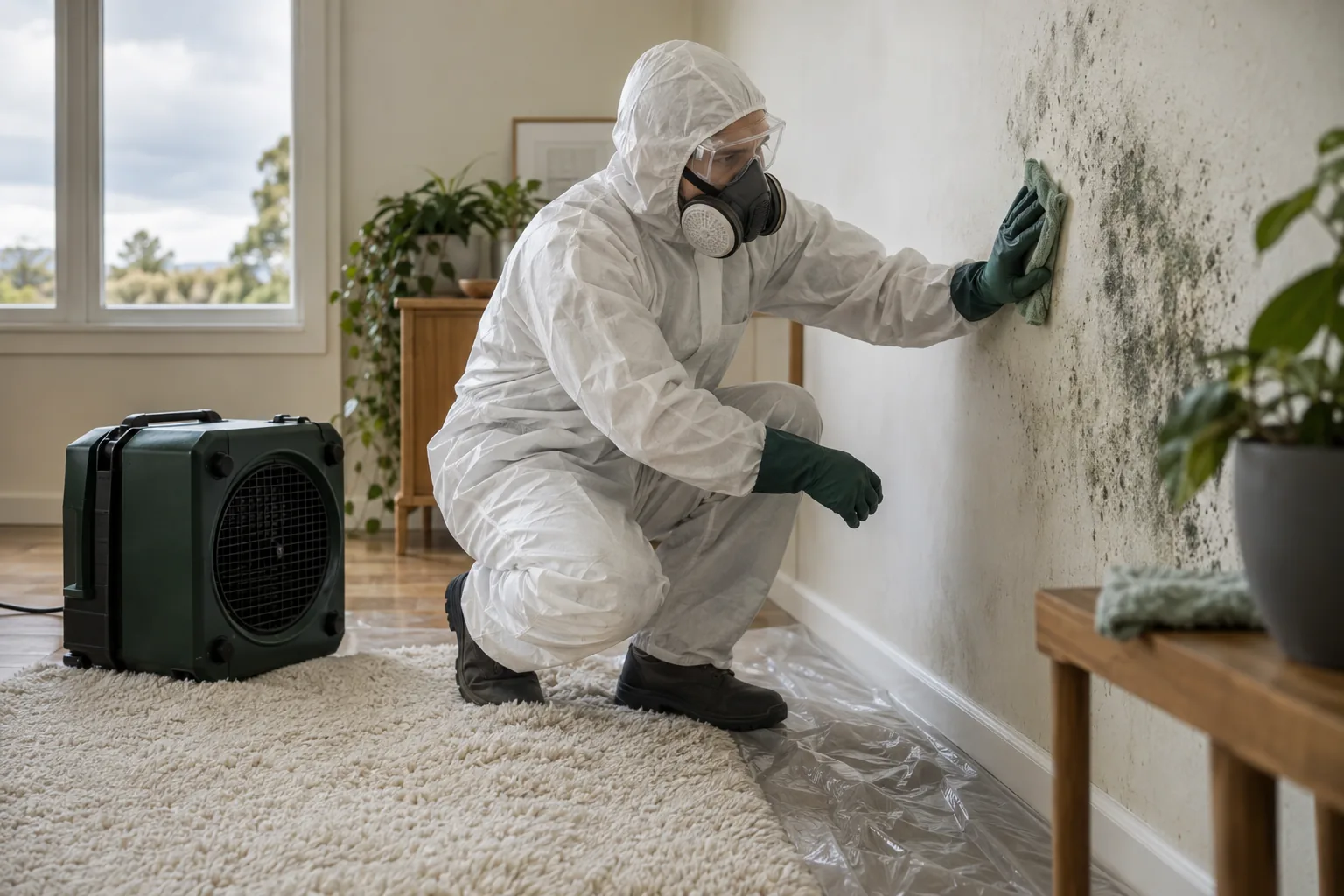
The remediation service combines assessment, air filtration, suitable treatment and physical removal of accessible structural contamination. Photographs cannot turn a hidden area into an accessible one or include furniture and textiles in scope. Keep known observations distinct from guesses about what lies behind the surface.
MOISTURE COMES FIRST
Photograph the evidence, describe its timing
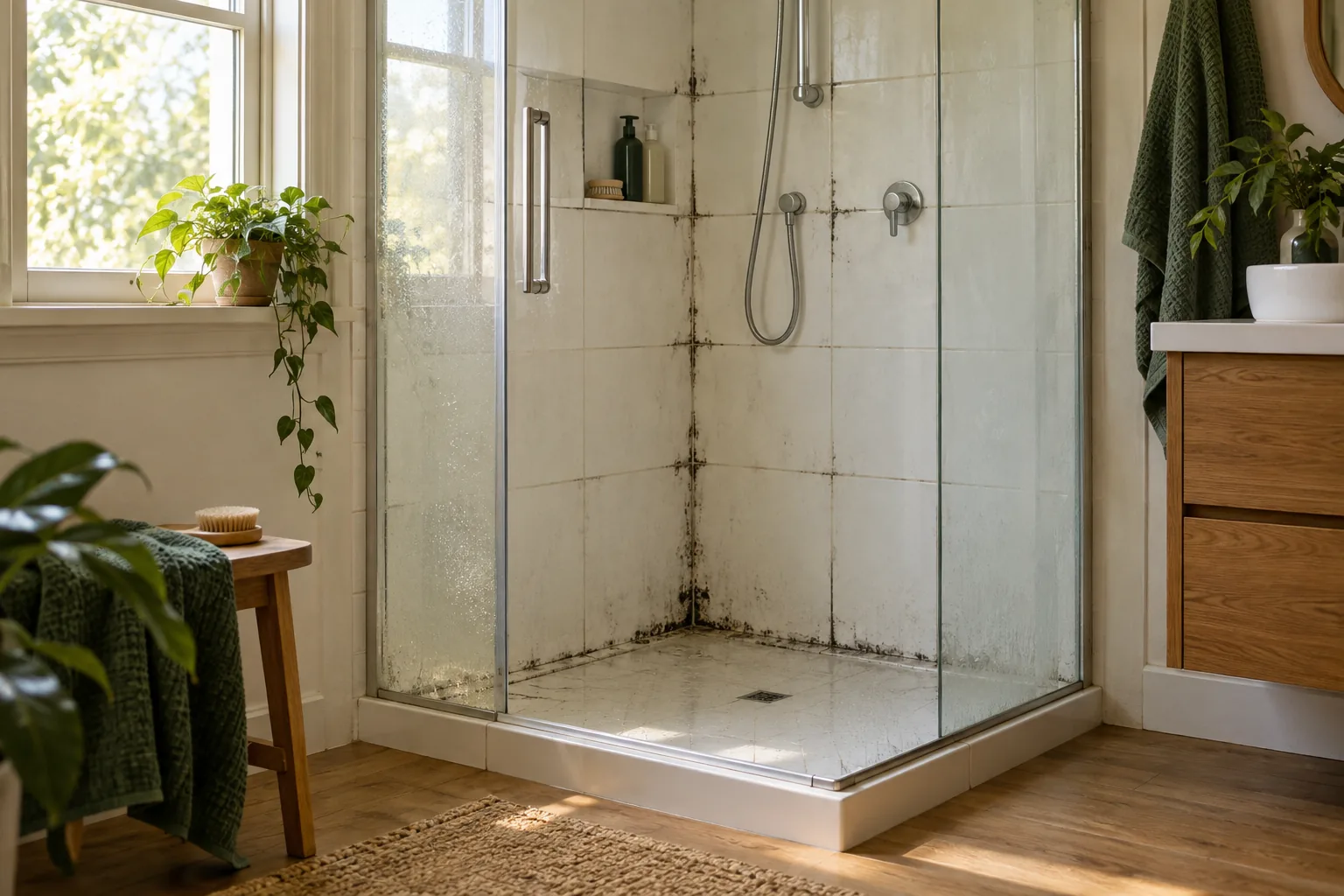
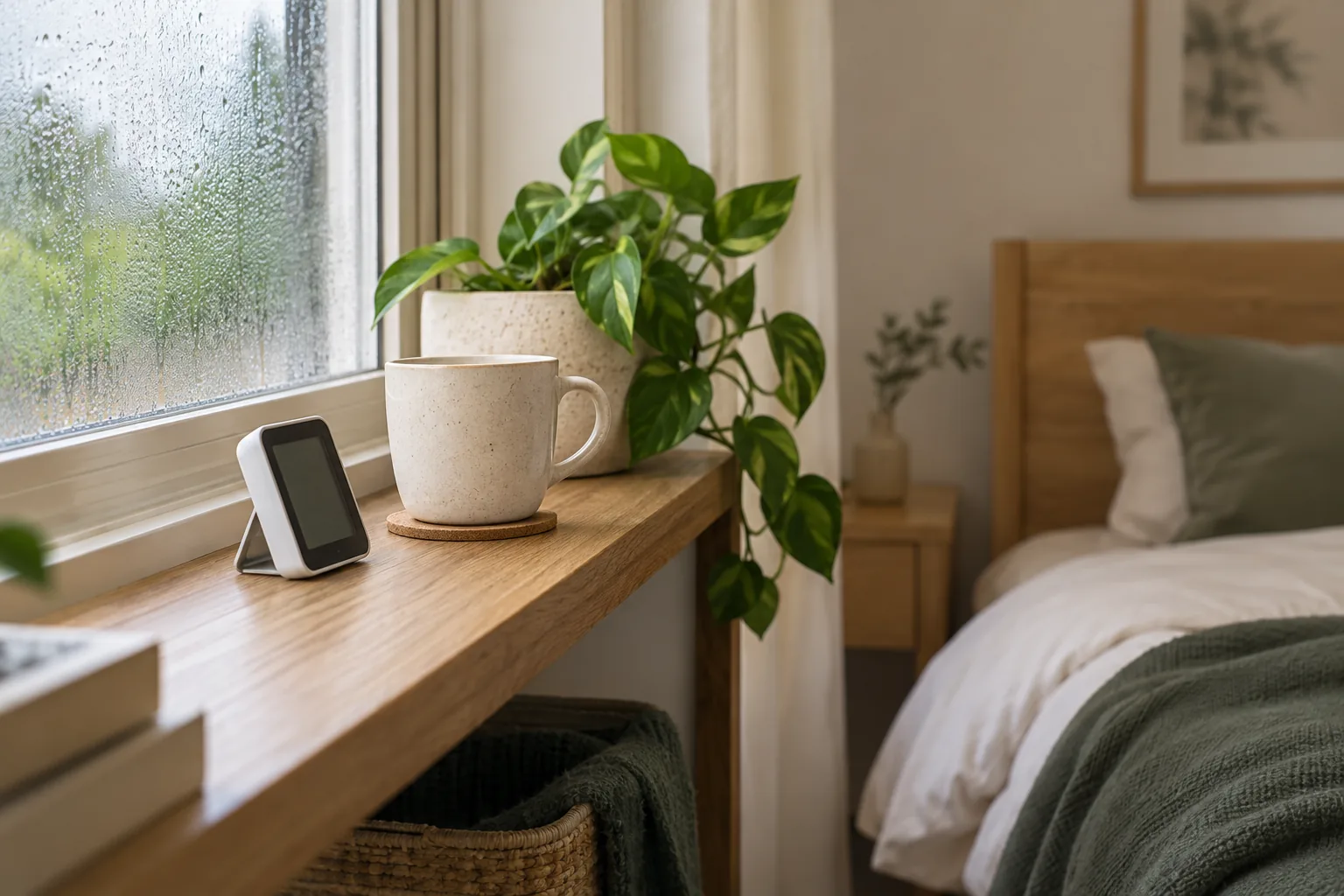
If water is visible, note when it appeared and where it began. A photograph of a dry patch cannot establish whether wetting continues at other times. The professional hygrometer assesses room-air relative humidity at the visit; it is not a diagnosis from an image or proof of dryness inside the wall.
Discuss accessible inspection if the visible condition requires clarification. Plumbing and structural defects need separate repairs. Treatment deals with existing contamination, while ongoing condensation or water entry can still allow recurrence if the source is left unresolved.
FROM PREPARATION TO FOLLOW-THROUGH
Use the enquiry to prepare for assessed treatment
1
Review the visible room on arrival
Show the actual patches and explain photographs and wetting history. Agree accessible structural surfaces and any finish or concealed concern needing separate attention.
2
Set up HEPA air protection
A HEPA air scrubber is established before treatment. Discuss equipment placement based on the actual room, not assumptions from a close-up image; filtration is not a sterile-air guarantee.
3
Apply appropriate HOCl treatment
HOCl is used within the assessed scope. ULV dry fog is applied in most cases where appropriate, without promising concealed coverage from what an enquiry photograph suggests.
4
Physically remove the visible growth
Professional H-class filtered equipment is used for removal. Discuss delicate paint, prior cleaning and nearby belongings beforehand; finish restoration is not assumed included.
5
Complete final air cleaning
HEPA continues during and after treatment. Confirm return instructions and outstanding moisture or cosmetic decisions, without expecting a laboratory clearance or fixed universal return time.
Useful details for different room surfaces
Walls
Explain the finish and any furniture hiding the patch edge. A wider description helps distinguish accessible from obstructed areas.
Ceilings
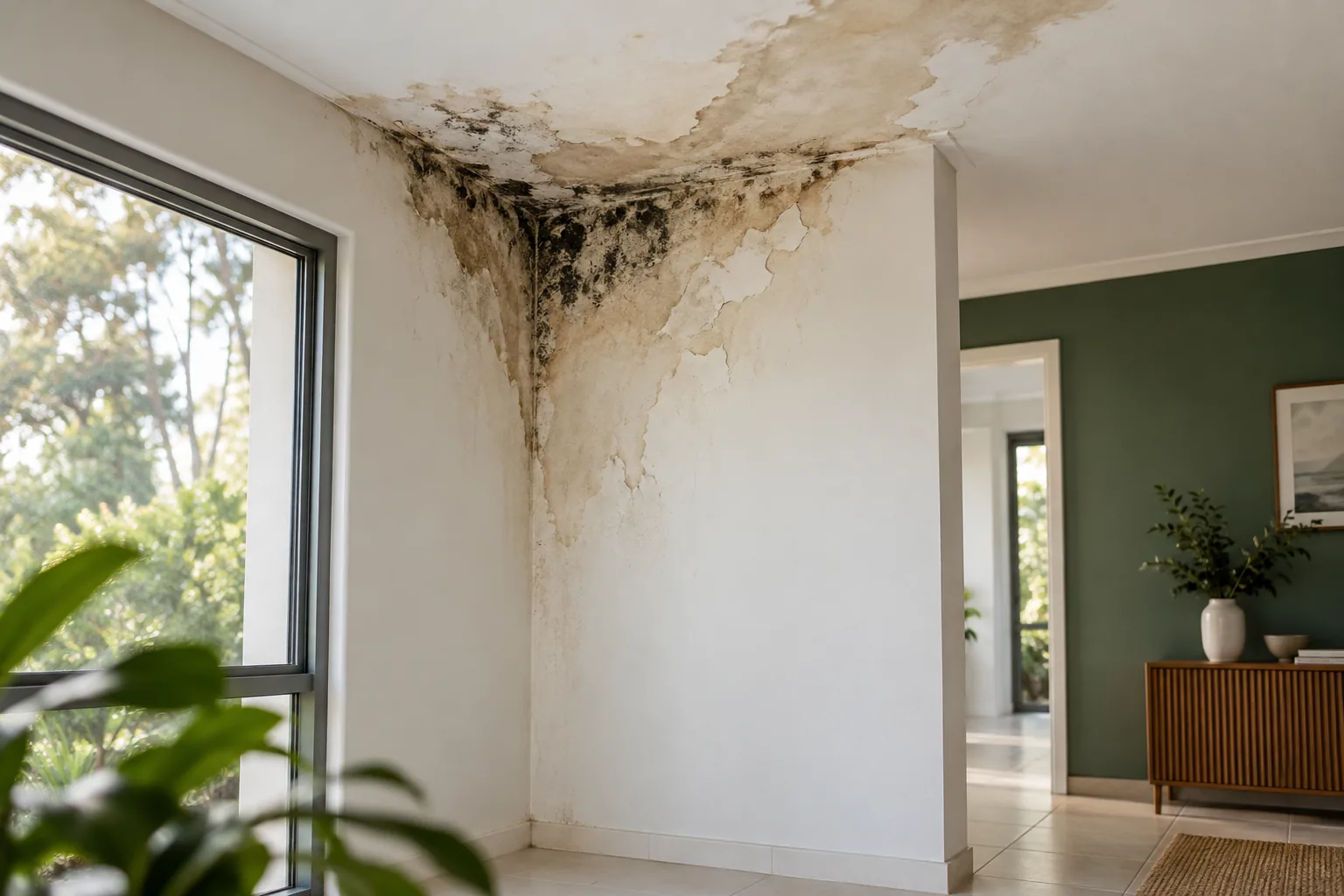
Describe height and overhead wetting from a safe position. Do not climb simply to obtain an enquiry image.
Bathrooms
Identify structural surfaces separately from towels or textiles. Include extraction and repeated steam observations in the description.
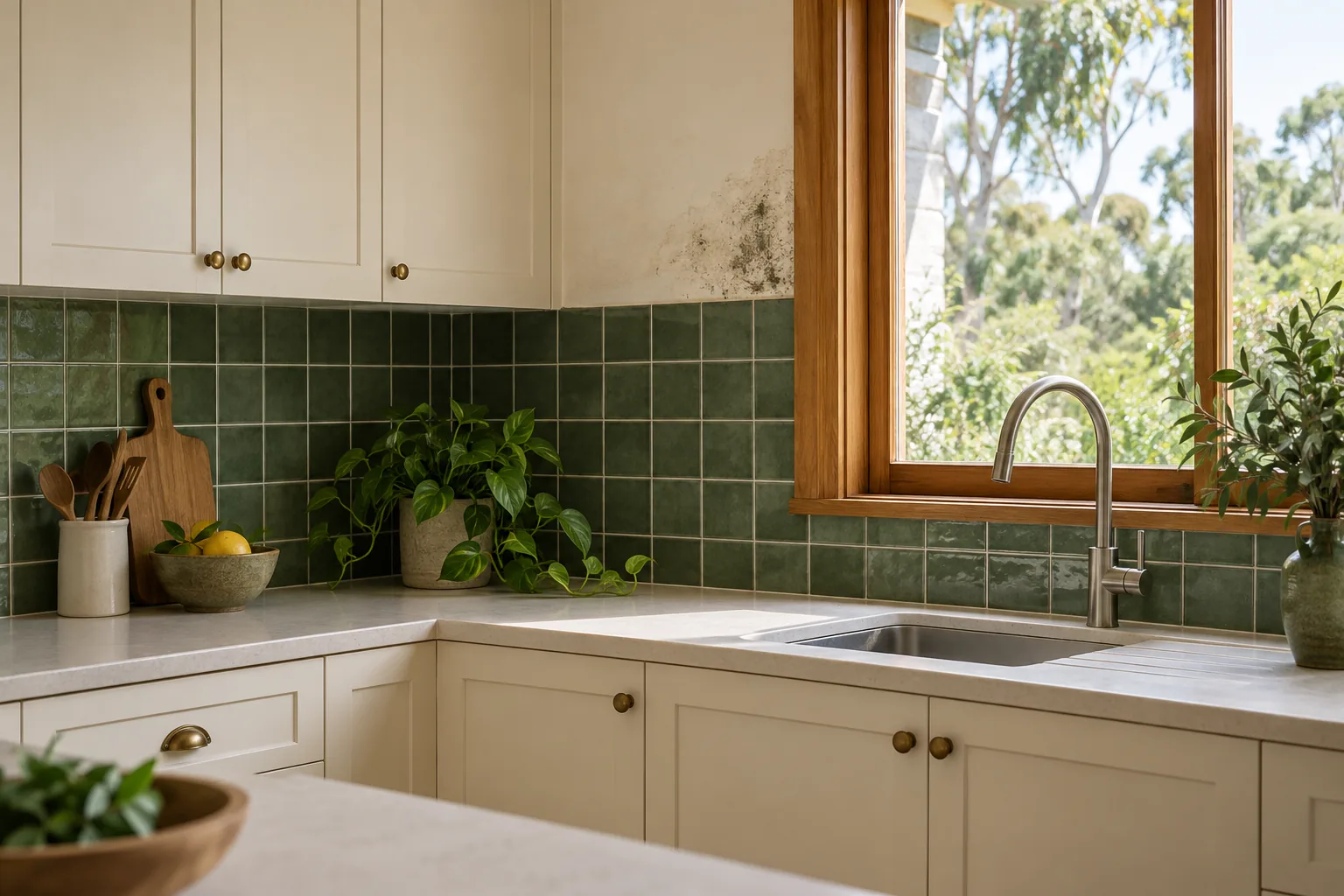
Kitchens
Explain exposed wall growth near cooking or plumbing. Fixed cabinetry and appliances may obscure the accessible boundary.
Accessible affected surfaces
For an exposed floor, state the finish and coverings nearby. Carpet and furnishings remain outside structural treatment.
PREPARE FOR THE ACTUAL JOB
Prepare from the agreed instructions, not the photograph alone
Discuss clearance and fragile belongings before work. People and pets leave during treatment; obtain specific departure and return advice and safely coordinate any building arrangements. Source guidance averages approximately three hours per room, varying with size, extent and accessibility. The service is not hourly based or timed solely from a photograph.
Cosmetic staining may remain, and decorating needs separate scope. Images of a cleaner surface do not establish that concealed material was treated or a moisture source was repaired. Ask what was included and record renewed visible growth or wetting as a new observation.
AFTER THE TREATMENT
Keep a simple record of changes
A useful comparison tracks the same visible area over time without claiming that photographs alone prove the result or identify a cause.
Note the date and location of new wetting.
Maintain suitable extraction and room ventilation.
Arrange separate repairs when water entry continues.
Use photographs to explain, not assume, the quotation
Share the visible extent and practical access details when discussing cost. Check pricing applicability for remediation; the published examples are labelled Mould Removal. A close image does not establish an unconfirmed tariff, hidden scope or inclusion of decorating.
SEAHOLME · EXACT ADDRESS & ACCESS
Seaholme and nearby premises enquiries
Give your address and authorised contact. Nearby navigation cannot assess the room photograph or confirm attendance.
Questions about remediation
Is a close-up photograph enough to explain the job?
It may miss access and room context. Add a safe wider view or description of the surface and obstacles, without disturbing the growth.
Should I scrape a patch to show what is underneath?
Do not assume that is appropriate. Describe the visible condition and let access or further investigation be discussed separately.
Can you identify hidden mould from my photo?
That is not promised. A photograph records exposed appearance, not the condition behind a lining or inside insulation.
Does a dry-looking photo mean no moisture problem remains?
No. Share timing and wetting history; a single dry-looking image cannot show conditions at other times or establish concealed dryness.
Should enquiry images be presented as before-and-after results?
No. An enquiry image is an observation, not evidence of completed treatment. Keep any later comparison dated and avoid assuming appearance proves concealed conditions.
Can a photograph confirm the final quote without access details?
Do not assume it can. Explain surfaces, extent and obstructions so the proposed scope and price applicability can be discussed accurately.
Describe the Seaholme room clearly
Call 03 8652 1296 with the visible surfaces, access and wetting history. Use photographs as helpful context for the treatment discussion.