
VISIBLE SURFACES · AGREED TREATMENT
Mould Remediation Seabrook
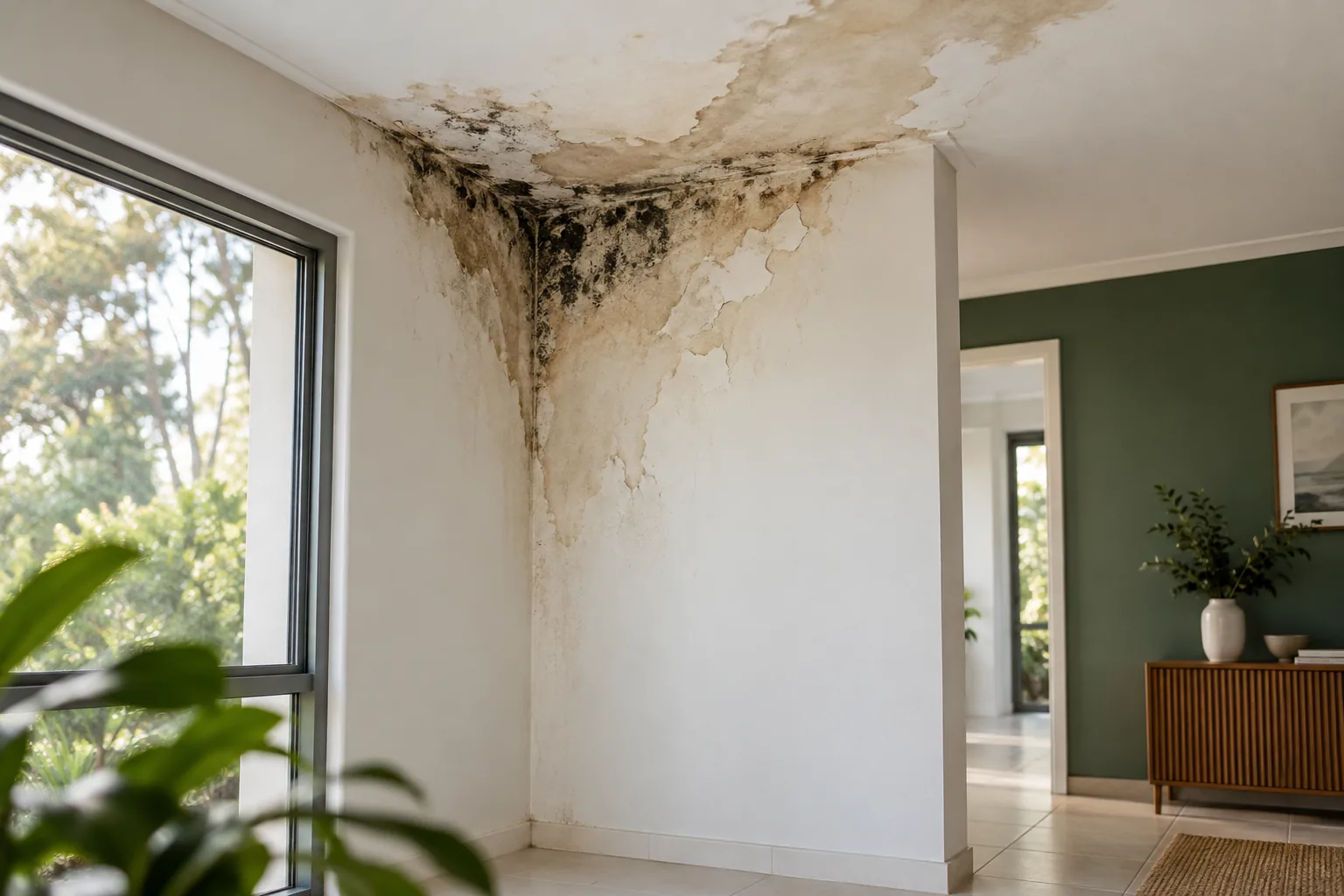
A ceiling patch sits above a bathroom doorway. If this is the concern at your Seabrook address, consider reach, finish and a separate moisture investigation. Explain the visible condition and what can be reached before confirming the treatment appointment.
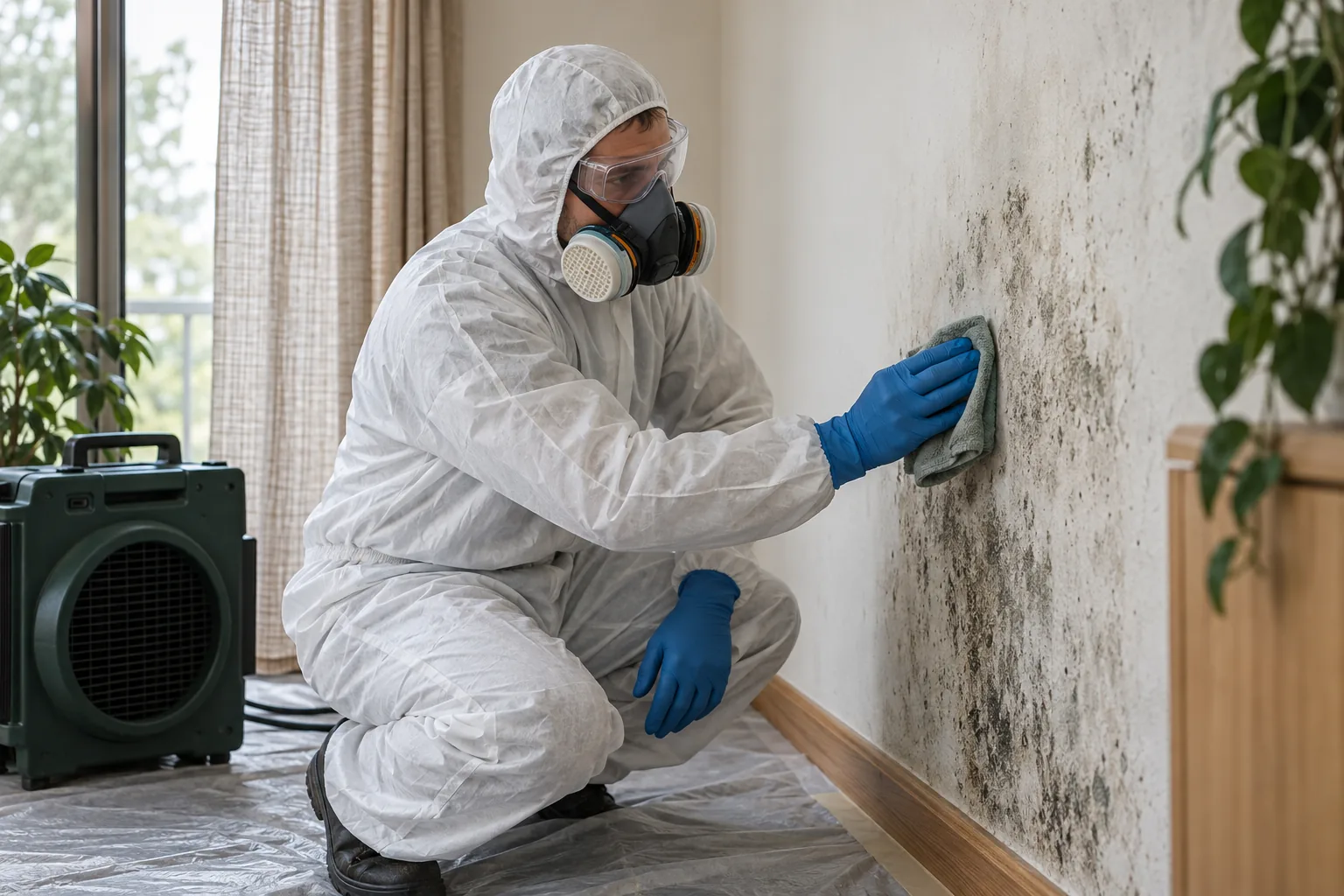
Visible treatment scope agreed
Professional filtration and treatment
Practical preparation discussed

TREATMENT · FILTRATION · FOLLOW-THROUGH
A TREATMENT PLAN WITH CLEAR LIMITS
Plan treatment around the actual surface
A ceiling patch near a doorway needs a wider view than a close-up. Height, finish deterioration and nearby obstacles influence what can actually be reached. An assessment conversation should separate the surface problem from assumptions about the source or the finish. Ask about suitability where material is loose, damaged or unusually delicate. The purpose is to treat existing visible contamination within an agreed structural-surface scope.
The ceiling condition matters as much as the patch’s position. Loose material and a remaining stain can require different decisions from treating contamination. Compare the remediation process with the intended job.
MOISTURE COMES FIRST
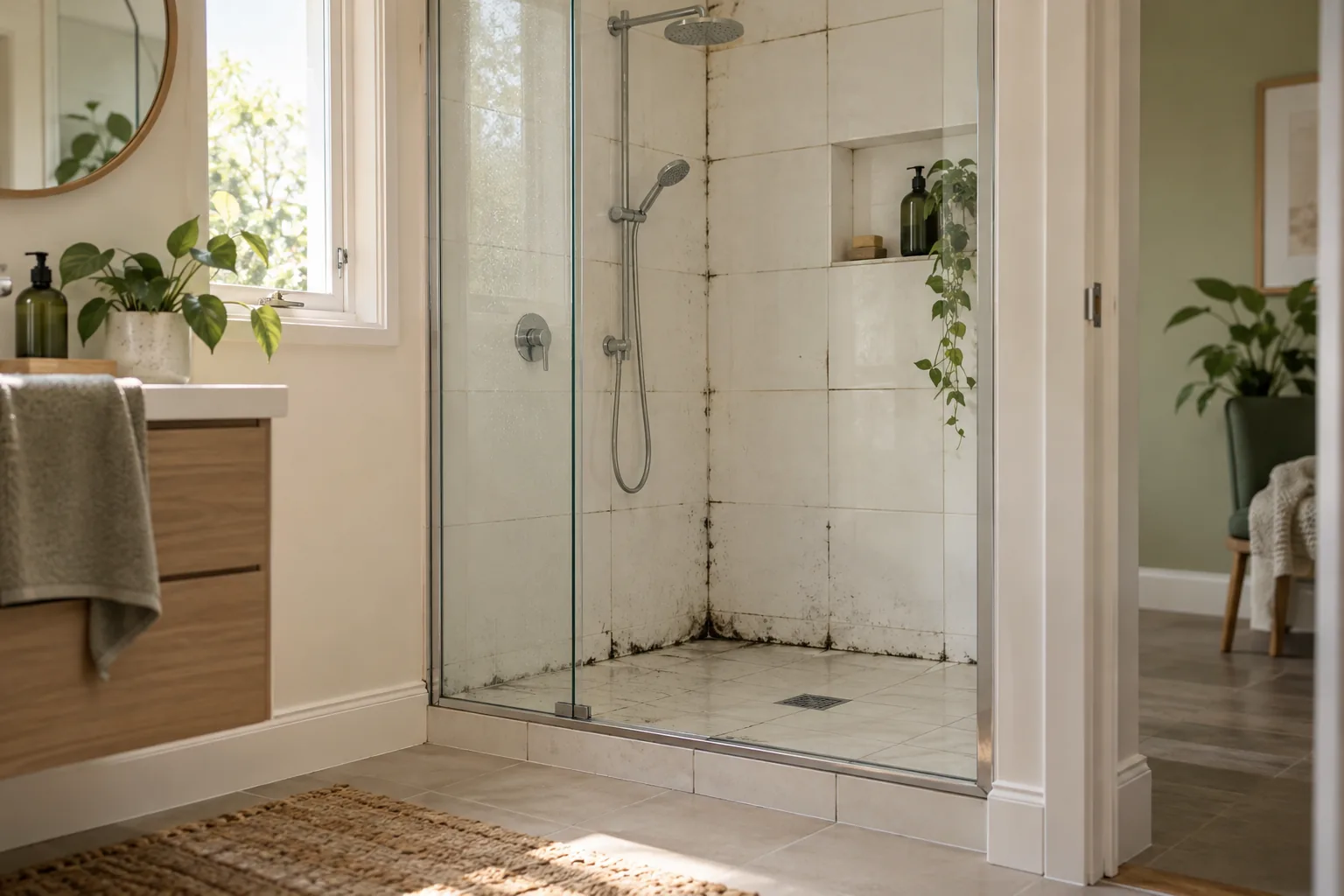
Treatment and moisture correction have separate roles
The ceiling location is useful background for a moisture enquiry, particularly if recent changes have been observed. It does not establish a leak pathway by itself.
Have suspected plumbing or building defects addressed separately. Room humidity is not a reading from inside the ceiling or proof that insulation is unaffected. Discuss inspection if assessment is needed before treatment.
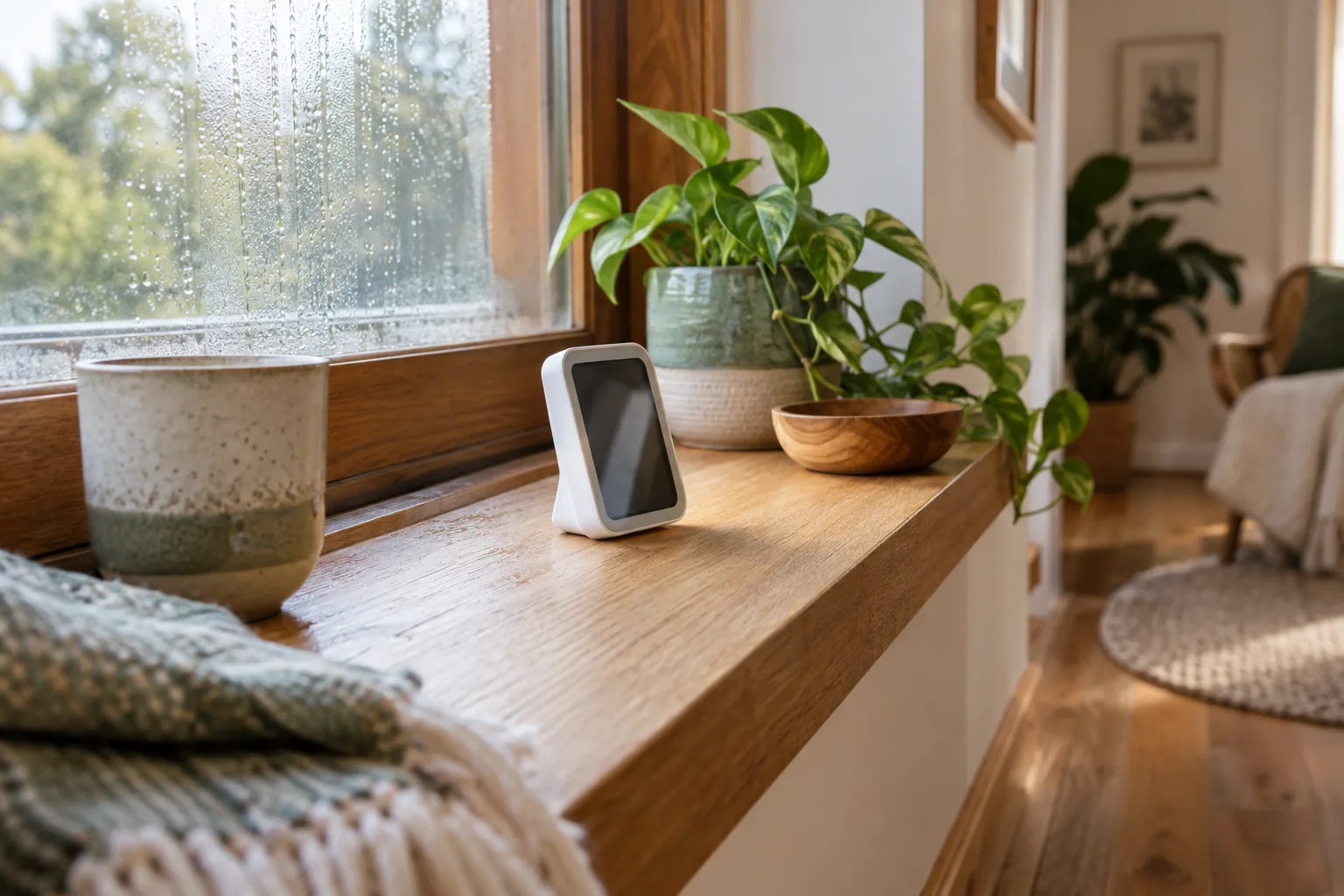
FROM PREPARATION TO FOLLOW-THROUGH
A coordinated surface-remediation process
1
Assess and agree
Establish the visible extent, material and access limits instead of assuming every affected area is included.
2
Protect the work area air
HEPA filtration forms part of the agreed process rather than replacing moisture repairs or physical removal.
3
Apply the appropriate treatment
Apply the confirmed HOCl treatment appropriately; ULV dry fog is used in most cases, not promised universally.
4
Remove visible growth
H-class filtered professional equipment is used for physical removal after the appropriate treatment stage.
5
Complete air cleaning
Carry on HEPA air filtration during and after the ceiling work. Explain the treatment boundary, remaining visible marks and the technician’s particular advice for returning.
Agree the accessible structural surfaces
Walls
Walls need a clear access boundary; furniture removal and repainting should not be assumed included.
Ceilings
Residual ceiling marks may remain; treatment should not be presented as a guaranteed new finish.
Bathrooms
Identify the affected bathroom surfaces and distinguish damaged joints from cosmetic treatment expectations.

Kitchens
Appliances and cupboards may obstruct a wall; arrange suitable access without assuming equipment moving is included.
Accessible affected surfaces
Accessible does not mean concealed cavities are included; discuss each additional surface before assuming coverage.
PREPARE FOR THE ACTUAL JOB
Prepare for a bounded treatment job
Describe ceiling height and access without trying to create an unsafe overhead work area yourself. Mention loose or damaged material before suitability is agreed.
The room’s actual extent and access influence duration. People and pets leave during treatment, and the technician should confirm the return arrangements.
AFTER THE TREATMENT
Keep the moisture question open after treatment
Continue watching the ceiling for fresh changes after any separate moisture work. A remaining stain may be cosmetic, while new dampness requires a different conversation; neither should be judged from appearance alone. Keep relevant repair information so follow-up can explain the timing and visible condition. Do not use treatment as a substitute for addressing sagging or damaged material. The practical aim is to coordinate the surface result with building maintenance, without promising the ceiling is dry internally or that a patch near a doorway identifies its source.
Arrange separate attention to leaks or building defects where relevant.
Use ordinary ventilation and humidity management appropriate to the room.
Watch for fresh damp signs or new growth, rather than judging only old marks.
Confirm the scope before accepting a price
The overhead patch and its height belong in the price discussion. A wall-only enquiry should not become an assumption that ceiling access, plaster repair and decorating are all covered. Check pricing information and confirm its applicability to this job.
SEABROOK · EXACT ADDRESS & ACCESS
Service enquiries around Seabrook
Give the Seabrook address with a clear account of the ceiling location. Confirm attendance and overhead suitability rather than inferring either from the suburb label. Browse Areas We Cover for the service navigation.
Questions about remediation
Can the ceiling patch be included with bathroom walls?
It can be discussed as an additional visible accessible surface, but inclusion needs to be agreed. Give its position and approximate extent when enquiring.
Will you repair the ceiling if it is sagging?
No. Structural deterioration needs separate attention. Mention sagging before booking so access and suitability can be considered.
Does an upstairs bathroom prove where the leak is?
No. Location suggests questions to ask but does not establish the origin of moisture. Arrange appropriate separate investigation if a leak is suspected.
Can you guarantee the ceiling mark disappears?
No. Residual cosmetic staining is a recognised limitation, and repainting is a separate scope.
Should I climb up and scrub it first?
Do not create awkward overhead access just to prepare for treatment. Describe the height and obstructions and agree safe access arrangements.
What matters most after treatment?
Follow through on the moisture question and watch for new changes. A treated ceiling can become affected again if damp conditions remain.
Discuss the visible problem before booking
Explain the ceiling patch, height and doorway access when calling 03 8652 1296. Confirm the Seabrook property’s suitable treatment scope while keeping any damaged material, suspected leak or later decoration in separate discussions.