
SURFACE TREATMENT · MOISTURE FOLLOW-THROUGH
Mould Remediation Lower Plenty
If your Lower Plenty concern is mainly behind a lining or within insulation, say that before requesting treatment. Standard remediation covers visible accessible growth, not every concealed space. Describe any exposed patch and known wetting so assessment, additional investigation and structural treatment can be discussed as distinct decisions.
Make concealed concerns explicit
Agree only the accessible structural scope
Separate investigation and repair needs
TREATMENT & FOLLOW-THROUGH
UNDERSTANDING THE AFFECTED ROOM
A concealed concern should not become an assumed inclusion
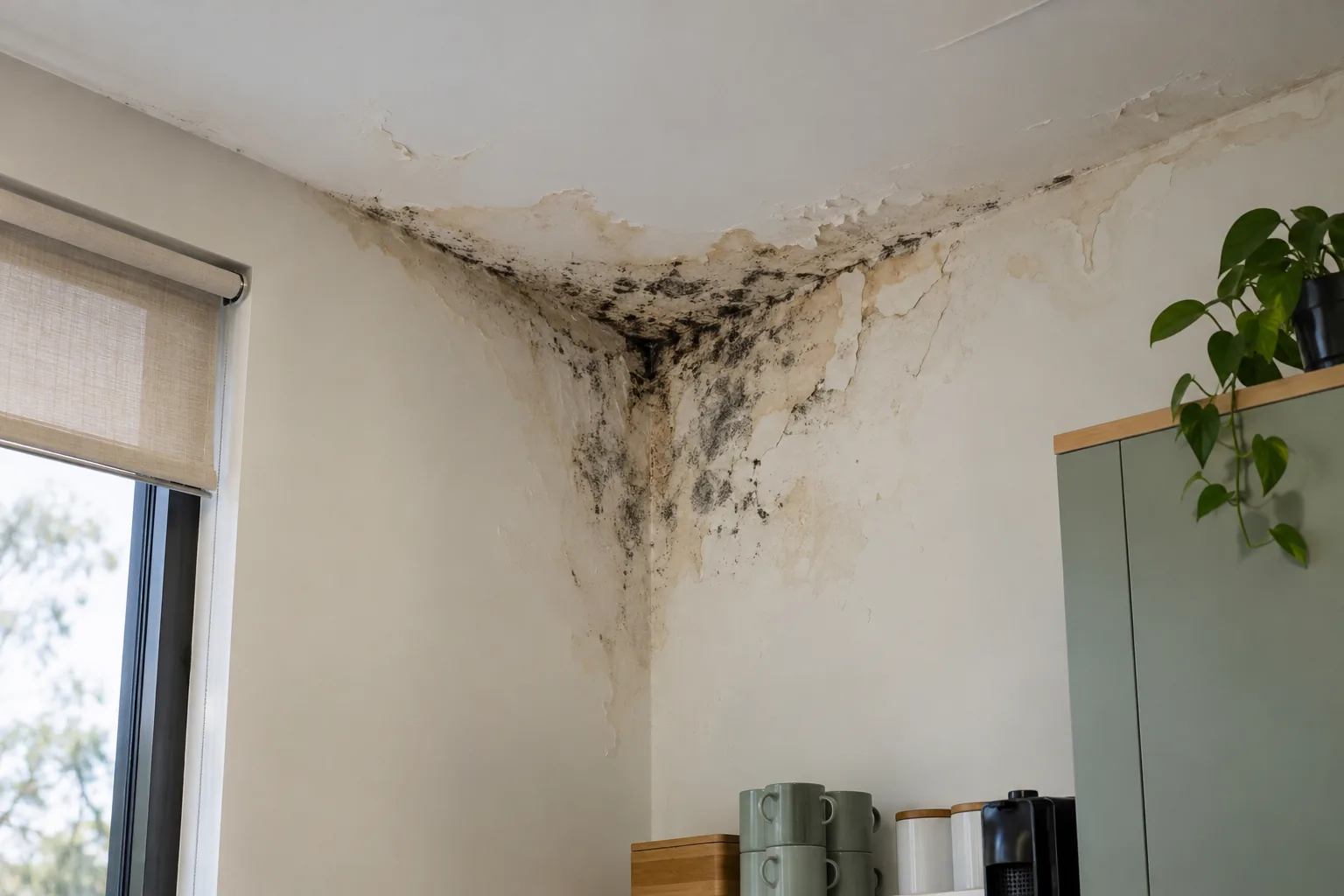
Explain what evidence you have and what remains unseen. A smell, old leak or surface mark may raise a question without establishing hidden extent. Do not create openings simply to fit the standard service description; any further investigation or access work needs its own discussion.
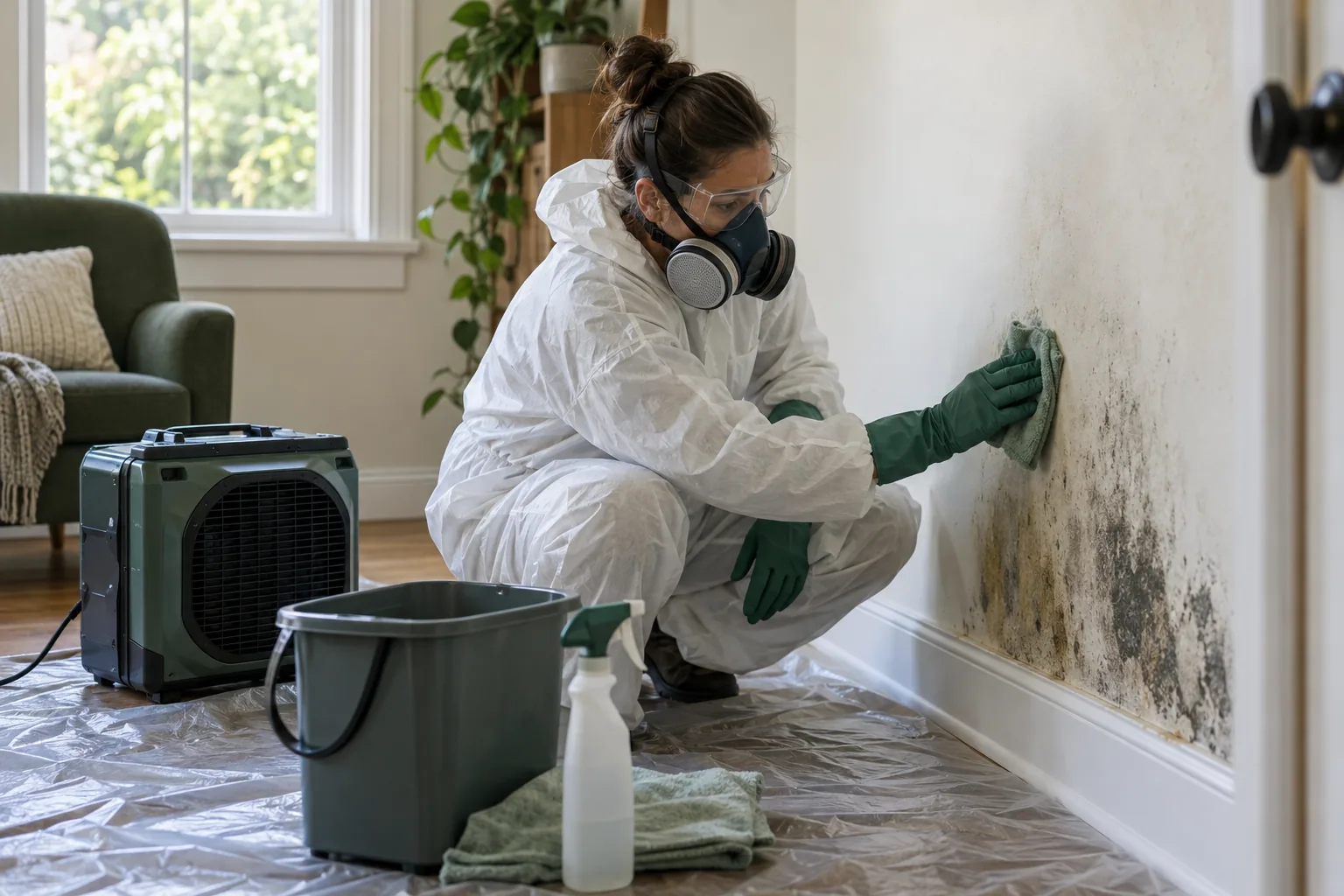
Our remediation process treats existing accessible structural contamination with assessment, filtration, suitable application and physical removal. Furniture and textiles are excluded. Agree exposed walls, ceilings or floors while keeping inside-wall material, insulation and other concealed concerns separate from confirmed standard scope.
MOISTURE & CONTAMINATION
Hidden condition cannot be certified from room air
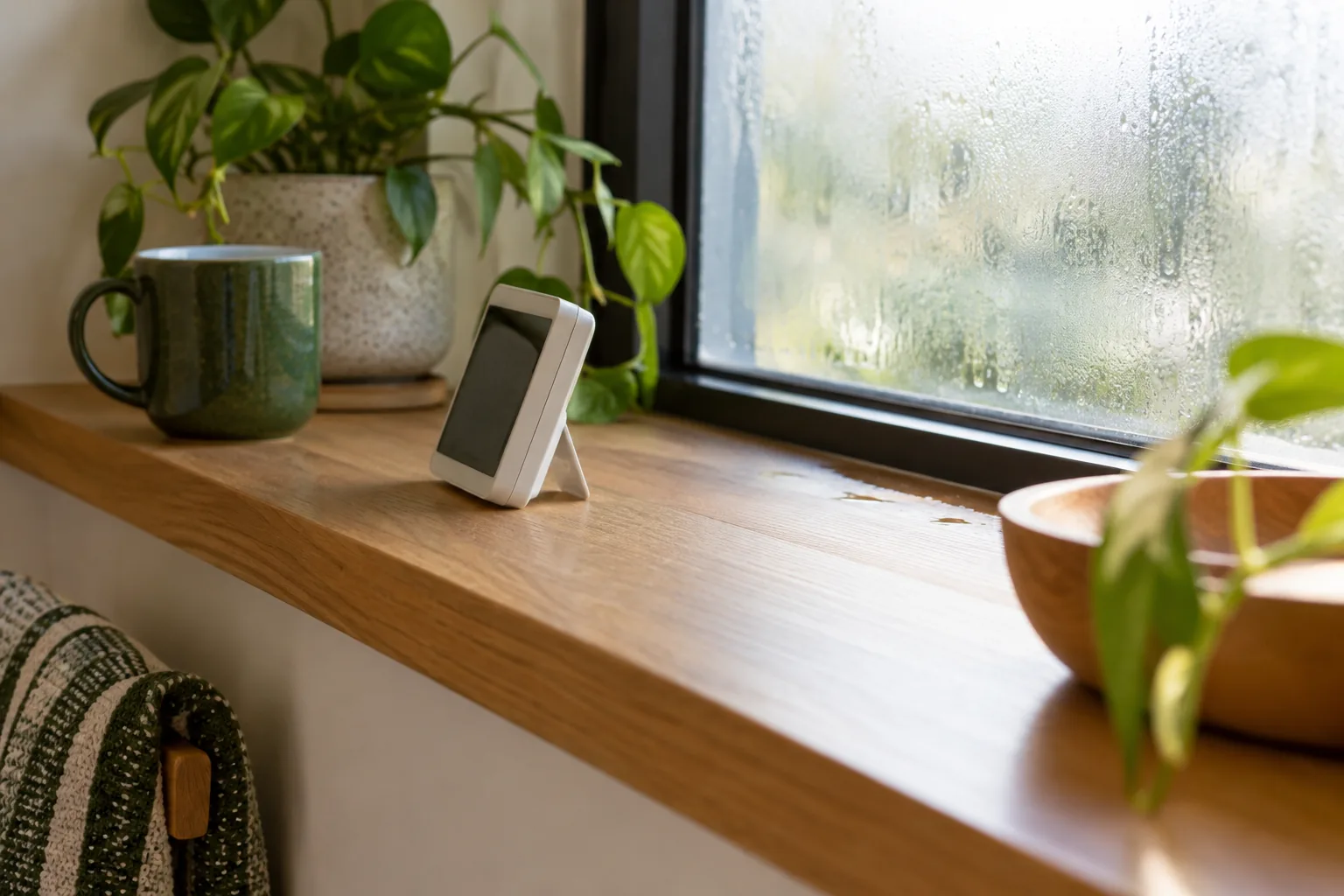
Provide wetting dates and known repairs honestly. The professional hygrometer assesses relative humidity in the room air, not the moisture percentage inside insulation or proof that a cavity is dry. A surface looking dry cannot establish everything behind it.
Discuss accessible inspection when assessment is the main need, and clarify any additional investigation request separately. Plumbing and structural repairs remain outside treatment. Continued water entry can permit recurrence even when the exposed contamination is addressed appropriately.
A DEFINED TREATMENT SEQUENCE
The confirmed sequence for the agreed exposed surfaces
1
Assess visible growth and scope limits
Show any accessible patches and explain concealed concerns. Agree structural boundaries and identify additional access or investigation questions before treatment assumptions.
2
Establish HEPA air protection
The technician prepares HEPA filtration before treatment. Equipment access needs a workable area; air protection is not evidence that a concealed cavity has been assessed.

3
Apply suitable HOCl treatment
HOCl is applied within the assessed scope. ULV dry fog is used in most cases where appropriate, without promising hidden-wall or insulation treatment.
4
Physically remove exposed contamination
Professional H-class filtered equipment is used for removal. Discuss fragile finishes beforehand; opening linings, replacing insulation and rebuilding are not assumed included.
5
Complete air cleaning and clarify remaining questions
HEPA runs during the process and after treatment. Obtain return advice and discuss source or finish tasks, without an unconfirmed hidden-area clearance certificate.
Keep visible surfaces and concealed material distinct
Walls
Identify the exposed wall patch and fixed obstructions. The material behind the lining is a separate concern.
Ceilings
Describe visible ceiling growth and wetting history safely. Standard treatment does not imply a roof-space investigation.
Bathrooms
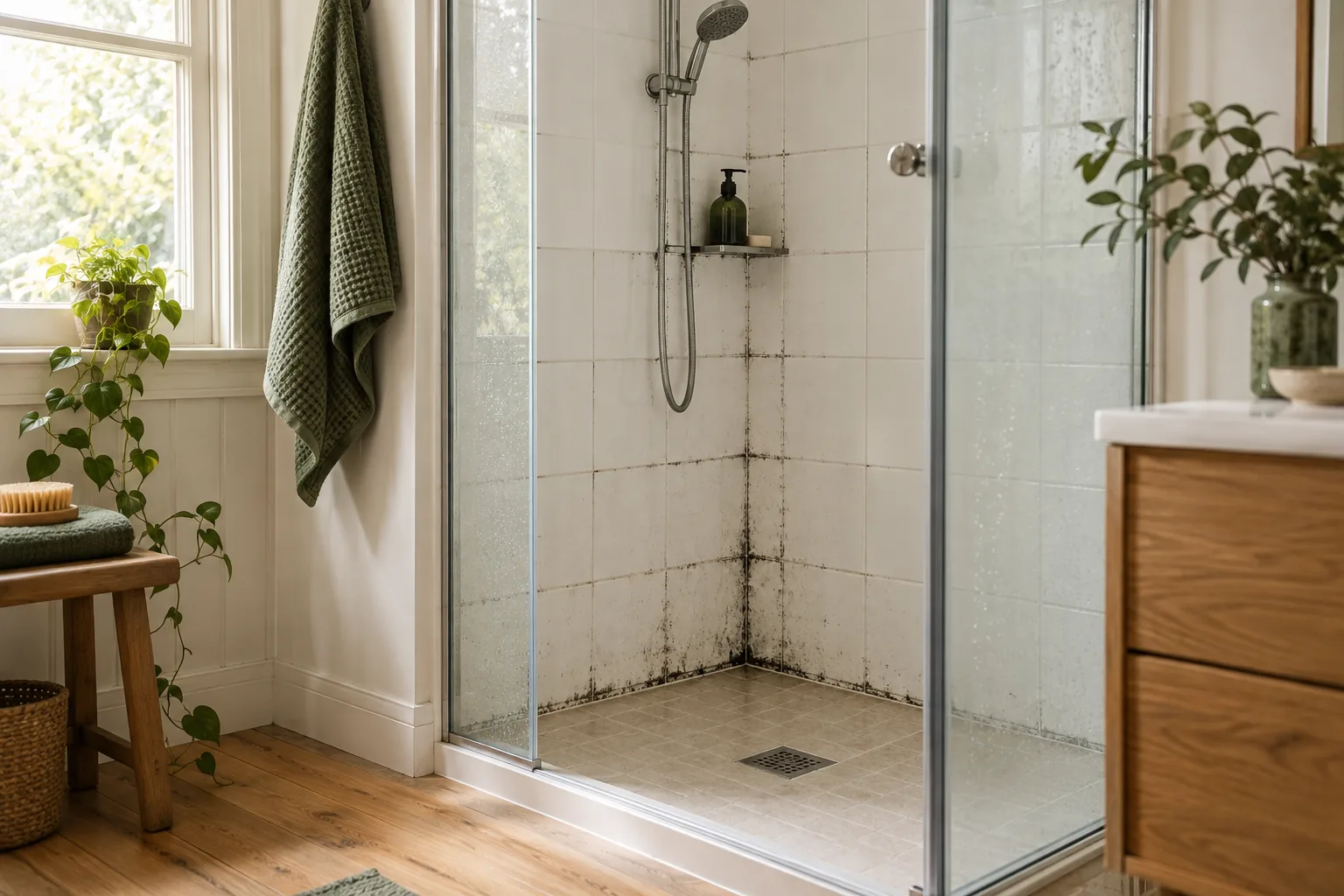
Show structural bathroom observations separately from towels or fabrics. Concealed waterproofing concerns need another scope discussion.

Kitchens
Mention exposed kitchen contamination and plumbing history. Fixed cabinets can obscure areas beyond standard access.
Accessible affected surfaces
Consider an exposed floor within its finish limits. Carpet, furnishings and hidden floor layers are not automatically included.
AFTER TREATMENT
Prepare for the job actually agreed
Discuss clearance and fragile belongings rather than opening materials on assumption. People and pets leave for treatment; confirm specific departure and return instructions. Average guidance is approximately three hours for a room; visible extent and access affect the work, while investigation remains separate. It is not hourly based or an investigation timetable.
Cosmetic marks may remain and decorating is separately quoted. Ask which exposed surfaces were treated and which concealed questions remain. A cleaner appearance cannot certify hidden dryness, and renewed wetting should be recorded before a new lining or finish hides evidence again.
KEEP MOISTURE IN VIEW
Follow the moisture source while wider questions are considered
Give continuing water entry a practical separate response. Visible treatment, investigation and repairs should not be mistaken for one guaranteed solution to every hidden concern.
Record fresh wetting and newly exposed observations.
Maintain suitable extraction during moisture-producing use.
Arrange separate repair of unresolved plumbing or structural defects.
Confirm investigation and treatment cost separately
Describe known access and hidden concerns when checking pricing applicability. The source room table is labelled Mould Removal. No Remediation tariff, destructive investigation, insulation work or clearance testing is established by those figures.
LOWER PLENTY · EXACT ADDRESS & ACCESS
Lower Plenty and nearby premises enquiries
Give the actual address and what is exposed. Nearby pages cannot diagnose concealed conditions or confirm attendance for an unagreed wider investigation.
Yallambie · Montmorency · Viewbank · Watsonia
Questions about remediation
Can standard remediation treat mould inside closed insulation spaces?
That is not promised. Concealed material may require additional investigation or work, separate from visible accessible structural treatment.
Should I cut an opening before requesting the service?
Do not assume destructive access is appropriate or included. Explain the evidence and discuss the required investigation or access scope first.
Does fog application guarantee the inside of a wall is covered?
No. Standard visible accessible limits still apply. Raise the concealed concern separately rather than inferring coverage from the application method.
Can a dry surface certify the cavity behind it?
No. Appearance cannot establish hidden condition. Provide leak history and discuss appropriate further investigation without assuming a dryness certificate.
Is replacing insulation part of physical mould removal?
Replacement is not confirmed within standard treatment. Agree material and building work separately from removal of exposed contamination.
What should I confirm at the end of visible treatment?
Ask which surfaces were included and what concerns remain outside scope. Keep hidden-area and source questions explicit rather than assuming a complete clearance.
Discuss Lower Plenty visible and concealed concerns
Call 03 8652 1296 with exposed surfaces and wetting history. Clarify standard treatment and any separate investigation needs.