
SURFACE TREATMENT · MOISTURE FOLLOW-THROUGH
Mould Remediation Doncaster
If one unit has visible growth while a neighbour reports another concern at your Doncaster address, keep the requested premises separate from adjacent-property assumptions. Distinguish your private surfaces from shared areas and identify the person authorised to arrange this work.
Unit surfaces identified
Shared authority clarified
Neighbour enquiries separate
TREATMENT & FOLLOW-THROUGH
UNDERSTANDING THE AFFECTED ROOM
Treat the unit that is actually requested
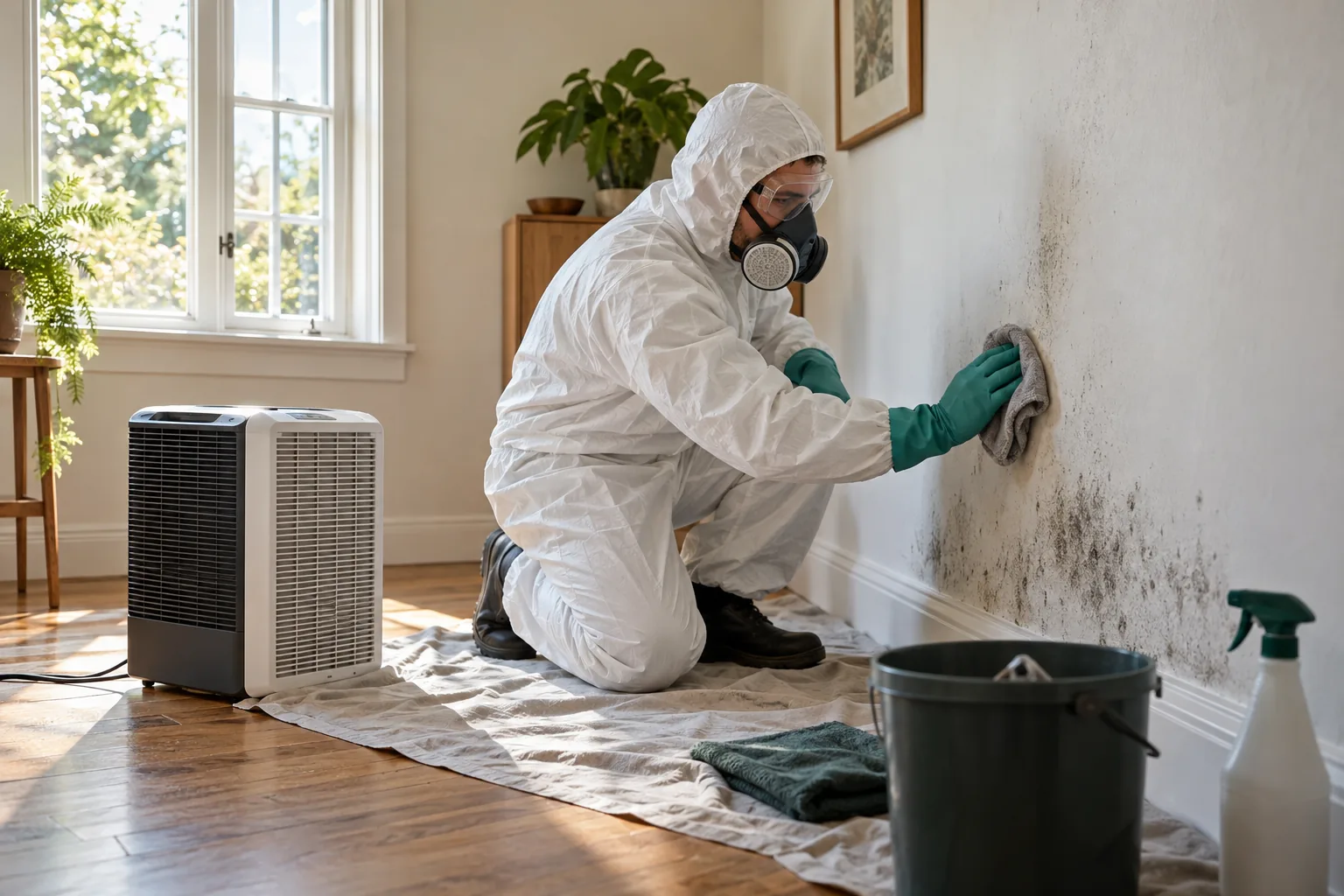
Neighbouring rooms or units may share information without sharing a treatment agreement. Identify the interior you can authorise and its current visible condition. Another occupant’s observation is useful background only when labelled, and should not become an unverified finding about your own surfaces. Review remediation scope before selecting the structural-surface job.
Shared background can support the enquiry while still leaving each interior’s condition unverified. Treat your visible growth as a specific surface request, not an assertion about the neighbour’s room or common system. Professional filtration and removal do not settle shared-space management, identify every water pathway or supply building-wide clearance. Those different questions need their appropriate contacts and expressly agreed work.
MOISTURE & CONTAMINATION
Label water information by premises
A neighbour’s water report may provide context but cannot establish the condition at your premises. Label observations by unit and retain separate repair responsibilities. Discuss inspection for the nominated interior rather than assuming building-wide findings.
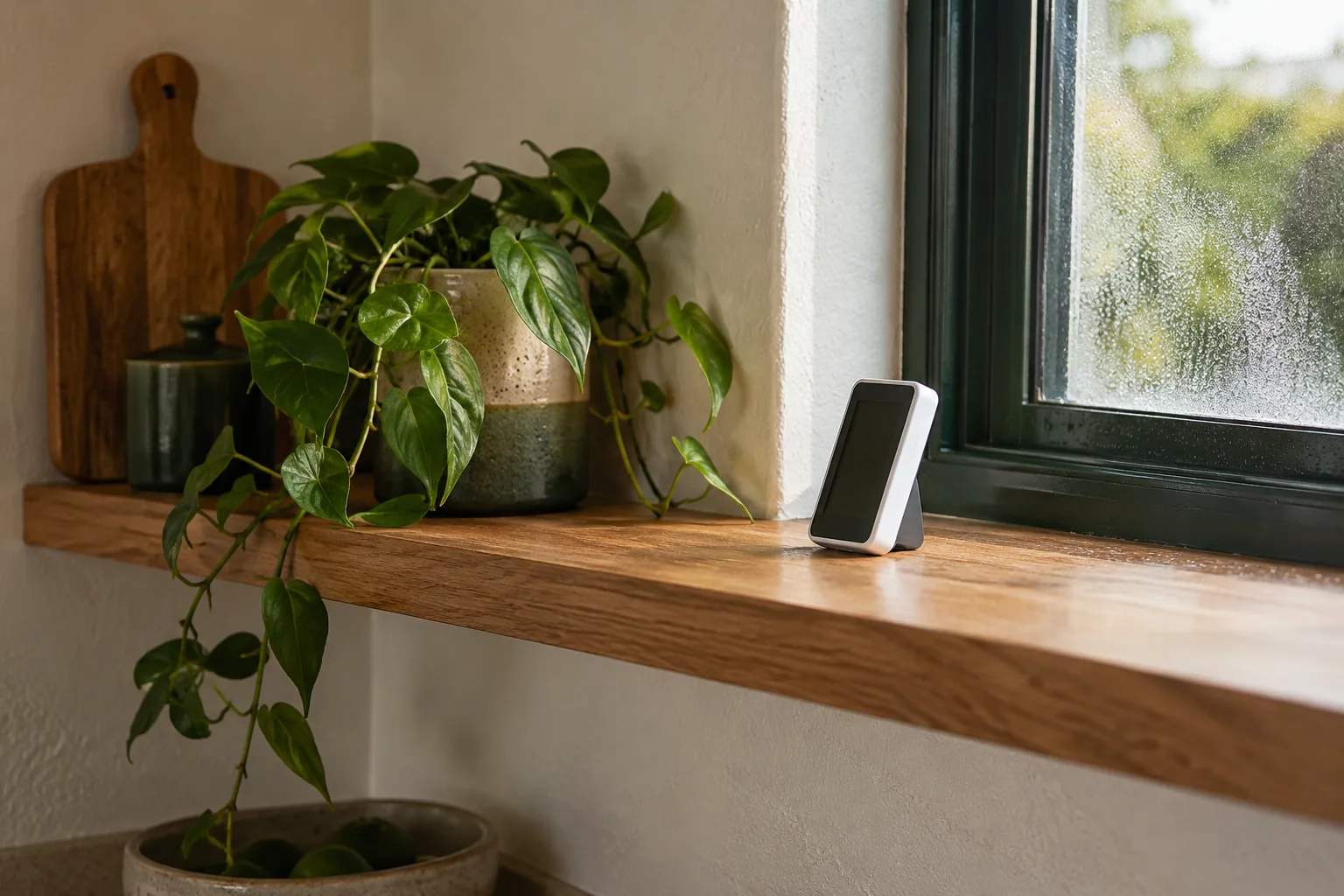
Keep the hygrometer’s relative-humidity reading tied to the room measured; it does not certify material condition in neighbouring units.
A DEFINED TREATMENT SEQUENCE
A bounded sequence inside the unit
1
Assess the accessible scope
Agree the visible surfaces in the nominated unit, keeping neighbour observations and shared-area authority separate from this assessment.
2
Set up HEPA protection
Start HEPA air protection before treatment within the agreed unit work area, rather than presenting it as building-wide filtration certification.

3
Choose suitable application
Use appropriate HOCl application, with ULV dry fog conditional on the actual surfaces and no presumed neighbouring-unit scope.
4
Remove visible contamination
Remove visible contamination with H-class filtered equipment from authorised accessible sections, without extending the work through a shared address.
5
Continue final air cleaning
Continue HEPA air cleaning during and after treatment; explain this property’s return advice and the bounded surface result.
Private and shared finishes distinguished
Walls
Locate the wall inside the authorised unit rather than extending its scope to another tenancy.
Ceilings
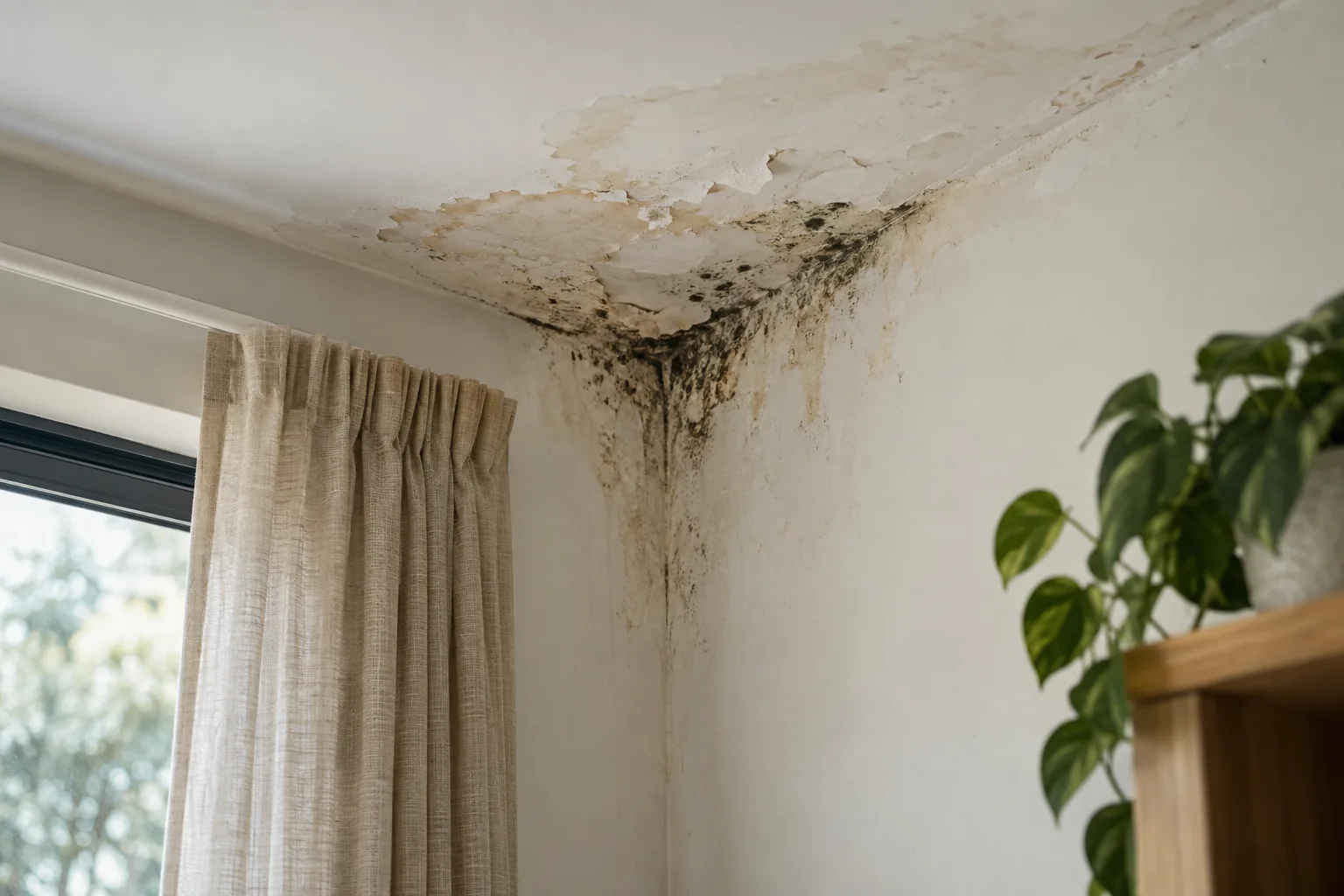
Ceiling observations from neighbouring premises should not be presented as this room’s finish condition.
Bathrooms
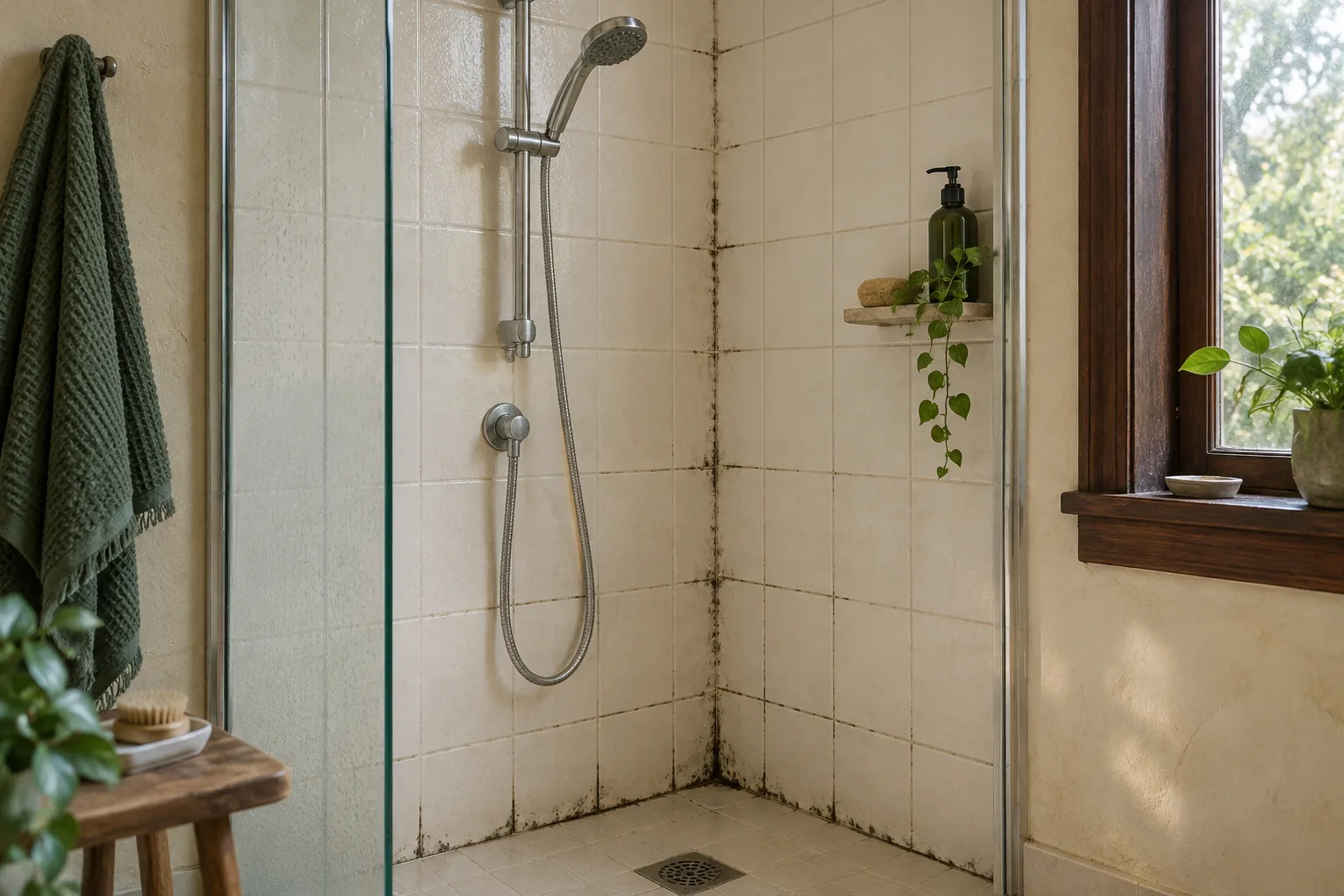
Bathroom work is agreed against the particular unit’s exposed materials and accessible areas.
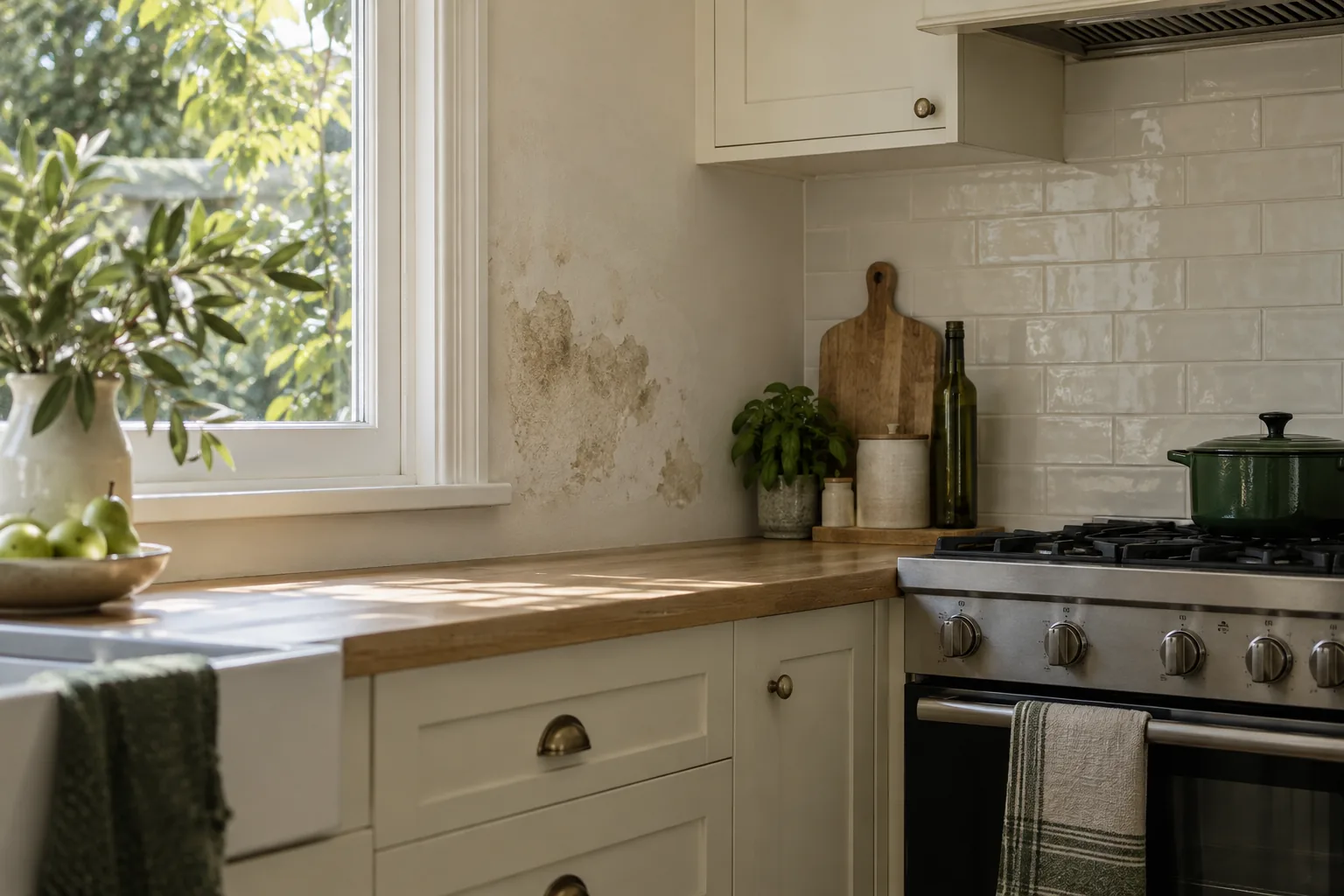
Kitchens
Kitchen surfaces and stored items must remain distinct, even where the building address is shared.
Accessible affected surfaces
Explicitly agree other structural sections; shared ownership does not include hidden layers, furniture or fabrics.
AFTER TREATMENT
Agree authority before unit preparation
Nominate the authorised contact for your unit and distinguish shared-space concerns at the outset. Prepare only the agreed work area, following instructions for departure and return rather than assuming a neighbouring room is covered by the booking. People and pets leave the property during treatment, with the technician specifying arrangements for their return.
The approximate three-hour room average cannot set every unit’s schedule; agree the actual work area and available access before timing is settled. A unit appointment remains a scoped service rather than an hourly rate.
KEEP MOISTURE IN VIEW
Keep neighbouring observations separate
Keep the result tied to your agreed interior rather than interpreting it as a finding about neighbouring premises. A neighbour’s later observation needs its own contact, permission and scope. Report fresh growth or water in your room with dates and known repair information, distinguishing it from shared background or an unchanged cosmetic stain. Moisture corrections may involve the appropriate responsible provider, but remediation does not settle building management or certify shared air. Clear location records support useful follow-up without blaming work performed in one unit for an unassessed condition in another.
Label observations by the actual unit.
Keep neighbouring enquiries and permissions separate.
Pursue relevant shared maintenance through the responsible contact.
The unit scope before cost
Specify the requested unit and any separately authorised shared space before the quote. Confirm price applicability for remediation rather than expecting a private-room amount to cover neighbouring premises.
DONCASTER · EXACT ADDRESS & ACCESS
Nearby enquiries are separate interiors
A Doncaster enquiry should give the unit or room identifier as well as the street address. Nearby pages concern separate premises and cannot confirm their condition or permission.
Questions about remediation
Does treating my unit assess the neighbour’s room?
No. The neighbour’s premises needs its own enquiry, permission and scope; your job does not cover its condition.
Can a neighbour’s leak account establish our cause?
It is background, not confirmation. Report observations at your property separately and label information from elsewhere.
Will one quote include shared corridors?
Only if the authorised shared-space scope is expressly agreed. Private-unit treatment does not automatically include common areas.
Can neighbours stay nearby during application?
Follow the technician’s arrangements for the actual treatment property. Do not invent an occupancy or exposure approval from this page.
Does filtration certify the building’s shared air?
No building-wide air test or clearance is confirmed. Filtration supports the bounded remediation process.
What should be reported if another unit develops growth?
Identify it as a separate interior with its own contact and condition. Do not describe it as a failed result of work performed only in your unit.
Discuss your unit’s visible surfaces
Phone 03 8652 1296 with the Doncaster unit and visible surface. Keep your treatment enquiry distinct from neighbours’ reports and shared-space decisions.