
SURFACE TREATMENT · MOISTURE FOLLOW-THROUGH
Mould Remediation Hoddles Creek
A ceiling or wall may have several dated observations after a water event, without a complete account of when the source was corrected. For your Hoddles Creek enquiry, separate visible changes from confirmed repair information and provide the exact address. Remediation planning should address the current accessible finish rather than promise that a treatment visit settles every gap in the water history.
Current visible changes are identified.
Repair status is stated accurately.
The accessible treatment boundary is agreed.
TREATMENT & FOLLOW-THROUGH
UNDERSTANDING THE AFFECTED ROOM
Use the current finish rather than a complete-story assumption
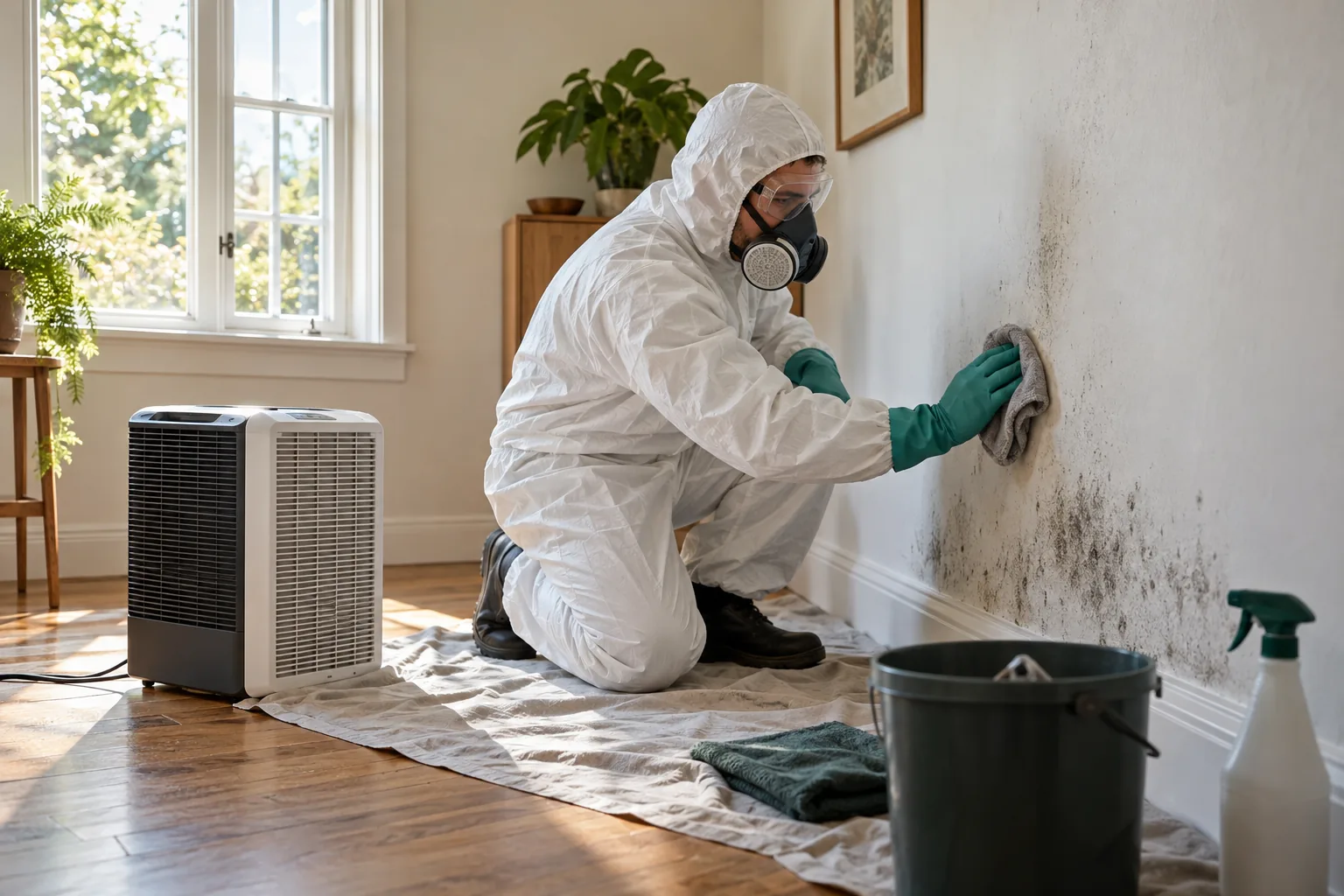
Remediation involves assessment, air protection, suitable application and physical removal of visible contamination. Explain what can be seen now and where earlier images were taken. A sequence of photographs may show change without establishing every covered layer’s condition or whether a reported repair was completed.
The remediation overview sets out supported work. Roof, plumbing and structural repairs are separate arrangements, as are painting and textile concerns. The visible treatment scope should not become a promise to open linings or certify another provider’s repair.
MOISTURE & CONTAMINATION
Dates do not establish concealed dryness
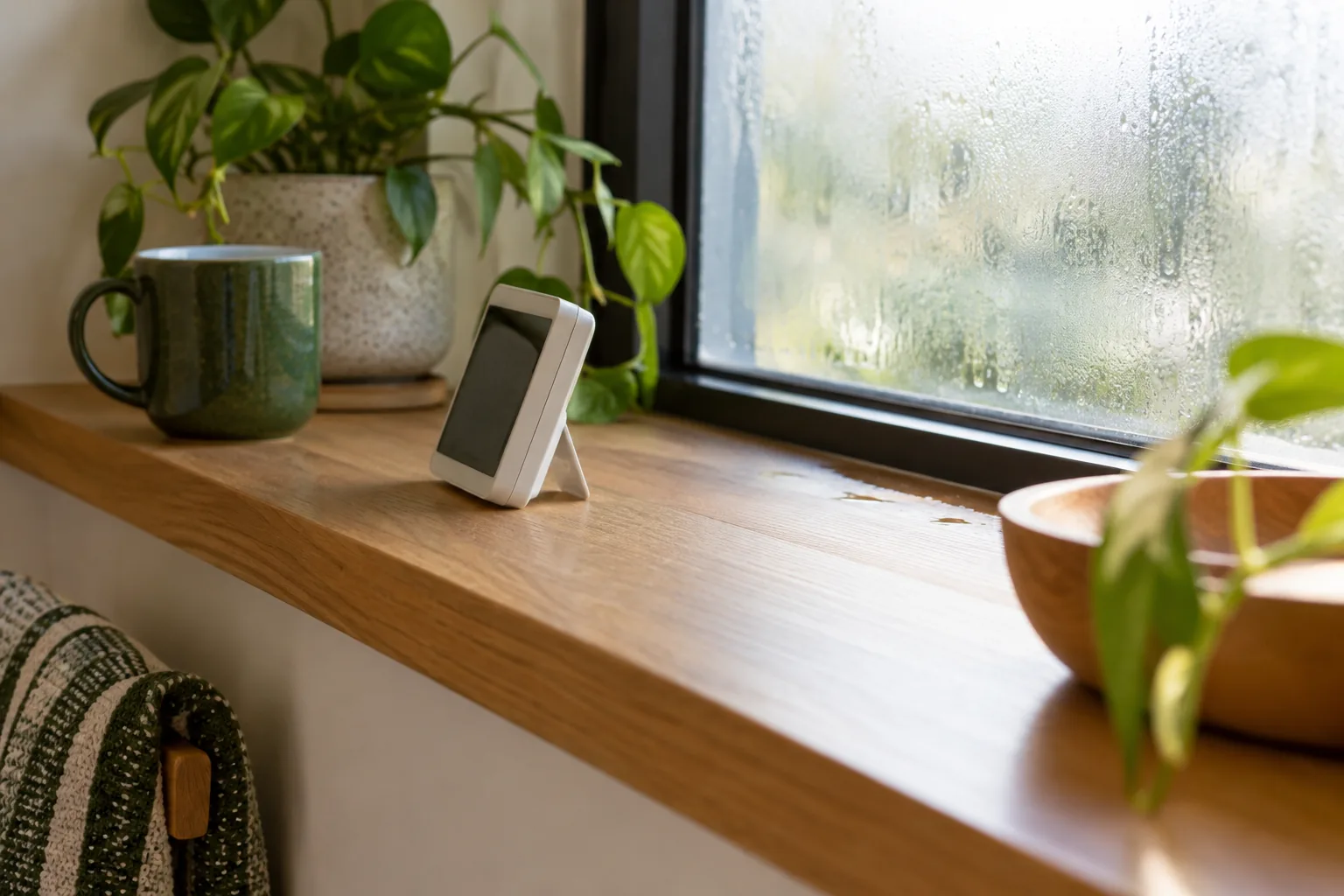
Distinguish the water event, the repair date and the date of a new mark. The professional hygrometer provides room-air relative-humidity information; it does not prove that materials behind a finish have dried, or establish a leak route from the timing of a photograph.
Continuing water entry or a ventilation problem needs separate correction and can contribute to recurrence after treatment. Discuss inspection of accessible condition where the present surface request first needs clarification, without expecting material probes or laboratory testing to fill undocumented historical gaps.
A DEFINED TREATMENT SEQUENCE
Supported work on the presently available area
1
Agree the accessible scope
Assess the current exposed finish and known repair history, agreeing suitable checks, access exclusions and treatment limits.
2
Begin air protection
Start confirmed HEPA air-scrubber protection before application within the prepared room and available working clearance.

3
Choose the treatment application
Use appropriate HOCl treatment, including ULV dry fog where suitable rather than promising coverage behind water-damaged linings.
4
Remove visible growth
Remove visible mould with professional H-class filtered equipment on agreed accessible surfaces, keeping building repairs separate.
5
Continue final air cleaning
Continue HEPA air cleaning during and after work, discussing residual staining, moisture follow-through and specific return instructions.
Locate each affected material
Walls
Walls need their current exposed condition described independently of photographs showing earlier stains.
Ceilings
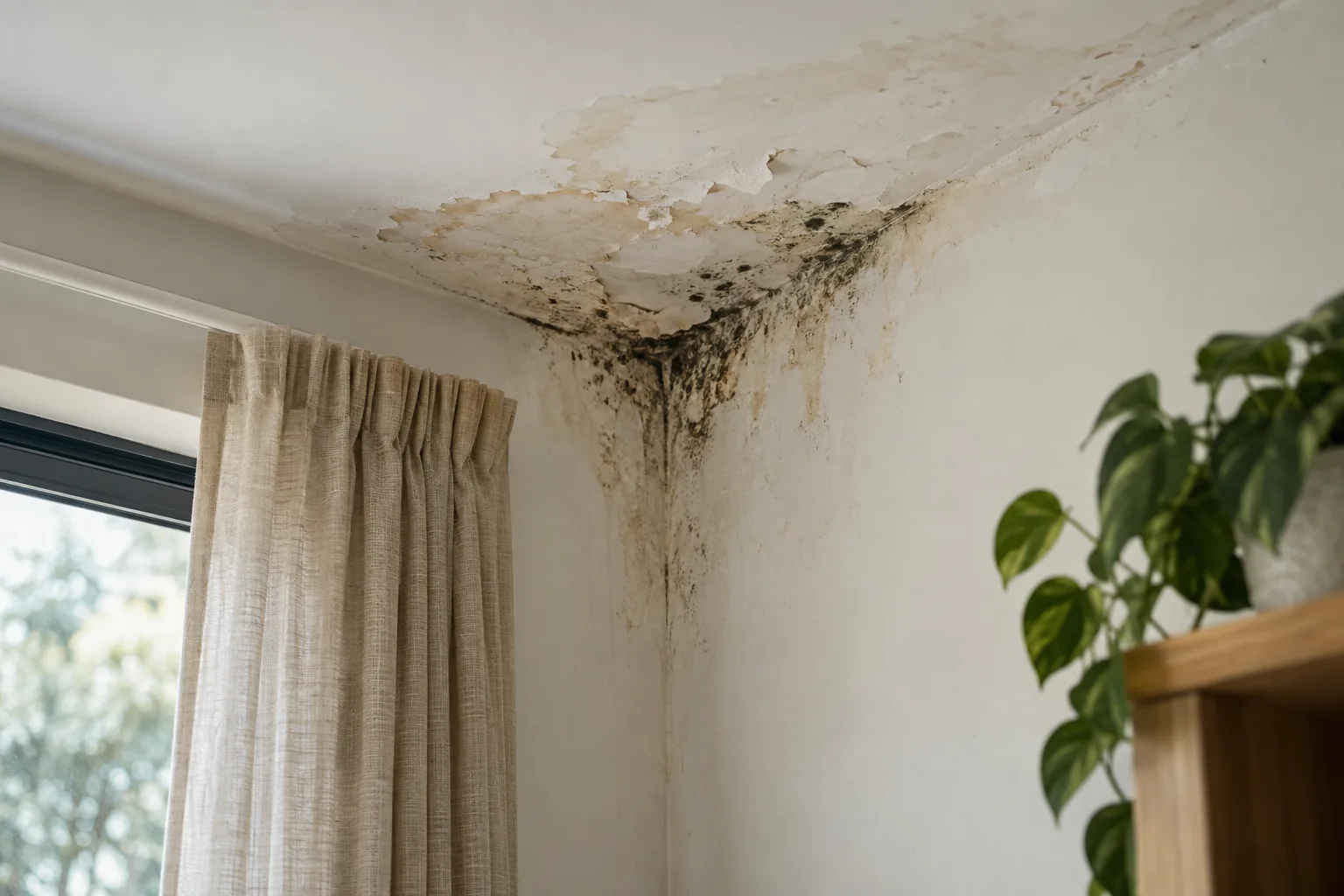
Ceilings require safe access and any sagging, loosened paint or unavailable section disclosed beforehand.
Bathrooms
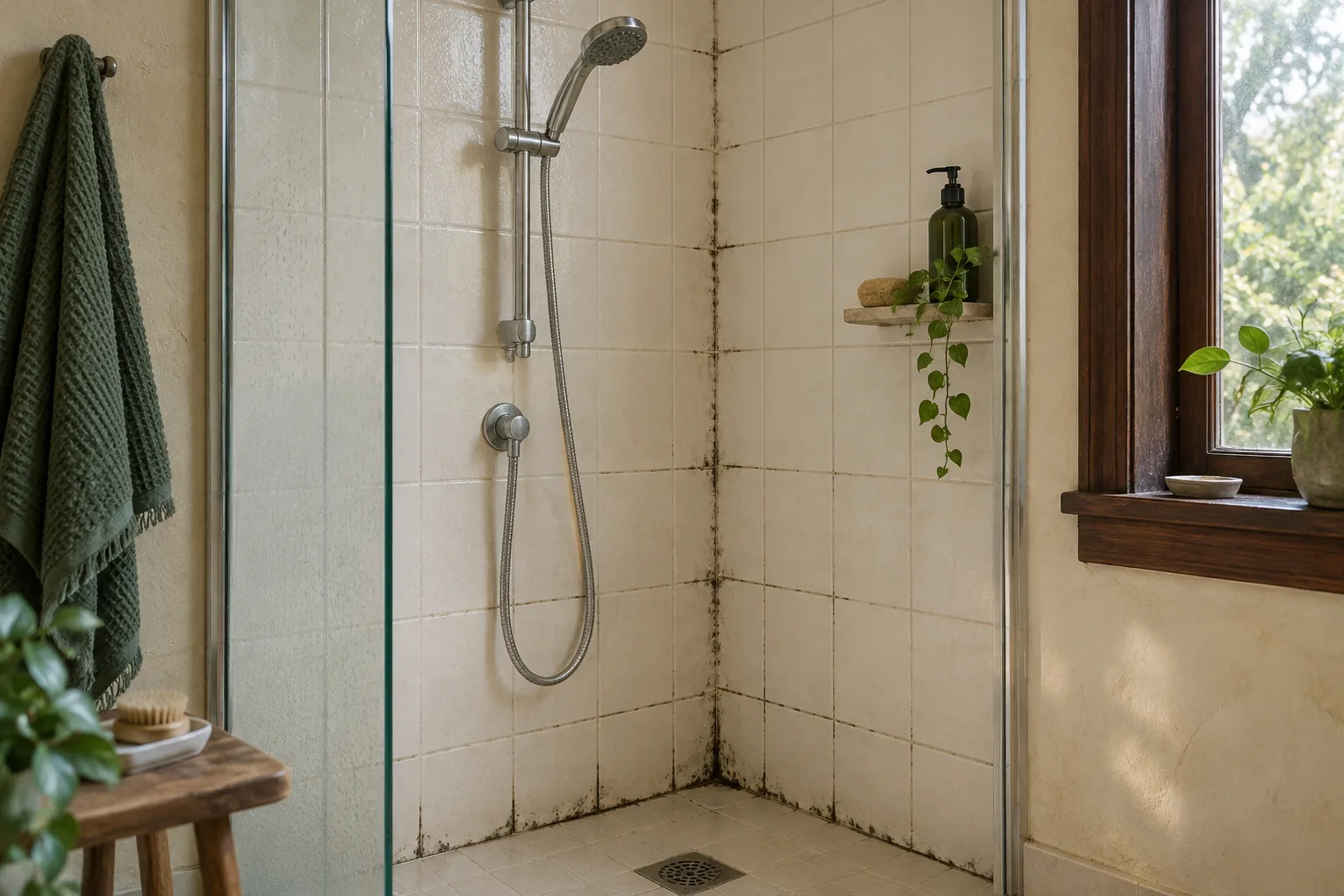
Bathroom paint and joints should be considered as separate materials rather than one water-event label.
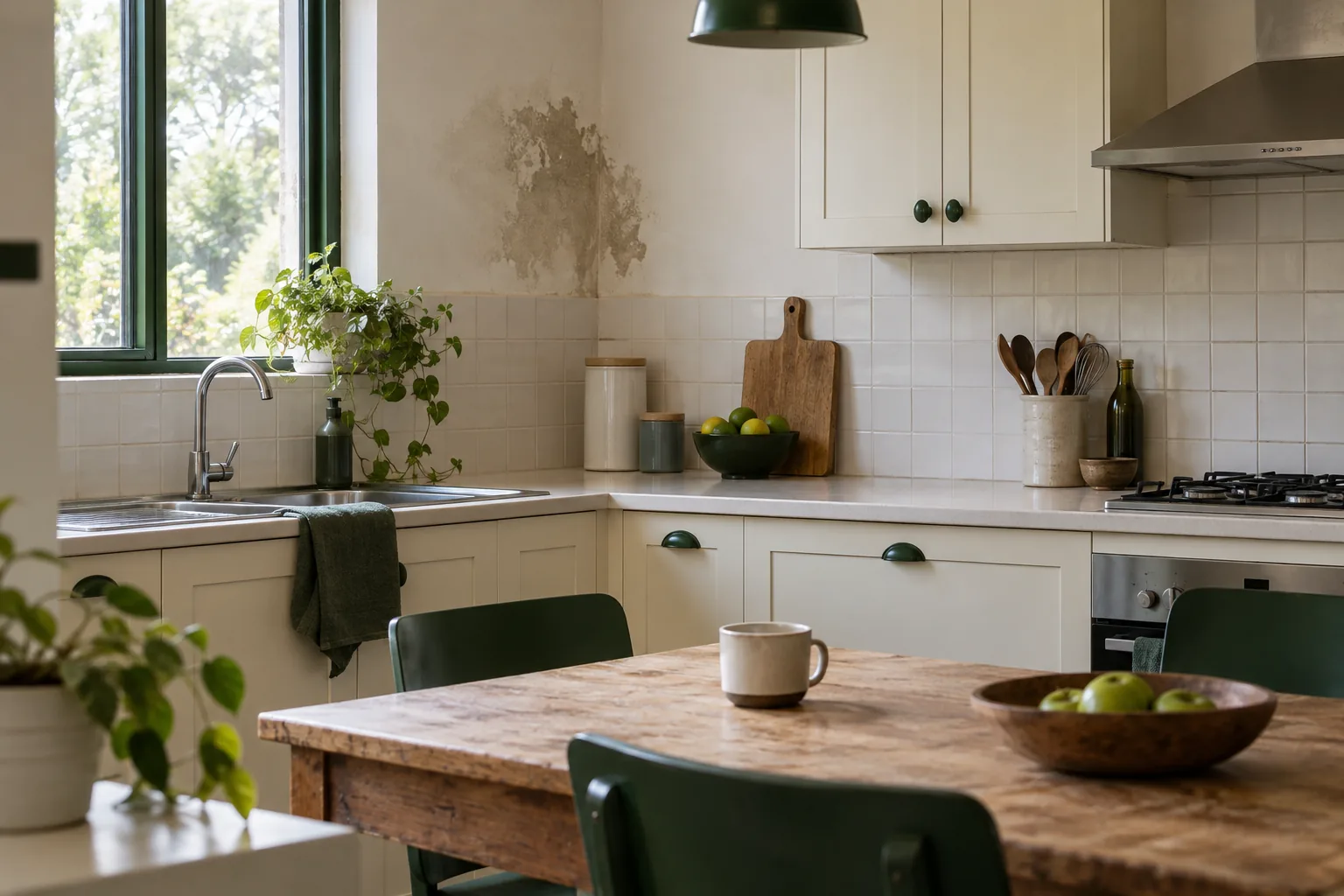
Kitchens
Kitchen surface work relates to accessible exposed finishes, with cupboard interiors and contents outside assumed coverage.
Accessible affected surfaces
Other affected visible walls, hard floors or ceilings may be agreed, while insulation, concealed layers and textiles remain excluded.
AFTER TREATMENT
Prepare after the room’s current condition is discussed
Describe current damage before arranging preparation; do not scrape or open a lining merely to create access. People and pets leave during treatment. Approximate average guidance is three hours per room, varying with area, contamination and accessibility; it does not establish how long hidden materials need to dry or a confirmed return time.
Cosmetic water staining may remain and decorating requires separate scope. Confirm the technician’s particular return instructions rather than relying on the event’s age or apparent surface dryness. No repair certificate, hidden-layer clearance or guarantee against future recurrence is promised by treatment of the accessible finish.
KEEP MOISTURE IN VIEW
Keep the next observation dated and specific
Retain the dates of actual water observations and separately confirmed repairs.
Note a fresh change on the specific treated finish.
Pursue an unresolved source through the appropriate provider.
Keep old cosmetic staining distinct from newly spreading growth or renewed water.
Quote for current surface work
For the quote, identify the present exposed area and clearly state whether source repairs are completed or pending. The price examples concern Mould Removal, so confirm remediation applicability. Hidden drying work, roof repairs and decorating should not be inferred from a room amount or the dates in the enquiry.
HODDLES CREEK · EXACT ADDRESS & ACCESS
Enquiries for nearby addresses
Give the full Hoddles Creek address and identify the affected interior and authorised entry contact. If access depends on repair work, explain its current status before proposing attendance. Nearby navigation concerns separate premises; this property’s availability and accessible surface scope need confirmation directly.
Questions about remediation
Does the time since a leak prove the lining is dry?
No. Elapsed time and surface appearance do not certify concealed material condition. Explain current observations and confirmed repair information separately.
Will treatment establish the missing repair date?
No historical reconstruction is promised. State what is known and unknown rather than using the remediation appointment to invent a complete repair account.
Can old photographs prove the present treatment extent?
Not on their own. Identify current exposed finishes and access, explaining changes since each image was taken.
Is opening a water-damaged ceiling included?
No standard destructive access is promised. Describe damage and arrange necessary building or access work separately from visible treatment.
Will every water stain disappear after the job?
No complete cosmetic result is guaranteed. Residual staining or damaged paint may need separate decorating after the contamination work.
What should a follow-up water report include?
Locate the fresh water or visible change and note its date. Keep it separate from older staining and describe any repair status accurately.
Discuss the visible concern after the water event
Call 03 8652 1296 with the exact premises, current exposed finish and known water-repair dates. Agree the visible treatment and preparation before attendance.