
SURFACE TREATMENT · MOISTURE FOLLOW-THROUGH
Mould Remediation Chelsea
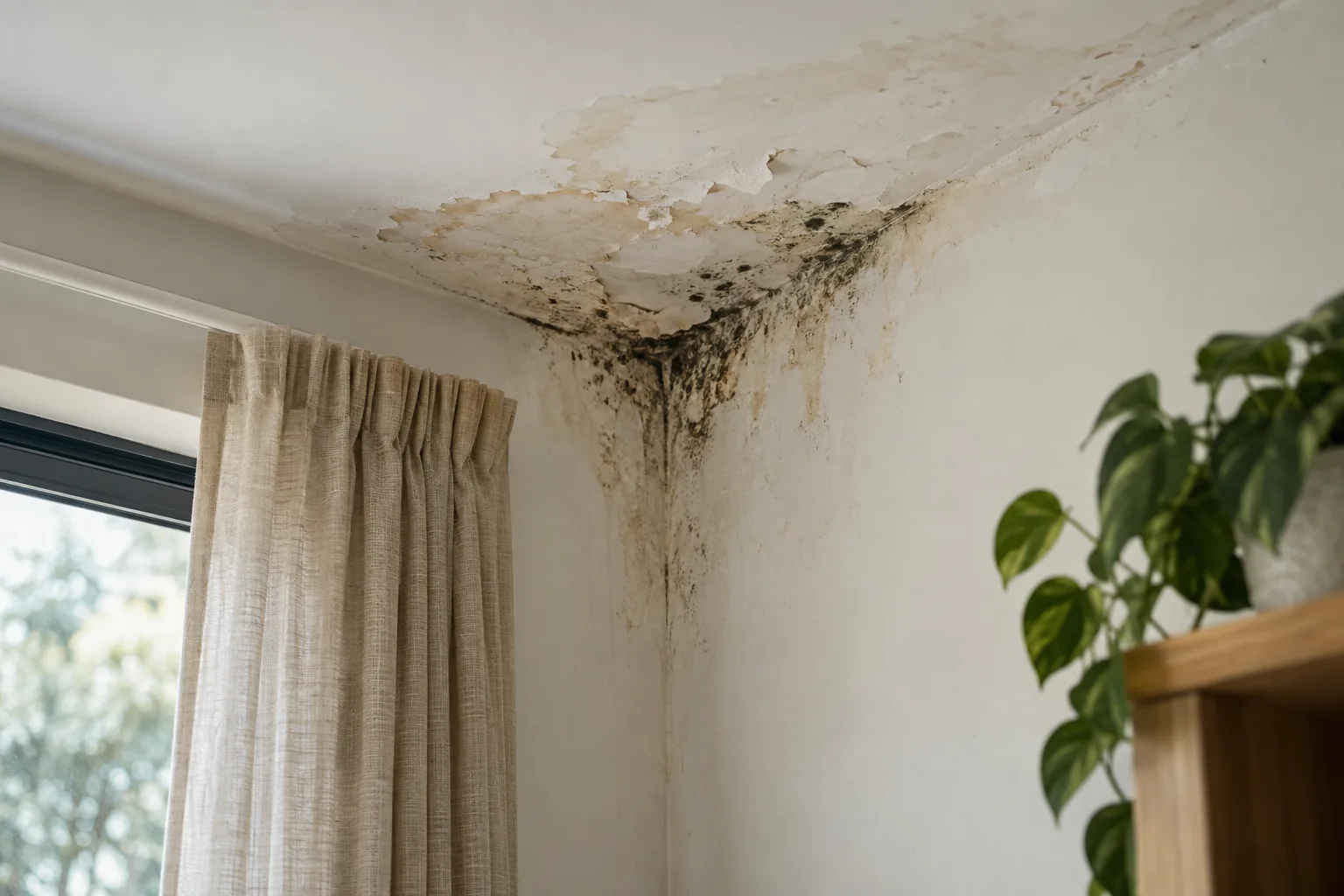
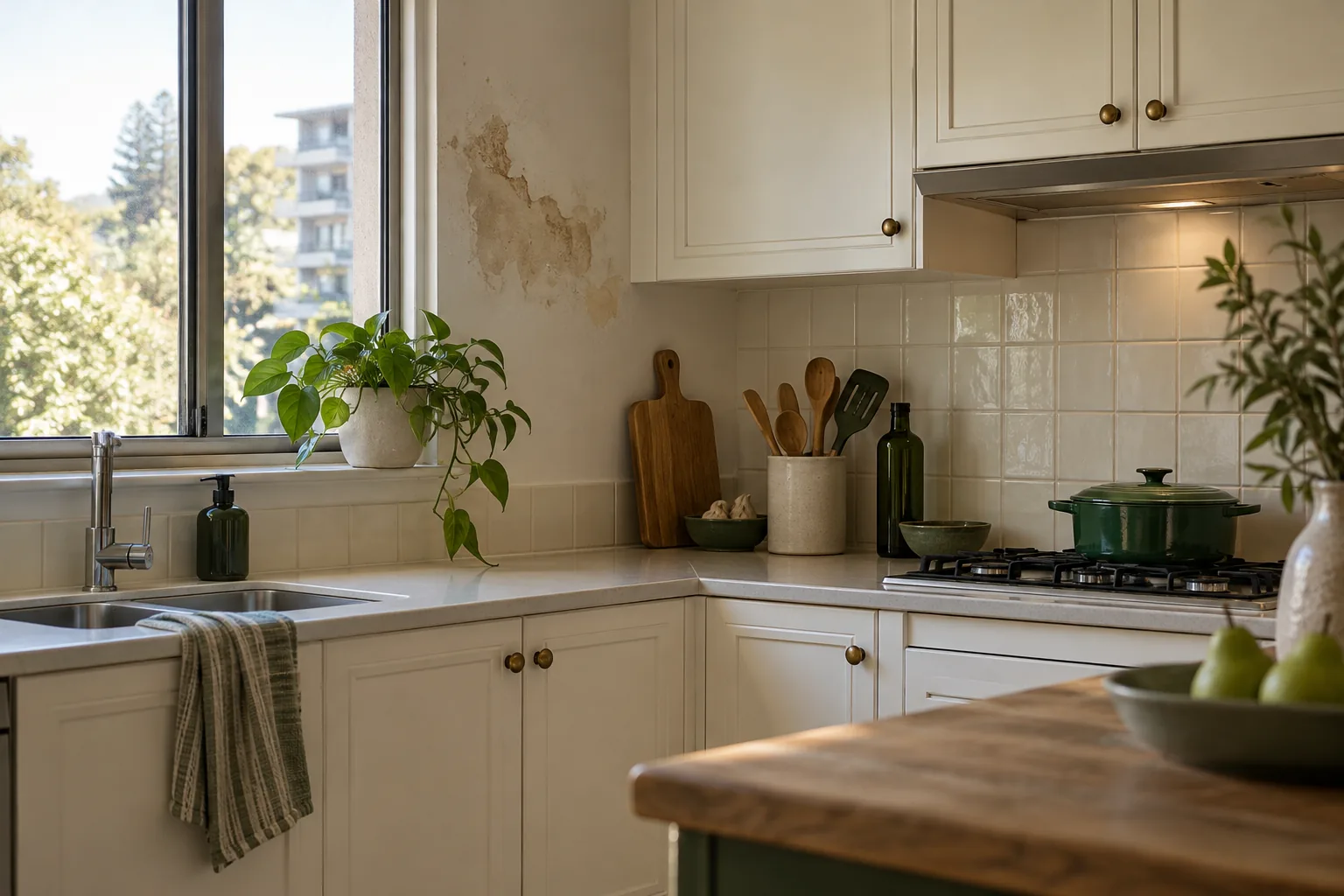
A newly visible patch can overlap an older water stain without making every discoloured area a fresh observation. For a Chelsea enquiry, locate what changed and say when you noticed it. Explain the current accessible finish and known water history so remediation scope is not based on treating all colour variation as the same event.
New observations are located precisely.
Older marks remain clearly identified.
Current treatment scope is discussed.
TREATMENT & FOLLOW-THROUGH
UNDERSTANDING REMEDIATION
Define the change against the older mark
Describe the genuine new change and first reliable observation. Supply earlier images or repair details if available without inventing a growth timeline. A stain boundary cannot prove species, concealed extent or the current treatment area.
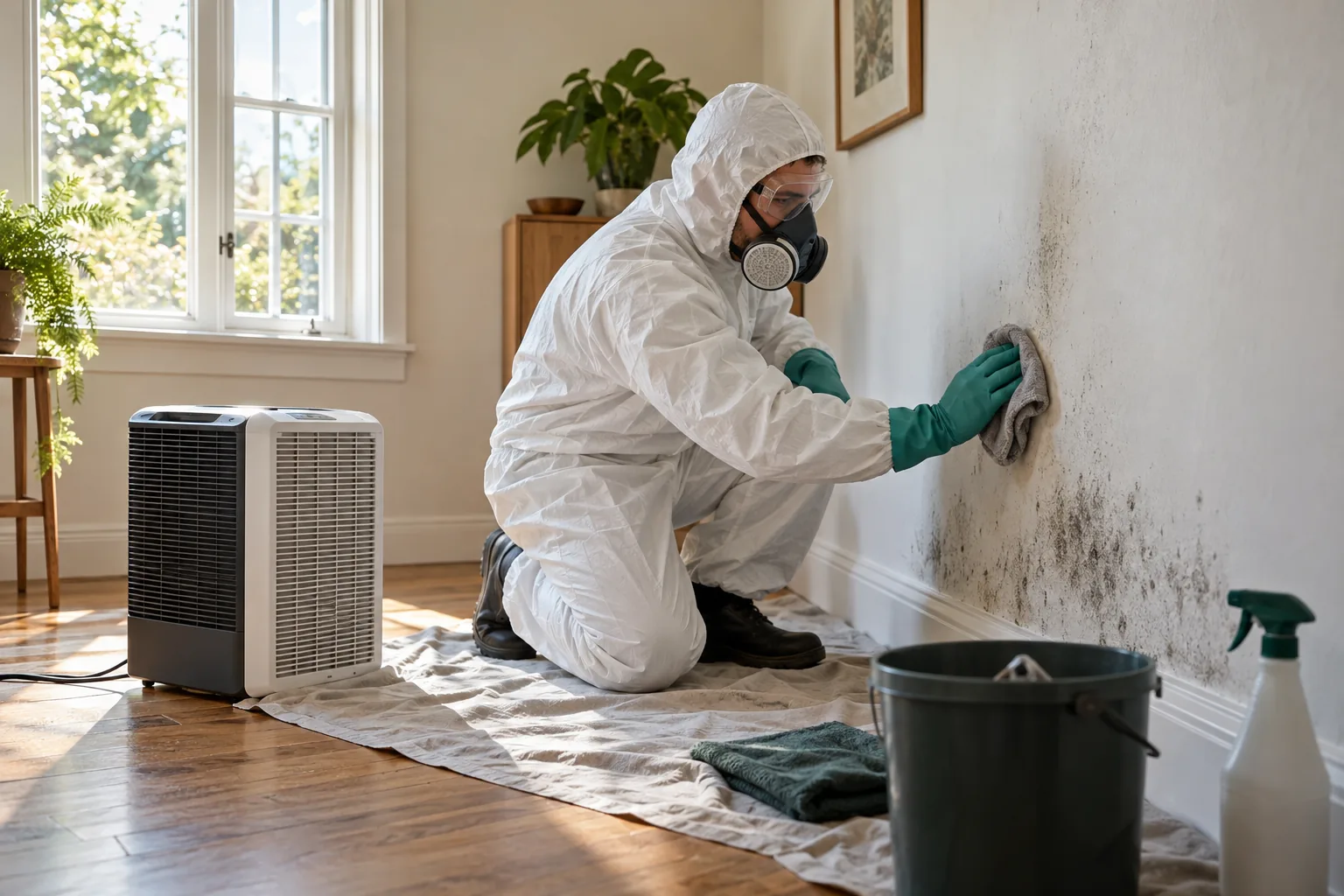
The remediation process combines assessment, filtration, suitable application and physical removal of visible accessible structural mould. Furniture and textiles remain excluded. Hidden investigation, source repairs and decorating need separate arrangements, and an old water mark does not create a guarantee that all residual colour will disappear.
THE MOISTURE CONNECTION
Use the water timeline without pretending it is complete
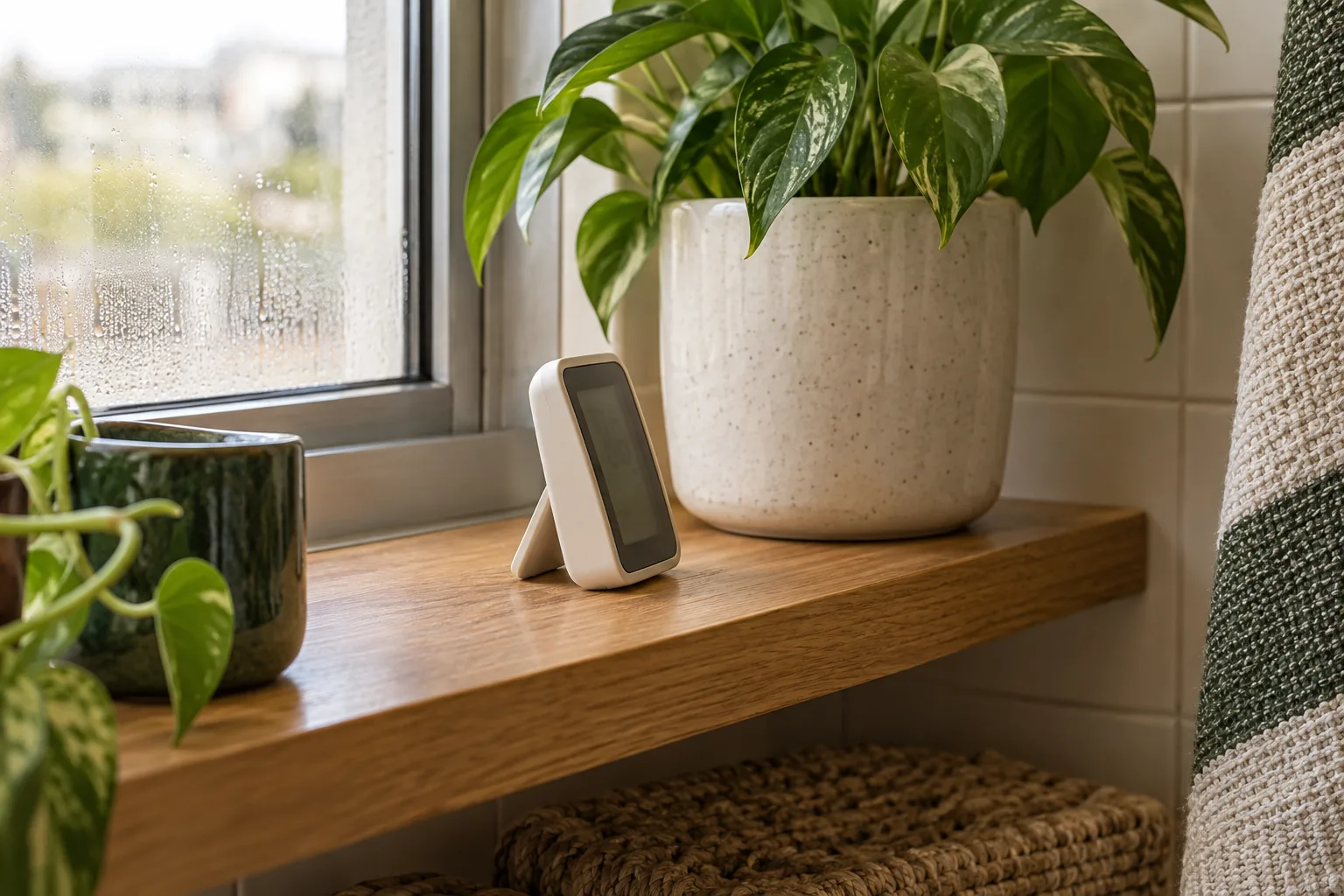
Distinguish the older leak or wetting event from any recent water directly observed. Say whether repairs are confirmed, planned or unknown. The professional hygrometer provides room-air relative humidity; it does not date a stain, measure concealed lining moisture or certify that a previous repair solved every source.
An accessible-condition enquiry can clarify an uncertain visible request before treatment. Arrange known leak and ventilation faults separately. Persistent dampness may permit recurrence, so report current wetting even when it crosses an older mark instead of assume the history makes fresh observations irrelevant.
PLAN · FILTER · TREAT · REMOVE · CONTINUE
Address the assessed current contamination
1
Assess the exposed current condition
Identify materials, visible growth and working reach, distinguishing reliable new observations from the older cosmetic boundary.
2
Establish HEPA protection first
Set up the confirmed HEPA air scrubber before treatment starts, arranging access and clearance for the accepted room scope.

3
Choose suitable HOCl methods
Apply HOCl appropriately; ULV dry fog is used in most cases where suitable, without promising to erase every historic water stain.
4
Physically remove included mould
Use professional H-class filtered equipment on agreed accessible contamination, separate from source repairs or rebuilding deteriorated finishes.
5
Continue final air filtration
HEPA cleaning runs during and after treatment, with technician return advice and clear discussion of cosmetic marks that may remain.
Keep marks and materials individually described
Walls
Locate current wall growth within or beside old staining, with coatings and available access stated clearly.
Ceilings
Describe overhead changes safely and separate recent water from earlier marks, without opening lining as preparation.
Bathrooms
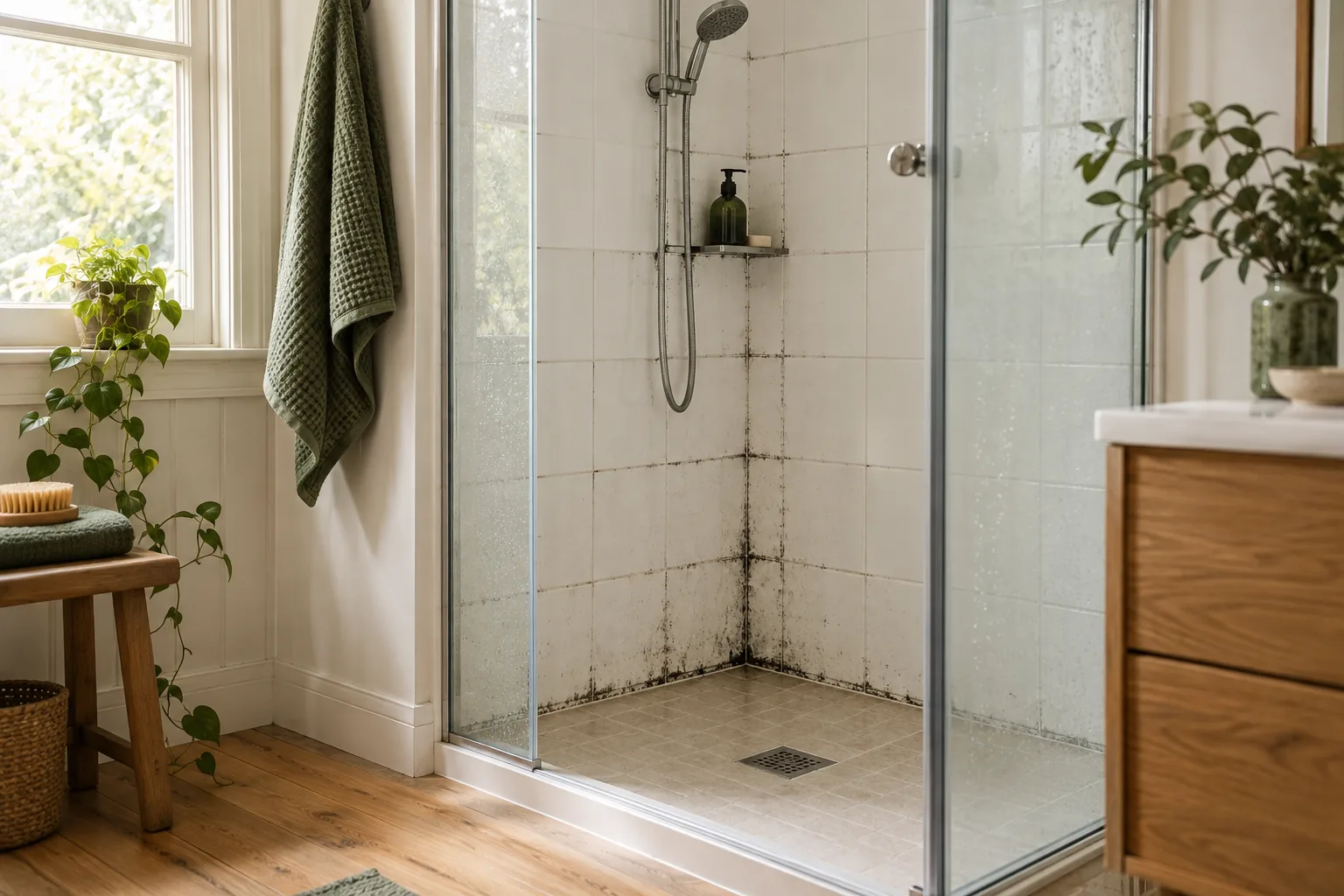
Identify paint or joint concerns and actual water observations, keeping textile items and seal repair outside standard scope.
Kitchens
Describe accessible kitchen patches separately from cabinet contents or plumbing faults that need another response.
Accessible affected surfaces
An affected exposed hard floor needs explicit agreement; carpet and concealed layers cannot be included through an old stain description.
WHAT TO EXPECT
Prepare without hiding the current observation
Discuss previous applications and fragile finishes before clearance. Do not paint over the patch merely to make the room ready. People and pets leave the property during treatment, with actual return advice obtained from the technician. Approximately three hours per room is average guidance, varying with size, contamination and accessibility rather than a fixed interval for the stain’s age.
The service is not charged hourly. Cosmetic discolouration may remain and decorating requires a separate quote. Ask which surfaces were treated instead of judge completion only against the old stain outline. No laboratory dating, hidden-material certificate or guarantee of a uniformly renewed finish is confirmed.
FOLLOW THE MOISTURE
Make later observations useful
A consistent description helps separate residual colour from an actual new concern, while known source repairs still need follow-through.
Record dates and positions of fresh water or visible growth.
Maintain suitable extraction and arrange repair of unresolved leaks.
Keep unchanged older marks qualified when explaining a later change to the contact.
Quote the current request rather than the stain’s history
Describe visible extent and previous work when checking the room price examples. They concern Mould Removal, not a separately confirmed Remediation tariff. Clarify applicability to the assessed surfaces without assuming historic staining establishes a repeat discount, laboratory investigation or complete decorative restoration.
CHELSEA · EXACT ADDRESS & ACCESS
Confirm the Chelsea interior and history available
Give the premises address and contact who knows the reliable repair details. Nearby service links concern separate enquiries rather than establish the source or age of these marks.
Questions about remediation
Does a new patch make the whole old stain fresh mould?
Not automatically. Locate the actual changed area and describe current visible condition instead of assigning one label to all discolouration.
Can a hygrometer tell when the old water stain formed?
No. It informs room-air relative humidity, not the age of a stain or a concealed material history.
Should I invent an approximate starting date for the new growth?
No. Give the first reliable observation and acknowledge the unknown period rather than present a guessed date as established.
Will treatment remove the full older stain outline?
No complete cosmetic result is promised. Residual marks may remain, with decorating or damaged-material repair separately arranged.
Can the previous leak repair be assumed to cover new water?
Not from an earlier repair alone. Report current wetting and confirmed findings so the continuing-source concern is addressed separately.
How should overlapping colour changes be described afterwards?
Identify the surface, date and actual new growth or water. Distinguish those observations from older unchanged discolouration and photographic differences.
Discuss Chelsea changes with a clear timeline
Call 03 8652 1296 with the present patch, older mark and reliable repair history. Agree accessible treatment and appearance limits.