
SURFACE TREATMENT · MOISTURE FOLLOW-THROUGH
Mould Remediation Patterson Lakes
A garage enquiry should distinguish the building finish from everything stored beside it. For a Patterson Lakes address, describe the exposed wall, ceiling or hard floor and the available working space. The room label does not establish contents cleaning, a specialist operational service or automatic suitability for every surface; confirm the actual request before organising preparation.
Structural finishes are identified separately.
Stored belongings remain outside assumptions.
Suitability and access are confirmed directly.
TREATMENT & FOLLOW-THROUGH
UNDERSTANDING REMEDIATION
Describe the interior rather than a general storage task
Identify the visible marks, materials and fixed or movable obstacles. Explain the room’s use where relevant without claiming a specialist contract or assigning all contents the same condition. If a face is hidden behind storage, acknowledge that limit. Clearing an object for access does not itself make the object part of treatment.
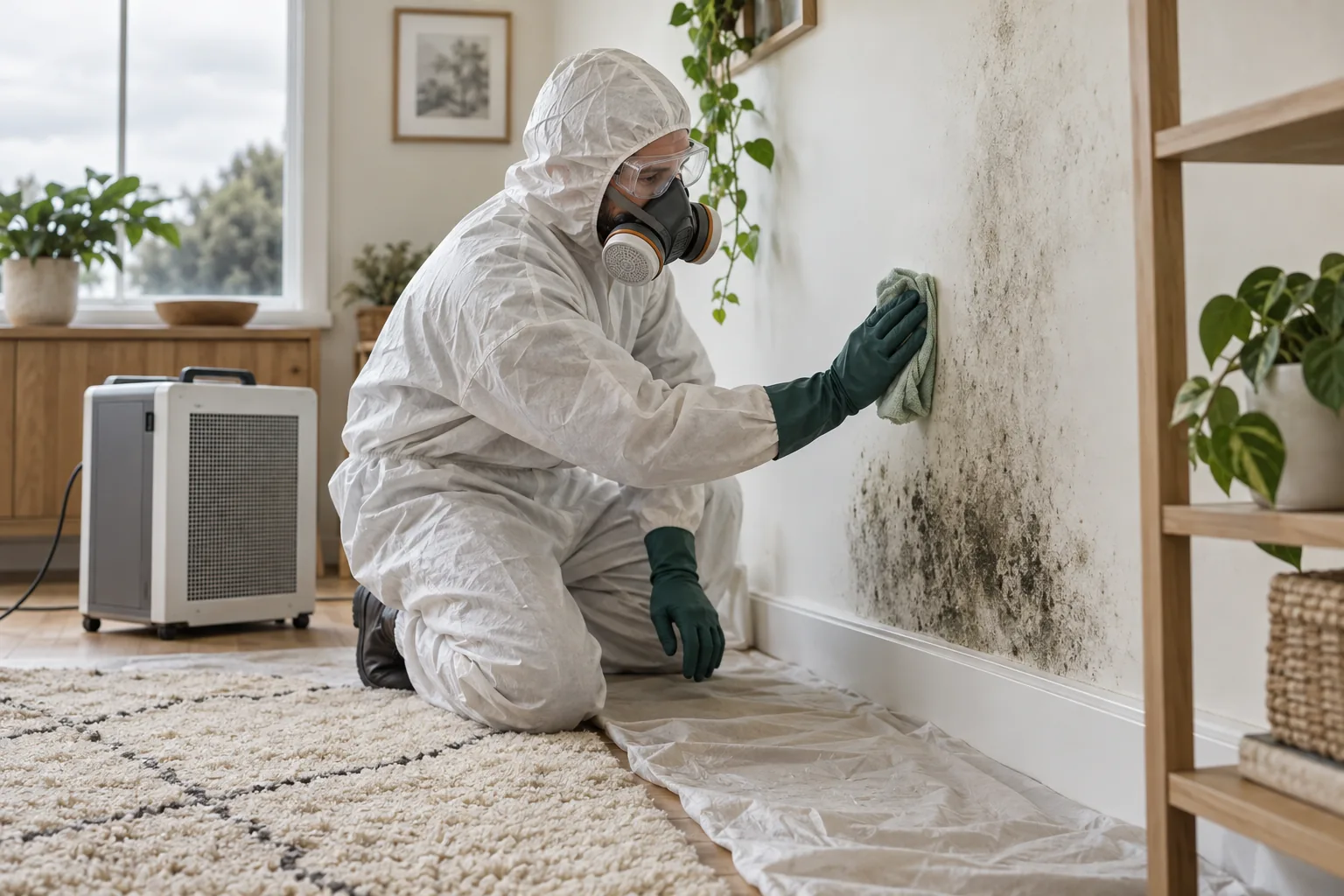
The supported remediation process combines assessment, filtration, appropriate application and physical removal of visible accessible structural growth. Furniture and textiles are excluded, with goods restoration, hidden investigation, source repairs and decorating separately arranged. The suitability of the nominated interior and finishes needs discussion rather than a blanket garage-package assumption.
THE MOISTURE CONNECTION
Use observations from the actual garage room
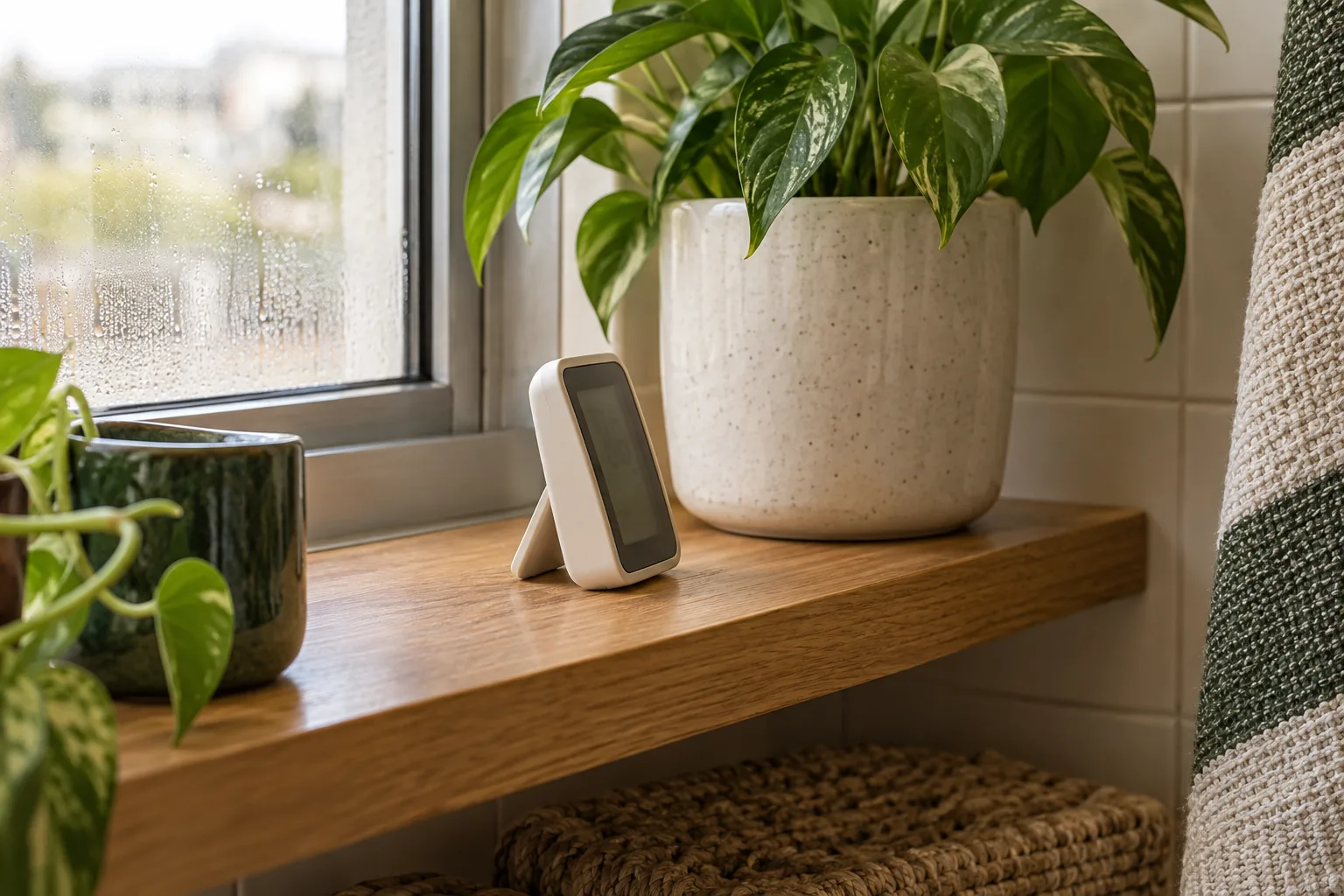
Report water, condensation and known repair findings at the exposed finish. A wet stored object does not establish the condition of every building layer. The professional hygrometer supplies relative humidity in room air, not moisture inside possessions, behind lining or beneath flooring, and no complete dryness certificate is promised.
An accessible-condition enquiry may clarify an uncertain visible request. Arrange continuing leaks and ventilation faults through appropriate separate maintenance. Persistent dampness can support recurrence after treatment, so identify actual source work instead of expect moving storage or applying treatment to resolve all room conditions.
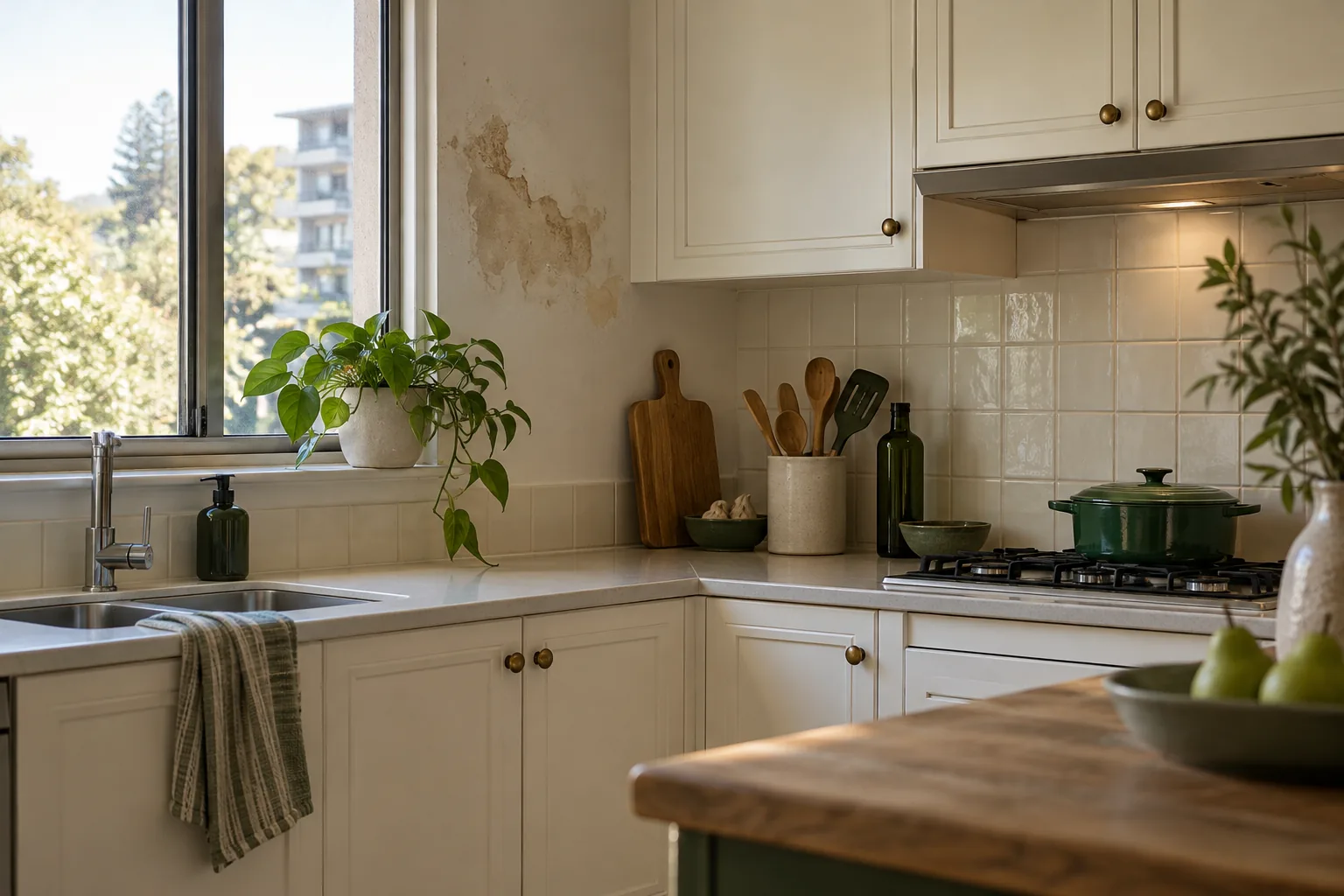
PLAN · FILTER · TREAT · REMOVE · CONTINUE
Follow the confirmed work within suitable structural scope
1
Assess exposed growth and access
Identify materials, visible contamination and workable clearance, confirming suitability and distinguishing structural finishes from stored contents.
2
Establish HEPA air protection
Set up the confirmed HEPA air scrubber before treatment, with equipment access agreed for the nominated interior.

3
Apply appropriate HOCl treatment
Use HOCl on assessed suitable surfaces; ULV dry fog is used in most cases where appropriate, without automatically treating every stored item.
4
Physically remove visible mould
Professional H-class filtered equipment removes contamination within accepted structural reach, separate from contents care or damaged-material replacement.
5
Continue final HEPA operation
HEPA air cleaning remains active during and after work; obtain technician return advice and clarify remaining moisture or finish tasks.
Keep each surface distinct from nearby possessions
Walls
Identify exposed wall marks and available clearance, with storage or fixed features limiting scope where present.
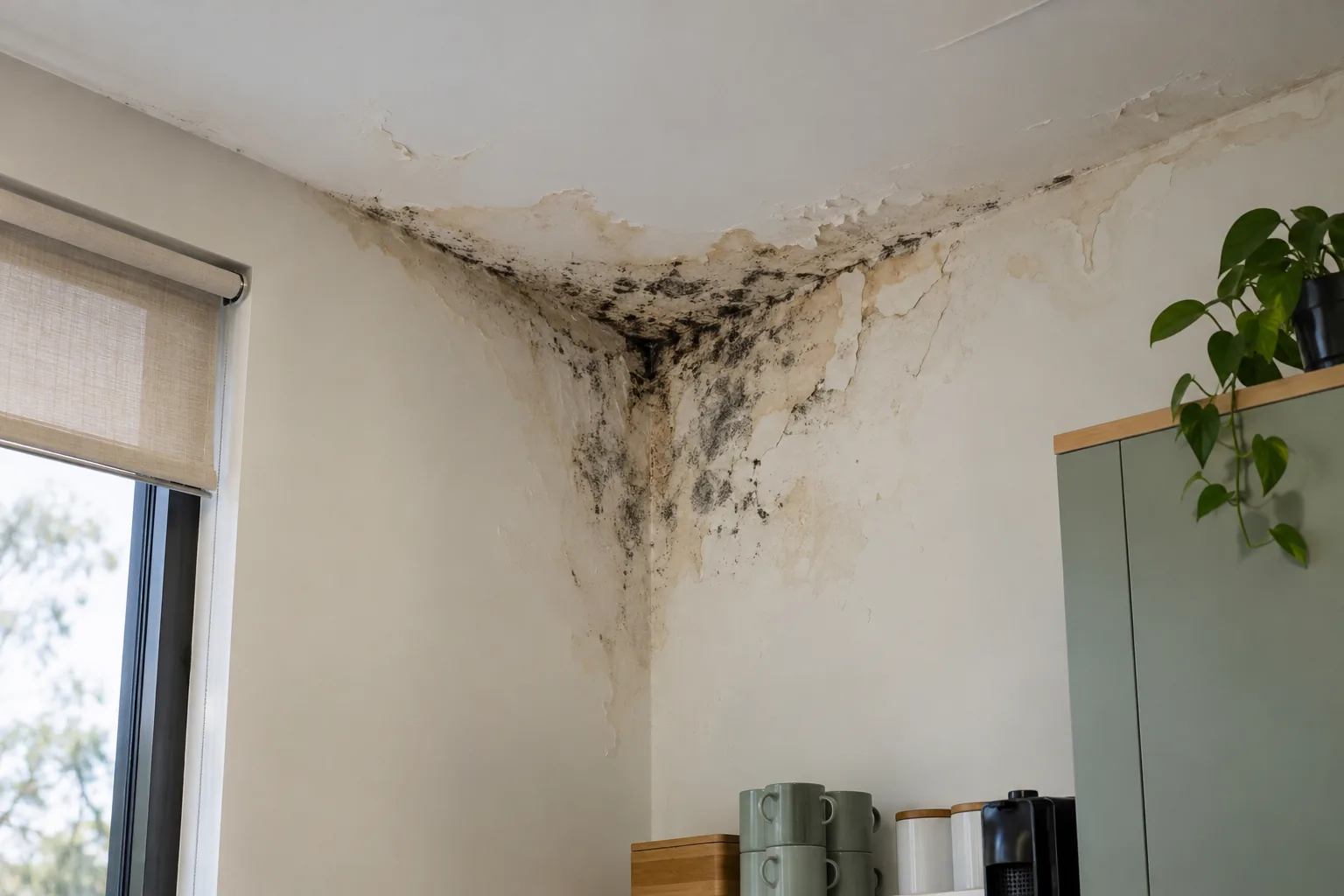
Ceilings
Describe overhead growth safely and known wetting, separating visible treatment from roof repairs or concealed-space access.
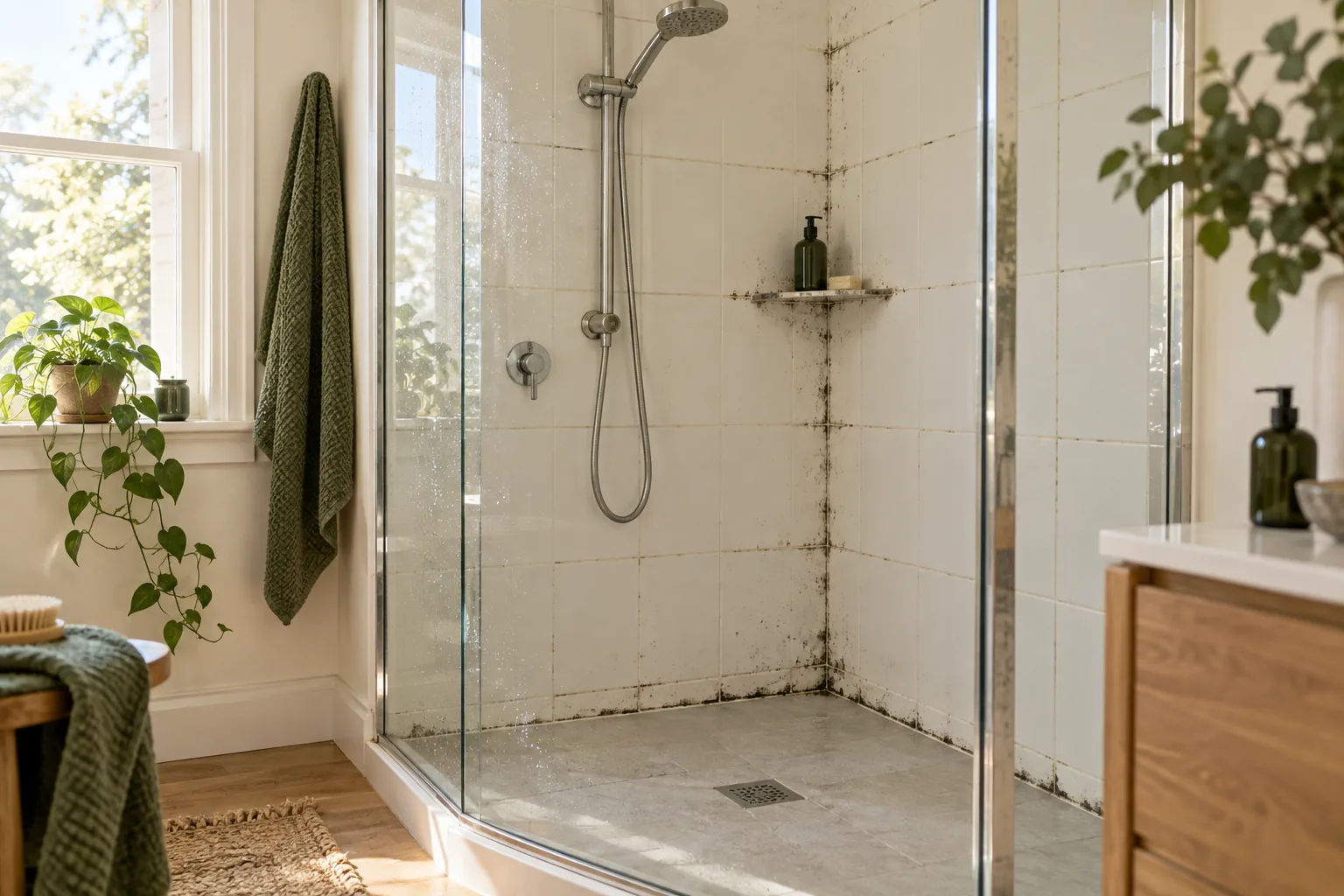
Bathrooms
Name affected bathroom building finishes elsewhere in a request, keeping towels and other fabric items excluded.
Kitchens
Explain accessible kitchen growth separately from stored goods, equipment servicing and plumbing corrections.
Accessible affected surfaces
An affected exposed hard floor may be considered by finish and reach; carpet, rugs and concealed flooring layers remain outside standard work.
WHAT TO EXPECT
Agree clearance without assuming contents handling
Discuss heavy or fragile storage and who is responsible for preparation before attendance. Do not assume the technician empties the room. People and pets leave the property during treatment and follow the actual return instructions. Average guidance is about three hours per room, varying with size, contamination and accessibility rather than a fixed storage-clearance interval.
The service is not hourly based. Cosmetic marks can remain and decorating needs separate quotation. Ask which structural surfaces were included; no laboratory result, written clearance or certification of excluded possessions is supplied by standard visible-surface treatment.
FOLLOW THE MOISTURE
Keep building observations visible after storage returns
Follow known moisture findings and retain a useful account of changes on the actual treated finish.
Record fresh water or growth with its room position and date.
Maintain suitable ventilation and arrange repair of continuing leaks separately.
Explain a newly exposed area as new information rather than presumed earlier treatment.
Quote suitable finishes rather than every object in the garage
Describe extent, material and clearance when using price applicability. Its affected-room table is labelled Mould Removal; confirm the figures relevant to the proposed remediation. No stored-goods package, emptying service or specialist garage tariff is established, and repairs or decorating should not be inferred from room examples.
PATTERSON LAKES · EXACT ADDRESS & ACCESS
Confirm the Patterson Lakes premises request
Provide the full address and intended interior. Nearby pages navigate separate enquiries; they cannot establish attendance, room eligibility or a local facility affiliation.
Questions about remediation
Does a garage label confirm every surface is suitable?
No universal suitability is established. Identify the exposed materials and room conditions so the actual structural request can be discussed.
Will stored goods be cleaned with the wall?
No general goods-restoration service is confirmed. Keep contents concerns separate from agreed visible building finishes.
Is emptying the garage included before treatment?
No automatic emptying service is promised. Discuss clearance responsibilities and heavy or fragile items before arranging attendance.
Can the room humidity certify stored items are dry?
No. Air-relative humidity does not determine moisture inside possessions or provide a contents-condition certificate.
Does moving storage include the newly revealed backing?
Describe what is actually exposed and request a scope decision. Preparation alone does not include concealed construction or every additional surface.
What matters before storage is returned after work?
Follow technician return advice, clarify source and finish concerns and keep new wetting observable rather than assume contents or hidden layers are clear.
Discuss the Patterson Lakes interior surface request
Call 03 8652 1296 with exposed marks, materials and storage constraints. Confirm suitability, preparation and the structural treatment boundary.