
SURFACE TREATMENT · MOISTURE FOLLOW-THROUGH
Mould Remediation Seaford
A household vacuum should not be treated as the confirmed professional removal stage. For a Seaford enquiry, describe the visible structural growth and ask about preparation before disturbing it. Remediation combines assessed treatment, air protection and physical removal; running an ordinary appliance does not establish that the room, hidden materials or excluded possessions have been cleared.
Professional removal is explained clearly.
Preparation is agreed before disturbance.
Filtration limits remain realistic.
TREATMENT & FOLLOW-THROUGH
UNDERSTANDING REMEDIATION
Physical removal is one part of the coordinated process
Identify the affected finish and any cleaning already attempted. Explain the actual current condition without calling household vacuuming equivalent to the confirmed H-class filtered equipment. An equipment label alone should not replace material and access assessment, and the process is not a promise that all spores in every part of the property disappear.
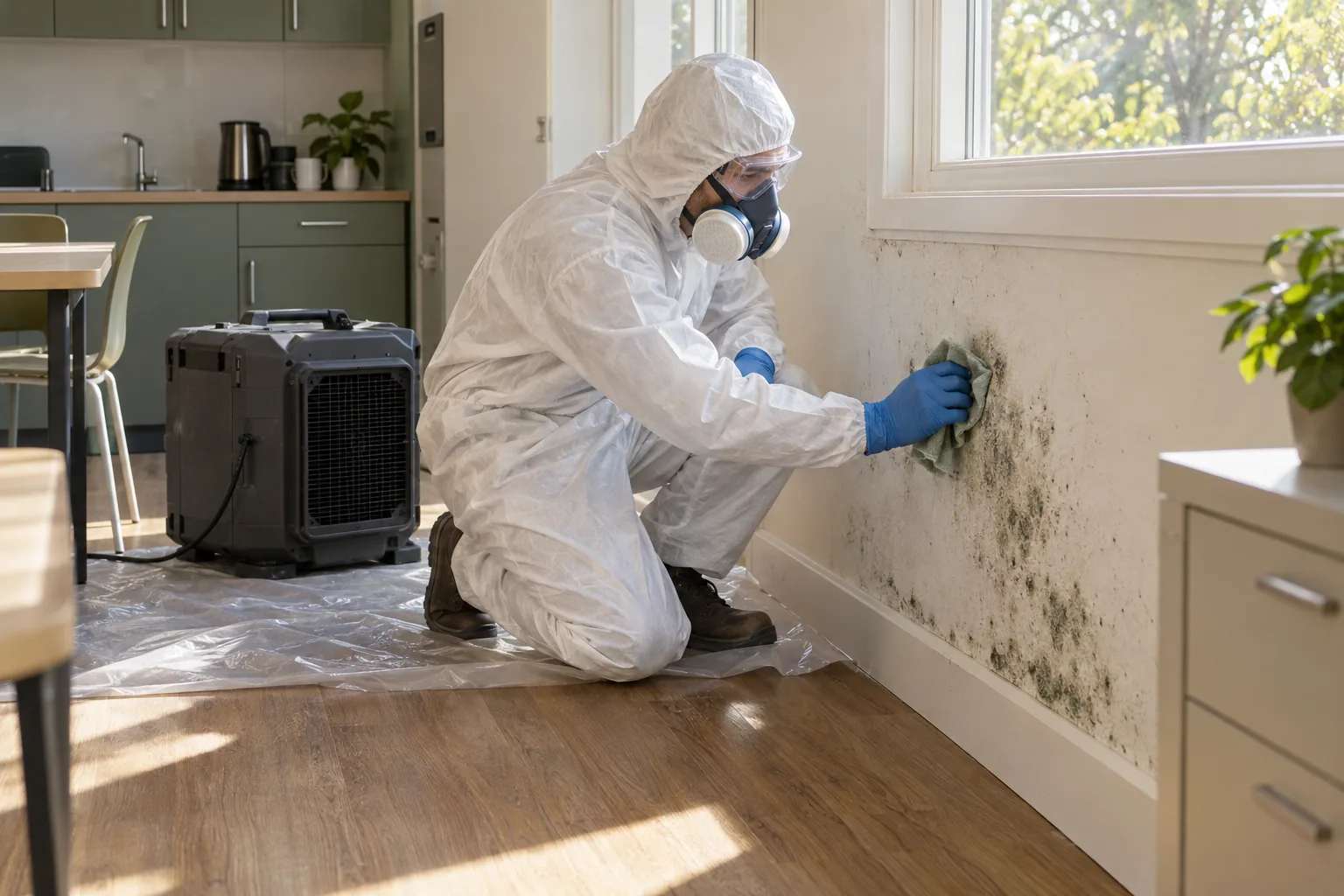
The remediation sequence addresses visible accessible structural contamination through assessment, HEPA air protection, suitable application and physical removal. Furniture, carpet and other textiles are excluded. Concealed investigation, building repairs and decorating need separate scope; nearby belongings are not included simply because air filtration is used.
THE MOISTURE CONNECTION
Removal equipment does not repair dampness
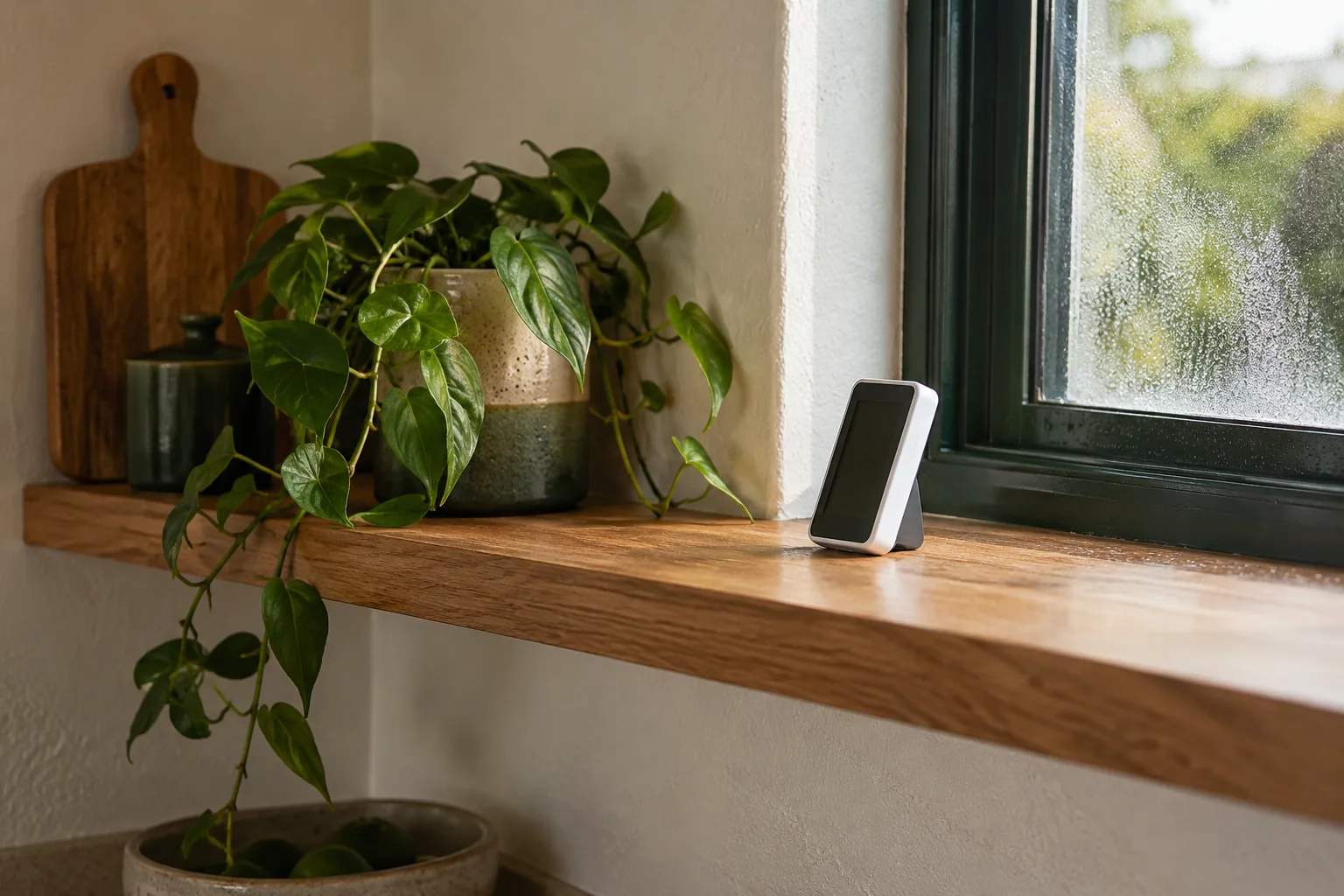
Report actual water or condensation, known leaks and repair dates. The professional hygrometer gives room-air relative humidity, not moisture inside a wall or proof that a cavity is dry. Neither a vacuum nor an air scrubber diagnoses every source or guarantees permanent humidity control.
An accessible assessment discussion can clarify uncertain visible concerns before treatment. Arrange known source and ventilation faults separately. Continuing dampness may allow recurrence after existing growth is addressed, so equipment use should not be presented as a substitute for practical moisture correction.
PLAN · FILTER · TREAT · REMOVE · CONTINUE
Retain each confirmed stage and its role
1
Assess the agreed accessible surfaces
Identify visible mould, materials and working reach, discussing previous cleaning without assuming it completed professional removal.
2
Protect air before treatment
Set up the confirmed HEPA air scrubber before surface application, with clearance and equipment access appropriate to the actual room.

3
Apply suitable HOCl methods
Use HOCl within assessed suitability, including ULV dry fog in most cases where appropriate, without a universal eradication promise.
4
Physically remove visible contamination
Professional equipment with H-class filtration supports removal of mould on included accessible finishes, distinct from ordinary household vacuum use.
5
Continue final HEPA air cleaning
HEPA filtration runs during and after treatment; receive technician return instructions without expecting sterile-air proof or laboratory clearance.
Keep equipment roles tied to structural scope
Walls
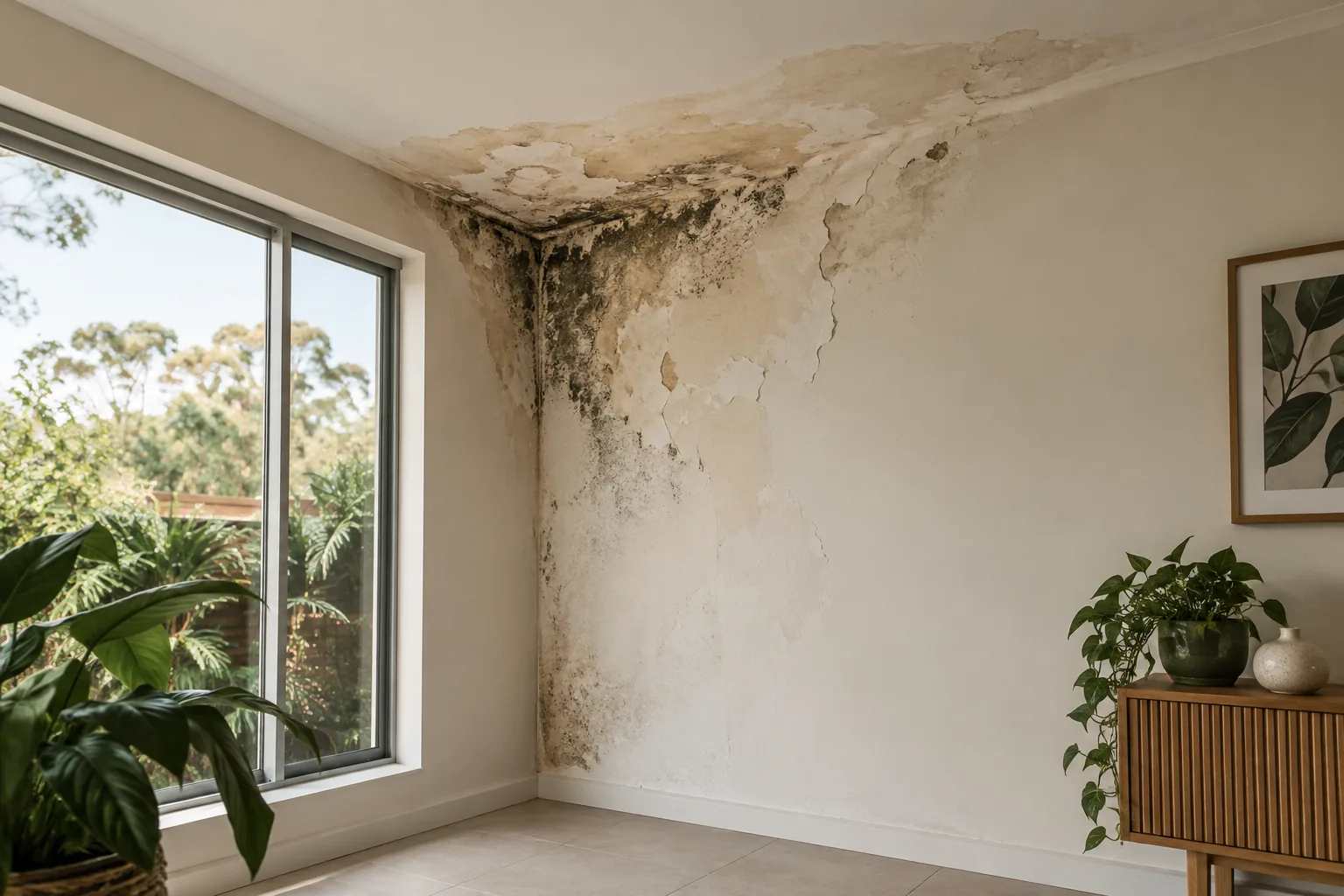
Locate exposed wall growth and material condition, with fixed obstructions and previous cleaning explained honestly.
Ceilings
Describe ceiling contamination safely and separate overhead source or repair questions from the visible removal task.
Bathrooms
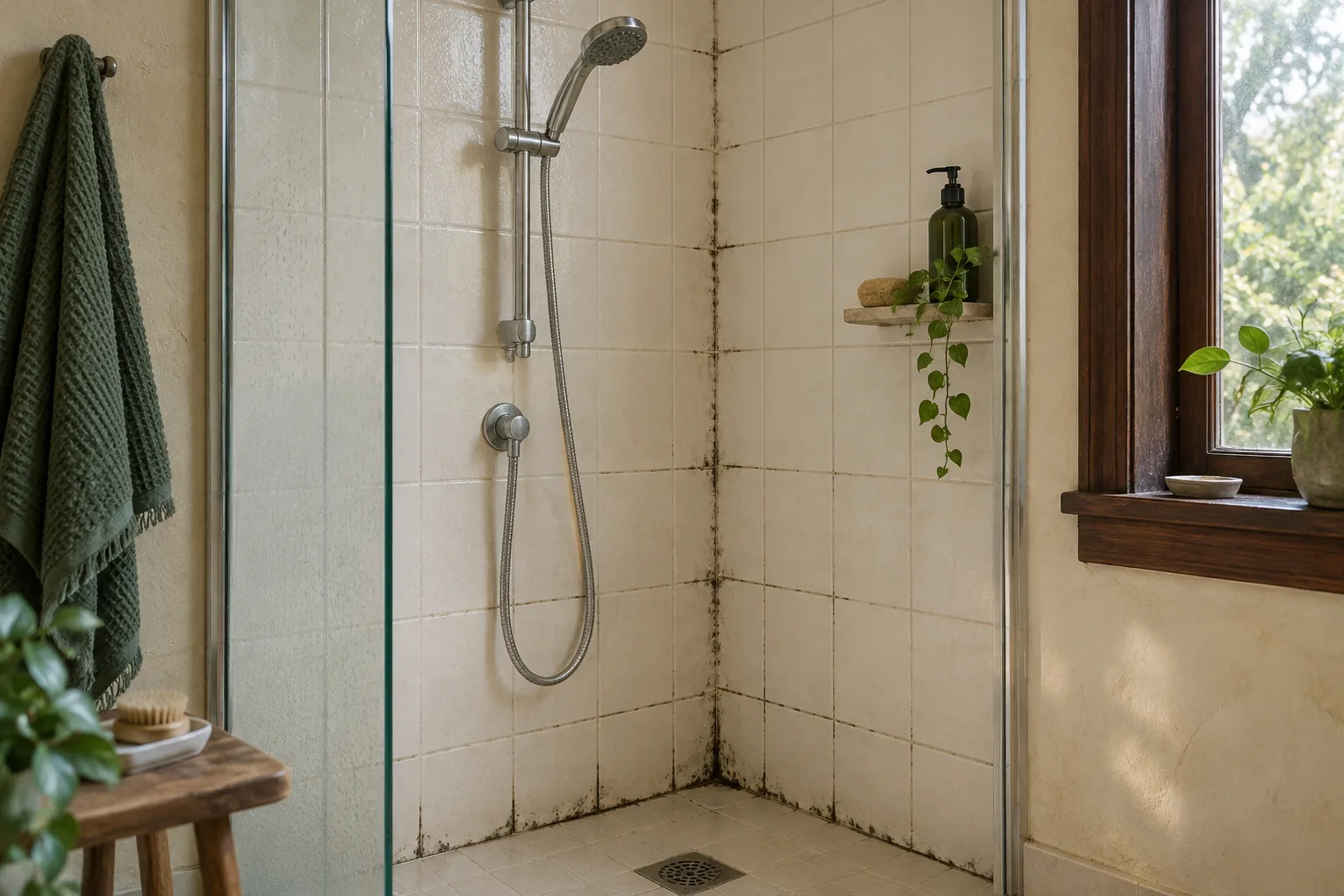
Identify affected bathroom paint or joints, leaving textiles and seal replacement outside standard treatment.
Kitchens
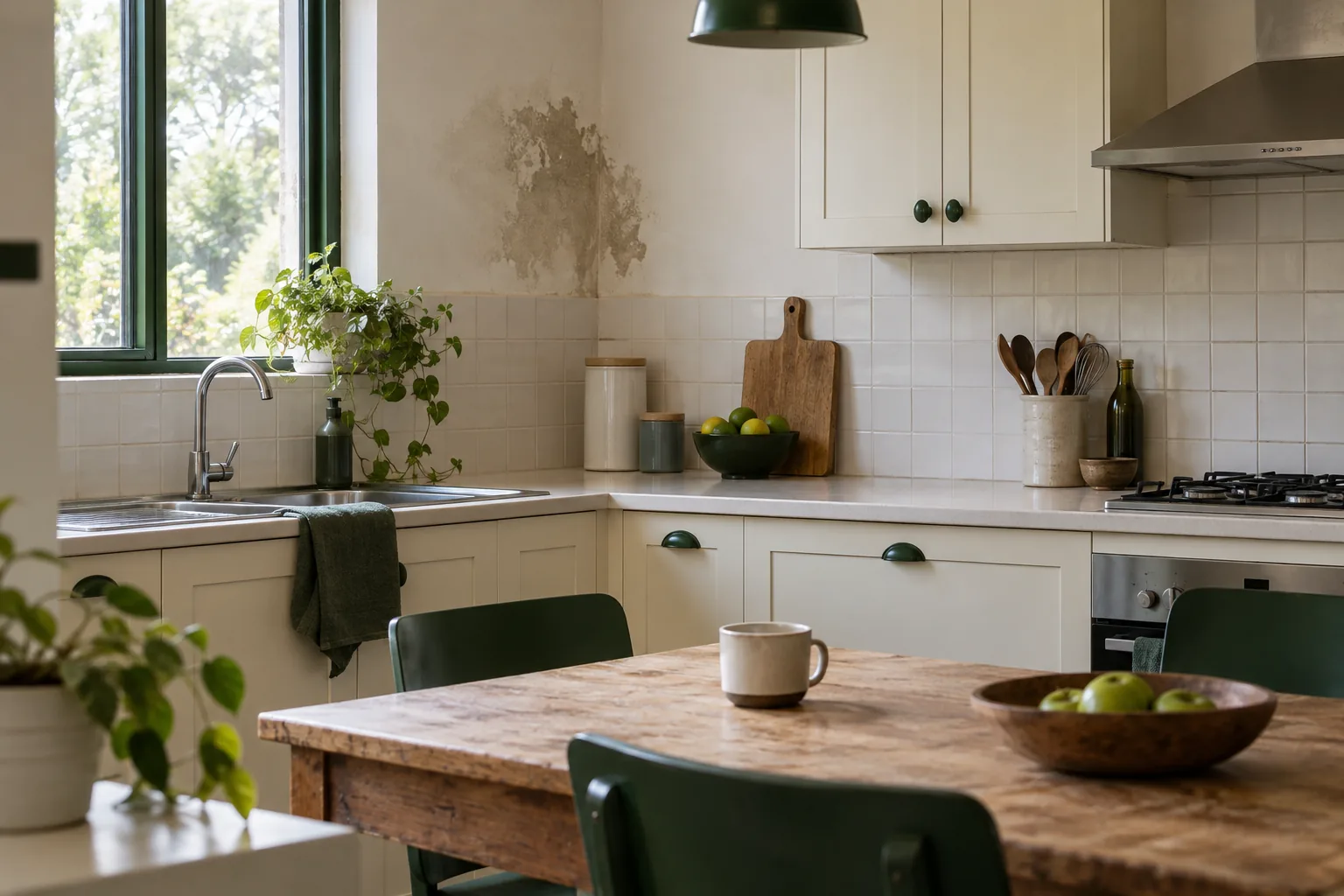
Explain reachable kitchen surfaces and fittings without adding appliance servicing, contents care or plumbing repairs.
Accessible affected surfaces
Affected exposed hard-floor finishes can be discussed; carpet and rugs remain excluded despite proximity to filtration equipment.
WHAT TO EXPECT
Ask about preparation instead of pre-vacuuming on assumption
Describe visible growth and fragile belongings before clearing the work area. Do not assume vacuuming the patch is a required preparation step. People and pets leave the property during treatment and obtain the technician’s specific return advice. Average guidance is approximately three hours per room, varying with size, contamination and accessibility rather than an equipment-only interval.
The service is not hourly based. Cosmetic stains or finish damage can remain and decorating is separately quoted. Ask which surfaces were treated; no written clearance, hidden-material finding or claim that every airborne spore has been removed is confirmed by the standard process.
FOLLOW THE MOISTURE
Keep source correction distinct from filtration
Practical follow-through concerns actual room moisture and new observations rather than expecting equipment to supply a permanent prevention result.
Record fresh wetting or visible growth with dates and positions.
Maintain suitable extraction and arrange repair of known leaks.
Follow the actual return instructions rather than infer permission from the scrubber stopping.
Quote the coordinated work rather than an appliance comparison
Discuss extent and access through pricing information. Its room table concerns Mould Removal, not a confirmed Remediation equipment tariff. No household-vacuum credit, device rental or standalone filtration package is established; clarify the accepted structural treatment and separate repair or decorating needs.
SEAFORD · EXACT ADDRESS & ACCESS
Confirm the Seaford room request
Give the premises address and present visible condition. Nearby service pages relate to separate enquiries and cannot confirm attendance or the equipment plan for this interior.
Questions about remediation
Is household vacuuming equivalent to the confirmed removal stage?
No equivalence is established. The supported process uses professional H-class filtered equipment within assessed accessible scope.
Should I vacuum the visible patch before attendance?
Ask the technician about preparation first. Do not assume disturbing the mark completes a required step or substitutes for the professional process.
Do the HEPA scrubber and H-class removal equipment do the same task?
They have distinct process roles. HEPA provides air cleaning while the confirmed professional equipment supports physical removal of visible contamination.
Does operating filtration prove every spore is eliminated?
No complete elimination is promised. Filtration supports the work without certifying sterile air or clearing every concealed area.
Can the equipment repair a leaking wall?
No. Plumbing and structural repairs remain separate from air filtration and treatment of existing growth.
What should I ask when the equipment stage is finished?
Obtain actual return instructions and clarify included surfaces, residual cosmetic marks and continuing source tasks rather than expect a laboratory clearance result.
Discuss Seaford removal within a complete treatment plan
Call 03 8652 1296 with the marked finish, access and previous cleaning. Clarify the professional process and practical preparation.