
SURFACE TREATMENT · MOISTURE FOLLOW-THROUGH
Mould Remediation Frankston
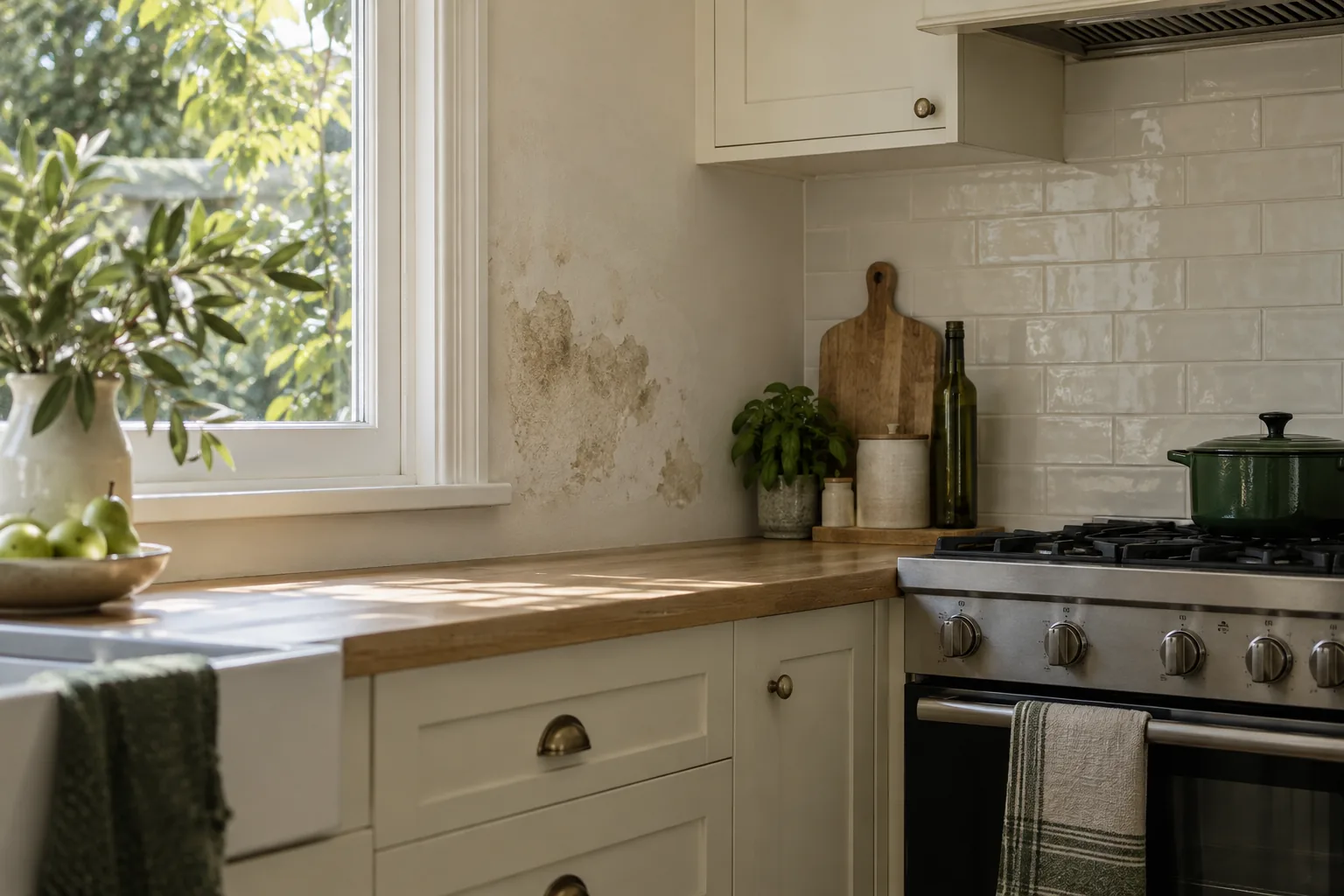
A wall photographed under different light can look changed without establishing new growth or a restored finish. For a Frankston enquiry, describe what you actually observe on the surface and when it changed. Photographs can help locate a concern, but treatment scope and aftercare should not depend only on comparing colour in differently lit images.
Actual surface changes are described.
Photographic differences stay in context.
Cosmetic expectations are discussed early.
TREATMENT & FOLLOW-THROUGH
UNDERSTANDING REMEDIATION
Explain the observation behind the image
Identify the actual marked finish, access and observed change. Explain different lighting rather than diagnose recurrence from a darker picture. Reliable earlier work should be described without inventing customer history or assigning every old mark to this service.
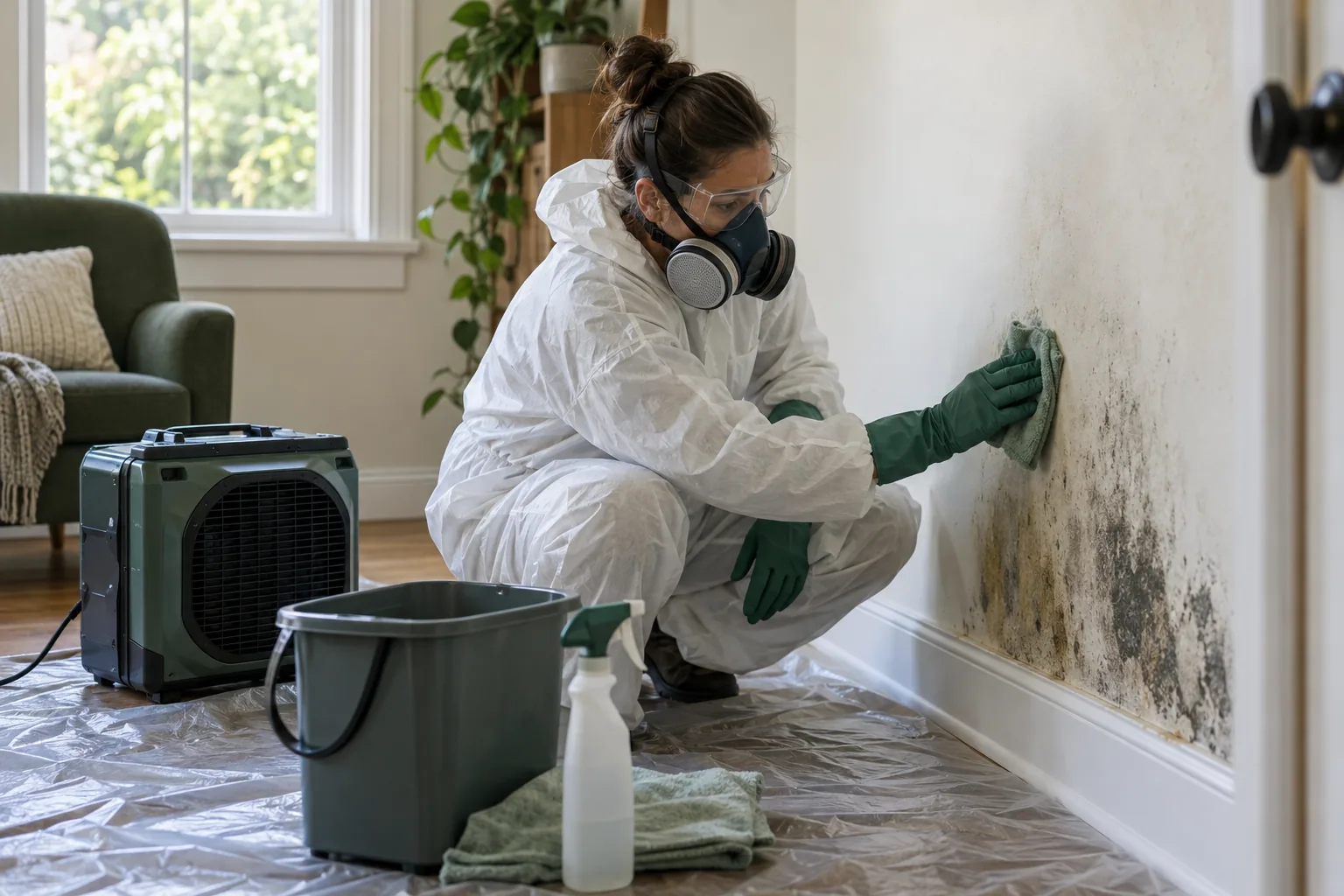
The supported process combines assessment, air filtration, appropriate application and physical removal of visible accessible structural contamination. Furniture and textiles are excluded. Concealed investigation, source repairs and decorating need separate scope, and the treatment does not promise uniform colour or complete cosmetic restoration in a later photograph.
THE MOISTURE CONNECTION
Actual wetting matters more than photographic tone
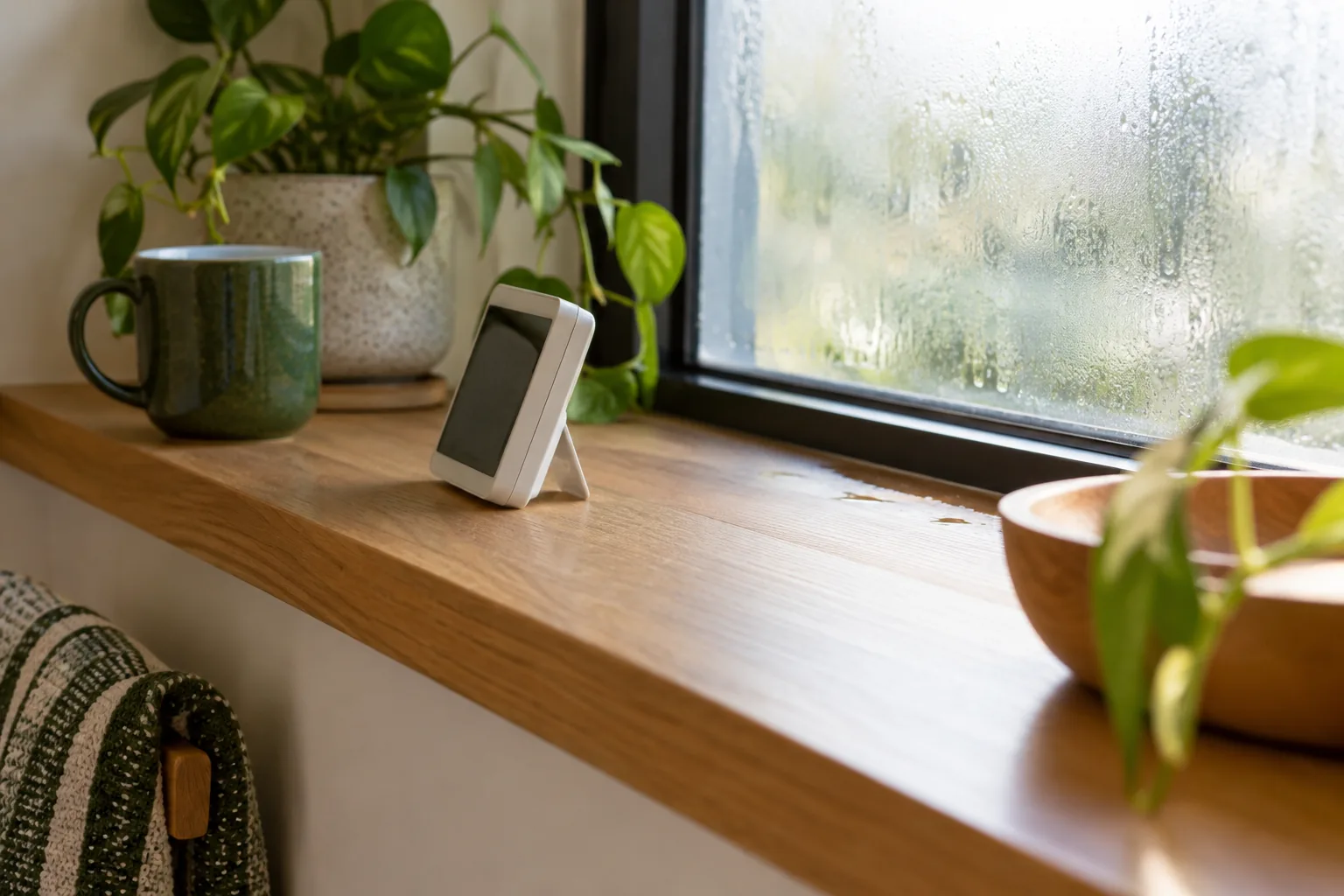
Give dates and positions of water or condensation and explain confirmed repair status. The professional hygrometer supplies relative humidity in room air, not a material-moisture finding beneath a photographed stain or proof that a concealed source is fixed. Image brightness cannot substitute for those distinct limitations.
An accessible-condition discussion may clarify uncertainty about the current visible request. Arrange leak and ventilation work separately. Continued dampness may support renewed growth after remediation, so source follow-through and real new observations remain useful even when a photograph’s appearance is difficult to compare.
PLAN · FILTER · TREAT · REMOVE · CONTINUE
Treat the actual included finishes
1
Assess the exposed condition
Identify visible growth, materials and working reach, distinguishing actual observations from conclusions based only on photographic tone.
2
Prepare HEPA air protection
Set up the confirmed HEPA air scrubber before treatment begins, with clearance and equipment access agreed for the real room.

3
Apply suitable HOCl methods
Use HOCl appropriately; ULV dry fog is used in most cases where suitable, without promising identical photographic colour after application.
4
Remove visible contamination physically
Professional H-class filtered equipment removes mould within accepted scope, separate from paint restoration or treatment of excluded objects.
5
Continue HEPA air cleaning
HEPA filtration operates during and after work; obtain actual return advice and discuss cosmetic marks or unresolved source tasks.
Locate the actual structural concern
Walls
Name the wall face and visible growth, explaining lighting differences without treating a picture as concealed-condition evidence.
Ceilings
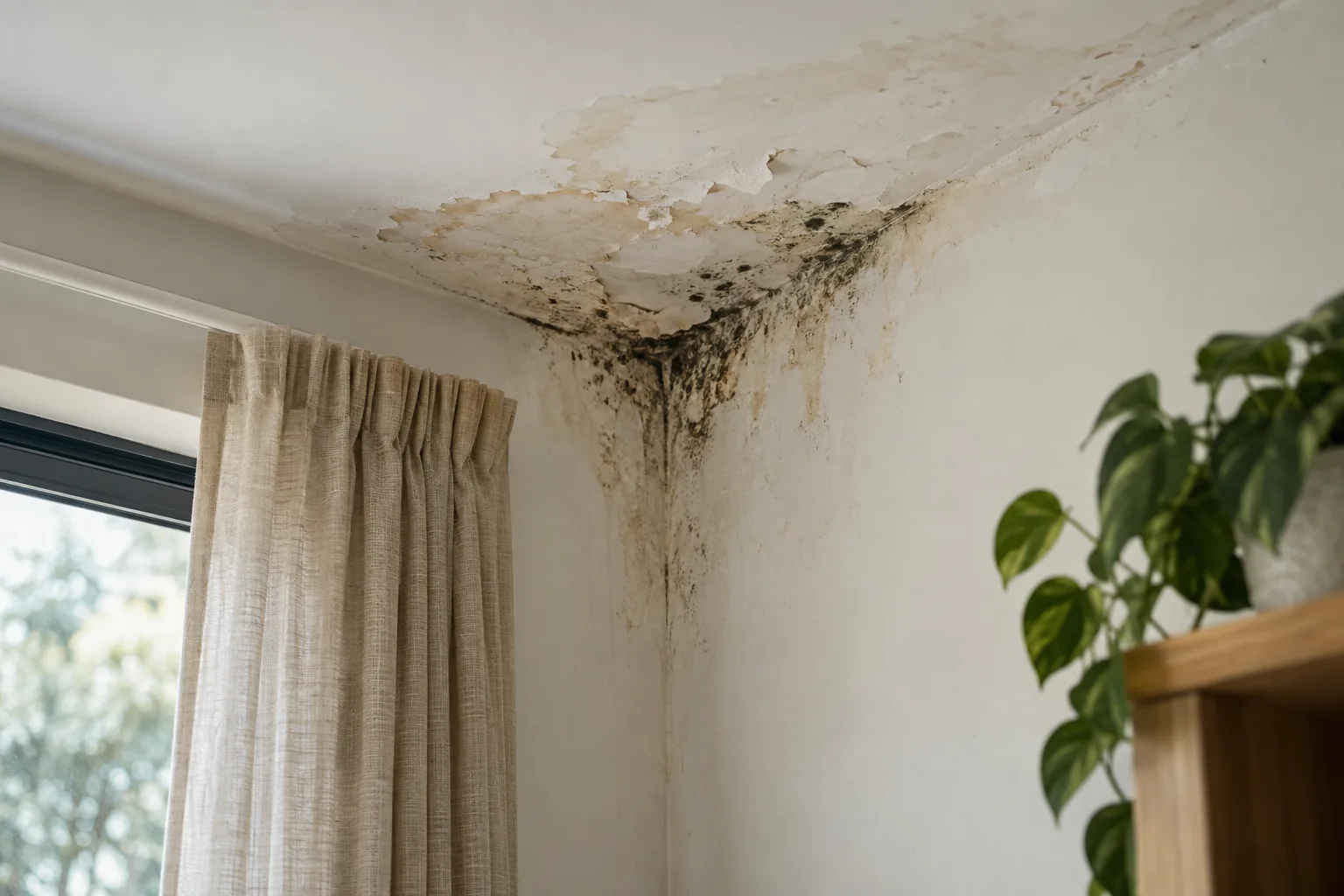
Describe overhead marks safely and actual water history; a shadow does not establish contamination above the lining.
Bathrooms
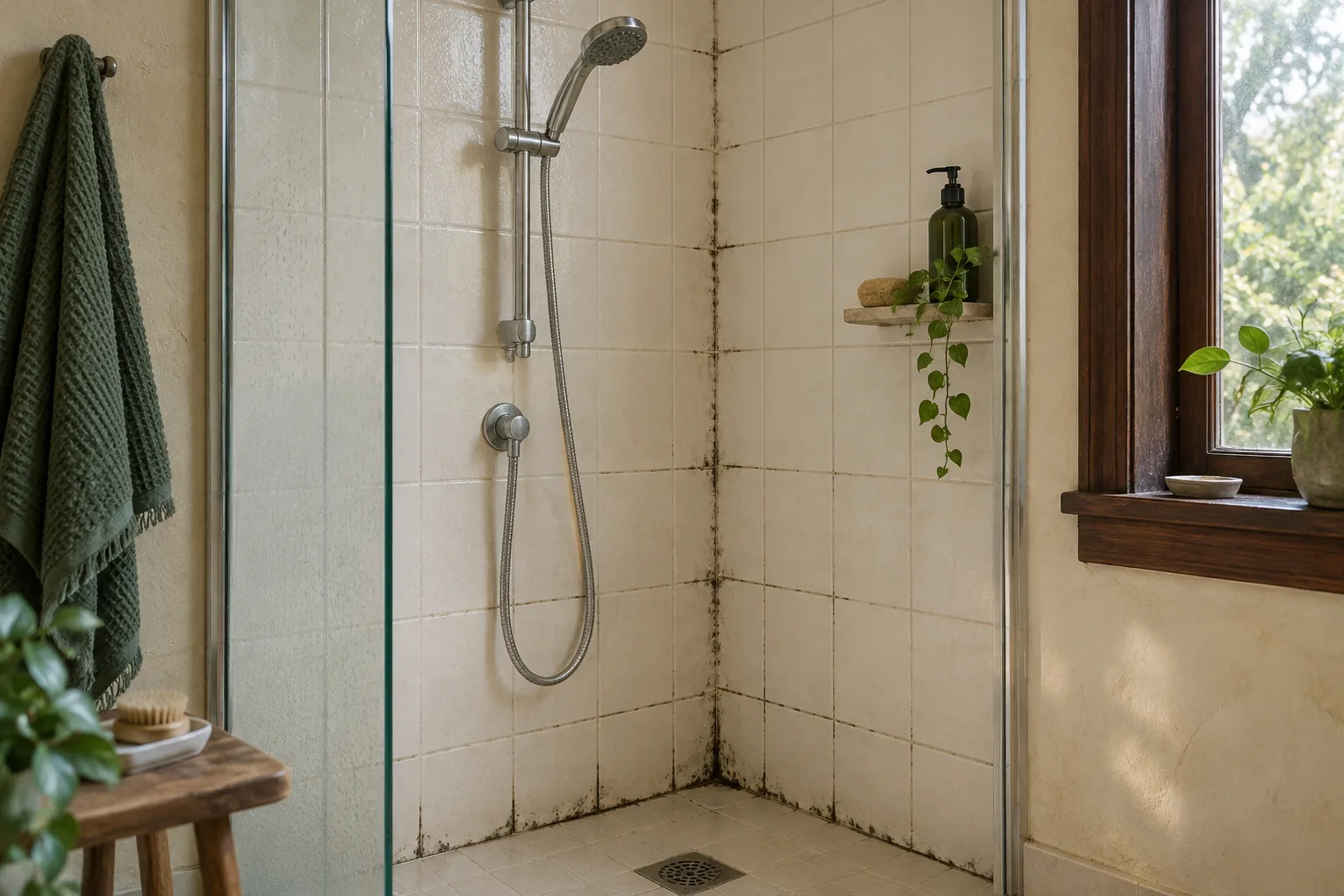
Identify bathroom paint or joints and reliable observations, with fabric items and fitting renewal outside automatic scope.
Kitchens
Explain accessible kitchen growth separately from appliance reflections, stored contents and plumbing faults.
Accessible affected surfaces
An affected exposed hard floor needs suitable agreement; carpet and hidden layers are not added through a photograph’s apparent area.
WHAT TO EXPECT
Prepare for structural treatment with realistic appearance limits
Explain fragile finishes and previous applications before clearance. People and pets leave the property while treatment is carried out and follow technician-specific return instructions. Average guidance is approximately three hours per room, varying with size, contamination and accessibility; a preferred photo session does not establish a guaranteed completion or return time.
The service is not hourly based. Residual cosmetic marks may remain and decorating is separately quoted. Ask which surfaces were treated rather than judge success solely from one image. No laboratory finding, signed clearance report or guarantee that every finish looks identical under different lighting is confirmed.
FOLLOW THE MOISTURE
Keep follow-up information consistent and practical
Use a clear surface description alongside actual moisture response, without making photographic matching the only aftercare measure.
Record fresh water or growth with its location and date.
Explain major lighting or layout changes when sharing comparative images.
Maintain suitable extraction and pursue separate repair of known sources.
Quote visible treatment rather than a photographic result
Describe the current finish and access when checking published pricing. Its room table concerns Mould Removal; confirm applicability to the proposed remediation. Colour matching, decorative restoration and a guaranteed photographic outcome should not be inferred from treatment examples, and no invented fee follows from a difficult image comparison.
FRANKSTON · EXACT ADDRESS & ACCESS
Confirm the Frankston premises and actual observation
Provide the address and room shown, with an informed entry contact. Nearby pages relate to separate enquiries rather than establish attendance or interpret a photographic result here.
Questions about remediation
Does a darker follow-up photo prove growth returned?
Not from image tone alone. Describe actual visible change, fresh water and timing, noting different lighting where relevant.
Will treatment make every photograph show the same wall colour?
No such cosmetic guarantee is made. Residual staining and lighting variation can remain separate from visible contamination work.
Should I hide an unchanged stain before sending another image?
Describe it honestly rather than conceal the current finish. Distinguish the old mark from any genuine new water or growth.
Can photo colour identify a mould species?
No. Appearance does not provide laboratory identification; raise any separate testing request without assuming it is included.
What helps when two images are difficult to compare?
Name the same actual surface and dates, explain room or lighting changes and describe what was directly observed rather than conclude from tone alone.
Does a clearer image certify hidden material is dry?
No. A photograph does not establish concealed moisture condition, and room-air humidity is not a material-dryness certificate.
Discuss Frankston changes from actual observations
Call 03 8652 1296 with the marked surface, access and reliable changes. Clarify treatment and realistic appearance expectations.