
SURFACE TREATMENT · MOISTURE FOLLOW-THROUGH
Mould Remediation Diggers Rest
If a contractor is about to cover an affected wall, discuss the visible contamination before the face becomes inaccessible. For a Diggers Rest enquiry, describe the proposed covering and the exposed section that currently needs attention. Remediation and the contractor’s installation decision have separate purposes; neither should be assumed to certify the other’s work.
The exposed area is described before covering.
Treatment remains distinct from installation approval.
Separate trades can clarify their own requirements.

TREATMENT & FOLLOW-THROUGH
UNDERSTANDING REMEDIATION
Settle the visible concern before it is concealed
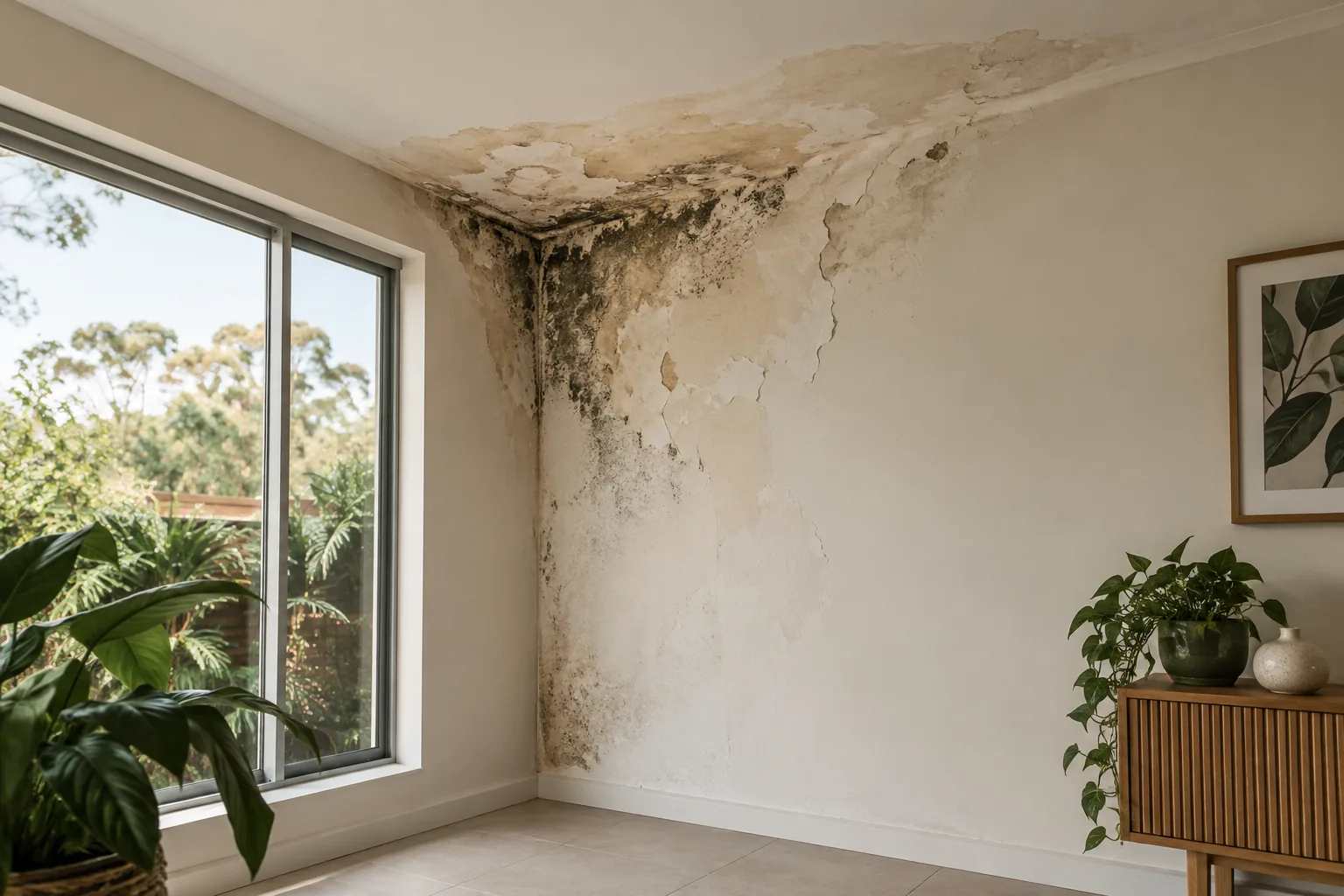
A proposed panel, lining or built-in unit can change access to the contaminated face. Explain when that change is planned and whether the wall is presently reachable. The remediation service can discuss appropriate work on the visible surface, but it does not authorise a covering system or promise what will happen within the space behind it.
Keep substrate damage and continuing water with their relevant providers. Covering the face changes access; neither the proposed installation nor a deadline creates hidden-surface treatment.
THE MOISTURE CONNECTION
A covering is not moisture correction
Give reliable observations of wetting and any repair already arranged. A new facing can obscure later changes without resolving the condition behind it. If the accessible patch still needs assessment, an inspection discussion is separate from the installation contractor’s checks.
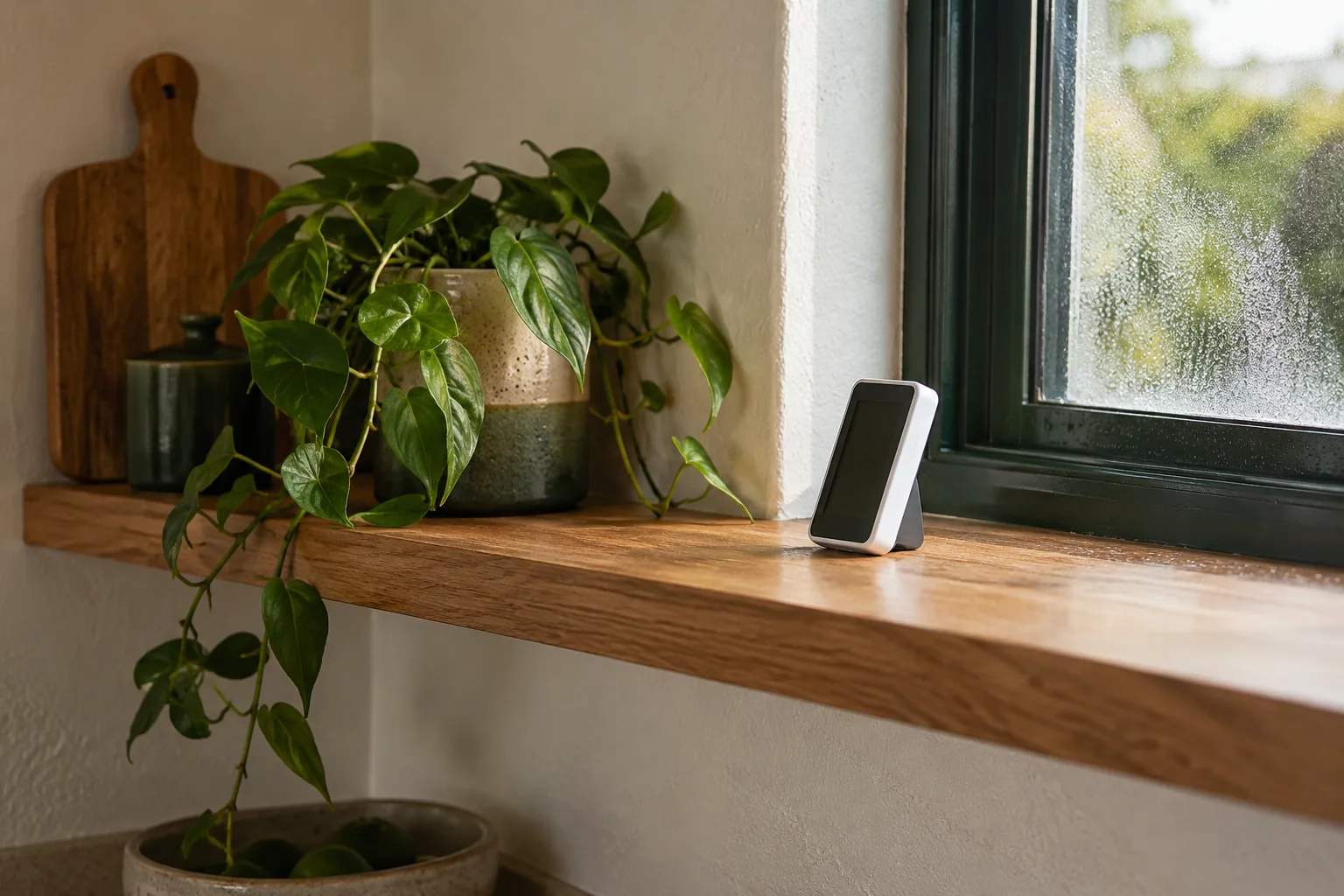
The professional hygrometer supplies air-relative-humidity information; it does not certify wall material ready for adhesive, lining or cabinetry. The provider responsible for that installation should settle their own requirements. Remediation treats the agreed contamination, while plumbing or structural moisture repairs remain separate. No promise of future dryness follows from covering the face or obtaining one room reading.

PLAN · FILTER · TREAT · REMOVE · CONTINUE
A treatment sequence while the face is reachable
1
Confirm the exposed scope
Assess the accessible contamination and finish, noting planned installation changes before agreeing which currently reachable sections are included.
2
Prepare filtration before application
Start the confirmed HEPA air scrubber in the prepared work area before treatment, without describing air protection as approval for a new covering.

3
Apply an appropriate method
Use suitable HOCl treatment with ULV dry fog where appropriate; do not imply the application treats the future enclosed space.
4
Remove visible growth
Physically remove agreed visible contamination with professional H-class filtered equipment, keeping substrate replacement and installation work separate.
5
Maintain the final cleaning stage
Continue HEPA air cleaning during and after the process and explain return advice, remaining marks and the bounded treatment result.
Identify surfaces before access changes
Walls
Give the present exposed wall extent and describe the covering or fixture proposed in front of it.
Ceilings
Ceiling relining is a separate project; identify the visible face available before any new layer is installed.
Bathrooms
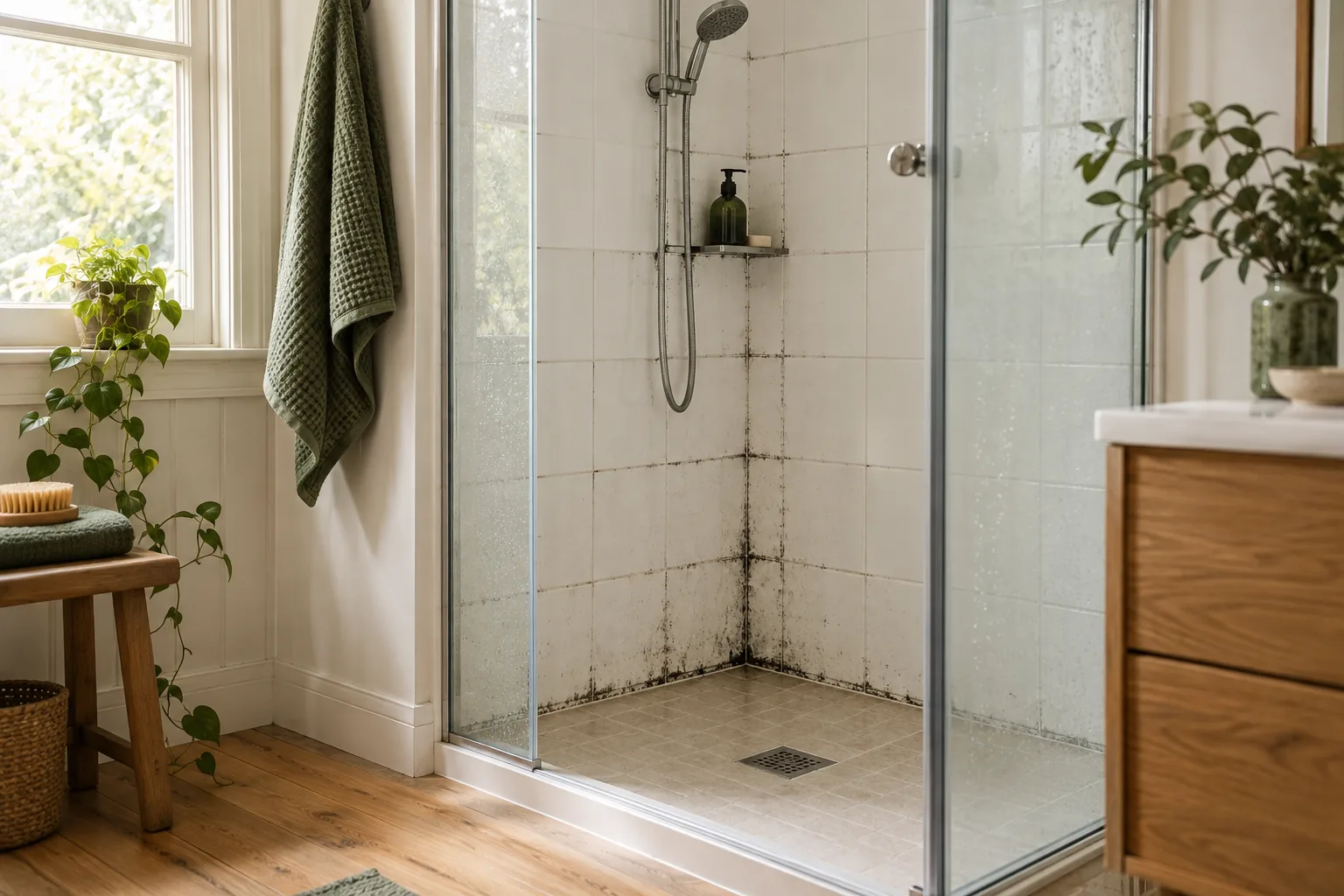
Bathroom tile or lining plans need their own suitability decisions beyond contamination on the accessible surface.
Kitchens
Explain whether cabinet installation will block a kitchen wall that is currently part of the request.
Accessible affected surfaces
Other reachable structural finishes require agreement before they are enclosed; concealed layers and excluded contents are not cleared by implication.
WHAT TO EXPECT
Coordinate the sequence without a same-day promise
Explain the installation timing and ask what preparation is appropriate before the treatment date is accepted. People and pets leave during remediation, with job-specific return advice provided by the technician. Do not substitute a contractor’s preferred start time for those instructions.
Average room guidance is around three hours, depending on contamination, size and accessibility. The service is not hourly installation preparation, and it cannot guarantee an immediate handover to another trade. Cosmetic staining can remain. Ask the installer about substrate and finish requirements without presenting the remediation result as a signed dryness or readiness certificate.
FOLLOW THE MOISTURE
Retain the difference between treatment and enclosure
Keep a record of the exposed section that was treated and any moisture repair completed separately. If a future change appears at an uncovered edge, describe the current observation instead of assuming the hidden face is known. Follow relevant ventilation and water-control advice for the actual room.
Discuss new water before completing a covering that hides it.
Keep installation decisions with the provider responsible for that system.
Report later changes with the visible location and relevant repair dates.
Cost the contamination work separately
Describe the currently exposed wall and planned access change when asking about the quote. Confirm the application of Mould Removal price examples to remediation; they are not a lining-installation tariff, concealed treatment allowance or guaranteed immediate trade handover.
DIGGERS REST · EXACT ADDRESS & ACCESS
Diggers Rest and neighbouring address enquiries
Sunbury and Jacksons Hill links help with nearby enquiries at other premises. For Diggers Rest, give the complete address and explain the proposed access change. A neighbouring booking cannot approve your installation timetable or determine the wall’s actual condition.
Questions about remediation
Can the new panel be installed before treatment?
Discuss the sequence first. Covering the affected face changes access and may place it outside the visible-surface scope.
Does remediation certify the wall ready for adhesive?
No installation-readiness certificate is promised. The installer needs to decide what checks their system requires.
Will fog reach everything behind the new covering?
No hidden-space treatment is established. ULV is conditional application within the agreed job, not proof of enclosed coverage.
Can the contractor start as soon as three hours passes?
Do not use the average duration as a handover time. Confirm treatment instructions and the separate installation requirements.
What if the substrate is damaged as well as marked?
Explain that damage before scope is agreed. Repair or replacement belongs to a separate decision, not an assumed cleaning inclusion.
How should the treatment be described once the wall is covered?
Describe the surface actually accessible and treated at the time. Do not extend that result to concealed layers or the performance of the new system.
Arrange treatment before changing the access
Call 03 8652 1296 with the Diggers Rest wall and planned covering. Clarify scope, preparation and the separate installation sequence before work is scheduled.