
SURFACE TREATMENT · MOISTURE FOLLOW-THROUGH
Mould Remediation Sunbury
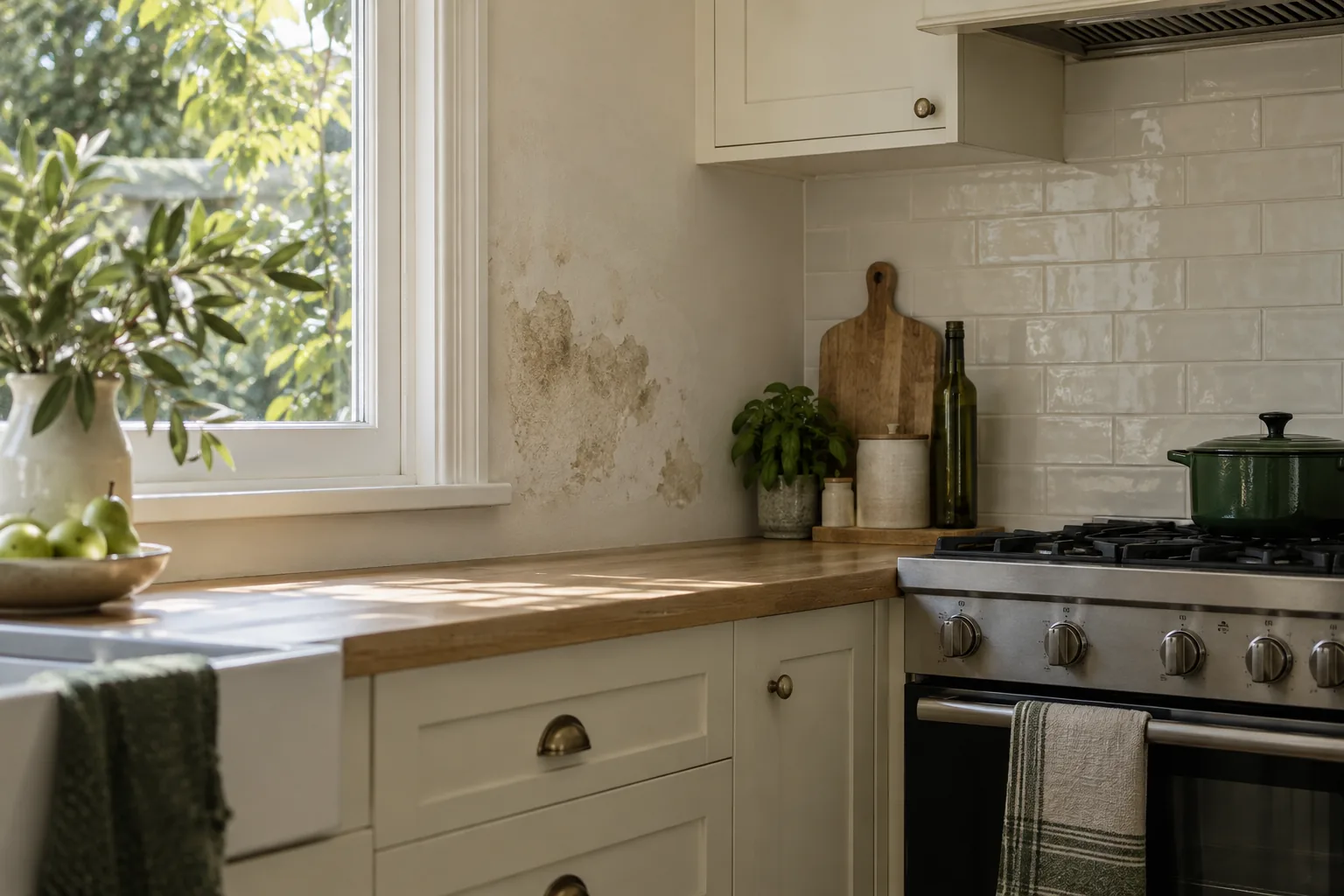
If a wall patch changes after someone has wiped it, explain both the current appearance and what was done earlier. For a Sunbury enquiry, that history can help clarify the reachable treatment request without proving why the change occurred. Avoid repeatedly disturbing the area to demonstrate a result; describe the finish and any continuing water instead.
Current growth is separated from earlier cleaning.
The exposed finish guides suitable work.
Moisture correction stays part of the follow-through.
TREATMENT & FOLLOW-THROUGH
UNDERSTANDING REMEDIATION
Describe today’s patch without proving the earlier method
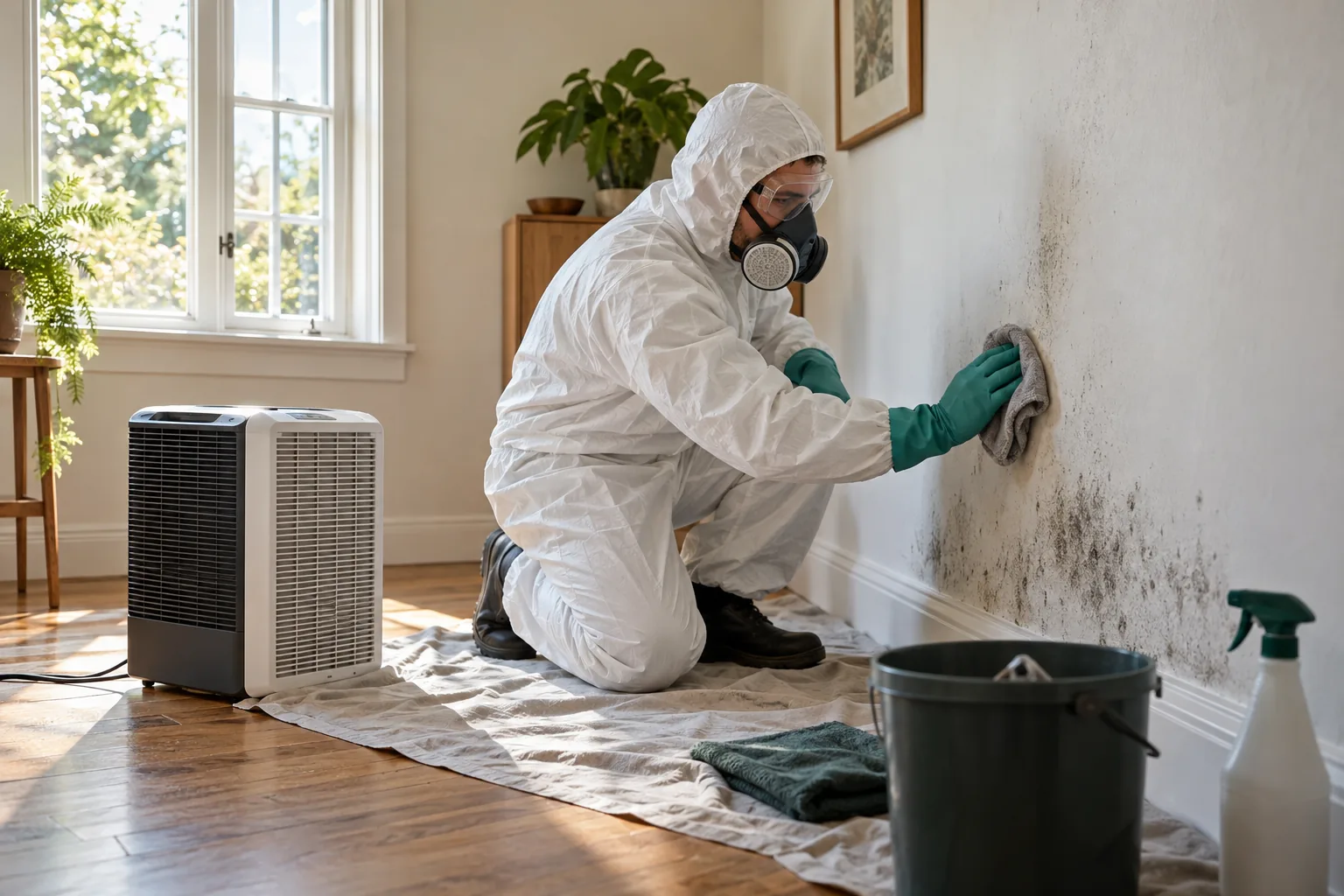
Name the wall material, visible extent and any change to the coating after the earlier wiping. Do not call the whole room treated because one patch was cleaned. The confirmed remediation sequence combines appropriate application, physical removal and continuing air cleaning within an agreed accessible scope.
Provide earlier product details only where known. Present suitability still needs discussion, and damaged lining, fabrics or additional wall sections do not become included through a previous cleaning claim.
THE MOISTURE CONNECTION
A changed patch does not establish one cause
Report fresh dampness, condensation or leaks with their locations and dates where reliable. A return of visible growth may relate to continuing conditions, but the earlier wiping cannot diagnose those conditions. An inspection request can discuss visible accessible assessment if you need clarification before treatment.
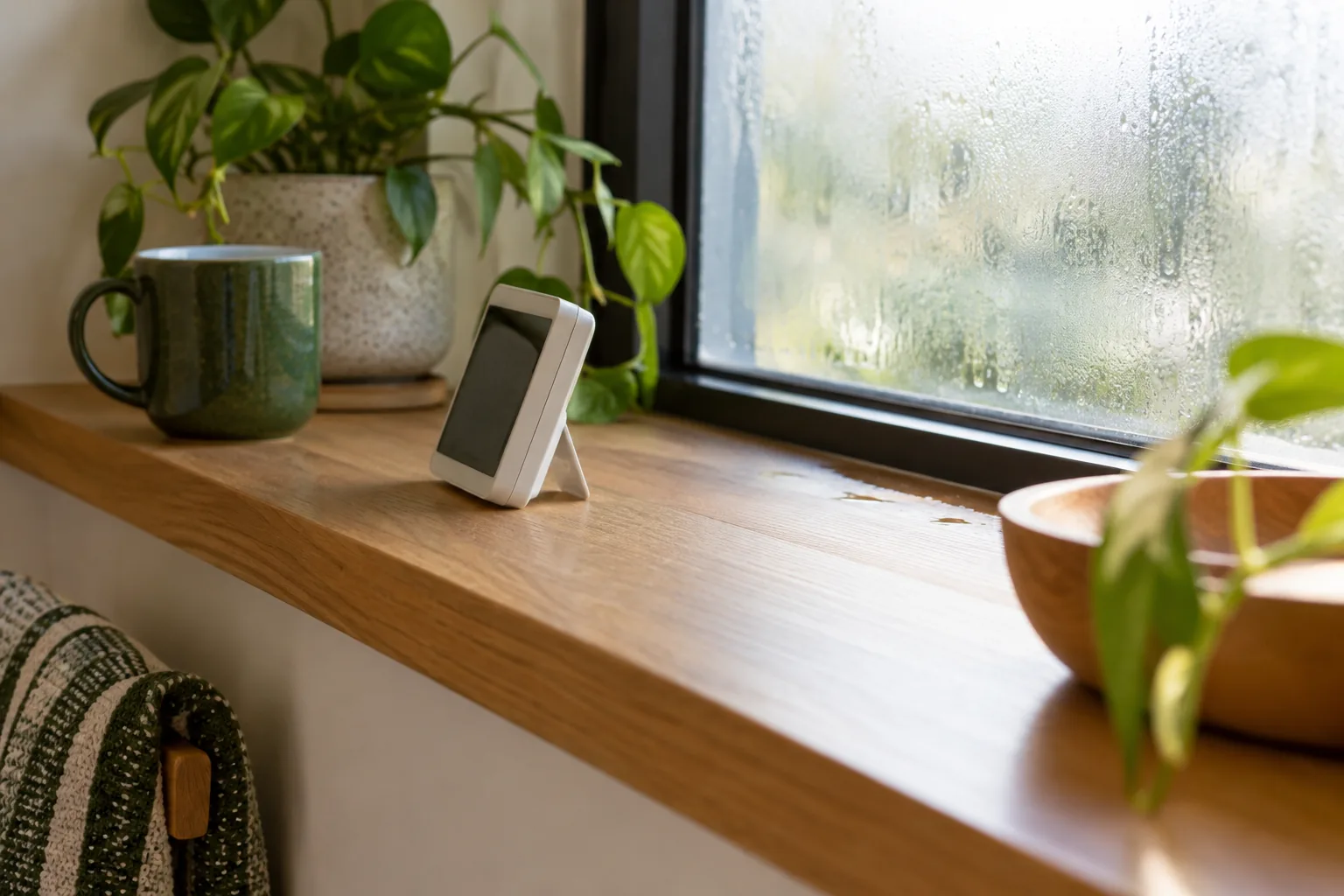
The professional hygrometer records room-air relative humidity, not the moisture percentage inside the wall or a measure of the previous cleaning’s success. Have water-entry or plumbing defects addressed separately. Ventilation and relevant repairs matter to follow-through, but no chemical or equipment stage promises permanent prevention where the conditions supporting growth continue.
PLAN · FILTER · TREAT · REMOVE · CONTINUE
Work from the present finish and contamination
1
Assess the current patch
Review today’s visible accessible growth and coating condition, discussing known earlier cleaning before agreeing the requested structural surfaces.
2
Establish HEPA protection
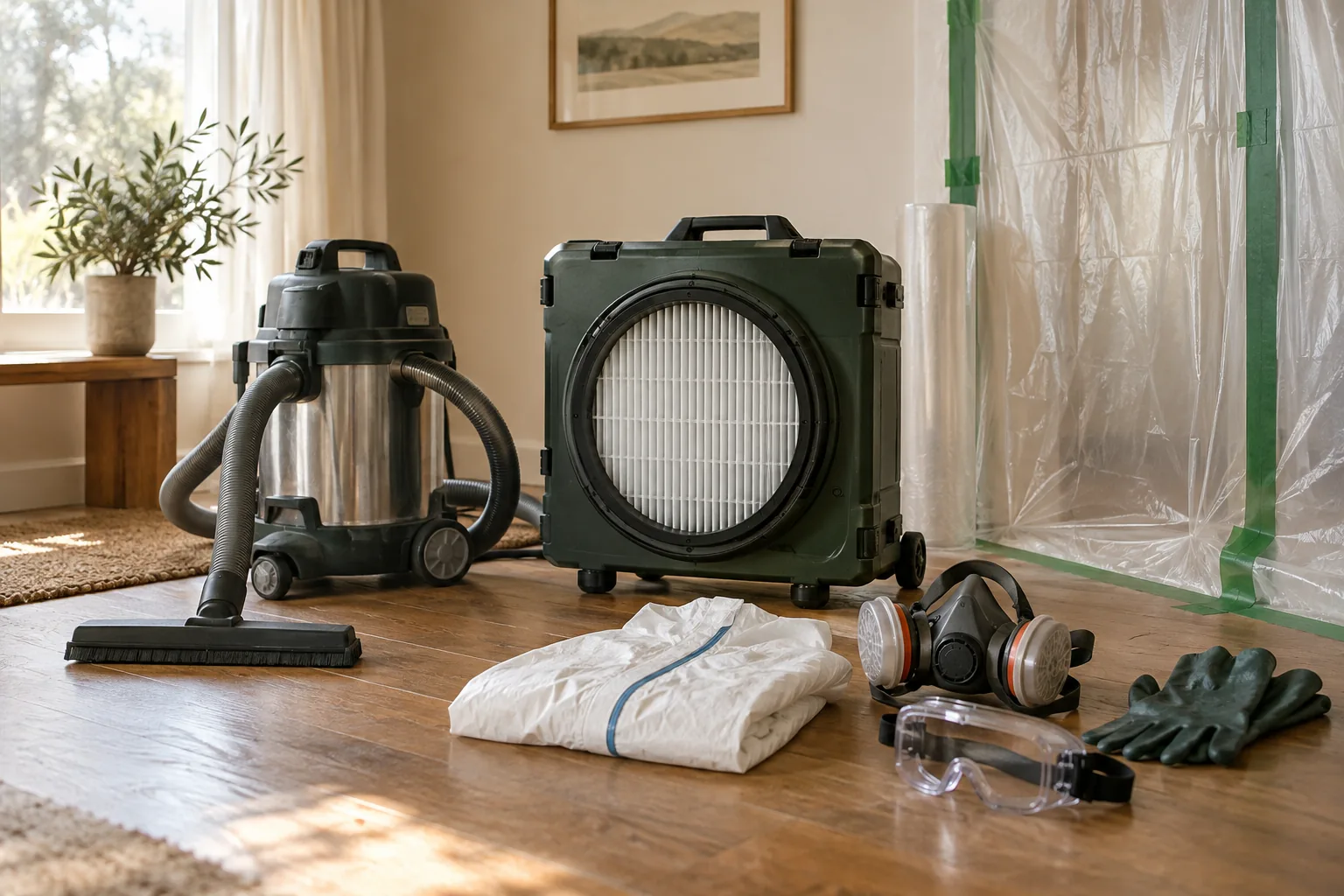
Start the confirmed HEPA air scrubber before the treatment stage in the prepared area, without treating filtration as a test of the earlier wiping.
3
Apply suitable HOCl treatment
Choose appropriate HOCl application and ULV dry fog where suitable, accounting for the actual surface rather than promising identical treatment for every cleaned patch.
4
Remove visible contamination
Use professional equipment with H-class filtration for physical removal from the agreed reachable finishes, excluding contents and hidden layers.
5
Continue air cleaning and explain the result
Maintain HEPA filtration during and after the process; discuss actual return instructions, cosmetic marks and how to describe later changes.
Keep current surface requests specific
Walls
Describe the wiped wall’s present coating and growth separately from assumptions about earlier cleanliness.
Ceilings
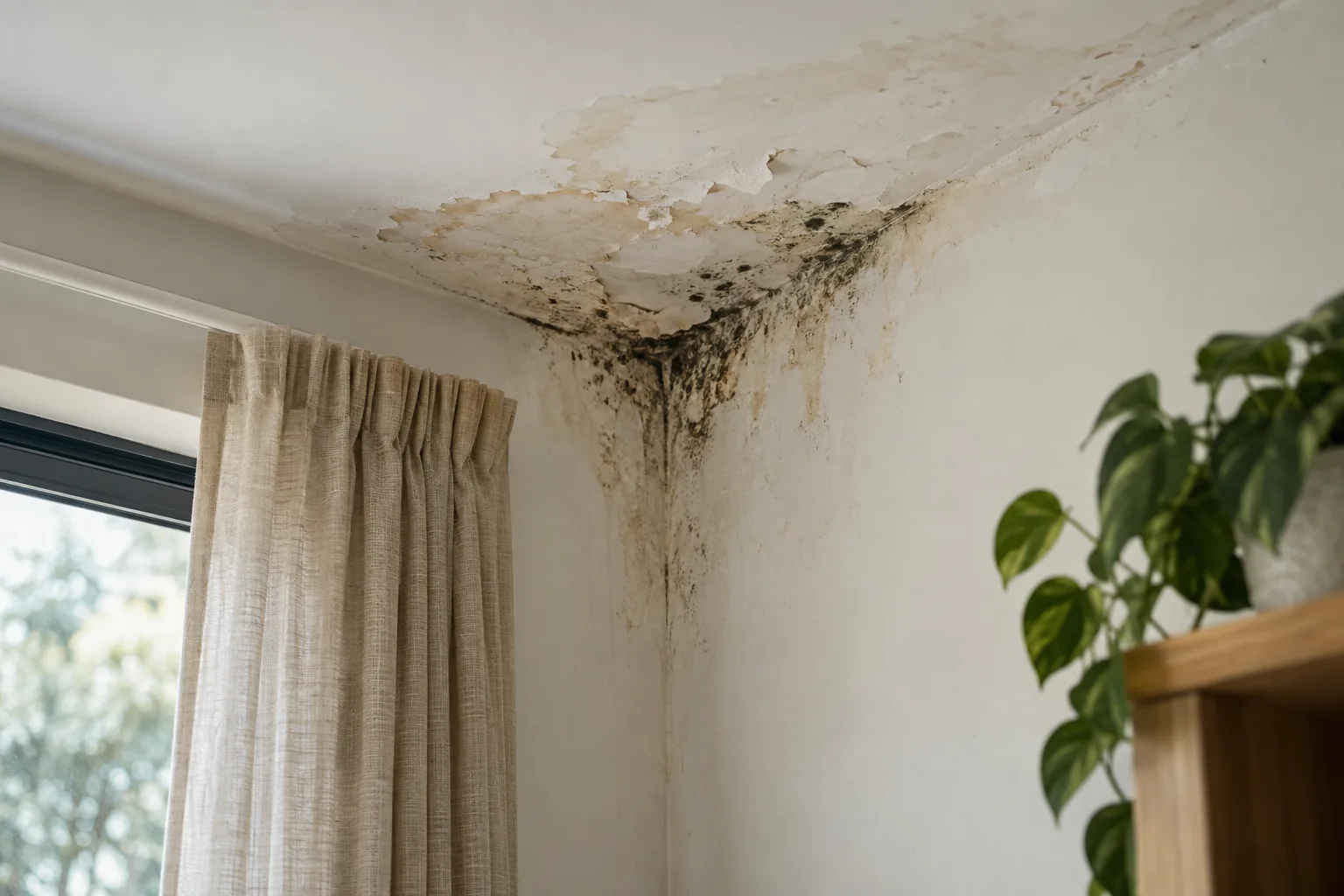
A ceiling patch requires its own reachable extent and known water history rather than the wall’s cleaning account.
Bathrooms
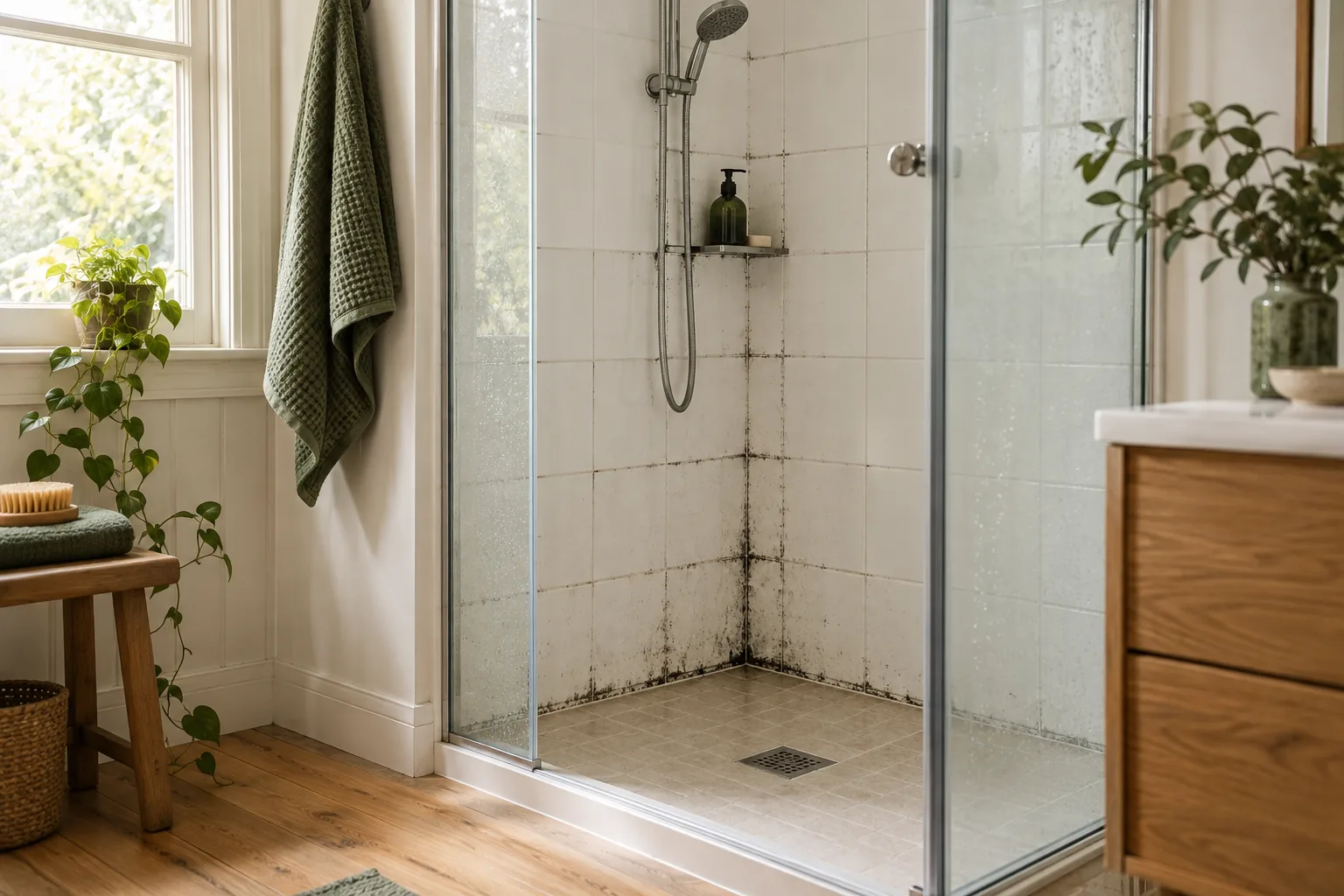
For bathroom growth, identify tiles or painted finishes and any product use, keeping textile treatment excluded.
Kitchens
Name affected kitchen structural surfaces without including utensil cleaning or appliance decontamination.
Accessible affected surfaces
Other exposed structural sections can be discussed on their current condition; unseen layers and furnishings do not become included through a previous cleaning claim.
WHAT TO EXPECT
Prepare without repeating the earlier wiping
Discuss preparation before applying another product or disturbing the patch. Explain fixed obstacles and any finish damage. People and pets leave the property during treatment; follow the technician’s job-specific return instructions rather than relying on the earlier cleaner’s advice.
Source guidance is approximately three hours per room on average, varying with size, contamination and accessibility. The work is not an hourly repeat-cleaning service, and its duration is not a universal re-entry period. Remaining cosmetic stains may require separate decoration. A bounded result cannot certify concealed material or promise that unresolved moisture will never support another change.
FOLLOW THE MOISTURE
Track fresh observations rather than repeating a cleaning cycle
After instructed return, note actual wetting and newly visible growth at the same location. Keep the treatment result distinct from an unchanged stain. Complete relevant source repair and explain subsequent changes before deciding that another product or repeated wiping is the appropriate next step.
Keep reliable dates for new water and surface changes.
Separate product history from a claim that the whole room was cleared.
Address continuing moisture with the relevant provider.
Quote the present accessible request
Describe the current extent and finish, not just that a patch was cleaned before. Confirm how the Mould Removal examples apply to remediation; they do not establish a repeat-treatment guarantee, damage-repair allowance or certification of previous cleaning.
SUNBURY · EXACT ADDRESS & ACCESS
Sunbury and nearby room enquiries
Goonawarra and Jacksons Hill pages can help navigate another nearby address. For this Sunbury enquiry, supply the particular wall and present condition. Another property’s cleaning history cannot determine the method, access or scope needed here.
Questions about remediation
Does the changed patch prove the previous cleaner failed?
The appearance alone does not establish that conclusion. Describe current growth and moisture observations without inventing the earlier treatment scope.
Should I wipe it again before you arrive?
Discuss preparation first. Repeated disturbance or another product can change the finish the technician needs to assess.
What if I know the product used earlier?
Provide its actual name and use where reliable. Do not guess ingredients or turn a product label into a claim of complete room clearance.
Will treatment include fixing paint damaged by wiping?
No decorative repair is confirmed. Explain the damage so suitability and any separate repair can be discussed.
Does renewed growth establish hidden contamination?
It does not certify a concealed condition. Standard work remains limited to the agreed visible accessible surfaces.
How should a further change be reported?
Identify new growth or water, its date and the finish affected. Keep it separate from a stable cosmetic outline and unresolved repair decisions.
Explain what changed after the wiping
Call 03 8652 1296 with the Sunbury patch, known cleaning history and current moisture observations. Agree treatment based on the accessible condition now.