
VISIBLE SURFACES · THOUGHTFUL RESTORATION
Mould Remediation Nangana

A room divider can make one interior look like two separate areas while hiding part of the wall. For Nangana, describe the actual structural surface and divider arrangement. Agree treatment of what can be reached without assuming the divider, its fabric or both sides of the room are automatically included.
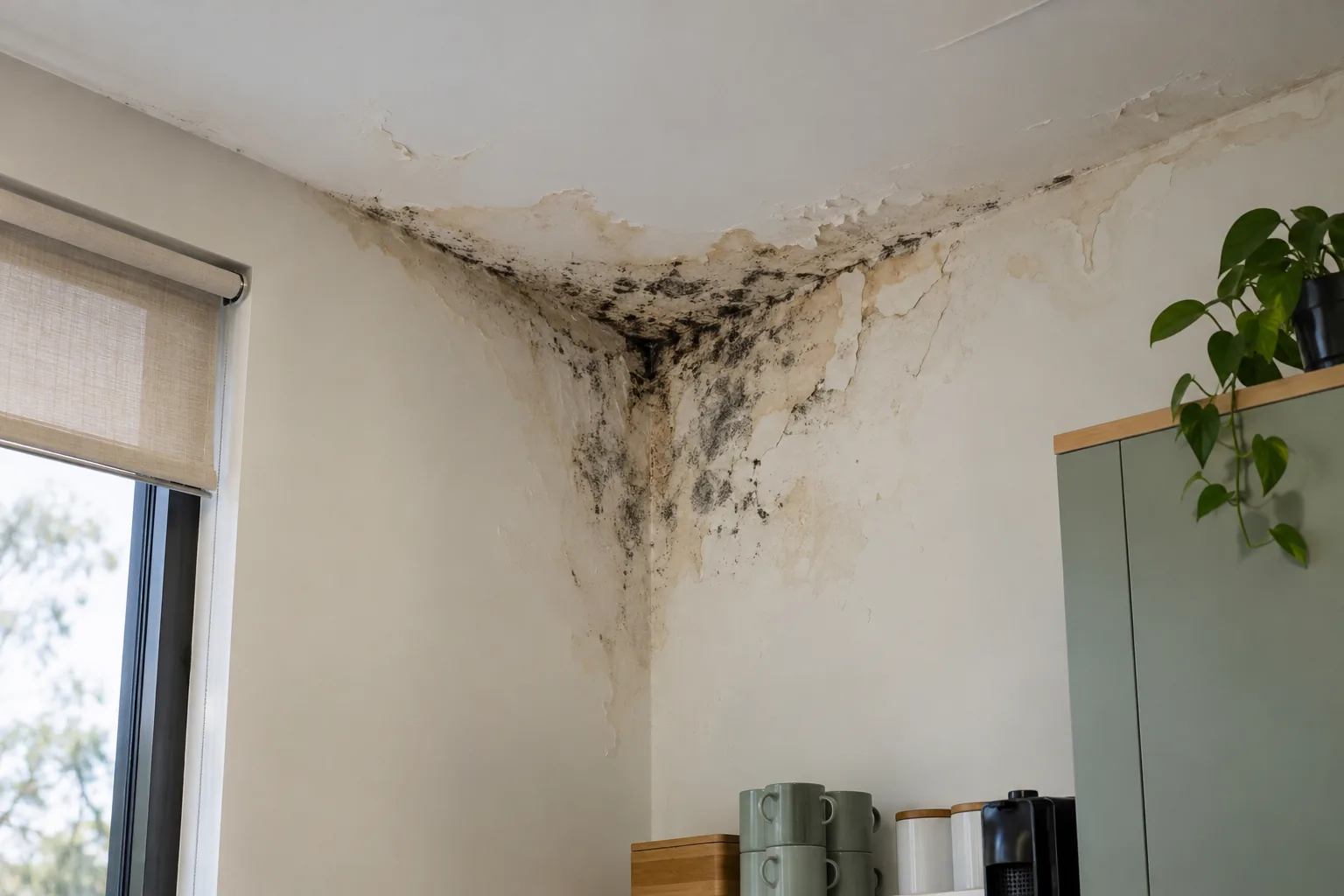
ASSESS · FILTER · RESTORE
Physical room layout clarified
Obstructed wall identified
Divider concerns separated
Describe the building surface beyond the divider
Explain whether the obstruction is portable or fixed, which wall section is exposed and what remains unseen. Do not dismantle a structure or handle suspect fabric merely to finish the enquiry. A practical description helps the technician discuss clearance without inventing two treatment rooms from one layout.
The confirmed remediation scope is visible accessible structural contamination. Furniture and textiles are excluded, including a fabric item used as a divider. Fixed-feature alteration and belongings care need separate discussion rather than being inferred from wall treatment.
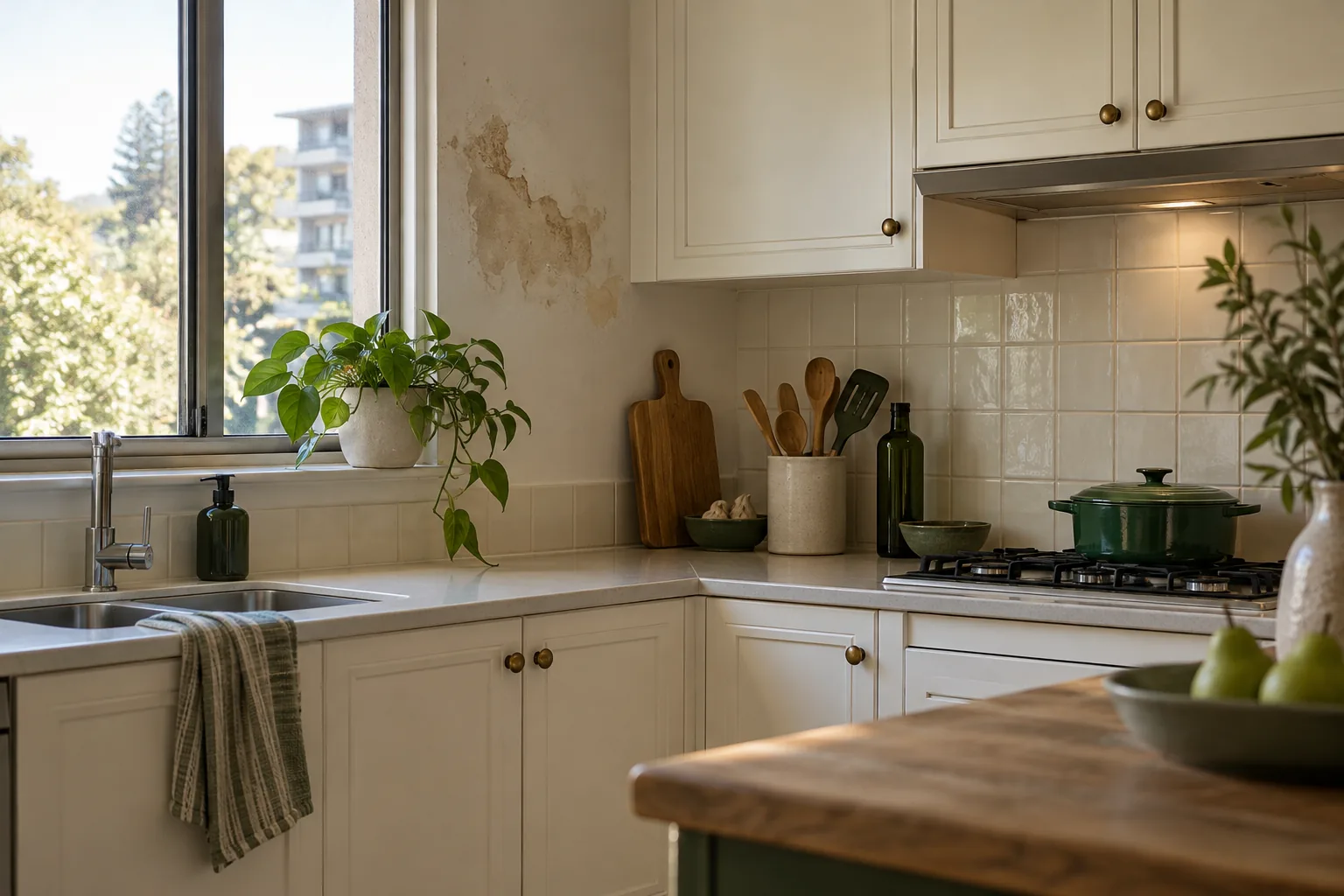
The layout does not identify the moisture source
Mention condensation, water entry or wetting on the actual surface if observed. A divided room may still have more than one moisture question, and the divider’s position does not prove a cause. Building and plumbing defects require their own repair arrangements.
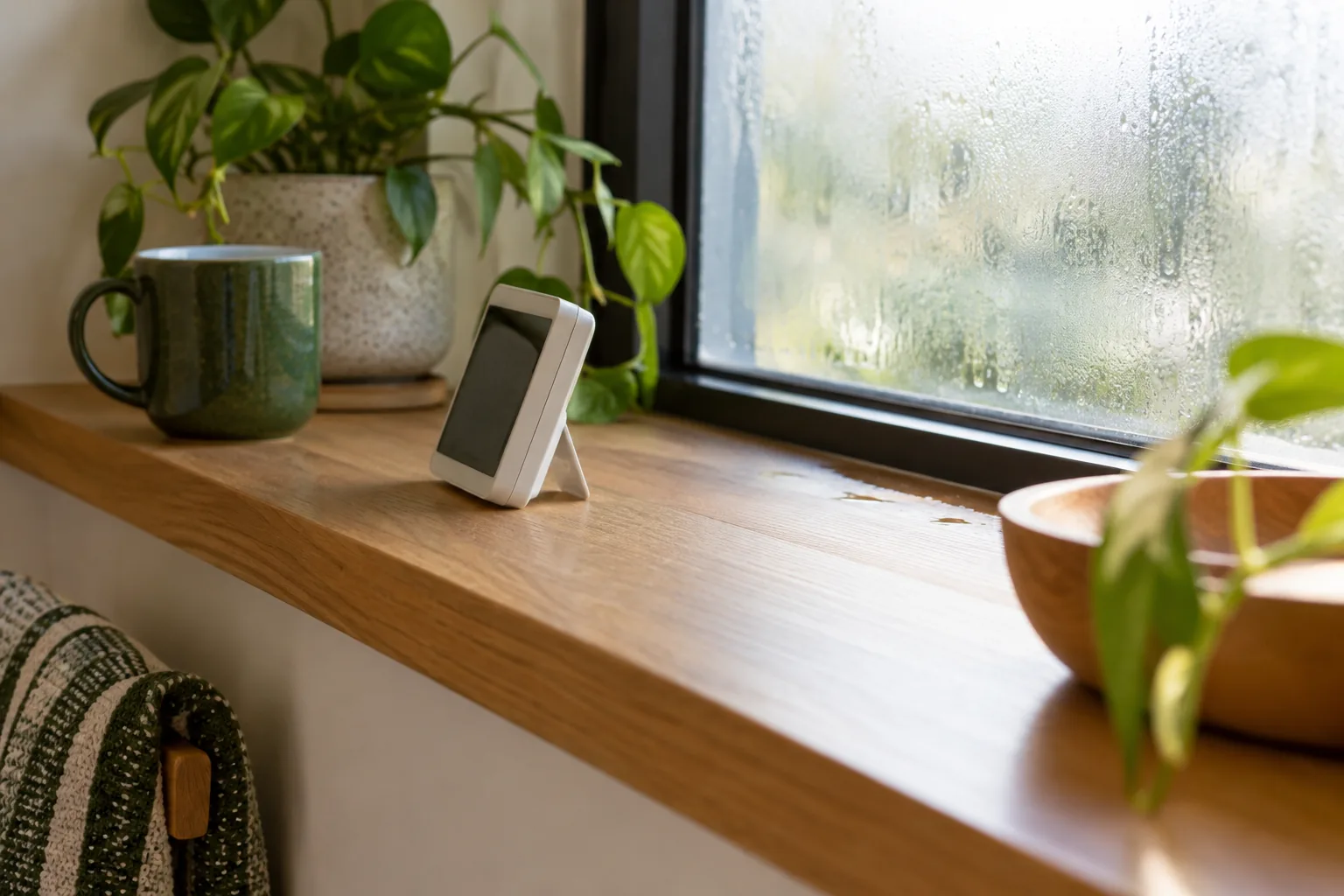
The professional hygrometer measures room-air relative humidity, not moisture inside the divider or structural wall. If the visible condition leaves uncertainty, discuss assessment needs. A particular probe, hidden-space investigation or laboratory finding is not confirmed.
PLAN · FILTER · TREAT · REMOVE · CONTINUE
Treatment after the true boundary is agreed
1
Review the exposed wall and obstruction
Assessment identifies visible contamination, finish and working reach. Explain the divider so included surfaces are not confused with an informal room label.
2
Set air protection before application
The confirmed HEPA scrubber is arranged before treatment. Clearance needs to accommodate equipment and the technician’s route around the actual room layout.

3
Apply suitable treatment
Within the agreed wall boundary, the application uses HOCl and, where appropriate, ULV dry fog, used in most cases. Divider fabric and an unavailable wall section do not become automatic inclusions.
4
Physically remove visible growth
Professional equipment with H-class filtration removes accessible structural contamination. Altering the divider and cleaning its contents remain separate tasks.
5
Maintain air cleaning afterwards
HEPA runs during and after the work. Discuss remaining marks and moisture follow-up before restoring an arrangement that conceals the included patch again.
Separate the structural areas from the divider
Walls
For walls, name the actual face and the exposed portion rather than treating the divider as a structural treatment surface.
Ceilings
For ceilings, describe separate patches and access below them without creating extra scope from the room’s visual division.
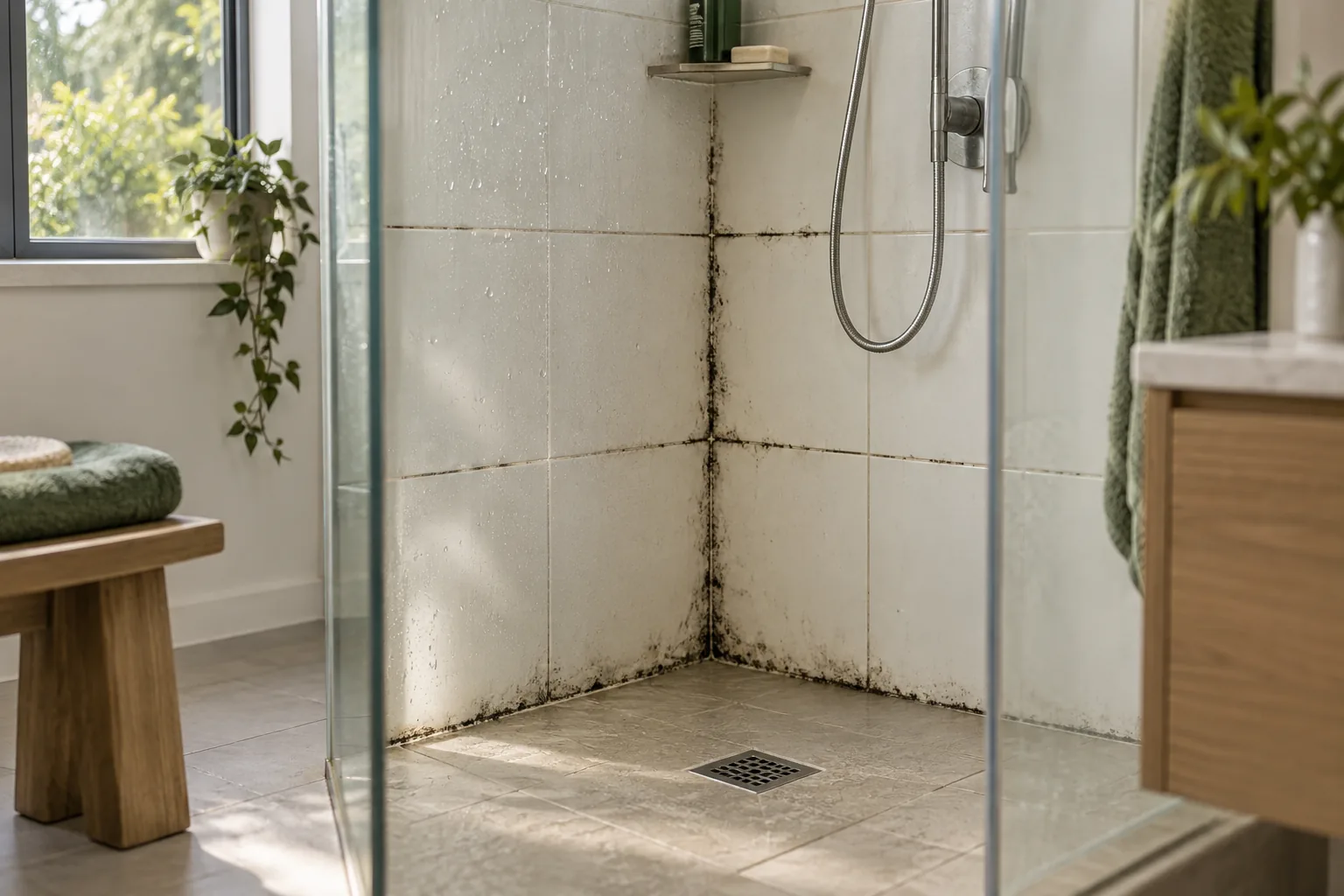
Bathrooms
Bathroom structural treatment needs its own observations, with towels and mats excluded.
Kitchens
Kitchen wall or floor areas should be distinguished from appliances, cupboards and plumbing work.
Accessible affected surfaces
An exposed structural floor can be discussed, while rugs, carpet and textile dividers remain outside standard treatment.
WHAT TO EXPECT
Agree movement and household arrangements
Discuss whether the divider can be moved and who will handle clearance, including fragile items. People and pets leave during treatment, following job-specific departure and return advice. Around three hours per room is average source guidance, varying with size, extent and accessibility rather than a fixed time for each visually divided area.
Cosmetic marks may remain and decorating is separate. Standard treatment does not certify concealed construction dry or guarantee prevention under continuing dampness. Keep the actual included faces clear so later discoveries behind a restored divider are not assumed to have been treated previously.
FOLLOW THE MOISTURE
Leave the building surface observable
The reset layout should not make all moisture follow-up depend on moving the divider again.
Record renewed wetting or growth on the actual wall face.
Arrange appropriate repairs for an identified water-entry fault.
Maintain ventilation and discuss clearance that supports practical monitoring.
Quote the building surfaces, not informal room labels
Use price information with the physical layout, exposed extent and access. Its Mould Removal examples do not confirm a separate divided-room remediation package. Ask how they apply without assuming textile cleaning, dismantling or an automatic extra-room fee.
NANGANA · EXACT ADDRESS & ACCESS
Other Nangana-area properties
For a nearby enquiry, provide the actual address, room layout and approving contact. Similar dividers do not establish identical scope or appointment availability; each structural request requires its own access discussion.
Questions about remediation
Does a divider create two rooms for the quote?
No automatic pricing rule follows from the visual layout. Explain the actual structural surfaces and access when asking how the work will be quoted.
Is divider fabric treated with the wall?
No. Textiles and furniture remain excluded from structural remediation, so the divider concern needs separate advice.
Should a fixed divider be dismantled before calling?
Do not dismantle it solely for the enquiry. Explain the obstruction and discuss suitable separate preparation first.
Can fog cover the wall that stays hidden?
Unavailable coverage is not promised. Suitable ULV use does not remove the accessible-scope limit.
Does the divider position prove the cause of growth?
No. Share observed wetting and room conditions without diagnosing the source from layout alone.
What if restoring the divider hides the treated area?
Discuss monitoring access before the room is reset. A hidden surface is harder to observe and does not become permanently protected by the treatment.
Explain the true wall and room layout
Call 03 8652 1296 with the exposed growth and divider arrangement. Agree structural scope, preparation and separate belongings decisions.