
VISIBLE SURFACES · THOUGHTFUL RESTORATION
Mould Remediation Ferny Creek
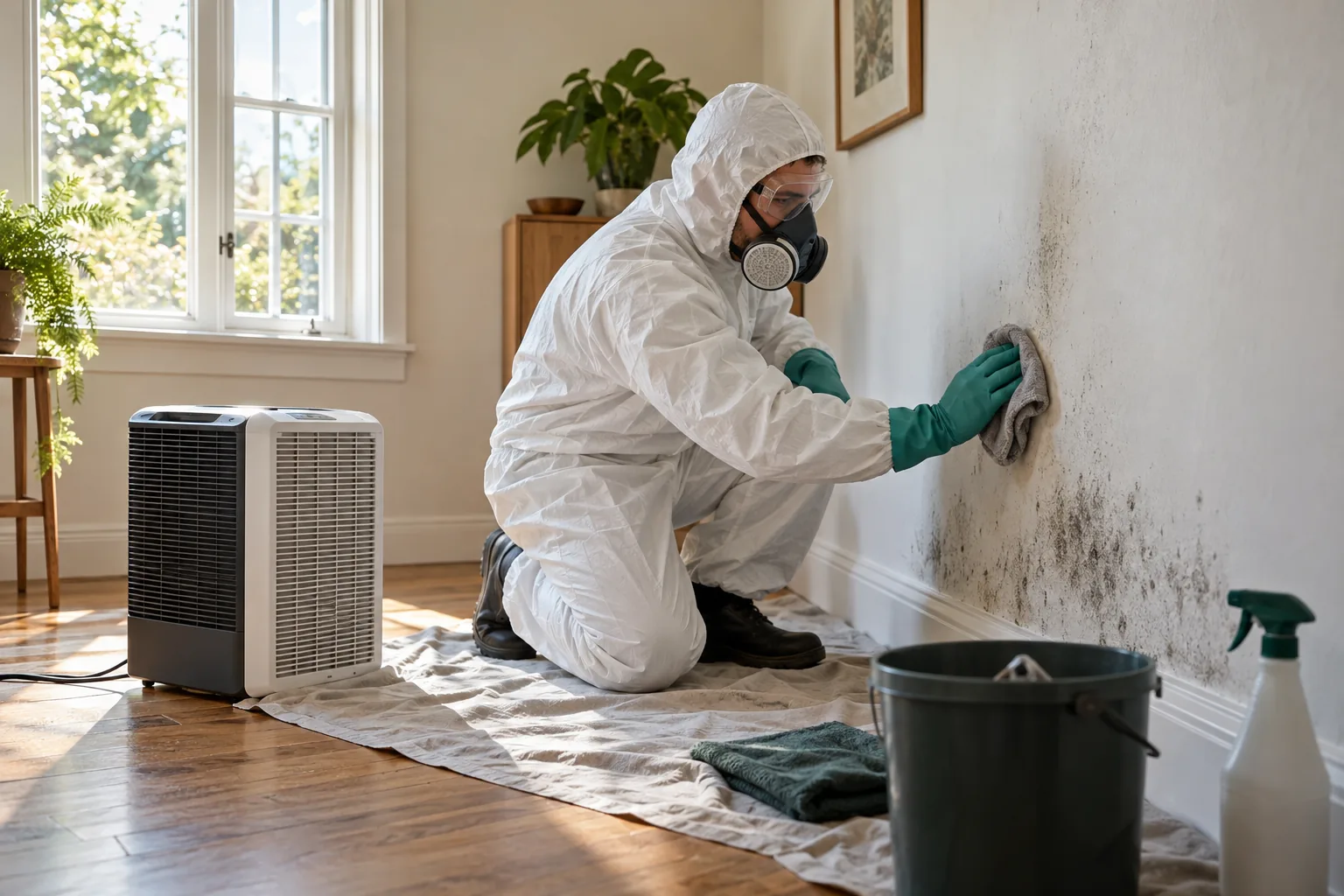
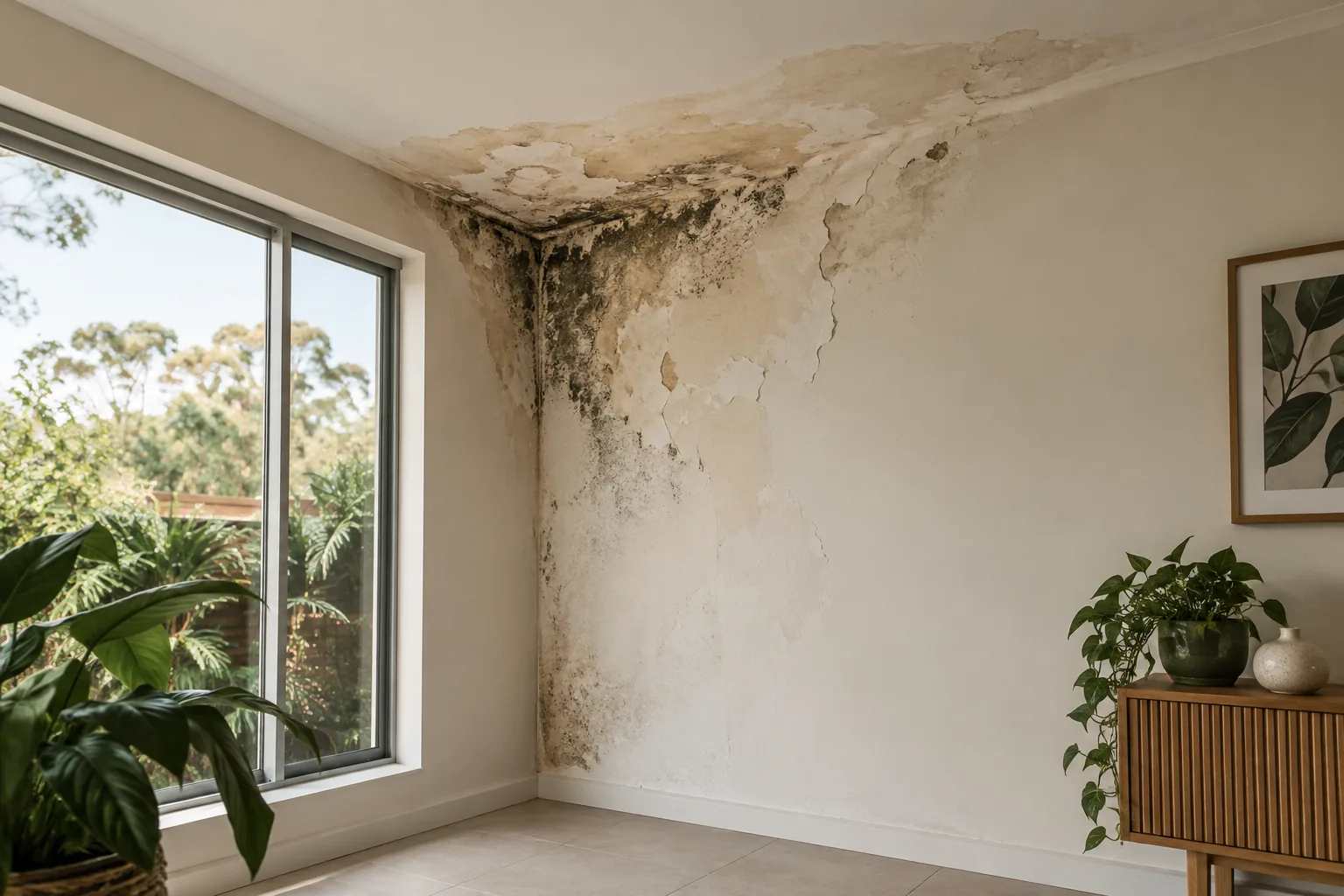
A room’s floor area can tell little about a patch high on an angled or tall surface. For Ferny Creek, explain the visible wall or ceiling and its position from a safe place. Agree accessible extent without converting room dimensions into an assumed treatment quantity or work duration.
ASSESS · FILTER · RESTORE
Dimensions kept in context
Overhead position described
Workable scope assessed
Label estimates as estimates
Say whether a measurement describes the room floor, the visible patch or an approximate distance from the floor. Mention angled surfaces or fixed obstructions only where present. Do not climb or stretch to obtain a precise figure for the enquiry; uncertainty is better than an unsafe measurement or invented dimension.
The confirmed remediation scope concerns visible accessible structural contamination. Height and surface finish need assessment alongside extent. A general room size does not establish concealed coverage, universal access equipment or inclusion of furniture, carpet and other excluded textiles.

Geometry does not identify the damp source
Describe condensation, leaks or wetting where directly observed, without assigning a cause from the shape of the room. Marks on an angled surface do not establish concealed material condition. Plumbing and building repairs remain separate from treating the visible growth.
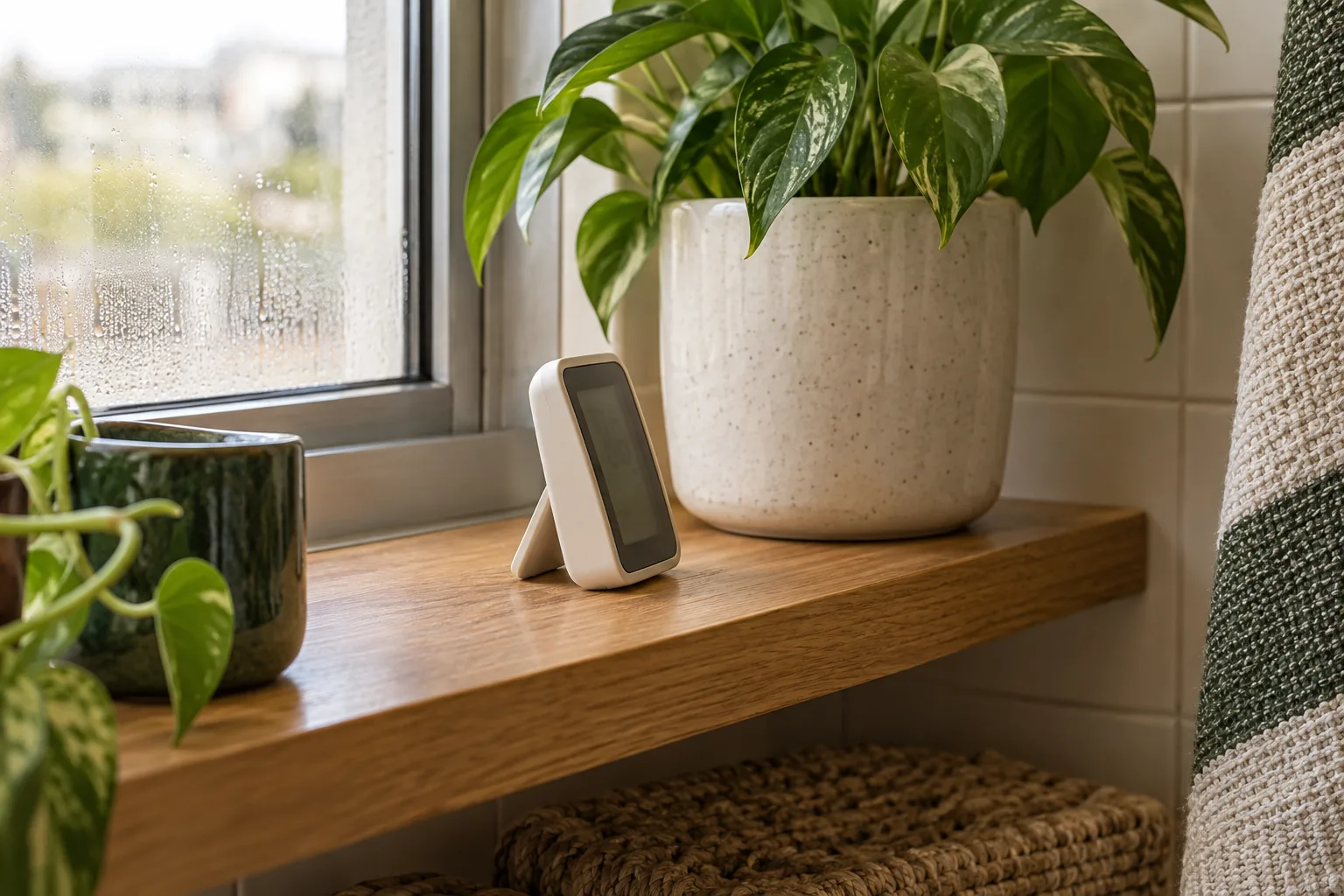
The professional hygrometer measures relative humidity in room air, not moisture in an elevated lining or every part of the room. If cause or material condition remains uncertain, discuss assessment questions. No particular scanner, material probe or hidden-area clearance is confirmed.
PLAN · FILTER · TREAT · REMOVE · CONTINUE
Treatment after extent and reach are understood
1
Assess the actual structural face
Review accessible contamination, finish and its overhead position. Explain estimated dimensions honestly so the accepted scope follows the surface rather than a room-area calculation.
2
Set air protection before application
The confirmed HEPA scrubber is established before treatment. Equipment placement and the working route need coordination with access to the included high surface.

3
Apply suitable treatment
The assessed application uses HOCl and appropriate ULV dry fog, used in most cases. Room height does not create a promise to treat concealed backing or every unavailable finish.
4
Physically remove reachable growth
Professional equipment with H-class filtration removes accessible contamination within scope. Lining replacement and special access arrangements are not assumed parts of the removal stage.
5
Continue air cleaning afterwards
HEPA operates during and after treatment. Obtain return advice and discuss residual cosmetic marks or moisture questions without treating the room’s dimensions as proof of completion.
Describe the surfaces rather than a room volume
Walls
For walls, identify the affected face and approximate visible limit, noting any portion that remains obstructed.
Ceilings
For ceilings, explain an angled or elevated patch and the working space below it from a safe position.
Bathrooms
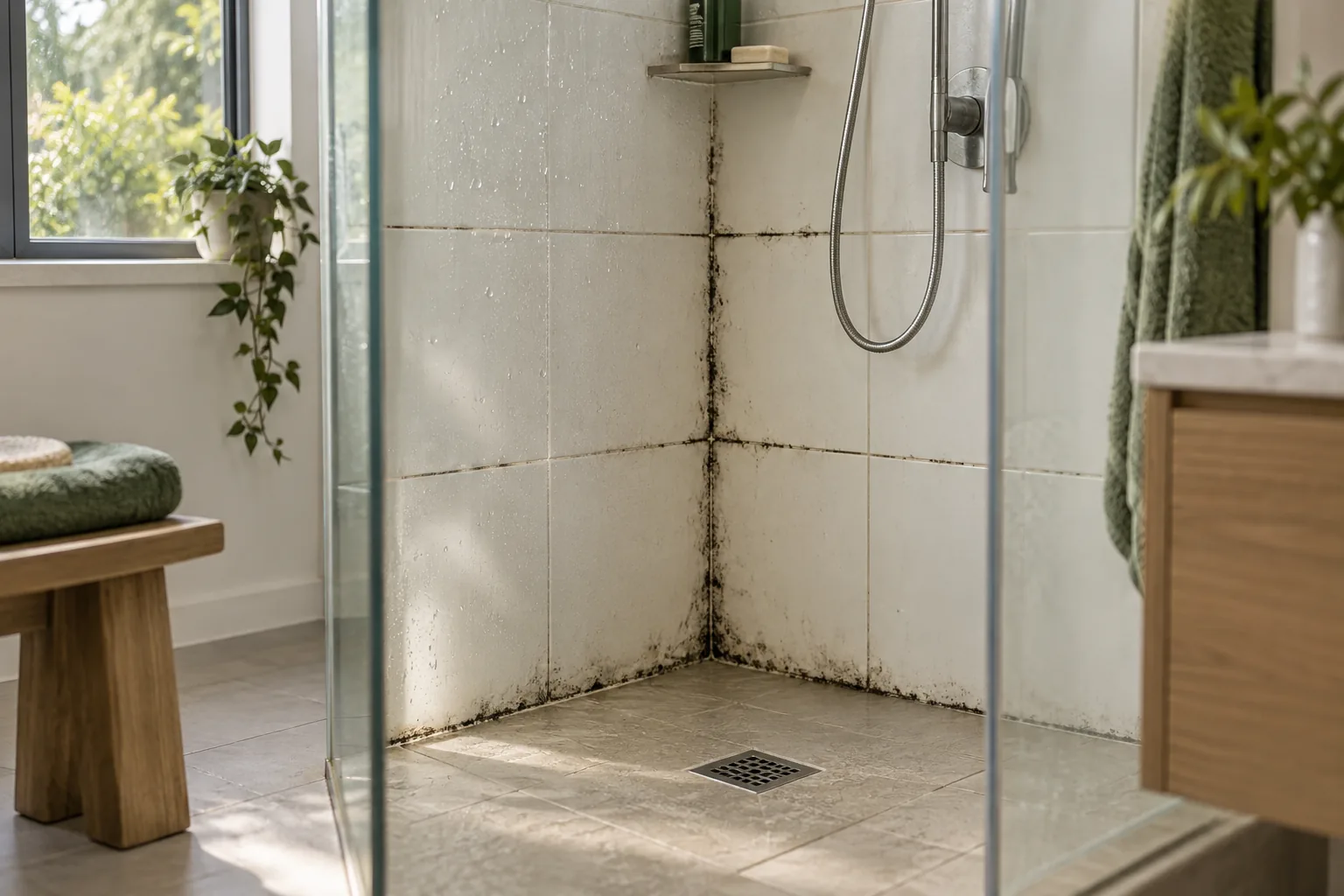
Bathroom structural areas need their own scope, with extraction repairs and excluded textiles kept separate.
Kitchens
Kitchen wall or ceiling growth should be distinguished from cabinets, appliances and plumbing work.
Accessible affected surfaces
An exposed structural floor can be discussed, while carpet and rugs are not included by a general room-size description.
WHAT TO EXPECT
Prepare without improvising high access
Discuss clearance, fragile fittings and any separate access requirement before moving items or hiring equipment. Plan for occupants and pets to be away during the high-surface treatment; return arrangements follow the technician’s specific advice rather than room dimensions. Around three hours per room is average guidance, varying with size, extent and accessibility rather than guaranteed by a floor-area estimate.
Cosmetic staining may remain and decorating is separate. Standard treatment does not certify concealed materials dry or prevent recurrence under persistent dampness. Ask which faces were included so later finishing decisions are based on the actual work, not a claim that the entire room volume has been cleared.
FOLLOW THE MOISTURE
Keep later checks safe and specific
Monitoring an elevated area should not require an unsafe approach.
Describe new visible change from a safe accessible viewpoint.
Arrange repair advice for continuing water entry or a confirmed structural fault.
Maintain ventilation and note fresh dampness with its surface and timing.
Do not calculate a tariff from guessed dimensions
Use price information with the surface, extent and reach details. Its Mould Removal examples do not establish a separate height-based or square-metre remediation rate. Confirm applicability without assuming extra equipment, lining repair or a guaranteed shorter visit is included.
FERNY CREEK · EXACT ADDRESS & ACCESS
Other Ferny Creek-area enquiries
A nearby address needs its own surface positions, authority and access. Similar dimensions do not establish identical treatment needs or a combined appointment; availability requires confirmation for the actual property.
Tremont · Sherbrooke · Sassafras · Upwey
Questions about remediation
Should room floor area be called the affected area?
Label it as floor area. Describe the actual visible structural patch separately so the enquiry does not confuse different measurements.
Is a precise overhead measurement required before calling?
No unsafe close measurement is required. Explain the approximate position and any uncertainty from a safe place.
Does a taller room have a confirmed higher remediation rate?
No height-based tariff is established. Discuss the actual scope and access rather than inventing a price rule.
Should access equipment be hired before the enquiry?
Confirm the working arrangement first. No universal additional equipment package or preparation instruction is supplied here.
Can the room-air reading prove the high lining is dry?
No. Air relative humidity does not measure moisture within the lining or concealed backing.
What helps compare a later overhead mark?
Identify the same structural face and actual new observation with timing. Keep different surfaces and uncertain dimensions qualified instead of relying on room size alone.
Explain the surface before estimating the job
Call 03 8652 1296 with the visible position, access and moisture history. Agree a workable structural treatment scope.