
VISIBLE SURFACES · THOUGHTFUL RESTORATION
Mould Remediation Officer
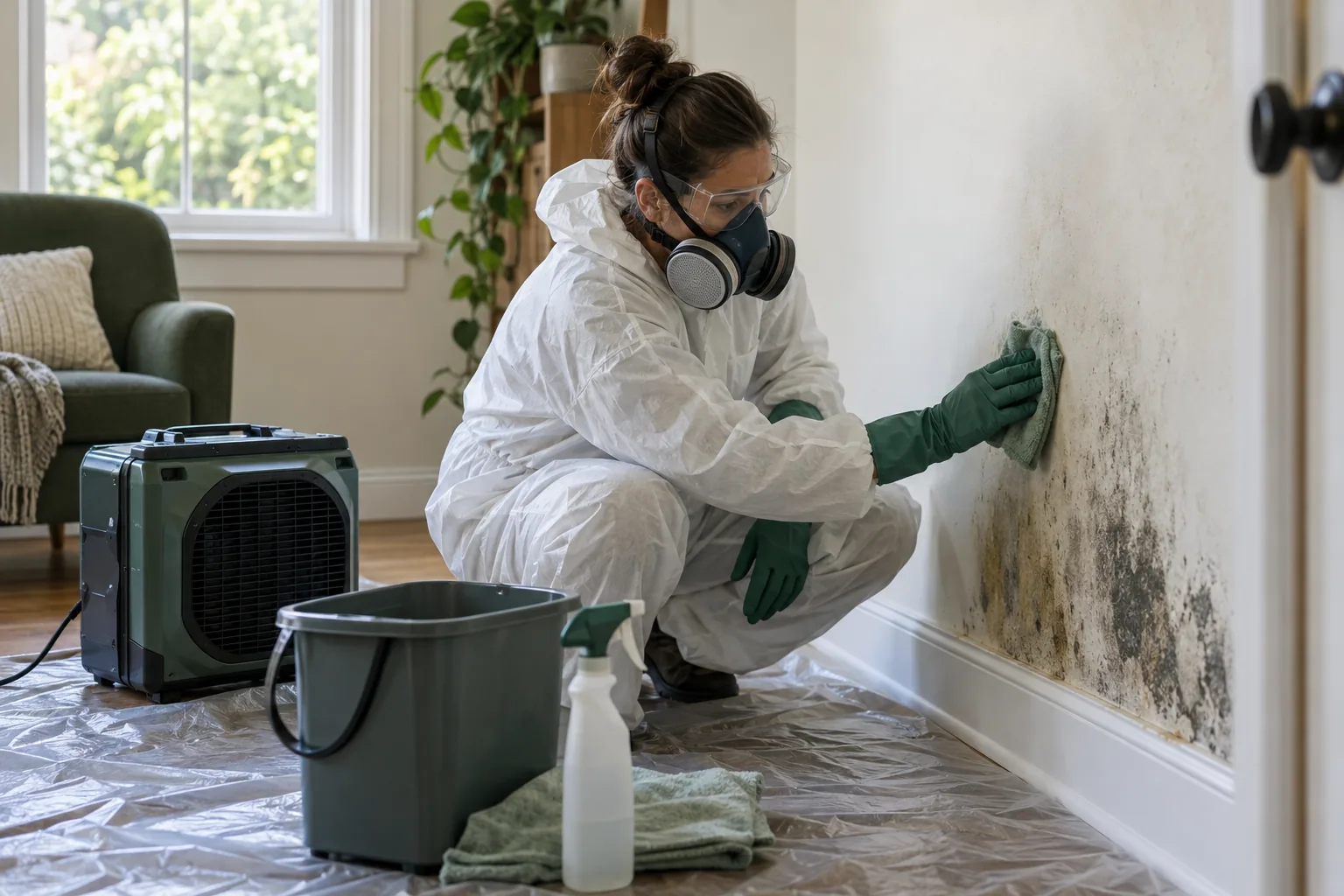
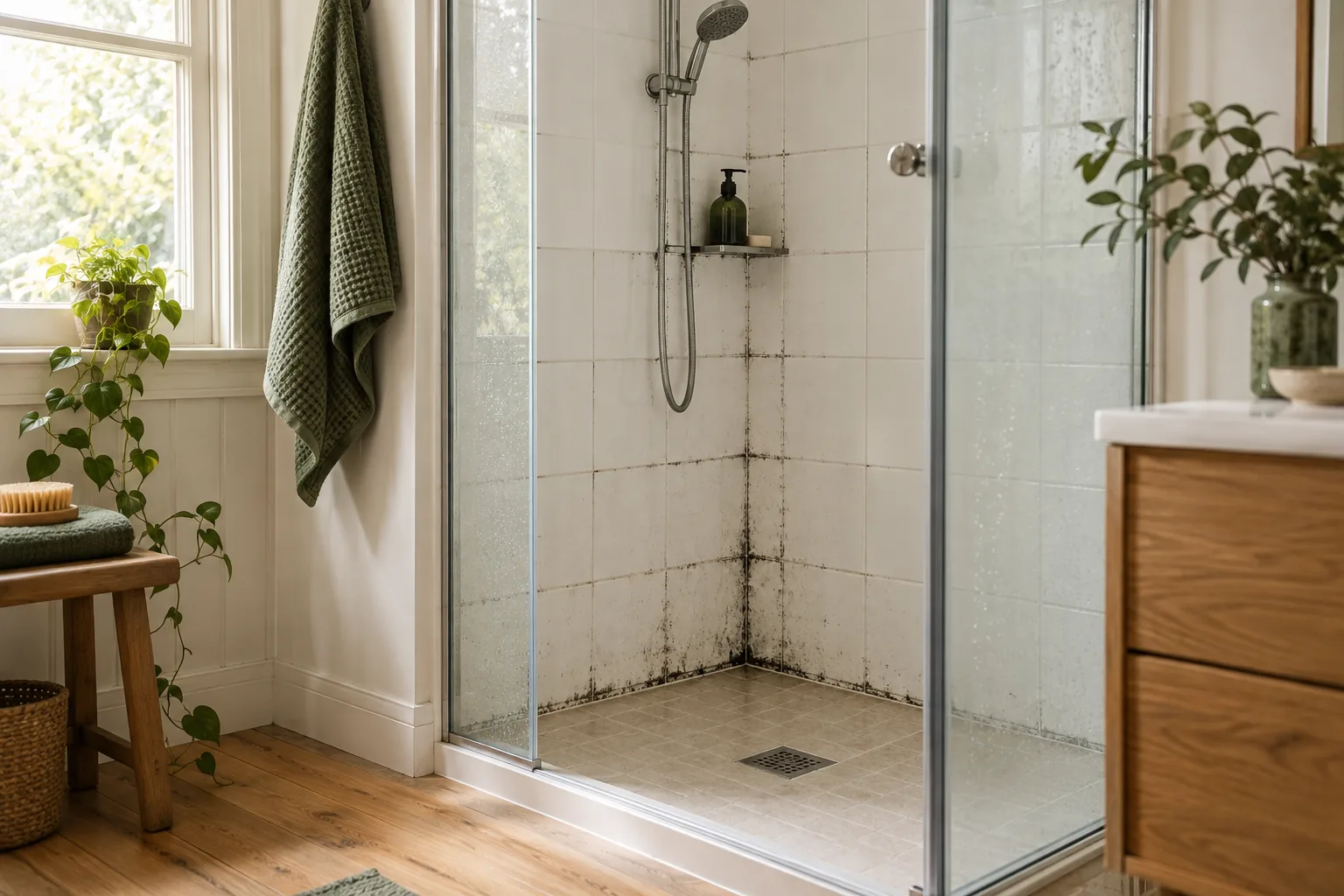
A recessed wall face may have a different working boundary from the open surface beside it. For an Officer enquiry, locate the visible mark within the recess and describe any fitting or contour that restricts reach. A clear front view does not automatically establish access to every edge, hidden backing or connected surface; the suitable structural scope needs discussion.
ASSESS · FILTER · RESTORE
The recessed finish is identified.
Working limits are explained beforehand.
Treatment suitability is agreed directly.
Describe the contour without inventing hidden extent
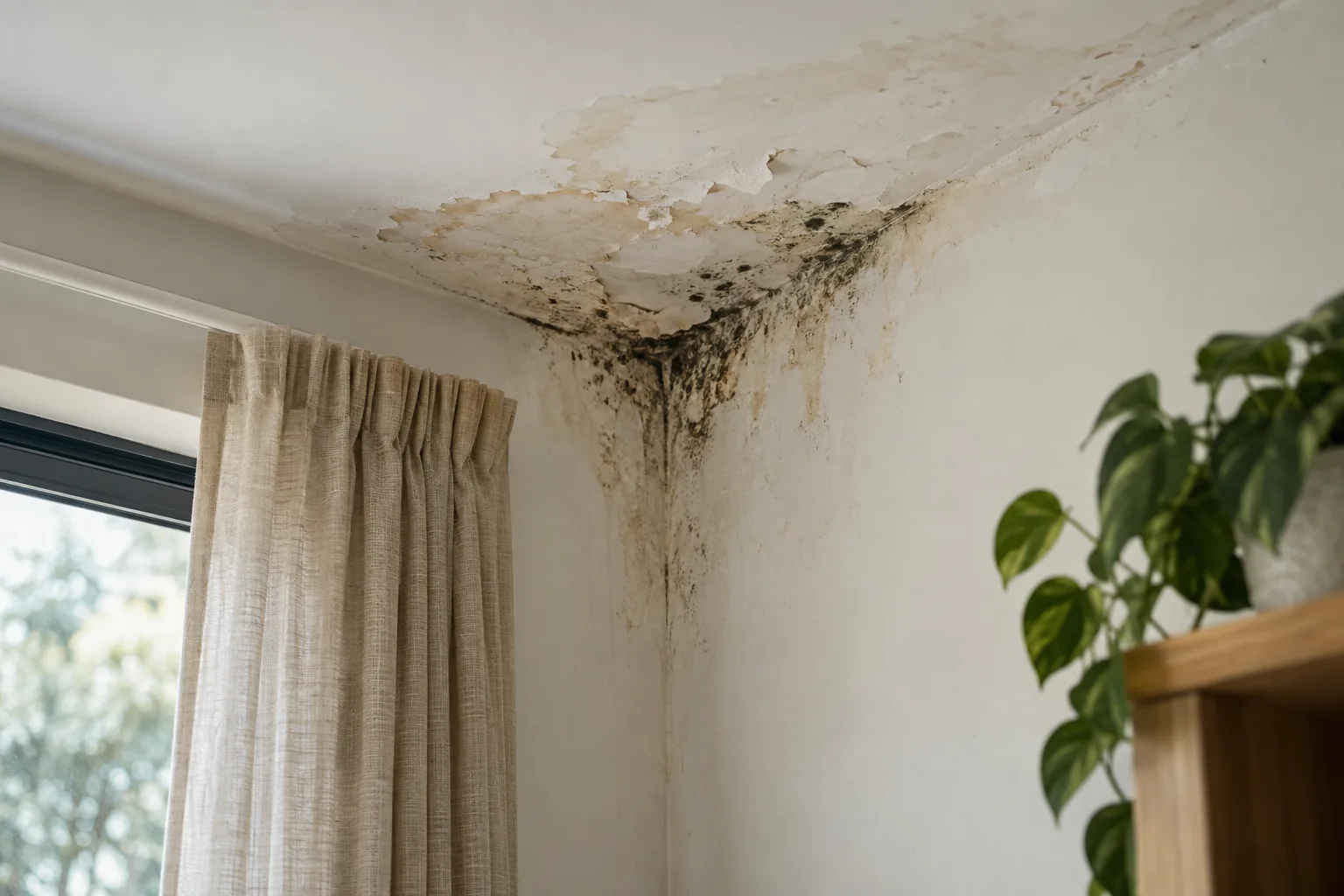
Say which face carries visible growth and what material information is genuinely known. Describe fragile edges or fixed obstacles without scraping them to reveal more. Similar marks across a corner can inform the request, but they do not establish identical suitability or prove contamination behind an unopened construction layer.
Our supported treatment process combines assessment, HEPA protection, suitable application and physical removal of visible accessible structural mould. Furniture and textiles remain excluded. Removing fittings, opening backing, rebuilding contours and decorating need separate arrangements; a recess should not be presented as a confirmed concealed-treatment package.
The shape of a mark does not establish its source
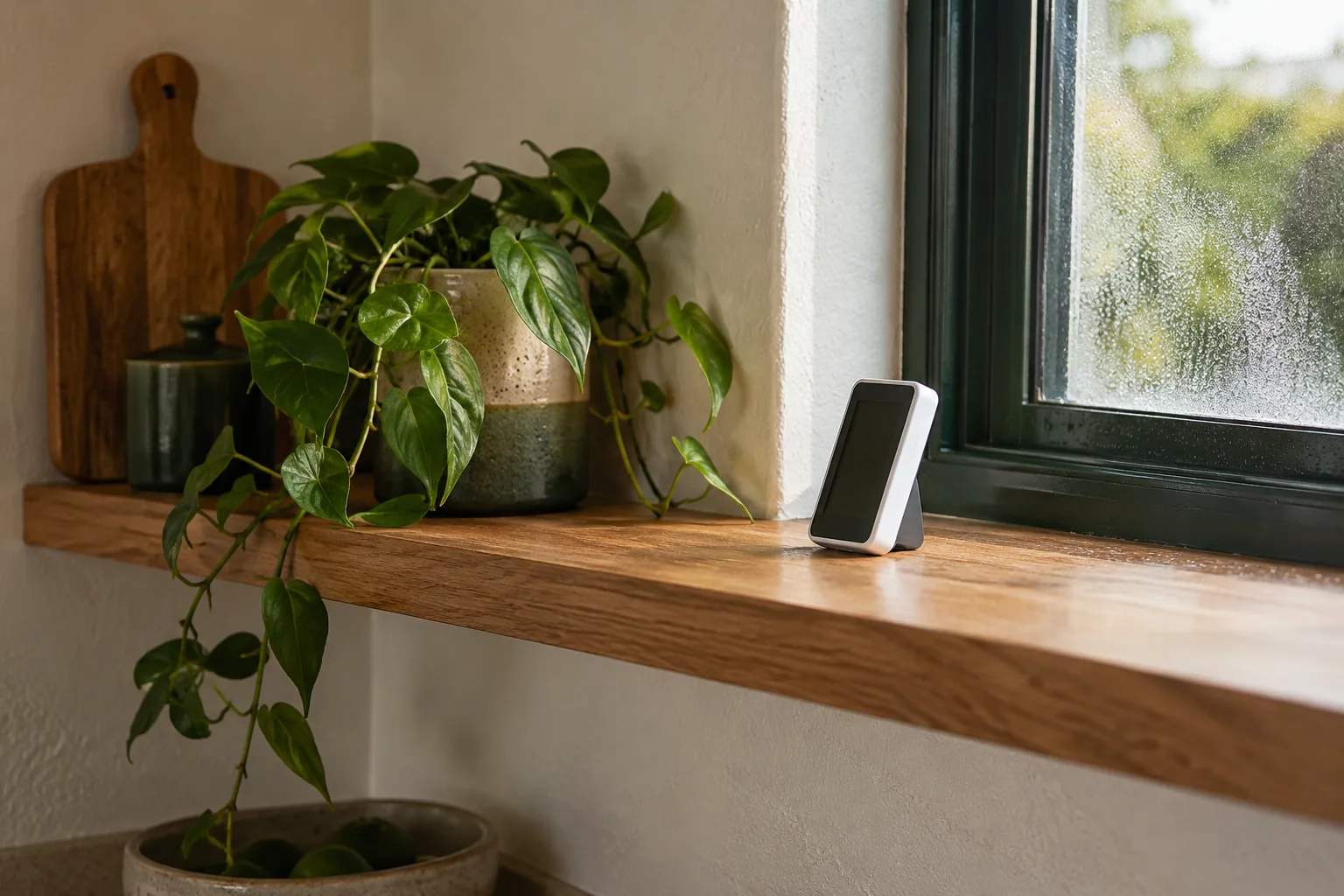
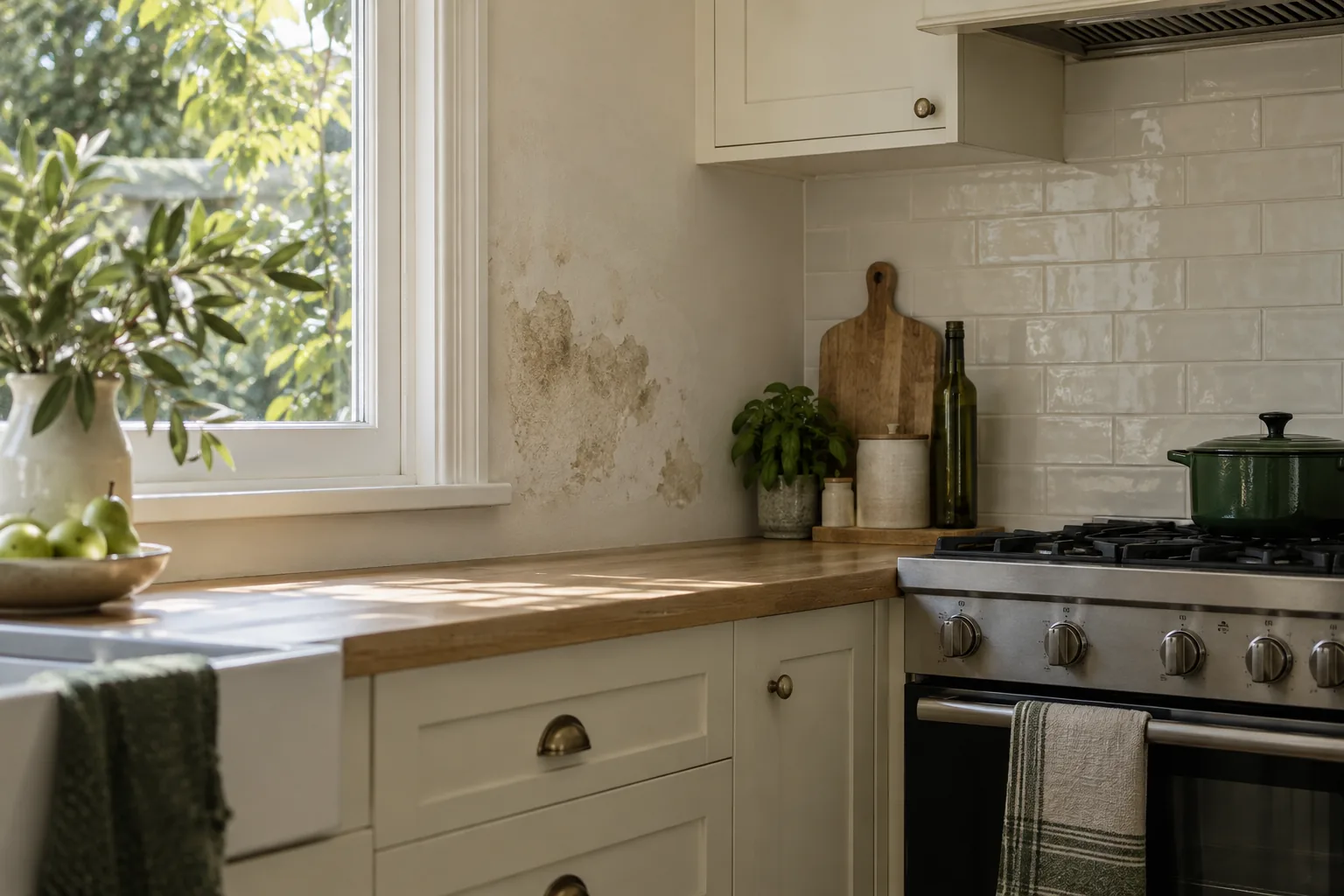
Report actual water or condensation, known repairs and reliable dates. Do not diagnose a leak or airflow issue solely from the recess position. The professional hygrometer supplies relative humidity in room air, not moisture inside its backing or a finding that every connected material is dry.
An accessible inspection discussion may clarify an uncertain visible request before treatment. Known leaks and ventilation faults require separate correction. Continuing dampness may permit recurrence, so follow actual moisture findings rather than expect a chosen application to guarantee every contour stays clear permanently.
PLAN · FILTER · TREAT · REMOVE · CONTINUE
Treat agreed exposed faces through the confirmed sequence
1
Assess material and reachable contours
Identify visible contamination, finish condition and actual access within the recess, keeping unavailable edges qualified.
2
Start HEPA protection before treatment
Set up the confirmed HEPA air scrubber before surface work begins, arranging equipment clearance for the actual room.

3
Apply suitable HOCl methods
Use HOCl appropriately, including ULV dry fog in most cases where suitable, without promising coverage behind fixed contours or closed layers.
4
Remove visible mould physically
Professional H-class filtered equipment addresses agreed accessible contamination, separate from rebuilding the recess or restoring every decorative edge.
5
Continue final HEPA operation
HEPA air cleaning runs during and after treatment; obtain technician return instructions and discuss residual marks or untreated sections.
Keep each structural face’s inclusion explicit
Walls
Locate the recessed wall face and adjacent surfaces, with material condition and unavailable edges honestly described.
Ceilings
Describe overhead marks safely and actual wetting, separating exposed treatment from lining or roof-space work.
Bathrooms
Identify bathroom paint or joints rather than assume a recess creates one universal material or renewal task.
Kitchens
Explain accessible kitchen growth and fitting limits, keeping appliance servicing, contents and plumbing repairs separately scoped.
Accessible affected surfaces
Affected exposed hard-floor finishes can be discussed for suitability; carpet and hidden construction remain excluded despite a connected contour.
WHAT TO EXPECT
Prepare without reshaping the marked area
Tell the technician about fragility and access restrictions before moving belongings. Do not scrape, flatten or dismantle contours merely as preparation. Plan for people and pets to leave the property while treatment is undertaken, with technician-confirmed instructions for returning. Average guidance is approximately three hours per room, varying with size, contamination and accessibility rather than a fixed contour-cleaning interval.
The service is not hourly based. Cosmetic stains or appearance differences can remain and decorating is separately quoted. Ask which faces were included instead of assuming whole-recess restoration. No laboratory clearance, hidden-material certificate or universal preservation guarantee is confirmed by standard visible treatment.
FOLLOW THE MOISTURE
Keep future observations tied to the actual face
A useful aftercare account distinguishes fresh growth or water from residual colour, alongside practical source correction.
Record the contour position and date of a new visible change.
Maintain suitable extraction and arrange repair of identified leaks.
Describe later newly available faces separately instead of extending the earlier accessible boundary.
Quote the available faces rather than a contour label
Describe extent, material and reach through the pricing discussion. Its room table concerns Mould Removal; confirm applicability to the accepted remediation. Contour rebuilding, fitting removal and hidden treatment are not inferred from those figures, and no specialised recess tariff is established by the shape of a patch.
OFFICER · EXACT ADDRESS & ACCESS
Confirm the specific Officer interior
Provide the address and informed contact for the contour concern. Nearby links navigate separate enquiries rather than establish material suitability or attendance here.
Questions about remediation
Does a front view establish access to every recessed edge?
No. Describe actual working reach and fixed restrictions so the accepted scope reflects available faces rather than an image alone.
Should a rough edge be scraped to improve the enquiry?
Do not disturb it merely for preparation. Describe its current condition and discuss any necessary separate material work first.
Can fogging guarantee the back of the recess is treated?
No concealed coverage is promised. Suitable ULV use does not override the agreed visible accessible boundary.
Will remediation rebuild a damaged contour?
No rebuilding service is confirmed. Keep the repair request separate from physical removal of accessible contamination.
Does the mark’s recess position prove an airflow cause?
Not by itself. Share actual water, use and repair observations without diagnosing from the shape or location alone.
How should a later contour change be reported?
Identify the particular face, timing and actual water or growth, keeping unavailable sections and unchanged cosmetic marks clearly qualified.
Discuss Officer contours from the actual accessible finish
Call 03 8652 1296 with visible growth, materials and reach restrictions. Agree suitable structural treatment and realistic appearance limits.