
VISIBLE SURFACES · THOUGHTFUL RESTORATION
Mould Remediation Maryknoll
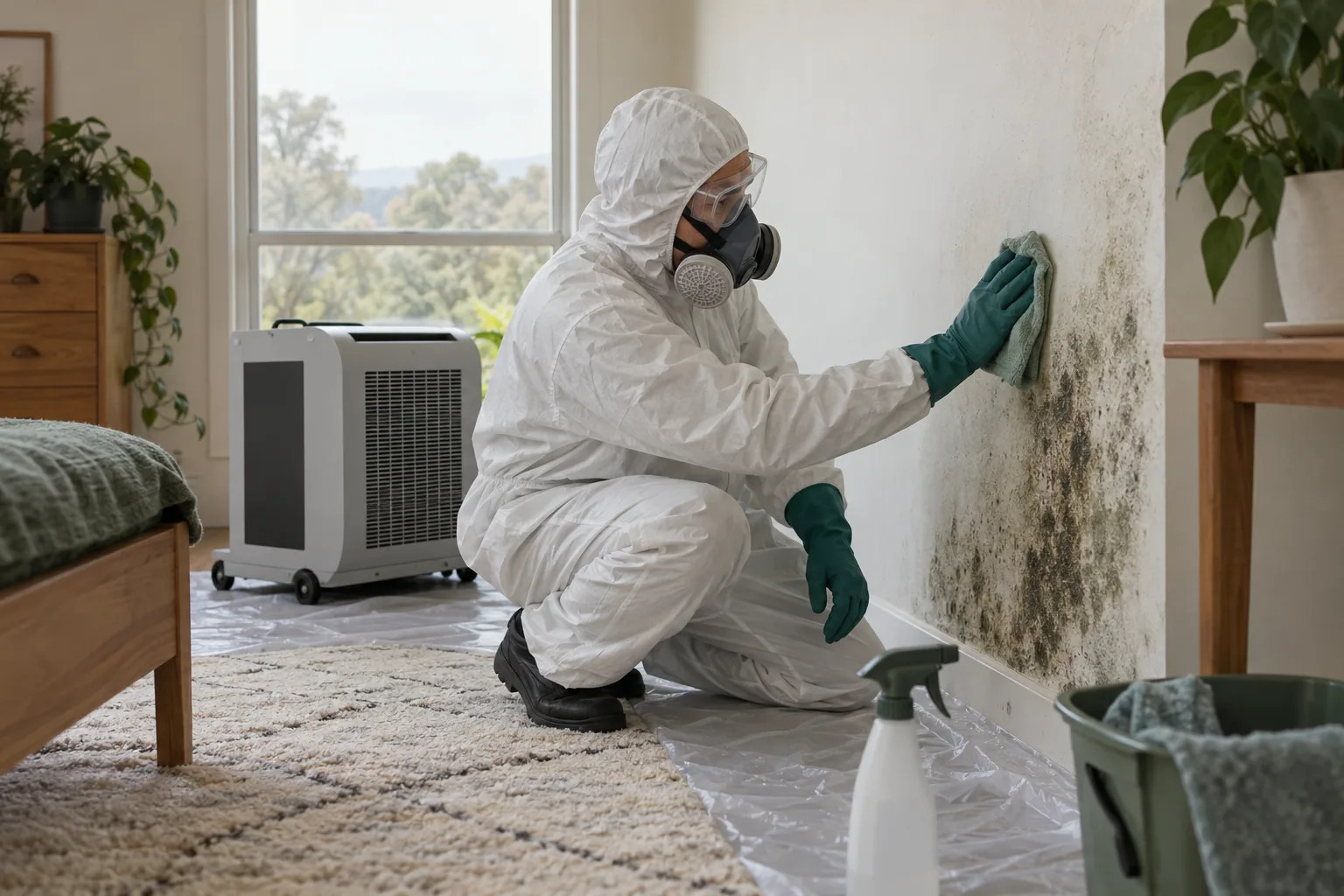
A surface being retained beside planned building work needs a specific treatment boundary. For a Maryknoll enquiry, identify the visible finish you want considered and which adjacent material another provider may remove. Remediation should not be described as demolition, approval of a renovation plan or clearance of layers that become exposed after the agreed visible work.
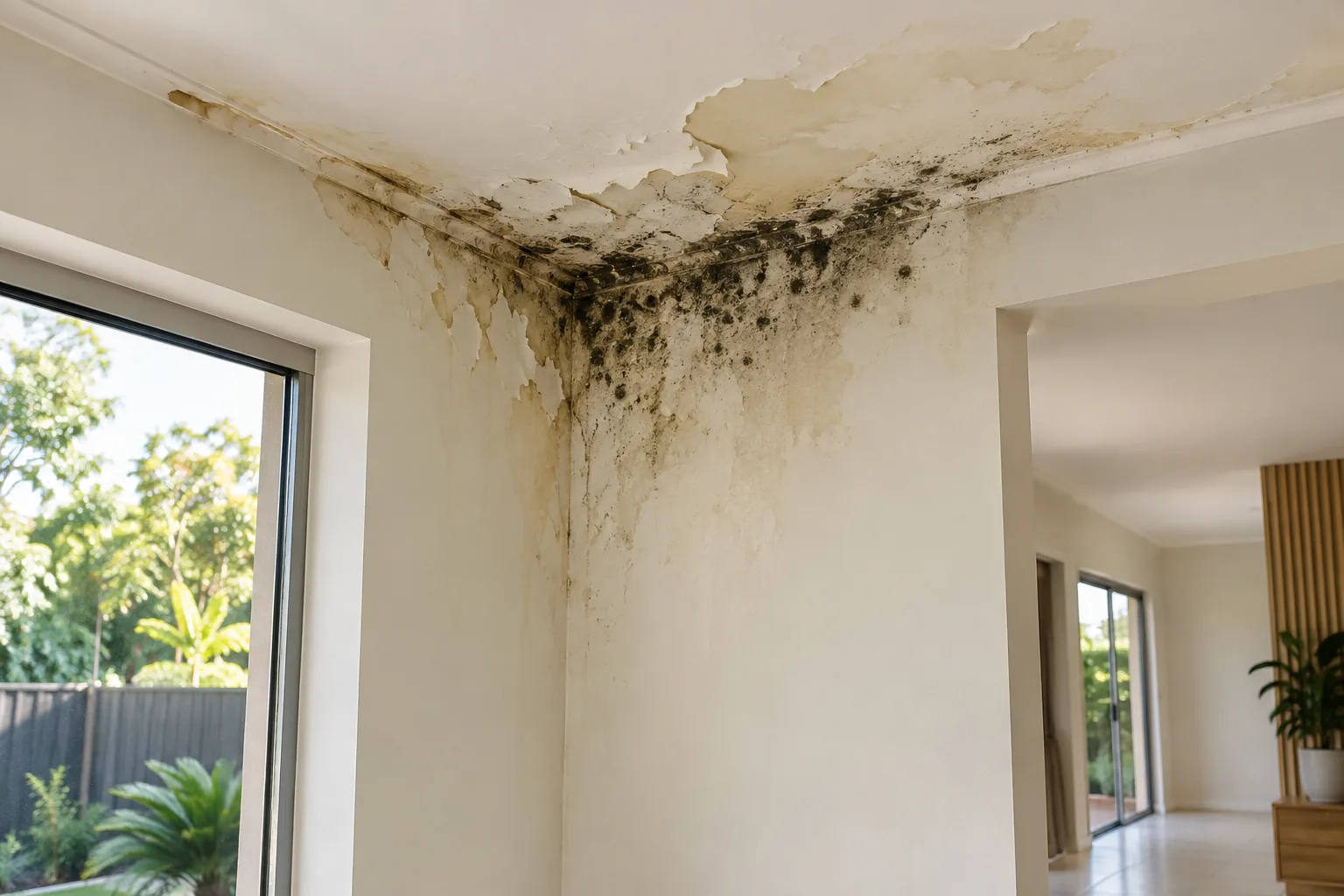

ASSESS · FILTER · RESTORE
The retained finish is identified.
Adjacent building work remains separately scoped.
Current access guides treatment planning.
Distinguish the retained face from the building proposal
Describe current growth, material and available reach, with the separate work’s actual status. Do not treat provisional removal as completed access or use a renovation label to include every connected surface. If the retained face is fragile or has earlier applications, mention those details before assuming treatment suitability or a preserved appearance.
Our remediation process combines assessment, filtration, suitable application and physical removal of visible accessible structural mould. Furniture and textiles are excluded. Demolition, material replacement, concealed investigation and decorating require separate arrangements; contamination work on a retained finish is not a whole-project restoration package.
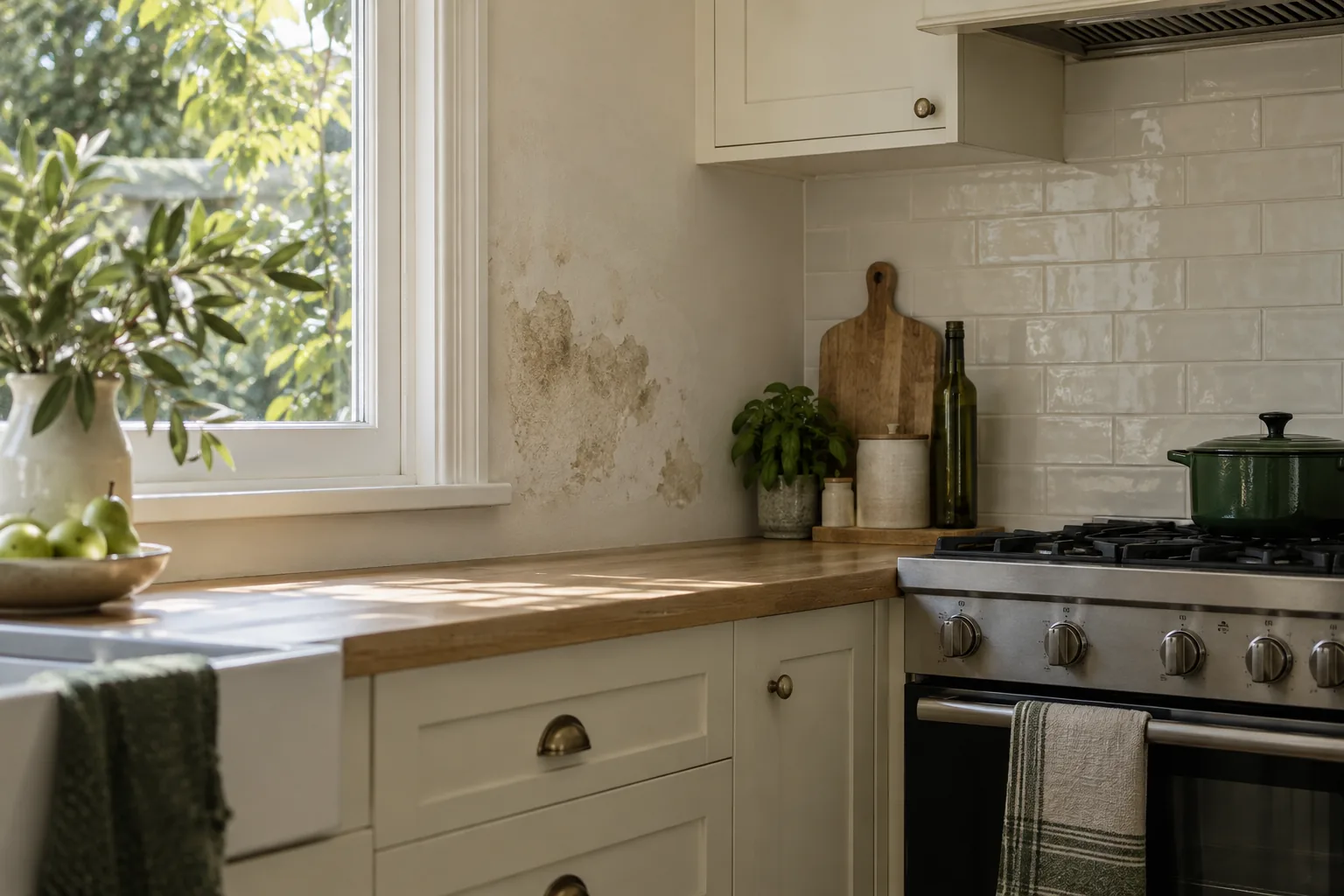
Building plans do not establish the source is corrected
Give actual wetting or condensation observations and genuinely completed repair findings. The professional hygrometer supplies relative humidity in room air, not moisture inside retained material or proof that an adjacent removal task resolves the source. Keep the planned building change distinct from a confirmed concealed-dryness outcome.
An accessible assessment discussion may clarify current visible symptoms before treatment. Known leaks and ventilation faults need separate correction. Continuing dampness can support recurrence after mould work, so establish who follows the source concern through rather than expect a retained face to stay clear because nearby construction changes.
PLAN · FILTER · TREAT · REMOVE · CONTINUE
Apply confirmed methods to the accepted retained surfaces
1
Assess current material and boundary
Identify growth, deterioration and working reach on the retained face, keeping adjacent removal and unknown layers outside the accepted scope.
2
Establish HEPA before application
Set up the confirmed HEPA air scrubber before treatment begins, arranging equipment clearance around the actual available interior.

3
Use appropriate HOCl treatment
Apply HOCl as assessed, including ULV dry fog in most cases where suitable, without promising uniform compatibility or hidden-layer coverage.
4
Physically remove visible growth
Professional H-class filtered equipment supports removal within agreed accessible scope, separate from demolition or rebuilding adjacent material.
5
Continue final HEPA operation
HEPA air cleaning runs during and after treatment; receive technician return advice and clarify residual appearance or separate project tasks.
Name each structural finish’s actual status
Walls
Identify the retained wall face and proposed adjacent changes, leaving unknown backing condition accurately qualified.
Ceilings
Describe overhead marks safely and separate lining replacement plans from treatment of the currently exposed finish.
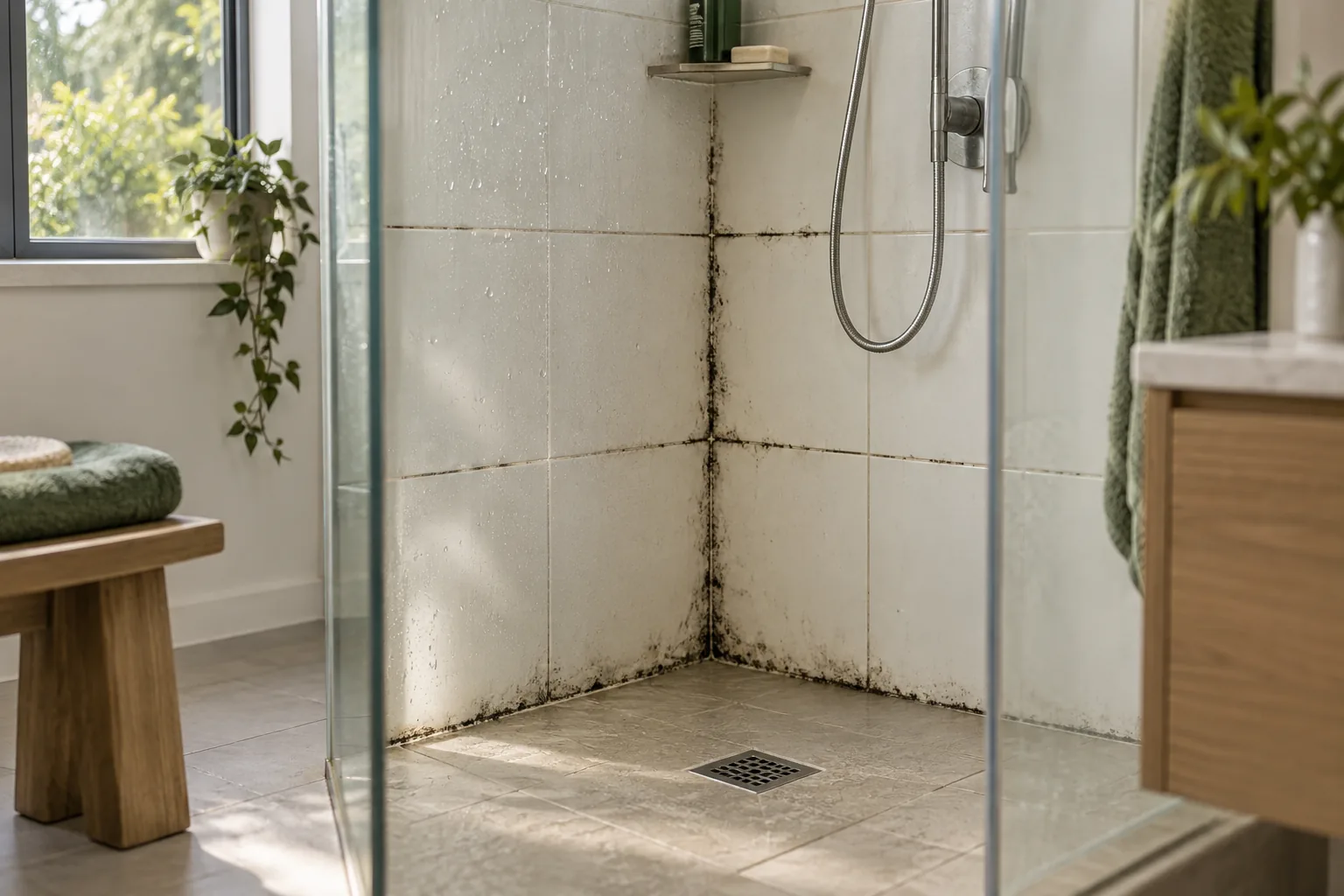
Bathrooms
Locate affected bathroom paint or joints, keeping tile backing work, seal renewal and fabric belongings outside automatic inclusion.
Kitchens
Explain reachable kitchen growth independently of cabinet changes, appliances and plumbing repairs.
Accessible affected surfaces
Affected exposed hard floors need suitable agreement; carpet and construction layers unavailable during treatment remain excluded.
WHAT TO EXPECT
Coordinate preparation with the actual providers
Explain the building proposal and fragile belongings before clearance. Do not arrange another provider to work inside active treatment on assumption. People and pets leave the property and follow technician-specific return instructions. Average guidance is about three hours per room, varying with size, contamination and accessibility rather than a fixed renovation handover interval.
The service is not hourly based. Cosmetic stains or existing material damage may remain and decorating is separately quoted. Ask which finishes were included before other work changes their appearance. No standard report, laboratory clearance or approval of a retained material’s structural condition is confirmed by visible contamination treatment.
FOLLOW THE MOISTURE
Keep later building information accurately bounded
Follow known moisture concerns while distinguishing the actual treatment from changes made by another provider.
Record fresh water or growth on the retained face with dates.
Maintain suitable extraction and arrange separate source corrections.
Identify newly exposed material after building work as new information rather than presumed earlier treatment.
Quote contamination without a project-wide assumption
Describe the retained finish and access using price applicability. The affected-room table concerns Mould Removal; confirm the figures relevant to the requested remediation. Demolition, replacement materials and decorative finishing should not be inferred from treatment amounts, and an adjacent building proposal does not create an unsupported package price.
MARYKNOLL · EXACT ADDRESS & ACCESS
Confirm the Maryknoll interior and project contact
Supply the full premises address and informed authorised contact. Nearby links navigate separate enquiries without confirming attendance or responsibility for the planned building work.
Nar Nar Goon · Tynong · Garfield · Tonimbuk
Questions about remediation
Does treating the retained face include adjacent demolition?
No demolition inclusion is confirmed. Identify the separate provider and actual building scope while agreeing accessible contamination work.
Can proposed removal be described as current access?
No. Explain whether it is planned or completed so the accepted treatment boundary reflects the room actually available.
Will remediation approve retaining a damaged lining?
No structural approval is promised. Raise material condition separately with the relevant building provider.
Can fogging include layers revealed after later work?
No retrospective or concealed coverage is established. Newly exposed material needs its own current description and scope decision.
Does renovation guarantee the retained finish cannot develop mould again?
No. Continuing moisture can support recurrence, so actual source correction and useful observation remain separate responsibilities.
What should be recorded before another trade changes the area?
Keep the surfaces actually treated and known observations clear, distinguishing them from new access or material changes caused by later work.
Discuss Maryknoll retained surfaces before project assumptions
Call 03 8652 1296 with visible growth, current access and separate building plans. Agree treatment and clear provider responsibilities.