
VISIBLE SURFACES · THOUGHTFUL RESTORATION
Mould Remediation Point Leo
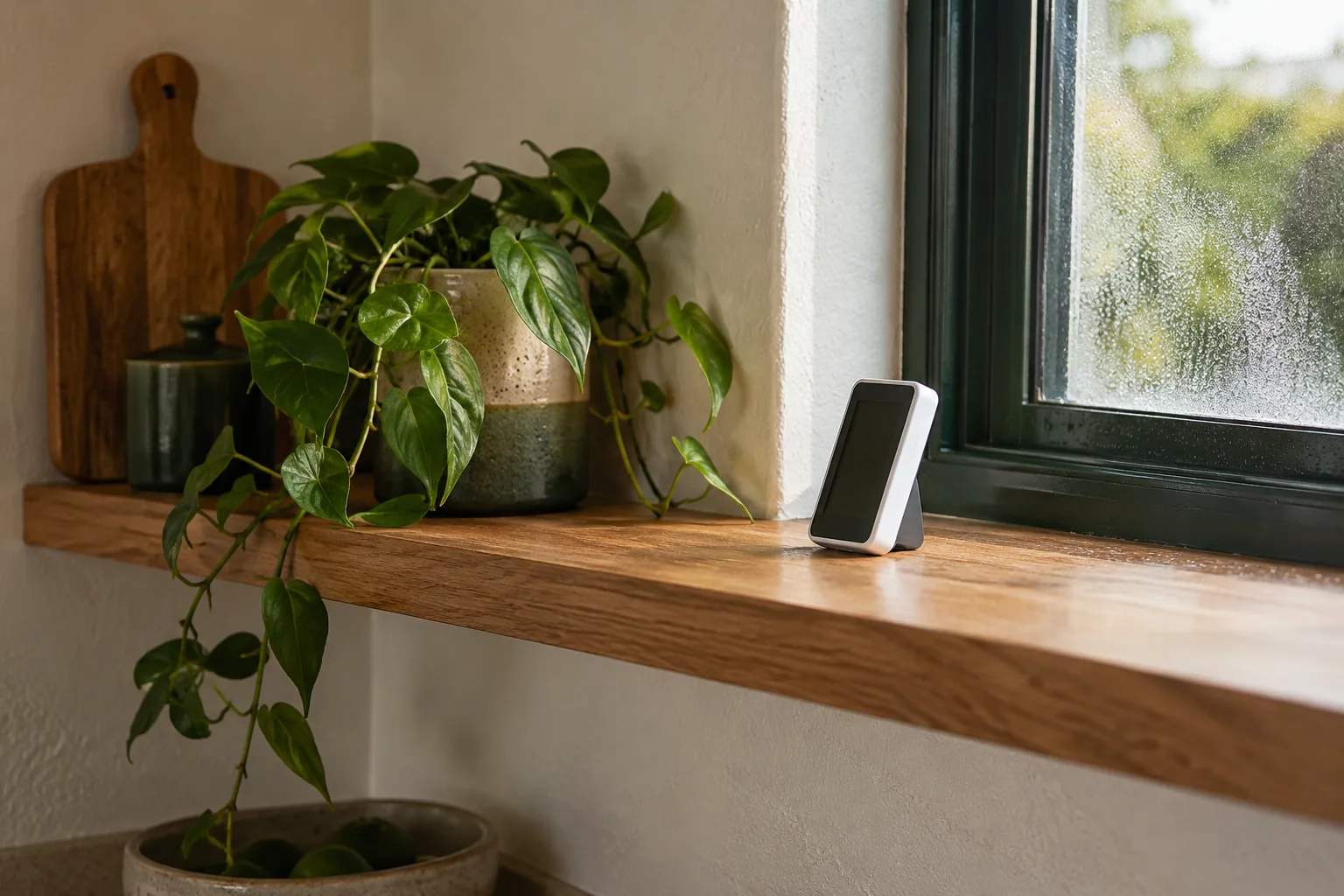
Water on glass, a frame and an adjacent wall should be reported as separate observations. For a Point Leo enquiry, identify where visible growth actually sits rather than give the whole opening one assumed cause. The locality does not diagnose the room’s moisture problem or make every surrounding fitting part of the treatment; material, suitability and reach need discussion.
ASSESS · FILTER · RESTORE
Water positions are described accurately.
The actual affected finish is identified.
Fitting and source tasks stay distinct.
Separate the surfaces around the opening
Locate the marked paint or lining and describe coatings, previous applications and fixed obstructions. Say whether water was directly seen on each component rather than infer one observation describes them all. A current mark does not establish concealed extent, require dismantling or include every nearby fabric and fitting in the contamination scope.
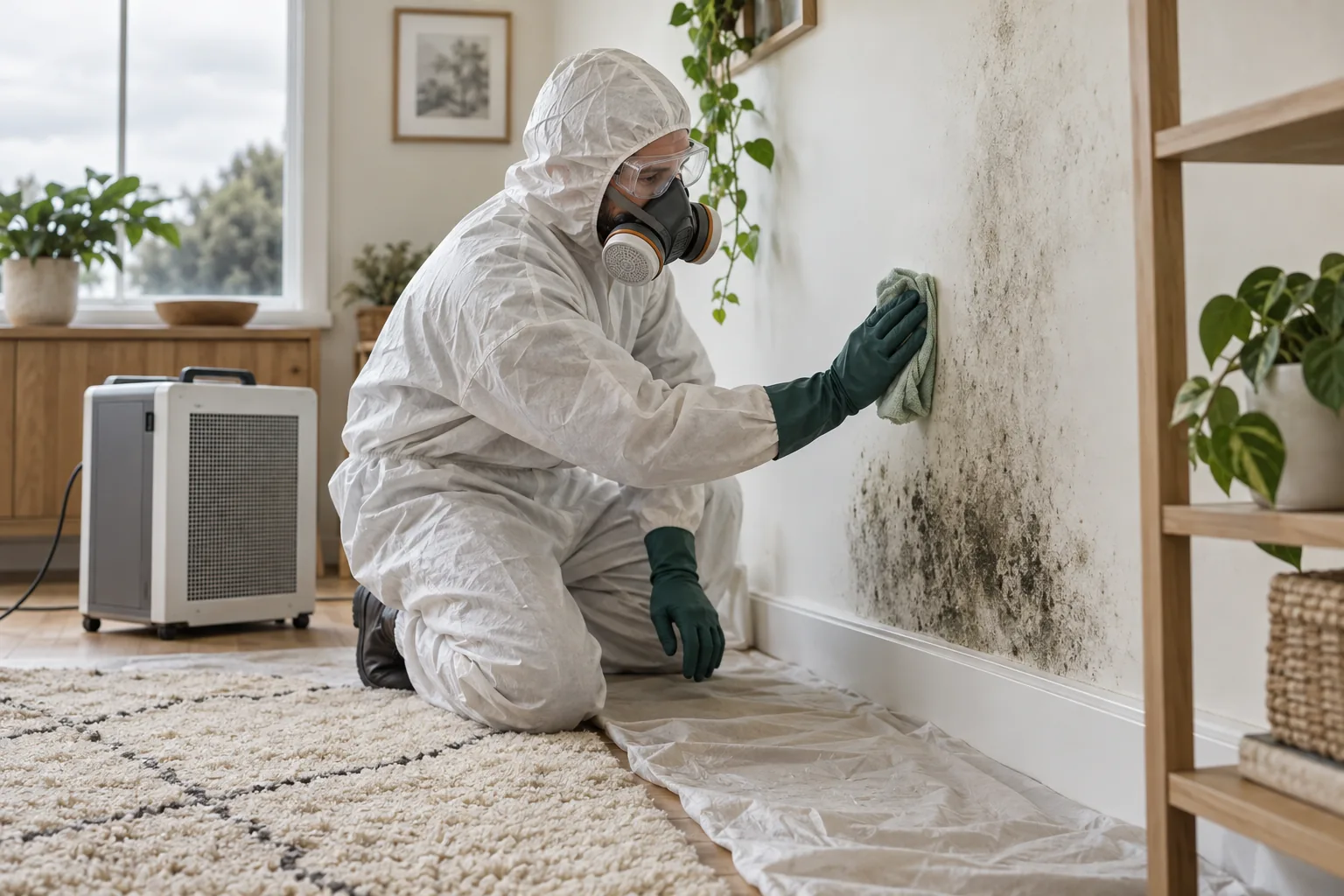
The remediation service combines assessment, filtration, appropriate application and physical removal of visible accessible structural mould. Furniture and textiles remain excluded. Frame repair, fitting removal, hidden investigation and decorating need separate arrangements; an opening-side request is not an automatic whole-window restoration package.
Location alone cannot settle the indoor source
Give reliable water dates and confirmed repair findings without assigning an area-wide explanation. The professional hygrometer supplies room-air relative humidity, not moisture inside the wall, frame performance or a regional diagnosis. Condensation seen at one face can be context without certifying why an adjacent surface is marked.
An accessible-condition discussion may clarify visible uncertainty before treatment. Known leaks and ventilation faults require separate correction. Continuing dampness can support recurrence, so follow actual source information rather than expect a suitable application to prove that every water-entry or room-use question has been resolved.
PLAN · FILTER · TREAT · REMOVE · CONTINUE
Treat suitable exposed finishes through confirmed methods
1
Assess the actual marked surface
Identify visible growth, material condition and reach around the opening, keeping different water observations and unavailable sections accurately distinguished.
2
Establish HEPA before application
Set up the confirmed HEPA air scrubber before treatment begins, with clearance and equipment access agreed for the room.

3
Use appropriate HOCl treatment
Apply HOCl as assessed, including ULV dry fog in most cases where suitable, without promising fitting-interior or concealed coverage.
4
Physically remove visible mould
Professional H-class filtered equipment supports removal within accepted structural reach, separate from frame repairs or fabric restoration.
5
Continue final HEPA operation
HEPA air cleaning runs during and after treatment; obtain specific return advice and clarify residual marks or remaining source tasks.
Describe building finishes independently of nearby components
Walls
Locate exposed wall growth beside the opening and identify fixed limits, leaving unseen backing condition qualified.
Ceilings
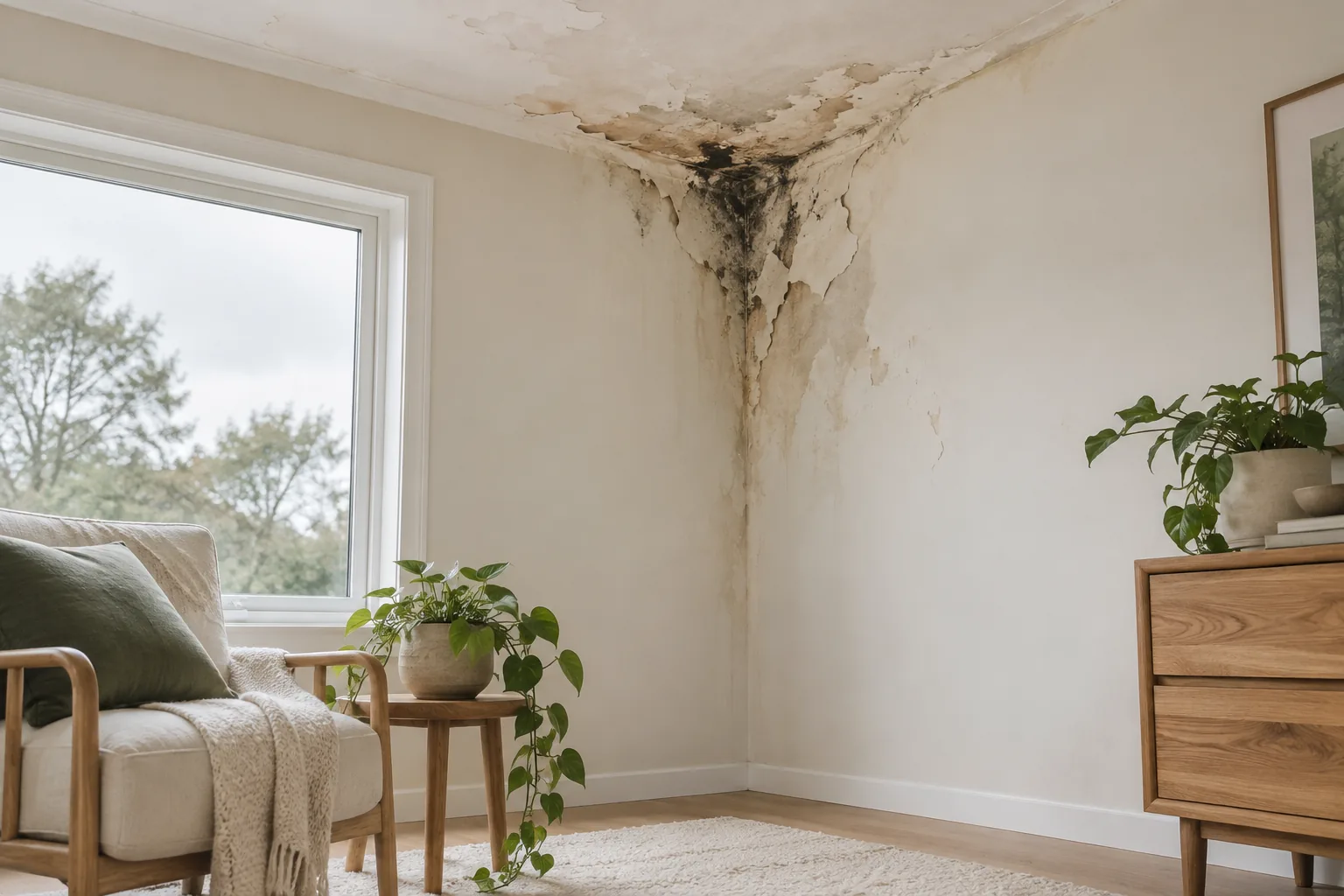
Describe overhead marks safely and actual wetting, keeping concealed access or lining repair separately arranged.
Bathrooms
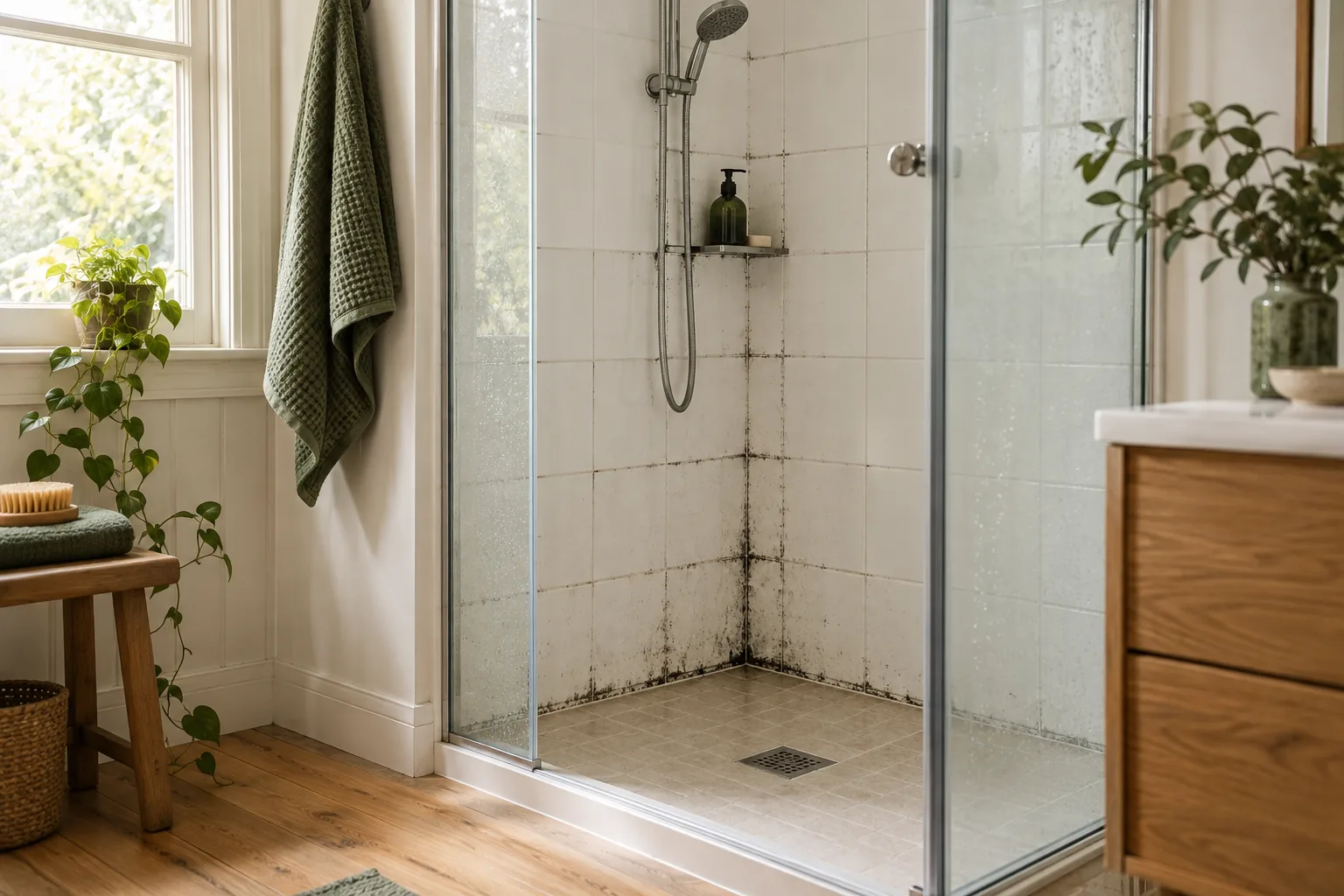
Name bathroom paint or joint concerns and water positions, with textiles and seal renewal outside standard assumptions.
Kitchens
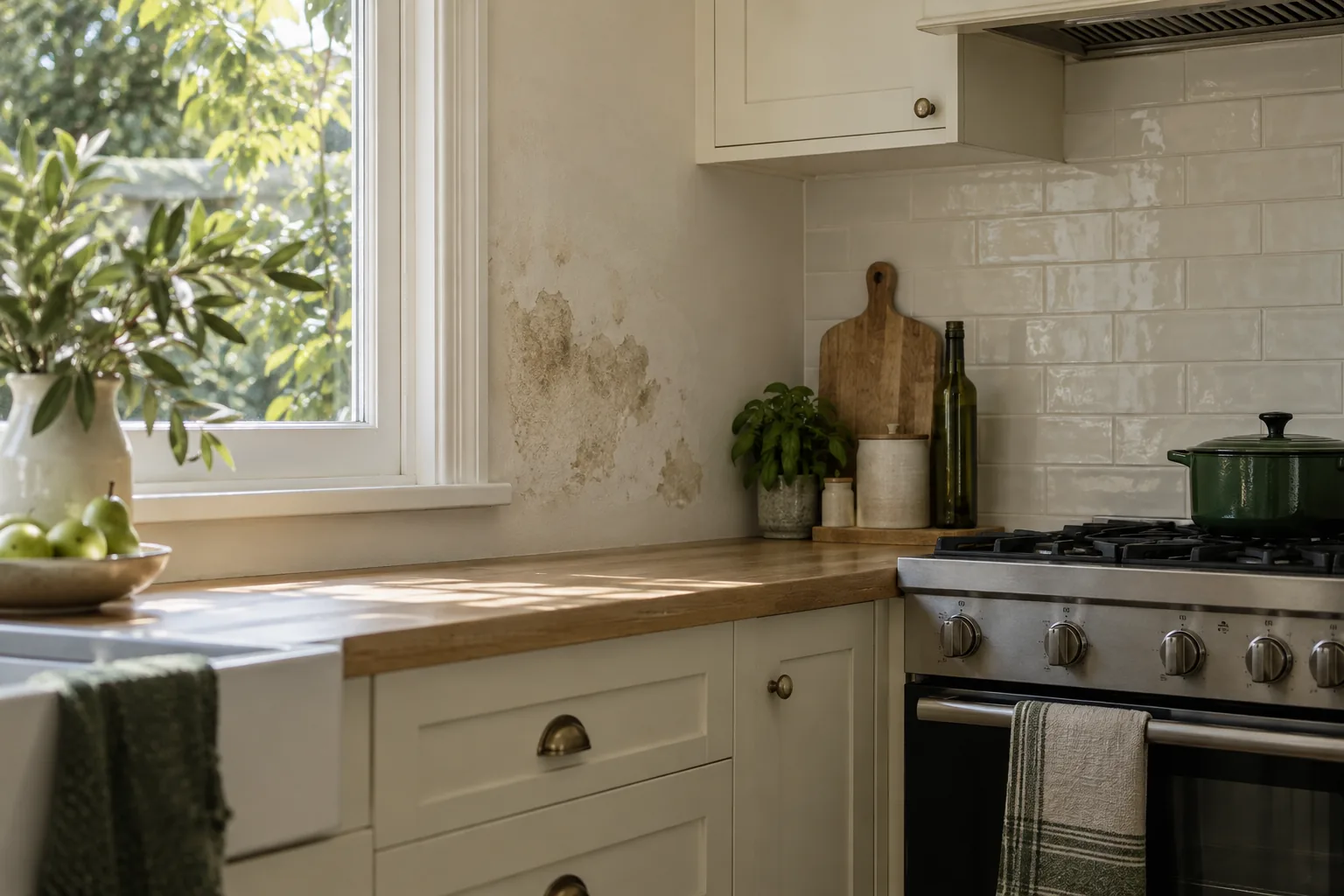
Explain reachable kitchen growth independently of appliances, stored contents and plumbing correction.
Accessible affected surfaces
Affected exposed hard floors need suitable agreement; carpet and hidden layers are excluded despite water observed nearby.
WHAT TO EXPECT
Prepare without dismantling the opening on assumption
Explain fragile fittings, coverings and earlier products before clearance. Do not remove trim or tracks merely as assumed preparation. People and pets leave the property during treatment and receive actual technician return instructions. Average guidance is approximately three hours per room, varying with size, contamination and accessibility rather than a guaranteed window-repair or re-entry interval.
The service is not hourly based. Cosmetic stains or damaged coatings can remain and decorating is separately quoted. Ask which finishes were included. No laboratory result, signed frame-performance approval or certificate of hidden dryness is confirmed by standard visible-surface treatment.
FOLLOW THE MOISTURE
Record water positions and follow confirmed faults
A practical aftercare account separates fresh observations from an unverified locality or fitting explanation.
Note where new water or growth is actually seen, with dates.
Maintain suitable extraction for moisture-producing room use.
Arrange separate repair of confirmed faults and keep unchanged cosmetic marks accurately qualified.
Quote the exposed structural area rather than the whole opening
Describe materials and access using pricing applicability. The room examples concern Mould Removal; confirm their use for the remediation requested. Frame renewal, track removal and decorative matching should not be inferred from treatment figures, and no coastal or locality-specific package is established here.
POINT LEO · EXACT ADDRESS & ACCESS
Confirm the Point Leo premises directly
Provide the full address and informed access contact. Nearby links navigate other enquiries without claiming routine regional attendance or diagnosing the indoor conditions at this property.
Merricks · Shoreham · Balnarring · Red Hill
Questions about remediation
Does water on glass establish the wall mark’s cause?
Not conclusively. Locate each observation and share genuine repair findings rather than diagnose the adjacent finish from one wet surface.
Will the frame be repaired with the visible wall?
No frame repair is confirmed. Keep the source or fitting task separate from suitable structural contamination treatment.
Can the Point Leo name explain indoor dampness?
No geographic diagnosis is established. Give actual water, room use and repair observations for the premises.
Are curtains beside the marked opening included?
No. Curtains and other textiles remain excluded, even when they touch the affected building finish.
Does the hygrometer certify the window system is sound?
No. It informs room-air relative humidity, not frame performance or moisture inside construction.
How should a later opening-side concern be reported?
Identify whether the change is on glass, frame or the actual treated finish, with its date and fresh water or growth clearly distinguished.
Discuss Point Leo growth from actual indoor observations
Call 03 8652 1296 with the marked finish, water positions and access. Agree remediation and separate fitting or source work.