
VISIBLE SURFACES · THOUGHTFUL RESTORATION
Mould Remediation Tootgarook
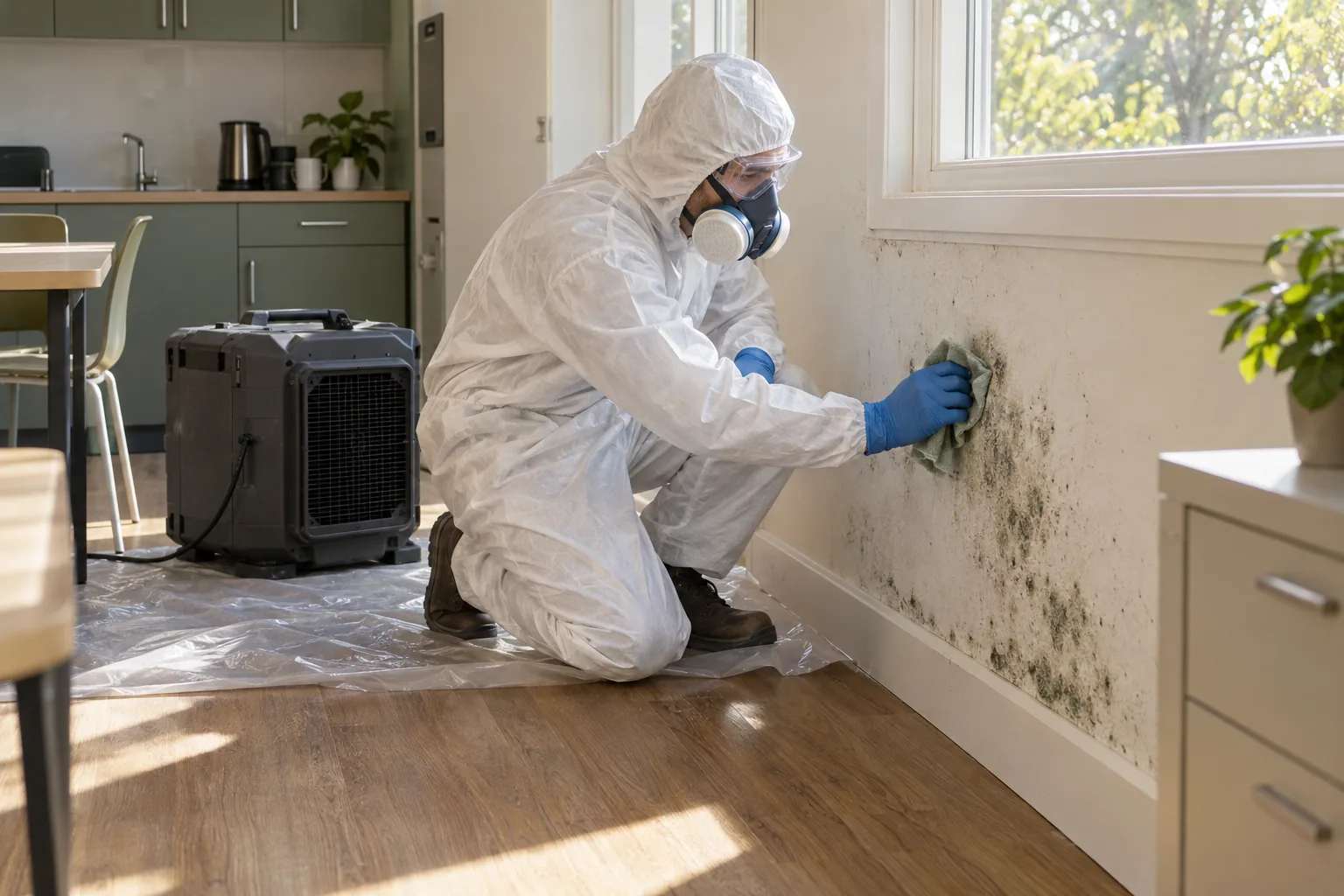
If a furnished room leaves little space around the affected wall, discuss equipment access before deciding the patch is straightforward to treat. For a Tootgarook enquiry, describe fixed and movable obstacles without guessing a clearance distance. The confirmed process needs an agreed practical route for the technician and its air-cleaning stage.
ASSESS · FILTER · RESTORE
Working space is discussed before preparation.
Equipment setup remains part of the sequence.
Furnishings are kept outside treatment scope.
Clearance is more than a view of the patch
Identify the affected finish and available route from the entrance to the wall. A visible surface can still lack workable access. The confirmed remediation sequence includes HEPA air protection and physical removal, so do not assume the job can be reduced to a brief application beside crowded contents.
Ask what preparation is needed rather than choosing an arbitrary gap or expecting furniture movement as an inclusion. Furnishings and textiles remain excluded, and hidden layers are outside standard scope. If separate clearance reveals another patch, agree its extent before extending the booking. The result should retain any fixed section that could not be reached.
The crowded layout is context rather than a confirmed cause
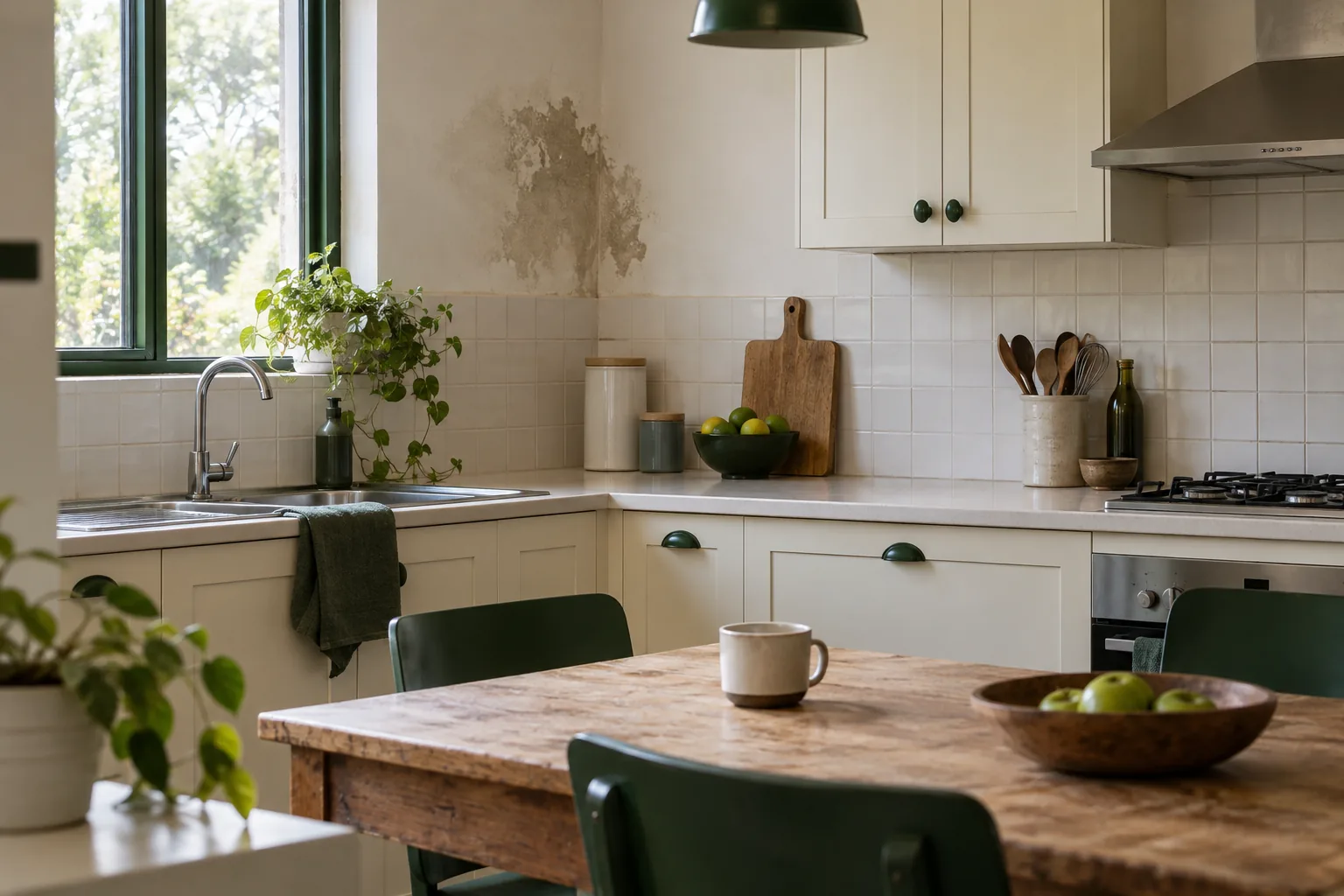
Describe observed condensation, wetting and known repairs alongside the room layout. Furniture positioning alone cannot establish why mould developed. A separate visible accessible inspection enquiry can discuss assessment where the current contamination condition needs clarification.
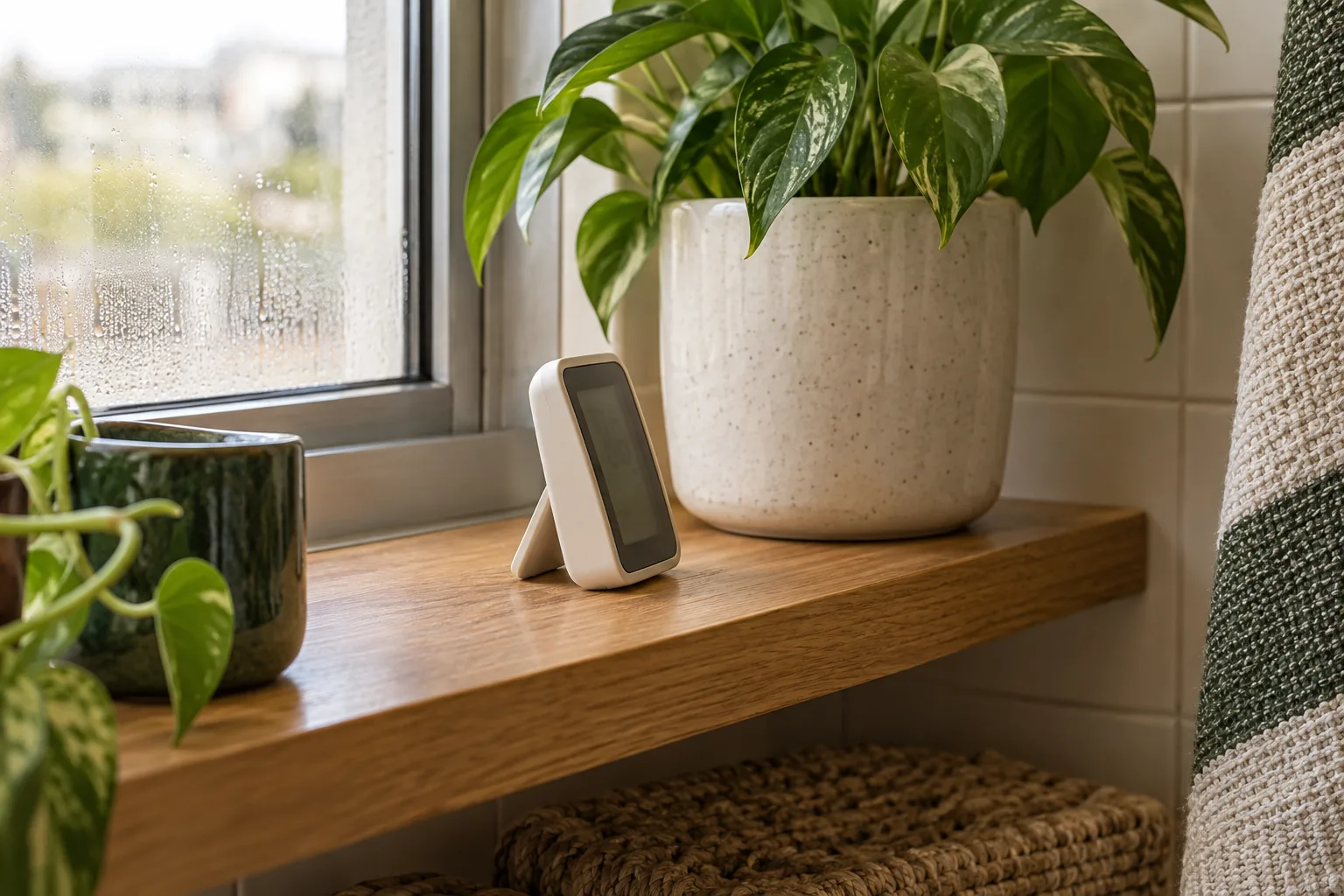
The professional hygrometer measures relative humidity in room air, not moisture behind a fixed obstruction or a test of the furniture. It cannot certify those blocked materials dry. Appropriate providers need to correct water-entry or building faults separately. Useful ventilation and moisture follow-through support the treatment without guaranteeing future prevention under continuing damp conditions.
PLAN · FILTER · TREAT · REMOVE · CONTINUE
Keep the confirmed stages within a workable room
1
Assess the patch and practical reach
Review visible contamination, finish condition and fixed obstacles, then agree suitable accessible surfaces and the clearance needed for the actual work.
2
Position the air protection
Set up the confirmed HEPA air scrubber before treatment, coordinating equipment placement with the technician’s route rather than assuming a crowded gap is adequate.

3
Apply suitable HOCl
Use appropriate HOCl treatment and ULV dry fog where suitable, without treating application as a substitute for blocked physical access.
4
Remove visible growth physically
Use professional H-class filtered equipment on the agreed reachable structural face, excluding furniture treatment and unconfirmed moving services.
5
Continue filtration and explain the boundary
Maintain HEPA air cleaning during and after the process, then discuss actual return advice and any fixed area left outside the treatment.
Structural faces around the working route
Walls
Describe both the visible patch and furniture or fixed fittings preventing reach along the wall.
Ceilings
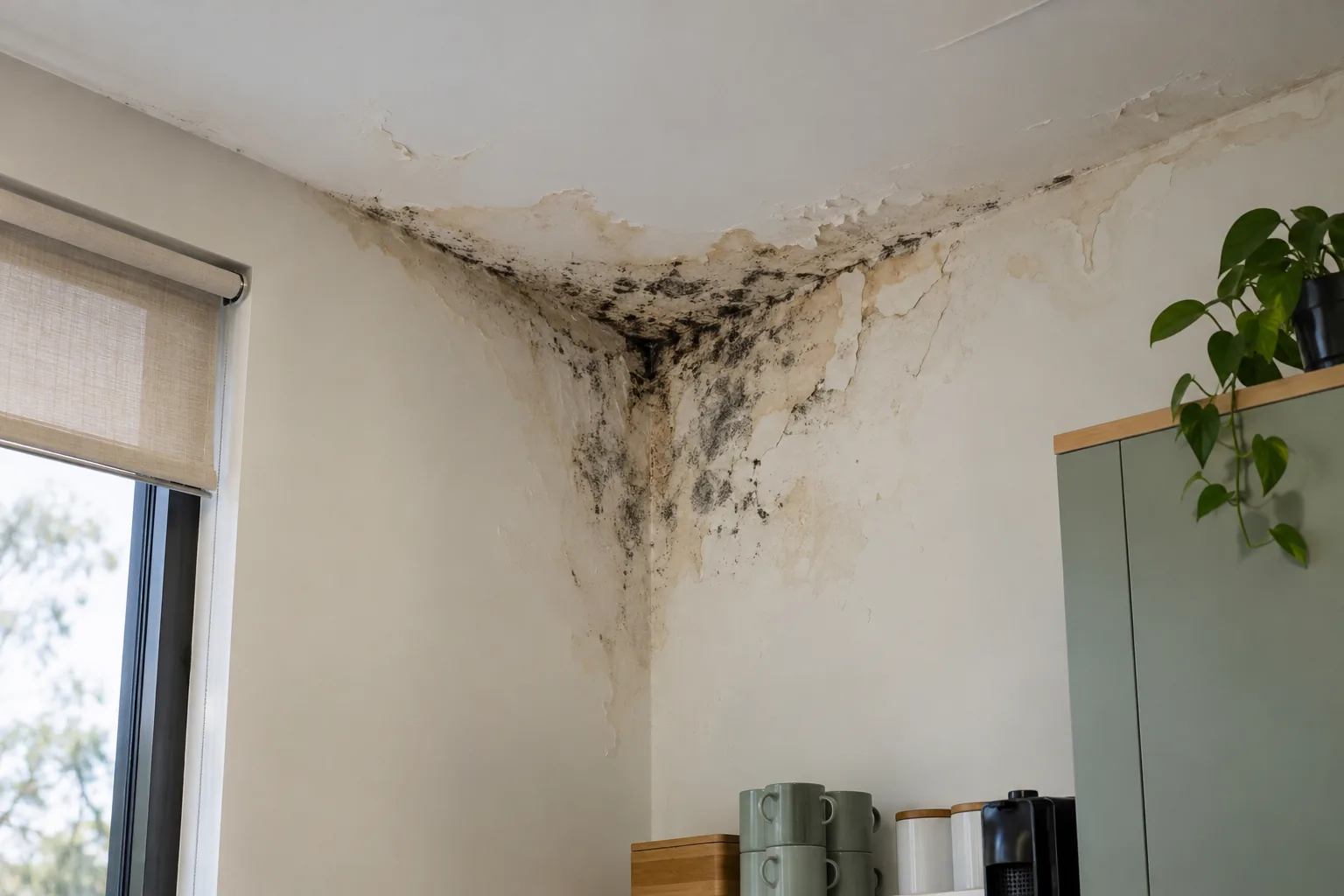
Ceiling contamination needs suitable working position and safe reach, not just an unobstructed photograph.
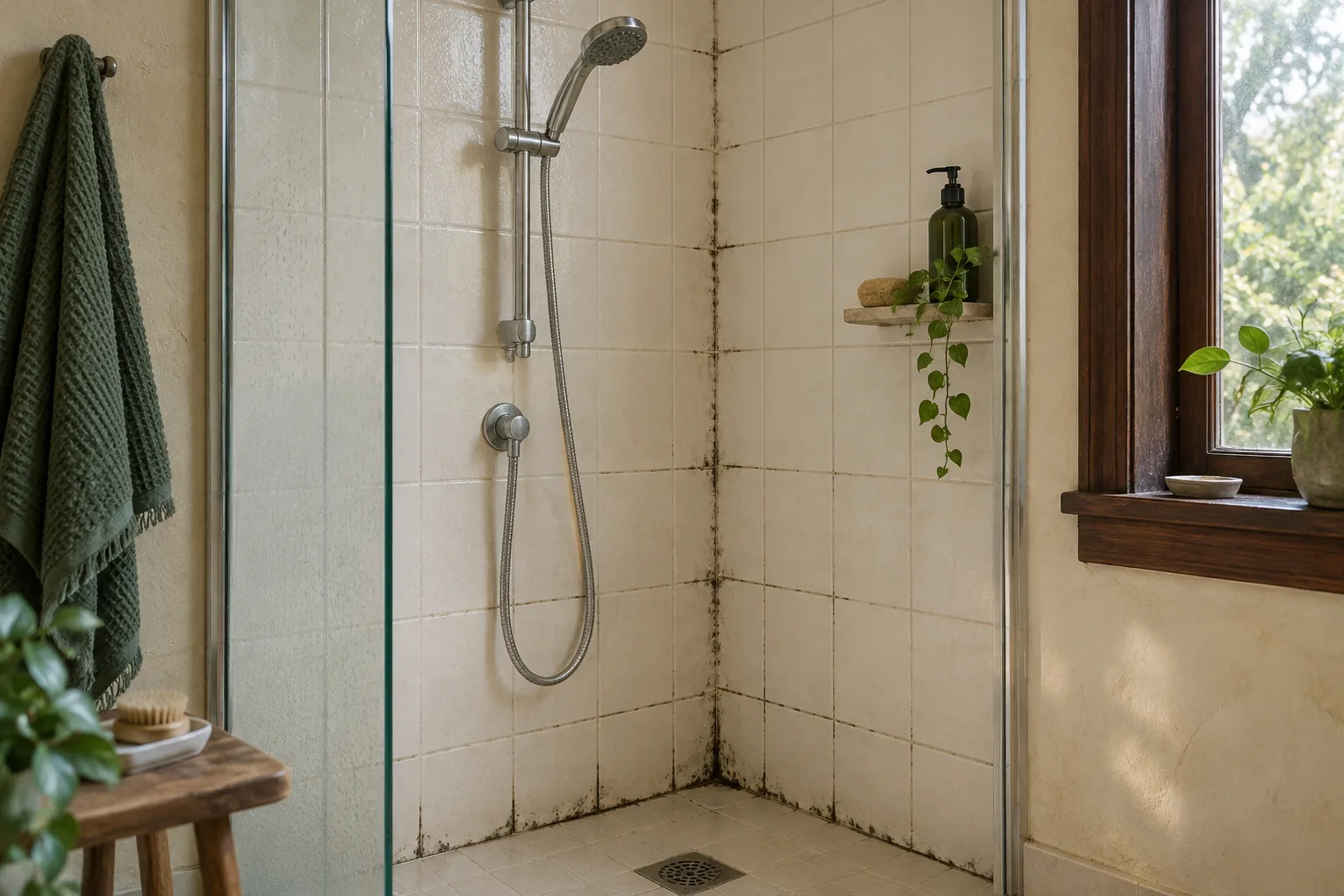
Bathrooms
Bathroom structural surfaces are separately agreed, with textiles and fittings repairs excluded from assumptions.
Kitchens
Explain reachable kitchen finishes and fixed units without adding contents or appliance services.
Accessible affected surfaces
Other exposed structural sections require appropriate clearance and inclusion; hidden backing and belongings are not standard treatment.
WHAT TO EXPECT
Agree preparation before shifting difficult contents
Explain fragile, fixed or difficult items and ask about required preparation before moving them. People and pets leave the property during treatment. Equipment position does not create permission to stay in another part of the room; follow the technician’s specific departure and return instructions.
Room clearance affects the practical programme, and the source’s three-hour average per room is qualified by size, contamination and the reach actually available. It is not an hourly furniture-moving task or guaranteed completion after a chosen clearance time. Cosmetic staining may remain, with repairs and decoration separately arranged. No hidden condition certificate or complete contents-restoration outcome is confirmed.
FOLLOW THE MOISTURE
Keep the treated face identifiable after the room is restored
After advised return, retain the actual boundary and report fresh water or growth at a precise location. Returning furnishings cannot turn an inaccessible section into a treated one. Complete relevant moisture repairs and describe newly revealed contamination before assuming another application is needed.
Record reached and blocked wall sections distinctly.
Keep furniture condition outside the structural result.
Describe layout changes before another treatment request.
Quote access without inventing a clearance allowance
Give visible extent, finish and room restrictions when asking about cost. Confirm remediation applicability of Mould Removal price examples; they do not establish furniture movement, a prescribed gap, equipment hire charges or treatment of blocked faces.
TOOTGAROOK · EXACT ADDRESS & ACCESS
Tootgarook layouts and nearby property enquiries
Rye and Rosebud pages help navigate other nearby requests. At the Tootgarook address, explain the actual furniture and fixed restrictions. Another property’s room size cannot determine this clearance plan or equipment arrangement.
Rye · Rosebud · Blairgowrie · Arthurs Seat
Questions about remediation
How much clearance should I create beside the wall?
Obtain job-specific advice rather than choosing a universal distance. Describe the room and fixed or difficult obstructions first.
Can treatment omit filtration if space is tight?
Do not assume a reduced process is offered. Discuss whether workable access can accommodate the confirmed treatment stages.
Will the technician move all furniture?
No general furniture-moving service is confirmed. Agree preparation responsibilities before attendance.
Can fogging replace access behind a fixed item?
No hidden or blocked coverage is promised. Conditional ULV use does not override the accessible-surface boundary.
Does clearing the view establish safe ceiling reach?
Not by itself. Explain the working position and actual ceiling access separately from visibility.
What if a larger patch is revealed during clearance?
Describe the additional exposed extent and have inclusion agreed. The original narrow view did not establish unlimited wall treatment.
Describe the working space before preparing the room
Call 03 8652 1296 with the Tootgarook patch, layout and fixed restrictions. Agree practical clearance and suitable structural work before shifting contents.