
VISIBLE SURFACES · THOUGHTFUL RESTORATION
Mould Remediation Warneet
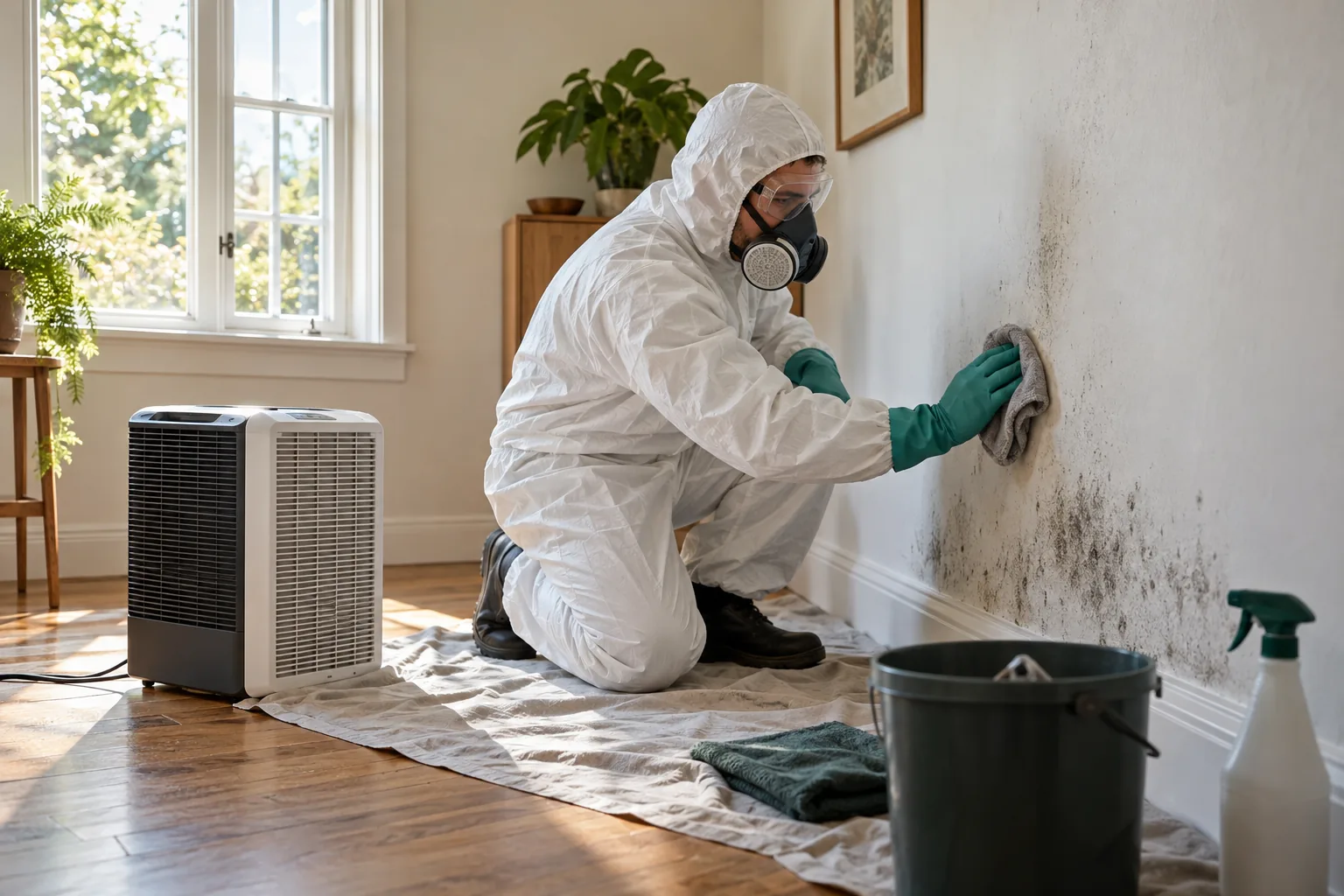
If visible growth is on a panelled interior wall, describe the exposed face and its coating rather than assuming the gaps reveal everything behind it. For a Warneet enquiry, explain damage, fixed restrictions and actual wetting. Suitable contamination work does not automatically include board removal, refinishing or treatment inside the wall assembly.
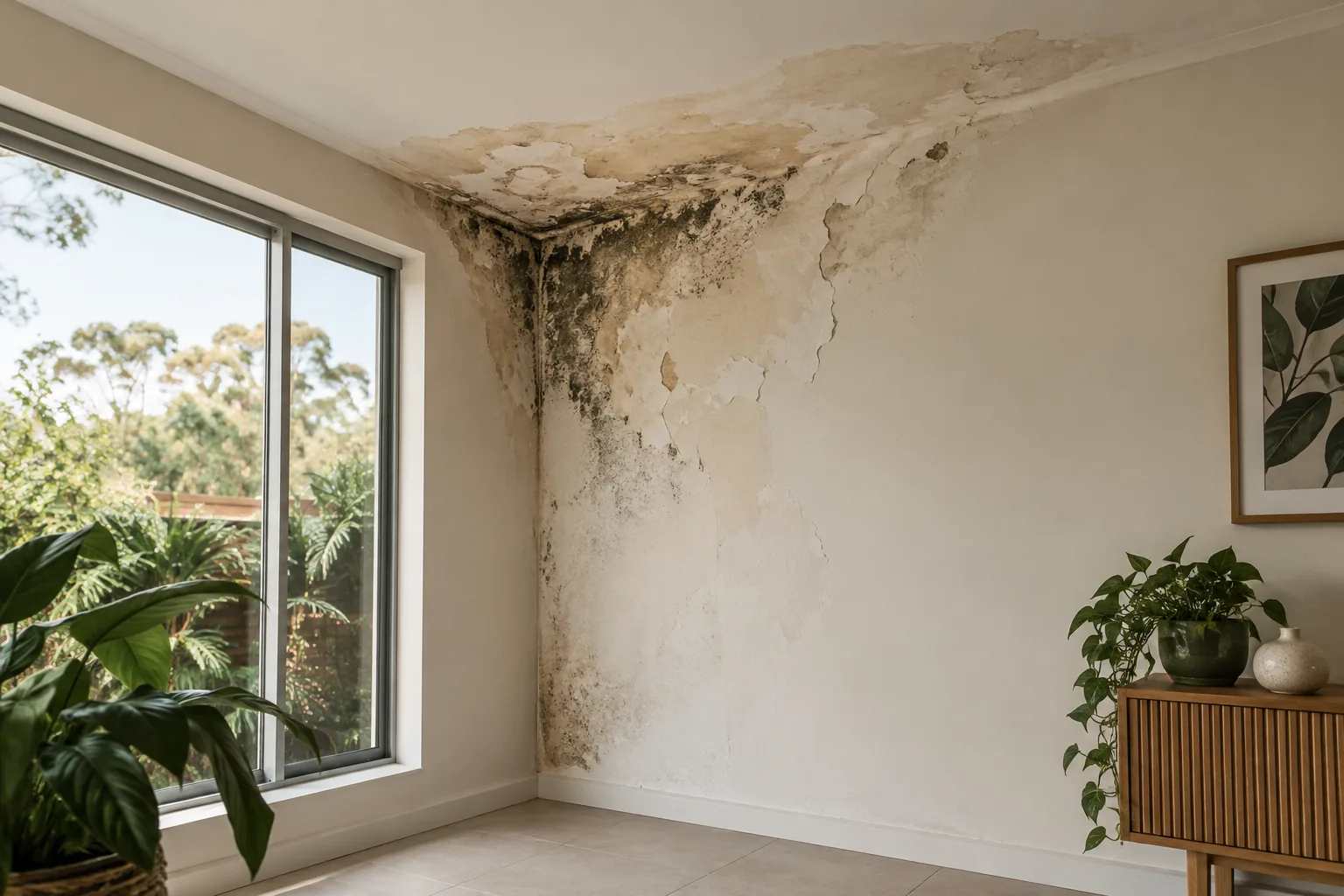
ASSESS · FILTER · RESTORE
The exposed panel face is identified.
Coating suitability is discussed.
Hidden backing remains outside assumed scope.
Panel faces and the material behind them are different requests
Name the finish where it is known and keep uncertainty explicit where it is not. The confirmed process concerns suitable reachable structural contamination, with the actual material and condition discussed before application. Visible joins do not establish full access to the reverse of every panel.
Do not remove boards simply to prepare an enquiry. Separate repair or access work needs its own arrangement. Furniture and textiles remain excluded, as do hidden cavities and insulation. A newly exposed face after repair requires agreement rather than being described as already treated through a gap in the original surface.
Describe water without assigning the cause from a join
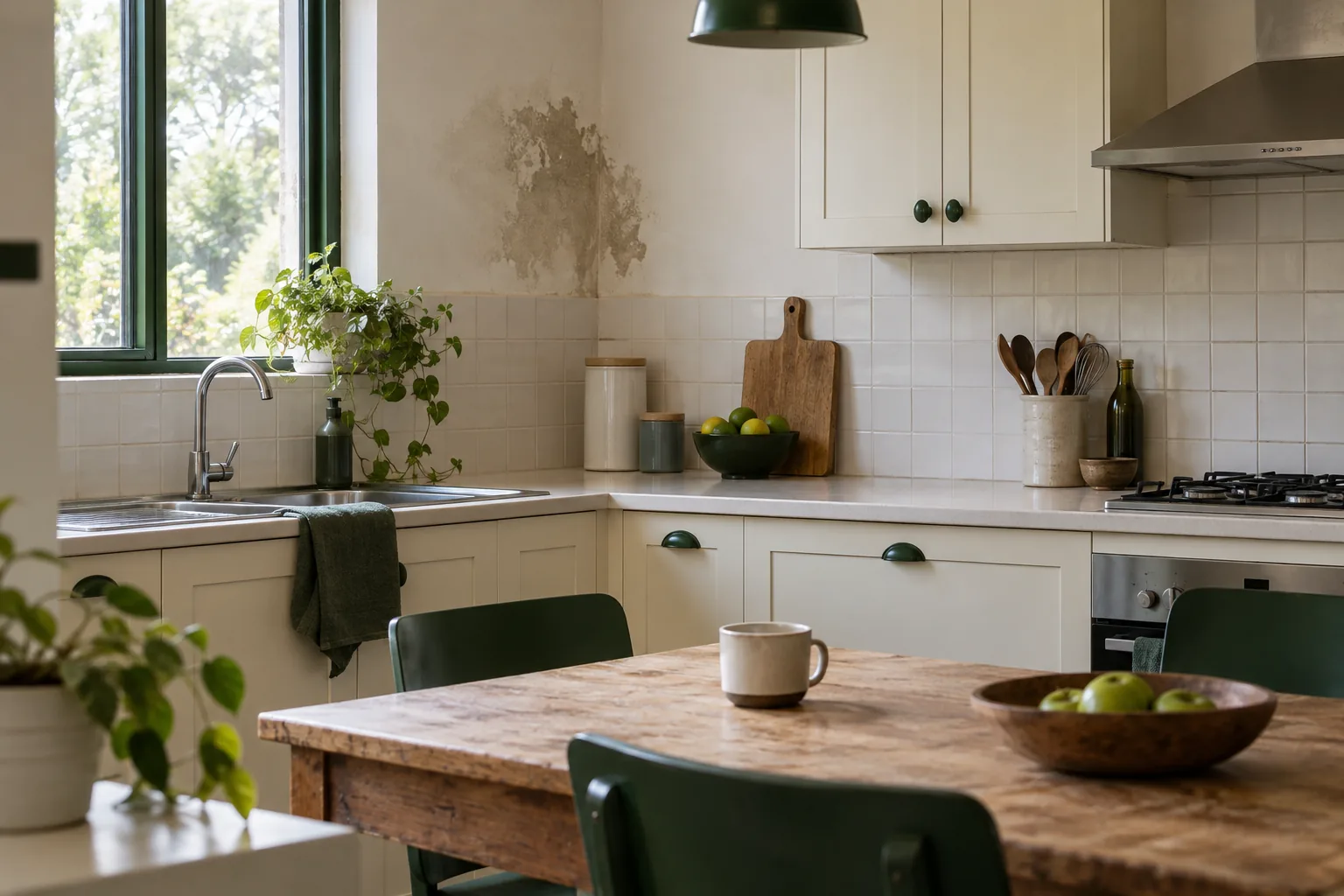
Report actual condensation, wetting and reliable repair dates at the exposed finish. Growth near a join cannot establish where water entered or how far it extends behind the wall. A separate visible accessible assessment enquiry may clarify present condition before suitable treatment.
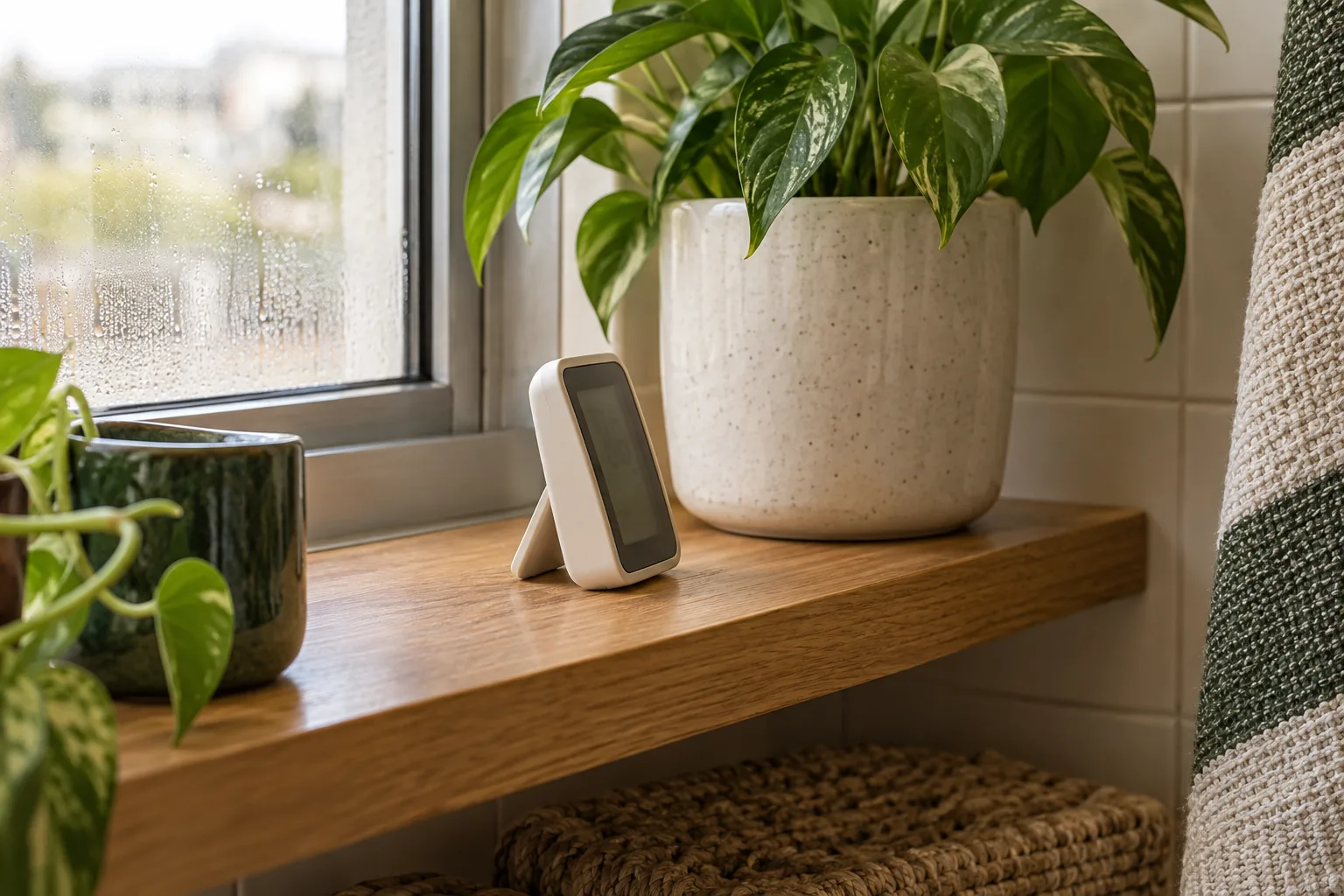
The professional hygrometer measures relative humidity in room air, not moisture within a panel or dryness behind it. It cannot approve the wall for refinishing. Relevant plumbing and building defects need appropriate providers. Practical ventilation and source correction support follow-through, without a guarantee that continuing dampness cannot support another patch.
PLAN · FILTER · TREAT · REMOVE · CONTINUE
A treatment sequence on the agreed exposed face
1
Assess panels and practical reach
Review visible contamination, coating and panel condition, record fixed restrictions and agree which exposed structural faces are suitable for work.
2
Set the protective HEPA stage
Begin the confirmed air scrubber before treatment in the prepared area, without treating filtration as clearance behind panels or within their joins.

3
Select appropriate HOCl treatment
Use suitable HOCl with ULV dry fog where appropriate, retaining finish limits rather than promising identical handling of every coating.
4
Physically remove visible mould
Use professional H-class filtered equipment within the agreed reachable boundary, excluding board removal, material replacement and contents treatment.
5
Continue air cleaning and clarify finish limits
Maintain HEPA filtration during and after the process and discuss actual return advice, residual cosmetic marks and surfaces not reached.
Structural face and finish descriptions
Walls
Identify the exposed panel face, coating condition and any obstruction rather than claiming every reverse surface available.
Ceilings
Panelled or painted ceilings require their own material and safe-reach discussion, excluding concealed construction above.
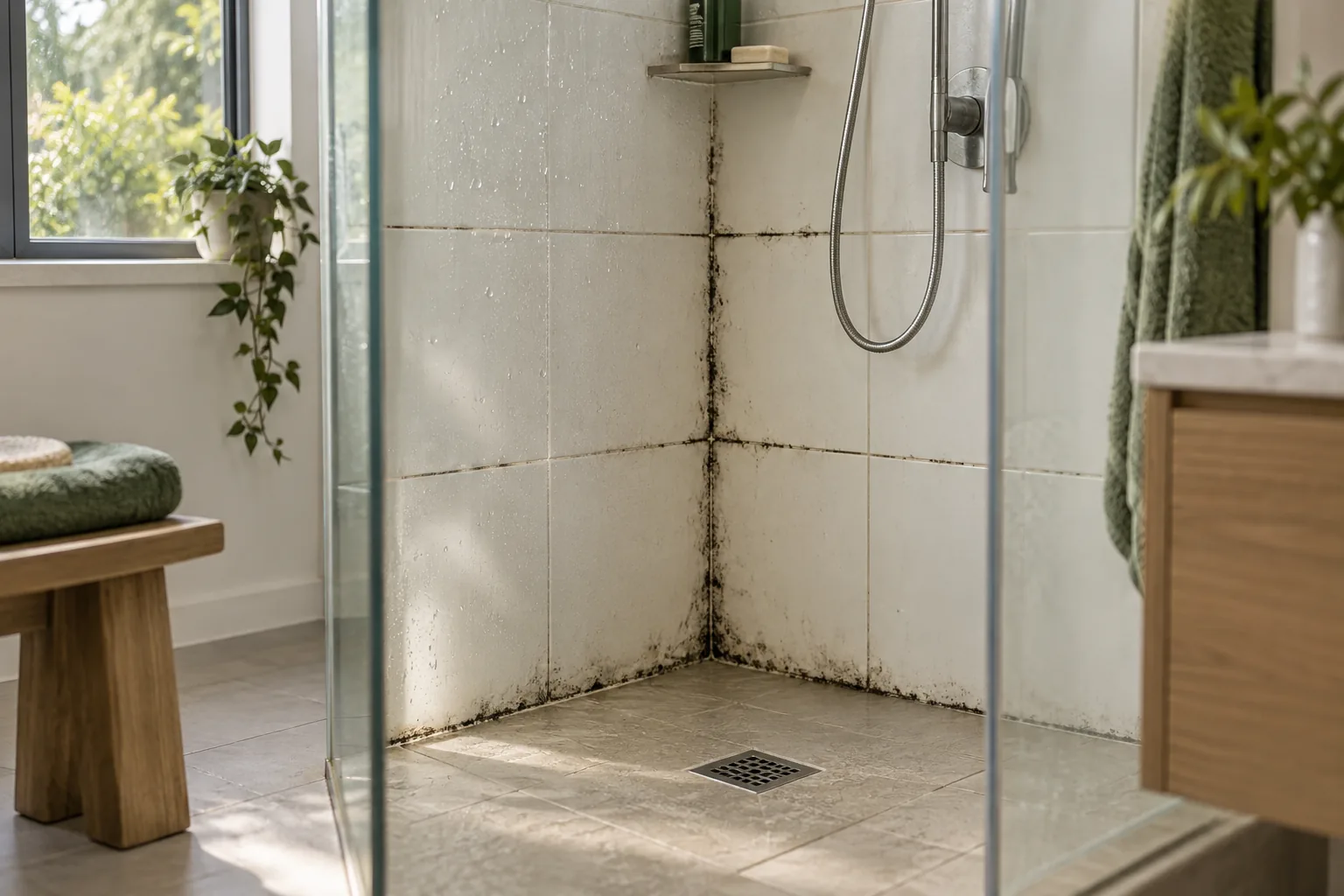
Bathrooms
Bathroom structural surfaces stay distinct from waterproofing repair, fitting work and textile belongings.
Kitchens
Name reachable kitchen finishes without including cabinet dismantling, appliances or stored contents.
Accessible affected surfaces
Other exposed structural sections require agreement; hidden backing and excluded furnishings do not become included through visible joins.
WHAT TO EXPECT
Discuss preparation before disturbing a panel
Provide the Warneet address and requested interior, then explain fixed restrictions and any loose material. Ask what clearance is appropriate rather than opening the wall on assumption. People and pets leave during treatment and follow technician-specific instructions about departure and return.
Panel condition and reach belong in the programme discussion, while the source’s three-hour room average is indicative and qualified by size, contamination and accessibility. It is not an hourly carpentry or refinishing task. Cosmetic staining may remain, while repairs and decoration need separate scope. No material probe, hidden-dryness certificate, finish warranty or lab clearance is confirmed.
FOLLOW THE MOISTURE
Keep later changes tied to the exposed panel
After advised return, record fresh growth or water on the particular face and complete relevant moisture repairs. A stable cosmetic outline should not be merged with a newly wet join. Material revealed after later board work needs its current condition described before any additional treatment is assumed.
Identify the panel and coating when recording a change.
Keep carpentry or refinishing decisions with the responsible provider.
Report newly exposed contamination as an updated surface request.
Quote the accessible faces without carpentry assumptions
Give visible extent, finish and restrictions when discussing cost. Confirm how Mould Removal price guidance applies to remediation; it does not establish panel removal, timber refinishing, reverse-face coverage or complete cosmetic restoration.
WARNEET · EXACT ADDRESS & ACCESS
Warneet premises and nearby panel enquiries
Cannons Creek and Blind Bight pages help navigate other nearby requests. At the Warneet address, describe the actual exposed finish and wall assembly uncertainty. Another property’s panels cannot establish this material’s suitability or the backing included here.
Questions about remediation
Do visible joins make the back of the wall accessible?
No. Describe the exposed face and retain concealed backing outside the standard treatment assumption.
Should boards be removed before the enquiry?
Do not assume removal is preparation. Discuss the condition and any separate appropriate access or repair first.
Will the wall be refinished as part of remediation?
No refinishing package is confirmed. Keep contamination work and cosmetic restoration separately scoped.
Can one method preserve every panel coating?
No universal coating guarantee is made. Actual finish and condition need suitability discussion.
Does growth along a join locate the water source?
No single cause follows from that pattern. Provide actual wetting and reliable repair history instead.
What if later board work reveals another patch?
Describe the newly exposed structural face and agree inclusion. The original accessible-panel result did not clear the concealed assembly.
Describe the panels and reachable growth
Call 03 8652 1296 with the Warneet finish, current condition and access. Agree suitable exposed-surface treatment and separate panel or refinishing work.