
CLIFTON HILL · 3068
Mould Removal Clifton Hill
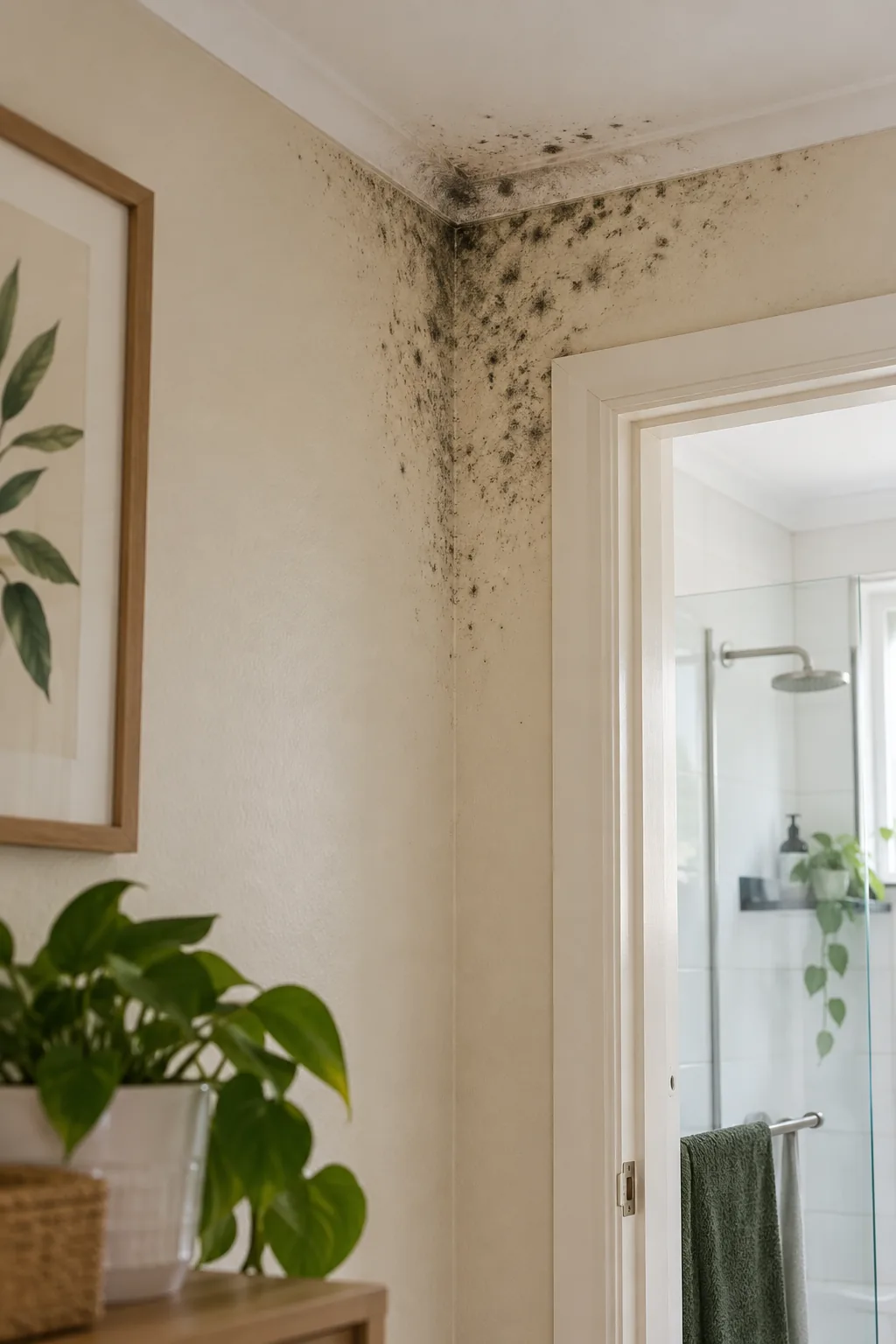
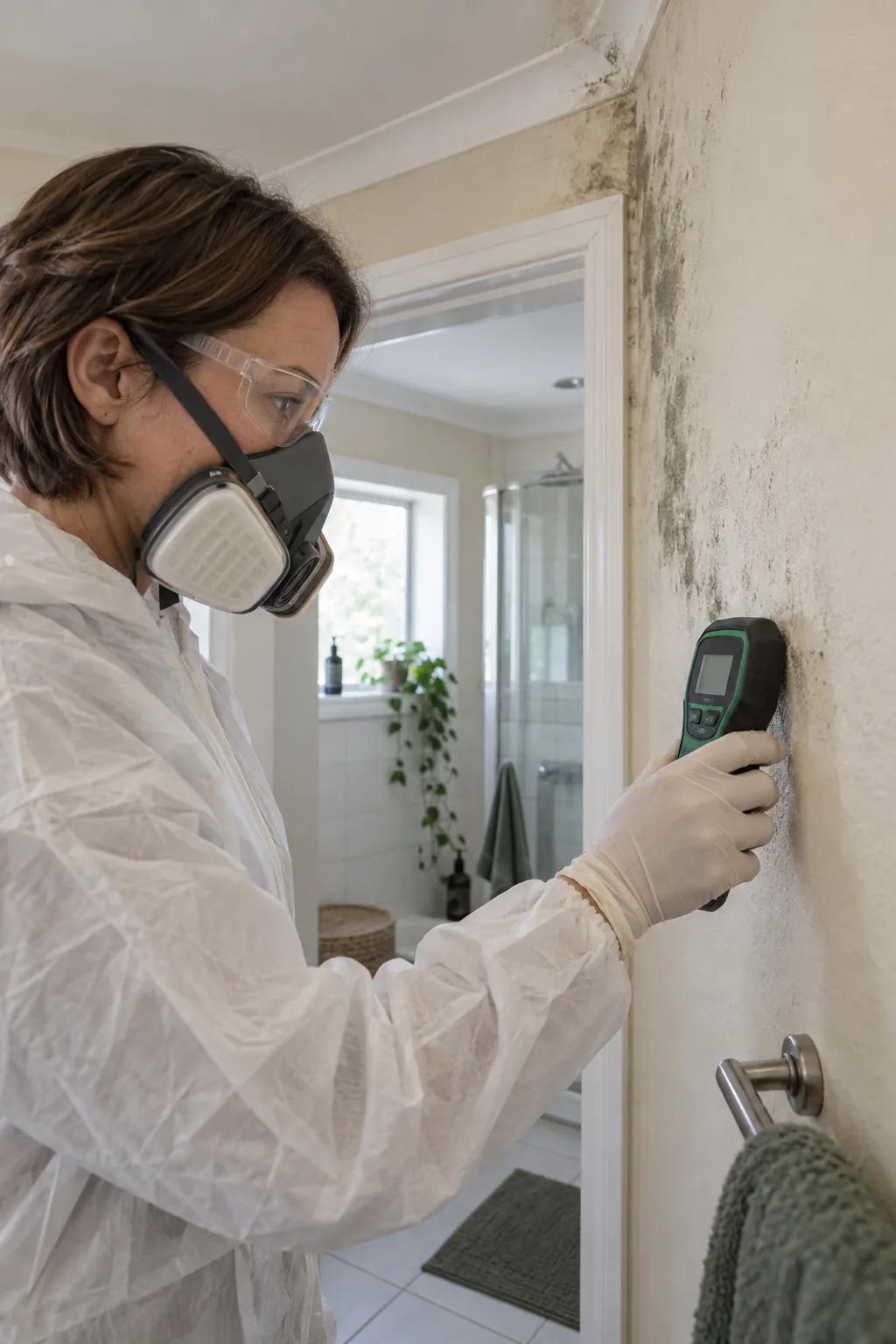
A small bathroom beside older painted walls needs a removal method matched to each material. For a Clifton Hill enquiry, explain the finish, ventilation and any recurring damp marks beyond the shower. We can discuss inspection and accessible-surface removal without promising that fragile plaster will look new. Call to confirm address availability and plan any separate repair work.
A defined surface scope
Practical preparation
A useful follow-up plan
THE PROPERTY SETS THE PLAN
A practical starting point for Clifton Hill
Yarra Council lists Clifton Hill Eastern, Western and Queens Parade heritage precincts. Some properties may therefore need particular care with existing finishes, although heritage status must be checked for the actual address. Describe decorative detail, older paint or recent repairs rather than assuming one method suits every local home.
In the 2021 Census, 50.8% of Clifton Hill’s occupied private dwellings fell within the semi-detached, row, terrace or townhouse category. This supports asking about the actual wall finishes and adjoining wet-room layout. It does not make every bathroom historic or prove a shared-wall moisture problem.
When older finishes meet a bathroom doorway, describe the different materials and any previous repair work. A wider photo can show where trim, plaster and tiles connect. Check property-specific advice for significant fabric rather than assuming the locality’s heritage precincts determine every removal decision.
BATHROOMS · WALLS · CEILINGS
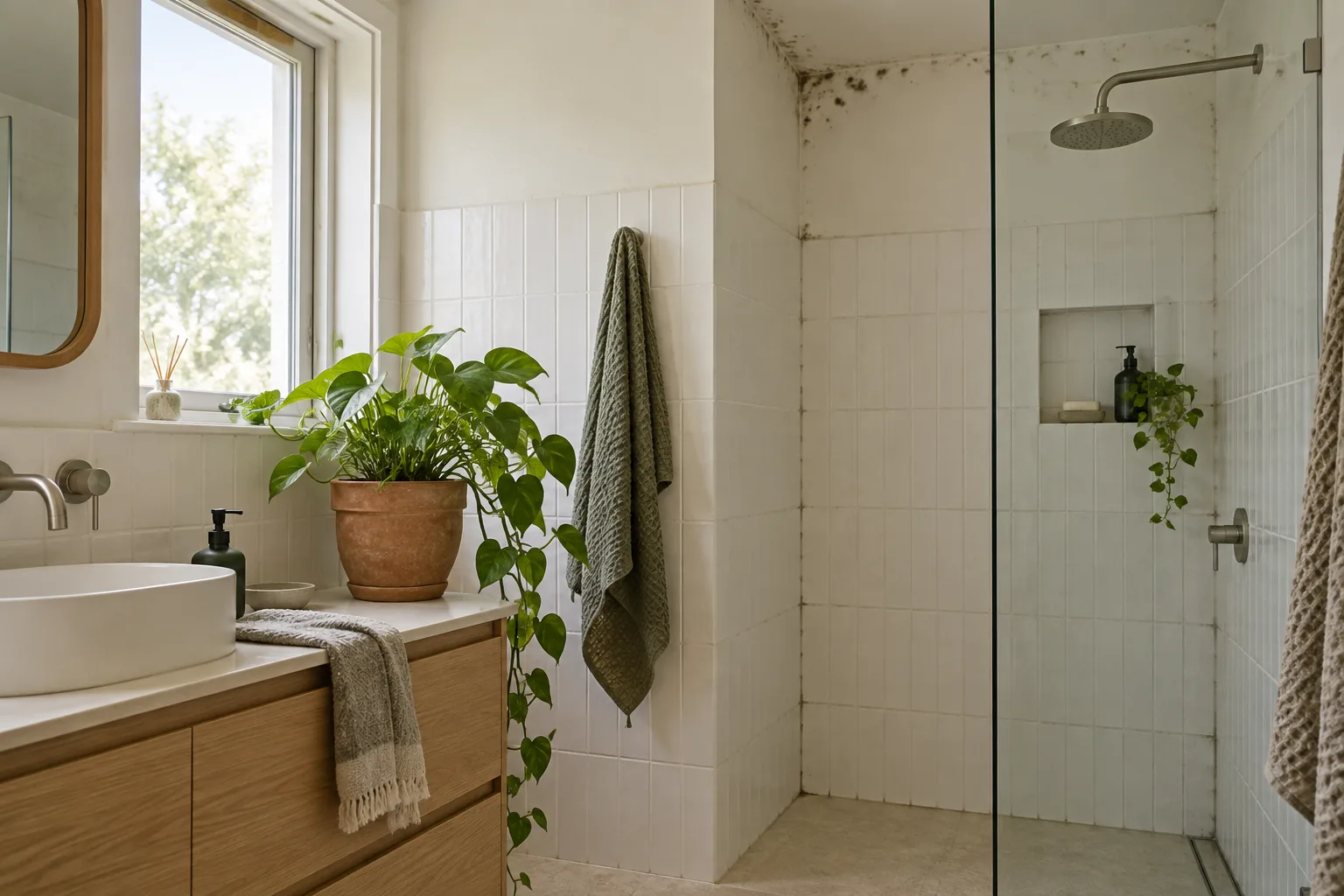
Bathroom, wall and ceiling surfaces
The bathroom doorway can put tile, timber trim and plaster finishes close together. Identify the visible growth on each, plus any loose paint or damaged lining. Fragile surfaces may need specialist repair advice. Removing mould should not be confused with stripping historic paint, replacing joinery or obtaining permission for building alterations.
Appropriate filtration and physical removal should support a method compatible with each sound finish. Fragile paint, deep staining or loose plaster may need separate repair. The scope must not imply stripping significant surfaces or restoring decorative detail simply because mould is visible nearby.
ASSESS · PREPARE · REMOVE
From the first assessment to the final check
Describe older finishes and any known heritage constraints at the address.
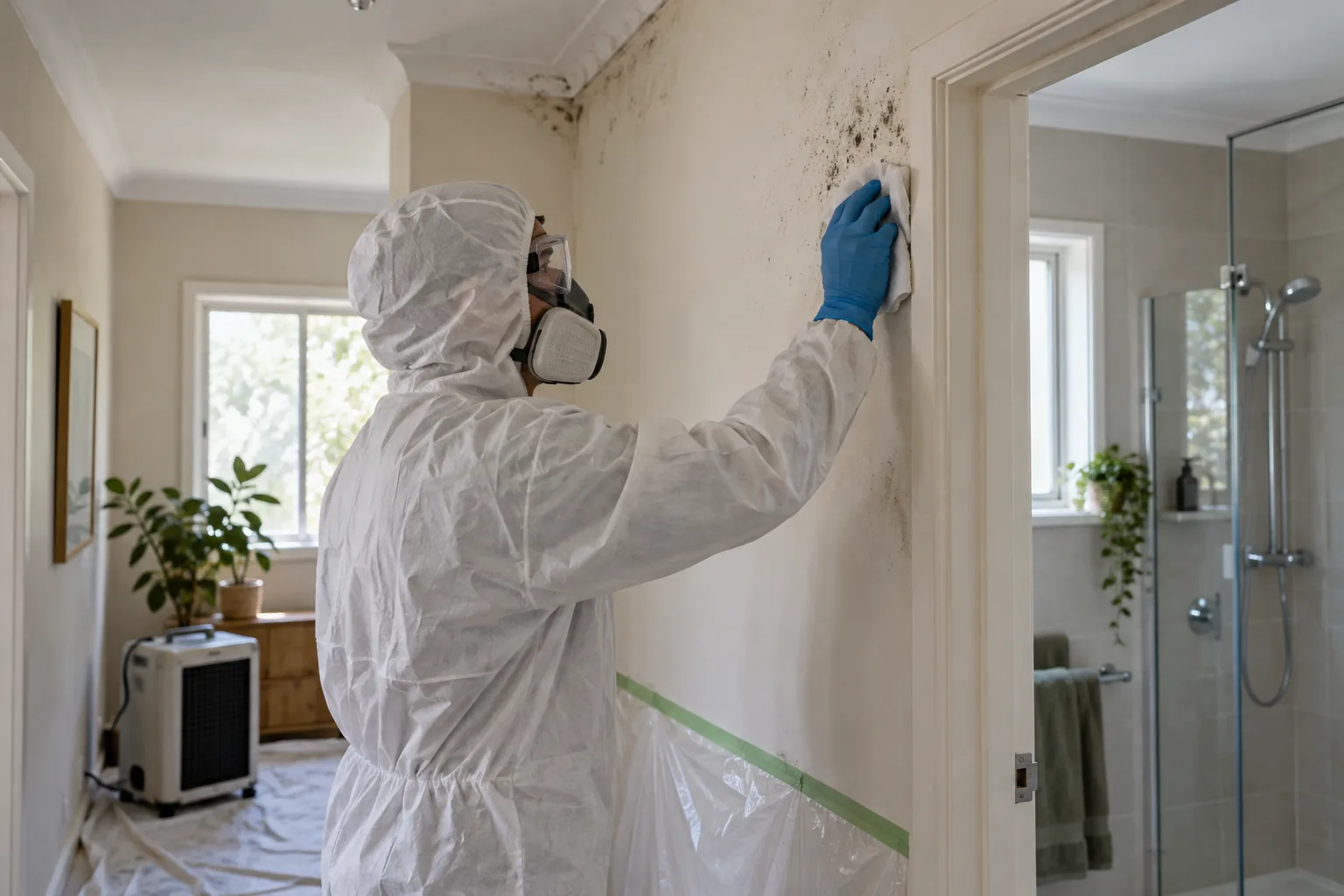
Assess the room and agree the limits
Explain the doorway’s moisture history and any bathroom extraction or leak work. The inspection service can assess accessible evidence without assuming steam is the only cause. Further building or conservation advice may be needed where material condition limits the options.
Prepare access and carry out removal
Prepare safe access without sanding or altering the older finish. The remediation process should be discussed against the actual doorway materials. Keep fabrics excluded and arrange any broader repair or approval questions separately from visible growth removal.
Review the finish and next actions
Record the removed growth, remaining discolouration and material-repair advice at the doorway. Keep that information alongside any property-specific conservation or building guidance. Subsequent checks should follow ordinary bathroom use, so redecoration does not become the only measure of whether the area stays dry.
Investigate the moisture pathway
Note whether the patch grows beside the bathroom only or appears elsewhere on the same wall. Explain extraction performance and any known leak history. Moisture travelling from a wet room and water entering through the building fabric are different possibilities. An inspection should keep those questions open until evidence supports the next step.
Know what you are booking
A carefully bounded scope is useful where several older finishes meet. Ask which materials are sound enough for removal, what may remain stained and whether conservation or repair advice is needed. The appointment should focus on accessible surfaces while leaving broader building alterations to the appropriate process.
Use the removal overview to define surfaces and exclusions. Discuss the room and finish constraints with the price guide. Confirm the Clifton Hill 3068 address by phone, with locality navigation available in the areas directory.
Make the follow-up practical
Arrange suitable extraction maintenance and any identified source repairs before relying on a fresh painted finish. Keep the doorway wall visible for follow-up checks. If repair work affects significant fabric, seek the appropriate advice separately. A clean surface and a useful drying routine reduce uncertainty but do not create a recurrence guarantee.
NEARBY LOCATIONS
Around Clifton Hill
Fitzroy · Collingwood · Abbotsford · Northcote
For another address, explore Melbourne areas and call to confirm availability.
BEFORE YOU BOOK
Questions about your Clifton Hill home
What is the postcode for Clifton Hill?
Clifton Hill uses 3068. Confirm the full street address when asking about appointment availability and the specific property’s access.
Does the precinct listing mean my bathroom is heritage?
Not necessarily. Heritage status and significant fabric must be checked for the actual property; a suburb-wide assumption is not sufficient.
Can mould removal include stripping older paint?
Paint stripping or broader alteration work is a separate task. The visible-surface method needs to respect the finish and its condition.
Is a bathroom doorway patch just steam?
It may be related to room moisture, but leaks or other water pathways need consideration. Position alone does not prove the cause.
Can older plaster remain stained afterwards?
Yes. Growth removal and restoration of a fragile or marked finish are different outcomes. Discuss separate repair or decoration needs in advance.
Should repair approvals be checked before booking?
If broader alterations may be needed, seek appropriate property-specific advice. A removal booking should not be treated as approval to alter significant fabric.
Discuss the affected room in Clifton Hill
Call 03 8652 1296 with the Clifton Hill 3068 address. Describe the bathroom-adjacent finishes and any heritage or repair advice relevant to the surface method.
Local context and practical guidance: Yarra Council heritage precincts · Yarra Council postcode list · ABS 2021 Census dwelling structure — Clifton Hill