
SURFACES · LIGHT · MOISTURE
LOWER PLENTY · MELBOURNE
Mould Removal Lower Plenty
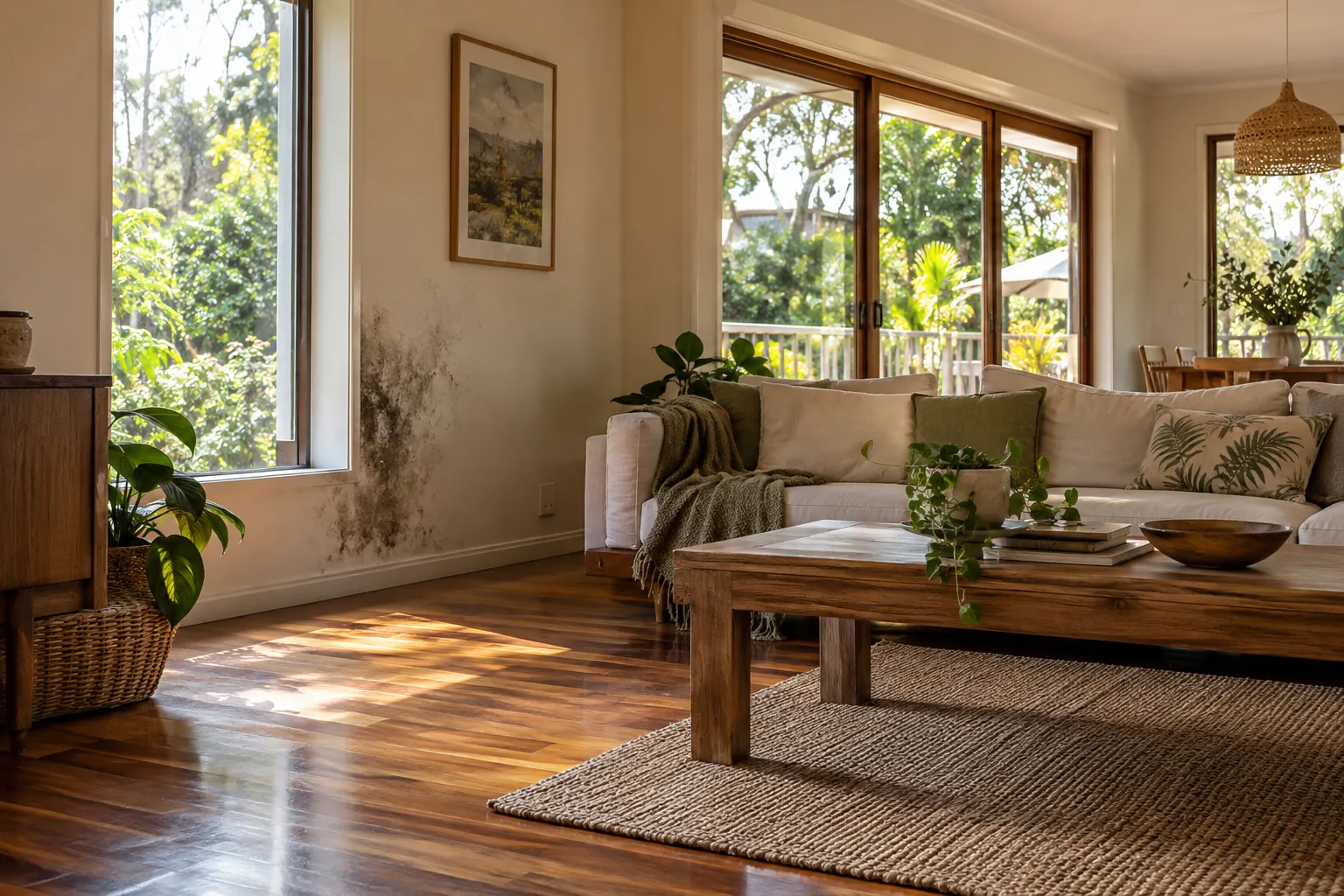
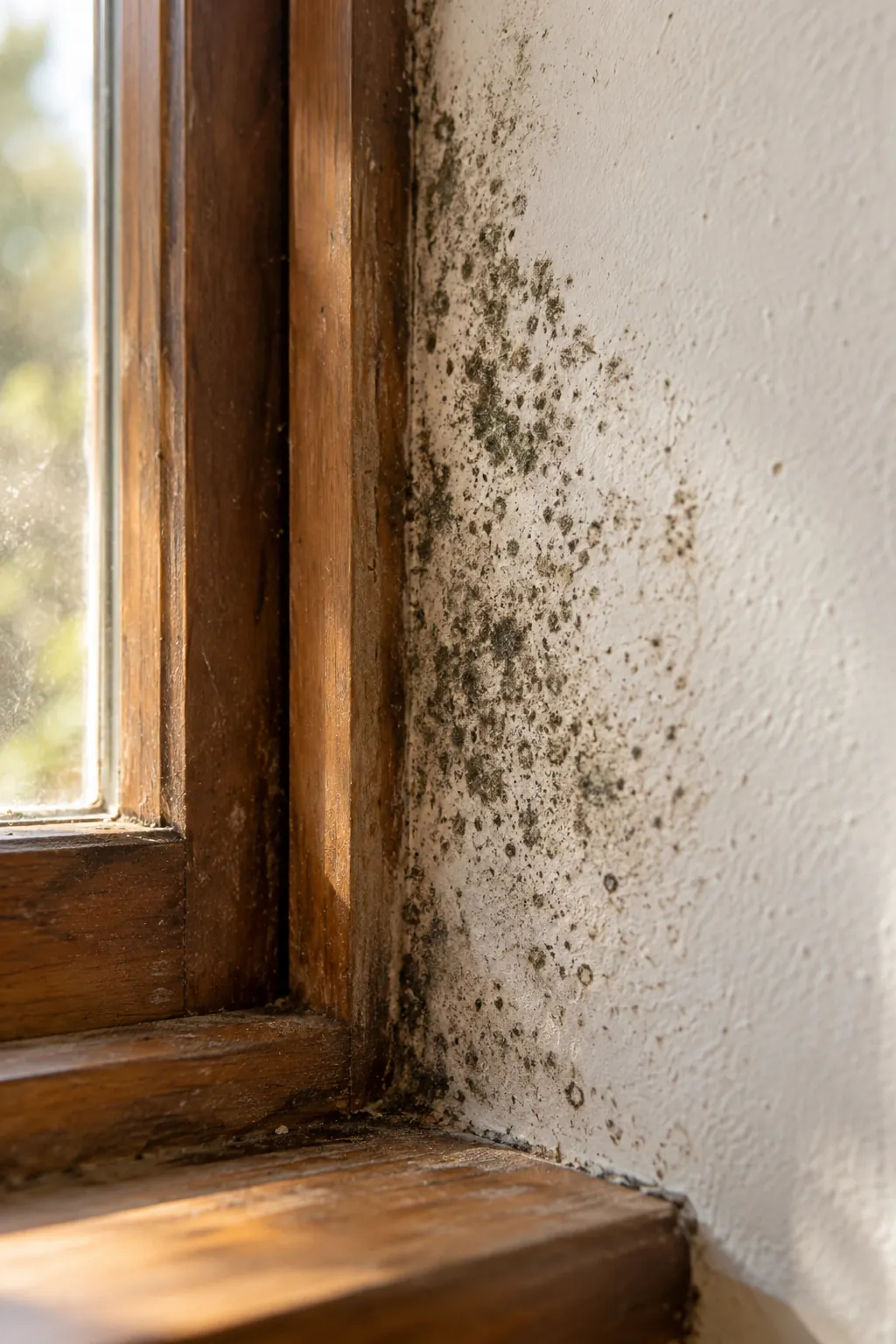
A mark beside the window. A ceiling stain after rain. Mould hiding behind furniture. Start with what is happening in your Lower Plenty home, then decide what the surface needs.
Visible surfaces assessed
Moisture clues considered
Scope discussed before work
THE ROOM TELLS A STORY
Look beyond the
visible patch.
Lower Plenty is part of Banyule, with substantial open space along the Plenty River corridor. That setting does not establish why a particular house has mould. The useful evidence is indoors: when a patch appeared, whether it changes after rain, and which surfaces remain damp.
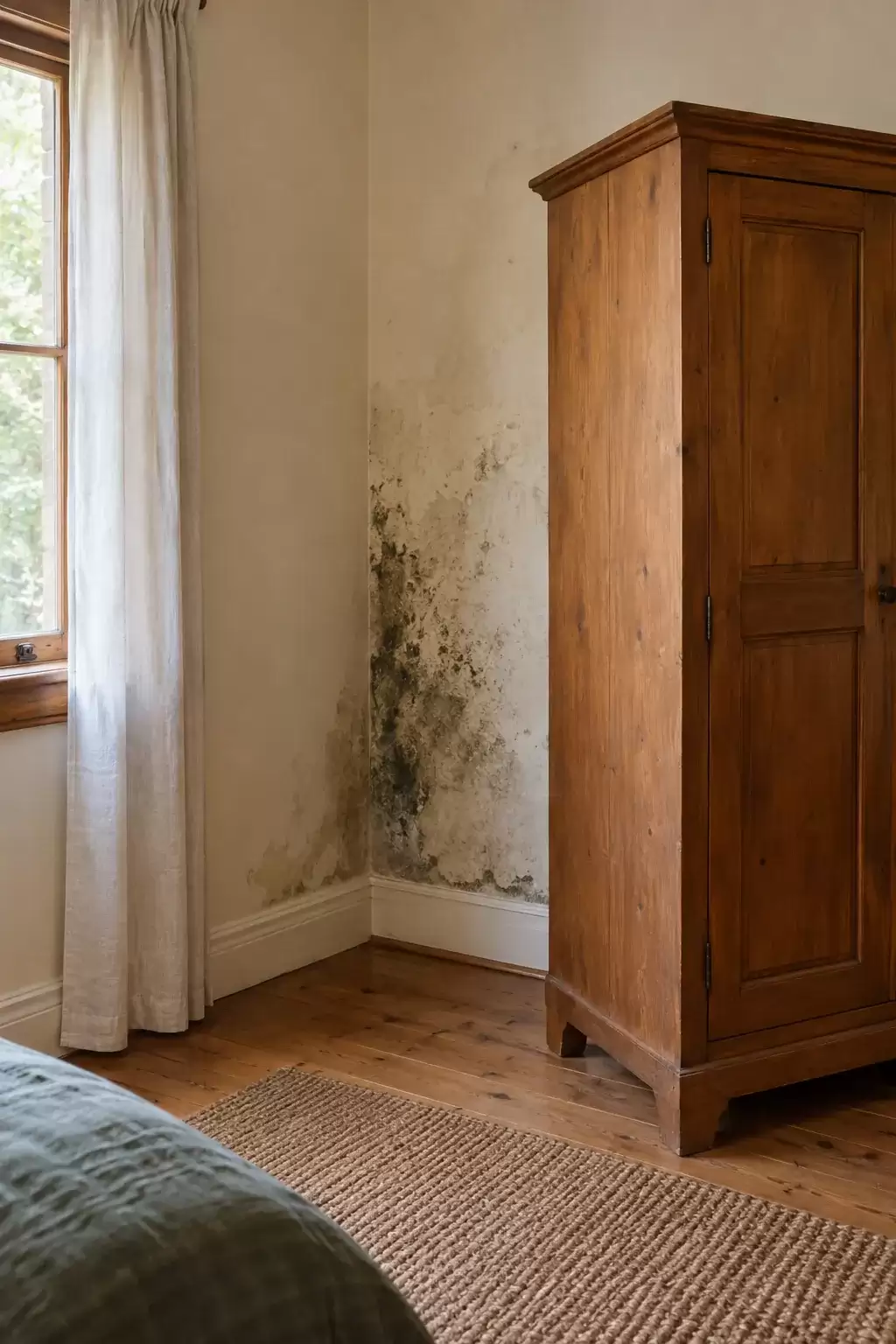
In a bedroom, check behind furniture against an outside wall. In a bathroom, note how long steam lingers. A shaded window reveal and a leaking pipe can produce similar-looking marks but need different follow-up. Describe the room and its history when arranging a mould inspection.
UNDERSTANDING MOISTURE
Follow the water.
Understand the surface.
Condensation
Warm, moist air meeting a cooler wall or window can leave water behind. Repeated droplets, damp frames and slow-drying corners are useful clues. Check extraction and airflow rather than assuming every dark mark comes from a roof leak.
Water entering
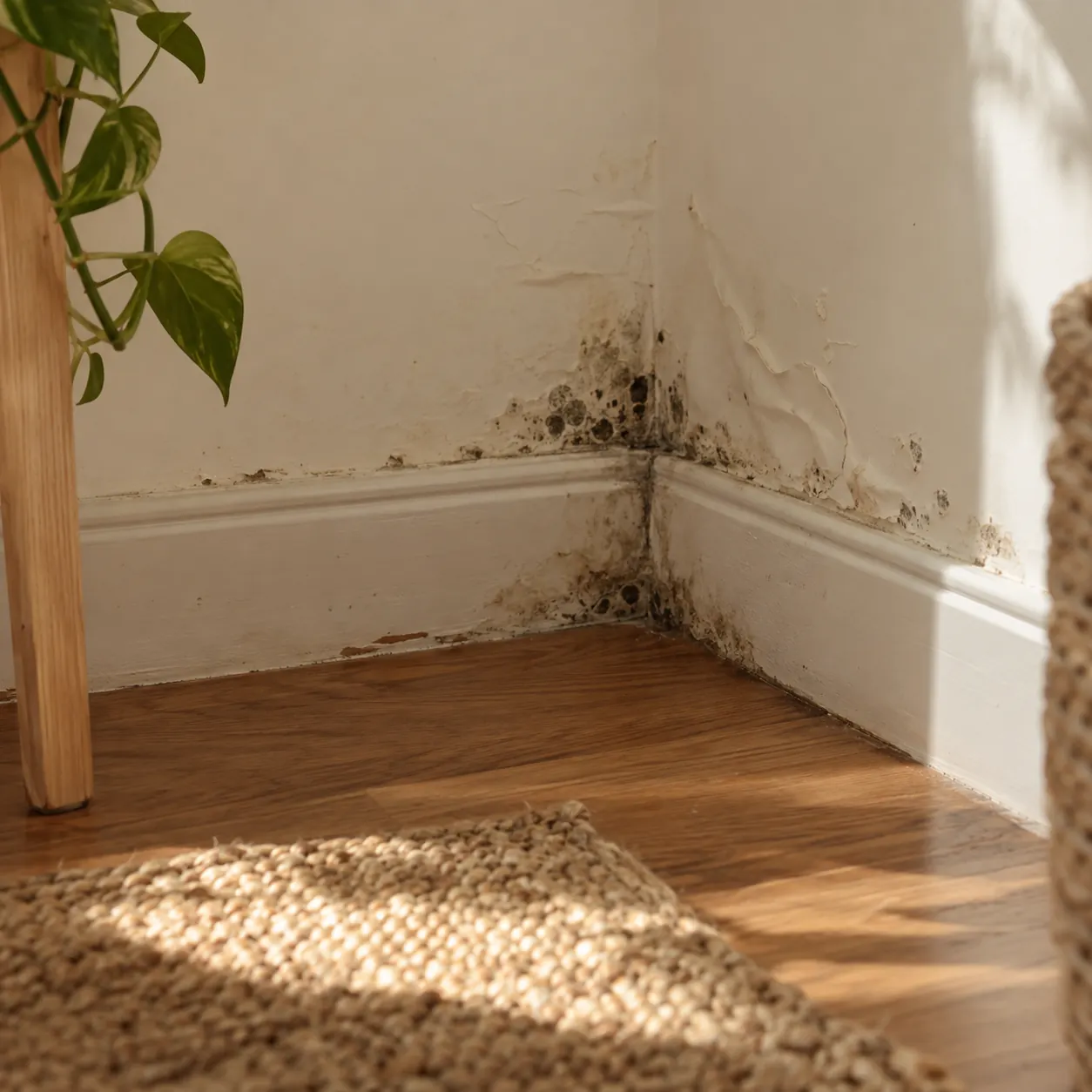
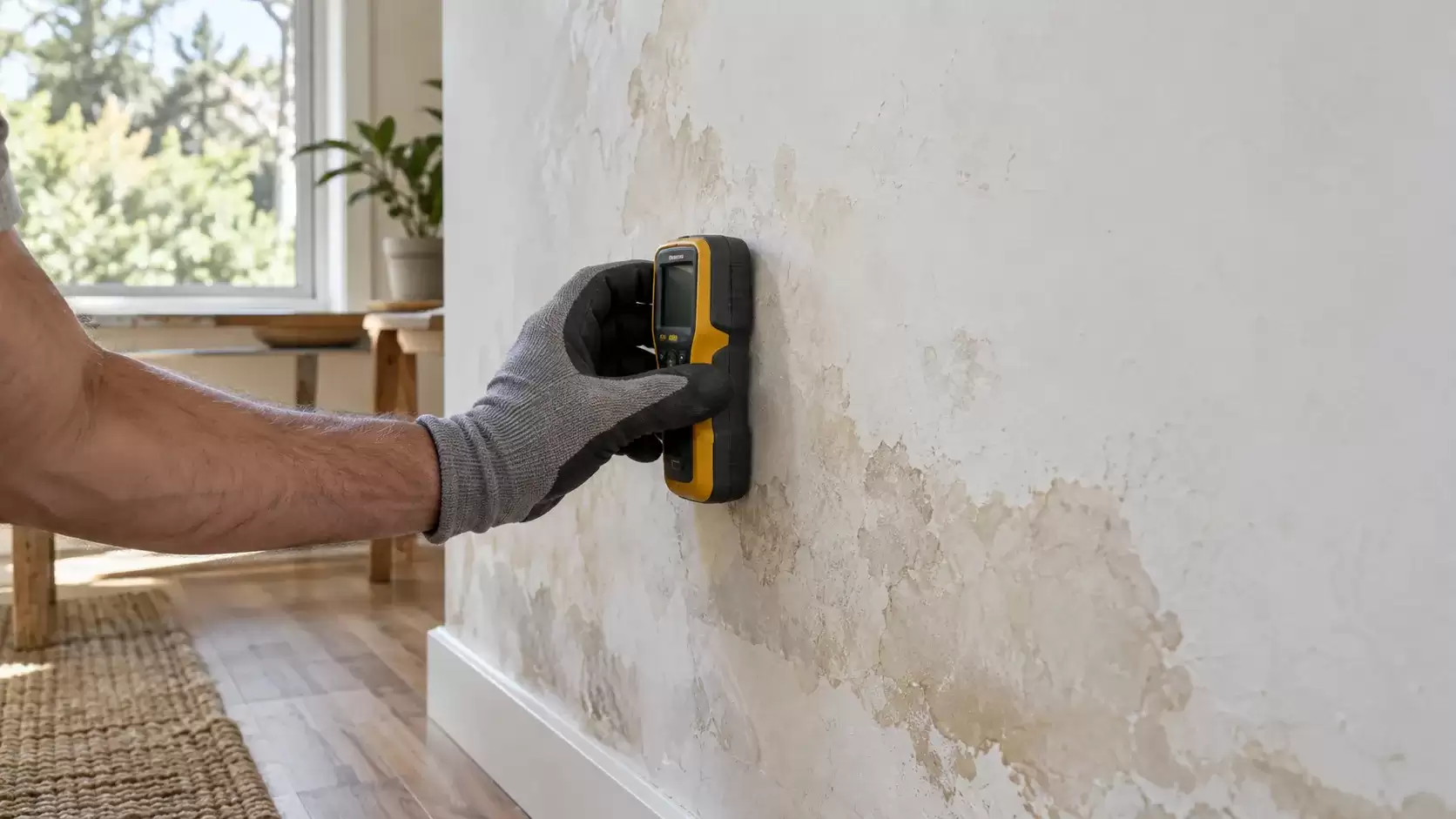
A stain that grows after rain, peeling paint or soft plaster needs attention to the source. Surface cleaning cannot repair roofing or plumbing. Ask the appropriate trade to investigate, and discuss drying before cosmetic repairs.
Material condition
A moisture reading helps assess a surface; it is not a test of mould species or a view inside a wall. Sound painted plaster, damaged board and porous belongings need different decisions. Avoid painting over a damp area.
OUR REMOVAL PROCESS
A considered
sequence.
Before we arrive
Make a short record of when you first noticed the growth and what has changed since. Include leaks, recent repairs and rooms that stay damp. A wider photograph helps show access; a close view helps show the surface.
Keep access practical
Discuss bulky furniture, fragile belongings and any areas that are difficult to reach. Agree what needs moving before the appointment. Avoid scraping or sanding the growth to prepare the wall; leave the affected surface available for assessment.
Know what comes next
Ask which surfaces are included and what falls outside the work. Persistent dampness, damaged plaster and repairs need their own plan. Keep notes about any follow-up so removal and moisture control can be considered together.
01
Read the room
Tell us which rooms are affected, roughly how much growth is visible and whether there has been a leak. Discuss access, delicate finishes and belongings. The surface removal service focuses on visible, accessible areas; concealed damage may require further investigation.
02
Prepare with care
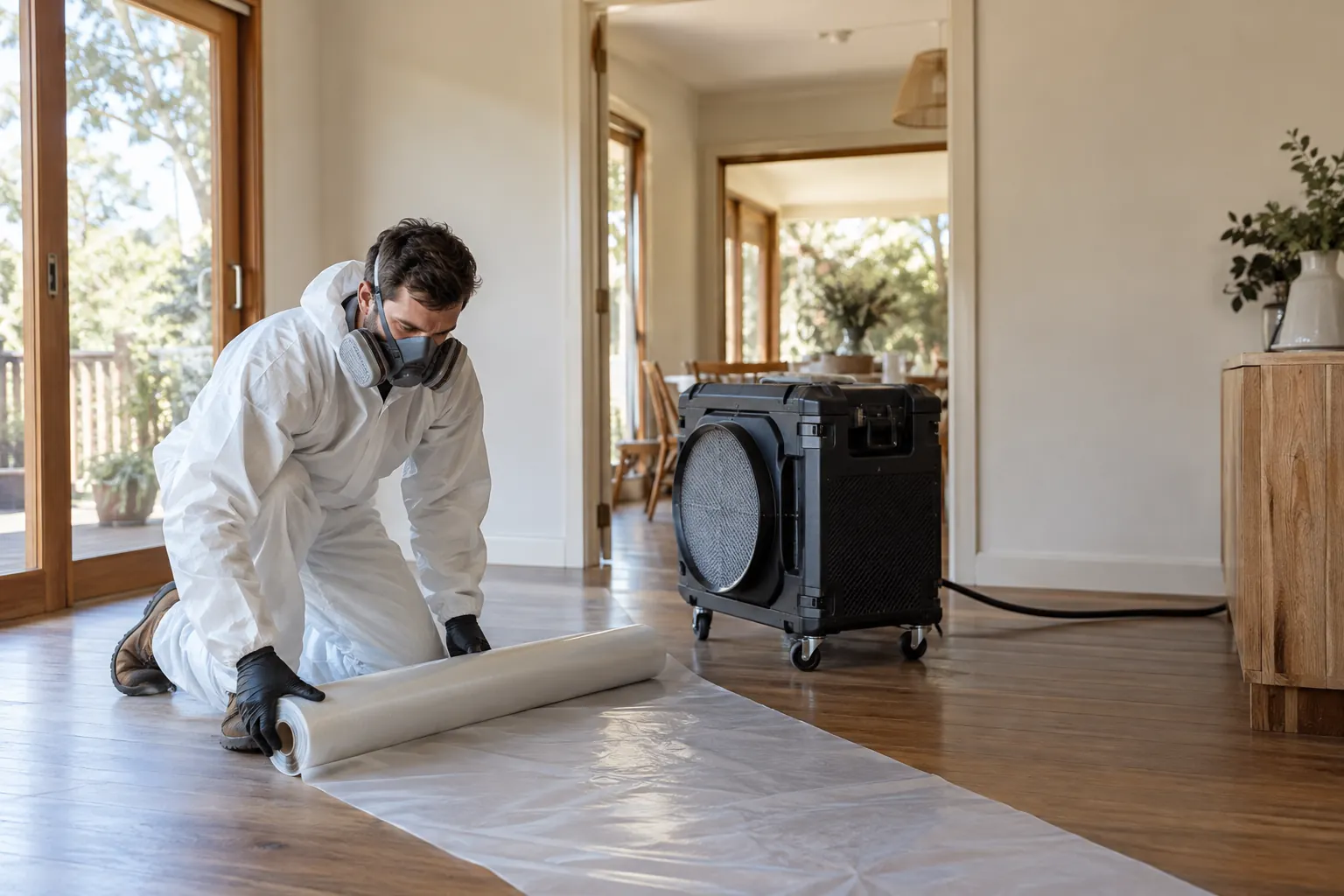
Move belongings where agreed and protect the working area. Equipment, protective measures and access arrangements should suit the job. Let us know about occupants’ concerns before work starts so preparation and limitations can be discussed.
03
Remove and review
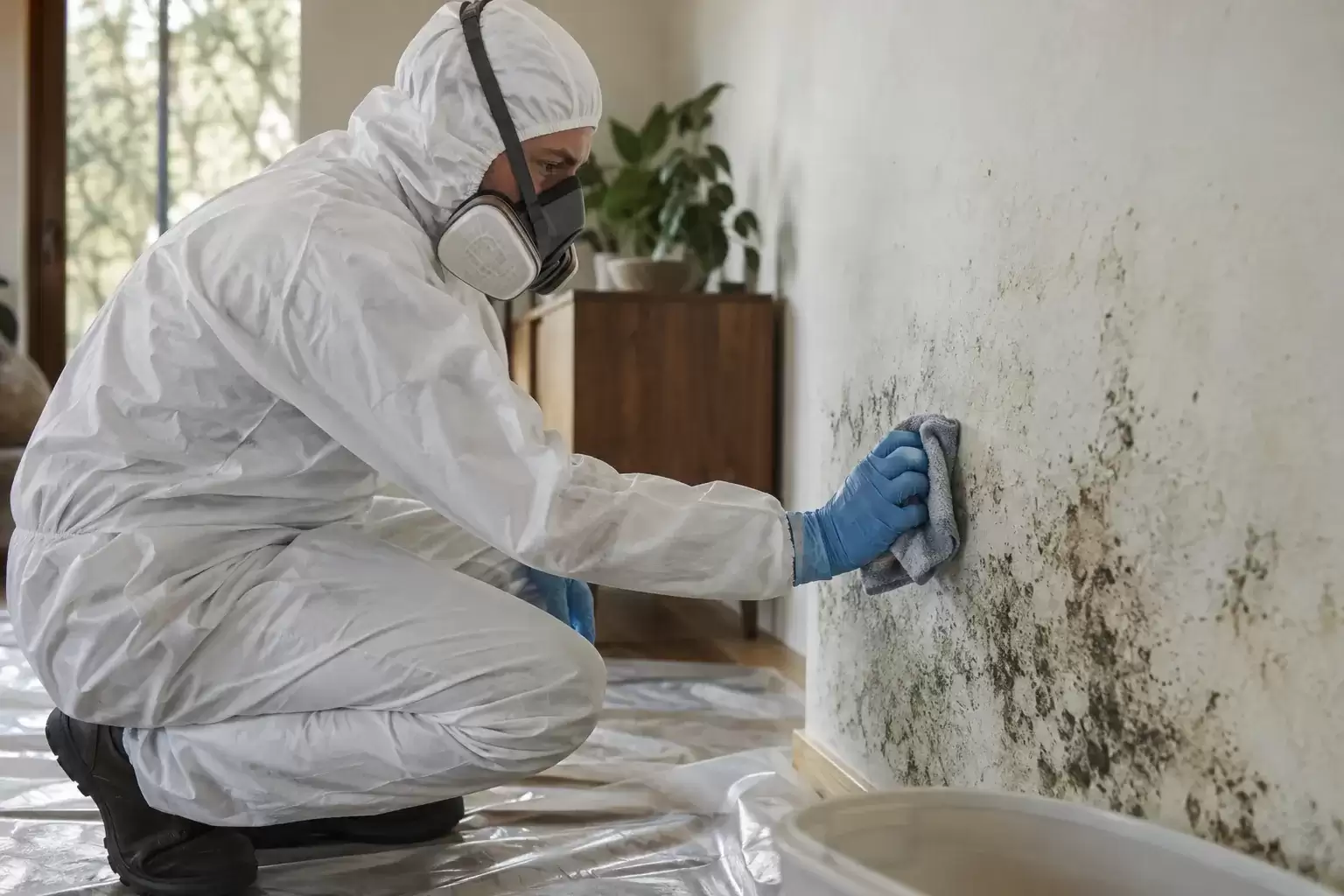
Use a method suited to the material and agreed scope. Review accessible treated surfaces and discuss remaining staining, damaged materials or moisture issues. Mould remediation connects removal with these wider decisions; it cannot promise that growth will never return.
COMMON AREAS AFFECTED
Different rooms.
Different clues.
Bathroom
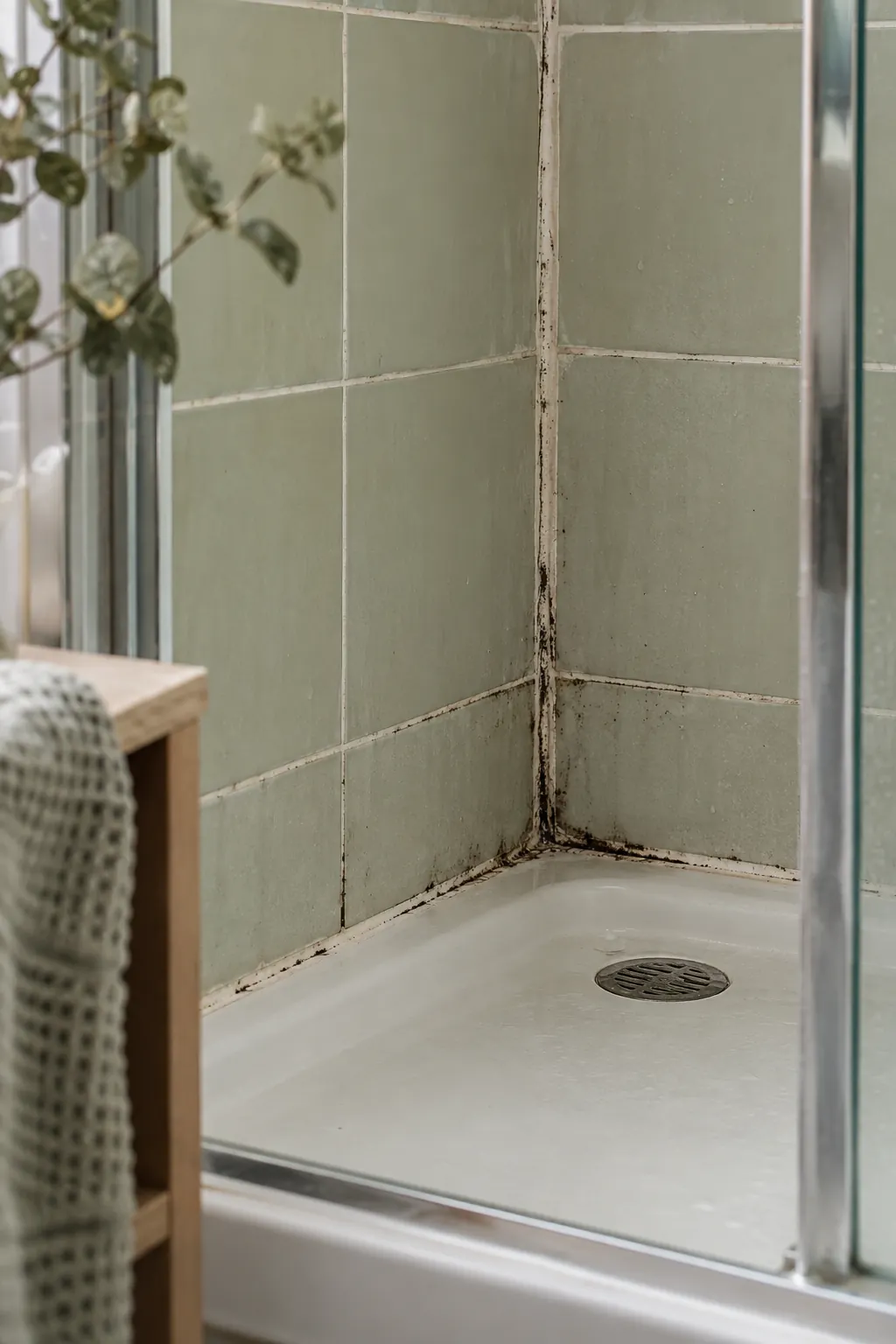
Look at silicone, grout, extraction and how well surfaces dry between showers.
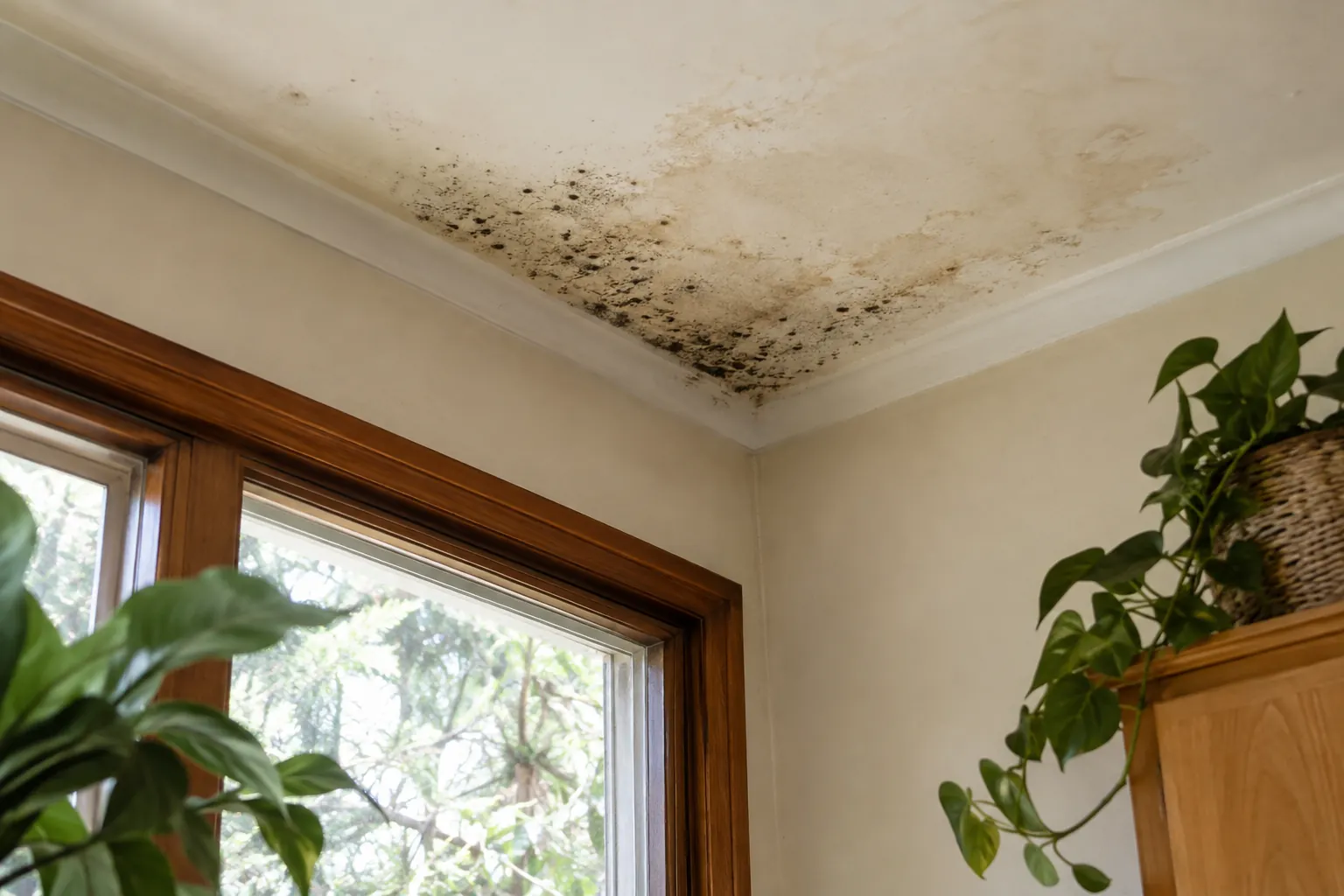
Ceiling
Record changes after rain. Staining and weakened plaster need assessment before repair.
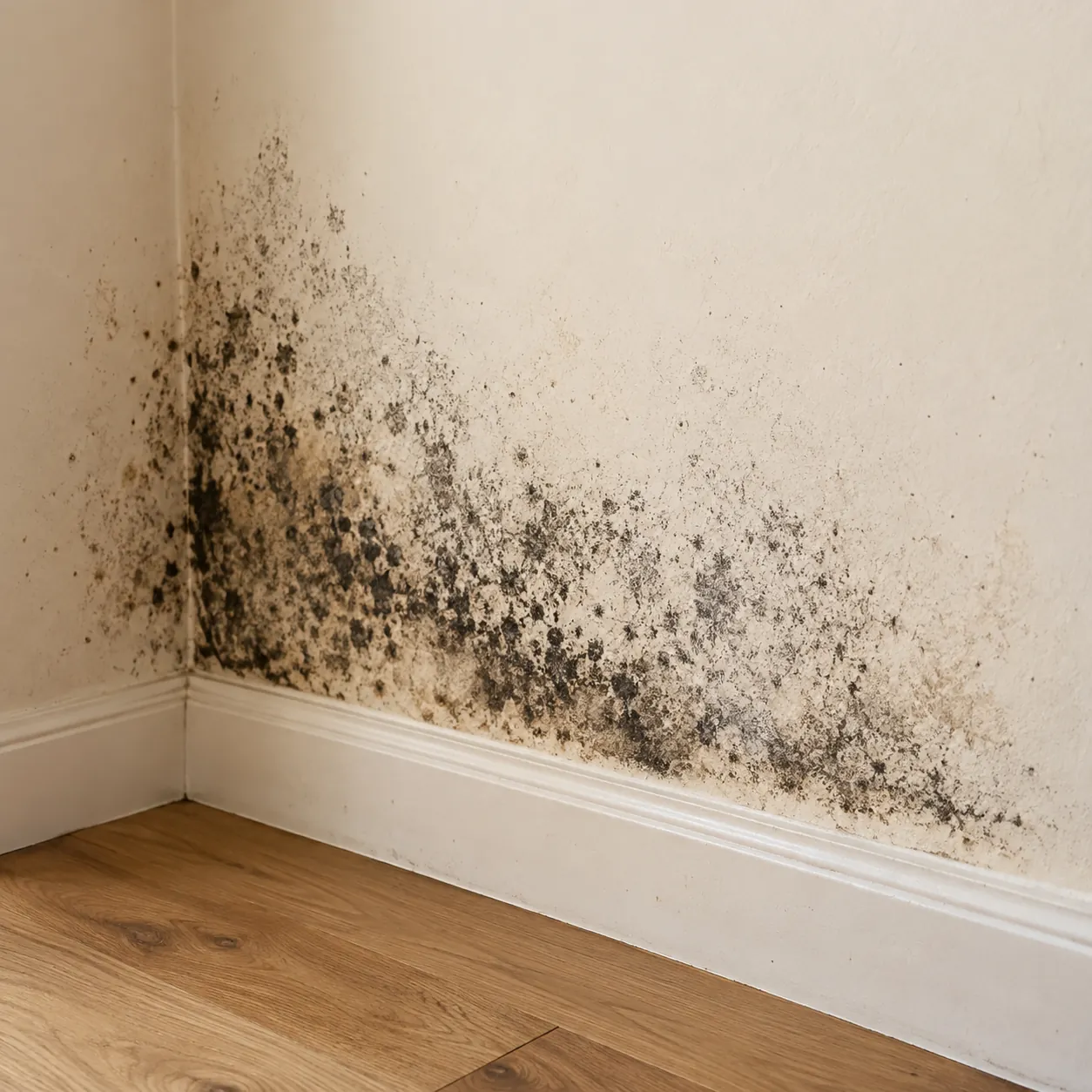
Wall
Check window reveals and furniture gaps for recurring dampness and restricted airflow.
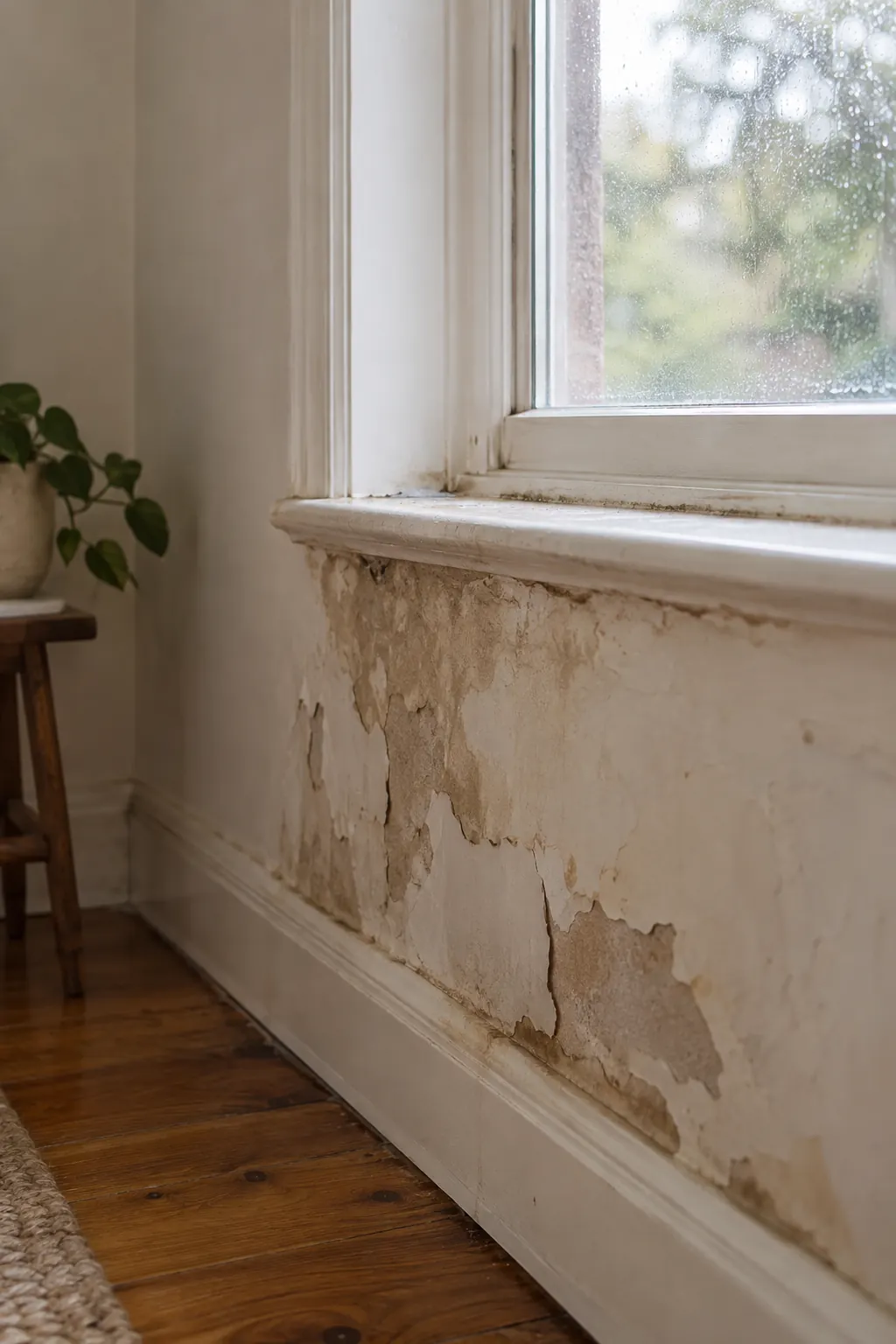
Water-damaged interiors
Discuss the original water event, material condition and whether drying has been completed.
PREVENTION STARTS WITH
Less moisture.
More room
to breathe.
Give damp air a way out
Use bathroom extraction during showers and allow time afterwards for moisture to clear. Check that the fan is working and that air can enter the room. Dry wet surfaces and avoid leaving damp towels bundled against walls.
Make the small checks routine
Leave an airflow gap behind bulky furniture where practical. Watch recurring window condensation and follow up leaks promptly. If growth returns in the same place, record the timing and investigate the cause rather than repeatedly covering it with paint. Changes to ventilation, drainage or damaged materials may need another trade.
LOWER PLENTY & NEARBY
Local guides,
connected places.
Yallambie and Viewbank are neighbouring places to explore through our Yallambie mould guide and Viewbank mould guide. These pages explain household surface and moisture questions, rather than claiming identical conditions across the area. Call with your street, room details and access requirements to confirm availability for your address.
BEFORE YOU CALL
The useful
questions.
Does living near the Plenty River explain the mould?
Location alone cannot diagnose a house. Look for actual moisture: condensation, leaks, damp materials and limited airflow. An inspection can consider the accessible evidence in your rooms.
What should I photograph before calling?
Take a wider room view and a close view of each patch without disturbing it. Include nearby windows or ceiling stains. Note whether the marks change after rain or shower use.
Can a wardrobe hide an affected wall?
Yes. Restricted airflow behind furniture can leave a cooler surface slow to dry. Move items only if safe, and discuss access before work so the relevant wall can be assessed.
Will surface removal fix damp plaster?
Removal does not repair a leak or restore deteriorated board. Wet, soft or crumbling material may need drying, repair or replacement by an appropriate trade outside the agreed removal scope.
How do I prepare a Lower Plenty rental?
Record the affected areas and contact your property manager about access and any suspected leak. Confirm permission and scope before arranging work. Keep relevant photos and communications.
Can you quote from a photo alone?
Photos help the initial conversation, but material condition, extent and access may need checking. Call 03 8652 1296 to discuss the next step and what information is needed.
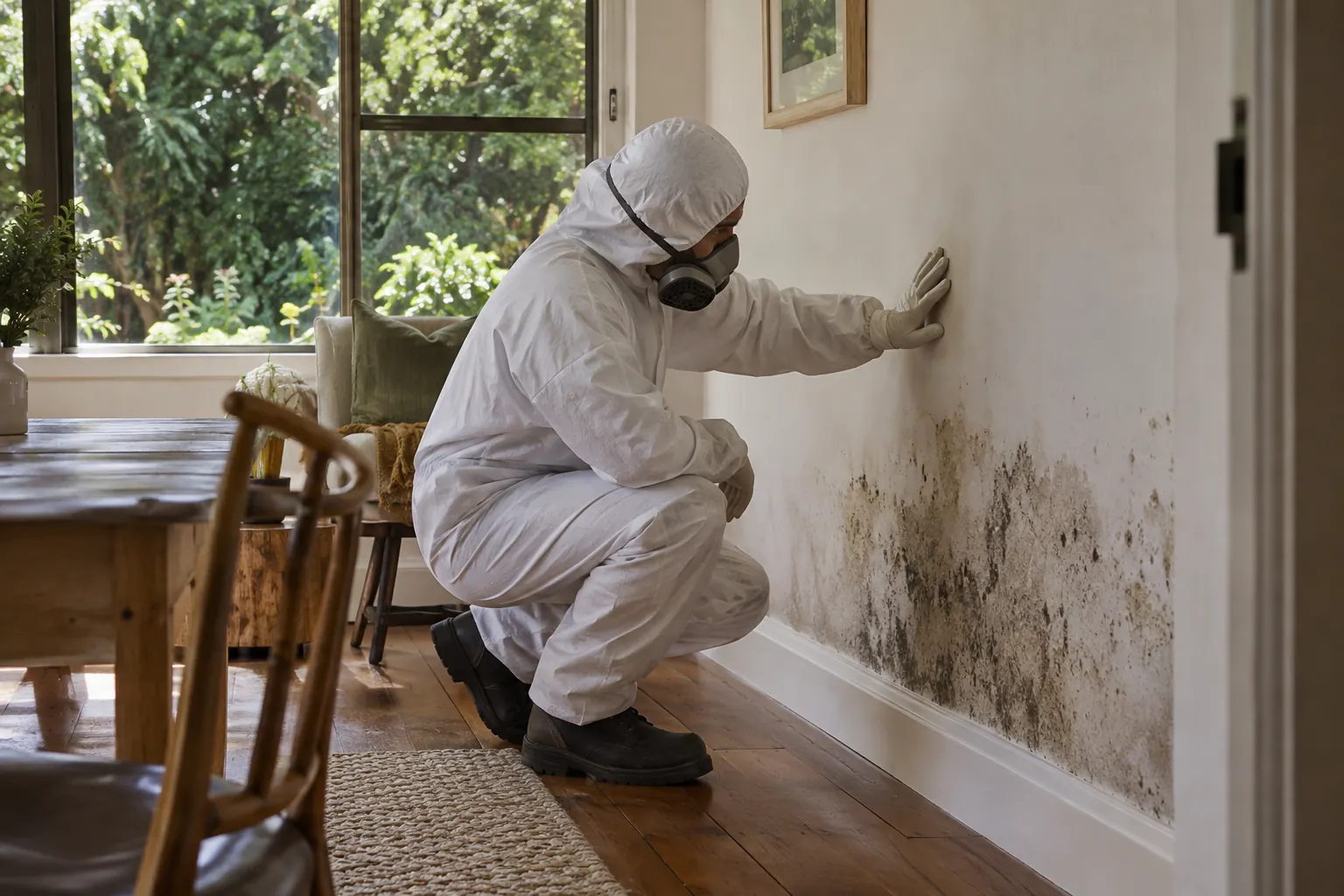
TELL US WHAT YOU CAN SEE
Start with
your room.
Talk through the affected surface, moisture history and access. We can discuss the scope and confirm the next step for your Lower Plenty address.
Local context: Banyule locality information · Banyule open space plan