
MELBOURNE · VISIBLE SURFACES
Mould Removal
Visible mould needs attention, but the patch you can see is only one part of the problem. Our mould removal service targets accessible walls, ceilings and floors in Melbourne homes. Assessment and moisture checks come first, followed by suitable treatment and physical removal. The work addresses existing contamination; leaks, persistent condensation and other sources of dampness need attention too. Call to discuss the affected rooms, access and the next suitable step.
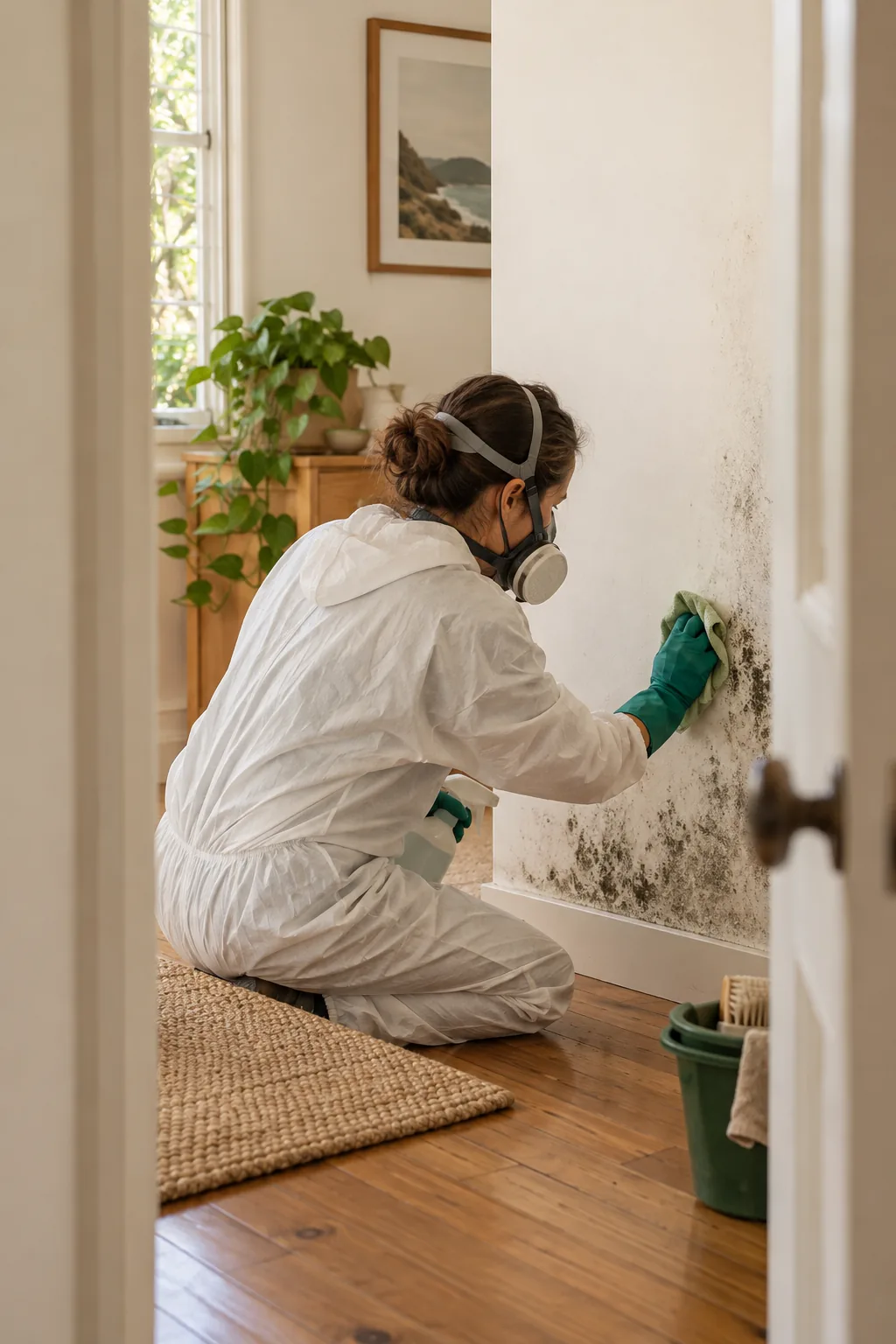
Accessible surfaces
Removal focuses on visible growth on walls, ceilings and floors.
Moisture checks
Humidity and moisture conditions help guide the assessment.
Clear room pricing
Non-member prices depend on the affected area in each room.
When visible growth needs more than another wipe
A small patch around a window can have a different cause from mould spreading across a ceiling after a leak. The location, affected material and history of the problem matter. Tell us whether the growth is new, has returned after cleaning or has spread to other parts of the room. That information helps make the initial conversation useful.
Repeatedly cleaning a surface can remove what is visible without changing the damp conditions. If a wall stays wet, the conditions for growth can remain. A professional assessment is appropriate when the patch keeps returning, the affected area is substantial, water damage is involved or you cannot explain where the moisture is coming from.
You do not need to identify the species before calling. Describe the surface and extent instead. An inspection of the affected areas and moisture conditions can help decide what work is appropriate.
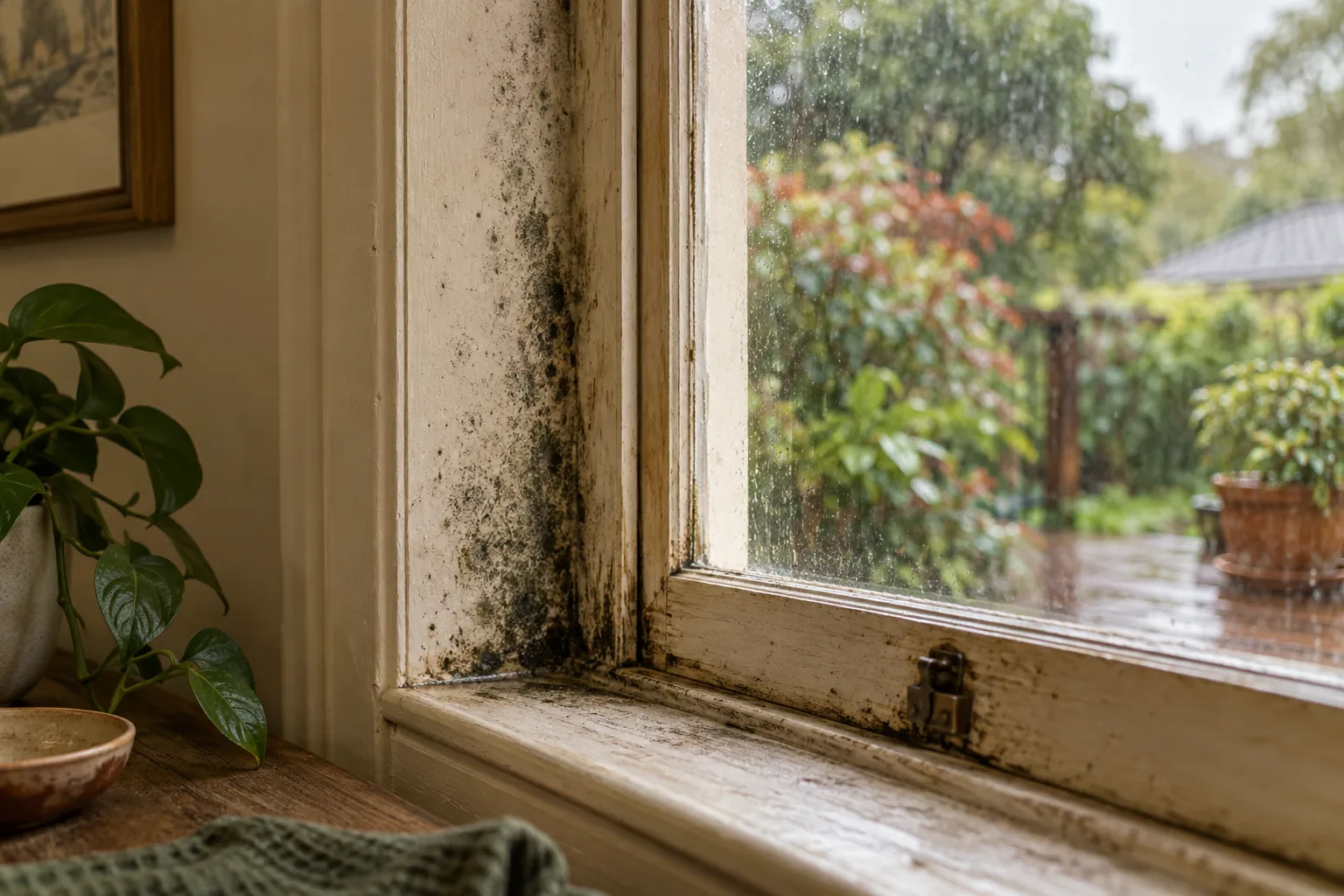
What the removal service covers
The standard scope is visible, accessible mould on walls, ceilings and floors. Accessible means the technician can assess and work on the affected surface within the agreed job. Mention high ceilings, furniture that restricts access and any fragile or damaged finishes before the visit. The condition of the surface influences the approach.
Furniture, sofas, mattresses, carpets, curtains, clothing and other textiles are excluded. Mould inside a wall, within insulation or in another concealed space is also outside the standard visible-surface scope. It may require further investigation or additional work. Discuss those concerns before arranging treatment rather than assuming they are included.
Removal does not include repairing a roof, fixing plumbing or correcting structural defects. It also does not promise to return every painted surface to its original appearance. Cosmetic marks can remain after contamination has been treated.
From assessment to physical removal
The technician first checks the affected areas and considers the extent of the visible growth. Humidity and moisture checks help investigate the conditions around it. Findings guide the treatment method and the accessible areas included in the work. Agree on the scope before treatment begins so there is a shared understanding of the job.
The process includes HEPA air filtration, appropriate treatment and physical removal using professional remediation equipment. Filtration forms part of managing airborne particles while work is carried out. It should not be described as a guarantee that every particle has been removed from the home.
For a broader explanation of assessment, filtration, treatment and moisture management, read about the mould remediation process. Removal is the part of that process concerned with cleaning existing growth from the agreed surfaces.
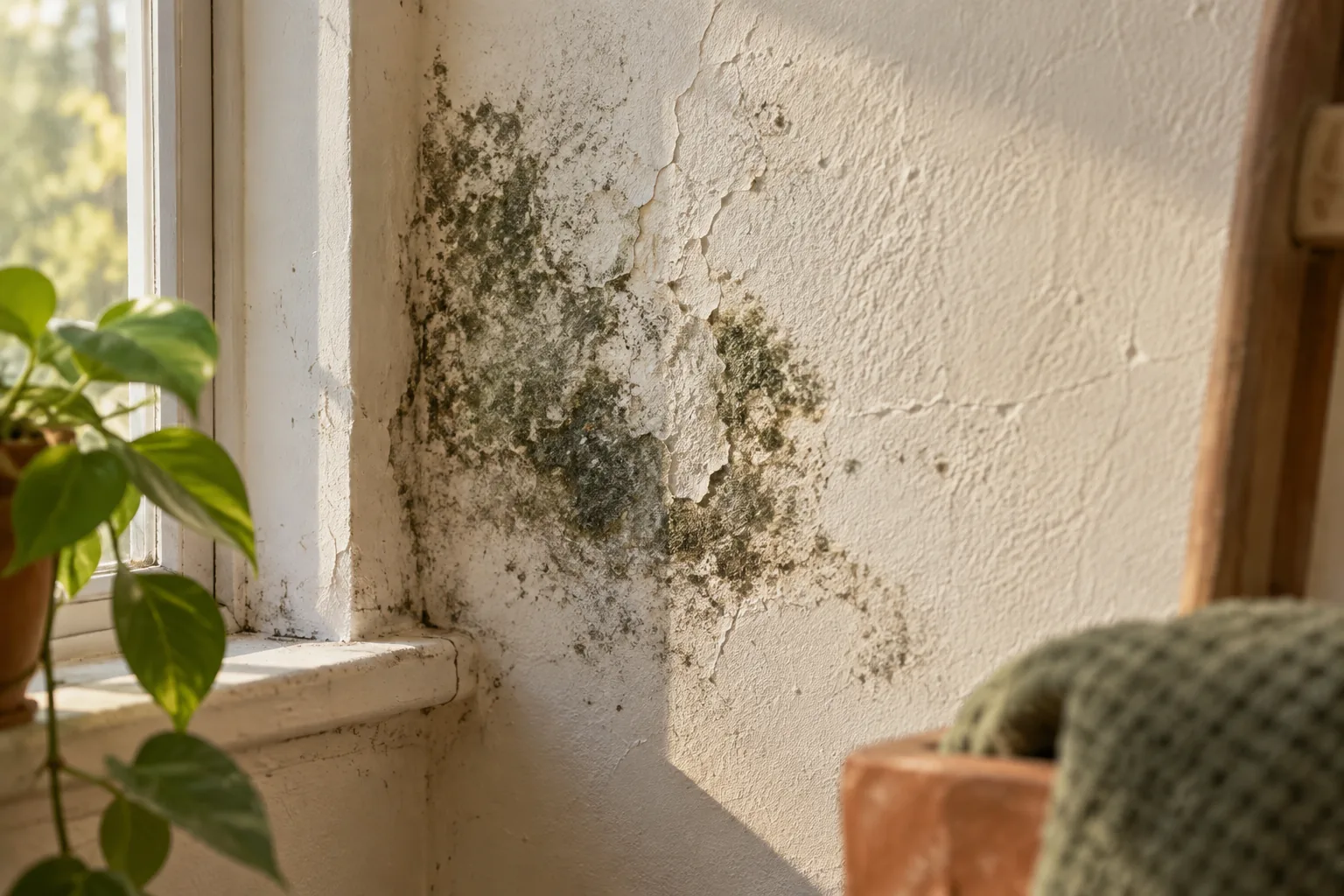
Prepare the room before the appointment
When you call, give the room names, the approximate extent of the growth and any known leak history. Explain whether someone has already cleaned, painted over or treated the area. Mention restricted access, delicate finishes and items close to the affected surface. These details can affect preparation and the scope of the work.
Ask what needs to be moved, how the room should be prepared and whether there are access restrictions during treatment. Do not assume the technician will handle mould-affected textiles or move every item of furniture. Confirm the arrangements for your property before the appointment.
If a leak is ongoing, explain that clearly. A plumbing or building repair may be needed alongside removal. Work on visible growth does not substitute for stopping water entering the room.
Room prices and time on site
The listed non-member price is AUD $650 per room for a small affected area, $850 for a medium area and $950 for a large area. A small area might be around a window or in a corner; a medium area is a large section of wall; a large area involves more than one wall or a ceiling. Confirm how the categories apply to your room.
The service is not charged by the hour. The service guidance allows approximately three hours per room on average, while the room-based pricing schedule lists different planning durations for different levels of work. Access, contamination and the number of areas affect time on site. Ask for an estimate for your actual job.
The full price guide also explains the paid inspection and corporate survey. Repainting and other work outside the agreed removal scope require separate discussion.
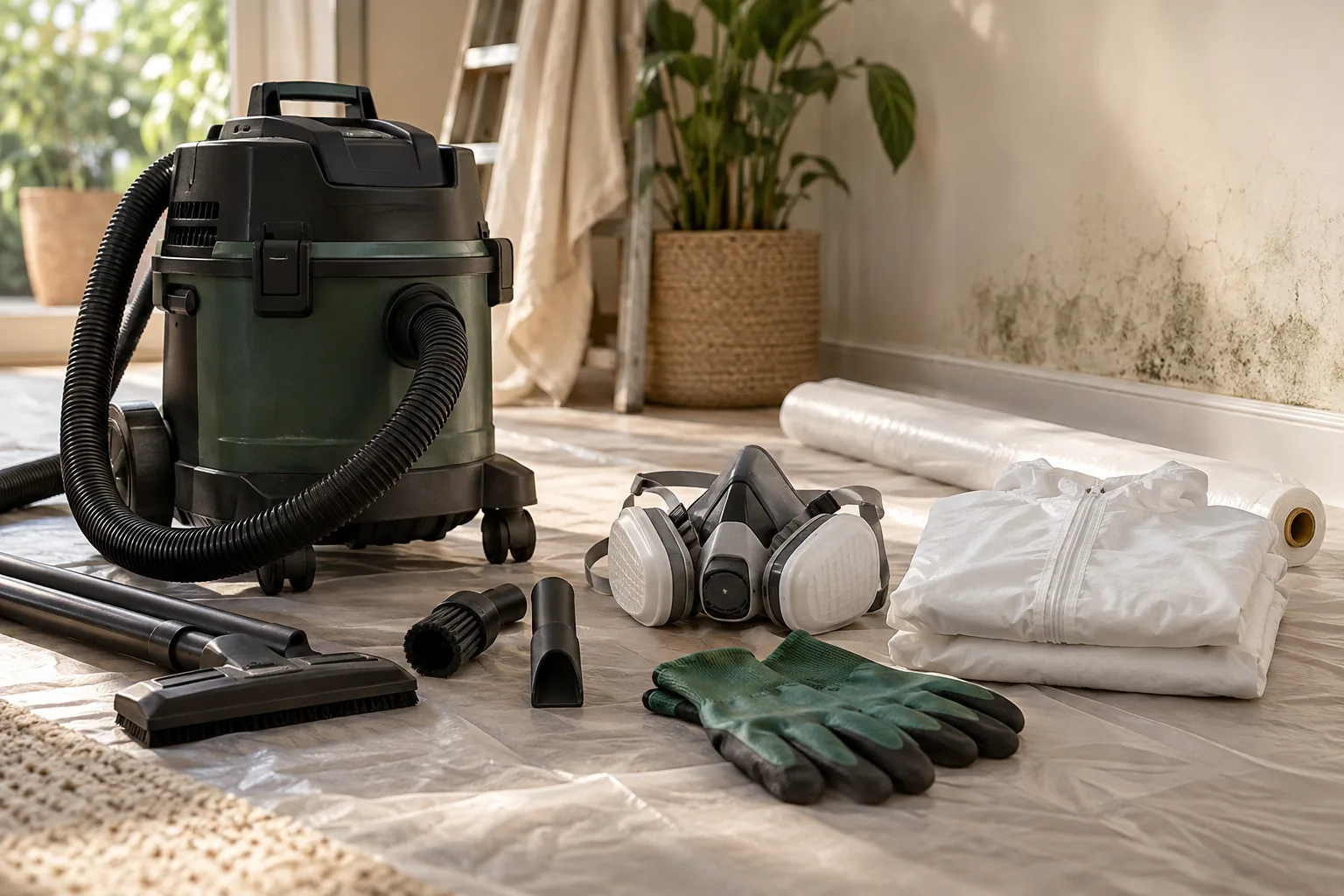
After removal: deal with the damp conditions
Removing existing growth does not change a leaking pipe or a room that repeatedly stays damp. Follow up on any identified moisture problem and arrange the relevant repairs. Keep an eye on window condensation and on surfaces that previously stayed wet. New patches or continuing paint damage deserve attention.
Ventilation and day-to-day moisture management matter too. Use extraction when showering and cooking, and allow air to circulate around furniture. These steps can help manage conditions, but they are not a promise that mould will never return. The moisture source and the condition of the building remain important.
If you are unsure whether the problem is surface growth or a wider moisture issue, call with details of your property. Confirm availability for your suburb through the Melbourne areas directory.
Accessible surfaces, clearly agreed.
Identify the walls, ceilings and floors included before cleaning starts. Discuss fragile finishes, excluded textiles and any cosmetic restoration needed separately.
QUESTIONS BEFORE YOU BOOK
Useful answers.
Clear scope.
Do you remove mould from ceilings?
Yes, visible and accessible ceiling surfaces are within the standard scope. Mention ceiling height, water staining and access restrictions when you call. Roof leaks and damage within the ceiling cavity need separate attention.
Can you clean mould from carpet or a sofa?
No. Carpets, furniture, mattresses, curtains, clothing and other textiles are excluded from this service. Explain any affected items so the scope can be discussed clearly before a visit.
Will removal get rid of every stain?
No cosmetic result is guaranteed. A painted wall or ceiling can retain marks after treatment and removal. Repainting or decorative restoration can be discussed and quoted separately; it is not included in the standard removal price.
Why has the same patch returned?
The surface may still be exposed to damp conditions. A leak, condensation or limited ventilation can support new growth after cleaning. Assessment should consider that moisture source as well as the visible patch.
Is the price per room or per hour?
The listed non-member prices are per room, based on the affected area. Treatment is not hourly. Describe the rooms and extent when calling so the applicable price and scope can be confirmed.
What should I tell you when I call?
Give your suburb, affected rooms and surfaces, the approximate extent and whether there has been a leak or previous regrowth. Mention access restrictions and ask how to prepare the room for the agreed work.
Discuss mould removal.
Tell us which surfaces need removal, how far the growth extends and what access is available. Confirm the room scope and appointment by phone.