
MELBOURNE · ASSESS BEFORE TREATMENT
Mould Inspection
An inspection helps answer a practical question: what is happening in the affected area, and what needs attention before treatment? We assess visible mould and check moisture and humidity conditions in Melbourne properties. Bring the history of the problem into the conversation, including previous cleaning, known leaks and recurring dampness. The paid inspection is AUD $100 for 30 minutes. Concealed areas and additional investigations require a separate discussion.
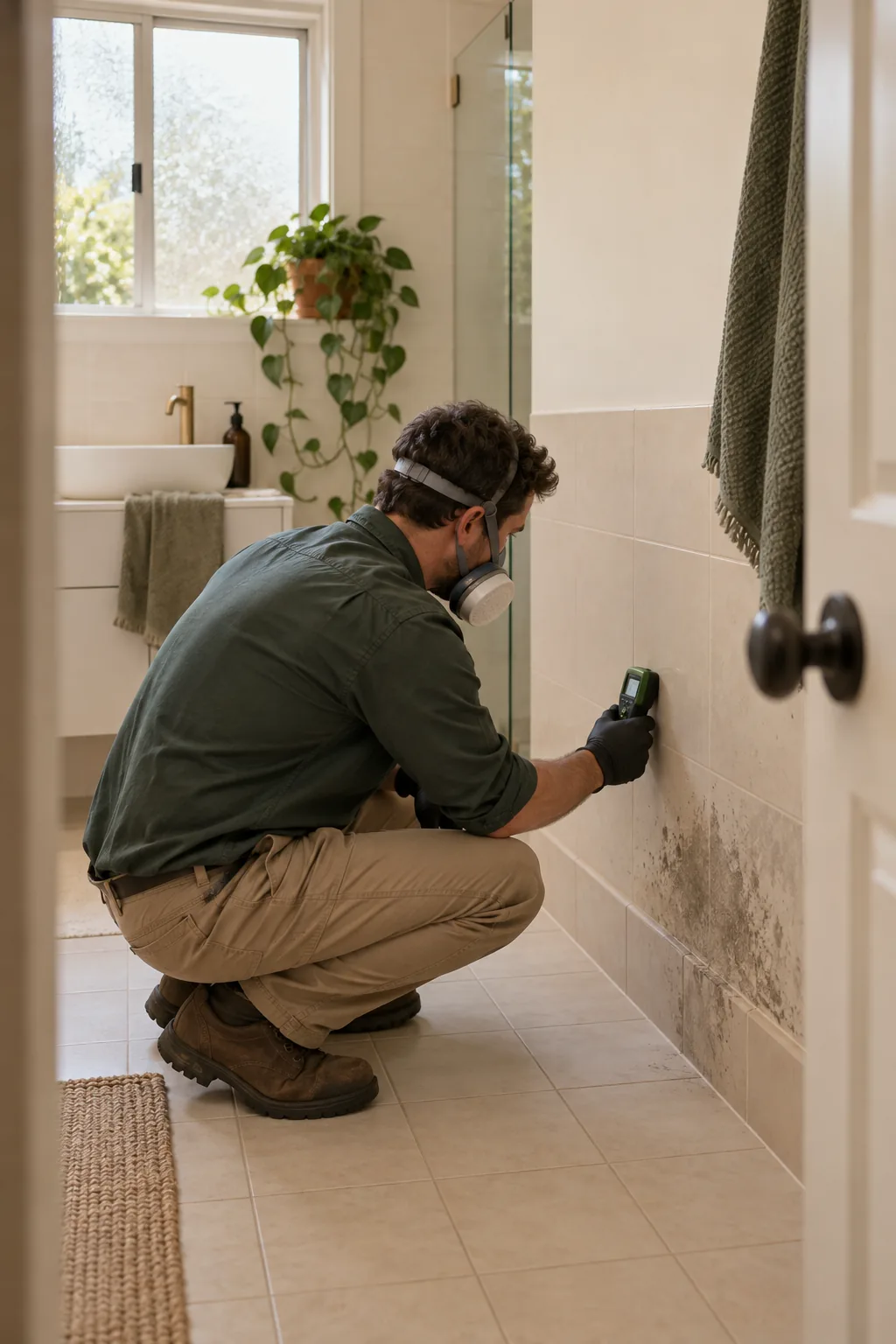
Visible-area assessment
Discuss the surfaces, location and extent of the growth.
Moisture investigation
Check damp conditions rather than relying on colour alone.
A defined appointment
The paid inspection is listed at AUD $100 for 30 minutes.
Paid inspection and corporate survey
A paid inspection is listed at AUD $100 with a duration of 30 minutes. The pricing sheet also lists a 30-minute corporate survey at AUD $0. The suitability and scope of that survey need to be confirmed by phone; it should not be assumed to apply to every residential enquiry.
Inspection pricing is separate from treatment pricing. The non-member mould removal prices vary with the affected area in each room. Discuss the inspection findings and the work required before agreeing to treatment. See the inspection and removal price guide for the listed amounts.
No membership discount is promised here. Eligibility, payment arrangements and any work beyond the appointment should be clarified when the service is arranged.
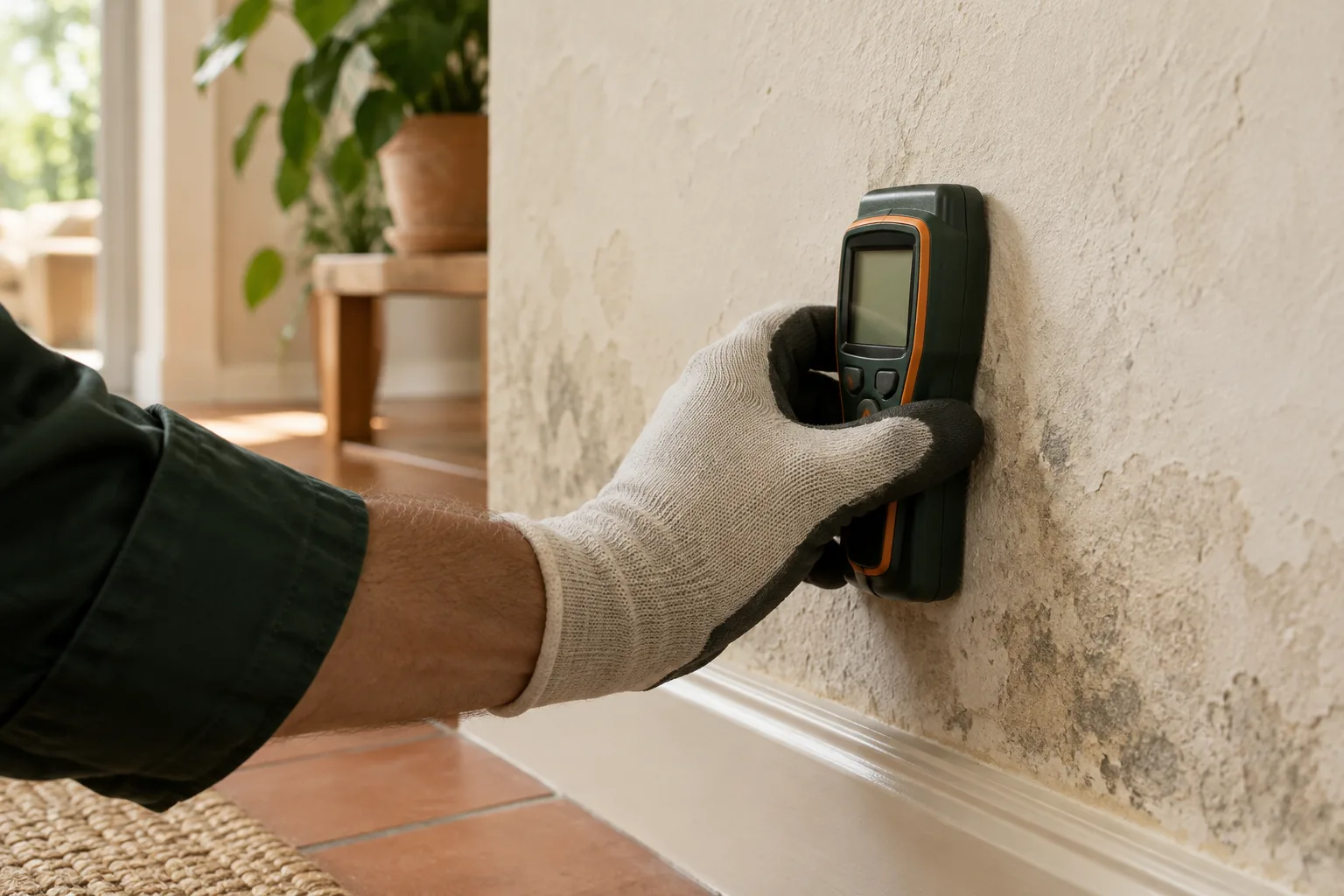
What an inspection can help you decide
An inspection is useful when you can see a problem but do not yet know the appropriate next step. A recurring patch beside a window may need a different response from staining beneath a recent ceiling leak. Assessment brings the affected surface, extent of growth and moisture conditions together before treatment is proposed.
The visit can help clarify the accessible areas involved, identify moisture concerns to investigate and discuss whether removal or a broader remediation plan is appropriate. It does not automatically include every kind of building investigation, specialist sampling or a guarantee about concealed spaces. Ask what the appointment will cover for your property.
If treatment is needed, the findings inform the scope. Read about removal of visible, accessible mould to understand the work that follows inspection.
Moisture readings need context
The service process includes checking humidity and moisture levels around the affected areas. A hygrometer helps assess humidity, and moisture checks contribute information about damp conditions. Findings should be considered alongside visible damage, the location and the history of the problem rather than presented as a complete answer on their own.
A reading at one point in time does not establish every possible source of water intrusion. Conditions can change with weather, room use and ventilation. Explain when the problem tends to occur so the technician can relate the findings to what you have noticed.
If there is evidence of a plumbing or building fault, the relevant repair sits outside the mould inspection and removal scope. The remediation overview explains how moisture management and treatment fit together.
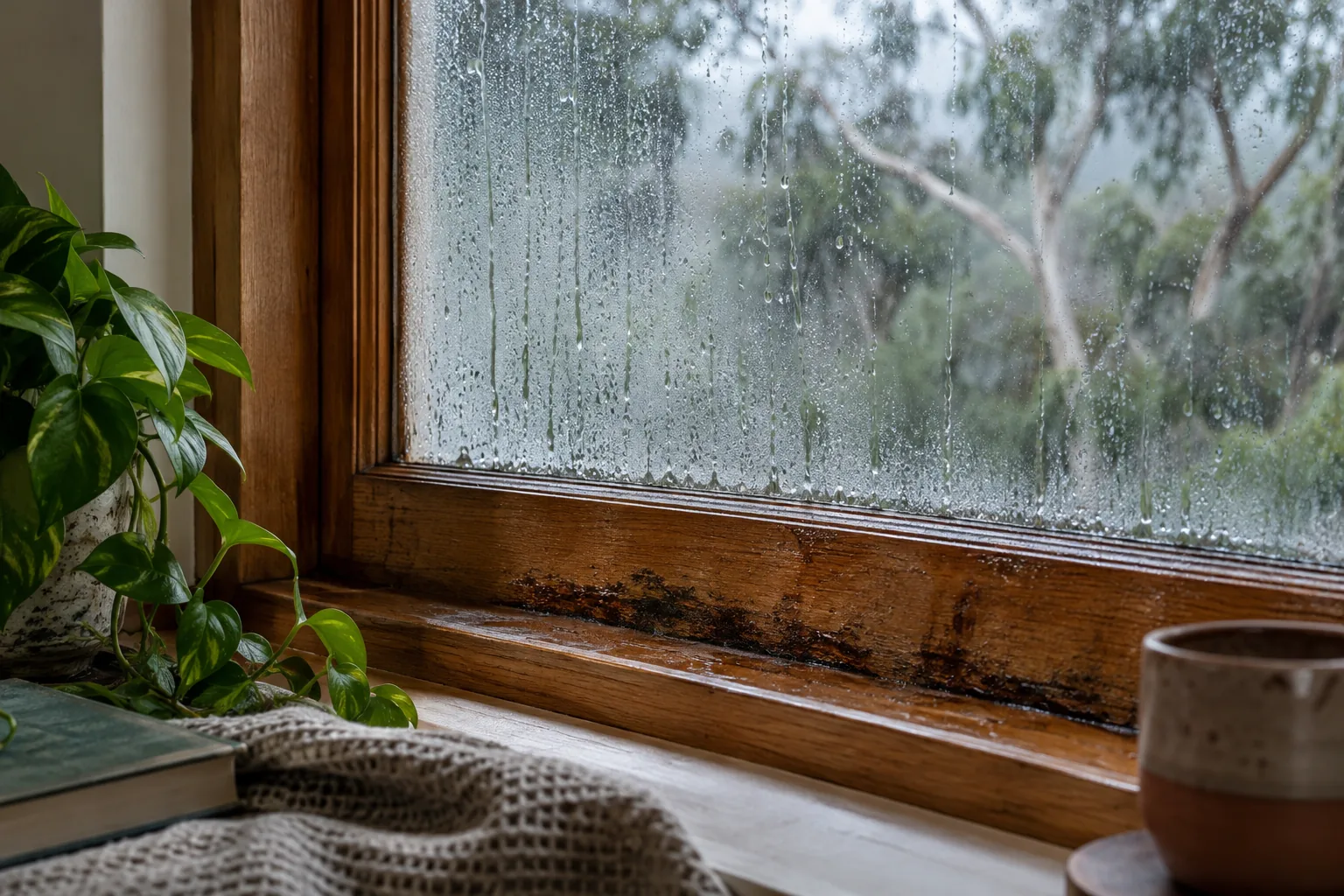
Signs worth bringing to the appointment
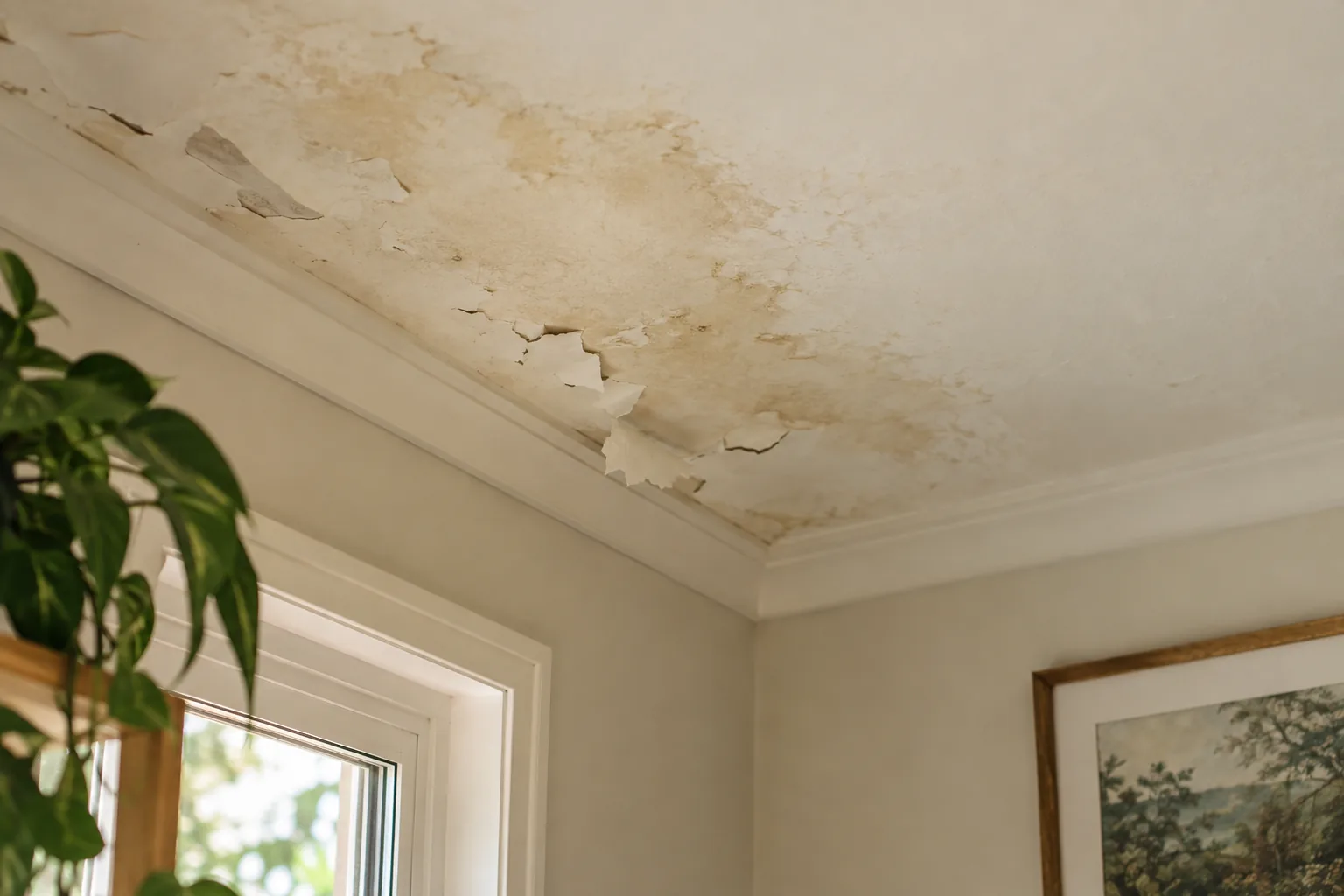
Visible growth is one sign, but the history of the room can be just as helpful. Note whether a patch worsens after rain, appears after showering, develops near a cool window or returns after cleaning. A musty smell, peeling paint or an area that feels persistently damp is useful information even when the visible patch is small.
Tell us about previous roof or plumbing leaks and whether repairs were completed. Explain any recent water damage and how long the material stayed wet. Do not treat a smell or discolouration as proof of a particular mould species; those observations are clues for assessment, not a diagnosis on their own.
It is also useful to describe access. A cupboard, large piece of furniture or high ceiling can limit what is visible during a standard visit. Confirm whether additional access arrangements are needed.
What is included, and what needs separate agreement
The standard inspection assesses affected areas and the visible extent of growth, checks moisture conditions and considers a suitable treatment approach. It is the place to discuss accessible surfaces, the likely extent of removal work and preparation for a subsequent appointment.
Mould within wall cavities, insulation or other concealed areas may require special inspection or additional work. The service information does not establish routine laboratory sampling, species identification, a formal building survey or an inspection certificate. Those services should not be assumed to be part of the listed 30-minute appointment.
If you need a particular document for a tenancy, insurer or another organisation, explain exactly what is required before booking. Confirm whether it can be provided. The existence of a mould inspection service does not imply that every requested report or certification is available.
Make the conversation specific to your home
Before calling, note the rooms involved and describe the affected surfaces in ordinary language. Approximate size, location and recurrence are more useful than trying to name the mould species. Explain whether the area has been painted over or treated previously and whether the underlying moisture problem was addressed.
Ask what can be assessed within the appointment and how to prepare the area. Confirm access arrangements and whether items need to be moved. If part of the property is inaccessible, make that clear rather than assuming it will be inspected.
After assessment, follow up on any separate repairs or moisture-management concerns. Inspection gathers information; it does not itself remove contamination or repair a leak. Call 03 8652 1296 to discuss the visit and confirm availability for your address.
Questions answered before treatment.
The purpose of inspection is to understand the affected areas and moisture conditions. Clarify any report or concealed-space investigation you need before arranging the visit.
QUESTIONS BEFORE YOU BOOK
Useful answers.
Clear scope.
When is an inspection better than booking removal straight away?
Inspection is useful when the cause or extent is unclear, the patch keeps returning or water damage is involved. It helps establish the accessible areas and moisture conditions before a treatment scope is agreed.
Does the visit identify the mould species?
Colour and appearance do not reliably identify a species. The standard information describes visible-area assessment and moisture checks, not routine laboratory identification. If you need sampling or a specific report, discuss that requirement before booking.
What does a moisture check tell me?
It contributes information about damp conditions around the affected area. The reading should be considered with visible signs and the history of leaks, condensation or room use. A single check does not prove every cause or exclude hidden damage.
Can you inspect inside walls?
The standard scope concerns visible, accessible areas. Investigation within wall cavities, insulation or concealed spaces may need special arrangements or additional work. Explain the concern before arranging the appointment.
How much is the paid inspection?
The listed paid inspection is AUD $100 for 30 minutes. The corporate survey is separately listed at AUD $0 for 30 minutes; call to confirm suitability. Treatment is priced separately.
Will you repair a leak during inspection?
No. Plumbing, roof and structural repairs are separate. Inspection can consider the moisture concern and the mould work, but the appropriate trade needs to address a repair outside that scope.
Do I need photos or a species name before calling?
You do not need to identify the species. Give your suburb, room names, affected surfaces and the history of the problem. Discuss any access limits or document requirements so the appointment can be scoped appropriately.
Discuss mould inspection.
Describe the signs, recurrence and moisture history. Ask what the inspection can assess and confirm the appointment for your address.