
MUSTY STORAGE AREAS · MOISTURE · SURFACES
BELGRAVE · MELBOURNE
Mould Removal Belgrave
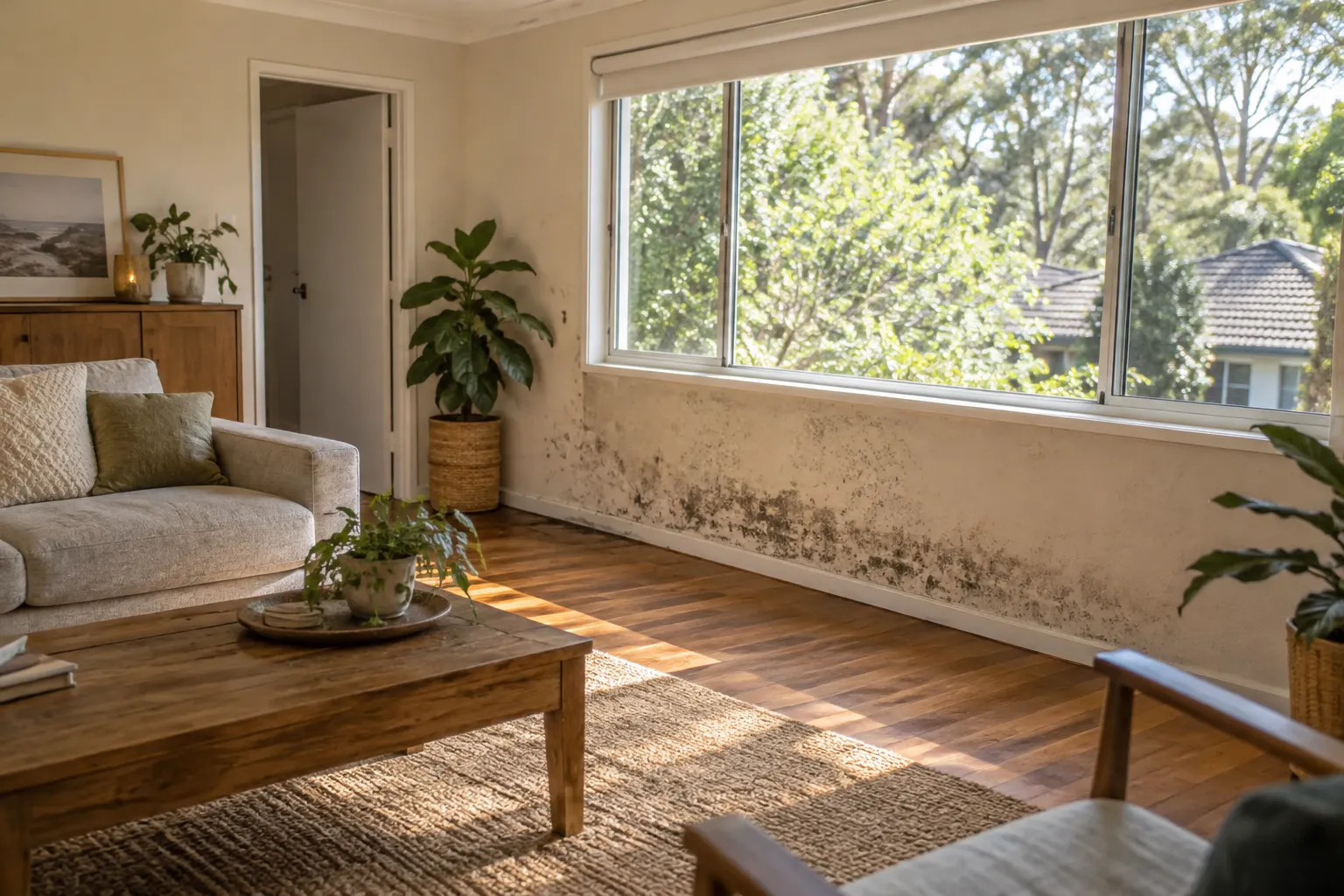
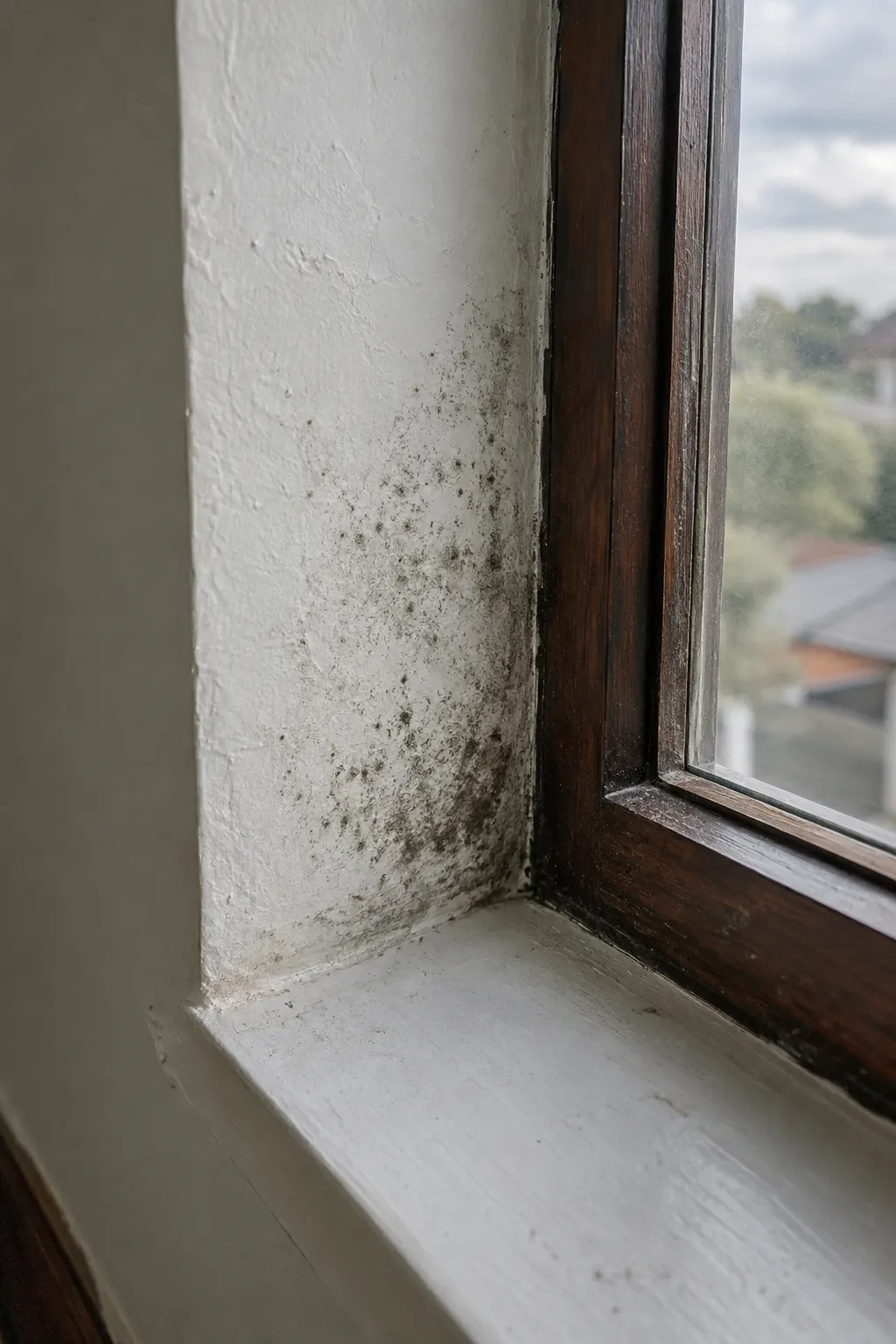
A storage area may have marked walls as well as affected belongings. For Belgrave, describe the surfaces you can see and whether cardboard, textiles or furniture have also become damp.
Visible material considered
Moisture history discussed
Access and scope agreed
THE ROOM TELLS A STORY
Treat the room and its contents separately
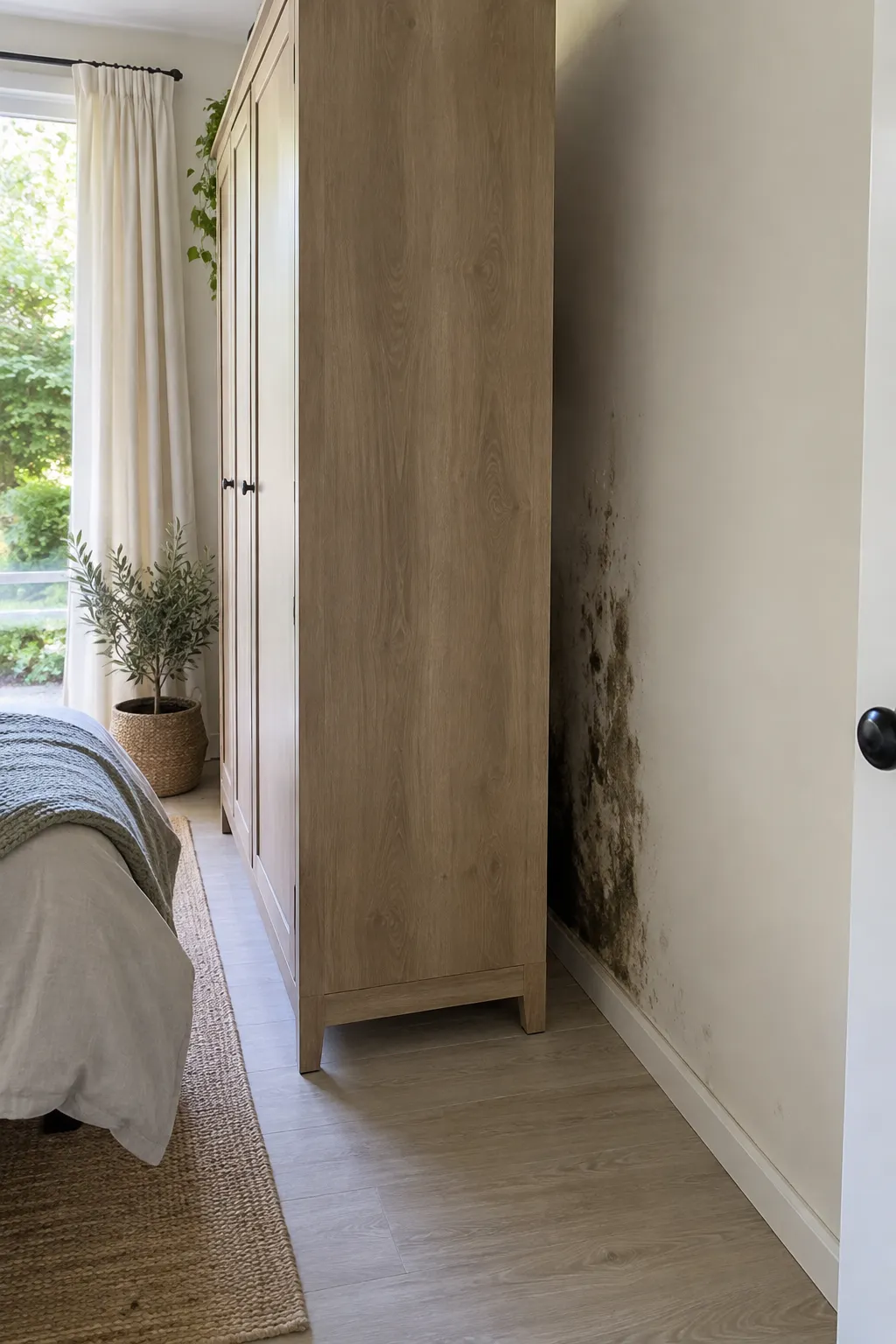
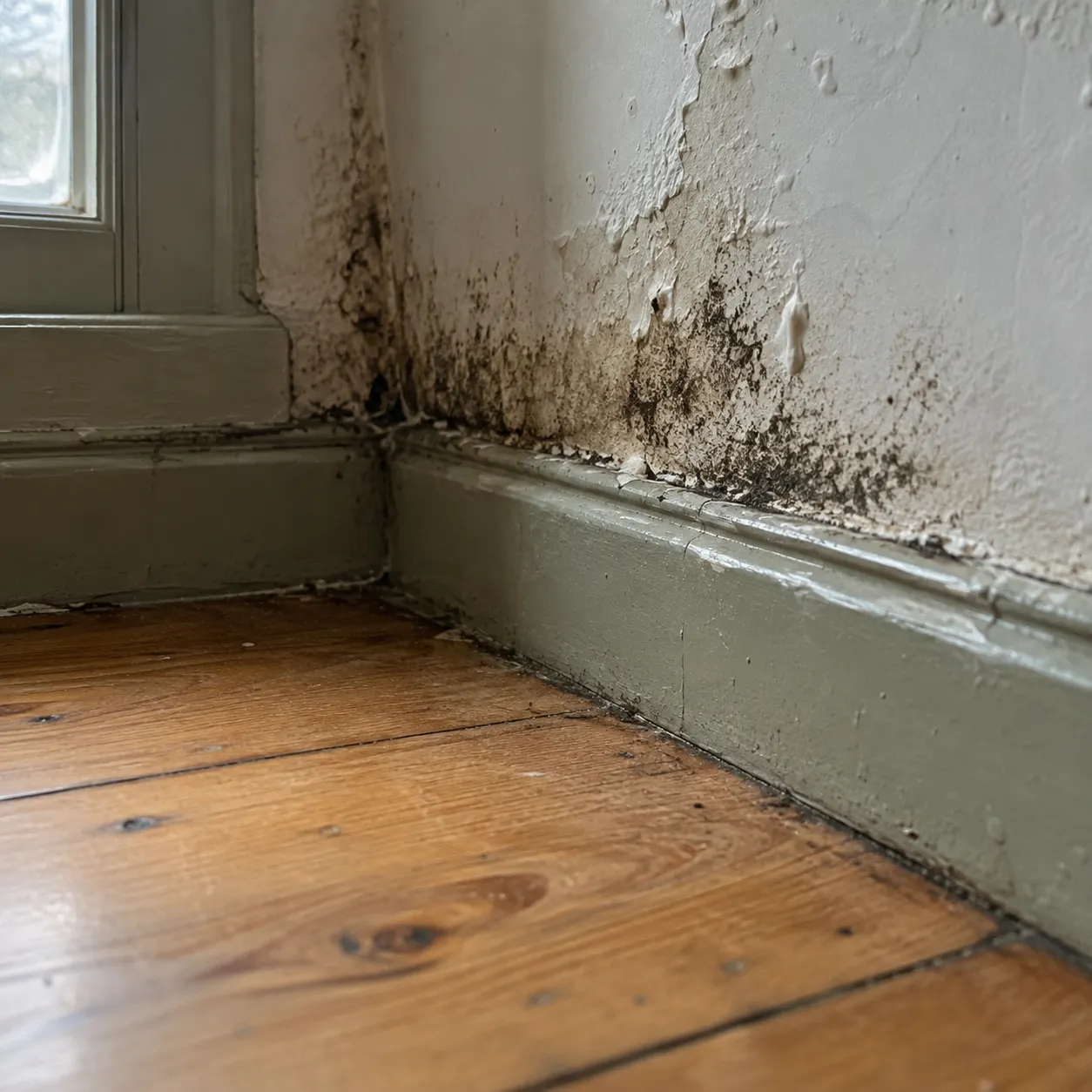
Yarra Ranges includes Belgrave among its localities. If stored items conceal the wall, photograph the accessible area before reorganising it. Cleaning the building surface does not automatically include every object in the room. Set aside information about what became wet, and discuss materials individually rather than promising everything can be restored.
An inspection enquiry for the storage area should identify building surfaces and contents separately. Explain what became wet and what can move, preserving photos of the original arrangement so the patch’s concealment and practical access remain clear.
UNDERSTANDING MOISTURE
Make sense of
dampness in a storage area.
Moisture in the air
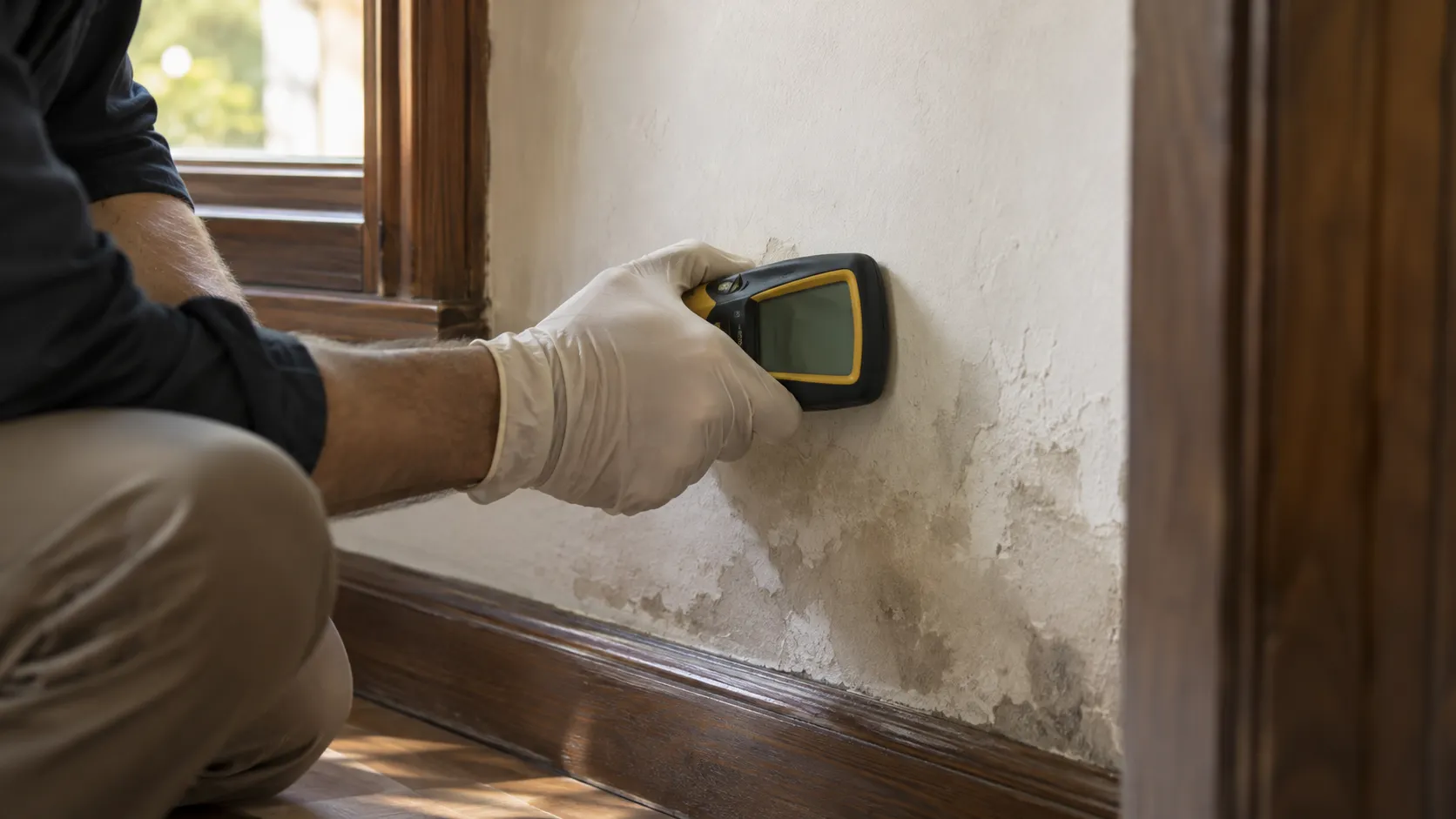
Look at the storage wall and belongings separately during normal room use. Closed storage and moisture left by an earlier event can have different implications, so describe what stays damp and when.
The water history
Include known water entry or spills that affected the store. A musty impression alone cannot identify the source or determine the condition of every concealed wall or object.
Check the finish
Cardboard, textiles, furniture and painted wall faces need different suitability decisions. List what is visibly affected rather than assuming a building-surface visit includes restoration of all contents.
OUR REMOVAL PROCESS
From observations
to surface work.
Keep the room history
Record which objects became damp and whether the wall marked before or after them. This gives the enquiry a sequence instead of one photograph of a crowded store.
Make access practical
Mention heavy shelving and the available route through the room. Confirm who handles belongings so the wall can be reached without assuming contents removal is included.
Agree the next decisions
Ask what remains unresolved for stored materials and the room’s moisture. Keep those decisions visible after treatment rather than simply returning everything to the same closed space.
01
Assess the storage-room wall
Describe wall growth separately from affected storage contents. Ask which building surfaces fit the removal scope and which belongings need individual assessment or handling decisions.
02
Prepare the working area
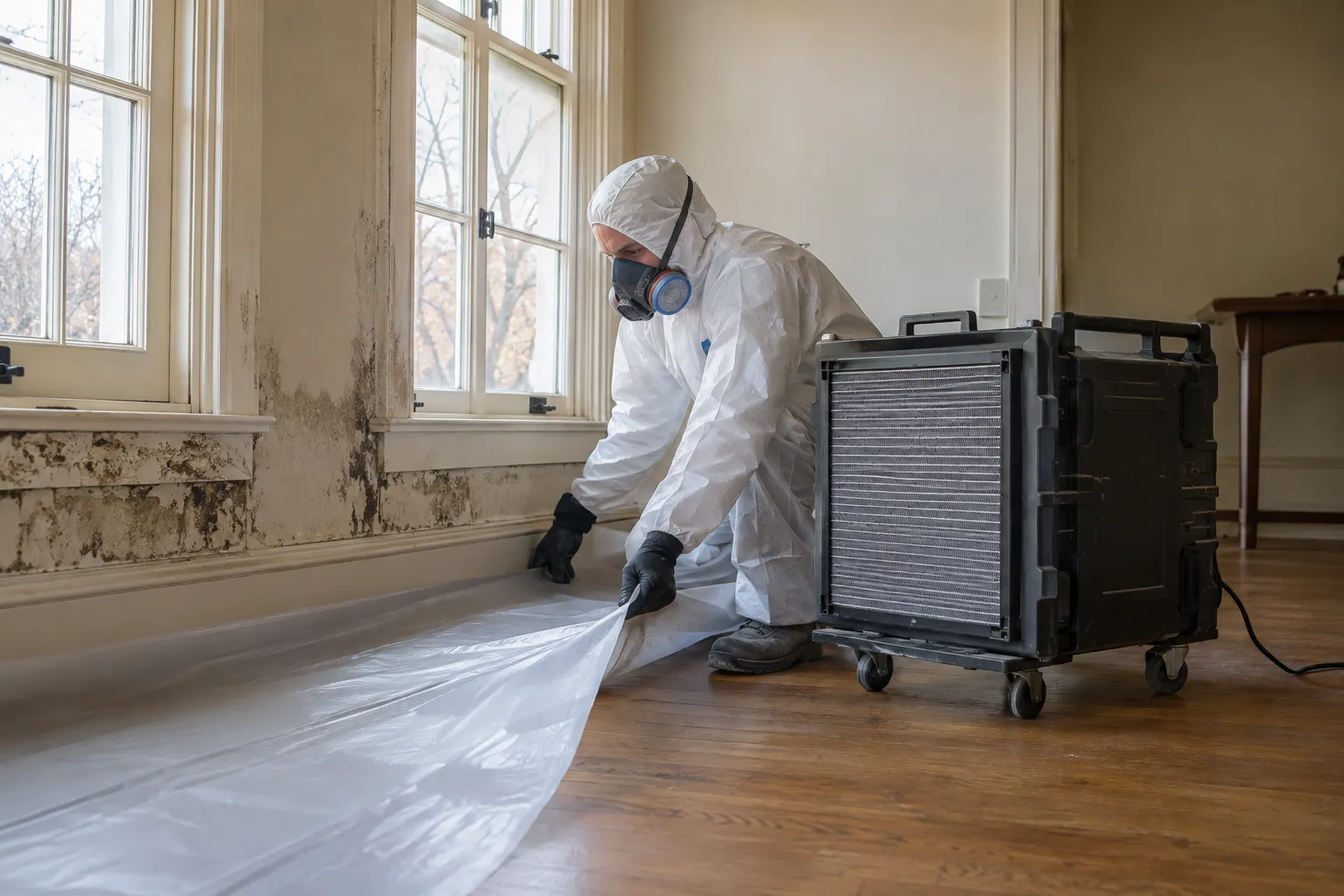
Agree on moving contents without spreading the working area through the room. Discuss shelving, boxes and furnishings before preparation, including anything that cannot safely be relocated.
03
Remove and review
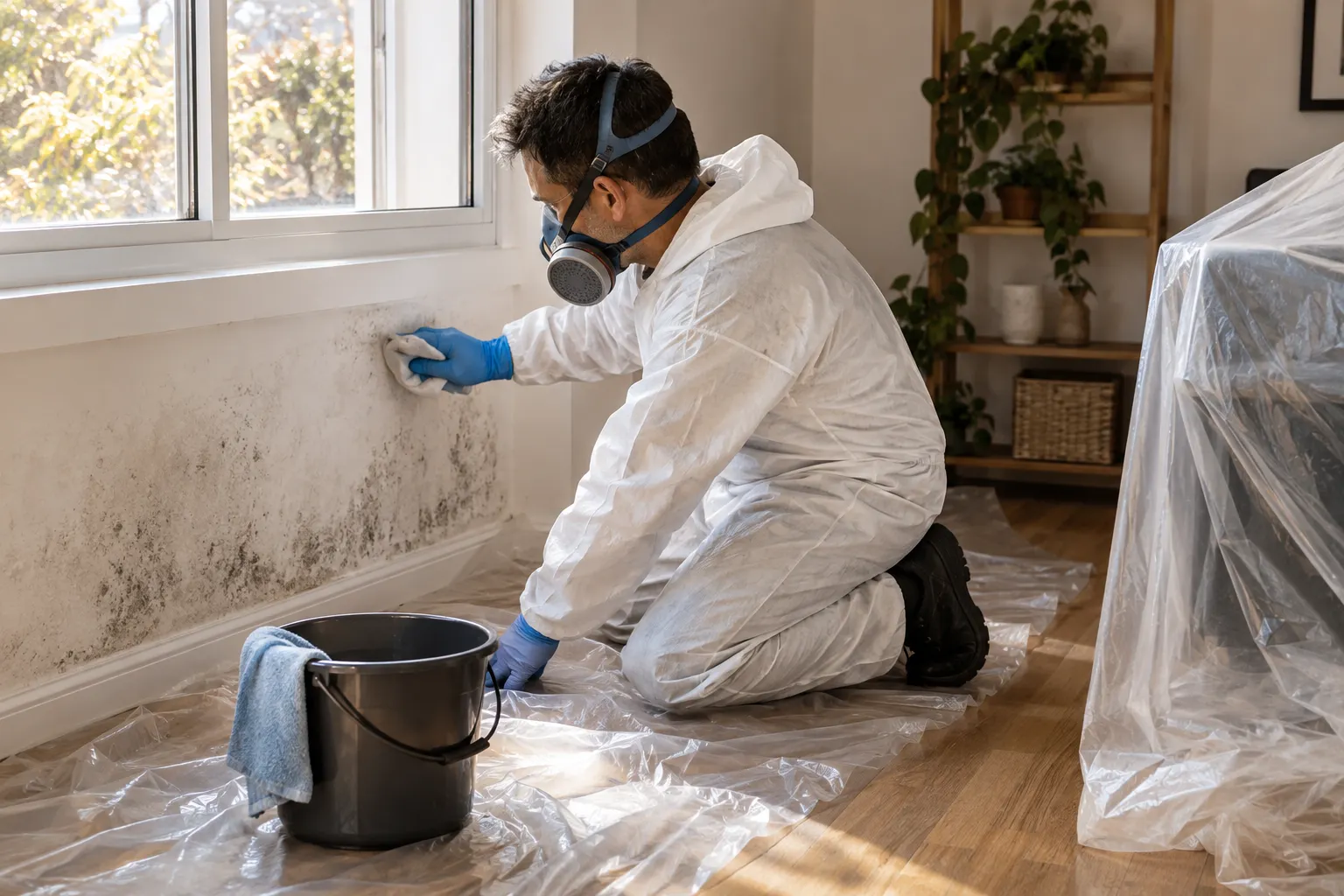
Review the treated wall alongside the list of excluded contents. A surface result cannot promise that every textile, cardboard box or stored object can be restored.
COMMON AREAS AFFECTED
Different surfaces.
Different decisions.
Bathroom junctions
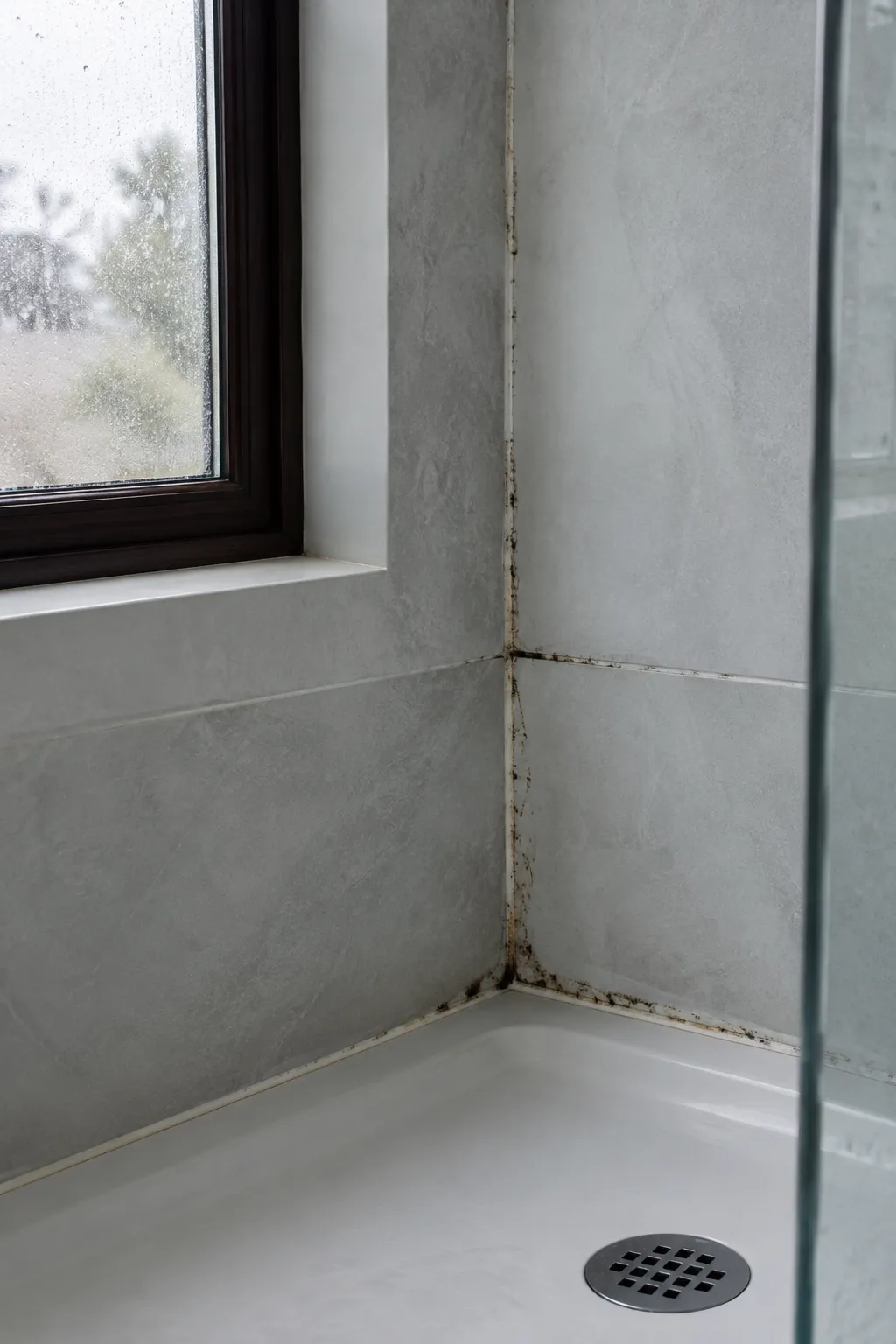
If stored belongings sit beside a bathroom or laundry, describe that relationship and any observed water-use timing. It is useful context without establishing the cause of the storage-room marks.
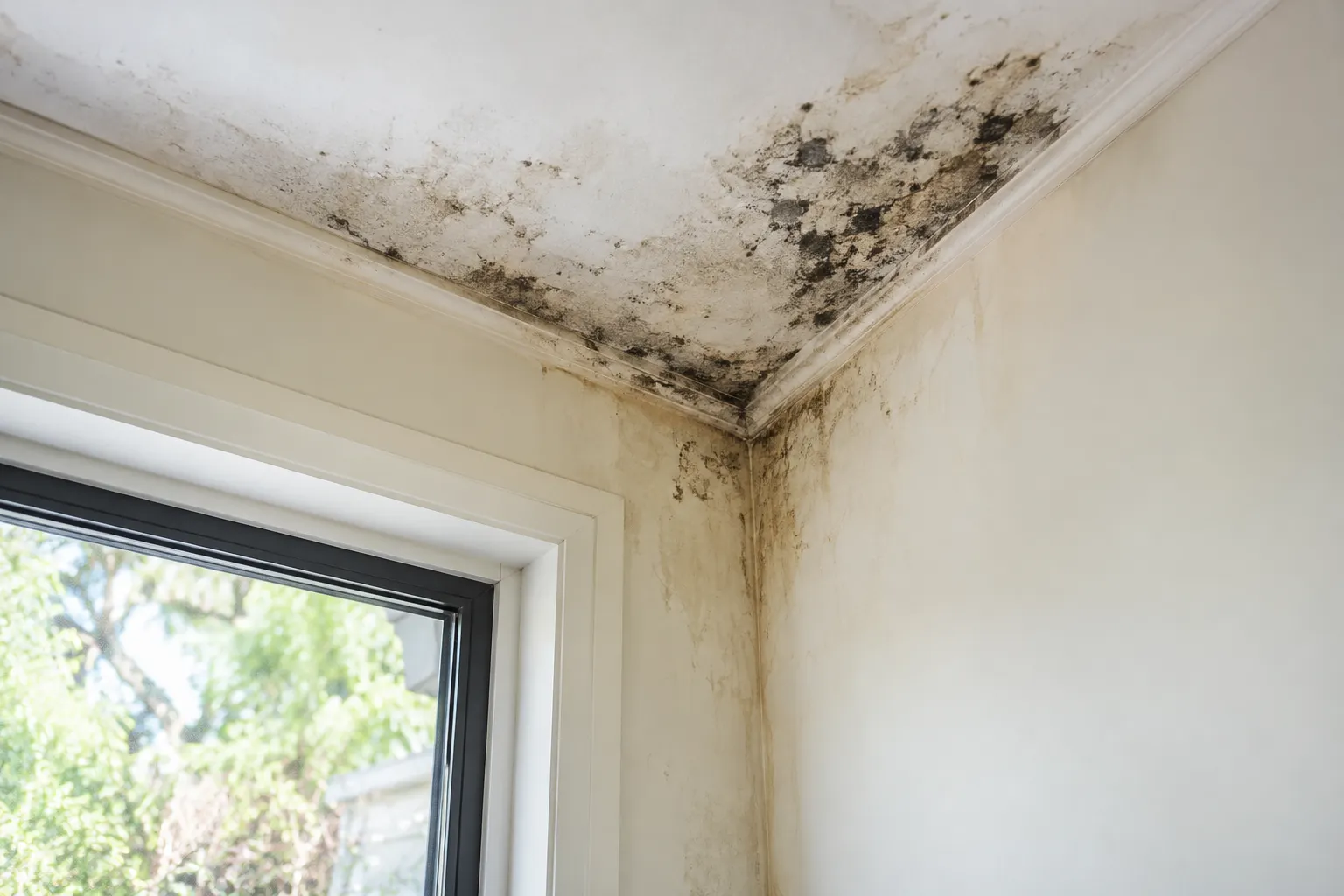
Ceiling surfaces
Ceiling staining in a crowded store can be missed until contents move. Document visible marks safely, noting any damaged coating or known water event above the room.
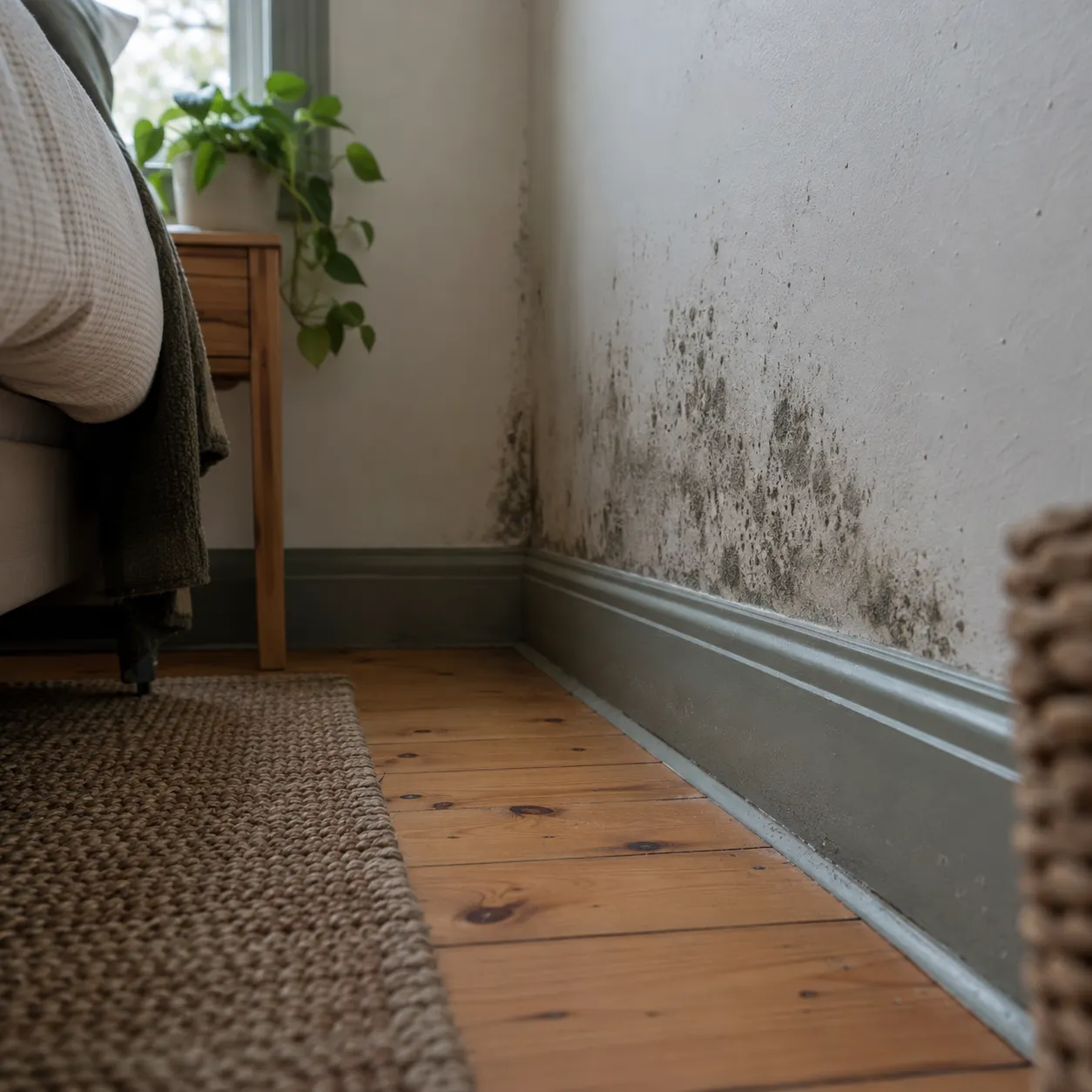
Painted walls
A wider view should show the wall and the position of stored items. Photograph the accessible patch before reorganising it so the original concealment and access are recorded.
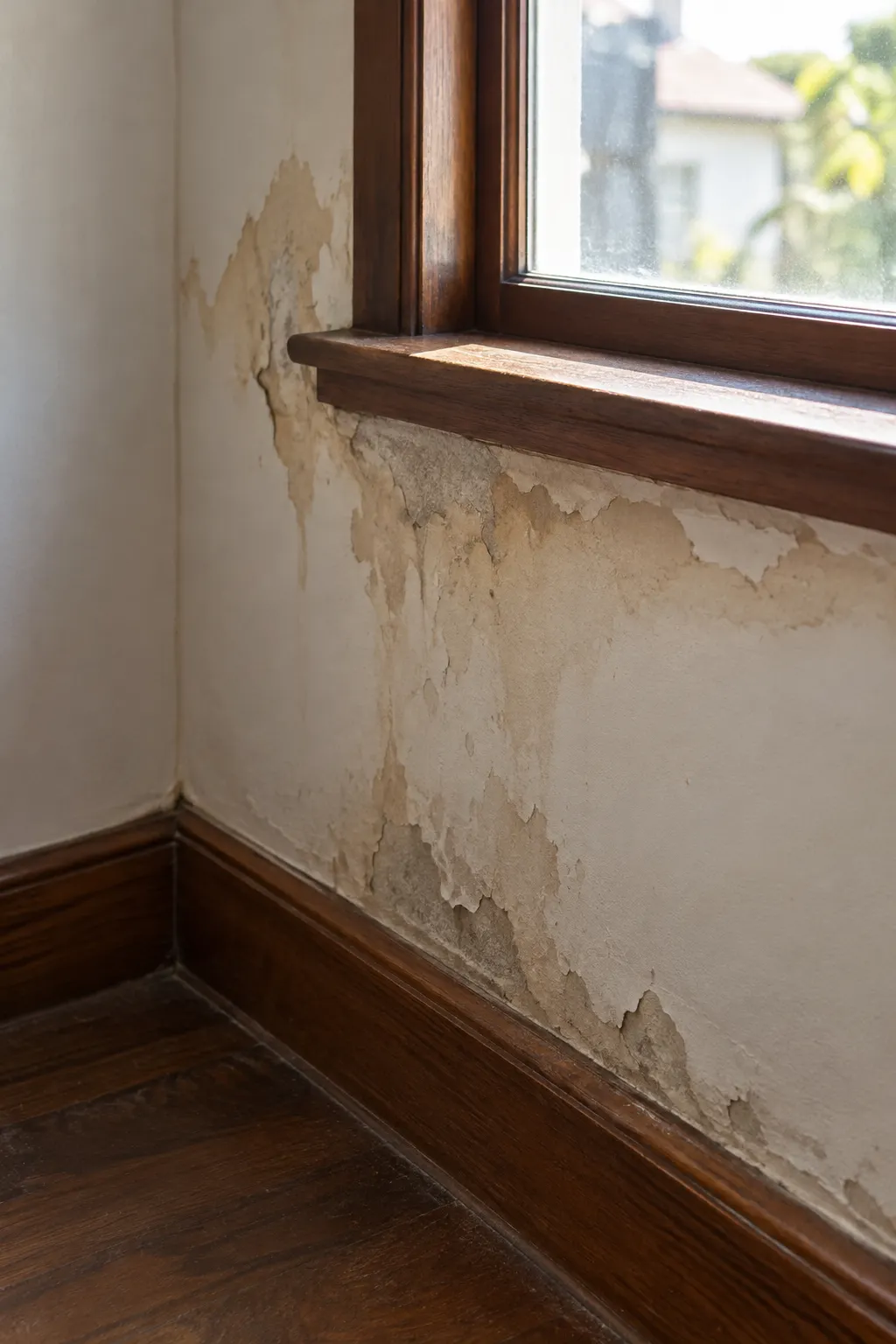
Water-affected rooms
After an overflow, identify which objects were wet and how they were handled. Contents disposal, drying or restoration should not be implied by removal from the exposed room surfaces.
PREVENTION STARTS WITH
Help the room
dry between uses.
Observe the drying pattern
Avoid returning tightly packed contents to a wall that remains damp. Keep the moisture and material decisions observable, and investigate continuing entry rather than relying on reorganising storage alone.
Follow up before decorating
Set a clear boundary for belongings and building finishes before work. Ask about a suitable remediation scope where damage is widespread, including any separate contents or repair tasks.
BELGRAVE & NEARBY
Belgrave and nearby rooms.
For nearby properties, refer to Tecoma and Selby. A Belgrave storage enquiry still concerns a specific room and address; explain its contents and working route so any visit and handling arrangements can be confirmed appropriately.
BEFORE YOU CALL
The useful
questions.
Are stored items included with wall removal?
Discuss them individually. Building surfaces and belongings can need different handling, suitability and retention decisions, so contents should not be assumed part of the same work.
Does a musty smell identify mould behind storage?
It does not establish concealed conditions or a particular source. Explain visible marks, dampness and history so the accessible area can be considered appropriately.
Should I clear every box before calling?
Start by describing the layout and affected items. Agree on preparation and safe movement, especially if belongings are heavy, fragile or visibly water-damaged.
Why photograph before reorganising the room?
The original arrangement shows what covered the wall and restricted access. A close image after movement can then add detail about the exposed finish.
Can every damp object be restored?
No blanket promise is appropriate. Material condition and suitability need consideration, while contents decisions may sit outside the accessible building-surface removal scope.
What helps a Belgrave storage enquiry?
Give the address, affected surfaces and a list of known damp belongings. Include earlier water events and practical access so the work boundary can be discussed.
TELL US WHAT YOU CAN SEE
Start with
the affected surface.
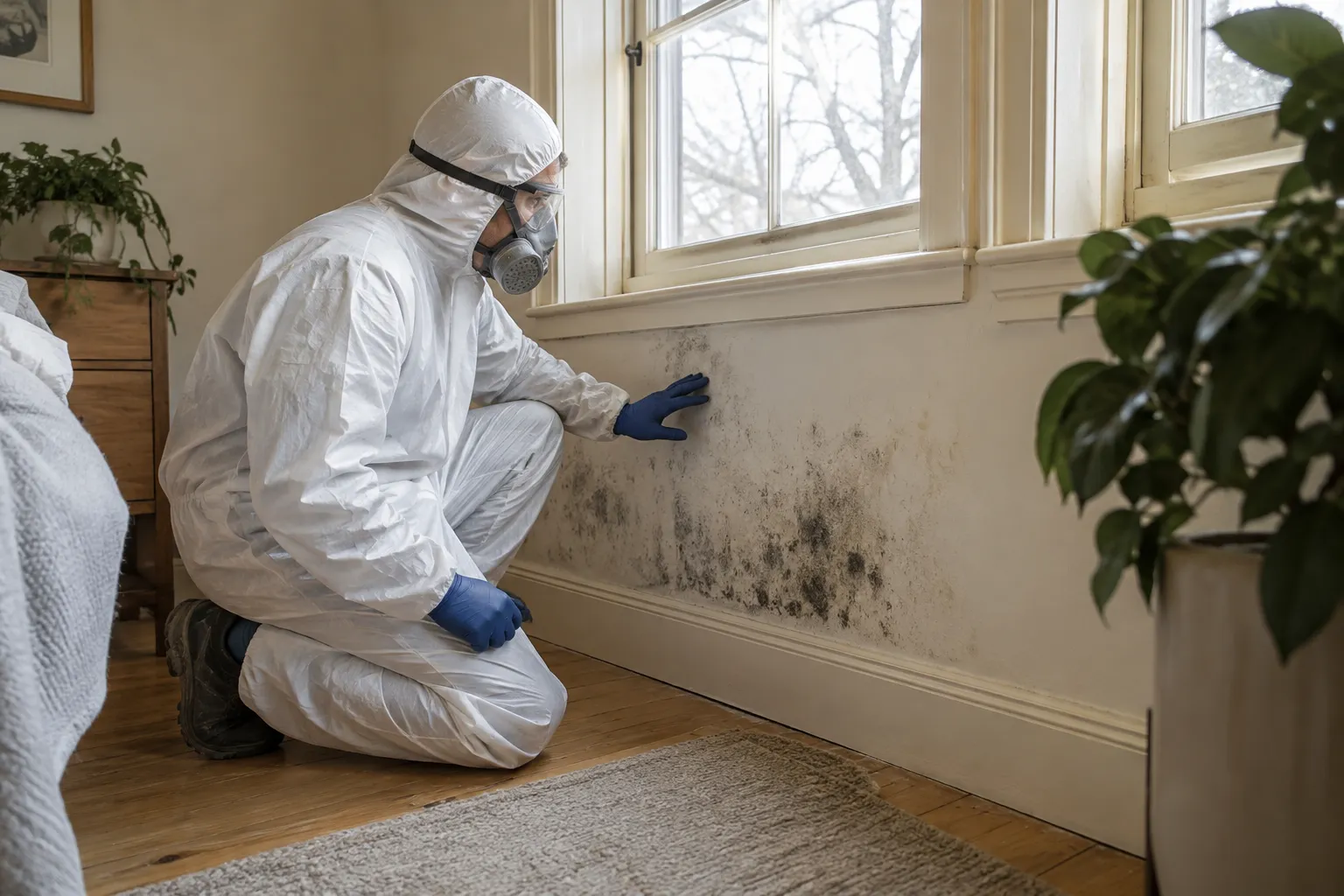
List the affected wall and known damp belongings before calling 03 8652 1296. For the Belgrave room, discuss access, contents boundaries and the moisture history needed to decide what happens next.
Local context: Victorian Government Yarra Ranges localities