
SHOWER JUNCTIONS · MOISTURE · SURFACES
BLACK ROCK · MELBOURNE
Mould Removal Black Rock
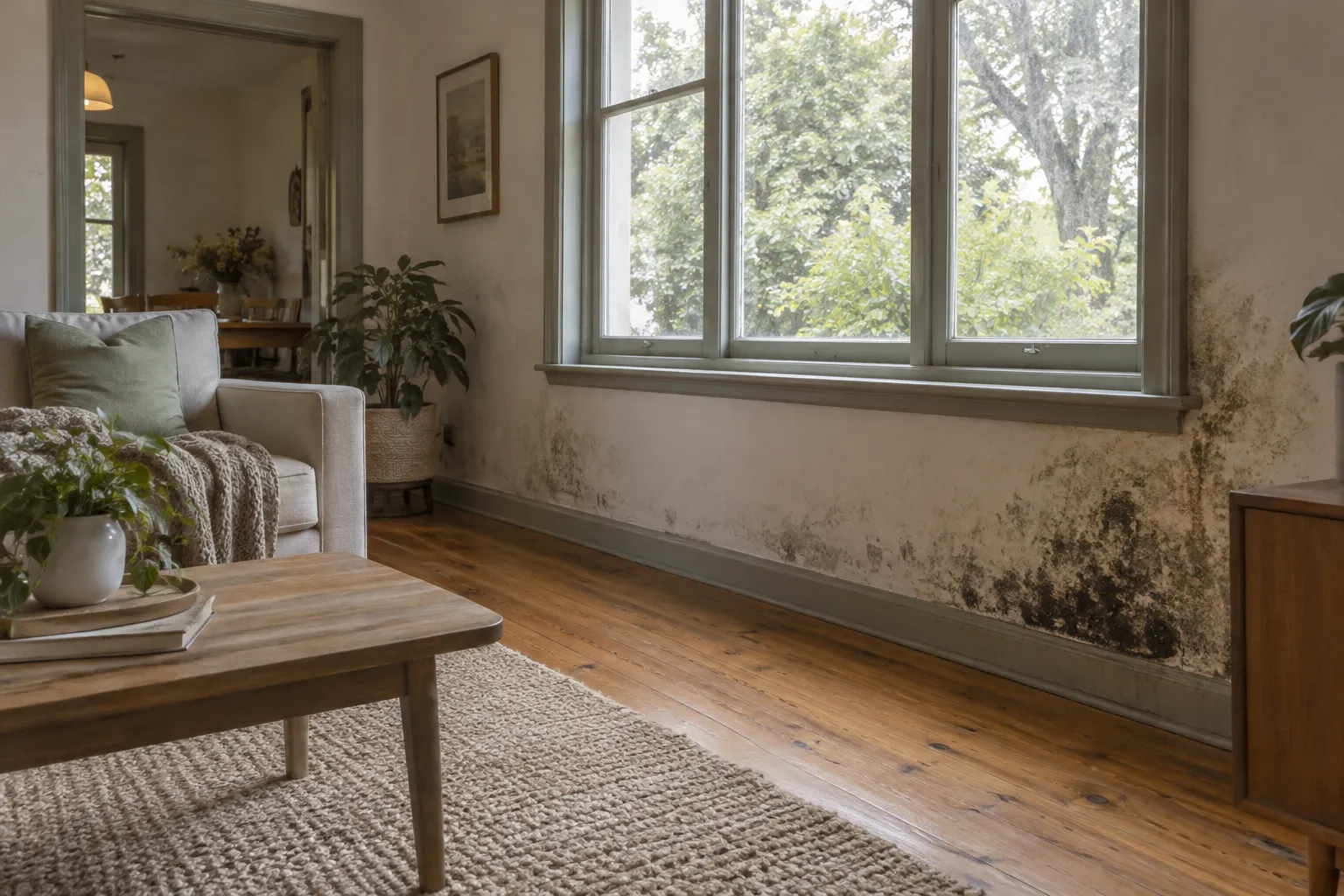
Mould beside a shower is a surface problem with a moisture history. In Black Rock, the first conversation should cover the sealant, adjoining wall and how the bathroom dries between uses.
Visible material considered
Moisture history discussed
Access and scope agreed
THE ROOM TELLS A STORY
Where the shower meets the wall
Bayside describes Black Rock’s coastal gardens and established streetscapes. That setting cannot explain a damp shower enclosure. If growth follows a silicone joint or appears beyond the tiled area, distinguish material damage from ordinary surface marking before choosing the work.
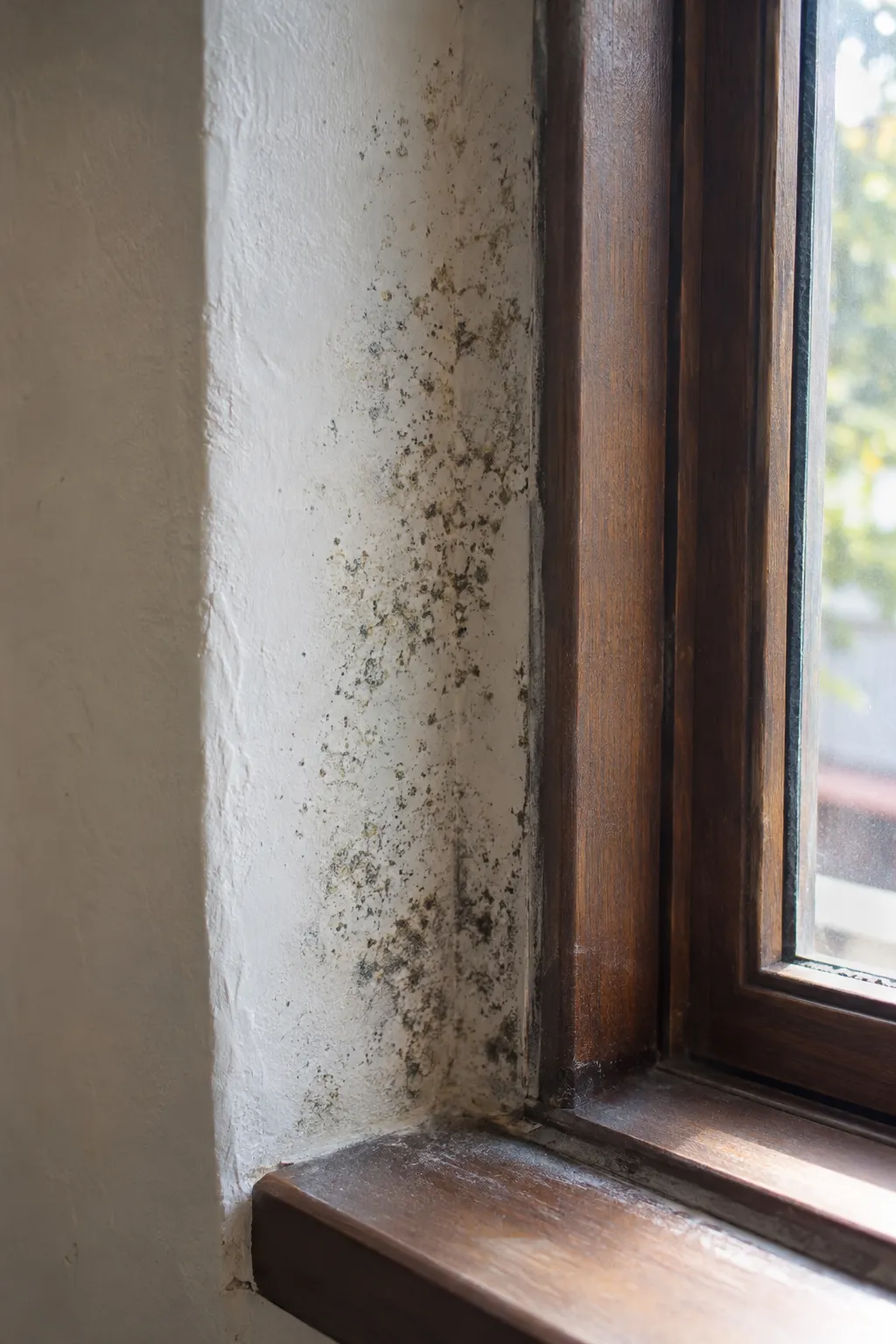
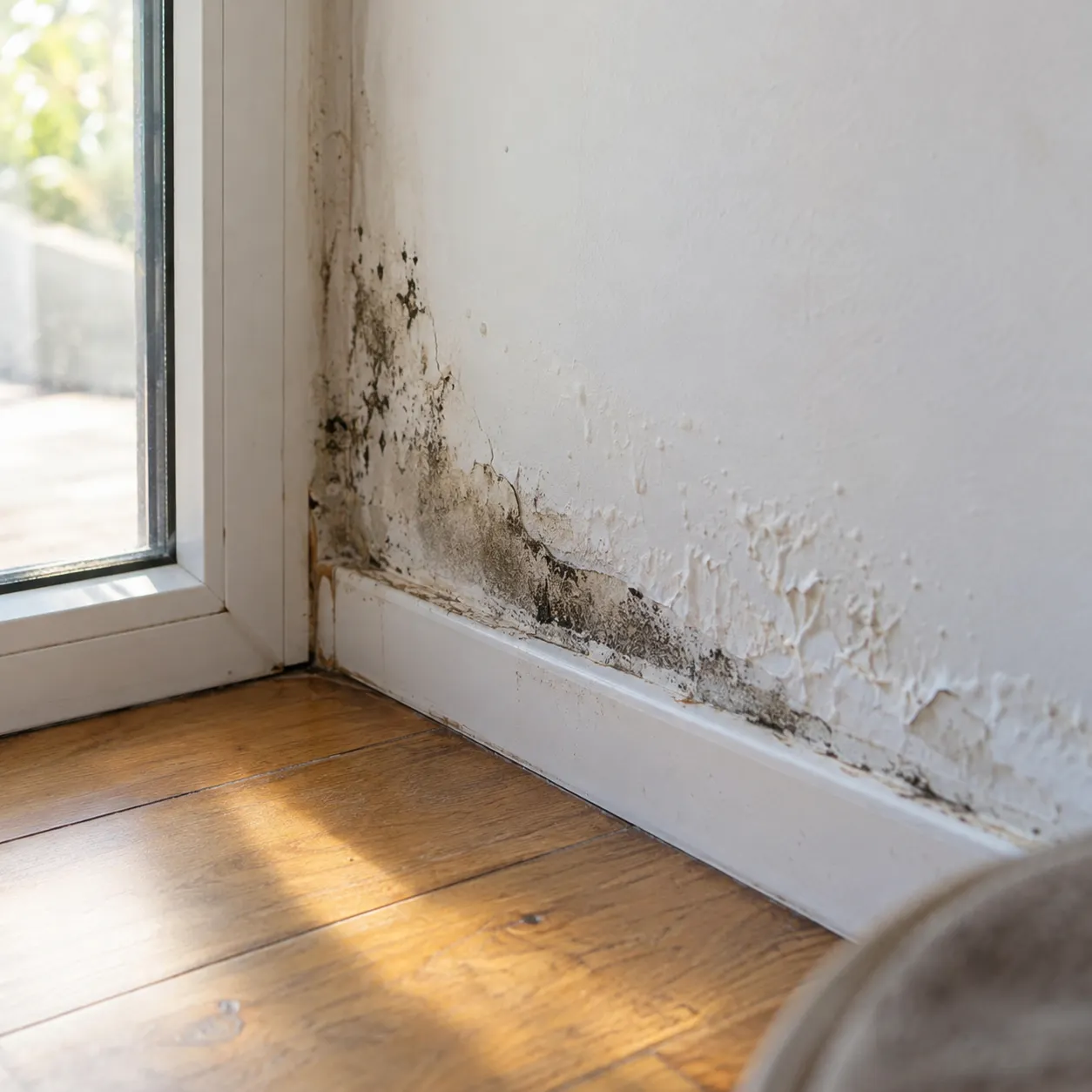
Show where the marked joint ends and the adjacent paint begins. When asking about a bathroom inspection, mention loose silicone, lifted paint or a recent sealant repair. Those details help separate suitable surface work from investigation or replacement of damaged components.
UNDERSTANDING MOISTURE
Make sense of
moisture after bathing.
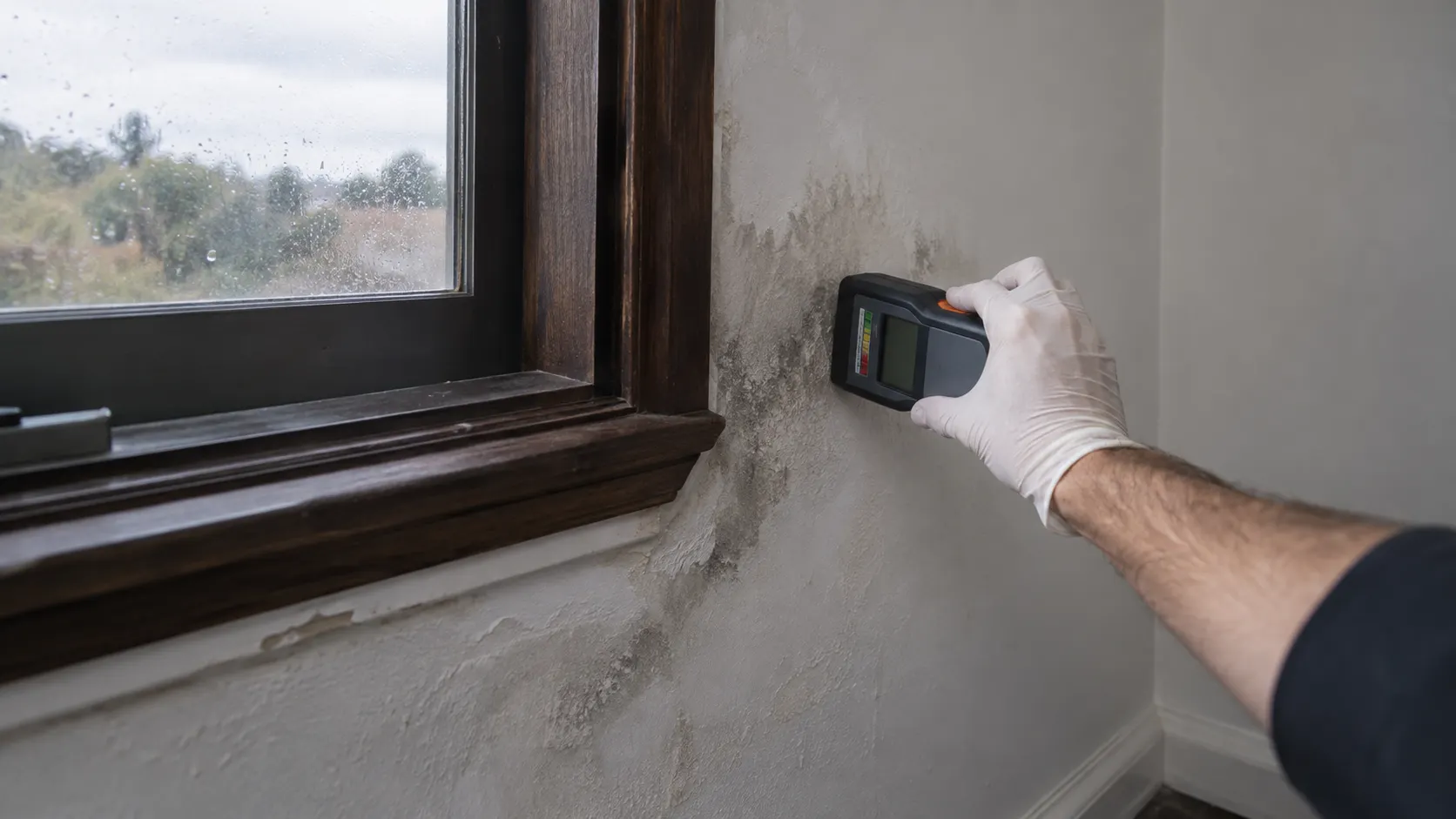
Moisture in the air
Check how the enclosure dries between showers, including the lower joints. Dampness following each use and moisture persisting in a surrounding wall are different observations worth describing at the outset.
The water history
A joint can look marked without proving that it leaks. Conversely, damp paint beyond the tiled area may require investigation of water entry; cleaning the joint cannot confirm waterproofing condition.
Check the finish
Silicone, grout and paint should be identified individually. Deteriorated sealant may need replacing, whereas suitable sound surfaces can have a different removal scope. Keep those decisions separate when describing the shower.
OUR REMOVAL PROCESS
From observations
to surface work.
Keep the room history
Take a photograph showing the full shower junction and another showing where the mark crosses onto paint. Include how long the enclosure stays wet after use.
Make access practical
Say whether the enclosure opens fully and whether anything prevents access to the affected edge. Replacement of fixed shower components should be arranged rather than assumed.
Agree the next decisions
Separate a cleaner-looking surface from a watertight shower. Ask who will investigate deteriorated joints or continuing moisture before new decoration covers the adjoining wall.
01
Assess the shower junction
Identify whether growth follows grout, silicone or the painted wall beyond the shower. Discuss removal from appropriate surfaces without grouping every bathroom material into one promise.
02
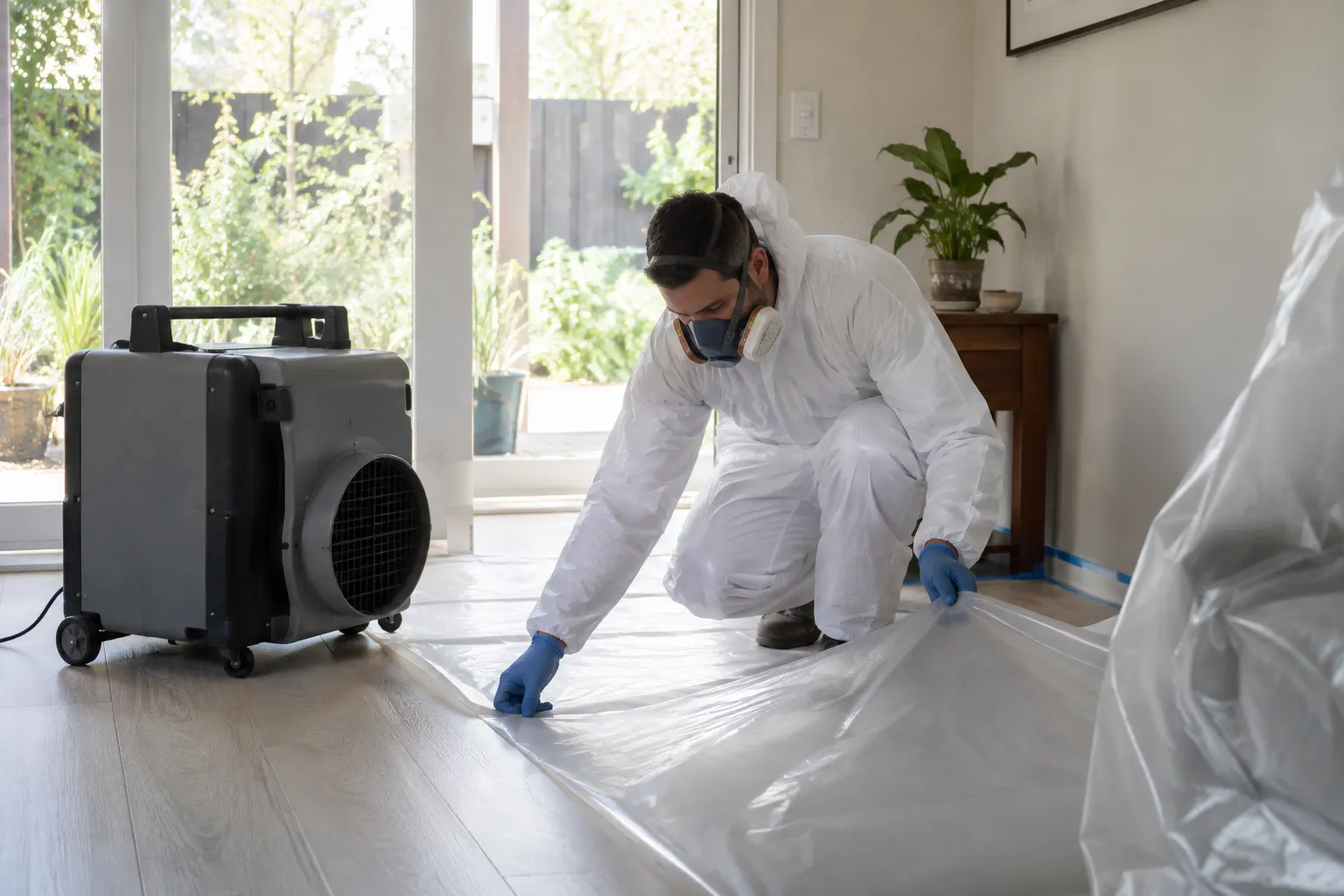
Prepare the working area
Agree on a clear shower access route and protect the adjoining room. Tell us if the enclosure or fixtures are fragile, loose or difficult to reach.
03
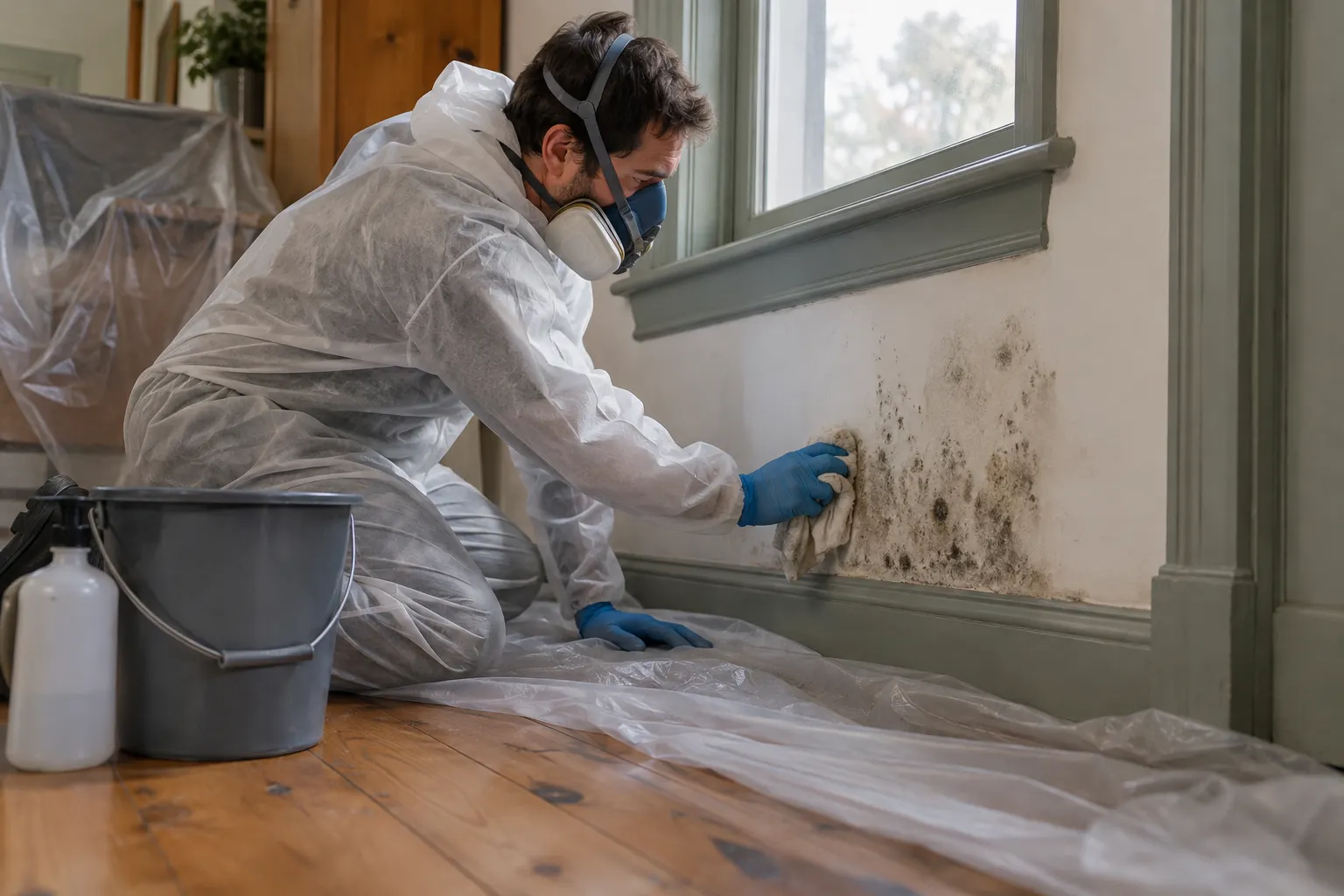
Remove and review
Review the treated area with the condition of the joints in mind. Damaged silicone may still need replacing, and suspected leakage remains a separate repair question.
COMMON AREAS AFFECTED
Different surfaces.
Different decisions.
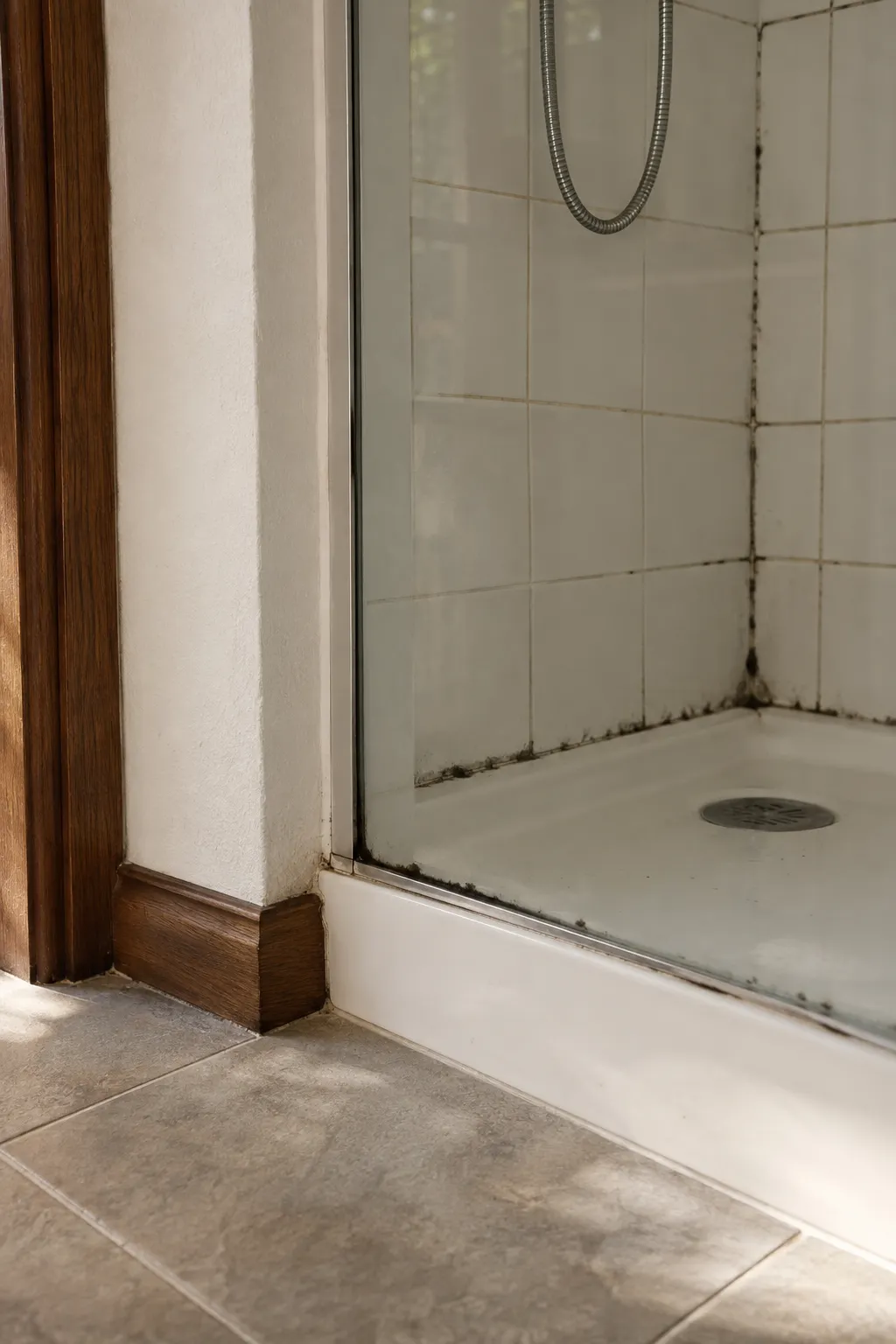
Bathroom junctions
Follow the visible growth along the enclosure instead of focusing only on its darkest point. Note loose joints or damaged sealant, and ask what can reasonably be cleaned versus replaced.
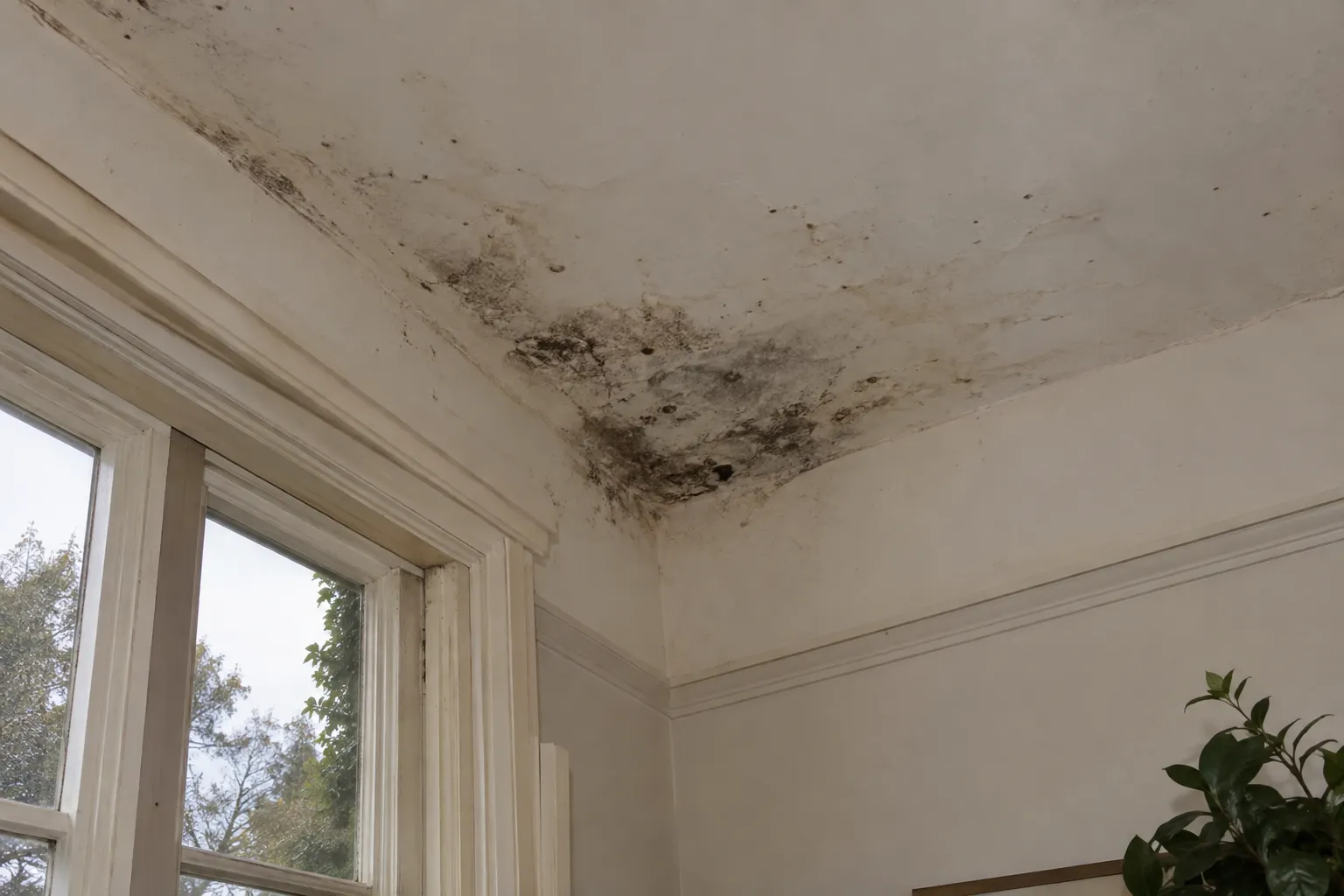
Ceiling surfaces
If ceiling spots accompany the marked shower edge, describe the fan routine and the painted finish. The ceiling may have a different moisture pattern from the joints below it.
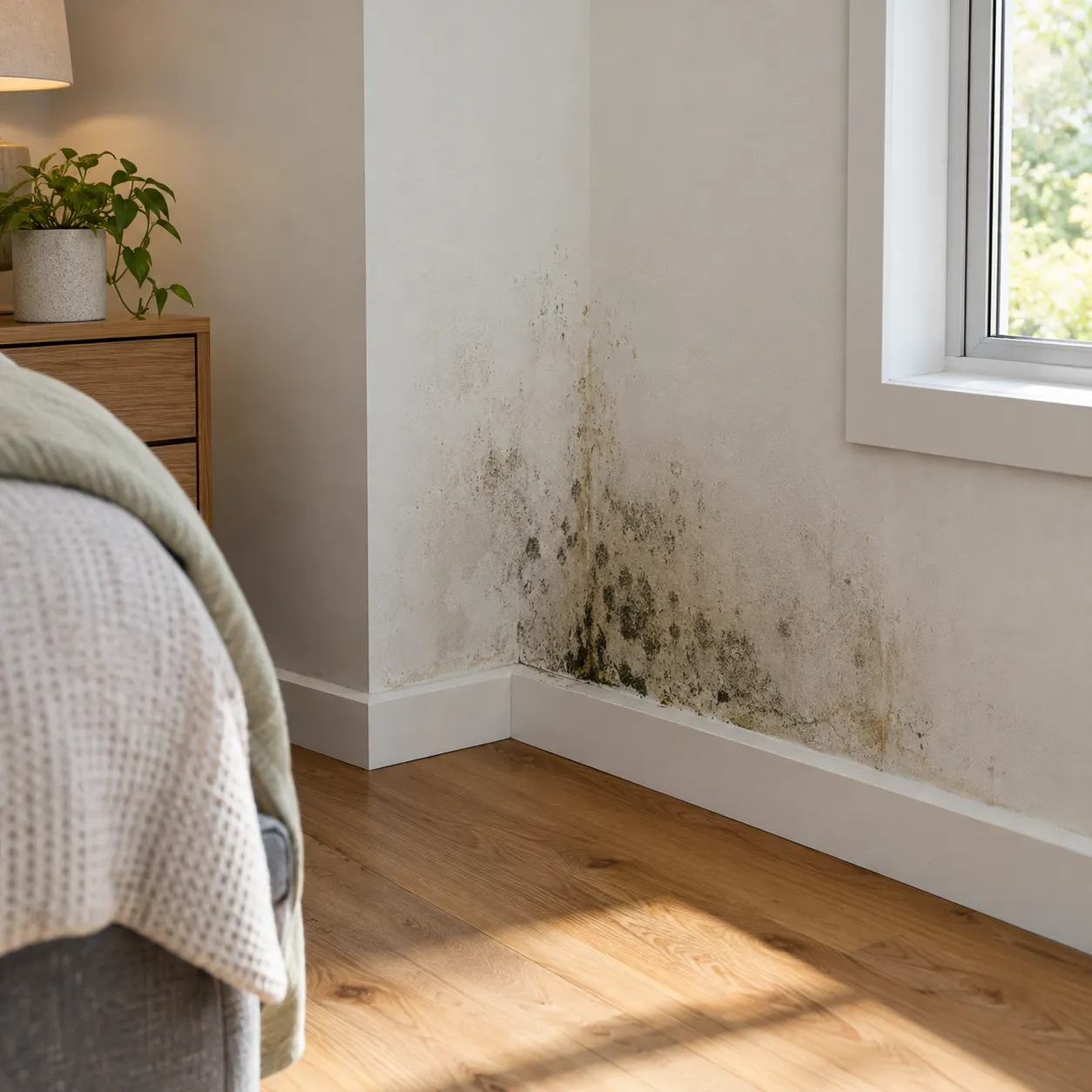
Painted walls
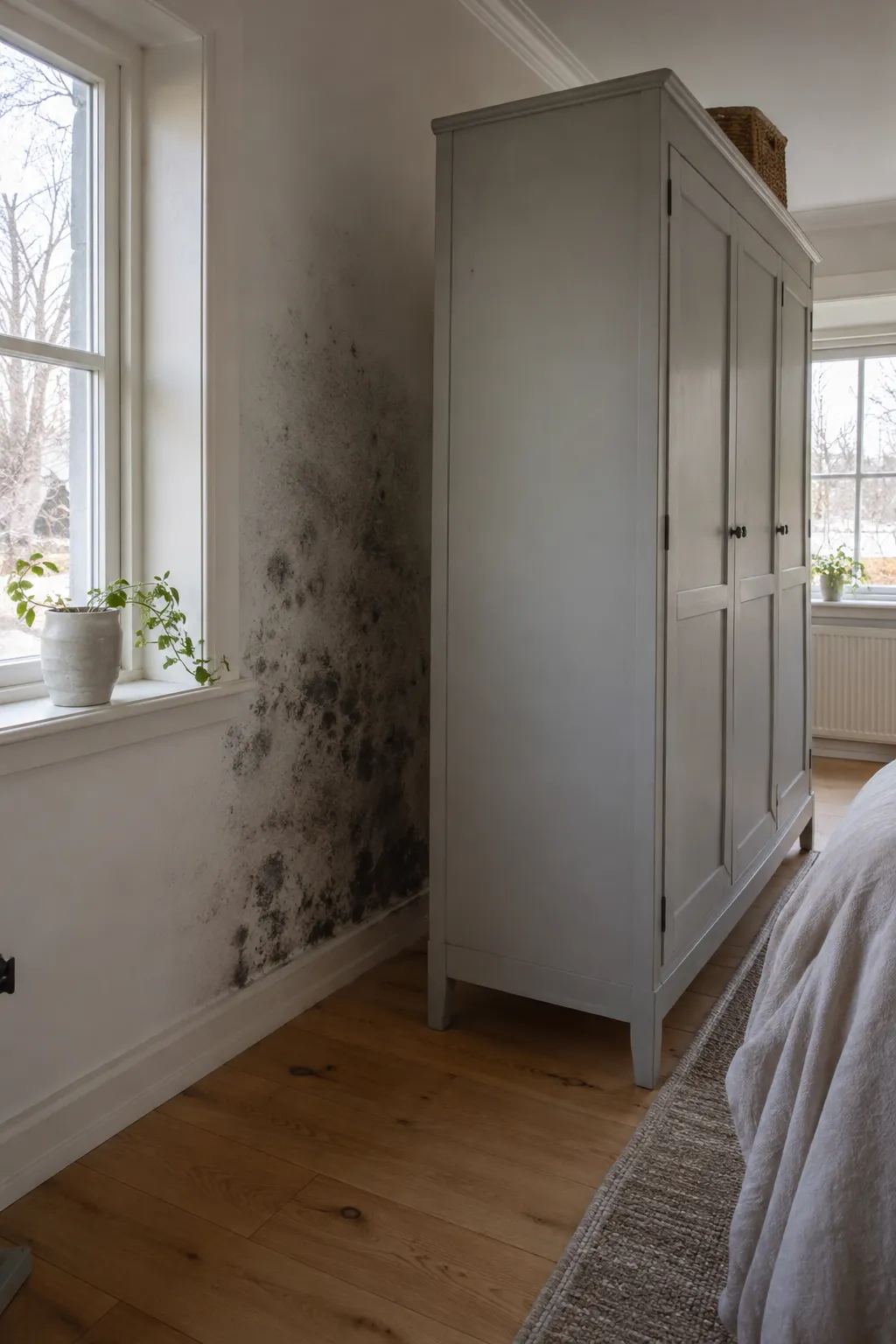
A patch on the wall outside the enclosure needs its own account. Say whether the paint blisters after bathing or whether dampness continues when the shower has not been used.
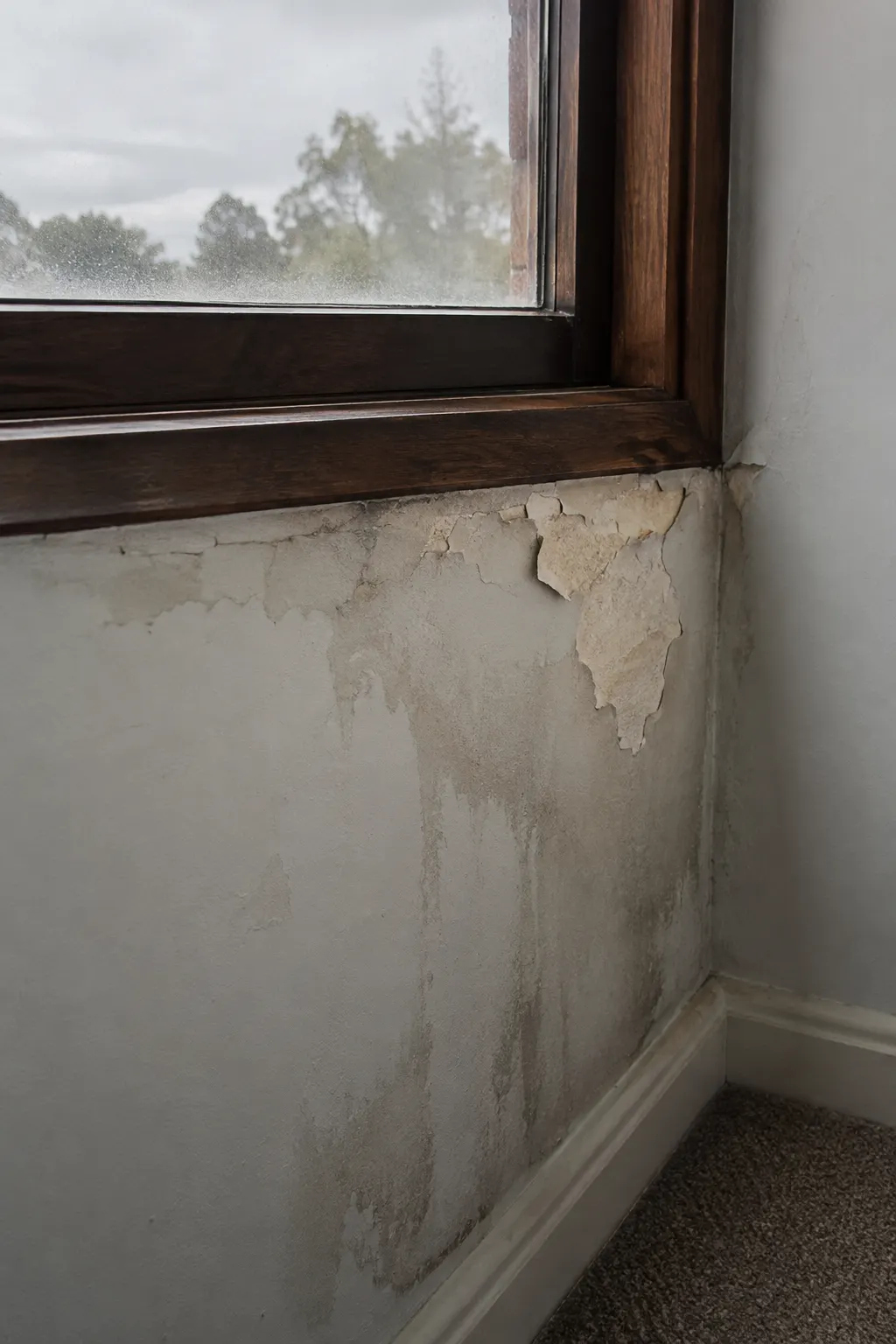
Water-affected rooms
Where a shower problem has wet adjoining material, list that damage separately. A treated joint cannot restore softened board or establish the drying of a concealed wall cavity.
PREVENTION STARTS WITH
Help the room
dry between uses.
Observe the drying pattern
Observe the bathroom after its final shower of the day and make sure moisture has a practical route out. Include persistently wet joints or paint in any follow-up conversation rather than masking them cosmetically.
Follow up before decorating
Have deteriorated shower joints assessed before covering the adjoining wall. If damage reaches beyond the enclosure, ask how remediation planning relates to drying and any necessary repairs.
BLACK ROCK & NEARBY
Black Rock and nearby rooms.
The guides for Sandringham and Cheltenham are useful for nearby property enquiries. For Black Rock itself, specify the bathroom and full address when calling, including any access restriction around the shower. Confirm arrangements for the particular property before planning work.
BEFORE YOU CALL
The useful
questions.
Can dark silicone always be cleaned?
Its condition and the extent of marking matter. Replacement may be appropriate for deteriorated sealant; discuss that separately from treatment of suitable grout or adjoining painted surfaces.
Does a marked joint mean the shower leaks?
Appearance alone cannot confirm a leak. Describe dampness outside the enclosure or changes after use so the need for an appropriate investigation can be considered.
Should I include the adjoining room in photos?
Yes, if it is affected and accessible. A wider view shows where moisture or damage extends beyond the enclosure, helping clarify which surfaces need discussion.
Will treatment repair damaged waterproofing?
A surface removal scope does not establish or repair concealed waterproofing. Suspected defects need their own investigation and an appropriate repair plan before cosmetic work is undertaken.
Why is the bathroom ceiling also relevant?
Steam may affect painted ceilings while water or wear affects the shower joints. Recording both locations avoids treating separate materials and moisture patterns as one undifferentiated problem.
How should I describe a Black Rock bathroom enquiry?
Explain the affected joint, any marks outside the enclosure and the drying time after showers. Give the address and mention fittings that make access difficult.
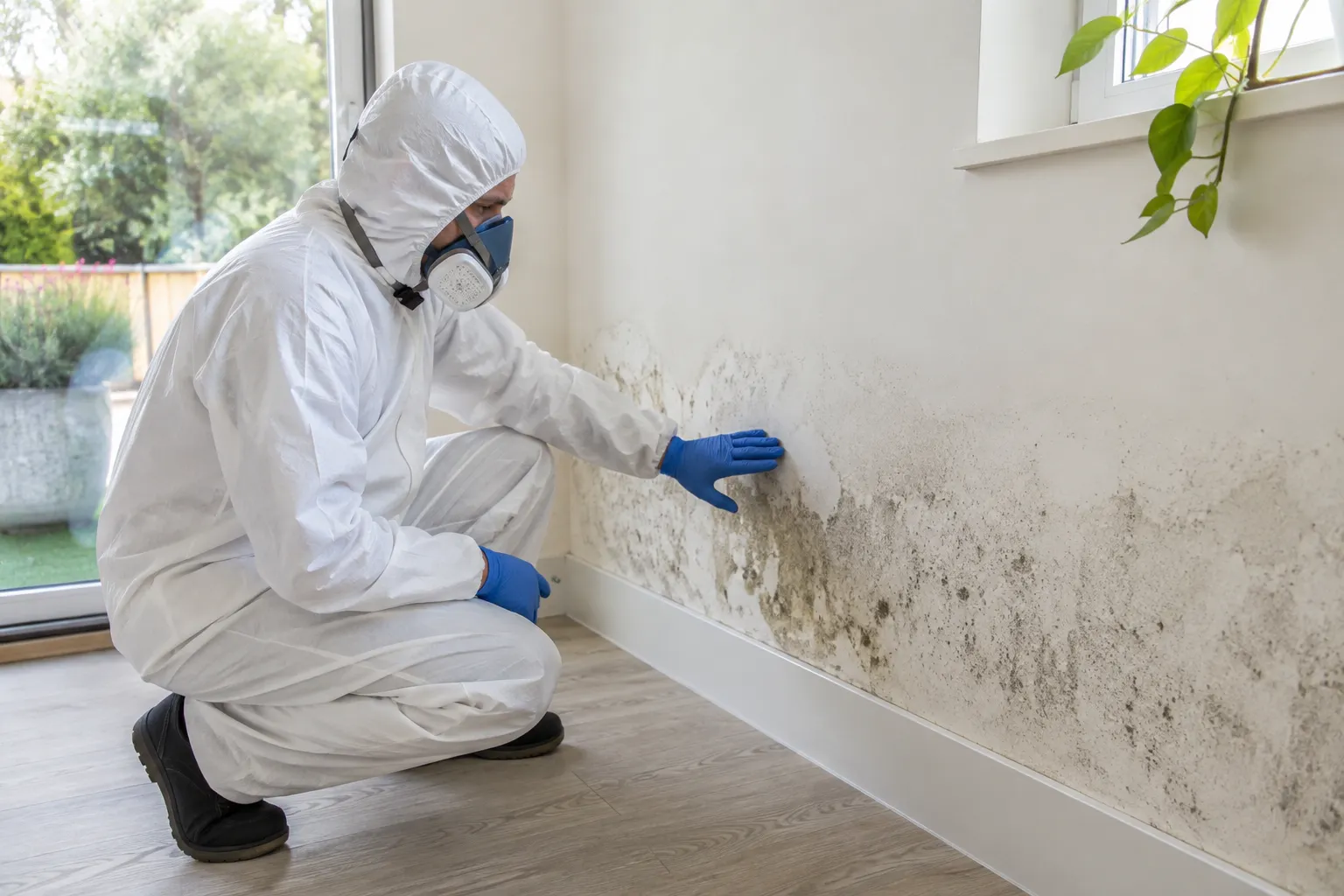
TELL US WHAT YOU CAN SEE
Start with
the affected surface.
Describe the shower joint, adjoining paint and what happens after bathing. A call to 03 8652 1296 can clarify the next step for your Black Rock address and the scope to discuss.
Local context: Black Rock coastal gardens