
ROOMS · JUNCTIONS · WATER
BULLEEN · MELBOURNE
Mould Removal Bulleen
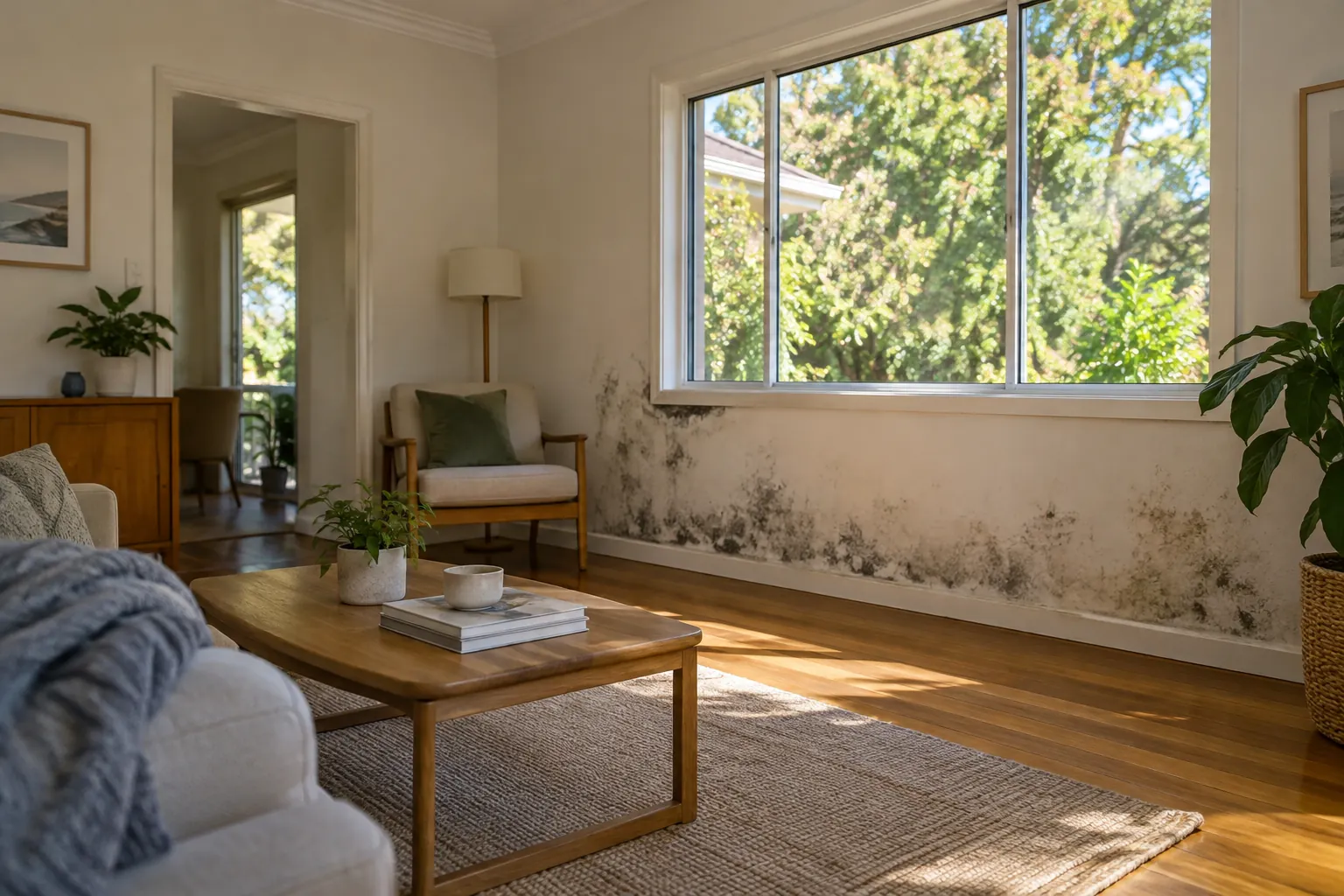
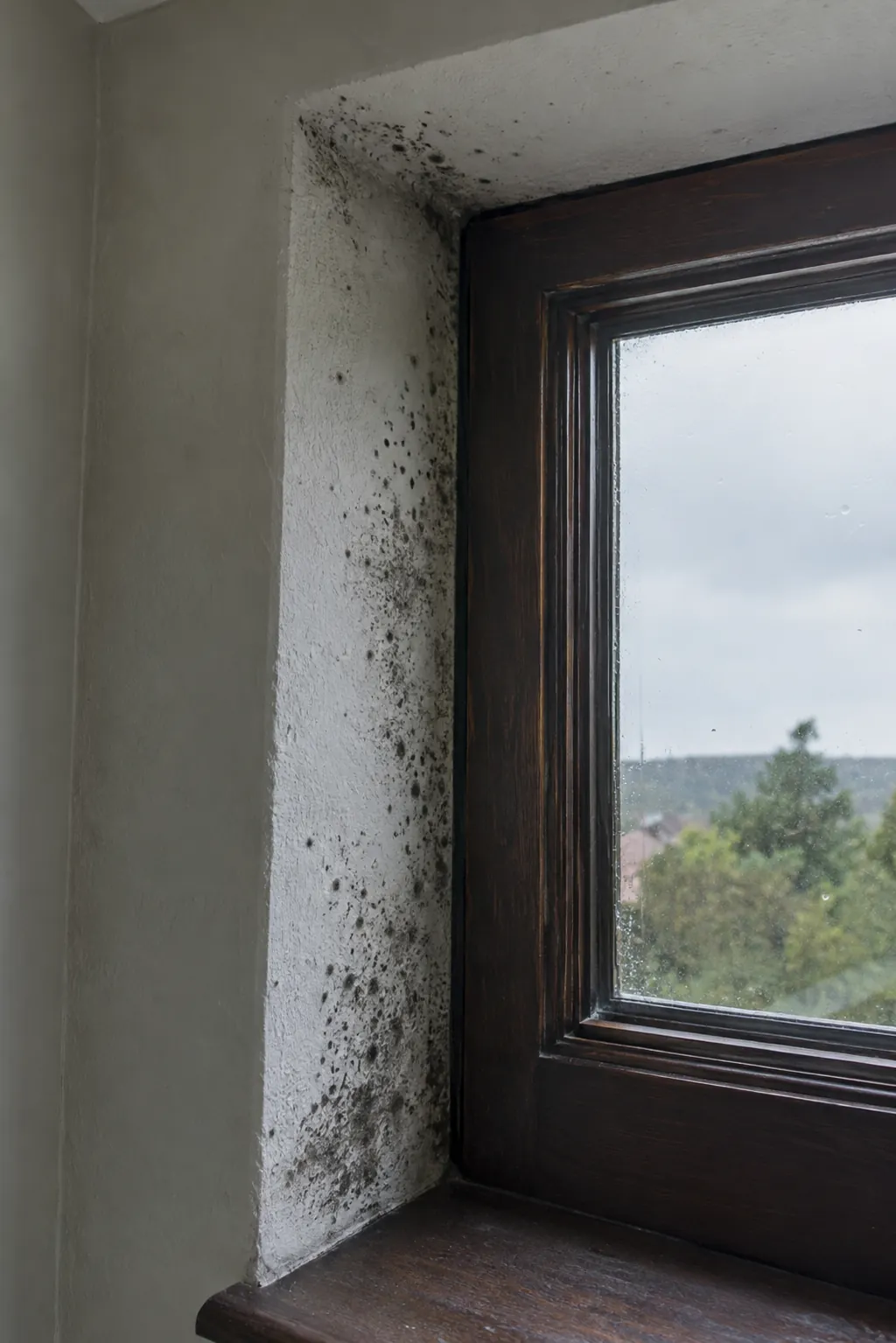
A bathroom problem may first become visible on the other side of its wall. For mould in an adjoining Bulleen bedroom or hallway, explain the room connection and timing. The dry side of a wet area can need its own assessment.
Adjoining rooms considered
Water-use history recorded
Concealed limits discussed
THE ROOM TELLS A STORY
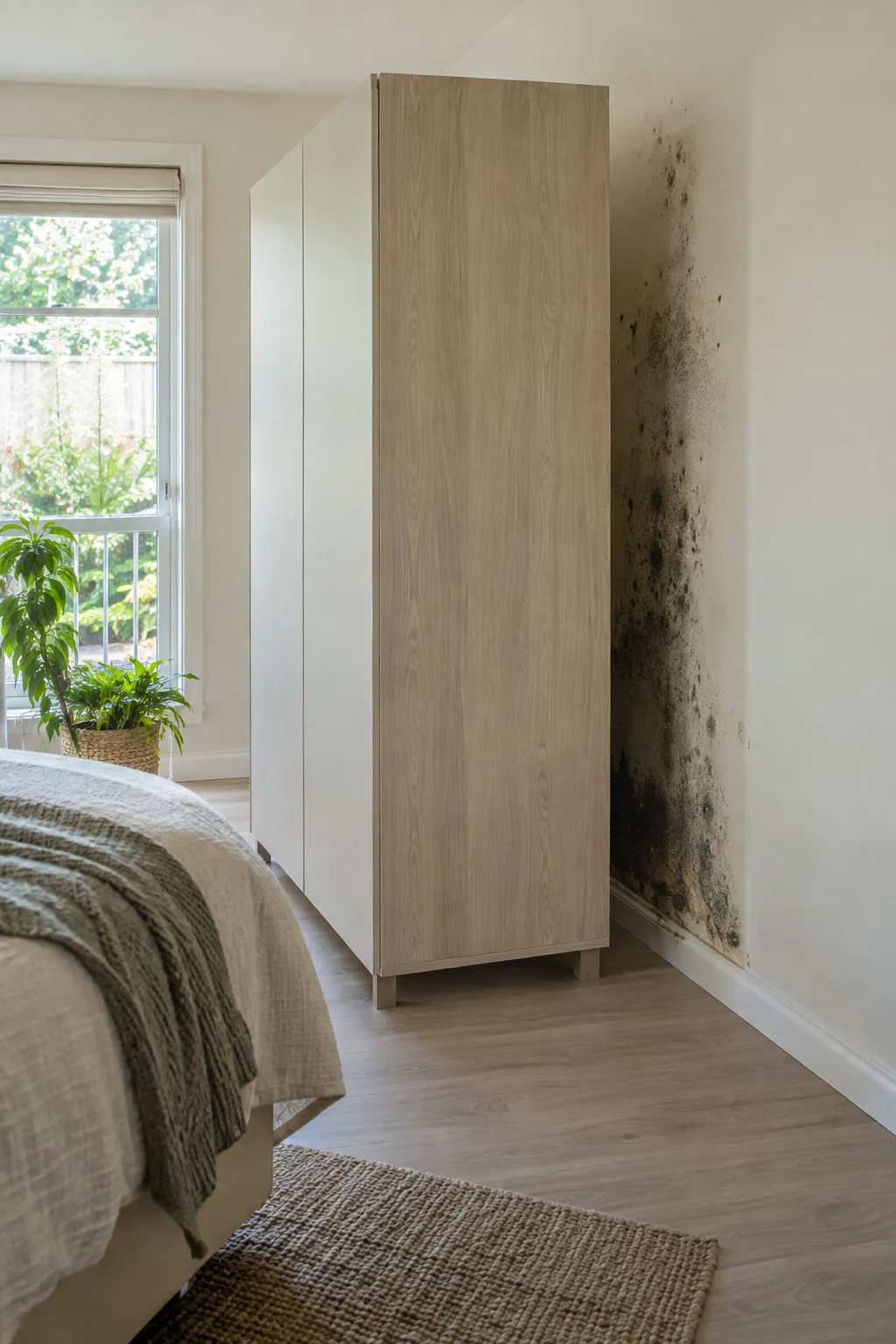
Outside the bathroom.
Still part of the enquiry.
Bulleen is included in Manningham’s locality information. If growth appears beside a bathroom, the useful detail is the relationship between rooms rather than an assumption about the neighbourhood. Describe what lies opposite the affected wall, whether plumbing was repaired and when the mark first became visible.
A mould patch near a wet area does not prove a waterproofing failure. Condensation, a pipe fault and water entering elsewhere remain different possibilities. Bring dated observations and wider photographs to the inspection discussion so the accessible evidence can be considered without guessing the concealed condition.
UNDERSTANDING MOISTURE
Follow the timing
across the wall.
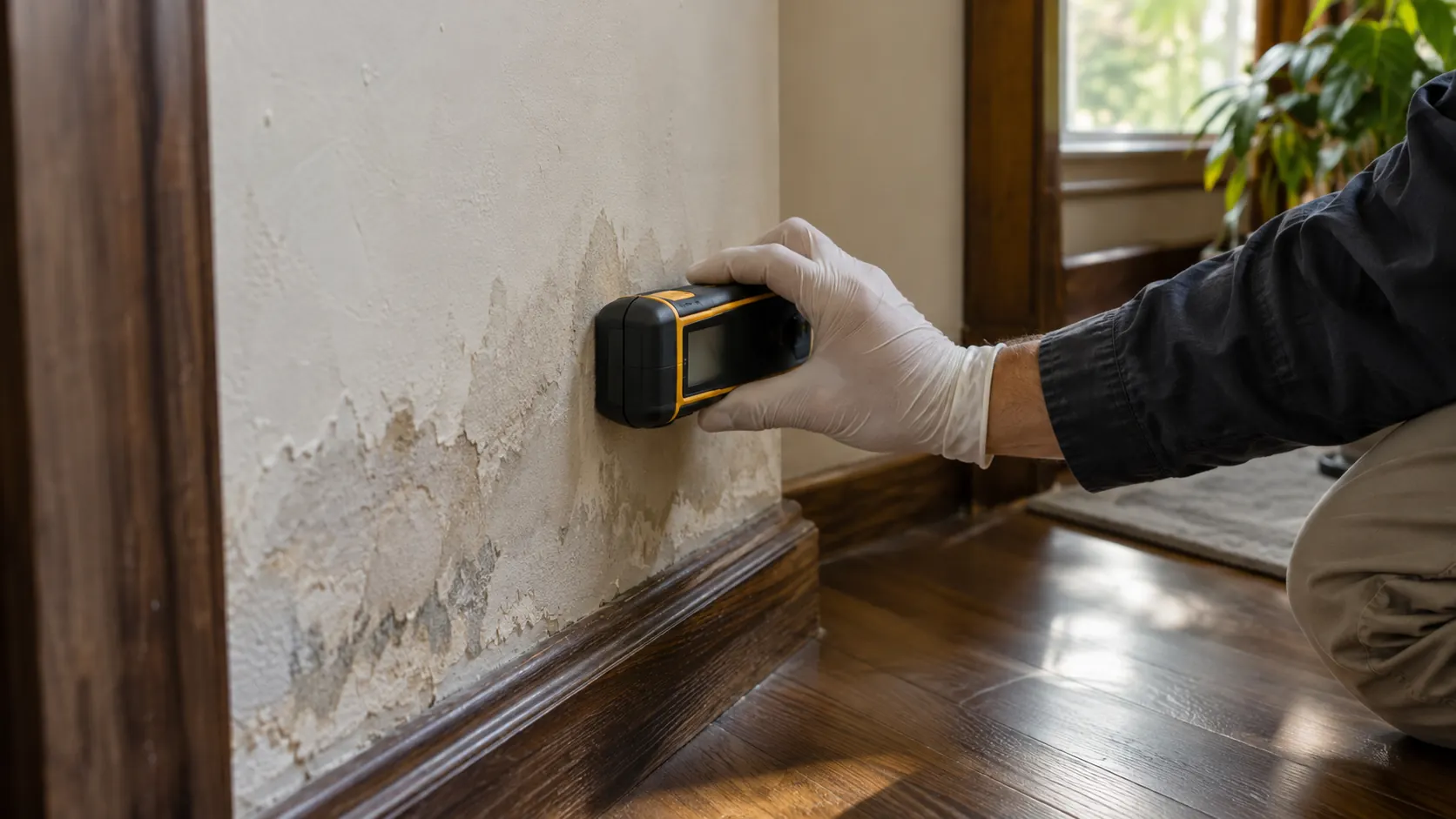
Changes after shower use
Record whether the adjoining mark darkens after showers and whether it dries between uses. The sequence is useful evidence, but it does not establish which fitting or concealed layer may be involved. Avoid testing the wall by disturbing its finish.
Water unrelated to the bathroom
Keep rain observations separate. A mark close to plumbing can still have a source elsewhere. Describe external openings, ceiling stains and earlier repairs if they are relevant to the same room, without treating proximity as a diagnosis.
The dry-side material
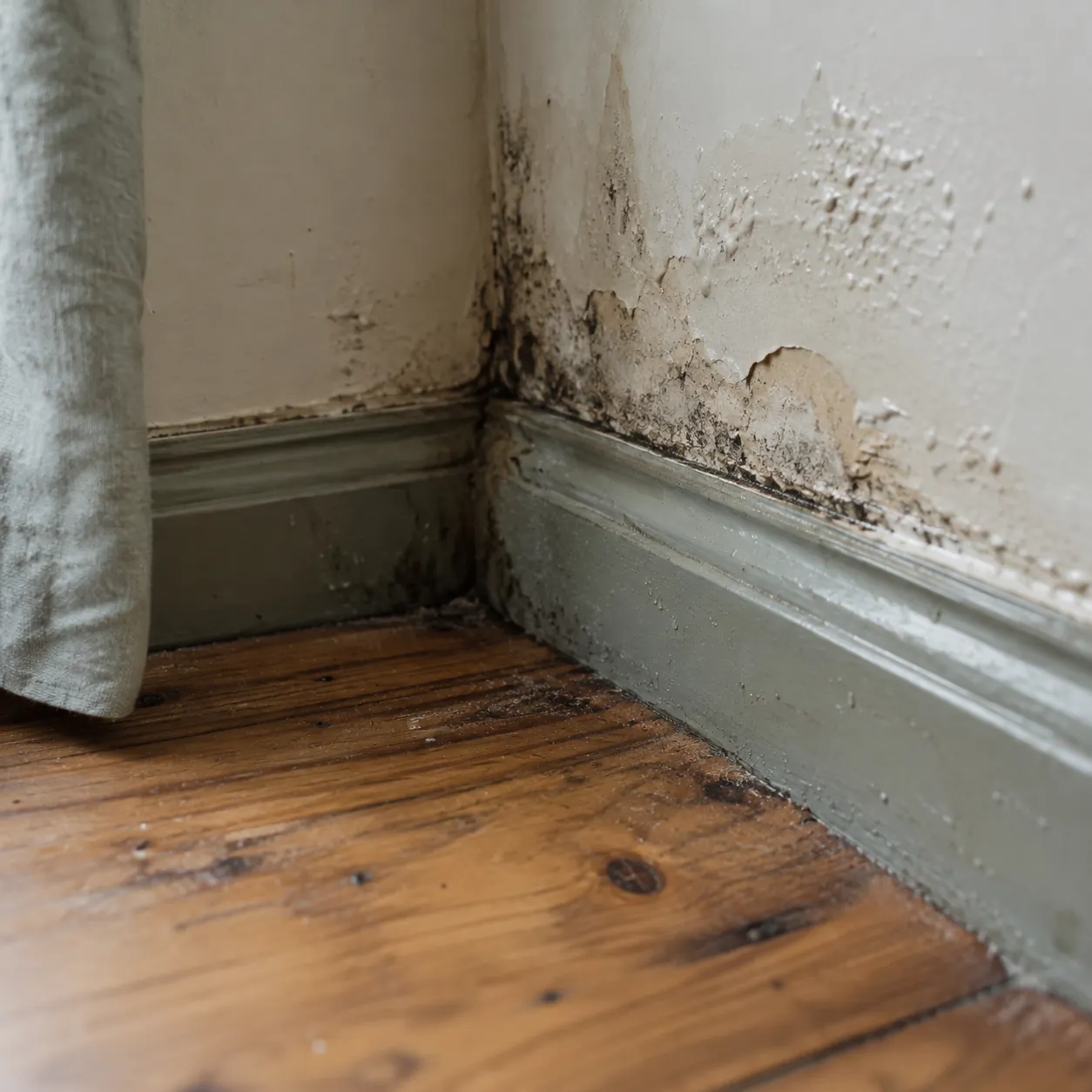
Peeling paint, soft plaster or swollen skirting can indicate deterioration requiring another decision. An accessible moisture assessment has limits behind a closed wall. Investigation of plumbing or waterproofing may need the appropriate trade before decoration proceeds.
OUR REMOVAL PROCESS
Discuss both rooms.
Define one clear scope.
Draw the room relationship
A simple description of which wall sits beside the shower can clarify the enquiry. Pair it with photographs from both accessible rooms and the dates of relevant repairs.
Record use and weather separately
Note shower-related changes and rain-related changes as different events. A short record makes it easier to explain why one suspected source may not account for everything observed.
Ask about repair sequencing
Confirm who will investigate unresolved water entry and how that work relates to removal. Do not assume the dry-side finish is ready for repainting while the source remains uncertain.
01
Locate the affected surfaces
Explain the bathroom layout and the adjoining room. Establish which visible areas are accessible through mould removal. Include growth on each side separately rather than assuming a single photograph captures the extent.
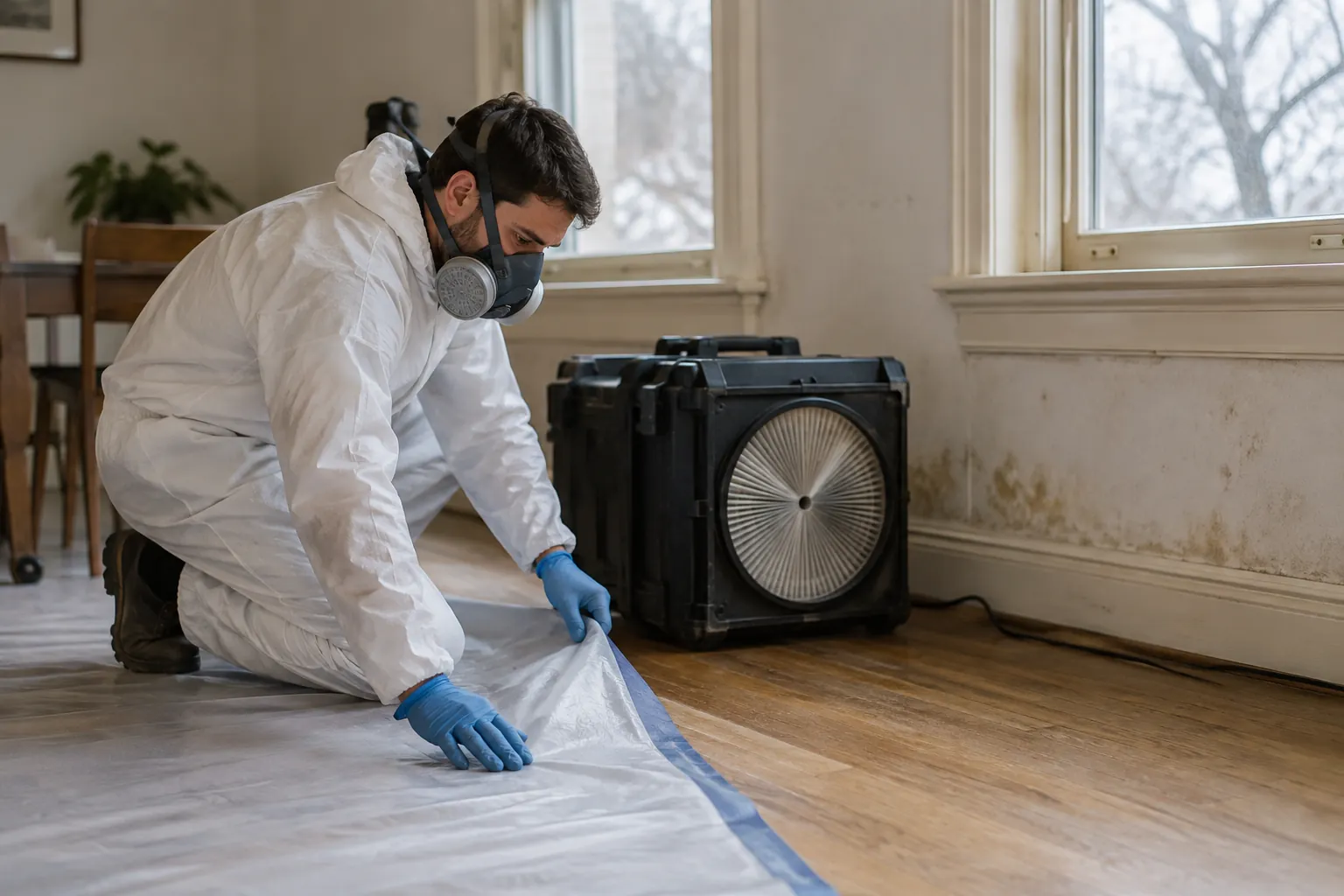
02
Prepare around the connection
Mention furniture, bathroom fittings and narrow access. Agree what needs moving and how belongings will be protected. Do not remove fixed fixtures or open a wall simply to prepare it for an accessible surface appointment.
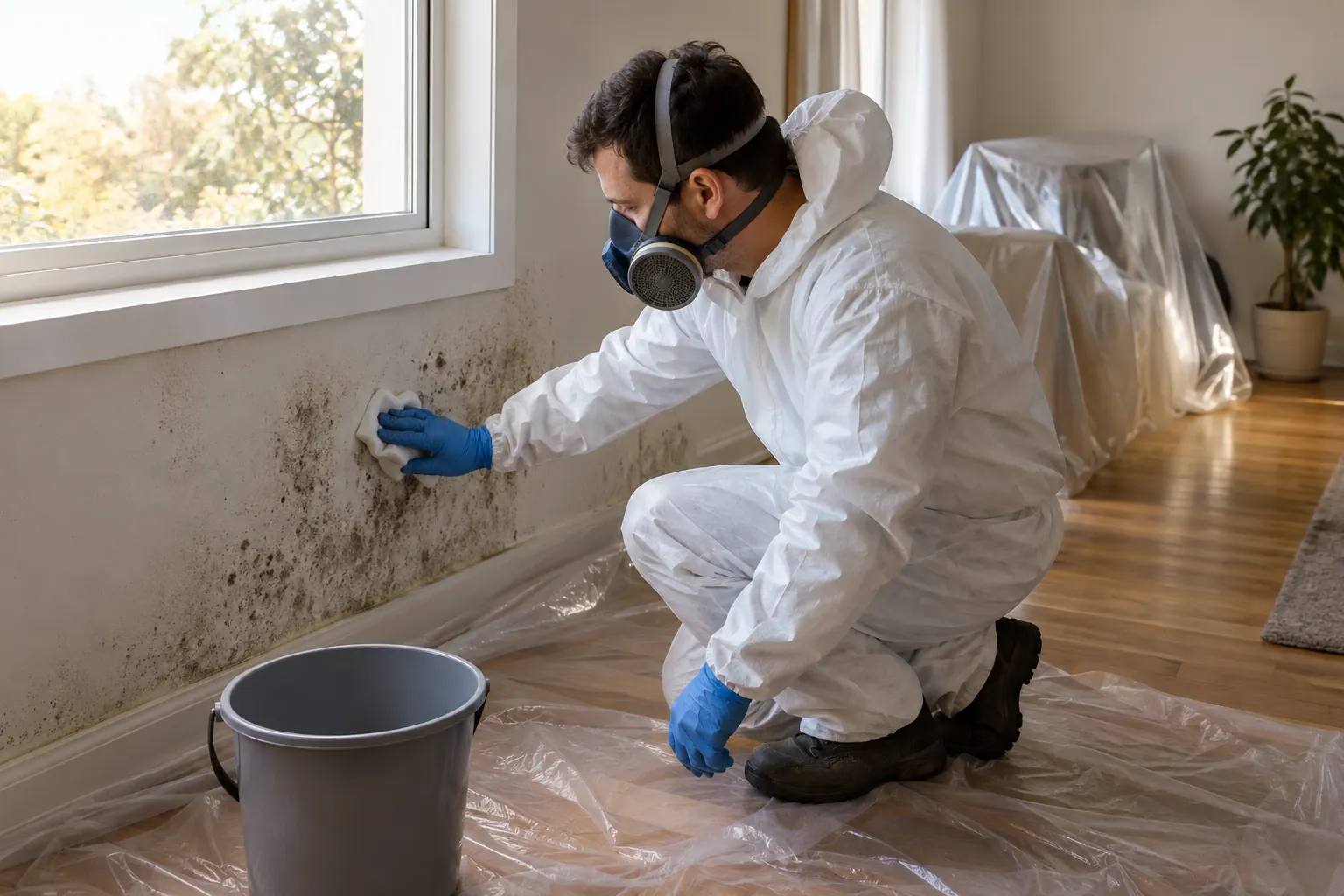
03
Connect removal with source work
Discuss what still needs investigation or repair. Mould remediation considers the wider moisture and material issues, while plumbing and waterproofing repairs remain separate work. Removing visible growth does not certify a concealed wet area.
COMMON AREAS AFFECTED
Two rooms.
Several connected finishes.
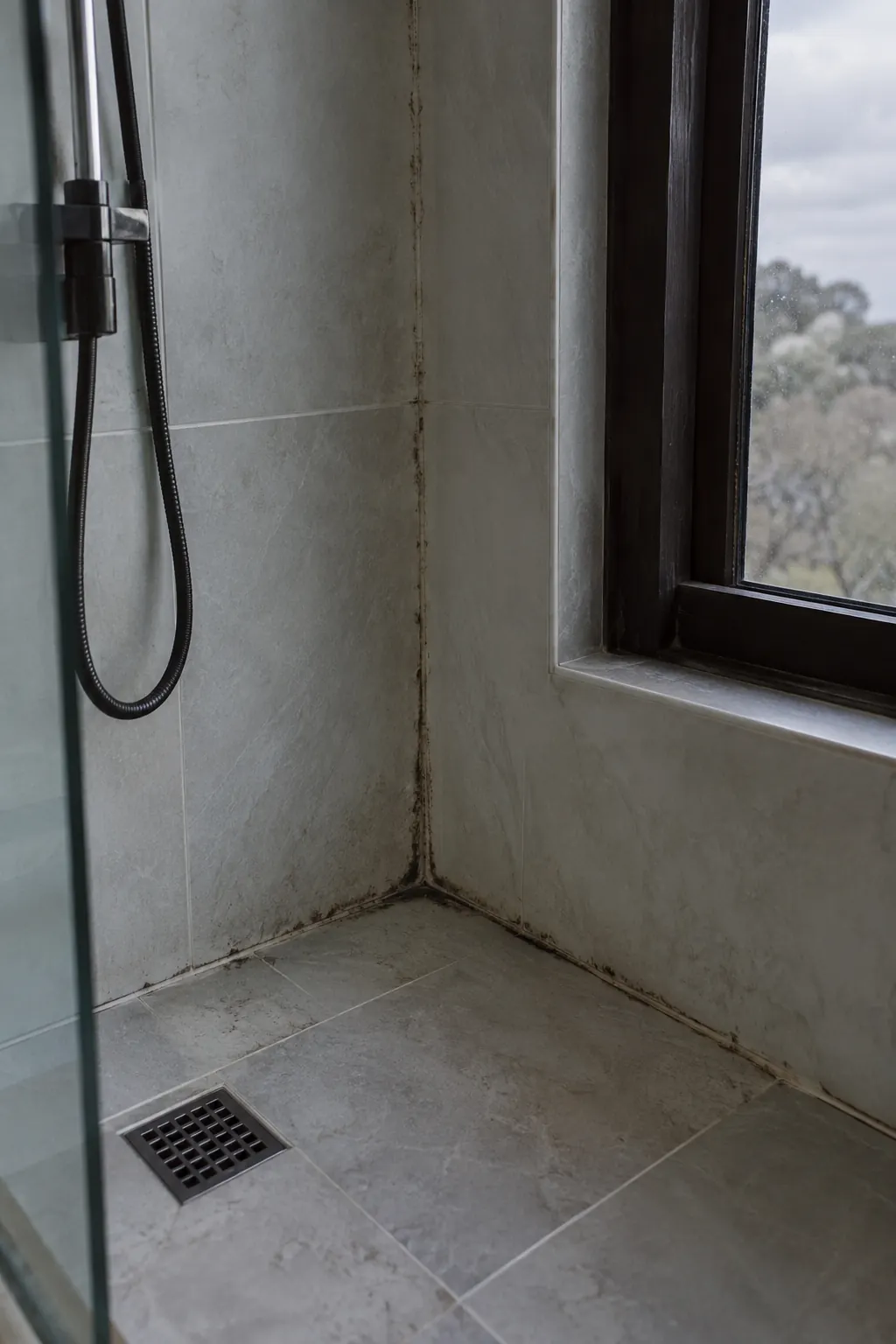
The wet-area face
Photograph grout, silicone and adjacent finishes separately from the mark in the next room.
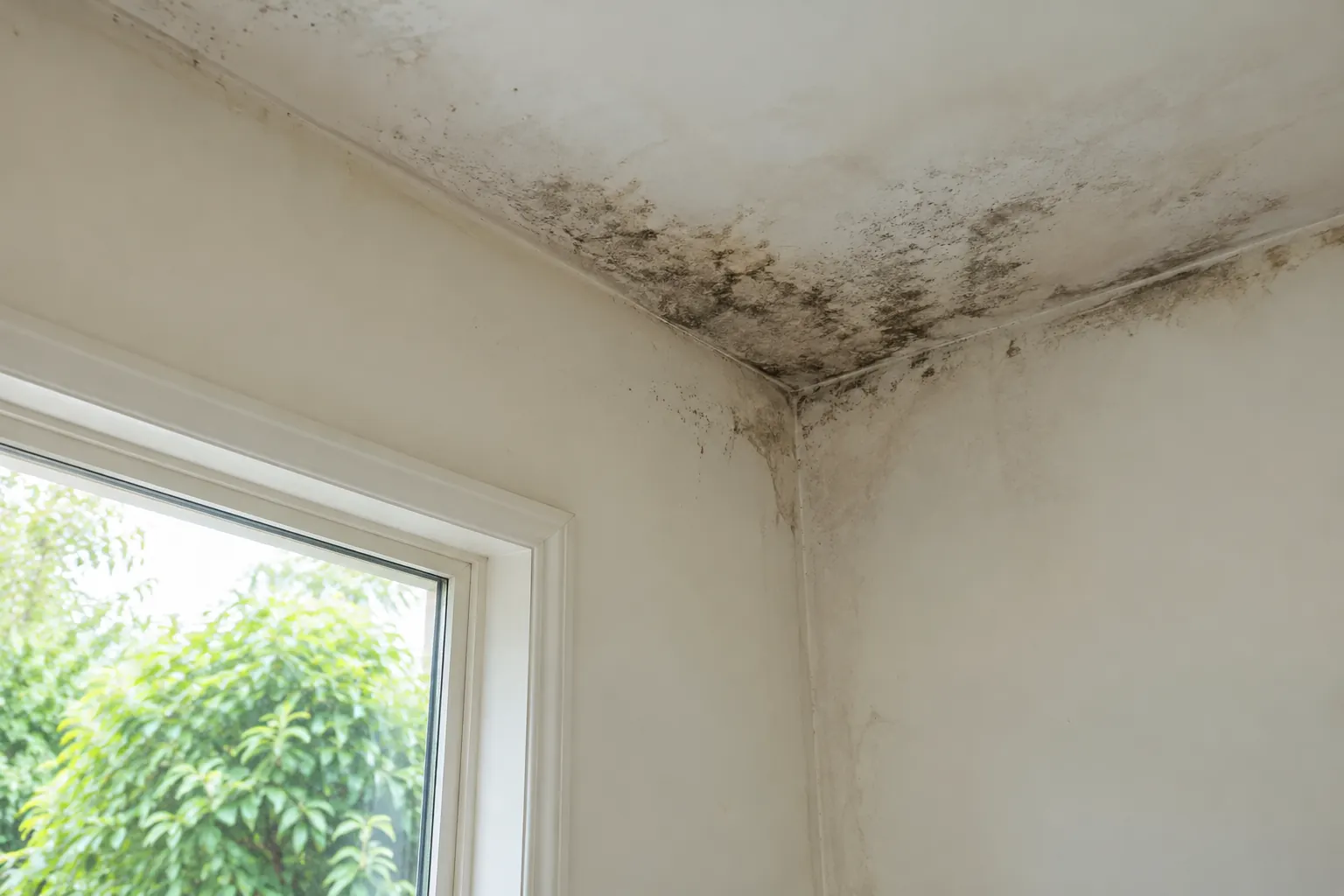
Overhead clues
A ceiling stain may add useful history where the adjoining wall alone does not explain water entry.
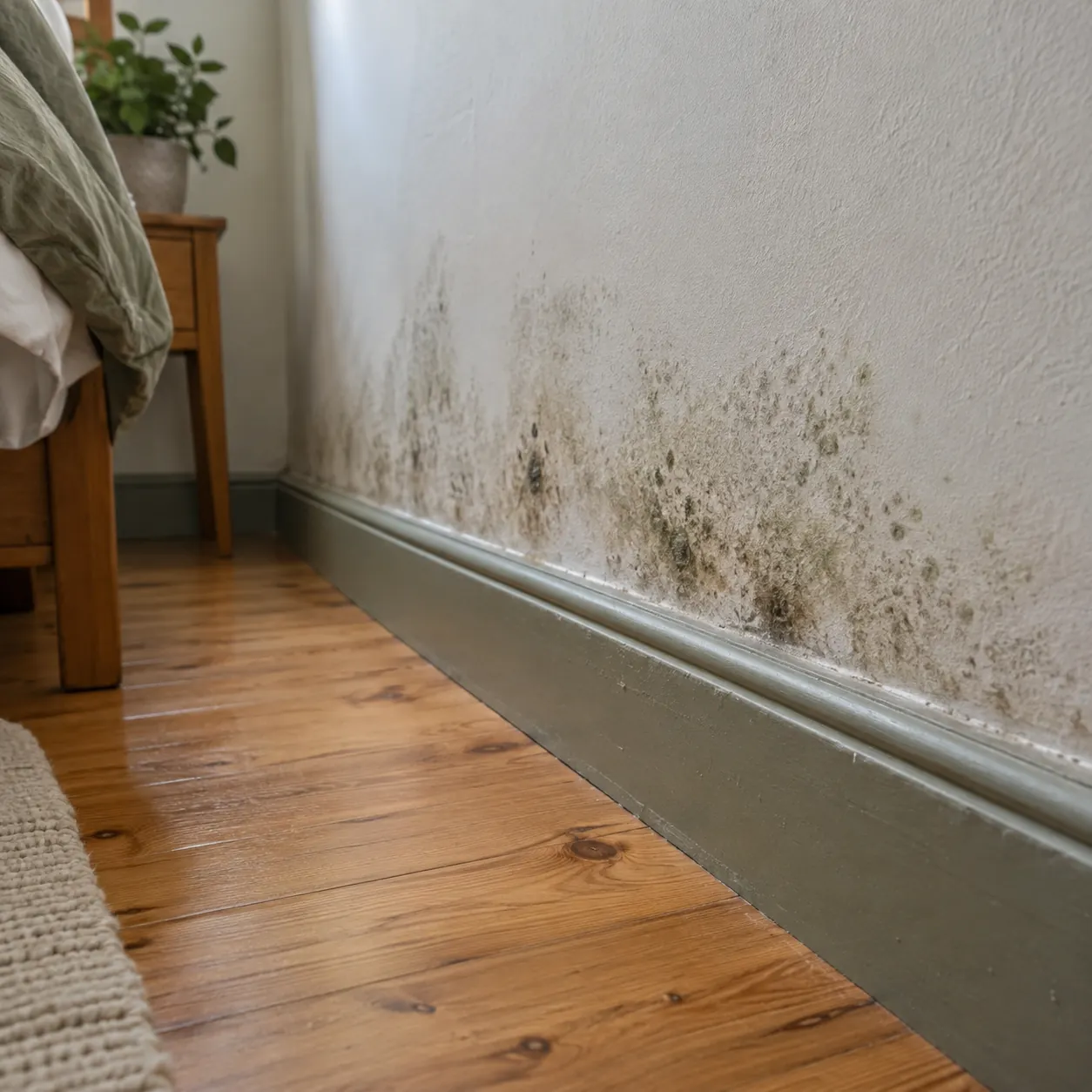
The other side
Describe the location and condition of plaster or paint outside the bathroom.
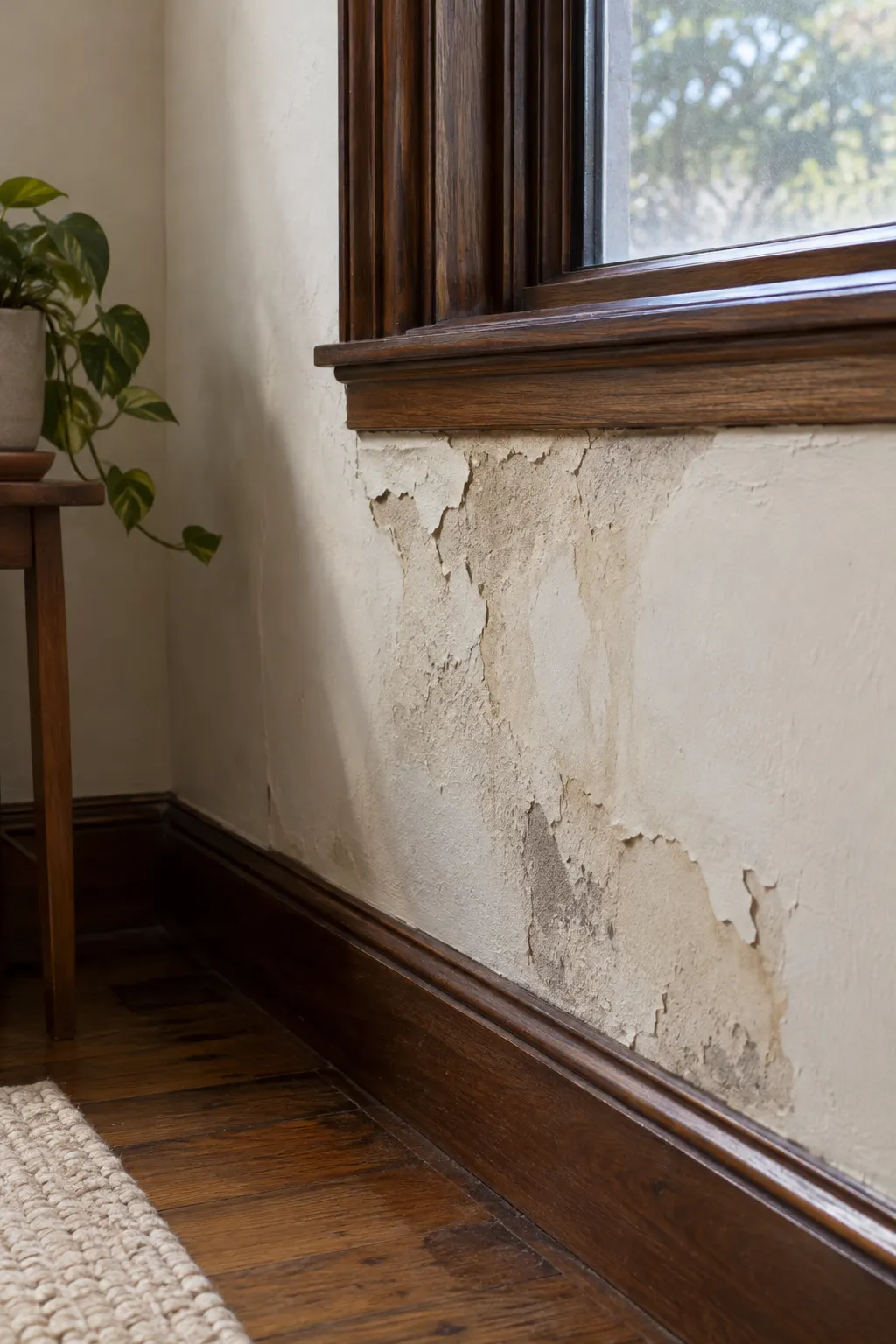
Damaged junctions
Deteriorated skirting and softened finishes may need material assessment beyond cleaning.
PREVENTION STARTS WITH
Resolve the source.
Then restore the finish.
Do not decorate too soon
Keep changing marks available for investigation. New paint can obscure the sequence without repairing plumbing or waterproofing. Where building work is needed, ask about drying and the affected material before arranging cosmetic restoration on the adjoining wall.
Keep useful follow-up evidence
Retain the original photographs and source repair dates. If the same area changes again, compare the timing with shower use and rain. A recurring patch deserves a fresh cause discussion rather than an assumption that it simply needs another round of cleaning.
BULLEEN & NEARBY
Bulleen and
neighbouring room guides.
Explore the Templestowe guide and Doncaster guide for connected local enquiries. Give your Bulleen street and both room descriptions when confirming availability and the appropriate next assessment step.
BEFORE YOU CALL
Questions across
the bathroom wall.
Does mould outside a bathroom prove a leak inside it?
No. The relationship is worth investigating, but appearance and location alone cannot establish plumbing or waterproofing failure. Timing and material evidence matter.
Should both sides of the wall be photographed?
Yes, where safely accessible. Wider views show the room relationship, while close views record the visible condition without removing fittings.
Can surface removal check concealed waterproofing?
It cannot certify an unseen assembly. Suspected source problems may need a suitable building or plumbing specialist and additional access arrangements.
What if a shower repair has already been done?
Keep the dates and work description. Explain whether the adjoining mark has changed afterwards and whether drying or damaged-material decisions were addressed.
Is repainting the bedroom wall part of the service?
Discuss decoration separately. The agreed removal scope does not automatically include repair, replacement or repainting of a damp or deteriorated finish.
Which room should I describe first on the call?
Start with the visible affected area, then explain the bathroom beside it. Include water-use timing, repairs and access rather than choosing an unverified cause.
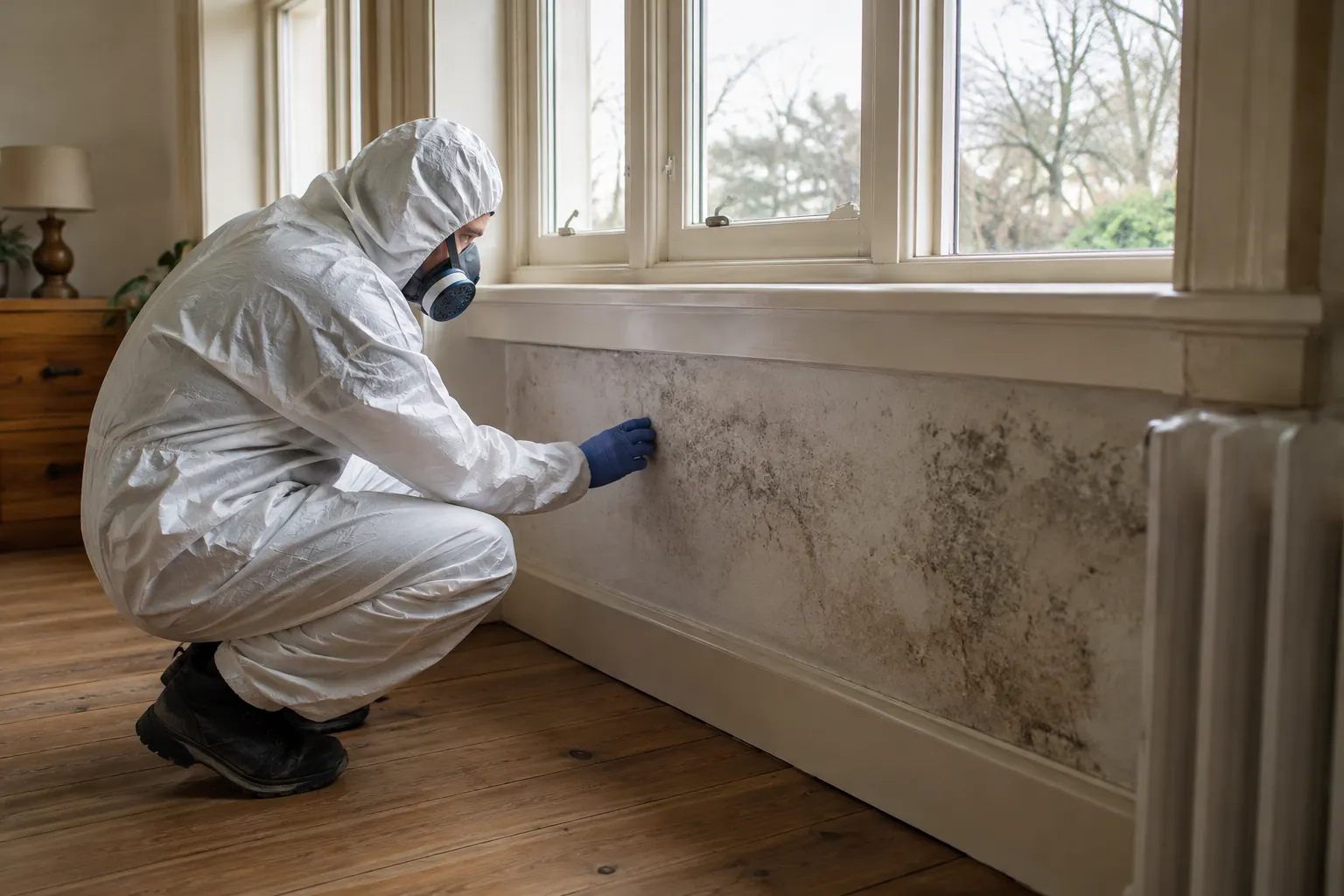
TELL US WHAT YOU CAN SEE
Explain the connection.
Discuss the next step.
Call 03 8652 1296 with your Bulleen address, adjoining-room photographs and moisture history. We can discuss accessible assessment and scope.
Local context: Manningham locality information